You might wonder, what do you need to make a survival kit? Start with the basics: water, nonperishable food, a flashlight, and a first-aid kit. These items help you stay safe during emergencies like storms or power outages. Nearly 60% of households in the United States already have a survival kit, but many people still feel unsure about what goes inside. You can learn how to make a survival kit step by step, and it’s easier than you think. Just gather a few essentials and you’ll feel ready for anything.

Key Takeaways
- Begin your survival kit with important things: water, food that lasts, a flashlight, and a first-aid kit.
- Pick strong tools like a good knife and a multi-tool. These help you with many problems.
- Bring more than one way to start a fire, like lighters and matches that work in water. This helps you make fire anytime.
- Put at least one gallon of water for each person for each day. Add water cleaning tablets or a water filter.
- Choose food that does not spoil and is simple to make, like canned food and energy bars. These help you stay strong in emergencies.
- Keep your kit neat by putting similar things together. This helps you find things fast.
- Look at your survival kit every six months. Change old things and add new ones for different seasons.
- Try using your gear in real life. This helps you feel sure and know how to use everything well.
Survival Kit Essentials
When you start building your survival kit, focus on the basic elements that keep you safe and comfortable. Let’s break down the must-have items for your wilderness survival kit, starting with tools, fire-starting tools, and water.
Tools
You need reliable tools in your survival kit. These help you cut, fix, and handle unexpected challenges. Outdoor experts recommend several beginner-friendly kits. Here’s a quick look at some top picks:
| Kit Name | Pros | Cons | Key Features |
|---|---|---|---|
| ESEE Knives Mini Kit | Fits in a pocket, Has survival advice inside | Lacks items for shelter and water | Weight: 5 ounces, Dimensions: 2.5 X 4 inches, Includes: Supplies for fire, food gathering, signaling and navigation |
| SOL Scout | Brightly colored, Meets most basic wilderness needs, Waterproof | Ferro rod and fishing tackle assortment are underwhelming | Weight: 5.4 ounces, Dimensions: 4 X 7 inches, Includes: Shelter, fire, navigation and signaling components |
| Everlit Survival Upgraded Survival First Aid Kit | Loads of survival and medical gear | Bulky and a little heavy, Low quality knife, No water procurement | Weight: 2.3 pounds, Dimensions: 7.5 X 8.5 inches (and 4 inches deep), Includes: A wide range of first aid supplies |
Knife
A sturdy knife is one of the most important must-have items in your wilderness survival kit. You use it for cutting rope, preparing food, and even making shelter. Choose a knife that feels comfortable in your hand and stays sharp.
Multi-tool
A multi-tool packs several basic elements into one device. You get pliers, screwdrivers, scissors, and more. This tool saves space and helps you tackle many tasks without carrying extra gear.
Duct Tape
Duct tape fixes almost anything. Patch up torn gear, seal containers, or make quick repairs. Wrap a few feet around your water bottle or lighter so it’s always handy.
Paracord
Paracord is strong and lightweight. Use it to build shelter, secure items, or make a clothesline. You can even use the inner strands for fishing or sewing.
Fire Starting
Fire-starting tools are essential for any survival kit. Survival experts say fire is crucial for warmth, cooking, purifying water, signaling for help, and keeping your spirits up. You need a fire kit with different ignition sources so you can start a fire in any condition.
| Fire Starting Method | Importance |
|---|---|
| Lighters | Essential for quick ignition |
| Matches | Reliable and easy to use |
| Ferro rod | Versatile and durable option |
Tip: Pack more than one fire-starting tool. If one fails, you have a backup.
Waterproof Matches
Waterproof matches light even when wet. Store them in a sealed container to keep them dry. They’re easy to use and work well in most situations.
Lighter
A lighter gives you instant flame. It’s quick and simple. Bring a few, just in case one runs out of fuel.
Fire Starter
A fire starter, like a ferro rod, works in rain or snow. Scrape it with a knife to create sparks. Practice using it before you need it in an emergency.
Water
Water is the most important part of your survival kit. Emergency guidelines say you should store at least one gallon of water per person per day, and keep enough for at least three days. This covers drinking, cooking, and cleaning. Your wilderness survival kit should include ways to carry, clean, and find water.
- One gallon of water per person per day is recommended for emergencies.
- Store enough water for at least three days.
- Extra water is needed for kids, seniors, and pets.
Bottled Water
Pack sealed bottled water in your kit. It’s safe and easy to grab in a hurry. Rotate bottles every six months to keep them fresh.
Purification Tablets
Water purification tablets make unsafe water drinkable. Drop a tablet into a bottle and wait for it to work. These tablets are lightweight and fit easily in your kit.
Water Filter
A water filtration system, like the Sawyer Squeeze, removes dirt and germs from streams or lakes. It’s portable and simple to use. Add one to your survival kit for extra protection.
Note: Always have more than one way to get clean water. Bottled water, water purification tablets, and a water filter cover all your bases.
Your survival kit needs these basic elements to keep you safe in the wilderness. With the right tools, fire-starting tools, and water supplies, you’re ready for almost anything.
Food
When you pack your survival kit, food keeps your energy up and helps you stay focused. You want options that last a long time and don’t spoil easily. FEMA recommends several types of food for emergencies. Here’s a simple list to help you choose:
- Canned Goods
- Vegetables, fruits, meats, soups, and stews give you variety and nutrition.
- Dehydrated and Freeze-Dried Foods
- Freeze-dried meals and dehydrated fruits or vegetables are lightweight and easy to prepare.
- Jerky and Protein Snacks
- Beef jerky or turkey jerky provide protein and last for months.
- Grains and Carbohydrates
- Rice, pasta, quinoa, and crackers fill you up and store well.
- Nut Butters
- Peanut butter or almond butter offer healthy fats and protein.
- Granola and Energy Bars
- These bars are perfect for quick snacks and don’t take up much space.
- Shelf-Stable Milk and Beverages
- Powdered milk and boxed juices help you stay hydrated.
Non-perishable Food
Non-perishable food is the backbone of any survival kit. You want items that don’t need refrigeration and can last for months. Canned goods, grains, and nut butters are smart choices. You can eat them straight from the package or heat them if you have a way to cook.
Energy Bars
Energy bars are a favorite for survival kits. They pack a lot of calories and nutrients into a small space. You can grab one quickly when you need a boost. Look for bars with protein, fiber, and vitamins.
Freeze-Dried Meals
Freeze-dried meals are lightweight and easy to store. You just add water to prepare them. These meals come in many flavors, so you won’t get bored. They’re perfect for emergencies when you need something filling and simple.
Tip: Rotate your food every six months. This keeps everything fresh and ready for your next adventure.
First Aid
Accidents happen, so you need medical supplies in your survival kit. The American Red Cross recommends packing a first aid kit with items that help you treat cuts, scrapes, and minor injuries. You want to be ready for anything, even if you’re far from help.
- Bandages and gauze help stop bleeding and protect wounds.
- Pain relievers ease headaches, muscle aches, or fever.
- Antiseptic wipes clean cuts and prevent infection.
- Add extra medical supplies like medications or allergy treatments if you need them.
Bandages
Bandages come in different sizes. You use them to cover small cuts or scrapes. They keep dirt out and help wounds heal faster.
Gauze
Gauze pads are great for bigger injuries. You can wrap them around a wound or use them to stop bleeding. Keep a few in your first aid kit for emergencies.
Pain Relievers
Pain relievers like acetaminophen or ibuprofen help you feel better when you’re hurt or sick. Pack enough for several days.
Antiseptic Wipes
Antiseptic wipes clean wounds and kill germs. You use them before putting on a bandage. They’re small and fit easily in your kit.
Note: Always check your medical supplies every few months. Replace anything that’s expired or damaged.
Shelter
Shelter keeps you safe from rain, wind, and cold. You want items that are light, easy to carry, and quick to set up. These essentials help you stay warm and dry during emergencies.
Space Blanket
A space blanket, also called a rescue blanket, is a must-have for survival. It reflects your body heat and helps prevent hypothermia. The shiny material also makes you easier to spot if you need help. You can use it as a blanket, a ground cover, or even a makeshift shelter.
Tarp
A tarp gives you instant protection from the weather. You can use it as a roof, a ground sheet, or a windbreak. Tarps fold up small and weigh very little, so they fit easily in your survival kit.
Poncho
A poncho keeps you dry when it rains. You can wear it or use it as an emergency shelter. Some ponchos double as ground covers or blankets.
Tip: Practice setting up your shelter gear before you need it. You’ll feel more confident in a real emergency.
Light
When you find yourself in the dark, a reliable light source can make all the difference. You want to see where you’re going, signal for help, and feel safe. Let’s look at the best options for your survival kit.
Flashlight
A flashlight is a must-have for any survival kit. You want one that’s tough, bright, and easy to use. Many people choose the GearLight S1000 because it’s affordable, durable, and gives you up to 800 lumens of light. It lasts for at least 10 hours on fresh batteries and fits easily in your hand. If you want something even brighter, the Olight Seeker 4 Pro offers a powerful beam, waterproof design, and a magnetic charging system. It can run for up to 15 days, so you won’t worry about losing light during an emergency.
Tip: Pick a flashlight that works in rain or snow. You never know when you’ll need it.
Headlamp
A headlamp lets you keep your hands free while you work, walk, or set up shelter. You just strap it on your head and point the light wherever you look. This is perfect for nighttime tasks or when you need to carry gear. Look for a headlamp with adjustable brightness and a comfortable strap.
Extra Batteries
Don’t forget extra batteries for your flashlight and headlamp. Pack enough to last several days. Store them in a waterproof bag so they stay dry. You don’t want your light to run out when you need it most.
Signaling
Signaling devices help you get noticed if you need rescue. Search and rescue teams recommend carrying more than one way to signal for help. Here are some top picks for your survival kit:
- Orion Whistle & Mirror Kit: Combines a loud whistle with a high-visibility mirror.
- Restube Emergency Whistle: Floats and works even underwater.
- Whistles for Life Tri-Power Whistle: Cuts through wind and rain with a powerful sound.
- Coghlan’s Sight-Grid Signal Mirror: Lightweight and easy to aim.
- SOL Rescue Flash Floating Signal Mirror: Sends bright flashes up to 20 miles away.
- Coghlan’s Six-Function Survival Whistle Tool: Packs several tools in one.
- Orion Signaling Kit: Great for groups who need to signal together.
- Coghlan’s Signal Whistle: Budget-friendly and reliable.
Whistle
A whistle is small but mighty. You can use it to call for help, scare away animals, or alert others in your group. Choose one that’s loud and easy to blow. Some whistles work even if they get wet.
Signal Mirror
A signal mirror lets you flash sunlight toward rescuers or passing planes. It’s lightweight and simple to use. Practice aiming the mirror before you pack it, so you know how to use it in a real emergency.
Emergency Radio
An emergency radio keeps you updated on weather alerts and rescue information. Pick one that runs on batteries or has a hand-crank. Some radios even charge your phone or have built-in flashlights. You stay connected and informed, even when you’re far from home.
Note: Always pack at least two signaling devices. If one fails, you have a backup.
Clothing & Toiletries
Staying warm, dry, and clean helps you stay healthy and comfortable during survival situations. The right clothing and toiletries make a big difference.
Socks
Pack extra warm socks in your kit. Wool socks keep your feet dry and cozy, even in cold weather. If your feet stay warm, you can walk farther and avoid blisters.
Jacket
A good jacket protects you from wind, rain, and cold. For cold climates, choose a winter jacket or coat. Layering is key—add a down vest, raincoat, or warm mid-layer if you expect freezing temperatures. Don’t forget a hat and gloves for extra warmth.
| Essential Clothing | Why You Need It |
|---|---|
| Insulating layers | Trap body heat and keep you warm |
| Winter jacket | Shields you from cold and wind |
| Raincoat | Keeps you dry in wet weather |
| Warm socks | Prevents blisters and cold feet |
| Hat and gloves | Protects your head and hands |
Basic Toiletries
Hygiene matters, even in survival situations. Pack a small toiletry kit with these essentials:
- Toilet paper
- Toothbrush
- Breath freshener
- Deodorant
- Soap
- Hand sanitizer
These items help you stay clean and prevent infection. You can build a portable kit that fits in your bag. Staying clean keeps your body healthy and your spirits up.
Tip: Replace toiletries every few months. Fresh supplies work better and keep you feeling your best.
You now have the basics for light, signaling, clothing, and toiletries in your survival kit. With these items, you’re ready to handle emergencies and stay safe until help arrives.
How to Make a Survival Kit
Organize Items
When you start learning how to make a survival kit, you want to keep everything neat and easy to find. Gather all your supplies in one spot. Sort each item by its use. You can make groups like light sources, food, first aid, and shelter. Separate big items from small ones. This step helps you see what you have and what you still need.
Try using packing cubes or dry sacks. These keep things tidy and stop items from getting lost. Label each bag or container. For example, write “First Aid” on your medical supplies pouch. You can also make small kits inside your main kit, like a fire-making kit or a cooking kit. This way, you grab what you need fast.
Tip: Store your organized supplies in a spot where you can reach them quickly. Use shelves or stack containers to save space.
Pack for Accessibility
You want to reach important items without digging through your whole kit. Place things you use most often at the top or in outside pockets. Flashlights, water, and first aid should be easy to grab. If your bag has MOLLE webbing, attach quick-access items there. Some gear, like a whistle or emergency radio, works best on the outside of your kit.
Here’s a simple table to help you decide where to pack things:
| Item | Best Location |
|---|---|
| First Aid Kit | Top or side pocket |
| Flashlight | Outside pocket |
| Water Bottle | Side pocket |
| Emergency Blanket | Main compartment |
| Whistle | Attached to strap |
Label each compartment. This makes it easy to find things, even in the dark. When you know how to make a survival kit, you save time and avoid stress during emergencies.
Balance Weight
A heavy kit slows you down. You want your survival kit to be light but still have everything you need. Start by picking only the essentials. Leave out extras that add weight. Choose compact tools and lightweight materials. For example, use an emergency blanket instead of a sleeping bag.
Layer your clothing. Moisture-wicking shirts and thin jackets work better than bulky coats. Think about how long you might need your kit. If you plan for a short trip, pack less. For longer stays, add more supplies but keep weight in mind.
Remember: The best way to learn how to make a survival kit is to test it. Carry your kit around the house or yard. If it feels too heavy, remove some items.
When you focus on building and maintaining your survival kit, you make smart choices. You organize, pack for accessibility, and balance weight. These steps help you stay safe and ready for anything.
Label and Inventory
You’ve gathered your survival kit items and packed them neatly. Now, you want to make sure you can find everything fast. Labeling and keeping an inventory help you stay organized and ready for any emergency.
Start by labeling every pouch, bag, or container in your kit. Use a permanent marker or waterproof labels. Write clear names like “First Aid,” “Snacks,” or “Fire Tools.” This way, you won’t waste time searching for what you need. If you have kids or family members, they can help find things too.
Next, create a simple inventory list. This is just a record of what’s inside your kit. You can write it on paper, use a small notebook, or even make a chart on your phone. An inventory helps you remember what you packed and what you need to replace. It also keeps you from forgetting important items.
Here’s a quick example of how your inventory chart might look:
| Item | Quantity | Expiration Date | Location |
|---|---|---|---|
| Bandages | 10 | 12/2025 | First Aid Pouch |
| Bottled Water | 4 | 06/2025 | Side Pocket |
| Energy Bars | 6 | 09/2024 | Food Bag |
| Flashlight | 1 | N/A | Outside Pocket |
| Pain Relievers | 1 bottle | 11/2024 | First Aid Pouch |
Tip: Check your inventory every few months. Replace anything that’s expired or used up. This keeps your kit fresh and ready.
You can also use color-coded labels for quick sorting. For example, use red for first aid, blue for water, and green for food. This makes it even easier to grab what you need in a hurry.
Don’t forget to keep track of expiration dates. Write them on your inventory chart and on the actual items if possible. This helps you avoid using old food or medicine. When you buy new supplies, put the newest ones at the back and use the older ones first. This method is called “first in, first out.”
If you have a family or a group, show everyone where things are stored. Practice finding items together. This training helps everyone stay calm and act fast during an emergency.
A well-labeled and inventoried survival kit saves time and reduces stress. You’ll always know what you have and what you need. Staying organized means you’re one step ahead when it matters most.
Survival Bag Selection
Choosing the right bag for your survival kit makes a big difference when you need to move fast or stay organized. You want a bag that fits your needs, feels comfortable, and holds up in tough conditions. Let’s look at the most popular types and what makes each one useful.
Bag Types
You’ll find several bag styles for survival kits. Outdoor gear surveys show these are the most common:
- Bug Out Bags: These are evacuation-style bags, also called go-bags or 72-hour kits. You grab this bag when you need to leave home quickly.
- Get Home Bags: This bag helps you get home safely if you’re stranded or stuck away from home.
- Everyday Carry Bags: You keep this bag with you every day, so you always have basic supplies.
- INCH Bags: “I’m Never Coming Home” bags are for long-term survival. They hold more gear than a standard kit.
- SCARE Kits: These bags are designed for urban unrest and emergencies in cities.
Backpack
A backpack is the top choice for most people. You wear it on your back, which keeps your hands free. Backpacks spread the weight evenly, so you can walk longer without getting tired. Look for padded straps and a sturdy frame. You want enough space for your kit, but not so much that you overpack.
Duffel Bag
A duffel bag gives you lots of room and is easy to pack. You can toss it in your car or carry it by hand. Duffel bags work well for group kits or when you need to bring extra supplies. They don’t always have the best support for long walks, so think about how far you’ll need to carry your kit.
Waterproof Container
A waterproof container protects your kit from rain, snow, and spills. These bags seal tightly and keep everything dry. You might use a waterproof backpack or a hard-sided box. If you live in a wet climate or plan to cross rivers, this type of bag keeps your gear safe.
Size & Weight
Picking the right size and weight for your bag is important. You want your kit to be light enough to carry but big enough to hold what you need. Experts say your bag should not weigh more than 20% of your body weight. For example, if you weigh 160 pounds, your bag should be under 32 pounds. If you’re not very fit, aim for 10%. If you’re in good shape, you can go up to 15%. Carrying too much weight can make you tired, hurt your muscles, and lower your morale. If your bag is too light, you might not have enough supplies in your kit.
Tip: Pack your kit, then try carrying your bag around the house. If it feels heavy, take out some items. If it feels too light, check if you missed anything important.
Durability
You want your bag to last through rough weather and hard use. The material matters a lot. Here’s a quick table to help you choose:
| Material Type | Durability in Harsh Conditions | Notes |
|---|---|---|
| Stainless Steel Bottles | High | Durable, can be used for boiling |
| Hydration Bladders | Low | Valves can leak, ineffective in freezing |
| Spare Gear | Essential | Critical for long-term use |
| Sawyer Mini Filter | High | Recommended over inferior filters |
| Headlamp | High | Hands-free use, better than flashlights |
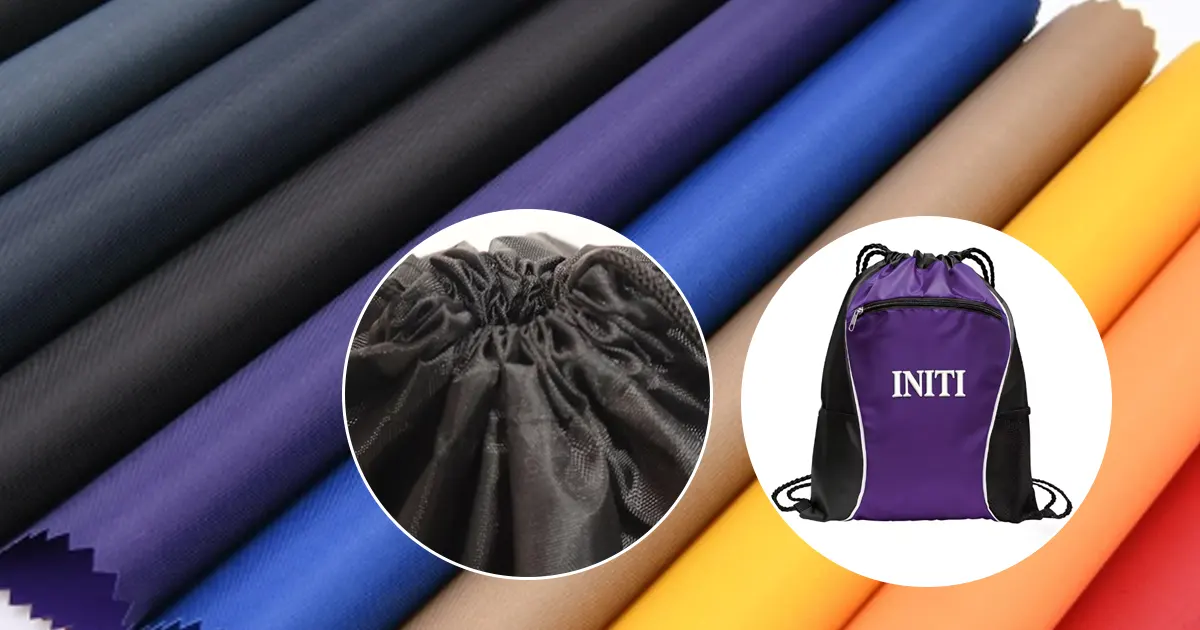
Look for bags made from tough nylon or canvas. These materials resist tears and water. Zippers and seams should feel strong. If you plan to use your kit outdoors, pick a bag with reinforced stitching and waterproof lining.
Note: Check your bag every few months. Replace it if you see rips or broken parts. A strong bag keeps your kit safe and ready.
When you pick the right bag, you make your survival kit easier to carry and use. Think about your needs, test your bag, and choose materials that last. You’ll feel confident knowing your kit is ready for anything.
Survival Tips for Beginners
Start Simple
You don’t need a fancy setup to get started. Begin with the basics and build your survival kit one step at a time. Many beginners try to pack too much or choose items that don’t help in real emergencies. Here’s a quick list of mistakes you should avoid when filling your bag:
- Not packing enough water for everyone, including pets.
- Forgetting important medications.
- Leaving out pain relief supplies.
- Skipping clothing for different seasons.
- Using shoes that won’t protect your feet.
- Packing gear you haven’t tested.
- Filling your bag with things you won’t use.
- Not thinking about what young children need.
- Missing food for pets.
- Tossing everything into your bag without organizing.
Keep your bag simple and practical. Choose items that you know how to use. If you’re unsure about something, leave it out until you learn more. You want your bag to be easy to carry and quick to grab when you need it.
Tip: Start with water, food, first aid, and a flashlight. Add more as you learn what works best for you.
Update Regularly
Your survival kit isn’t something you pack once and forget. You need to check your bag every six months. Look for expired food, medicine, or batteries. Replace anything that’s old or damaged. When the seasons change, swap out clothing and gear. Add warm socks and jackets in winter. Pack sunscreen and a lighter jacket in summer.
- Check your bag for expired items twice a year.
- Add or remove gear based on the weather.
- Make sure your bag always fits your current needs.
A well-maintained bag keeps you ready for anything. If you have kids or pets, update their supplies too. You don’t want to find out you’re missing something important during an emergency.
Note: Set a reminder on your phone to check your bag. Staying organized makes a big difference.
Practice Using Gear
You might have the best gear in your bag, but it won’t help if you don’t know how to use it. Take your bag on a camping trip or a hike. Try building a shelter with your tarp. Practice starting a fire with your matches or lighter. Use your water filter at a stream. The more you practice, the more confident you’ll feel.
- Camping with your bag helps you learn how everything works.
- You’ll get better at building shelters and starting fires.
- Regular practice prepares you for real emergencies.
If you have family, let everyone try using the gear from your bag. Kids can learn how to use a whistle or set up a space blanket. You’ll all feel safer knowing you can handle your bag and its supplies.
Tip: Practice makes perfect. The more you use your bag, the easier it gets.
A simple, updated, and well-practiced bag gives you peace of mind. You’ll know you’re ready for whatever comes your way.
Survival Kit Checklist
Printable List
A checklist helps you pack your survival kit without missing anything. Here’s an easy list you can print and use when you put your bag together. Experts say these items are important for every emergency kit. Check off each item as you add it to your bag.
- Water (one gallon per person, per day)
- Food (non-perishable, easy-to-prepare)
- Flashlight
- Battery-powered or hand-crank radio (NOAA Weather Radio)
- Extra batteries
- First aid kit
- Medications (7-day supply) and medical items
- Multi-purpose tool
- Sanitation and personal hygiene items
- Copies of personal documents (medication list, proof of address, passports, insurance)
- Cell phone with chargers
- Family and emergency contact information
- Extra cash
- Emergency blanket
- Map(s) of the area
Tip: Print this checklist and keep it in your bag. This way, you always know what to check or replace.
Quick Reference
Sometimes you need to find things quickly. This table shows you where to put each item in your bag. Use it as a guide when you organize your survival kit.
| Item | Suggested Location in Bag | Notes |
|---|---|---|
| Water bottle | Side pocket | Easy to grab |
| Flashlight | Top or outside pocket | Quick access |
| First aid kit | Main compartment | Keep visible |
| Emergency blanket | Main compartment | Lightweight |
| Multi-purpose tool | Small pouch or front pocket | Handy for repairs |
| Extra batteries | Zippered pouch | Store dry |
| Food | Main compartment | Rotate every 6 months |
| Radio | Side pocket | Check batteries often |
| Medications | First aid pouch | Label clearly |
| Hygiene items | Small toiletry bag | Replace regularly |
| Documents | Waterproof sleeve | Protect from moisture |
| Cell phone charger | Small electronics pouch | Use a power bank if possible |
| Map | Flat pocket | Fold for easy access |
| Cash | Hidden pocket | Keep small bills |
| Contact info | Card holder or pouch | Update as needed |
Note: Pack your bag so you can reach the most important things first. Practice opening each pocket and finding your supplies. You’ll feel more ready and calm in an emergency.
Use this checklist every time you update your survival kit. Keep your bag neat and ready to go. When you know where everything is, you save time and stay calm.
Common Survival Mistakes
When you build your survival kit, you want to avoid mistakes that can slow you down or leave you unprepared. Many beginners run into the same problems. Let’s look at three common survival mistakes and how you can steer clear of them.
Overpacking
You might think packing more gear means better safety. In reality, stuffing your bag with too much can make it heavy and hard to carry. You end up tired and frustrated. You may even leave your kit behind when you need it most.
Try this: Lay out all your items before packing. Pick only what you need for three days. Choose lightweight versions when possible. If you’re unsure about an item, ask yourself if you’ve used it before. If not, leave it out for now.
Tip: Test your kit by carrying it around your house or yard. If it feels too heavy, remove some items. Your goal is to move quickly and easily.
Missing Essentials
It’s easy to forget important supplies when you pack your kit. You focus on food and water, but skip things that make a big difference in an emergency. Some items get overlooked because they seem small or unimportant.
Here are some essentials people often forget:
- Strong padlocks and chain
- Bolt cutters
- Plastic sheeting or tarps
- Extra extension cords and power strips
- Extra shoes or boots
- Shoe goo
- Maps of your area
- Spray paint
- Plywood
- Cash
- Spare lantern mantles
- Come-a-long winch
- Acoustic instruments
- Aluminum foil
- Axes
- Baby wipes
- Bicycle gear
- Book lights
- Books
- Bug spray
- Bullion cubes
- Calendars
- Candy
- Cast iron cookware
- Cloth diapers
- Clothes lines and pins
- Condiments
- Condoms
- Cotton balls
- Duct tape
You might not need every item on this list, but double-check your kit for things that fit your needs. Maps help you find your way if your phone dies. Cash comes in handy when cards don’t work. Baby wipes keep you clean when water is scarce.
Note: Make a checklist before you pack. Review it every time you update your kit.
Neglecting Maintenance
You pack your kit once and forget about it. That’s a big mistake. Supplies can expire or break over time. Food, water, and medicine lose their usefulness if you don’t check them regularly. You want your kit to work when you need it most.
Regular maintenance keeps your survival kit ready for emergencies. If you skip this step, you risk finding spoiled food, empty batteries, or broken gear. That can make a tough situation even harder.
Set a reminder to check your kit every six months. Replace expired items. Test your flashlight and radio. Swap out clothing for the right season. You stay prepared and confident.
Tip: Practice using your gear during routine checks. You’ll know how everything works and spot problems before they matter.
Avoid these common mistakes and your survival kit will serve you well. You’ll feel ready for anything life throws your way.
Conclusion
Building your survival kit is simple when you break it down. Start with essentials like water, food, light, and first aid, then add items like a canteen, cordage, light sources, and a signaling mirror. Most people still miss key items, so it’s important to check your kit regularly. While only 5% feel their kits are complete, you can do better. As a professional survival kit bag manufacturer, we offer custom solutions to create bags that perfectly fit your needs and protect your supplies. Whether you’re outfitting your team, business, or organization, we help you stay prepared for anything. Contact us to create the ideal custom survival kit bags for your business!
FAQ
What is the most important item in a survival kit?
Water tops the list. You need clean water to stay healthy and alert. Pack bottled water and a filter. If you have to choose one thing, always grab water first.
How often should I check my survival kit?
Check your kit every six months. Look for expired food, medicine, and batteries. Swap out clothing for the season. Set a reminder on your phone so you never forget.
Can I use my regular backpack for a survival kit?
Yes, you can use any sturdy backpack. Make sure it feels comfortable and holds all your essentials. If you plan to hike or travel far, pick one with padded straps.
How much food should I pack?
Pack enough non-perishable food for at least three days. Energy bars, canned goods, and freeze-dried meals work well. Rotate your food every six months to keep it fresh.
Do I need special training to use survival gear?
You don’t need special training, but practice helps. Try using your gear at home or on a camping trip. The more you practice, the more confident you’ll feel.
What should I do if I have kids or pets?
Add extra supplies for kids and pets. Pack diapers, snacks, and comfort items for children. Bring food, water, and medicine for pets. Make sure everyone’s needs are covered.