You may think that learning how to make a roll top backpack is hard, but you can definitely do it. It does not matter if you are new to sewing or if you enjoy DIY projects. When you make your own roll-top backpack, you create a unique bag that reflects your style.

Before you begin learning how to make a roll top backpack, gather your materials and ensure you have enough space for your project. You can find plenty of resources online, including pattern ideas and tips for troubleshooting. Creative communities can also provide valuable support as you embark on this rewarding DIY journey.
Key Takeaways
- Making a roll-top backpack is a fun project. You can show your style with it.
- Pick strong materials like waxed canvas or cotton. This helps your backpack last longer.
- Get tools like a sewing machine, sharp scissors, and measuring tape. You need these before you start.
- Use online guides and pattern makers to help you design. Make a design that works for you.
- Keep your workspace tidy. This makes sewing easier and helps you do better work.
- Measure and cut the fabric panels with care. This helps your backpack look neat and professional.
- Add things like pockets and padded straps. These make your backpack more comfortable and useful.
- Check your finished backpack carefully. Make sure it is strong and well made.
Roll Top Backpack Materials and Tools
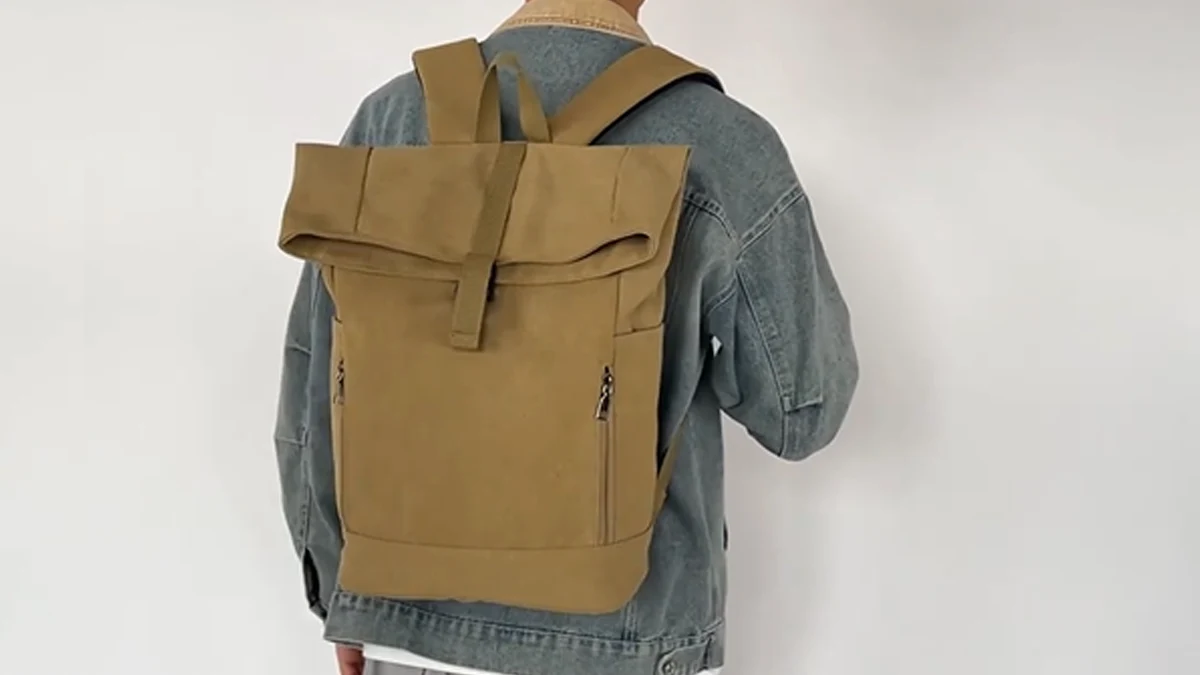
Essential Materials
You want your roll-top backpack to last, so choosing the right materials matters. Most people use waxed canvas or cotton because these fabrics are tough and water-resistant. Waxed canvas works well for outdoor adventures, while cotton gives you a classic look and feels soft. You can also use a cotton lining to make the inside smooth.
Here’s a quick list of what you need for the main parts:
- Waxed canvas (about 19 3/4″ or 50cm for the main body)
- Cotton lining fabric (about 19 3/4″ or 50cm)
- Spacer mesh and upholstery foam for comfort
- Webbing for straps and handles
- Buckles, zippers, and snaps for closures
If you want to follow a standard pattern, check out these panel sizes:
| Panel Type | Dimensions |
|---|---|
| Front Panel | One 16×30″ canvas + 16×18″ canvas |
| Back Panel | One 16×30″ canvas + 16×30″ spacer mesh + 15×29″ upholstery foam + 16×18″ canvas |
| Side Panels | Two 5×48″ canvas |
| Bottom Panel | Two 5×16″ canvas + 4×15″ upholstery foam |
You can buy a DIY kit if you want everything ready to go. These kits usually include pre-cut fabric, webbing, and hardware. They save you time and help you avoid mistakes when following your pattern.
Tip: Water-resistant fabrics keep your roll-top backpack dry in the rain. Waxed canvas and coated polyester are great choices.
Recommended Tools
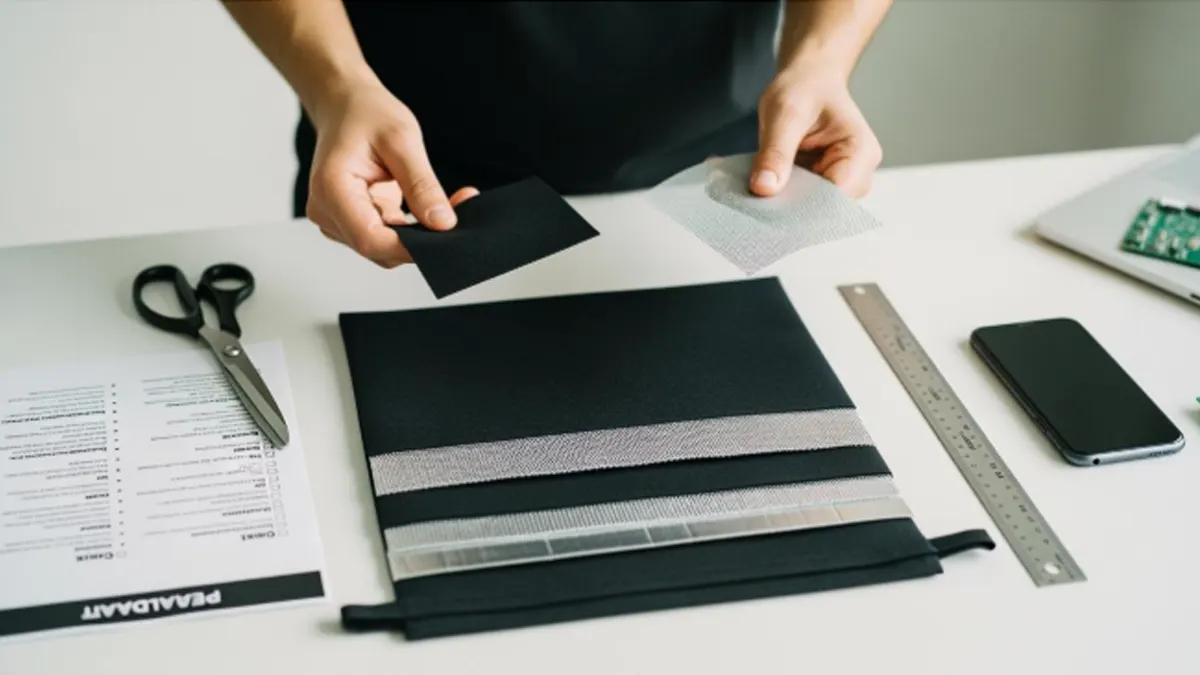
You don’t need fancy equipment to make a roll-top backpack. A few basic tools will do the job:
- Sewing machine (a heavy-duty one works best for thick fabrics)
- Sharp scissors or rotary cutter
- Measuring tape or ruler
- Fabric marker or chalk for marking your pattern
- Pins or clips to hold pieces together
- Iron for pressing seams
If you want to make your backpack look professional, use a walking foot on your sewing machine. It helps you sew through layers without shifting the fabric.
Optional Add-ons
Want to make your roll-top backpack stand out? Try adding these extras:
- Padded laptop sleeve
- Extra pockets inside or outside
- Reflective strips for safety
- Custom patches or embroidery
- Adjustable sternum strap
You can find water-resistant fabrics at online stores like Ripstop by the Roll or Rockywoods. Popular choices include HyperD™ 300, Robic® Ripstop, 210D Gridstop, and X-Pac® VX21. These fabrics are easy to sew and keep your gear dry. When you pick your materials, think about your pattern and how you want your backpack to look and feel.
If you’re new to sewing, start with a simple pattern. You can always add more features as you get comfortable with the process. The right materials and tools make your diy project easier and more fun.
Prepare Pattern and Workspace
Choose or Create Pattern
You can pick how your roll top backpack looks. If you want a special size, use online pattern generators. The LearnMYOG Roll Top Stuff Sack Pattern Generator is easy to use. You type in your measurements, and it gives you a pattern. This helps you save fabric and skip guessing. Another choice is the Sailrite Waxed Canvas Roll-Top Backpack Pattern. It comes with a paper template. You get to choose your fabric and hardware.
| Pattern Generator | Description |
|---|---|
| LearnMYOG Roll Top Stuff Sack Pattern Generator | Make custom-sized roll top stuff sacks by entering your sizes. No fabric wasted. |
| Sailrite Waxed Canvas Roll-Top Backpack Pattern | Old-style rucksack template. Pick your own materials and hardware. |
If you want everything ready, Sailrite has a kit. It has all the template pieces you need. You can build your backpack without searching for parts. Many beginners use these kits for their first try.
Online groups like Reddit can help with questions. People share tips about roll-top closures and fabric length. They also talk about adding zippers. You can find step-by-step guides and advice for making your backpack strong and special.
Measure and Mark Fabric
Measuring and marking your fabric right makes your backpack look good. Lay your fabric flat before you start. Use a ruler or tape to mark panel sizes from your pattern. Water soluble pencils make clear lines on non-stretch fabrics. If you want marks that stay, use basting stitches. These marks do not rub off. The Clover Hera Marker works well for natural fibers. It makes a crease you can see on both sides. Tailor’s tacks use thread for careful marking, especially with many layers. Dressmaker’s carbon paper is another way to transfer marks.
Tip: Check your measurements twice before cutting. This helps you avoid mistakes and saves fabric.
Set Up Workspace
A neat workspace makes sewing easier. Start by sorting your supplies. Use bins or baskets to keep things tidy. Shelves or rolling carts help you grab materials fast. Pegboards on the wall hold your tools. Drawer organizers keep threads and needles in order.
Make different areas for cutting, sewing, and ironing. This helps you work faster and smoother. Put your workspace near a window for sunlight. Lamps you can move help you see small details. Pick a comfy chair and set your sewing machine at a good height. This helps you stay relaxed and focused.
Online groups can help if you have trouble. Many people share ideas for setting up your workspace and fixing problems. You can ask questions and get help from others who made their own roll top backpacks.
Cut Roll-Top Backpack Panels
Cut Main Panels
You want your backpack to look sharp and last a long time. Cutting the main panels with care makes a big difference. Start by laying your fabric flat on a clean surface. Grab your ruler and fabric marker. Measure the panel sizes from your pattern and mark them clearly. Double-check your lines before you pick up your scissors.
Here’s a step-by-step way to get precise cuts:
- Measure and Mark: Use your ruler to measure the exact dimensions for each panel. Mark the lines with a fabric marker or chalk.
- Choose the Right Tool: Pick sharp scissors for cotton or canvas. If you have thick or tough fabric, a rotary cutter works better.
- Cut Along the Lines: Follow your marks closely. Keep your hand steady and cut slowly so you stay on track.
- Test Fit: Lay the cut panels together to see if the edges match up. If something looks off, trim a little to fix it.
- Smooth the Edges: Use a small piece of sandpaper or a fabric edge tool to smooth any rough spots.
- Final Check: Stack your panels and make sure they are all the same size.
- Finishing Touches: If you want, press the panels with an iron to keep them flat.
Tip: Always cut on a hard surface. Soft surfaces can make your lines wobbly.
Cut Sides and Bottom
The sides and bottom give your backpack its shape. You need to cut these pieces with the same care as the main panels. Lay out your fabric and mark the side and bottom panel sizes. Use a ruler for straight lines. If your pattern has curves, trace them with a round object like a bowl.
- Cut two side panels and one bottom panel.
- Make sure the sides match the height of your main panels.
- The bottom panel should fit snugly between the sides.
Check the fit by placing the pieces next to each other. If the edges don’t line up, trim them a little. Smooth the edges with your fingers or a fabric tool.
Note: If you use foam for the bottom, cut it last. Foam can shift while you work.
Cut Straps and Handles
Straps and handles help you carry your backpack comfortably. You need strong webbing or fabric for these parts. Measure the length for shoulder straps and the top handle. Mark the lines and cut with sharp scissors.
- Cut two shoulder straps, each about 18 to 20 inches long.
- Cut one top handle, usually 6 to 8 inches long.
- If you want extra comfort, cut padding for the straps.
Lay the straps next to your panels to check the size. If you want adjustable straps, cut them a little longer. You can always trim them later.
Tip: Keep your strap pieces together in a small bin or bag. This way, you won’t lose them while you sew.
Now you have all your panels, sides, bottom, straps, and handles ready. You’re set for the next step—sewing your roll-top backpack together!
How to Make a Roll Top Backpack Body
Sew Main Panels
You have your fabric panels ready. Now, you get to sew the main body of your roll-top backpack. This step builds the foundation for your bag. Start by grabbing the front panel and the side panels. Line up the edges so the markings match. Use pins to hold the pieces together.
Here’s a simple way to sew the main panels:
- Pin the side panels to the front panel. Make sure the edges and markings line up.
- Sew the sides to the front panel using a sturdy straight stitch. This stitch keeps your backpack strong.
- Repeat these steps for the back panel. You’ll see the basic tube shape of your roll-top backpack start to form.
Tip: Use a heavy-duty needle if your fabric is thick. This helps your stitches stay even and prevents breaking.
Attach Sides and Bottom
After you finish the main tube, you need to add the bottom panel. This part gives your roll-top backpack its shape and strength. Place the bottom panel at the lower edge of the tube. Pin it all the way around so it stays in place.
Follow these steps to attach the bottom:
- Pin the bottom panel to the lower edge of the backpack body.
- Sew around the perimeter with a straight stitch. Go slowly at the corners and reinforce them for extra strength.
- If you want your backpack to last longer, add protective patches to the corners or high-wear spots.
Note: Double-stitch the corners for durability. Your roll-top backpack will handle heavy loads better.
Align and Pin Seams
Getting your seams straight makes your roll-top backpack look neat and professional. You want to pin each seam before you sew. Place each pin about 1-2 inches apart. Pick up just a third of the pin’s length in the fabric. This keeps the fabric flat and prevents puckering.
Here are some best practices for pinning seams:
- Pin as much as you can in the seam allowances. This avoids damaging the main fabric.
- Pin perpendicular to the seam line. This makes it easier to remove pins as you sew.
- If you prefer parallel pinning, make sure the pinheads face you. You can pull them out quickly while stitching.
- For tricky areas, try hand basting. This helps ease the fabric and keeps everything in place.
Tip: Take your time with pinning. Careful pinning means fewer mistakes and a smoother finish.
You’ve now sewn the main panels, attached the sides and bottom, and aligned your seams. Your roll-top backpack is starting to take shape. This is the heart of your diy project, and you’re doing great!
Add Lining
You want your roll-top backpack to look good inside and out. Adding a lining makes the inside smooth and protects your gear. Lining also hides raw seams and gives your backpack a professional finish. You can use cotton, nylon, or polyester for the lining. Pick a fabric that feels soft and slides easily. Water-resistant lining keeps your stuff dry.
Here’s how you can add a lining to your backpack:
- Cut the Lining Panels
Use the same pattern as your main panels. Lay your lining fabric flat. Measure and mark the shapes. Cut each piece carefully. Double-check the size. The lining should match the main body panels. - Sew the Lining Together
Pin the lining panels just like you did with the outer fabric. Sew the sides and bottom. Use a straight stitch. Press the seams with an iron. This keeps the lining flat and neat. - Add Pockets or Sleeves
Want extra storage? Sew pockets or a laptop sleeve onto the lining before you attach it to the backpack. Pin the pocket in place. Stitch around the edges. Make sure the pocket sits flat. - Insert the Lining
Turn the backpack body inside out. Slide the lining inside. Match the seams and corners. The lining should fit snugly. If it bunches up, trim the edges a little. - Attach the Lining to the Backpack
Pin the lining to the top edge of the backpack. Sew around the opening. Use a straight stitch or a zigzag stitch for extra strength. Tuck the seam allowance between the layers. Press the edge with an iron.
Tip: Leave a small gap in the lining seam. You can use this opening to turn the backpack right side out after sewing. Close the gap with a few hand stitches.
Here’s a quick table to help you pick the right lining fabric:
| Lining Fabric | Feel | Water Resistance | Durability | Best Use |
|---|---|---|---|---|
| Cotton | Soft | Low | Medium | Everyday backpacks |
| Nylon | Smooth | High | High | Outdoor gear |
| Polyester | Slick | Medium | High | School bags |
You can add foam or mesh between the lining and outer fabric for extra padding. This helps protect your laptop or tablet. If you want a lightweight backpack, skip the padding.
Note: Take your time with the lining. Neat stitches and smooth seams make your backpack last longer.
You finished the lining! Your roll-top backpack now looks great inside and out. You’re ready for the next step—adding straps and pockets.
Attach Straps and Pockets
Make Shoulder Straps
You want your backpack to feel good on your shoulders. Start by making strong and comfy straps. Cut two pieces of webbing or fabric for your straps. Each piece should be about 18 to 20 inches long. If you want extra comfort, add foam inside each strap. You can use a “wave” shape for the foam. This shape spreads the weight and makes the straps feel softer.
For the outside of the straps, try a tough fabric like 6.5 oz Woven Melange with Dyneema. This fabric lasts a long time and does not tear easily. On the inside, use spacer mesh. This mesh feels soft against your skin. It also helps air flow, but it can hold sweat, so keep that in mind.
Here’s a quick checklist for ergonomic straps:
- Use strong fabric for the outside.
- Add foam in a wave shape for comfort.
- Line the inside with spacer mesh.
- Make sure the straps are wide enough to spread the weight.
Sew the layers together. Stitch around the edges and across the strap to keep the foam in place. Attach the straps to the back panel of your backpack. Place them about 3 to 4 inches apart at the top. Sew a box with an “X” inside for extra strength.
Tip: Try on the backpack before you sew the straps down. Adjust the length if you need to.
Add Top Handle
A top handle makes your backpack easy to grab and carry. Cut a piece of webbing or fabric about 6 to 8 inches long. If you want a round handle, sew leather around a rope or cord. This makes the handle strong and gives it a cool look.
You can make your handle last longer by adding stiffeners like craft foam or pellon interfacing inside. Some people use piping made from thin rope to help the handle keep its shape. Reinforcement tape at the ends stops the handle from stretching.
Here’s how to attach the handle:
- Punch holes in the ends of the handle.
- Place the handle at the top of your backpack, between the shoulder straps.
- Attach the ends with D rings, rivets, or snaps.
- For extra strength, add grommets where the handle meets the bag.
Note: A strong handle helps your backpack last longer and makes it easier to carry.
Attach Front Pocket
A front pocket gives you a handy spot for small items. Cut a piece of fabric for the pocket. Make it as big or small as you like. Fold the edges under and press them with an iron. Pin the pocket to the front panel of your backpack.
Sew around the sides and bottom of the pocket. Leave the top open. You can add a zipper or snap if you want to keep things safe. For a padded pocket, add a thin layer of foam between the fabric layers.
- Place the pocket where you can reach it easily.
- Make sure the stitches are strong.
- Try adding a label or patch for a personal touch.
Tip: Test the pocket with your phone or keys before you sew it down. Make sure it fits what you need.
Now your backpack has comfy straps, a sturdy handle, and a useful pocket. You’re almost done!
Add Closures and Finish Roll Top Backpack
Install Zippers or Buckles
You want your roll-top backpack to stay closed and keep your gear safe. Zippers and buckles help you do that. If you like quick access, add a zipper to the front pocket or inside compartments. Use a heavy-duty zipper for strength. Pin the zipper in place before sewing. Make sure the teeth line up with the fabric edges. Sew slowly so the stitches stay straight.
Buckles work best for the roll-top closure. Choose a sturdy plastic or metal buckle. Attach one end to the body and the other to the rolled top. Use webbing for extra strength. Pin the webbing and buckle before sewing. Check that the buckle snaps shut and holds tight. You can add extra buckles for side compression straps or a sternum strap.
Tip: Always align and pin your seams before sewing. This keeps the closure neat and strong.
Create Roll-Top Closure
The roll-top closure is what makes your roll-top backpack special. It keeps water out and gives you a flexible opening. You don’t need a zipper for the main compartment. Instead, you roll the top down and secure it with a buckle.
Here’s how you make a water-resistant roll-top closure:
- Roll the top at least three times. Make sure each roll is tight and smooth.
- Press down to push out any trapped air before you start folding.
- Keep the sealing strips free of wrinkles. Wrinkles let water in.
- Secure the ends with a buckle or snap.
A good roll-top closure works better than a zipper in rain or snow. If you want extra protection, use coated fabric for the top edge. You can also add a strip of Velcro before rolling for a tighter seal.
Note: The roll-top closure depends on how well you roll and seal it. Practice rolling the top so you get a wrinkle-free, tight seal every time.
Final Assembly and Inspection
You’re almost done with your diy roll-top backpack. Now, check every part to make sure it looks good and works well. Here’s a checklist to help you inspect your backpack:
- Look at the outside. Check for scratches, dents, or color problems.
- Feel the fabric. Make sure it’s tough, tear-resistant, and weatherproof.
- Test the hardware. Buckles, zippers, and handles should work and stay attached.
- Open the inside. Check that pockets and compartments are clean and easy to use.
- Try the backpack. Fill it with books or gear. See how it feels on your shoulders. Make sure the weight spreads out and the backpack moves with you.
You can personalize your roll-top backpack with patches, embroidery, or reflective strips. Add extra pockets or a laptop sleeve if you want more features. Try different colors or patterns to match your style.
Tip: Take your time with the final inspection. A careful check means your roll-top backpack will last longer and work better.
Conclusion
You have learned how to make a roll top backpack. You measured, cut, and sewed each part. You followed your pattern and added details. Making your own backpack takes time and patience. You get better every time you try. Many people improve their first backpack by changing pocket shapes, upgrading how it closes, or adjusting webbing for better balance.
If you want your backpack to look special, you can ask for features. Some ideas are a different closure, a padded laptop sleeve, or reflective strips. Here are some popular choices:
| Customization Option | Details |
|---|---|
| Closure System | Buckle roll top, magnetic roll top, Velcro, waterproof roll top |
| Interior Options | Laptop sleeves, organizer pockets, padded back panels |
| Extra Features | Waterproof coating, reflective strips, chest straps |
You might wonder why some people pick a professional backpack maker. Here are some reasons:
| Benefit | Description |
|---|---|
| Long-lasting build | Professional backpacks last for years. DIY backpacks may not be as strong. |
| Easy repairs | Professional backpacks are easier to fix. DIY backpacks can be harder to repair. |
| Eco-friendly design | Professional makers often use earth-friendly ways. DIY backpacks may not be as green. |
You can make a roll top backpack at home or order a custom one from us. As a professional backpack manufacturer, we offer a wide range of options to suit your needs. Whether you want a DIY project or a fully customized design, our team is here to help you create the perfect backpack. Practice and patience help you make a bag you’ll enjoy, but with the right pattern and our OEM/ODM services, you can get a high-quality, personalized roll top backpack with ease.
FAQ
How long does it take to make a roll top backpack?
You can finish your first backpack in about 4 to 6 hours. If you add extra pockets or details, you might need more time. Take breaks and enjoy the process!
Can I sew a roll top backpack without a heavy-duty sewing machine?
Yes, you can use a regular sewing machine for most fabrics. If you pick thick canvas or add foam, use a strong needle and go slowly. Test on scrap fabric first.
What fabric works best for a waterproof backpack?
You want waxed canvas, coated polyester, or X-Pac® for water resistance. These fabrics keep your gear dry in the rain. Look for “waterproof” or “water-resistant” labels when you shop.
Do I need a pattern, or can I make my own?
You can use a ready-made pattern or design your own. Online pattern generators help you create custom sizes. If you like to experiment, sketch your design and measure carefully.
How do I clean my roll top backpack?
Spot clean with a damp cloth and mild soap. Avoid washing machines or dryers. Let your backpack air dry. For waxed canvas, reapply wax if the fabric looks dry.
Can I add a laptop sleeve or extra pockets?
Absolutely! You can sew a padded laptop sleeve inside or add more pockets outside. Use foam or soft fabric for padding. Plan your pocket sizes before you cut your fabric.
What should I do if my seams look uneven?
Don’t worry! You can trim extra threads and press the seams with an iron. If you see gaps, sew over them again. Practice makes your stitches straighter each time.