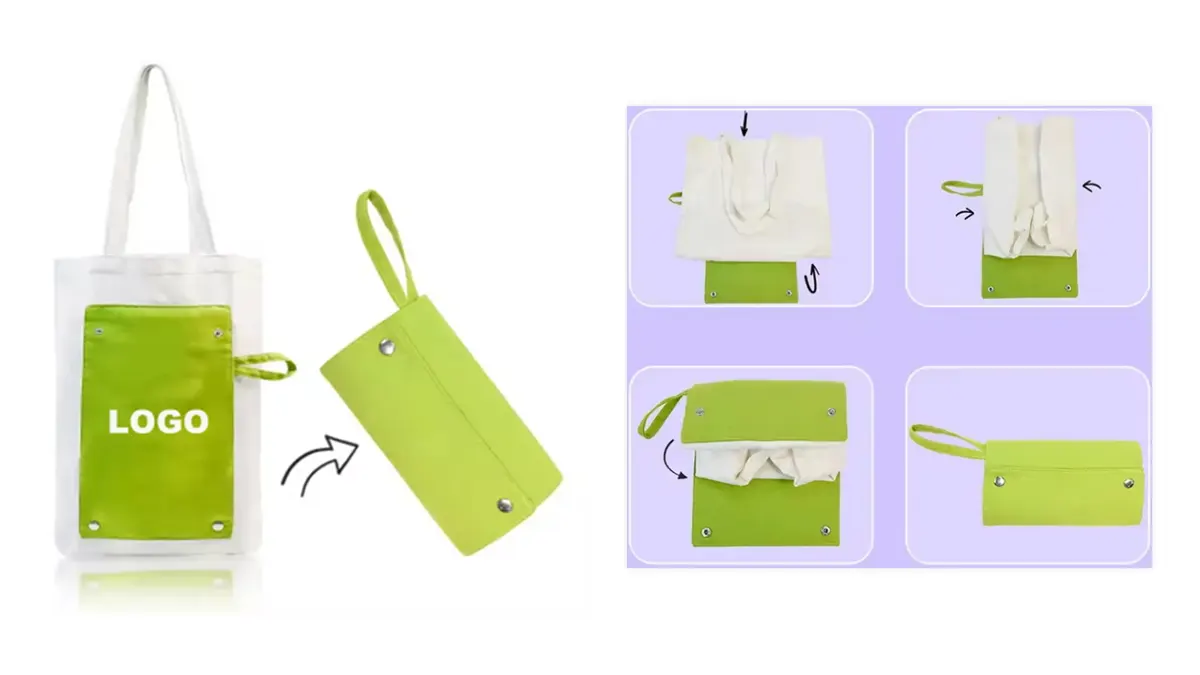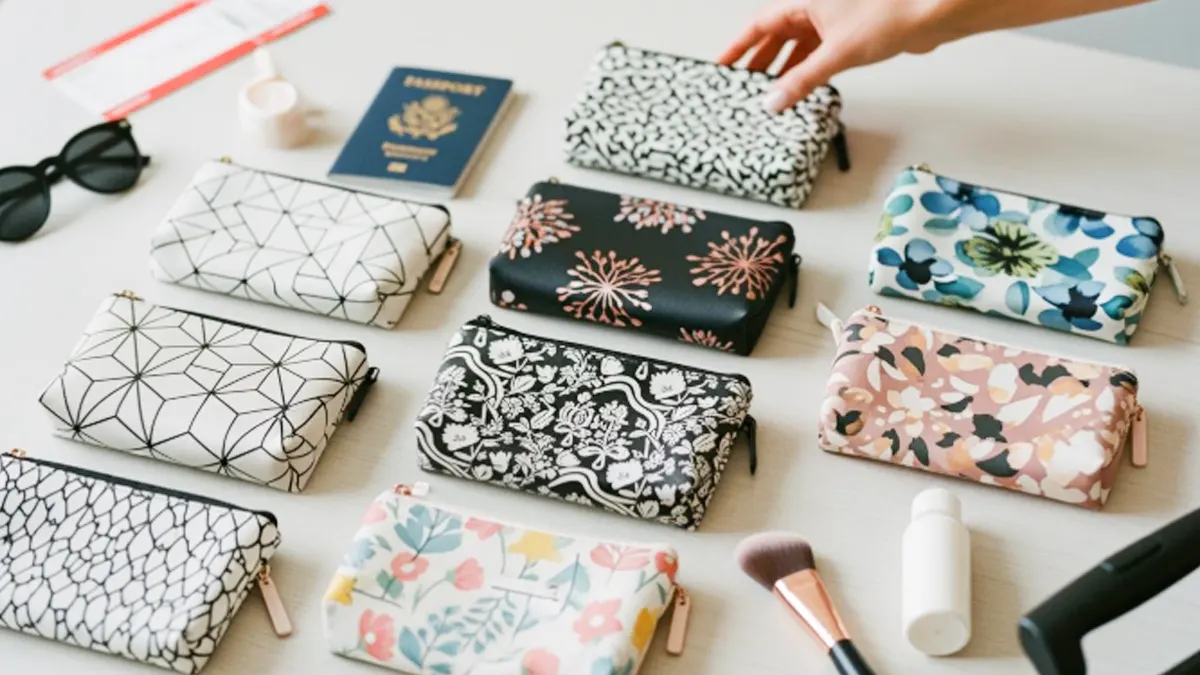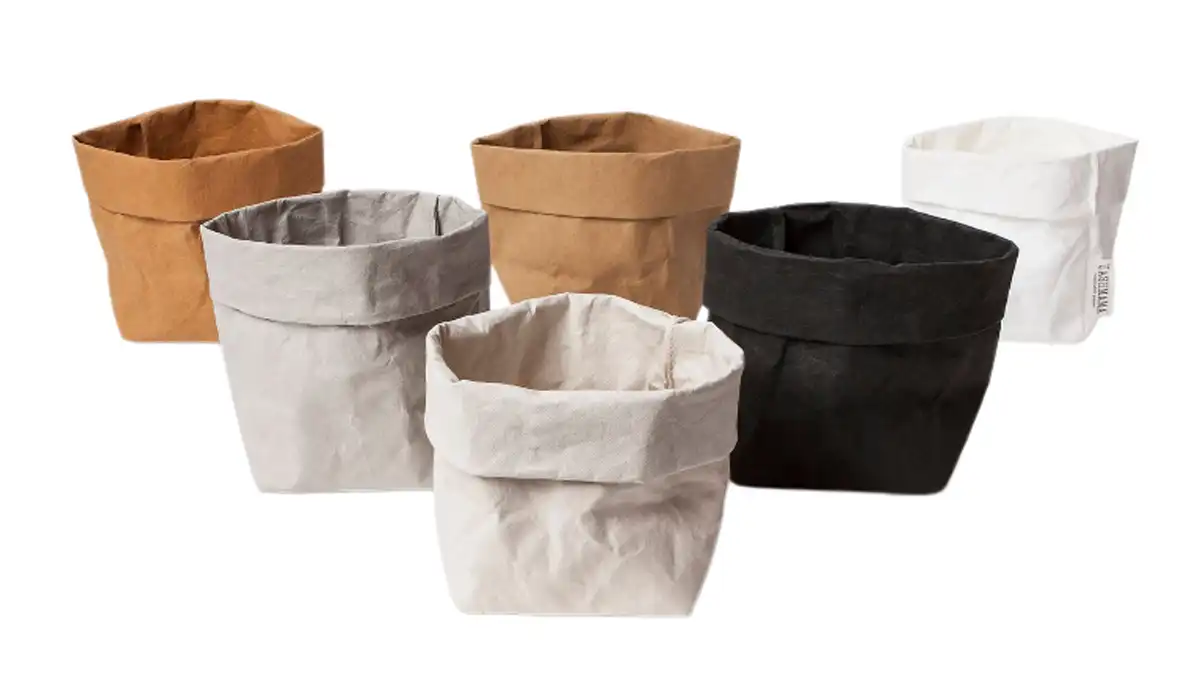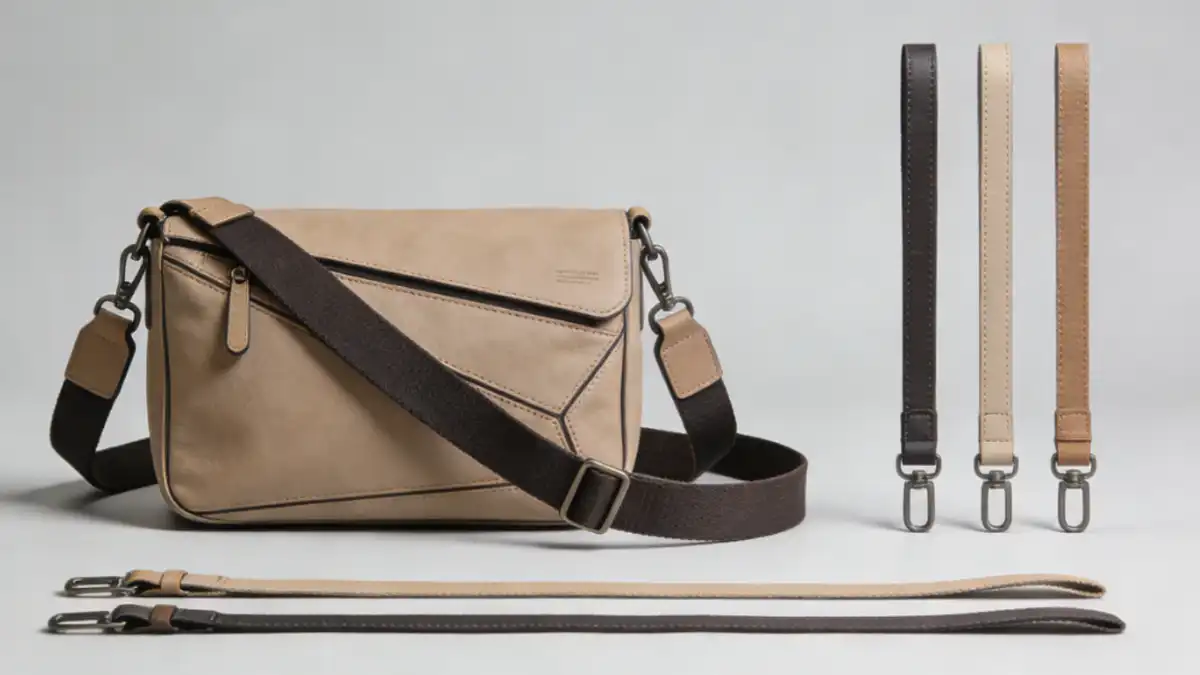
If you want your tote bag to last and keep its shape, start with a sturdy hard bottom. Many crafters and manufacturers love using kraft paper or recycled paper for this job. These materials hold up well and are eco-friendly, so you get both strength and peace of mind. With a simple tote bag pattern, you can follow easy steps and learn how to make a hard bottom for a bag that looks great and stays strong. You do not need fancy tools or skills—just a good tote bag pattern, a bit of patience, and the right materials.
Key Takeaways
- Start with a sturdy hard bottom to keep your tote bag strong and in shape.
- Choose eco-friendly materials like kraft paper or recycled paper for durability.
- Foam core board is lightweight and easy to cut, making it great for medium loads.
- Plexiglass offers a strong, clear option that can handle heavy items without breaking.
- Stiff felt provides a soft, colorful base but is best for lighter bags.
- Fusible Peltex sticks to fabric with heat, creating a firm yet flexible bottom.
- Plastic cutting boards are tough, water-resistant, and easy to clean for heavy loads.
- Always measure your bag base accurately to ensure a snug fit for the insert.
Best Materials for Tote Bag Bottoms
Foam Core Board
Foam core board gives you a lightweight and sturdy option for your tote bag bottom. You can find it at most craft stores or even in the school supply aisle. It has a foam center with paper on both sides. This makes it easy to cut with scissors or a craft knife. You can shape it to fit any bag. Foam core board works well for light to medium loads. If you want to carry heavy books or groceries, you might want something stronger.
One tip: If you want extra strength, try layering chipboard with your foam core board. This trick adds more support and helps your bag last longer. Foam core board does not like water, so keep it dry. If you want to protect it, wrap it in plastic or fabric before putting it in your bag.
Plexiglass
Plexiglass gives your bag a super strong and clear bottom. You can buy small sheets at hardware stores or online. Plexiglass is a type of plastic that looks like glass but does not break easily. It holds up to heavy items and keeps your bag in shape. You will need a saw or a special cutter to trim plexiglass to size. Always wear gloves and work slowly to avoid cracks.
Plexiglass can feel a bit slippery inside your bag. You can wrap it in fabric or add a piece of chipboard on top to stop it from sliding around. Plexiglass lasts a long time and does not bend or warp. If you want a bag bottom that can handle anything, this is a great choice.
Tip: If you want to make your bag bottom look fancy, you can cover plexiglass with a colorful fabric. This adds style and keeps the plastic from scratching.
Stiff Felt
Stiff felt is a soft but firm material that works well for bag bottoms. You can find it in craft stores in many colors and thicknesses. Stiff felt is easy to cut and shape. It gives your bag a little cushion and helps it keep its shape. If you want a quiet, non-slip bottom, stiff felt is a good pick.
Stiff felt does not handle heavy loads as well as chipboard or plexiglass. You can use it for smaller bags or for bags that carry light items. If you want more strength, you can glue a piece of chipboard between two layers of felt. This makes a strong, padded base that looks and feels nice.
You can wash stiff felt if it gets dirty. Just let it air dry so it does not shrink. Stiff felt is a good choice if you want a soft, colorful, and easy-to-use material for your tote bag bottom.
Fusible Peltex
Fusible Peltex gives you a strong and flexible option for your bag bottom. You can find it in fabric stores or online. This material feels like thick interfacing and sticks to fabric when you iron it. You just cut it to size, place it on your fabric, and press with an iron. Peltex makes your bag bottom stiff and helps it keep its shape. You do not need glue or sewing for this step.
You can use Fusible Peltex for bags that need a firm base but still want a soft feel. It works well for tote bags, purses, and even backpacks. If you want extra strength, you can layer Peltex with chipboard. This combo gives you a base that will not bend or sag. Peltex does not add much weight, so your bag stays light and easy to carry.
Tip: Always follow the instructions on the Peltex package. If you use too much heat, you might damage the material.
Plastic Cutting Board
Plastic cutting boards make great bag bottoms. You can buy them at dollar stores, supermarkets, or online. They come in different sizes and colors. You just measure your bag base, mark the cutting board, and cut it with strong scissors or a craft knife. The plastic is tough and will not break easily.
Plastic cutting boards resist water and stains. You can wipe them clean if your bag gets dirty. They work well for bags that carry groceries, books, or heavy items. If you want a softer look, you can wrap the board in fabric or felt. You can also glue chipboard on top for extra support. This trick helps your bag bottom stay strong and look neat.
Note: Choose a cutting board that is not too thick. Thick boards can make your bag heavy and hard to sew.
Corrugated Plastic
Corrugated plastic gives you a lightweight and sturdy option. You can find it at hardware stores, craft shops, or online. This material looks like cardboard but is made from plastic. It has a wavy center that makes it strong and flexible. You can cut it with scissors or a craft knife.
Corrugated plastic works well for bags that need a firm base but do not carry very heavy items. You can use it for tote bags, lunch bags, or storage bins. If you want more strength, you can layer it with chipboard or wrap it in fabric. Corrugated plastic resists water and will not warp if your bag gets wet.
Tip: If you want your bag bottom to last longer, cover the edges with tape or fabric. This keeps the plastic from splitting.
Plastic Binders
You might not think of plastic binders when you want a hard bottom for your bag, but they work surprisingly well. You can find them at any office supply store or even in your home office. Just grab an old binder, cut out the flat part, and shape it to fit your bag. Plastic binders are easy to cut with scissors, so you do not need special tools.
Plastic binders come in different types of plastic. Some feel soft and bendy, while others are stiff and strong. Here’s how they compare:
- Low-density polyethylene (LDPE) binders feel flexible but do not last long if you carry heavy things.
- Medium-density polyethylene (MDPE) binders give you a nice balance. They bend a little but hold up better than LDPE.
- High-density polyethylene (HDPE) binders feel tough and do not tear easily. They work best if you want to carry books or groceries.
If you want more support, you can glue a piece of chipboard to the binder. This trick gives your bag bottom extra strength and helps it keep its shape. Plastic binders resist water, so you do not have to worry if your bag gets wet. You can wipe them clean with a damp cloth.
Tip: If you want your bag to look neat, cover the binder with fabric or felt. This hides any rough edges and adds a pop of color.
Choosing the Right Material
Picking the best material for your bag bottom depends on what you need. Ask yourself a few questions before you start:
- Do you want your bag to last a long time? Durability matters, especially if you use your bag every day.
- How heavy is your bag? Lighter materials make your bag easier to carry.
- Does the look of the material fit your style? Some materials look more professional or fun.
- Do you need to protect fragile items? Harder materials keep things safe.
- What is your budget? Some materials cost more but last longer.
- Do you care about the environment? Recyclable materials help reduce waste.
If you want a strong and light base, try layering chipboard with another material. This combo gives you the best of both worlds—strength and style. Think about what you carry most often and how you want your bag to feel. With the right choice, your tote bag will last for years and look great every day.
How to Make a Hard Bottom for a Bag
You want your bag to stand tall and last a long time. Learning how to make a hard bottom for a bag is the secret. This step-by-step sewing tutorial will walk you through the process. You do not need fancy tools. You just need a little patience and the right materials.
Measure the Bag Base
Start by measuring the base of your bag. This step matters most if you want a snug, sturdy fit. Grab a ruler or measuring tape. Lay your bag flat on a table. Smooth out any wrinkles.
- Measure the width from left to right across the bottom.
- Measure the depth from front to back.
- Measure the height from the bottom to the top edge if you want the insert to go up the sides a bit.
Write down your numbers. Double-check them. If you want a perfect fit, accuracy is key. A hard bottom that is too big will not fit. One that is too small will slide around.
Tip: Always measure twice before you cut. This saves you time and materials.
Cut the Insert
Now you are ready to cut your insert. Choose your material. Some people like chipboard. Others use a plastic cutting board or stiff felt. If you want a super sturdy base, try medium texture board. Here is a quick look at some common tools and materials:
| Tool/Material | Description |
|---|---|
| Chipboard | A stiff but soft board made of recycled paper, great for structure. |
| Medium Texture Board | Firmer than chipboard, perfect for boxy bags. |
| Interfacing | Adds body and strength to fabric, keeps the shape. |
Lay your material on a flat surface. Mark your measurements with a pencil. Use a ruler for straight lines. If you want rounded corners, trace around a coin or lid.
Cut slowly and carefully. Use sharp scissors for felt or chipboard. Try a craft knife for plastic or foam core. Always cut away from your body. If you are young, ask an adult for help.
Safety Alert: Wear gloves if you use a craft knife or saw. Protect your fingers.
Smooth the Edges
After cutting, check the edges. You want them smooth so they do not poke through your bag. Here are some easy ways to finish the edges:
- Sand rough edges with fine sandpaper. This works well for chipboard or plastic.
- Wrap the edges with fabric or tape. This keeps them soft and neat.
- Taper the seam allowances if you sew a cover. This helps the insert fit better and keeps the lining smooth.
- Try some hand stitching at the corners. This keeps everything tight and in place.
A smooth edge makes your bag look neat. It also keeps the insert from wearing out the fabric. You can add a layer of interfacing or felt for extra padding.
Sewing Tutorial Tip: If you want to learn more about adding a bottom, check out other sewing tutorial videos online. You will find lots of creative ideas.
You now know how to make a hard bottom for a bag that is sturdy and stylish. Take your time with each step. Your tote bag will thank you!
Covering the Insert
You have your hard insert ready. Now, you want to make it look good and last longer. Covering the insert adds style and protects your bag from wear and tear. Let’s walk through the steps together.
Choose Cover Material
Picking the right cover material makes a big difference. You want something that protects the insert and feels nice inside your bag. Here’s a quick look at some popular choices:
| Material Type | Best For |
|---|---|
| Corrugated Boxes with Inserts | Electronics, glassware, delicate retail products |
| Bubble Wrap | Glass bottles, picture frames, consumer electronics |
| Foam Sheets and Rolls | Precision tools, painted surfaces, electronics |
| Molded Pulp Packaging | Wine bottles, small appliances, glass jars |
| Air Pillows | Boxed items, layered shipping, e-commerce fulfillment |
| Honeycomb Paper Wrap | Cosmetics, small gifts, artisan products |
You can use foam sheets or bubble wrap for extra padding. Honeycomb paper wrap gives your bag a cool look and protects fragile items. If you want a soft touch, try felt or cotton fabric. Pick a material that matches your style and keeps your bag bottom safe.
Wrap and Secure
Wrapping the insert keeps it snug and stops it from shifting. You have a few options for securing the cover.
Glue or Sew Options
You can glue the cover material for a quick fix. Fabric glue works well for felt, cotton, or foam. If you want a stronger hold, sew the cover around the insert. Hand stitches give extra security, especially for heavy bags. Some people use structural piping along the seams to help the bag keep its shape.
Here are some ways to wrap and secure your insert:
- Wrap the bottom insert in a waterproof liner to protect against spills.
- Use a lightweight, stretchable fabric or mesh sleeve for cushioning.
- Foam pipe insulation can be cut to size and placed around the edges for padding.
- Scarves or pashminas can be wrapped around the insert for a soft, breathable layer.
Add Padding
Padding makes your bag feel softer and keeps fragile items safe. Foam sheets and rolls work well for this. You can add a layer of bubble wrap or honeycomb paper wrap for extra cushion. If you carry electronics or glassware, padding is a must.
Finish Edges
Finishing the edges gives your bag a neat look and stops the cover from fraying. You can use French seams to reinforce the edges and shape the bag. Bound seams work for lined and unlined bags, giving a tidy finish. Topstitching helps keep the cover in place and makes the edge strong.
Try these tips for smooth edges:
- Use fabric tape or bias binding to cover raw edges.
- Sew a line of topstitching along the edge for durability.
- Add piping for a stylish touch and extra strength.
You now have a covered insert that looks great and lasts longer. Your bag will feel sturdy, and you’ll love the finished look!
Securing the Hard Bottom
You have your hard insert ready and covered. Now, you need to secure it inside your bag so it stays in place and keeps your box bottom strong. Let’s walk through the best ways to do this.
Place Insert in Bag
Start by placing the insert flat inside your bag. Make sure it sits right at the bottom. If your bag has a lining, tuck the insert between the lining and the outer fabric. You want the insert to cover the whole area so your box bottom stays sturdy. Press down gently to check if it fits snugly. If you see gaps or the insert slides around, you may need to adjust the size.
Tip: If your insert feels loose, try adding a thin layer of felt or foam underneath. This helps fill any space and keeps the insert from shifting.
Attach Permanently or Removably
You can choose to attach your hard bottom insert permanently or make it removable. Each method has its own benefits and drawbacks. Let’s look at both options.
Velcro Strips
Velcro strips give you a removable option. Stick one side of the Velcro to the insert and the other to the bag’s base. Press them together so the insert stays in place. You can take out the insert anytime for cleaning or replacement. Velcro works well if you want flexibility and easy maintenance.
Sewn Pockets
Sewn pockets let you slide the insert into a special sleeve at the bottom of your bag. You sew a pocket from fabric and attach it to the lining. The insert fits inside and stays secure. This method keeps your box bottom neat and prevents shifting. You can remove the insert by opening the pocket, which makes cleaning simple.
Here’s a quick table to help you compare permanent and removable attachments:
| Advantages of Permanent Attachment | Disadvantages of Permanent Attachment |
|---|---|
| No need to remove the insert. | Attaching can take extra time. |
| Fixed in place, so you won’t lose it. | Needs more care for cleaning. |
| Looks tidy and professional. | Can be uncomfortable if not done right. |
| Durable for everyday use. | Hard items may damage the bag over time. |
You get to decide which method fits your needs. If you use your bag every day and want a strong box bottom, a permanent attachment might work best. If you like to clean or change the insert, go with a removable option.
Ensure Snug Fit
A snug fit keeps your hard bottom from sliding or bunching up. Check the insert after you secure it. Press down on all corners. If you feel movement, add extra padding or adjust the pocket. You want the insert to sit flat and cover the whole base. This helps your bag keep its shape and makes carrying heavy items easier.
Note: Always check the fit before you finish your bag. A tight box bottom means your tote will last longer and look better.
Tote Bag Durability Tips
Reinforce Corners and Seams
You want your tote bag to last, so pay attention to the corners and seams. These spots take the most stress, especially when you carry heavy items. If you want a sturdy bottom, start by boxing the corners. Mark a square on each bottom corner, cut it out, and stitch along the cut edges. Backstitching adds extra strength. This method gives your bag depth and stability.
Here’s a simple checklist for reinforcing:
- Use extra lining or fabric to cover the sturdy base, like cardboard or plastic canvas.
- Double stitch the seams. Sew a second seam within the seam allowance for more durability.
- Topstitch along the seam allowances. This keeps everything secure and adds reinforcement.
- When you attach straps, topstitch a square and an X shape. This prevents the straps from tearing away.
Tip: Always check the stress points. If you plan to carry heavy books or groceries, strong stitching matters.
Waterproof the Base
Protecting your sturdy bottom from water is easy. You can use waterproof spray for a quick fix. Just spray the base and let it dry. Seam sealant works well for vulnerable areas, like zippers and seams. These products help keep your tote bag safe from spills and rain.
Here are some waterproofing ideas:
- Waterproof spray is fast and simple. You can find it at outdoor or camping stores.
- Seam sealant adds extra protection. Use it on seams and around the base.
- Both products work well for canvas bags and other fabrics.
Note: Always follow the instructions on the waterproofing product. Test a small area first to make sure it does not change the color.
Strap Construction for Strength
Straps play a big role in making your tote bag sturdy. If you want your bag to handle heavy loads, sew the straps all the way around the bottom. This trick spreads the weight and keeps the bag from sagging. You can use thick webbing or strong fabric for the straps.
Check out this table for strap tips:
| Strap Tip | Why It Works |
|---|---|
| Sew straps around the bottom | Distributes weight evenly |
| Use topstitching (square + X) | Adds extra reinforcement |
| Choose thick webbing | Handles heavy loads |
Callout: If you want a sturdy bottom, make sure your straps are strong and well-attached. This helps your tote bag last longer and look great.
Taking these steps will help your bag stay sturdy and stylish. You’ll feel confident carrying anything, knowing your tote bag can handle it.
Maintenance and Cleaning
Keeping your tote bag clean and well-maintained helps it last longer and look fresh. You do not need fancy products or complicated routines. You just need a few simple habits and the right tools. Let’s break down the best ways to care for your bag and its hard bottom.
Regular Cleaning Routine
You should check your bag every week. Shake out crumbs and dust. Wipe the inside and outside with a damp cloth. If you see stains, spot clean them right away. For fabric bags, use mild soap and water. Avoid harsh chemicals. They can damage the material and the hard bottom insert.
Deep Cleaning Steps
Sometimes your bag needs a deeper clean. Here’s a simple checklist:
- Remove the hard bottom insert if it’s removable.
- Wash the bag according to the care label. Most fabric bags can go in the washing machine. Use cold water and gentle cycle.
- Clean the hard bottom insert separately. Wipe plastic or chipboard with a damp cloth. Let it air dry.
- For felt or fabric-covered inserts, hand wash them. Use mild soap and rinse well.
- Dry everything completely before reassembling your bag.
Tip: Never put the hard bottom insert in the dryer. Heat can warp plastic and shrink felt.
Protecting the Hard Bottom
You want your hard bottom to stay strong. Avoid overloading your bag. Heavy items can bend or crack the insert. If you notice any damage, replace the insert right away. You can also add a waterproof liner to protect against spills.
Quick Fixes for Common Problems
Here’s a table with easy solutions for common issues:
| Problem | Quick Fix |
|---|---|
| Stains on fabric | Spot clean with mild soap |
| Odor inside bag | Sprinkle baking soda, let sit |
| Warped insert | Replace or reshape with gentle heat |
| Loose insert | Add padding or adjust pocket |
Storage Tips
When you are not using your tote bag, store it in a cool, dry place. Keep it upright so the hard bottom keeps its shape. Avoid stacking heavy items on top. If you have multiple bags, stuff them with tissue paper to help them hold their form.
Note: If your bag gets wet, dry it as soon as possible. Moisture can weaken the hard bottom and cause mold.
Final Thoughts
You can keep your tote bag looking new with regular care. Clean it often, protect the hard bottom, and fix small problems right away. These simple steps help your bag stay sturdy and stylish for years. Happy carrying!
Troubleshooting Hard Bottom Issues
You want your tote bag to stay strong and look good. Sometimes, the hard bottom can cause problems. Let’s tackle the most common issues and help you keep your bag in top shape.
Prevent Shifting
When your hard bottom insert slides around, your bag loses its shape. You can fix this problem with a few simple tricks:
- Add a layer of foam or felt under the insert. This fills any gaps and keeps the base snug.
- Use Velcro strips on the bottom of the insert and inside the bag. The insert stays in place, but you can still remove it for cleaning.
- Sew a pocket into the lining. Slide the insert inside, and it won’t move.
- Try double-sided tape for a quick fix. Stick the insert down, and it stays put.
Tip: Always check the fit before you finish your bag. A tight insert makes your tote bag feel sturdy and helps it last longer.
Fix Warping
Sometimes, the hard bottom starts to bend or lose its shape. You can fix warping with a few easy methods. Here’s what works best:
- Reshape with inserts. Stuff your bag with bubble wrap or foam to push the base back into shape.
- Use conditioning to firm up soft spots. Apply a gentle conditioner if your bag has leather parts.
- Store your bag properly. Keep it upright and stuffed when not in use. This trains the base to stay flat.
- Try steam reshaping. Hold your bag over a kettle and let the steam soften the material. Gently press the base back into shape.
- Use warm towels inside the bag. The heat helps the base relax and flatten out.
- Apply low heat with a hairdryer. Move the dryer around the base, then press it flat.
- Internal reinforcement and lining repair can help. Add a new lining or extra support if the base feels weak.
- Heat-molding with forms works for tough cases. Place the bag over a form and use gentle heat to reshape.
Note: Always use low heat and gentle pressure. Too much heat can damage the material.
Repair Wear and Tear
Over time, your bag’s hard bottom might get scuffs, rips, or holes. You can fix these problems and make your bag look new again. Here are some easy repair techniques:
- Sew rips closed with heavy-duty thread. Use strong stitches like backstitch or catchstitch for extra strength.
- Apply high-strength fabric glue to both sides of a tear. Press the edges together for a tight bond.
- Patch holes with fabric that matches your bag. Secure the patch with sewing or fabric glue.
- Clean scuffs with a damp cloth. For tough marks, use a gentle cleaner made for your bag’s material.
| Repair Method | Best For | How To Use |
|---|---|---|
| Sewing | Rips and tears | Stitch closed with strong thread |
| Gluing | Small holes | Apply glue, press together |
| Patching | Larger damage | Sew or glue patch in place |
Callout: Fix small problems right away. Quick repairs keep your bag sturdy and help it last longer.
You can handle most issues with simple tools and a little patience. Your tote bag will stay strong, stylish, and ready for anything.
Conclusion
You now know how to make a hard bottom for your bag. Here’s a quick recap:
- Measure your bag base.
- Cut and smooth your insert.
- Cover and secure it for a perfect fit.
You get a tote that lasts longer and looks great. Give this DIY project a try!
Want a pro finish? As a bag manufacturer, we offer custom bag solutions—from materials and inserts to structure and bulk production—so you can get a clean, durable result with expert support.
FAQ
Can I wash my tote bag with a hard bottom?
You can wash most fabric bags by hand or in the machine. Remove the hard bottom insert first. Wipe the insert with a damp cloth. Let everything dry before putting it back together.
What’s the best material for heavy loads?
Plastic cutting boards and plexiglass work best for heavy items. These materials stay strong and do not bend. You can find them at most stores. They last a long time.
How do I stop the insert from sliding?
Try Velcro strips or sew a pocket inside your bag. You can also add a layer of felt under the insert. These tricks keep the hard bottom in place.
Can I make the insert removable?
Yes! Use Velcro or a sewn pocket. You can take the insert out for cleaning or replacement. Removable inserts make maintenance easy.
Will a hard bottom change the shape of my bag?
A hard bottom helps your bag keep its shape. Your tote stands tall and looks neat. You will notice less sagging, even with heavy items.
How do I fix a warped insert?
You can reshape the insert with gentle heat. Try a hairdryer or warm towels. Press the insert flat and let it cool. If it stays bent, replace it.
Is it safe to use recycled materials?
You can use recycled chipboard, plastic, or binders. Make sure the material is clean and strong. Recycled options help the environment and save money.
What’s the easiest way to cover the insert?
Wrap the insert in fabric and use fabric glue. You can sew the cover for extra strength. Choose a material that matches your style and protects the insert.