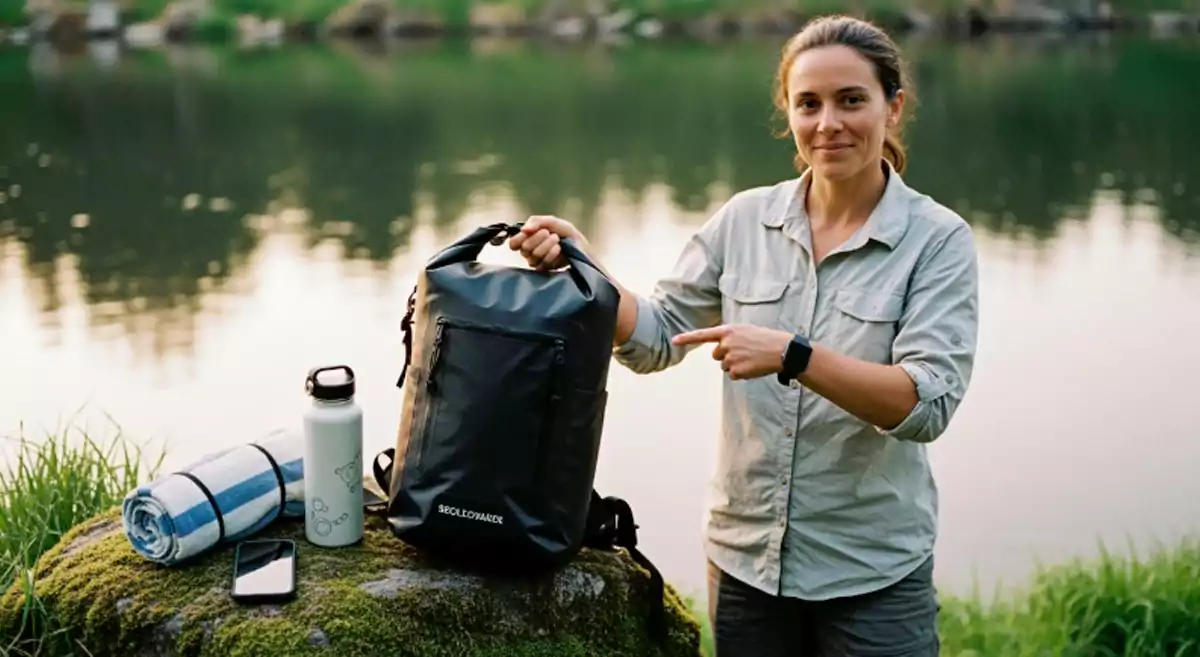
You can learn how to make a Faraday bag at home with just a few simple materials like conductive fabric, aluminum foil, or even a metal container. This bag blocks signals, ensuring that your phone, credit cards, and car keys remain safe from hackers and unwanted tracking. By creating this bag, you regain control over your devices and stop Wi-Fi, Bluetooth, RFID, and GPS signals. Beginners can easily accomplish this without any special skills. Just follow the steps on how to make a Faraday bag, and you’ll have a strong line of defense for your electronics.
Key Takeaways
- A Faraday bag stops signals. It keeps your devices safe from hackers and tracking.
- Use materials like copper, nickel, or aluminum foil. These help make a strong Faraday bag.
- Always look for gaps or holes in your bag. Even tiny openings can let signals get in.
- Test your Faraday bag by putting a phone inside. Try to call the phone. If it does not ring, your bag works.
- You can use a metal container for more strength. It also blocks signals better.
- Clean and check your Faraday bag often. This helps it stay useful.
- Put a Faraday bag in your emergency kit. It protects important electronics.
- Use a step-by-step checklist. This helps you build your Faraday bag the right way.
DIY Faraday Cage Materials
When you start your diy faraday cage project, you need to pick the right materials. You want to block signals, so you must use a conductive material that covers your device completely. Let’s look at your options.
Conductive Fabric Options
You can use special fabrics that block signals. These fabrics contain metal threads and work well for sewing Faraday bags.
Tip: Always check that the fabric is tightly woven. Loose threads can let signals slip through.
Here’s a quick look at the most common types:
| Material | Effectiveness | Notes |
|---|---|---|
| Copper | Excellent | Strong shielding performance, widely used |
| Silver | Very High | More conductive but expensive |
| Nickel | Good | Added for durability and corrosion resistance |
You can buy conductive fabric online or at electronics stores. Staticot Fabric is a popular choice. It costs anywhere from $17.55 to $1,490.00, depending on the size. This fabric is easy to sew, machine washable, and works with Arduino projects.
Copper Mesh
Copper mesh gives you strong protection. You can cut it to size and sew it into a bag. It blocks signals very well and lasts a long time.
Nickel Mesh
Nickel mesh adds durability. It resists corrosion and holds up to wear. You can use it for bags that need to survive rough handling.
Aluminum Foil Method
You can use aluminum foil if you want a quick and cheap solution. Wrap your device in several layers of foil. Make sure there are no gaps or tears. The foil acts as a shield and blocks signals.
| Material | dB Loss |
|---|---|
| Aluminum foil | -32 to -50 dB |
| Concrete | -10 to -20 dB |
You need to use enough foil to cover your device completely. Press the foil tightly around the edges. If you see any holes, patch them with more foil. You can use foil for phones, cards, or keys. Always check that the foil stays smooth and doesn’t rip.
Note: If you use aluminum foil, don’t forget to seal the seams. Even a tiny gap can let signals through.
Metal Container Alternatives
You can use a metal container as a diy faraday cage. Choose a box made from a conductive material like copper, aluminum, or steel. The container must fit your device and close tightly.
| Material | Key Properties |
|---|---|
| Copper | High electrical conductivity, ideal for high-frequency protection |
| Aluminum | Lightweight, good for moderate shielding |
| Steel | Strong, cost-effective for lower-frequency signals |
| Nickel-coated fabric | Adds absorption layers to metal enclosures |
When you pick a metal container, check these factors:
- The material must be conductive.
- The size should fit your device with no gaps.
- The lid or door must seal tightly.
- If you need airflow, make sure it doesn’t break the shield.
Remember: Seam and gap-free construction is key. If you leave any opening, signals can sneak in.
You can use lunch boxes, ammo cans, or cookie tins. Just line the inside with foam or fabric to protect your device. Always test your diy faraday cage to make sure it blocks signals.
How to Make a Faraday Bag
Ready to build your own faraday bag? You can follow these steps and protect your devices from unwanted signals. You don’t need fancy tools or special skills. Just grab your materials and get started.
Measuring and Cutting
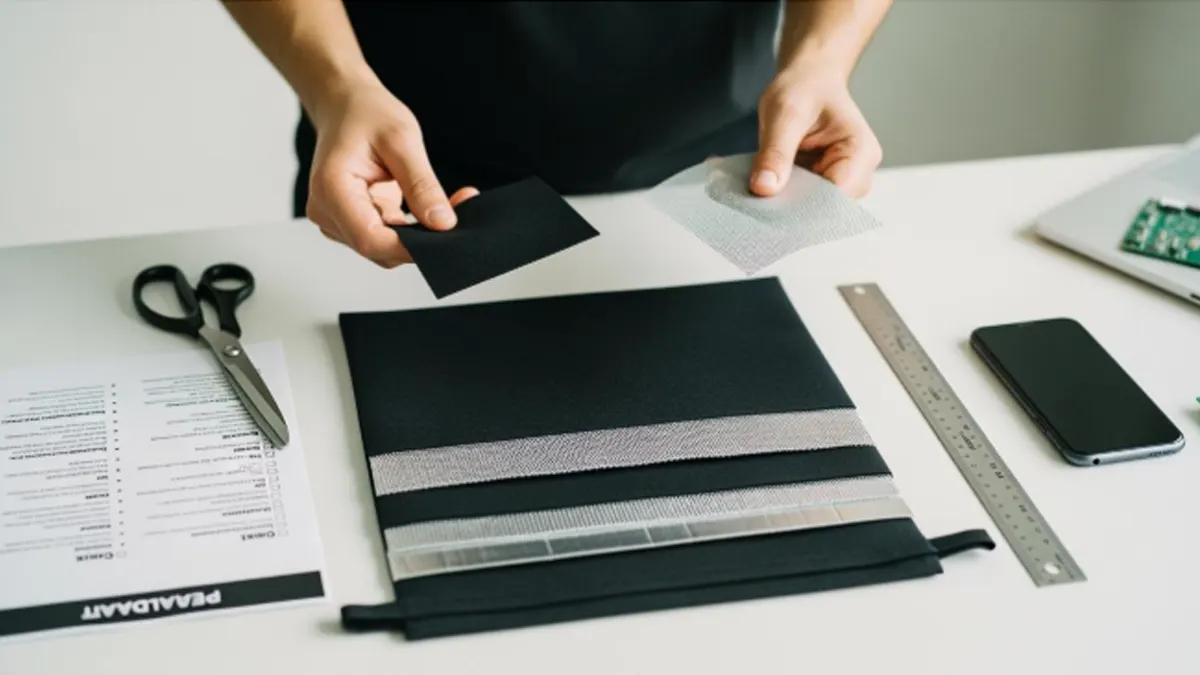
First, measure your devices. You want your faraday bag to fit snugly but leave enough room for seams and closures. Use a ruler or tape measure. Add at least one inch to each side for seam allowance. If you plan to use multiple layers, add extra space.
Here’s a handy table to help you choose the right size for your homemade faraday cage:
| Size Category | Internal Dimensions (inches) | Suitable Devices |
|---|---|---|
| MEDIUM | 6.7 x 4.5 | Standard-size smartphones with a thin case |
| MEDIUM PLUS | 7.6 x 4.8 | Plus-size smartphones or standard size with larger hard case |
| LARGE | 7.9 x 6.3 | Up to iPad 8″, Galaxy Tab 7.7″ |
| EXTRA LARGE | 11 x 8.3 | Up to iPad Pro 11″, Galaxy Tab 11″, or multiple phones |
| 13/14 Inch | 13.6 x 9.5 x 0.6 | Up to Macbook Pro 14″, Microsoft Surface 14″ |
| 15/16 Inch | 16 x 10.6 x 0.6 | Up to Macbook Pro 16″(2019), Microsoft Surface 15″ |
| 17 Inch | 15.5 x 11.5 x .98 | Up to 17-Inch Laptop |
Tip: Always double-check your measurements before cutting. If you cut too small, your faraday cage won’t fit your devices.
Cut your conductive fabric, mesh, or foil to the right size. If you use aluminum foil, cut three sheets for each device. If you use fabric, cut two or more layers for extra protection.
Sewing or Wrapping
Now, you can sew your faraday bag or wrap your devices. If you use conductive fabric, stack your layers. Sew around the edges, leaving one side open for your device. Try to use conductive thread if you can. This keeps the shield strong.
If you use aluminum foil, wrap your device in three layers. Fold the edges over each time. Make sure there are no gaps or tears. Press the foil tightly around your device.
Note: Multiple layers boost your faraday cage’s shielding. EDEC OffGrid bags use four layers for maximum protection. You can do the same with your diy faraday bag.
Seam Sealing Tips
Seams are the weak spots in any faraday bag. You want to seal them well so signals can’t sneak in. Here are some best practices:
- Seam Welding: Use heat or ultrasonic welding to bond layers. This avoids needle holes and keeps the shield continuous.
- Conductive Stitching: If you sew, use stainless steel or silver thread. This keeps the seams conductive.
- Reinforced Edge Tapes: Cover raw edges with conductive tape. This seals leaks and strengthens your homemade faraday cage.
- RF-Tight Closures: Choose metal-backed zippers or conductive Velcro. These keep the enclosure tight.
- Fold-Over Flap Designs: Use a three-fold method for overlapping surfaces. This adds extra shielding.
You can also try roll-top closures. These work best because they overlap several layers. Velcro works if you overlap enough, but it may wear out. Zippers need to be conductive or signals can leak.
Pro Tip: Always check for gaps, tears, or holes. Even a tiny opening can let signals through and weaken your faraday cage.
Assembling a DIY Faraday Cage
If you want a diy faraday cage using a metal container, follow these steps:
- Choose your base container. Pick a metal trash can, lunch box, or ammo can. Metal gives natural conductivity.
- Create openings if you need cables or tubing. Make holes only if necessary.
- Seal all edges and openings. Use aluminum foil or conductive tape to cover seams and holes.
- Line the inside with foam or fabric. This protects your devices from scratches.
- Test your faraday cage. Put your devices inside and check for signal loss.
Remember: The key to how to make a faraday bag or cage is avoiding gaps. Every seam, edge, and closure must be tight. If you see a gap, patch it right away.
You can use these steps for any diy faraday project. Whether you sew a bag, wrap your devices in foil, or use a metal container, you can block signals and keep your devices safe. Now you know how to make a faraday bag that works for phones, tablets, laptops, and more.
Testing Your Faraday Bag
You built your faraday bag or faraday cage, but how do you know it works? You need to test it. Testing your diy faraday cage is simple and gives you peace of mind. You can use everyday devices and a few easy steps to check if your faraday bag blocks signals.
Signal Blocking Tests
You want to make sure your faraday bag stops all kinds of signals. Phones, cards, and key fobs use different frequencies. Here’s how you can test each one:
- Put your phone inside the faraday bag. Try to call it. If the phone doesn’t ring, the bag blocks cellular signals.
- Connect your phone to a Bluetooth speaker. Place the phone in the faraday cage. If the music stops, you blocked Bluetooth.
- Try to connect your phone to Wi-Fi. If it can’t find the network, your faraday bag works.
- Open a location app on your phone. Put the phone in the faraday cage. If the location stops updating, you blocked GPS.
- Place a contactless card inside the faraday bag. Try to scan it. If the scan fails, you blocked RFID/NFC.
You can use these tests for any device. Phones, tablets, credit cards, and car keys all use signals that a faraday cage can block.
Here’s a quick table showing common tests and what you should see:
| Test Type | Description | Result |
|---|---|---|
| Bluetooth Signal Test | Connects a phone to a Bluetooth speaker; music stops when the phone is inside the faraday bag. | Successfully blocks Bluetooth signals. |
| Wi-Fi Test | One phone inside the bag and one outside; the enclosed phone fails to connect to the Wi-Fi router. | Effectively blocks Wi-Fi signals. |
| RF Test | Uses a powerful RF transmitter; signal disappears when inside the bag and reappears when opened. | Effectively blocks strong RF signals. |
| Cellular Connection Test | A call is made to a phone inside the bag; the phone does not ring, indicating a blocked signal. | Effectively blocks cellular signals. |
Tip: Always seal your faraday bag tightly. Even a tiny gap can let signals through.
Tools for Testing
You don’t need fancy equipment to test your faraday cage. Most people use phones, cards, and Wi-Fi routers. If you want to get more technical, you can use special tools.
- Spectrum analyzer: This tool measures radiofrequency energy. You can check if RF energy escapes from your faraday cage.
- Signal detector: This device shows if any signals get through your faraday bag.
- EMP tester: You can use this for high-level faraday cage testing.
Here’s a table with common tools and their purpose:
| Tool | Purpose |
|---|---|
| Spectrum Analyzer | Measures radiofrequency (RF) energy to test if RF energy can escape from the faraday bag. |
Note: You can start with simple tests using your phone. If you want to check for strong signals, use a spectrum analyzer.
Signs of Effective Shielding
You want to see clear signs that your faraday bag or faraday cage works. Here’s what you should look for:
- Complete signal blocking across multiple frequencies
- No calls, texts, or notifications reach your phone inside the faraday cage
- Wi-Fi, Bluetooth, and GPS stop working when your device is inside the bag
- Contactless cards and key fobs fail to scan
- Attenuation levels measured with professional tools show strong signal reduction
- Construction quality and sealing impact performance
If you see these signs, your faraday bag gives you strong protection. You can trust your faraday cage to keep your devices safe from hackers and unwanted tracking.
Pro Tip: Always test your faraday bag after you build it. If you change the bag or add new devices, test again. You want to make sure your faraday cage keeps working.
You can use these steps for testing your diy faraday cage. You don’t need special skills or expensive tools. Just follow the tests, check the signs, and enjoy the security your faraday bag provides.
Troubleshooting DIY Faraday Cage
Common Mistakes
Building a faraday cage at home can feel easy, but you might run into some problems. You want your faraday bag to block signals, so you need to avoid mistakes that weaken the shield. Many people use plastic bags as the outer layer. Plastic does not help block signals. You should always use natural fibers like cotton or linen next to the foil. Metal zippers or snaps can act like antennas and let signals in. Try fold-over closures with Velcro instead. Washing your faraday bag with detergents can leave residues that lower conductivity. Spot-clean with a vinegar solution to keep your faraday cage strong.
Here’s a quick table showing common mistakes and how to fix them:
| Mistake | Solution |
|---|---|
| Using plastic bags as outer layer | Always use natural fibers (cotton/linen) next to foil |
| Metal zippers or snaps (act as signal antennas) | Fold-over closures only with Velcro |
| Washing with detergents (residues degrade conductivity) | Spot-clean with vinegar solution only |
Tip: Always check your faraday bag for weak spots before you use it. Small mistakes can make your faraday cage less effective.
Fixing Gaps and Leaks
Gaps and leaks are the biggest threats to your faraday cage. If you see a tear or hole, signals can sneak through. You need to fix these right away. Look for seams that do not close tightly. Patch holes with extra foil or conductive tape. If you use fabric, add another layer and sew it flat. Make sure the edges overlap so there are no openings. You can use reinforced edge tapes to seal raw edges. If your closure does not fit snugly, try a roll-top design or add more Velcro. Always test your faraday bag after repairs. Put your phone inside and check if it blocks signals.
Note: Even a tiny gap can let signals in. Take your time and seal every seam and edge.
Improving Effectiveness
You can boost the power of your faraday cage with a few smart tricks. Grounding helps a lot. Connect the conductive surface of your faraday bag to the earth. This lets extra charge flow away and gives better protection against electromagnetic interference. Seam integrity matters too. Make sure the seams conduct electricity as well as the rest of the bag. You can weld, solder, or use mechanical connections to keep seams strong, flat, and smooth. Try adding more layers of conductive material. Each layer blocks more signals. You can also use metal containers lined with foam for extra shielding.
- Grounding: Connect your faraday cage to the earth for better EMI protection.
- Seam Integrity: Use welding, soldering, or mechanical connections to keep seams strong and conductive.
Pro Tip: Always test your faraday bag after making improvements. You want to see clear signs that your faraday cage blocks all signals.
If you follow these steps, you can fix mistakes, patch leaks, and make your faraday cage work even better. You will keep your devices safe from hackers and unwanted tracking.
Faraday Bag Uses and Maintenance
Everyday Security
A faraday bag helps keep your life private and safe. The faraday cage inside blocks signals from reaching your devices. This stops hackers and thieves from getting your information. You can use a faraday bag for many things. Here are some ways to use it every day:
- Put your car’s key fob in a faraday bag to stop thieves from stealing your car.
- Keep your phone and laptop in a faraday cage while you travel to protect your data.
- Place your phone in a faraday bag during work to help you focus.
- Use a faraday cage for devices during family time to enjoy activities together.
- Store passports and credit cards in a faraday bag when you travel to stay safe.
- Put your phone in a faraday cage before bed to help you sleep better.
- Keep your phone in a faraday bag if you want to stop sharing your location.
A faraday cage helps you stay safe and keeps your information private. These simple steps make your daily life more secure.
Emergency Preparedness
You want to be ready for emergencies. A faraday cage gives extra protection when things go wrong. Many people add faraday bags to their emergency kits. You can keep important electronics safe. Here are some items to put in a faraday cage for emergencies:
- Shortwave radios
- Laptops
- Hard drives
- Vehicle key fobs
- Cell phones
You build your emergency kit with a faraday cage to protect your devices from EMPs and other dangers. You know your plan works when you use a faraday bag for your most important electronics. You stay ready for power outages, storms, or cyber attacks. Being prepared means you think ahead and use a faraday cage to protect your gear.
Cleaning and Storage
You want your faraday bag to last a long time. Keep it clean and store it the right way. Here are some easy tips to help you take care of your faraday cage:
| Practice | Description |
|---|---|
| Avoid puncturing the bag | Stops damage to the faraday bag. |
| Keep it clean | Wipe with a damp cloth to keep it nice. |
Check your faraday cage for holes or tears often. Never use harsh chemicals to clean it. Store your faraday bag in a dry place. Make sure your emergency gear is always ready. Protect your electronics by keeping your faraday cage in good shape.
Tip: Always look over your faraday bag before you use it. You want to trust your emergency plan.
Quick DIY Checklist
You want to make a Faraday bag quickly and easily. This checklist helps you stay organized and makes the process simple. Let’s break it down step by step.
Materials
Grab everything you need before you start. Here’s a handy list:
- Conductive fabric (copper, nickel, or silver mesh)
- Aluminum foil (heavy-duty works best)
- Metal container (like a lunch box or ammo can)
- Conductive tape or metallic tape
- Scissors
- Ruler or tape measure
- Sewing kit (needle, thread, or sewing machine)
- Foam or cotton lining (optional for device protection)
- Velcro or roll-top closure
| Material | Purpose |
|---|---|
| Conductive fabric | Main shielding layer |
| Aluminum foil | Quick wrap or extra protection |
| Metal container | Strong enclosure option |
| Conductive tape | Seals seams and gaps |
| Foam lining | Prevents scratches |
Tip: Always check your materials for holes or tears. You want your Faraday bag to block signals, not let them slip through.
Steps
You can follow these steps to build your Faraday bag or cage:
- Measure your device. Add extra space for seams and closures.
- Cut your conductive fabric or foil to size. Use multiple layers for better shielding.
- Sew the fabric layers together, leaving one side open. If you use foil, wrap your device tightly in three layers.
- Seal all seams and edges with conductive tape. This stops signals from sneaking in.
- Add a closure. Velcro or a roll-top flap works well. Make sure it fits snugly.
- If you use a metal container, line the inside with foam. Place your device inside and close the lid tightly.
- Double-check for gaps, holes, or loose seams. Patch any weak spots right away.
Pro Tip: Multiple layers and tight seams make your Faraday bag stronger. Don’t rush—take your time for the best results.
Testing
You want to know your Faraday bag works. Testing is easy and gives you peace of mind.
To test a Faraday bag effectively, place a cell phone inside and attempt to call it. If the phone does not receive a signal, it indicates that the bag is blocking external waves. Sealing any gaps with metallic tape can significantly improve shielding effectiveness, as demonstrated by testing that showed an increase from 18 dB to over 52 dB of shielding after modifications.
You can also try these quick tests:
- Put your phone inside and check for Wi-Fi or Bluetooth connection.
- Try scanning a contactless card inside the bag.
- Use a signal detector if you have one.
If your device stays silent and disconnected, your Faraday bag is doing its job. If you notice any signal leaks, check for gaps and seal them with metallic tape.
Remember: Always test after making changes or repairs. You want your Faraday bag to stay strong and reliable.
Conclusion
You have learned how to make a faraday bag at home. First, build a faraday cage using conductive mesh. Add a second layer to make it safer. Always test your faraday bag by putting your device inside. Check if signals are blocked. Take care of your faraday bag so it lasts longer. Keep it away from water, heat, and sharp bends. These things can make it weaker. Use your faraday bag every day to protect your phone, laptop, and car keys. In an emergency, a faraday bag keeps your electronics safe. Put one in your emergency kit so you feel calm. If you need a special faraday bag for your business or team, we can help. We make custom bags with different designs, colors, and logos. Contact us if you need help with your faraday bag or emergency plans!
| Use Case | Why Use a Faraday Bag? |
|---|---|
| Everyday Security | Blocks signals from phones, cards, and key fobs |
| Emergency Kits | Protects radios, laptops, and phones during an emergency |
Be ready for any emergency with a faraday bag you trust.
FAQ
What is a Faraday bag used for?
You use a Faraday bag to block signals from reaching your devices. It keeps your phone, cards, and keys safe from hackers. Many people add it to their disaster preparedness kit for extra security.
Can I use a Faraday bag for disaster preparedness?
Yes! You should include a Faraday bag in your disaster preparedness plan. It protects radios, phones, and other electronics from EMPs or signal attacks. This helps you stay ready for emergencies.
How do I know if my Faraday bag works?
Test your Faraday bag by putting your phone inside and calling it. If the phone does not ring, your bag blocks signals. This simple test helps you check your disaster preparedness gear.
What devices should I keep in a Faraday bag for disaster preparedness?
You can keep radios, phones, laptops, and car key fobs in your Faraday bag. These items are important for disaster preparedness. Protecting them helps you stay connected and safe during emergencies.
How often should I test my Faraday bag?
You should test your Faraday bag every few months. This keeps your disaster preparedness plan strong. If you see any damage, fix it right away and test again.
Can I make a Faraday bag at home for disaster preparedness?
Yes, you can! Use conductive fabric, aluminum foil, or a metal container. Making your own Faraday bag is a smart step for disaster preparedness. Just follow the steps and test your bag.
Do Faraday bags last forever?
No, Faraday bags can wear out over time. Check your bag often, especially if you use it for disaster preparedness. Replace it if you see holes or tears.