Yes, you can make a clutch bag at home with just a few simple materials. Making things by hand feels rewarding and fun. You do not need to worry about advanced skills or fancy equipment. If you want to learn how to make a clutch bag, you are in the right place. You can get creative and make your clutch bag match your style. Try new fabrics or add decorations for a look that is all your own.

Key Takeaways
- Get the main materials like fabric, thread, and a closure before you start making your clutch bag.
- Pick easy fabrics like cotton or canvas. These are simple to cut and sew.
- Use a basic pattern to cut your fabric pieces. This helps your clutch keep its shape.
- Pin the fabric pieces together. This helps you sew straight and makes your clutch look nice.
- Sew the edges slowly and carefully. Leave a space so you can turn the bag inside out. This makes the clutch look neat.
- Add decorations like beads, ribbons, or special fabrics. This helps your clutch look different and cool.
- Take care of your clutch so it stays clean and stylish for a long time.
- Post a picture of your clutch on social media. You can meet other crafters and share ideas.
Materials Needed
Fabric and Tools
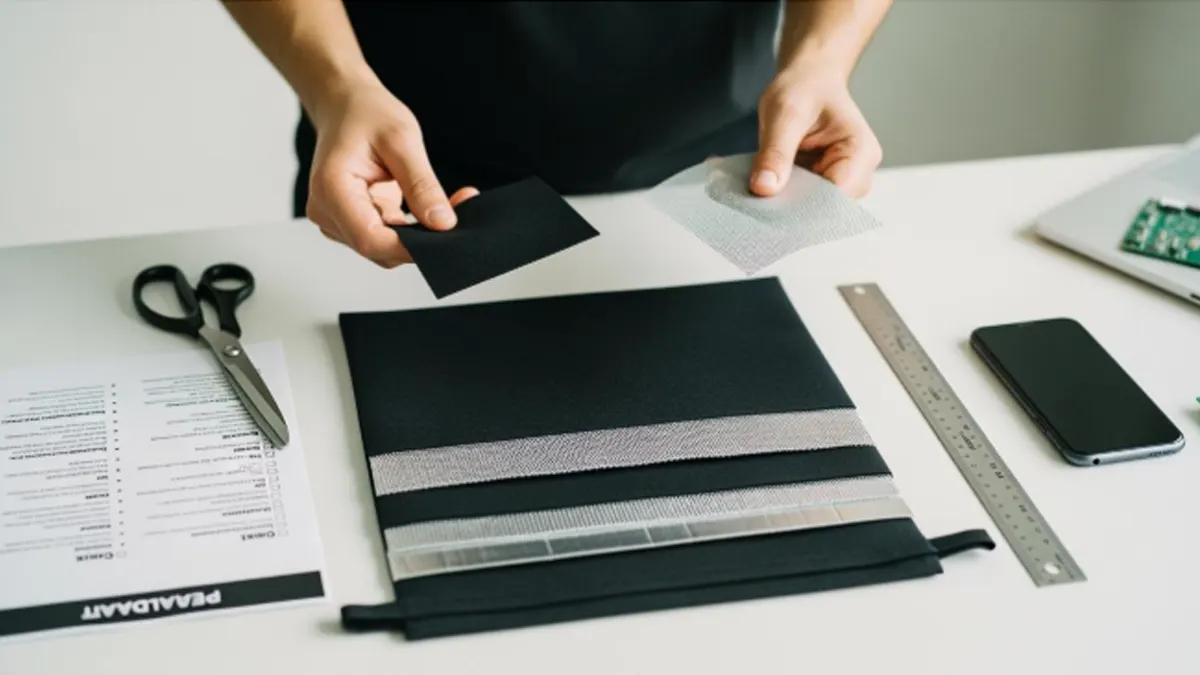
You don’t need a lot to start making your own clutch bag. Here’s a simple list of what you’ll want to gather before you begin:
- Outer fabric (canvas, cotton, faux suede, or leather)
- Lining fabric (cotton or satin works well)
- Interfacing (adds structure and shape)
- Clasp, zipper, or snap for closure
- Thread (matching or contrasting)
- Scissors or rotary cutter
- Pins or clips
- Sewing machine or needle for hand sewing
You can find many of these supplies at home. Old shirts, jeans, or fabric scraps make great outer or lining materials. If you want to buy new supplies, check out OMID Fashion or Etsy for affordable options online. Wona Trading also has a store in New York City if you prefer shopping in person.
Tip: If you’re just starting out, pick tools that feel comfortable in your hands. Sharp scissors and sturdy pins make sewing easier.
Optional Decorations
Decorations help your clutch stand out and show off your style. You can add these extras if you want a more personalized look:
- Beads or sequins for sparkle
- Ribbons or lace for a soft touch
- Buttons or decorative snaps
- Iron-on patches or embroidery
- Metallic accents for a bold vibe
You’ll find beads, ribbons, and other decorations at craft stores or online. Sometimes, you can reuse old jewelry or clothing details for a unique twist.
Choosing Beginner Fabrics
Picking the right fabric makes your project easier and more fun. Some fabrics work better for beginners because they’re simple to cut and sew. Here’s a quick guide:
| Fabric Type | Characteristics | Recommended Use |
|---|---|---|
| Quilting Cotton | Easy to sew, lots of prints and colors | Great for small bags and newbies |
| Medium-weight Canvas | Works with home sewing machines, sturdy | Good for everyday clutch bags |
| Faux Suede | Stylish, soft, adds visual interest | Nice for accents or panels |
Canvas and cotton are lightweight and easy to clean. They give your clutch a casual look and don’t need much care. Faux suede adds a bit of style without being tricky to work with. Leather looks fancy and lasts a long time, but it’s heavier and needs more attention.
If you want something for a special event, satin or silk brings a touch of luxury. Velvet gives a vintage feel, while sequins and metallics make your clutch pop at parties.
Note: Start with cotton or canvas if you’re new to sewing. These fabrics won’t slip around and are easy to handle.
You’re ready to gather your materials! Once you have your supplies, you can move on to the fun part—making your clutch bag.
How to Make a Clutch Bag
Pattern and Cutting
Ready to start your clutch bag? Let’s kick off this tutorial with the first steps. You’ll need a pattern. Many free patterns are available online, and you can even watch a video to see how others do it. If you want to design your own, just draw a rectangle or envelope shape on paper. Make sure it’s big enough to hold your phone and keys.
Here’s how to make a clutch bag with easy instructions:
- Download or draw your clutch bag pattern. You can find a video that shows how to trace and cut.
- Lay your outer fabric flat. Place the pattern on top and pin it down.
- Cut one piece from your main fabric, one from your lining, and one from interfacing. If your pattern includes a pocket or tab, cut those too.
- Transfer any markings from the pattern onto your fabric. Use a fabric pen or chalk.
- Cut fusible fleece if your pattern calls for it. This adds structure and helps your clutch keep its shape.
Tip: Always prewash cotton fabric before you start. This keeps your clutch from shrinking or puckering after you sew.
Many beginners skip interfacing, but it’s important for stability. Choose sturdy fabric that won’t fray or stretch. Avoid advanced patterns until you feel confident. If you want more help, search for a video that walks you through each step.
Folding and Pinning
Now you have your pieces ready. Let’s move on to folding and pinning. This part of the tutorial is simple, but it sets you up for neat sewing.
- Lay your outer fabric and lining right sides together.
- If you have a pocket or tab, place them where the pattern shows.
- Fold the edges as directed by your pattern. Pin or clip them in place.
- Make sure the corners line up. Double-check that the lining and outer fabric match.
You can watch a video to see how to pin fabric for a clutch bag. Some people use clips instead of pins, especially for thicker fabrics. Take your time with this step. Neat pinning means easier sewing later.
Note: Don’t use a universal needle for thick layers. It can break or skip stitches. Pick a needle that matches your fabric.
Sewing Steps
You’re ready to sew! This part of the tutorial is where your clutch bag starts to take shape. If you’re new to sewing, you can follow along with a video for extra help.
Here’s a simple guide for how to make a clutch bag:
- Sew around the edges, leaving a small gap for turning the bag inside out. Most patterns use a 1cm (3/8″) seam allowance.Seam AllowanceMeasurementClutch Bag1cm (3/8″)
- Stitch the bottom area first. If your clutch has a pocket or tab, sew those in place before joining the main pieces.
- Add the lining layer. Sew it to the outer fabric, following your pattern’s instructions.
- Trim the seams to reduce bulk. Clip the corners so they turn out neatly.
- Turn your clutch bag right side out through the gap you left.
- Sew the gap closed with a small, neat stitch.
- Topstitch around the edge for a finished look. This helps your clutch hold its shape.
- Add your closure. You can use a snap, zipper, or clasp. Many tutorials show how to attach these in a video.
If you want to try a classic, fold-over, or clasp frame clutch, you can find a video for each style. Each tutorial gives you step-by-step instructions, so you can follow along at your own pace.
Tip: If you make a mistake, don’t worry. You can always watch a video to see how to fix it or ask for help in the comments.
Now you know how to make a clutch bag from start to finish. You’ve learned how to cut, pin, and sew your pieces together. With each tutorial and video, you’ll get better and more confident. Keep practicing, and soon you’ll have a clutch bag that looks amazing!
Turning Inside Out
Now comes the fun part! You get to see your clutch bag take shape. Turning your bag inside out makes all the seams and stitches disappear, leaving a neat finish.
Here’s how you do it:
- Find the gap you left in the seam. This is usually on one side or at the bottom.
- Gently reach inside and grab the fabric. Pull it through the gap, turning the bag right side out.
- Use your fingers to push out the corners. If the corners look soft, try using a pencil or chopstick to make them sharp.
- Smooth out the edges with your hands. Make sure the lining sits flat inside the bag.
Tip: If the fabric bunches up, take your time. Work slowly so you don’t tear the stitches. You can also roll the seams between your fingers to help them lay flat.
Check the shape of your clutch. If it looks a little wrinkled, you can press it with an iron. Use a low setting for delicate fabrics like satin or silk. For cotton or canvas, a medium setting works best.
Finishing Edges
You’re almost done! Finishing the edges gives your clutch a professional look. It also helps the bag keep its shape.
Here are some easy ways to finish the edges:
- Topstitching: Sew a line close to the edge of your clutch. This keeps the layers together and adds a nice detail. Use matching thread for a classic look or try a bold color for something fun.
- Hand Stitching: If you don’t have a sewing machine, you can sew the edge by hand. Use small, even stitches so the seam looks neat.
- Pressing: After stitching, press the edges with an iron. This makes the seams crisp and helps the bag look finished.
| Edge Finish | How to Do It | Best For |
|---|---|---|
| Topstitch | Sew 1/8″ from edge | Most fabrics |
| Hand Stitch | Use invisible ladder stitch | Delicate fabrics |
| Pressing | Iron along seam | All clutch styles |
Don’t forget to close the gap you used for turning. Fold the raw edges inside and sew it shut with a ladder stitch or a small topstitch.
Note: If you want extra strength, you can sew a second line of stitching around the edge. This works well for heavy fabrics like canvas or denim.
Now your clutch bag looks neat and ready for the final touches. You can add a snap, zipper, or clasp to keep it closed. If you want, decorate the outside with beads, patches, or ribbons. Your clutch is ready to use or give as a gift!
Clutch Bag Tutorial: Styles
Classic Clutch
You might want to start your clutch bag journey with a classic style. This type of clutch is small, flat, and easy to hold in your hand. You can use this tutorial to make a bag that looks elegant and fits right in at formal events. The classic clutch holds just your essentials—think phone, keys, and lipstick. It does not have handles or straps, so you get a clean, simple look.
Here’s a quick comparison to help you see what makes the classic clutch special:
| Feature | Classic Clutch Bag | Other Styles (e.g., Handbags) |
|---|---|---|
| Size | Small, flat design | Larger, practical designs |
| Handles/Straps | None | Often equipped with handles |
| Purpose | Emphasis on elegance for formal occasions | Designed for practicality and everyday use |
| Usage | Ideal for evening events | Suitable for daily activities |
You can use this tutorial to create a statement piece that matches your outfit. Many DIY fans love to add their own twist. Some popular ideas include novelty clutch bags, boombox retro, football pink, cosmopolitan, or even a hot dog design. These styles let you show off your personality and creativity.
Tip: Choose a bold fabric or add a fun patch to make your classic clutch stand out.
Fold-Over Clutch
If you want a bag that works for both casual and dressy occasions, try a fold-over clutch. This tutorial is perfect for beginners. You sew a simple rectangle, then fold the top down to close it. The fold gives your bag a relaxed, modern look.
Fold-over clutches have some great benefits:
| Benefit | Description |
|---|---|
| Relaxed Sophistication | Looks good with jeans or a dress. |
| Versatility | Unfolds to hold more when you need it. |
| Ease of Production | Works well with soft, easy fabrics. |
| Compatibility with Closures | You can use a zipper or magnetic snap. |
| Ideal for Various Events | Great for work, parties, or travel. |
You can follow a tutorial to add a zipper or snap for extra security. Try using faux suede or canvas for a soft, stylish finish. Many people love this style because it is simple to sew and easy to customize.
Clasp Frame Clutch
Want to try something a little different? The clasp frame clutch adds a vintage touch to your collection. This tutorial teaches you how to attach a metal frame at the top of your bag. The frame snaps shut and keeps your things safe.
Here’s how you can make it easier:
- Use Therm-O-Web fabric fuse adhesive for the best results.
- Take your time—the glue dries slowly, so you can adjust the fabric.
- Apply a thin line of glue inside the frame channel.
- Use your fingers or a stiletto to push the fabric into the frame.
- Work on one side at a time for better control.
- Adjust the fabric as needed; it may take a few tries to get it just right.
This tutorial is great if you want to try new techniques. The clasp frame clutch looks fancy but is still beginner-friendly. You can use bright fabrics or add beads for a fun twist.
Note: Don’t worry if it takes a few tries to fit the fabric into the frame. Practice makes perfect!
Adding a Wristlet Strap
Want to make your clutch bag even more practical? Try adding a wristlet strap. This small detail lets you carry your clutch hands-free. You can hold your bag securely while you shop, dance, or travel. Many people love wristlet straps because they add style and convenience.
You don’t need fancy tools for this part of the tutorial. You can use leftover fabric, ribbon, or even a piece of leather. If you want a sturdy strap, pick canvas or faux suede. Here’s a simple way to make and attach a wristlet strap:
- Cut a strip of fabric about 12 inches long and 1 inch wide.
- Fold the strip in half lengthwise, right sides together.
- Sew along the long edge, leaving the short ends open.
- Turn the strap right side out. Use a safety pin or chopstick to help.
- Press the strap flat with an iron.
- Topstitch along both edges for extra strength.
- Attach a small D-ring or lobster clasp to one end.
Now you need to connect the strap to your clutch. Most tutorials show you how to sew a small fabric loop inside the side seam. You can also use a metal ring or snap. Slide the lobster clasp through the loop, and your wristlet strap is ready.
Tip: If you want to change the look, try using a colorful ribbon or braided cord. You can even add beads or charms for a personal touch.
Here’s a quick table to help you choose the best material for your wristlet strap:
| Material | Strength | Style | Best For |
|---|---|---|---|
| Canvas | High | Casual, sturdy | Everyday use |
| Faux Suede | Medium | Soft, trendy | Parties, events |
| Ribbon | Low | Bright, playful | Kids’ clutch bags |
| Leather | Very High | Classic, chic | Formal occasions |
You can follow a video tutorial if you want to see each step in action. Many tutorials show creative ways to attach wristlet straps. Some people like to use snaps so they can remove the strap when they want a classic clutch look.
If you make a mistake, don’t worry. You can always redo the strap or ask for help in the comments. Every tutorial gives you new ideas and helps you get better at making clutch bags. Try different materials and see which one you like best.
A wristlet strap makes your clutch bag more useful and stylish. You can match the strap to your outfit or use it to show off your personality. With this tutorial, you can create a clutch bag that fits your needs and looks great.
Easy DIY Fabric Clutch Bag Tips
Avoiding Common Mistakes
You want your clutch bag to look great and last a long time. Many beginners run into a few common problems, but you can avoid them with some simple steps. Here are mistakes you might make and how to steer clear of them:
- Not using the right materials. Always pick fabrics that work well together and suit your style.
- Skipping the pattern fitting process. Double-check your pattern before you cut anything.
- Ignoring seam allowances. Mark your seam lines so your bag doesn’t end up too small.
- Failing to reinforce stress points. Add extra stitches at corners and near closures.
- Not checking for fabric compatibility. Test your fabrics together before you start sewing.
Tip: Take a few minutes to plan your project. Lay out your materials and read through the steps before you begin. This helps you spot any problems early.
Simple Customization Ideas
You can make your clutch bag unique with easy changes. Try mixing and matching materials or adding special touches. Here’s a table with some ideas and where you can find supplies:
| Material Type | Suggestions |
|---|---|
| Outer Fabric | Upholstery fabric is perfect! Find options at Joann or Low Price Fabric |
| Lining Fabric | Lightweight woven fabrics work best. Check Joann or Low Price Fabric |
| Fusible Interfacing | Heavyweight Pellon gives structure |
| Fusible Fleece | Pellon Thermolam adds softness |
| Purse Frame | Metal frames create a vintage look |
| Craft Glue | Gutermann HT2 holds everything together |
| Tape | Use transparent or masking tape for neat edges |
| Clips | Wonder Clips, binder clips, or clothes pins help hold pieces in place |
| Sewing Machine Needle | Size 90/14 works well for most fabrics |
You can also add patches, embroidery, or fun buttons. Try using ribbon or lace for a softer look. If you want a bold style, pick metallic accents or bright colors. The best part about an easy diy fabric clutch bag is that you get to decide how it looks.
Quick Fixes for Errors
Mistakes happen, but you can fix most problems quickly. Here are some solutions for common clutch bag issues:
- Use a sharp needle to avoid skipped stitches.
- Adjust your sewing machine tension if the thread keeps breaking.
- Check your bobbin seating to fix messy thread nests.
- If your fabric peels, make sure your iron is hot and press evenly.
- Smooth out bubbles when applying interfacing.
- Pick the right weight for interfacing so your bag stays flexible.
- Hide turning holes in zipper pockets for a seamless finish.
- Trim seam allowances at an angle to make pressing easier.
- Increase stitch length to keep zippers from wrinkling.
- Use fabric glue instead of pins to avoid ripples in zipper tape.
- Clip or pin midpoints and endpoints when sewing gussets.
- Stop fraying by using tighter weave fabrics or applying a fray stopper.
- Support stretchy fabrics with interfacing.
- Test your fabric strength before you start to prevent tearing.
Note: If you get stuck, take a break and look at your project with fresh eyes. Sometimes, a simple fix is all you need to get back on track.
You can make a clutch bag that looks professional and feels sturdy. With these tips, you’ll feel more confident and enjoy the process even more.
Decorating and Personalizing
You have finished sewing your clutch bag. Now comes the fun part—making it your own! You can decorate and personalize your clutch in many ways. This is where your creativity shines. You can match your bag to your favorite outfit or design it for a special event like a birthday or wedding. Some people even use online builders to create custom designs with personal artwork, photos, or text. Your clutch can tell your story.
Adding Buttons or Snaps
Buttons and snaps do more than just close your bag. They add style and keep your things safe. If you want a closure that lasts, metal snap buttons are a great choice. These snaps use strong materials like brass or stainless steel. They lock firmly, so your bag stays closed even when you move around. You can hide them inside the bag for a clean look. Metal snaps also resist wear, so they work well for bags you use every day.
Here are some reasons to pick metal snap buttons for your clutch:
- They offer strength and durability.
- Brass and stainless steel make them sturdy and stylish.
- You can hide them inside for a neat finish.
- They resist wear from constant use.
- Their interlocking design keeps your bag secure.
You can also try decorative buttons. Choose big, colorful buttons for a playful look. Small pearl or crystal buttons add a touch of elegance. Mix and match to find what fits your style.
Tip: Test your snap or button before sewing it on. Make sure it opens and closes easily.
Using Beads or Ribbons
Beads and ribbons let you add color and texture to your clutch. You can sew beads along the edge for sparkle. Try stringing small beads into patterns or shapes. If you want a softer look, use ribbons. Tie a bow on the zipper pull or sew a strip of ribbon across the front. You can even weave ribbon through holes or around the edge for a unique border.
Here are some easy ways to use beads and ribbons:
- Sew beads in rows or clusters for extra shine.
- Use wide ribbon for a bold stripe.
- Add a small ribbon bow for a cute accent.
- Mix beads and ribbon for a layered effect.
Want to make your clutch special for a party? Pick beads and ribbons that match the event colors.
Choosing Accents
Accents give your clutch bag its final touch. You can choose from many materials to get the look you want. Leather feels rich and lasts a long time. Satin and silk look light and elegant, perfect for formal events. Velvet gives your bag a thick, mysterious feel. If you care about the environment, vegan leather is a smart choice. It looks like real leather but uses no animal products. Laser-cut designs add cool patterns and make your bag stand out.
Here’s a quick table to help you pick your favorite accent:
| Accent Material | Look & Feel | Best For |
|---|---|---|
| Leather | Durable, luxurious | Everyday, classic style |
| Satin & Silk | Light, elegant | Weddings, parties |
| Velvet | Rich, thick | Evening, vintage look |
| Vegan Leather | Eco-friendly, modern | Trendy, green style |
| Laser-Cut Design | Intricate, unique | Statement pieces |
You can also add your own artwork, photos, or text for a truly custom clutch. Try drawing with fabric markers or using iron-on patches. Your clutch bag can be as simple or as bold as you want. Let your imagination lead the way!
Care and Styling
Cleaning Tips
You want your clutch bag to look fresh every time you use it. Keeping it clean is easy if you follow a few simple steps. Grab a soft-bristled brush or a lint roller. Gently sweep away dust and crumbs. If you spot dirt, mix a little mild detergent with lukewarm water. Swirl your bag in the solution, but don’t soak it for too long. Always blot spills right away with a dry cloth. If you spill something oily, sprinkle talcum powder or cornstarch on the spot. Let it sit for a few minutes, then brush it off. For tough stains or if your bag says “dry clean only,” take it to a professional cleaner. They know how to handle delicate fabrics and keep your clutch looking new.
Tip: Always check the care label before you clean your clutch. Some fabrics need special attention.
How to Style Your Clutch
Your clutch bag can match any outfit or occasion. You have lots of options for showing off your style. Hold your clutch in your hand for a statement look at formal events. This draws eyes to your bag and makes you feel elegant. Use a carry handle when you go out for dinner or drinks. Bright colors add a fun touch. If you need your hands free, attach a strap and wear your clutch crossbody. This works great for busy days and can switch to a clutch for evening plans. Try wearing your clutch on your shoulder for comfort and style. This fits both casual outings and fancy parties. Personalize your clutch with scarves, keyrings, or charms. These little extras show off your personality and make your bag unique.
| Styling Option | Best For | Extra Touch |
|---|---|---|
| Statement Purse | Formal evenings | Hold elegantly |
| Carry Handle | Dinner, drinks | Use bright colors |
| Cross Body with Strap | Busy days, travel | Switch for evenings |
| On the Shoulder | Casual or formal events | Add comfort |
| Customized | Everyday, special events | Scarves, keyrings |
Try mixing and matching styles. Your clutch can change with your mood or outfit!
Sharing Your Creation
You worked hard on your clutch bag. Now it’s time to show it off! Posting photos of your DIY clutch on social media helps you connect with other makers. You can inspire friends and get feedback from people who love crafts. Sharing your work online also helps more people find your creations. If you want to sell your clutch bags, social media can boost your brand and bring new customers to your website. You might even join craft communities where you swap ideas and learn new tricks. Sharing your clutch bag story makes you part of a creative group and helps your skills grow.
Conclusion
You should feel proud of your diy clutch purse! Every time you try, you get better. If you face problems like stitch tension or curling, just practice and try new tricks. Explore different fabrics like leather or satin and add decorations such as embroidery or metal accents for a unique look. Want to know how to sew a fabric bag in bulk or need custom designs? Our team offers professional OEM/ODM services with fast production and full design control.
FAQ
How long does it take to make a clutch bag?
You can finish a simple clutch bag in about 1 to 2 hours. If you add decorations or try a new style, you might need a little more time. Take breaks if you need them!
Can I sew a clutch bag by hand?
Yes, you can sew a clutch bag by hand. Use a strong needle and sturdy thread. Hand stitching takes longer than using a machine, but you get great results. Just keep your stitches even.
What fabric works best for beginners?
Cotton and canvas work best for beginners. These fabrics do not slip or stretch. They are easy to cut and sew. You can find them in many colors and patterns.
How do I fix crooked seams?
If your seams look crooked, use a seam ripper to remove the stitches. Pin the fabric again and sew slowly. Practice helps you get straighter lines each time.
Can I wash my clutch bag?
Most fabric clutch bags can be spot cleaned with mild soap and water. Always check the care label first. For delicate fabrics, use a gentle touch or take your bag to a professional cleaner.
What can I use as a closure?
You can use snaps, zippers, buttons, or magnetic clasps. Each closure gives your clutch a different look. Pick the one you like best. Try a few to see which feels easiest for you.
How do I add a pocket inside my clutch?
Cut a small rectangle from your lining fabric. Fold the edges in and sew the pocket onto the lining before you assemble the bag. You can watch a video for extra help.
Where can I find free clutch bag patterns?
You can find free patterns on sewing blogs, Pinterest, and YouTube. Many websites offer printable templates. Search for “free clutch bag pattern” to get started.