You might wonder how to make a beach blanket that suits your style and needs. You can start this project with simple steps and basic supplies. How to make a beach blanket? Pick your favorite fabric, measure, and sew. How to make a beach blanket for comfort? Choose soft materials. How to make a beach blanket for your next diy adventure? Try adding pockets or corner weights. How to make a beach blanket that lasts? Use strong stitches.
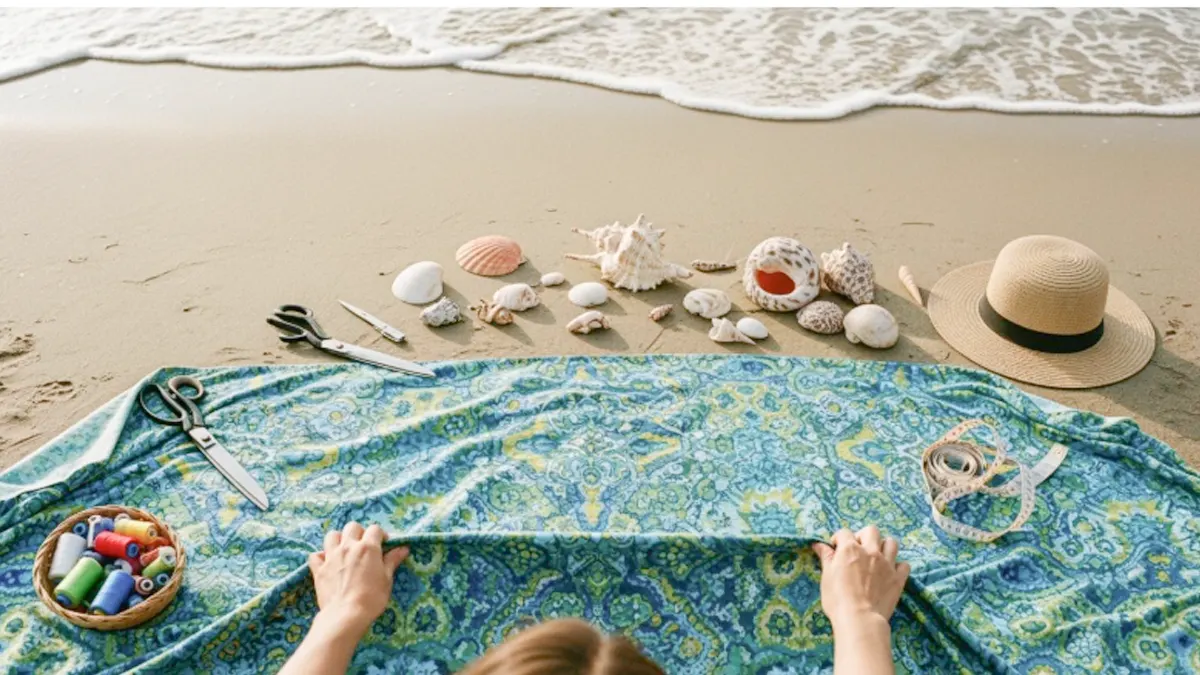
- Customization lets you show off your style.
- Comfort comes from choosing the best materials.
- Functionality means you can add features like pockets or weights.
How to make a beach blanket gives you a fun way to relax at the shore.
Key Takeaways
- Pick soft and strong fabrics like cotton, microfiber, or nylon. These will feel nice and last a long time.
- Add a waterproof layer to keep your blanket dry on wet sand. This also makes it easier to clean.
- Put in pockets and corner weights to make your blanket more useful. These help stop it from blowing away.
- Wash your fabric before you start. This removes chemicals and stops shrinking. Your blanket will keep its bright color.
- Use strong thread that does not get ruined by the sun. Sew seams twice to make your blanket last longer.
- Choose colors and patterns you like. This makes your blanket special.
- Wash and store your blanket the right way. This keeps it looking good for a long time.
- Fix any rips right away. This helps your blanket last and be ready for your next trip.
DIY Beach Blanket Materials

Choosing the right materials makes your diy beach blanket project easy and fun. You want your blanket to feel soft, last a long time, and handle sand and water at the beach. Let’s look at your options.
Fabric Options
You have lots of choices for fabric. Each one has its own benefits.
Cotton
Cotton feels soft and comfortable. You can use cotton or Turkish towels for a cozy blanket. Cotton absorbs water well, but it gets heavier when wet. If you want a classic look and comfort, cotton works great.
Microfiber
Microfiber dries quickly and feels smooth. It absorbs water and sand shakes off easily. Microfiber is light, so you can carry your blanket without trouble. This fabric is perfect if you want a quick-drying and easy-to-clean blanket.
Waterproof Backing
Adding a waterproof layer keeps you dry on damp sand. You can use oilcloth or special waterproof fabric for the backing. This layer stops water from soaking through. Many people choose nylon or parachute nylon for a waterproof and sand-free beach blanket. These materials are lightweight and easy to fold.
Tip: If you want a sand-resistant blanket, look for breathable parachute nylon. It helps keep sand from sticking and makes cleanup simple.
Here are some popular fabric choices for beach blankets:
- Nylon beach blankets: Lightweight, water-resistant, and easy to shake sand off.
- Microfiber beach blankets: Quick-drying, soft, and absorbent.
- Cotton or Turkish towels: Comfortable and absorbent but heavier when wet.
- Waterproof beach blankets: Keep you dry on damp surfaces.
Tools Needed
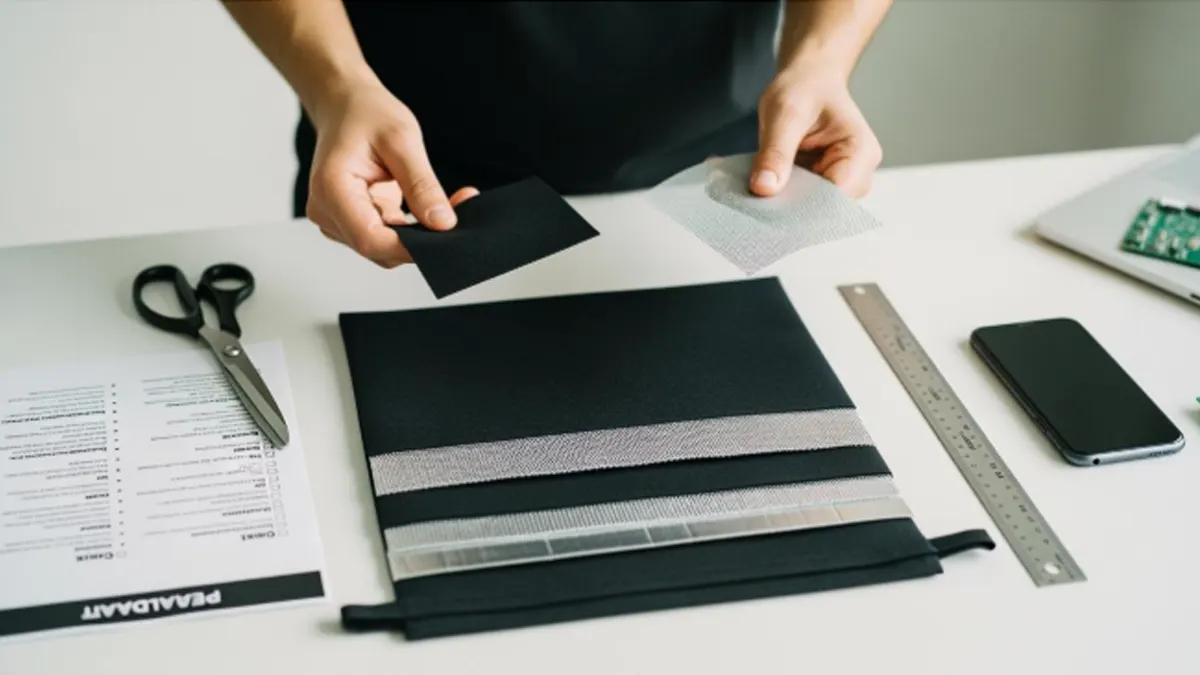
You need a few basic tools to make your diy beach blanket. These tools help you measure, cut, and sew your fabric.
| Material/Tool | Description/Use |
|---|---|
| Scissors | Cut fabric and batting to size |
| Measuring Tape | Measure fabric for accurate cuts |
| Sewing Machine or Needle | Sew layers together |
| Pins or Clips | Hold fabric in place while sewing |
| 100% cotton canvas | Thick fabric ideal for outdoor use |
| Oilcloth | Provides a waterproof layer |
| Bias tape or canvas tape | Finish edges and add durability |
| Nylon zippers | Add storage pockets |
| Rings | Secure the blanket or attach items |
| Side pockets | Store small items like keys or sunscreen |
Prewashing and Preshrinking
Before you start sewing, you should prewash your fabric. Prewashing helps your blanket last longer. It removes extra dyes and chemicals that can cause fading. This step also makes sure your blanket does not shrink after you wash it later.
- Prewashing prepares your fabric for many washes.
- It helps minimize shrinkage, so your blanket keeps its shape.
- You keep your blanket looking bright and new by removing extra dyes.
Note: Always check the care label on your fabric before washing. Use gentle detergent and cold water for best results.
Now you have everything you need to start your diy beach blanket. With the right fabric, tools, and a little prep, you can make a blanket that is comfortable, durable, and waterproof.
How to Make a Beach Blanket: Step by Step
Ready to start your diy beach blanket? This step-by-step guide will walk you through each part, so you can make a blanket that looks great and lasts for many beach trips.
Measure and Cut Fabric
Getting the right size and shape is important. You want your blanket to fit your needs, whether you’re lounging solo or sharing with friends.
Rectangle Sizes
Start by deciding how big you want your beach blanket. Most people like a rectangle that’s about 60 inches by 70 inches. You can go bigger if you want more space. Here’s how you get straight edges and accurate sizing:
- Wash and iron your fabric first. This helps it lay flat and makes cutting easier.
- Fold the fabric in half. Check the width at both ends to make sure it’s even.
- If you see an uneven edge, find the fabric grain. Make a small snip and rip along the grain. This gives you a straight edge.
- Lay your fabric on a hard, flat surface. A kitchen table works well.
- Use a straight edge or ruler to draw a line where you want to cut.
- Align the fabric with the corner of the table. This helps you get a perfect 90-degree angle.
- Measure from your straight edge and cut to the size you want.
Tip: Double-check your measurements before you cut. It’s easier to trim extra fabric than to add more later.
Cutting Batting
If you want extra softness, add a layer of batting. Batting is the fluffy material inside quilts. Cut the batting to match the size of your main fabric. Lay it flat and smooth out any wrinkles. Use sharp scissors for clean edges.
Arrange Fabric Grid
Want a colorful or patterned blanket? Arrange your fabric pieces in a grid. This lets you mix prints and colors for a custom look.
- Gather your favorite fabric prints. Cut them into rectangles with straight edges.
- Lay the pieces on your template or workspace. Overlap each piece by about an inch to make sure there are no gaps.
- Start with long horizontal rows. Line up several pieces to match the width of your blanket.
- Sew the pieces together along the vertical seams. This creates one long row.
- Trim each row so they’re the same height.
- Press the seams open and flat. This helps your blanket lay smooth.
- Lay the finished rows across your template in the order you like.
Note: Arranging your grid before sewing helps you see the final design and make changes easily.
Sew Layers Together
Now it’s time to put everything together. Sewing the layers makes your blanket strong and ready for the beach.
Secure Edges
Pin the layers together before you sew. Place pins close to the raw edge and across the direction you’ll sew. This keeps everything lined up and prevents shifting. Use a sewing machine or needle and thread. Sew around the edges, keeping your stitches even.
- Double-stitch the seams for extra durability. This helps prevent fraying and tearing.
- Use strong thread that matches your fabric.
Tip: Beginners sometimes pin fabric randomly. Always pin close to the edge and across your sewing direction for best results.
Reinforce Corners
Corners get a lot of wear and tear. Reinforce them by sewing a few extra stitches at each corner. You can also add a small patch of fabric for extra strength.
- Check your sewing machine’s threading before you start. Incorrect threading can cause thread to snap or tangle.
- Go slow at the corners to keep your stitches neat.
If you want your blanket to last, pay special attention to the edges and corners. Strong stitching means more beach days with your diy creation.
With these instructions, you can make a beach blanket that’s sturdy, stylish, and ready for fun. Take your time and enjoy the process!
Add Waterproof Backing
You want your beach blanket to keep you dry and comfortable, even when the sand is damp. Adding a waterproof backing is the secret. This step makes your blanket more useful and easier to clean.
Start by picking the right material for the backing. Here are some top choices:
- Polyester with a polyurethane coating stands out. This combo blocks moisture and lasts a long time.
- Tightly woven polyester works well. It keeps water out and resists sand.
- Canvas or polyester gives you a strong base. These fabrics repel water and sand.
- You can use a waterproofing spray on your base layer or buy fabric that’s already treated.
Lay your waterproof fabric flat under your main blanket layer. Make sure the edges match up. Pin the layers together so they don’t shift. Sew around the edges with strong thread. Double-stitch for extra strength. If you use a waterproofing spray, follow the instructions on the bottle. Let the fabric dry before you sew.
Why does waterproof backing matter? Take a look at how it changes your beach blanket:
| Feature | Description |
|---|---|
| Waterproof | Stops water or dew from soaking through. You stay dry on wet sand. |
| Sandproof | Keeps sand from sticking. You shake it off easily after your beach day. |
| Easy to Clean | Wipe off dirt, mud, or grass. Your blanket stays fresh for every trip. |
Tip: If you want a blanket that lasts, choose a backing that’s both waterproof and sand-resistant. You’ll spend less time cleaning and more time relaxing.
Adding a waterproof backing is simple. You get a blanket that’s ready for any beach adventure. You stay dry, comfy, and worry-free.
DIY Waterproof Beach Blanket Features
When you want the ultimate beach blanket, you need features that keep you dry, sand-free, and ready for anything. Let’s look at what makes a diy waterproof beach blanket stand out from the rest.
Waterproof Materials
Choosing the right waterproof materials is the first step to making your ultimate beach blanket. You want a blanket that blocks moisture and keeps you comfortable on wet sand. Many commercial beach blankets use special fabrics for this reason. Here are some of the most popular options:
- Organic Cotton: This fabric feels soft and breathable. It also comes from farms that avoid harmful chemicals.
- Recycled Polyester: This material comes from plastic bottles. It gives your diy waterproof beach blanket water resistance and extra strength.
- Hemp: This fabric is tough and naturally fights germs. It also grows with very little water.
You can also find blankets made with tightly woven polyester or canvas. These materials work well for a diy waterproof beach blanket because they stop water from soaking through. If you want even more protection, try a waterproof treatment. You can spray or wash your blanket with a waterproof treatment to boost its power.
Tip: Always check if your fabric needs a waterproof treatment before you sew. Some fabrics come ready to use, while others need a little help.
Sand-Resistant Options
No one likes a sandy mess after a fun day at the beach. The ultimate beach blanket should make cleanup easy. Sand-resistant materials help you shake off sand with just a flick. Most sand-proof blankets use tightly woven nylon, polyester, or microfiber. These fabrics stop sand from sticking, so you can enjoy your diy waterproof beach blanket without worry.
Sand-proof beach blankets are designed to keep sand away. You can shake them out quickly, and they stay clean. Many tested towels and blankets show great sand-repelling power. When you pick the right material, you get a diy waterproof beach blanket that feels fresh every time.
| Material | Sand Resistance | Easy to Clean |
|---|---|---|
| Nylon | High | Yes |
| Polyester | High | Yes |
| Microfiber | High | Yes |
Note: If you want the ultimate beach blanket, always look for sand-resistant options. You will thank yourself later!
Spill-Resistant Additions
Spills happen at the beach. Drinks tip over, sunscreen leaks, and snacks can get messy. The ultimate beach blanket should handle all of this. You can add spill-resistant features to your diy waterproof beach blanket for extra peace of mind.
Try using a waterproof layer on top or under your main fabric. Some people add a special coating or use a waterproof treatment to make the surface even stronger. You can also sew on a pocket made from waterproof fabric to hold wet items or snacks. These small touches turn your diy waterproof beach blanket into a real beach hero.
If you want a blanket that lasts, focus on these features. The ultimate beach blanket keeps you dry, sand-free, and ready for any adventure. With the right materials and a few smart upgrades, your diy waterproof beach blanket will be the star of every beach trip.
Customizing Your Beach Blanket
Color and Pattern Choices
You get to decide how your beach blanket looks. Customizing your beach blanket starts with picking colors and patterns that match your style. Do you want something bold or something calm? You can choose from many options.
- Mexican beach blankets stand out with vibrant colors and unique patterns. These designs often come from traditional woven styles.
- Bright colors make your blanket easy to spot on a busy beach. You can mix reds, blues, greens, and yellows for a lively look.
- Some blankets use wool for warmth or cotton for breathability. Modern versions might use synthetic fibers dyed in bright shades for extra durability.
If you want a classic vibe, go for stripes or geometric shapes. For a fun twist, try tropical prints or tie-dye. You can even combine different fabrics to create a patchwork effect. Your diy project lets you show off your personality.
Tip: Pick colors that make you happy. Patterns inspired by nature or culture can add a special touch to your blanket.
Add Pockets
Pockets make your beach blanket much more useful. You can keep your phone, sunscreen, or snacks close by. No more digging through your bag for small items. Sew a pocket onto one corner or along the edge. Use waterproof fabric if you want to keep things dry.
The Pocket Blanket™ shows how pockets can change your beach experience. It has an attached storage pouch for small items and stays compact. You can fold your blanket and tuck it away easily. Some designs include corner stakes for stability, so your blanket stays put even when the wind picks up.
Try adding a zipper or Velcro to your pocket for extra security. You can make the pocket as big or as small as you need. This simple upgrade adds convenience and keeps your essentials safe.
Note: Pockets are great for holding keys, sunglasses, or even a book. You can add more than one if you like.
Corner Weights or Loops
Windy days at the beach can make your blanket fly away. Corner weights or loops help keep everything in place. You can sew small pouches filled with sand or pebbles into each corner. Another option is to attach loops and use pegs to anchor your blanket.
Here’s how you can secure your blanket:
- Choose the right spot for your blanket. Look for areas shielded from strong winds, like behind trees or dunes.
- Use a blanket with corner loops. Secure the loops with pegs. Metal pegs work best for grass, while plastic pegs are better for sandy beaches.
You can also use ribbon or sturdy fabric to make loops. Attach them to each corner and bring a few pegs with you. This way, your blanket stays flat and comfortable all day.
Tip: Corner weights and loops make your diy beach blanket more practical. You spend less time adjusting and more time relaxing.
Decorative Touches
You can make your beach blanket truly unique with a few creative decorative touches. These little extras help your blanket stand out and show off your personality. You don’t need fancy skills or expensive supplies. Just a bit of imagination and some simple materials will do the trick.
Start by thinking about the look you want. Do you love bright colors? Maybe you prefer soft, calming tones. You can pick patterns that remind you of summer, like stripes, polka dots, or tropical prints. Some people even mix different fabrics to create a patchwork effect. If you want your blanket to pop on the sand, go for bold shades. If you like a peaceful vibe, choose gentle blues or greens.
Tip: Use fabric paint or iron-on patches to add fun designs. You can draw waves, palm trees, or even your initials. This makes your blanket easy to spot at the beach.
Here are some popular decorative touches you can try:
- Color and Patterns: Choose vibrant colors and playful patterns to make your blanket eye-catching. You can also pick soothing tones for a more natural look.
- Extra Padding: Add a thin layer of padding between the fabric layers. This gives you more comfort when you sit or lie down. Some people use quilt batting or foam for a soft feel.
- Fringe or Tassels: Sew fringe or tassels along the edges. These add a boho style and make your blanket look festive.
- Embroidery: Stitch simple shapes or words onto your blanket. You can use embroidery floss in bright colors.
- Appliqué: Cut out fabric shapes and sew them onto your blanket. Try stars, shells, or hearts for a playful touch.
- Buttons or Beads: Attach colorful buttons or beads to the corners. These can add sparkle and help weigh down the edges.
You can also use a table to plan your decorative touches:
| Decorative Touch | Materials Needed | Style Effect |
|---|---|---|
| Fringe/Tassels | Yarn, thread | Boho, festive |
| Embroidery | Embroidery floss, needle | Personalized, artsy |
| Appliqué | Fabric scraps, thread | Playful, creative |
| Buttons/Beads | Buttons, beads, needle | Fun, sparkly |
| Extra Padding | Batting, foam | Soft, comfy |
Decorating your beach blanket is all about having fun. You can mix and match ideas or come up with your own. If you want your blanket to feel extra cozy, try adding a layer of padding. This not only makes it softer but can also help it float a little if you use it near water.
Don’t worry about making everything perfect. Your beach blanket should reflect your style and make you smile every time you use it. So grab your supplies, get creative, and enjoy the process. Your personalized beach blanket will be the envy of everyone at the shore!
Ultimate Beach Blanket Durability Tips
Strong Threads
If you want your beach blanket to last, you need to pick the right thread. Not all threads are equal when it comes to outdoor use. Some threads break down quickly in the sun or after a few washes. Others hold up for years, even with heavy use.
Here are some top choices for strong threads:
- Polyester: This thread stands out for its strength and durability. It resists UV rays and moisture, so your seams stay tight even after long days at the beach.
- Lifetime Threads: Brands like Tenara® and Sailrite® make threads that last longer than most fabrics. These threads fight off UV rays, harsh cleaners, and tough weather. You can trust them for outdoor projects.
Choosing a tough thread means your diy beach blanket will handle sand, sun, and water without falling apart. You get better durability and fewer repairs.
Tip: Always check the thread label before you buy. Look for words like “UV-resistant” or “outdoor use” to make sure your blanket will last.
Double-Stitching
You want your seams to stay strong, even when you pull or stretch your blanket. Double-stitching is the answer. This method uses two rows of stitches instead of one. More stitches per inch mean your seams can handle more stress.
Double-stitching boosts seam strength by packing in extra stitches. When you combine strong thread with double-stitching, you get a blanket that stands up to rough use and tough weather. Your seams won’t pop open, even if you tug on the edges or roll up your blanket tightly.
If you use your beach blanket for picnics, camping, or sports, double-stitching gives you peace of mind. You spend less time worrying about rips and more time enjoying your day.
Note: Double-stitching works best on corners and edges. These spots get the most wear, so extra stitches help them last longer.
Softening Fabric
You want your beach blanket to feel soft and cozy, not stiff or scratchy. Softening your fabric makes a big difference in comfort. You can use simple tricks at home to get a plush feel.
Try these easy methods:
- Add a cup of baking soda to your wash. Baking soda lifts dirt, removes odors, and softens the fabric.
- Pour distilled white vinegar into the fabric softener dispenser. Vinegar helps soften the fibers and cuts down on static.
These steps work for cotton, microfiber, and other common beach blanket fabrics. You get a blanket that feels great against your skin and stays fresh after every wash.
Tip: Wash your blanket before you sew. Prewashing helps soften the fabric and keeps your blanket from shrinking later.
A soft, durable beach blanket makes every trip to the shore better. You get comfort, strength, and style all in one diy project.
Easy Carry Features
You want your beach blanket to be easy to carry, right? No one likes struggling with bulky gear when heading out for a fun day at the shore. If you add smart carry features to your DIY beach blanket, you make your life much easier. Let’s look at some simple ways to keep your blanket portable and hassle-free.
First, think about how you’ll pack up your blanket. A drawstring bag works wonders. You just roll up your blanket, slip it inside, and pull the strings tight. The bag keeps everything together and makes it easy to grab and go. You don’t have to worry about your blanket unraveling or getting tangled with other beach items.
A wide opening on your carry bag helps a lot. You can stuff your blanket inside without fighting with a small opening. Packing up after a long day at the beach feels much faster. You spend less time folding and more time enjoying the sun.
Roomy interiors matter too. If your bag has extra space, you can toss in sunscreen, snacks, or even a book. You keep all your beach essentials in one spot. No more juggling loose items or making extra trips to the car.
Here’s a quick look at the best features for easy carrying:
| Feature | Benefit |
|---|---|
| Drawstring bag | Makes carrying your blanket simple |
| Wide opening | Lets you pack up quickly and easily |
| Roomy interior | Holds your blanket and extra beach items |
Tip: Sew a small pocket inside your carry bag for keys or coins. You keep your valuables safe and easy to find.
Some people like to add a handle or strap to their bag. You can sling it over your shoulder and keep your hands free. If you want to get creative, try making a backpack-style bag. You just add two straps and wear it like a backpack. This style works great for kids and adults.
You can also sew a carrying strap directly onto your blanket. Fold up your blanket, wrap the strap around, and snap it closed. You carry your blanket like a yoga mat. This trick saves space and keeps your blanket neat.
Don’t forget about weight. Use lightweight fabrics for your blanket and bag. You don’t want to lug around something heavy. Nylon and microfiber work well because they’re light and easy to fold.
If you want your beach blanket to be the star of every trip, focus on easy carry features. You’ll spend less time packing and more time relaxing. Your blanket goes wherever you go—no fuss, no mess.
Care Guide for Your Beach Blanket
Taking care of your beach blanket helps it last longer and keeps it looking fresh. You want your blanket to stay soft, colorful, and ready for every adventure. Let’s break down the best ways to wash, store, and repair your blanket so you get the most out of your diy project.
Washing Instructions
You spend a lot of time on the sand, so your beach blanket needs regular cleaning. Washing it the right way keeps the fabric strong and the colors bright. Here’s how you can do it:
- Machine wash your blanket on a delicate cycle with cold water. This helps maintain colors and prevents shrinkage.
- Hang your blanket to dry. Air drying preserves the shape and stops further shrinking.
- If you want the best results, dry cleaning works well and helps your blanket last longer.
- Skip the bleach. Bleach can damage the fabric and fade the colors.
You can also spot clean with cold, soapy water if you notice a small stain. Use gentle detergent and avoid harsh chemicals. If your blanket has a waterproof layer, always use cold water and avoid fabric softeners. These steps keep the waterproof coating strong and effective.
Tip: Shake out dirt and sand before washing. Don’t soak, bleach, tumble dry, or iron your blanket. This keeps the waterproof features working and the fabric looking new.
Storing Tips
Storing your beach blanket the right way prevents damage and keeps it fresh for your next trip. You want to avoid mildew, fading, and odors. Here are some easy tips:
- Use a fabric bag that allows airflow. This stops mildew from forming and keeps your blanket smelling clean.
- Keep your blanket away from direct sunlight and moisture. Sunlight can fade colors, and moisture leads to mold.
- Store your blanket in labeled containers. You find it quickly when you need it.
Check out this table for more storage ideas:
| Storage Method | Key Points |
|---|---|
| Ideal Temperature and Humidity | Store in a cool, dry environment (60°F to 75°F) to prevent mold and damage. |
| Light Exposure | Keep blankets away from direct sunlight to avoid fading and degradation. |
| Proper Folding Techniques | Use neat folding to save space and maintain shape; consider rolling for bulky items. |
| Airflow and Moisture Control | Use breathable fabric bags and moisture absorbers to prevent mildew and odors. |
| Regular Maintenance | Periodically check and air out blankets to maintain freshness and detect any damage early. |
Before you put your blanket away, wash it to remove dirt and salt. Make sure it’s completely dry. If your blanket has a waterproof backing, store it flat or rolled to protect the coating.
Note: Always use fabric-safe detergents and avoid plastic bags that trap moisture. Your blanket stays fresh and ready for the beach.
Repairing Tears
Sometimes your beach blanket gets a tear or hole. You don’t have to throw it away. You can fix it and keep using it for many more trips. Here’s how you can repair your blanket:
- Gather darning supplies like thread or yarn and a darning needle.
- Use a hoop to keep the area tight while you work.
- Weave the needle in and out of the fabric, going beyond the rip to make the repair strong.
- Keep weaving until the tear is fully covered and blends in.
You can also use patchwork or appliqué to fix bigger holes. Patchwork lets you add matching or fun patches. Appliqué adds a decorative touch and extra durability. For small tears, a blanket stitch works well. If your blanket is beyond repair, you can combine it with other materials for a new diy project.
Here’s a quick look at repair techniques:
| Technique | Description |
|---|---|
| Patchwork | Works well with sewn blankets, allowing for matching or contrasting patches. |
| Appliqué | Involves ornamental patching to enhance durability and beauty. |
| Stitching | Suitable for small tears, using techniques like blanket stitch. |
| Dismantling | Repurposing beyond repair, combining with other materials. |
Tip: Fixing tears right away keeps your waterproof beach blanket strong and ready for your next adventure. You save money and enjoy your favorite blanket longer.
Taking care of your beach blanket is easy. You keep it clean, store it smart, and repair it when needed. Your waterproof blanket stays comfortable, colorful, and ready for every beach day.
Conclusion
You just learned how easy it is to make your own beach blanket. You get to pick colors, add features, and enjoy a diy project that fits your style. You feel proud when you relax on the sand, knowing you made something special while ensuring durability and comfort. If you want more options, we offer custom and wholesale beach blanket services. Check out the reasons people love these services:
| Reason | Explanation |
|---|---|
| Cost Efficiency | Buying in bulk lowers the price for each blanket. |
| Practical | Beach blankets get used often, so your brand stands out at busy beaches. |
| Customization | You can choose colors and designs to create a unique product. |
Grab your blanket and head to the beach. You deserve it!
FAQ
How big should my beach blanket be?
Most people like a blanket around 60 x 70 inches. You can make yours bigger or smaller. Think about how many people will use it. Measure your space before you start.
What fabric works best for a beach blanket?
You want something soft, quick-drying, and easy to clean. Microfiber, nylon, and cotton are great choices. For extra comfort, try adding a waterproof backing.
Can I make a beach blanket without a sewing machine?
Yes! You can sew by hand using a strong needle and thread. It takes more time, but you still get a sturdy blanket. Use simple stitches for best results.
How do I keep my beach blanket from blowing away?
Add corner weights or sew loops on each corner. Use pegs or fill small pouches with sand. Your blanket will stay put, even on windy days.
How do I wash my DIY beach blanket?
Machine wash with cold water on a gentle cycle. Hang it to dry. Avoid bleach and fabric softeners. Shake out sand before washing for best results.
Can I add pockets to my beach blanket?
Absolutely! Sew pockets along the edges or in the corners. Use waterproof fabric for extra protection. Pockets help you keep track of keys, sunscreen, or snacks.
What if my blanket gets a tear?
You can fix small tears with a needle and thread. For bigger holes, use a patch or appliqué. Quick repairs help your blanket last longer.
Is a waterproof layer really necessary?
A waterproof layer keeps you dry on damp sand. It also makes cleaning easier. If you want extra comfort and less mess, add this feature.