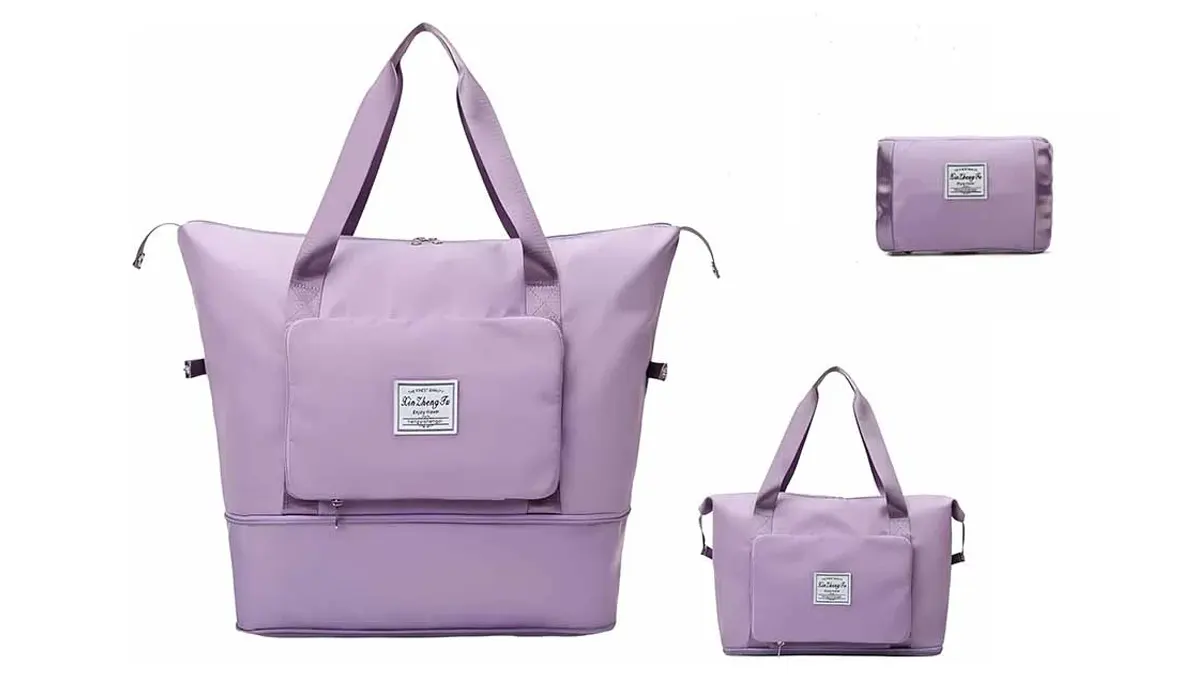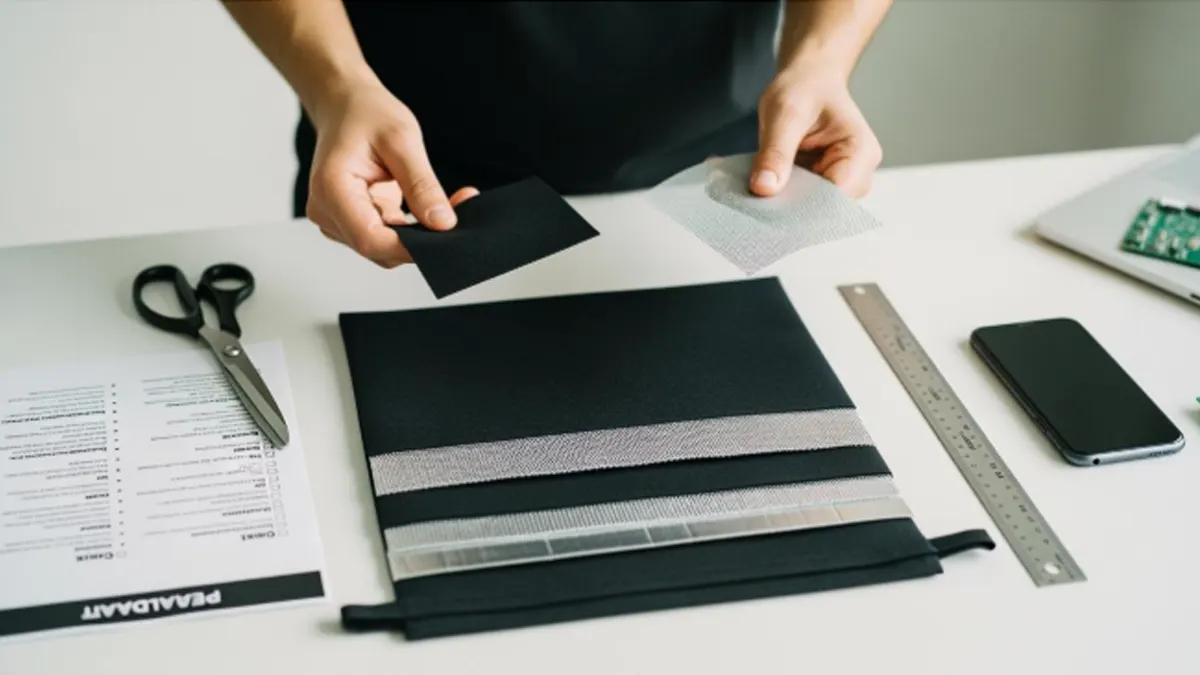
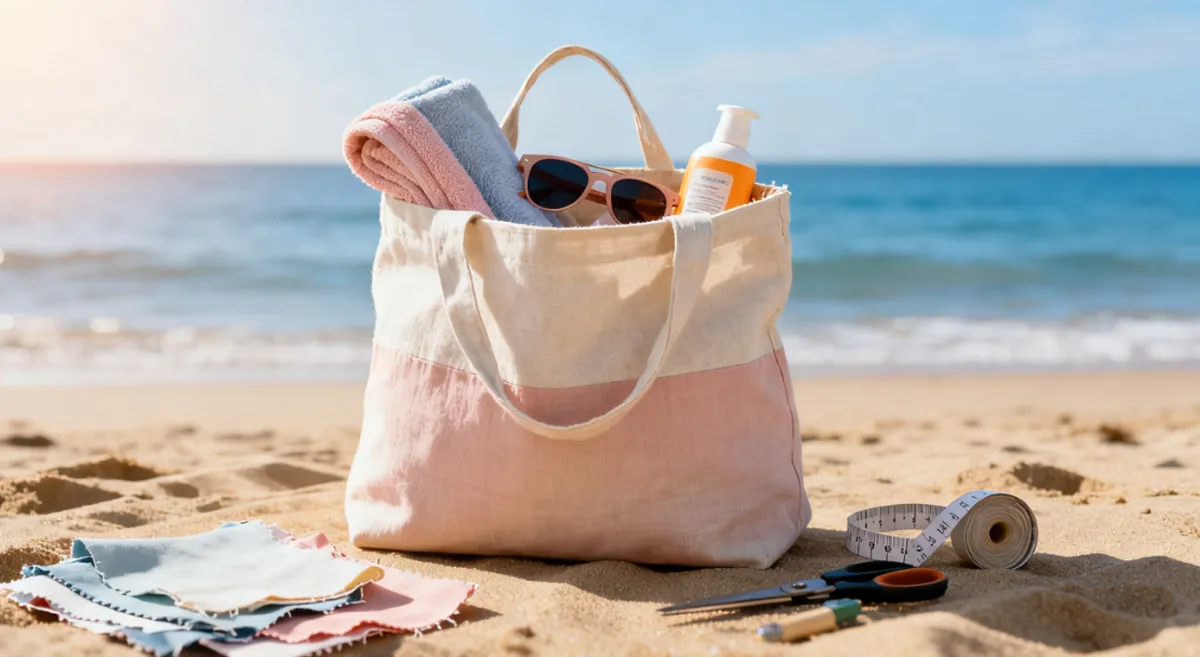
You can sew a beach bag at home with just a few simple supplies. This sewing tutorial gives you quick and easy to sew steps, plus practical tips to help you succeed. Check out the most common finished sizes for handmade beach bags below:
| Size | Width (inches) | Height (inches) | Depth (inches) |
|---|---|---|---|
| Small | 7¾” | 8½” | 5” |
| Medium | 10¾” | 11¼” | 6” |
| Large | 13¾” | 14¼” | 7” |
Making your own beach bag means you can skip single-use plastics and support a greener lifestyle. Here are a few benefits:
- Reusable bags last longer and save money.
- You help cut down on landfill waste.
- Sustainable choices matter for the planet.
Ready to try this tutorial? Grab your fabric and sewing tools, and let’s get started on how to make a beach bag!
Key Takeaways
- You can make a beach bag at home with easy materials and tools.
- Picking the right size for your beach bag helps you carry your things easily.
- Use strong and waterproof fabrics so your beach bag lasts a long time outside.
- Adding pockets and a lining helps you keep things organized and makes the bag stronger.
- Straps that go all the way around give more strength and stop handles from breaking when the bag is heavy.
- Topstitching makes your bag look nice and makes the seams stronger.
- Cleaning and taking care of your beach bag often will keep it looking new and ready to use.
- You can also make your bag special with fun things like pom pom trim or cool pockets.
Materials & Size

Standard Dimensions
Choosing the right size for your beach bag makes a big difference. You might want a roomy tote for towels and snacks, or a smaller bag for just the essentials. Here’s a quick look at some popular sizes you’ll see in sewing patterns and store-bought bags:
| Bag Type | Height | Width | Depth |
|---|---|---|---|
| Amalfi Bag | 19″ | 12″ | 6″ |
| Oversized Bag | — | 27″ | 16″ |
You can pick a size that fits your needs. If you plan to carry lots of gear, go for an oversized bag. For a lighter trip, a medium or small bag works well.
Fabric & Tools
Let’s talk about the best materials and tools for your beach bag. You want something strong, easy to clean, and ready for outdoor adventures. Here’s what you’ll need:
- Heavy-duty outdoor fabric stands up to sun and sand.
- Coated fabric adds water resistance and extra strength.
- Waterproof canvas (like polyester canvas with a PVC finish) keeps your stuff dry.
- Synthetic materials such as nylon or polyester are lightweight and tough.
- Ripstop nylon and X-Pac fabrics offer great durability and waterproofing.
- Graflyte fabric is super strong and resists abrasion.
For sewing, grab these tools:
- Polyester all-purpose thread resists sun and moisture.
- 80/12 Microtex needle works well for coated fabrics.
- Sharp scissors or a rotary cutter help you cut clean lines.
- Clips hold thick layers together better than pins.
- Self-healing mat protects your table when cutting.
Tip: Always press your fabric before cutting and sewing. Smooth fabric means accurate cuts and crisp seams. Wrinkles can mess up your measurements and make your bag look uneven.
Optional Features
Want to make your beach bag extra special? You can add some fun and useful features. Check out these popular options:
| Feature | Optional Status |
|---|---|
| Inside pockets | Optional |
| Twisted rope trim | Optional |
| 12mm Grommets for handle openings | Required |
- Pom pom trim adds a playful touch.
- Light cotton fabric for lining gives your bag a neat finish.
- Olfa self-healing mat and rotary cutter make cutting easier.
You can mix and match these features to create a bag that fits your style. Inside pockets help you organize sunscreen and keys. Rope trim looks great and feels sturdy. Grommets make strong handle openings.
When you gather your materials and prep your fabric, you set yourself up for a smooth sewing experience. Pressing your fabric before you start helps everything fit together perfectly and gives your finished bag a professional look.
How to Make a Beach Bag: Cutting Fabric
You’re ready to start cutting your fabric. This step sets the foundation for your whole project. If you want your beach bag to look neat and last a long time, you need to cut each piece with care. Let’s walk through how to make a beach bag with straight edges and accurate sizing.
Cutting Main Panels
Start by laying your fabric flat on a hard surface. Make sure you iron it first. Wrinkles can throw off your measurements and make your bag look uneven. If you haven’t washed and dried your fabric yet, do that before you begin. This helps prevent shrinkage later.
Here’s a simple checklist for cutting your main panels:
- Lay the fabric flat and smooth out any bumps.
- Iron the fabric to remove wrinkles.
- Use a straight ruler to line up with the fabric’s edge or print.
- Mark your cutting lines with a fabric pencil.
- Cut along the lines with sharp scissors or a rotary cutter.
Tip: A self-healing mat protects your table and helps you cut clean lines. You’ll get the best results if you use a rotary cutter for straight edges.
Cutting Lining & Pockets
The lining gives your beach bag extra strength and a polished look. You’ll want to cut the lining pieces just like you did for the main panels. If you’re adding pockets, measure and mark those pieces too.
Here’s how you can cut lining and pocket pieces:
- Iron the lining fabric so it lays flat.
- Use a ruler to measure the size you want for your pockets.
- Mark the shape with a fabric pencil.
- Cut out the pieces with sharp scissors.
If you want to add inside pockets, cut small rectangles or squares. For an exterior pocket, you can use a larger piece. Make sure all your pieces match up with the main panels.
Marking & Measuring
Accurate measuring makes your bag look professional. Grab a ruler and a fabric pencil. Mark all your lines before you cut. Double-check your measurements so you don’t waste fabric.
| Tool | Purpose |
|---|---|
| Ruler | Straight lines |
| Fabric pencil | Marking cut lines |
| Scissors | Cutting edges |
Note: Press your fabric before you start marking and measuring. This step helps you avoid mistakes and keeps your bag looking sharp.
When you follow these steps, you’ll see how to make a beach bag with clean edges and sturdy seams. Careful cutting makes sewing easier and helps your finished bag hold up to beach trips and summer adventures.
Making Straps & Handles
A beach bag needs strong and comfortable handles. You want straps that feel good in your hand and can hold up to heavy towels, sunscreen, and snacks. Let’s look at the best strap options and how you can attach them for a sturdy finish.
Strap Types
You have lots of choices for beach bag straps. Some materials work better than others, especially if you plan to carry heavy items or get your bag wet. Here’s a quick table to help you pick the right material:
| Material | Benefits |
|---|---|
| Canvas | Durable, machine washable, eco-friendly |
| Jute | Lightweight, biodegradable, UV resistant |
| Nylon | Water-resistant, quick-drying, strong |
| Polyester | Durable, vibrant colors, easy to clean |
| Mesh | Lightweight, sand-resistant, quick-drying |
| Leather | Elegant, comfortable, long-lasting |
| Synthetic Leather | Affordable, stylish, versatile |
| Vinyl | Easy to grip, sleek, long-lasting |
| Premium Fabric | Soft, comfortable, many styles |
| Wooden | Unique look, customizable |
| Reinforced Paper | Eco-friendly, best for light loads |
| Straw | Pretty, not for heavy items |
You can choose canvas or nylon for a classic look and strong grip. Jute and mesh work well for lightweight bags. Leather and synthetic leather add style and comfort. If you want something different, try wooden handles or straw for a fun summer vibe.
Tip: Pick a strap material that matches your bag’s style and your beach plans. If you want easy cleaning, go with polyester or canvas.
Continuous Straps for Durability
Have you ever had a bag handle snap when you least expect it? You can avoid this problem by using continuous straps. These straps run from one side of the bag, loop under the bottom, and come up the other side. This design spreads the weight across the whole bag, not just at the top seams.
Here’s why continuous straps work so well:
- They make your bag stronger and less likely to tear.
- The weight of your beach gear gets spread out, so the fabric doesn’t stretch or rip.
- You can carry heavier items without worrying about the handles breaking.
If you want a bag that lasts for years, try sewing continuous straps. You’ll notice the difference right away.
Attaching Straps
Attaching straps is an important step. You want them to stay put, even when your bag is full. Here’s a simple way to do it:
- Lay your bag panels flat.
- Position the straps where you want them. Make sure they’re even on both sides.
- Pin or clip the straps in place. Clips work better for thick fabrics.
- Sew the straps down with a strong stitch. Go over the ends a few times for extra hold.
Note: If you use continuous straps, sew them along the sides and bottom of the bag. This gives your beach bag extra strength and helps it keep its shape.
You can add extra stitching or even a decorative topstitch for a finished look. Strong handles mean you can pack your bag with everything you need for a fun day at the beach.
Adding Pockets & Lining
You want your beach bag to be both useful and stylish. Adding pockets and a lining can make a big difference. These features help you organize your things and give your bag a strong, finished look.
Interior Pocket
Think about all the small items you bring to the beach. You might have keys, lip balm, or sunglasses. An interior pocket keeps these things safe and easy to find. You can sew a simple rectangle inside your bag or add a zippered pocket for extra security. If you like to keep your phone or wallet hidden, a zippered pocket works best.
Here’s a quick look at practical pocket designs for beach bags:
| Pocket Type | Functionality | Example Bag Features |
|---|---|---|
| Inner Pocket | Keeps smaller items organized and protected from damage and loss. | Tote Beach Bag with open pocket |
| Zippered Pocket | Provides secure storage for valuables, keeping them out of sight. | Oversized Beach Bag with zippered pocket |
| Exterior Pockets | Offers easy access to frequently used items, enhancing usability. | Mesh bag with six exterior pockets |
| Water Bottle Holder | Dedicated space for hydration, preventing spills inside the bag. | Included in the Away beach bag |
| Towel Loop | Convenient storage for towels or yoga mats, keeping them accessible. | Clever loop on the exterior of the bag |
You can choose one or more pocket styles for your bag. Inner pockets help you stay organized and protect your small items from getting lost.
Exterior Pocket (Optional)
Exterior pockets make your beach bag even more practical. You can grab sunscreen, snacks, or sunglasses without digging through the whole bag. Some beach bags have six exterior pockets for easy organization. You might want to add a water bottle holder or a towel loop for extra convenience.
Here are some ideas for exterior pockets:
- Multiple pockets for keys, sunscreen, and snacks.
- Large zip pocket for valuables.
- Dedicated water bottle holder to keep drinks upright.
- Towel loop for quick access to your towel or yoga mat.
If you love being organized, exterior pockets will make your beach trips easier.
Inserting Lining
A lining does more than just make your bag look nice. It adds strength and helps your beach bag last longer. You can use light cotton or waterproof fabric for the lining. When you sew the lining inside, your bag feels sturdy and looks professionally made.
Lining gives your beach bag a polished look and helps it keep its shape. It protects the main fabric from wear and tear. You’ll find it easier to clean the inside, too.
Here’s why you should add a lining:
- Makes your bag look like it came from a store.
- Protects the outside fabric from sand and water.
- Helps your bag stand up straight, even when it’s empty.
- Keeps the inside easy to wipe clean.
To insert the lining, sew it separately and then attach it to the main bag. You can add pockets to the lining before you sew it in place. This way, your pockets stay strong and don’t pull on the outer fabric.
Adding pockets and a lining turns your simple beach bag into a handy, long-lasting tote. You’ll love how easy it is to find your things and keep your bag looking great.
Step-by-Step Instructions: Assembling the Bag
Sewing Outer Panels
You’re ready to start putting your beach bag together. This part of the sewing tutorial is where your project starts to look like a real bag. First, label each piece of fabric. This helps you avoid mixing up the panels and keeps your instructions easy to follow.
Here’s a simple way to sew the outer panels:
- Place the front and back panels together with the right sides facing each other.
- Sew along the sides and bottom, leaving the top open. Use a straight stitch for most seams.
- Attach the side panels to the main body. Make sure your seams are straight and even.
- Reinforce the seams at the corners and bottom. Go over these areas with double or triple stitching. This makes your bag strong enough for heavy towels and snacks.
Tip: Use clips instead of pins to hold thick layers together. Clips make sewing easier and help you avoid poking holes in waterproof fabrics.
Check your work as you go. If you see any loose threads, trim them for a neat finish. Press the seams with an iron to make everything look crisp.
Common mistakes to avoid:
- Don’t skip interfacing. It helps your bag keep its shape.
- Always prewash your fabric. This prevents shrinking later.
- Use a strong needle, like a Microtex or denim needle, for thick layers.
- Reinforce important seams so your bag lasts longer.
Boxing Corners
Boxing the corners gives your beach bag a flat bottom. This step helps your bag stand up and hold more gear. You have a few ways to box corners, but here’s a simple method you can follow in this tutorial:
- Decide how deep you want the bottom of your bag to be.
- Mark and cut a square from each bottom corner of your sewn panels.
- Open up the cut corners and align the side and bottom seams.
- Pinch the fabric so the seams match up, then sew across the raw edge to close the box.
Note: Use a 3/8″ seam allowance for boxing corners. Sew again at 1/4″ for extra strength.
Boxed corners make your bag look professional and help it hold its shape. If you want a sturdy beach bag, don’t skip this step.
Reinforcing the Bottom
A strong bottom keeps your beach bag from sagging or tipping over. You can add a plastic bottom insert for extra support. This technique is popular in many high-quality bags because it prevents leaks and helps your bag stand upright.
Here are some ways to reinforce the bottom:
- Slide a plastic insert between the outer fabric and the lining. This gives your bag stability and durability.
- Use double seams at the bottom to distribute weight evenly.
- Topstitch along the center bottom seam for added strength.
- Seal the weave with fabric Mod Podge if you’re using straw or woven materials. This waterproofs and strengthens the base.
- Line the interior with cotton or nylon to protect your things and reduce wear.
Tip: If you want your bag to last for many summers, reinforce the handles with extra stitching and use a plastic bottom insert.
When you follow these instructions, your beach bag will be sturdy, neat, and ready for any adventure. This sewing tutorial helps you avoid common mistakes and gives you a bag that looks great and works well.
Securing the Top Edge
You’re almost done with your beach bag! Now, let’s make the top edge look clean and strong. This step helps your bag last longer and gives it a polished finish. You want the opening to feel smooth and sturdy every time you reach inside.
Here’s how you can secure the top edge:
- Fold the Top Edge Down
Lay your bag flat with the lining and outer fabric together. Fold the raw edge at the top down about ½ inch toward the inside. Press the fold with your iron so it stays in place. - Clip the Folded Edge
Use sewing clips to hold the folded edge. Clips work better than pins, especially if you have thick or waterproof fabric. They won’t poke holes or slip out while you sew. - Topstitch Around the Opening
Sew a straight line around the entire top edge, about ⅛ inch from the fold. Go slowly and keep your stitches even. This topstitching locks the fold in place and makes the edge look neat. - Double-Check the Handles
If your straps or handles attach at the top, sew over those areas again. Extra stitching keeps the handles secure and prevents them from pulling loose. - Trim Loose Threads
After you finish sewing, check for any loose threads. Snip them off for a tidy look.
Tip: If you want a decorative touch, use a contrasting thread color for the topstitching. You can also add a second row of stitches for extra strength.
Common Top Edge Finishes
| Finish Type | Description | Best For |
|---|---|---|
| Simple Fold | Fold and topstitch | Most beach bags |
| Bias Tape | Sew bias tape over the raw edge | Bags with thin fabric |
| Decorative Trim | Add ribbon or pom-pom trim | Fun, playful designs |
You can choose a simple fold for a classic look. Bias tape works well if your fabric frays easily. Decorative trim adds personality and makes your bag stand out.
Why Securing the Top Edge Matters
- Keeps the bag from unraveling
- Makes the opening easy to use
- Adds strength for heavy loads
- Gives your bag a professional finish
Note: Always press the top edge before sewing. A crisp fold helps you sew straight and keeps the bag looking sharp.
You did it! Securing the top edge is the last big step before you show off your new beach bag. Take your time, use clips, and enjoy the process. Your bag will look great and hold up to many sunny days ahead.
Finishing Touches
Topstitching
You want your beach bag to look polished and last for many summers. Topstitching gives your bag a professional finish and helps hold everything together. You can use matching thread for a classic look or pick a bold color for a fun accent. Try these topstitching techniques to make your bag stand out:
| Technique | Purpose | Notes |
|---|---|---|
| Top-stitching on handles | Holds fabric layers together and adds decorative detail | Use matching or contrasting thread for visual appeal. |
| Top-stitching on top band | Strengthens the join and enhances appearance | Stitch near the join within the seam allowance for a neat finish. |
| Top-stitching on bag edges | Keeps lining in place and improves overall look | Press edges before stitching to ensure layers lay flat. |
| Top-stitching on pocket flaps | Provides a neat finish and secures the fabric layers | Stitch wrong sides together, then turn and top-stitch for a clean edge. |
Tip: Always press the edges before you topstitch. Flat seams help your stitches look straight and clean.
Final Pressing
Pressing is the secret to a crisp, store-bought look. You should iron your bag after sewing each seam and again when you finish. Use low heat for delicate fabrics like straw or synthetic blends. For canvas, a medium setting works well. Press the handles, edges, and pockets so everything lays flat. If you see wrinkles, reshape the bag and iron them out. This step helps your bag keep its shape and look fresh.
Note: Never skip the final pressing. It makes your bag look neat and helps the seams stay strong.
Care Tips
You want your beach bag to stay bright and sturdy. Good care keeps it looking new and ready for every trip. Here are easy ways to maintain your bag:
- Clean your bag after contact with salt or pool water to prevent fading.
- Shake off or vacuum sand before washing to protect your washing machine.
- Follow the care label for washing temperature, usually around 86°F (30°C) for colorful bags.
- Use a splash of vinegar in the wash to keep the fabric soft.
- Avoid direct sunlight when drying to prevent color fading.
- Hand wash structured bags to help them keep their shape.
- Spot-treat stains before washing.
- Air dry your bag instead of using a dryer to prevent shrinking.
- Remove wrinkles by reshaping and ironing on low heat.
- Clean your bag before storing to remove debris.
- Store larger bags upright and stuff them with tissue or clean cloths to keep their shape.
- Never hang bags by their handles to avoid stretching.
Here’s a quick look at cleaning methods for different materials:
| Material | Cleaning Method |
|---|---|
| Straw and Seagrass | Shake off sand, spot clean with damp cloth and mild soap, air dry in shade, use baking soda for stains. |
| Canvas | Shake out, scrub stains with warm water and mild detergent, rinse, air dry naturally. |
| Woven Leather | Wipe dust with dry cloth, use leather cleaner for stains, avoid wetting, apply conditioner after cleaning. |
Handle your bag with care. Avoid overloading straw totes, keep them dry, and store them properly. Regular cleaning prevents stains and brittleness. Stuff your bag with tissue, not newspaper, to help it keep its shape.
You can enjoy your handmade beach bag for years if you follow these simple tips. A little care goes a long way!
Conclusion
You did it! Now you know how to make a beach bag with this tutorial. Try new fabrics, add pockets, or pick fun colors. If you run into challenges, check out this table for quick fixes:
| Common Mistakes | Solutions |
|---|---|
| Using the wrong hook size | Choose a hook that matches your yarn |
| Weak base | Use sturdy material or add interfacing |
| Inconsistent tension | Practice for even stitches |
Want a custom beach bag for your brand or event? You can choose from options like insulated, anti-theft, or even rainbow designs. Custom orders usually take 4 to 6 weeks. Reach out to us for bulk or personalized bags that make your brand stand out!
FAQ
How long does it take to sew a beach bag?
You can finish a simple beach bag in about 2 to 3 hours. If you add pockets or lining, you might need a little more time. Take breaks and enjoy the process!
What fabric works best for a beach bag?
Canvas, nylon, and polyester work great. These fabrics resist water and sand. You can also use coated cotton for easy cleaning. Pick a fabric that feels sturdy and matches your style.
Can I sew a beach bag without a sewing machine?
Yes! You can sew a beach bag by hand. Use a strong needle and thick thread. Hand stitching takes longer, but you can still make a durable bag. Try simple stitches like backstitch for strong seams.
How do I keep sand out of my beach bag?
Choose a bag with a tight weave or add a lining. Shake out your bag after each trip. You can use mesh pockets for wet items. Sand slips out of mesh, so your main bag stays clean.
What size should I make my beach bag?
Think about what you want to carry. For towels and snacks, a large bag works best. If you only need sunscreen and keys, a small or medium bag is enough. Check the size chart in this guide.
How do I clean my beach bag?
Most beach bags clean up with mild soap and water. For canvas, scrub stains gently. Air dry your bag in the shade. Avoid bleach and dryers. Always check the care label before washing.
Can I add a zipper or magnetic snap to the top?
You can! Zippers and magnetic snaps keep your stuff safe. Sew a zipper along the top edge or attach a snap after finishing the bag. These closures add security and style.
What tools do I need for beginners?
You need fabric scissors, a ruler, clips, a fabric pencil, and a sewing needle. A sewing machine helps, but you can sew by hand. Start with simple tools and add more as you learn.