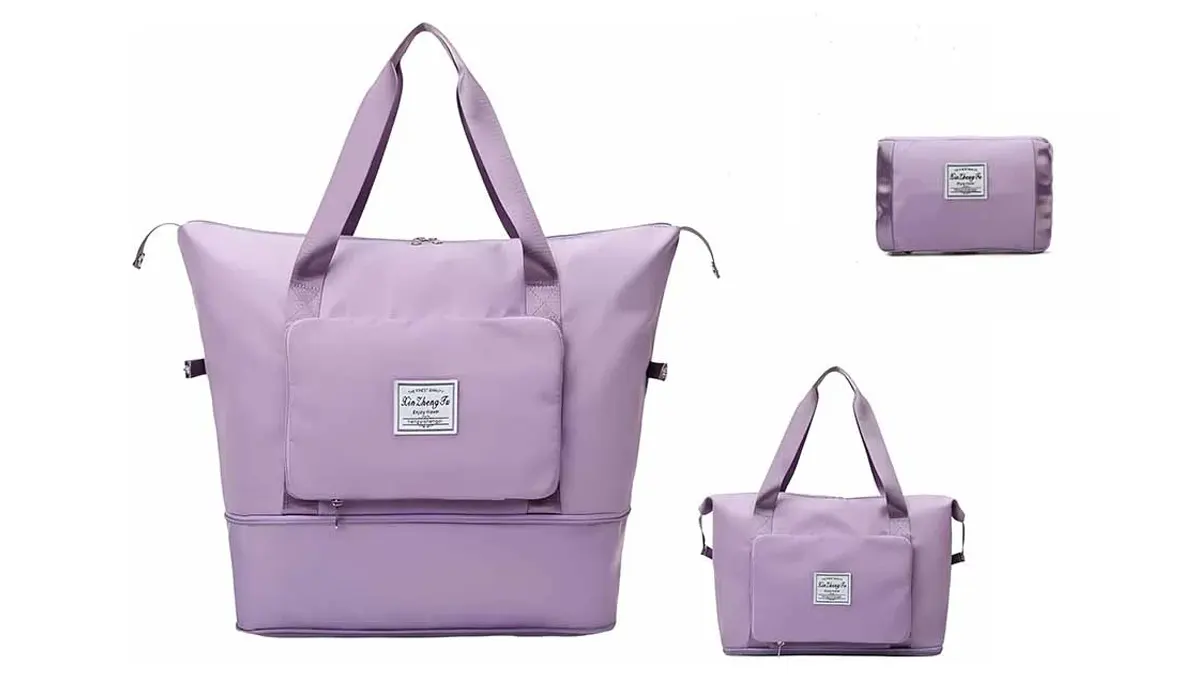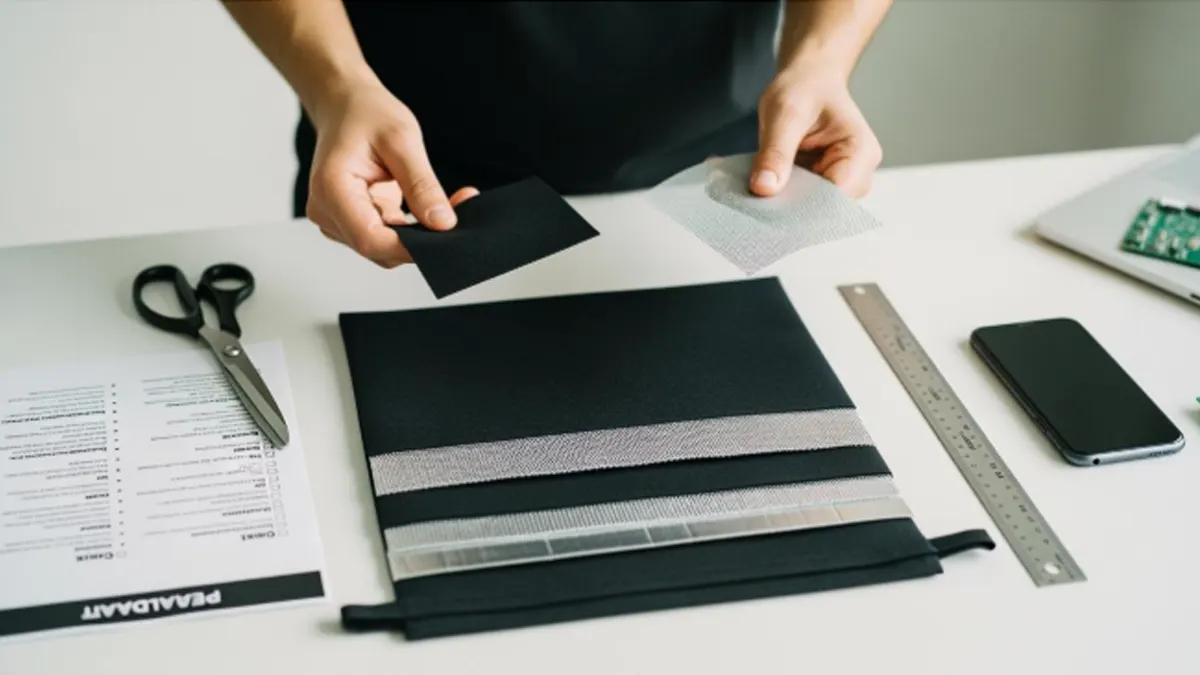

You can learn how to make a backpack at home, even if you have never tried sewing before. Sometimes, you might feel tired or forget to take breaks, but that is normal when you start a new project. When you follow this tutorial, you get simple steps and smart tips for beginners. If you make a mistake, do not worry. You are learning how to make a backpack, and every step helps you improve. You will see how to make a backpack with easy ideas and friendly advice. This is your chance to try how to make a backpack and create something you can use every day.
Key Takeaways
- You can make a backpack at home, even if you are new. Follow easy steps to make something you can use.
- Gather important materials like ripstop nylon or waxed canvas. Pick fabrics that match your style and needs.
- Use simple tools like fabric scissors and a sewing machine. You do not need special equipment to begin.
- Plan your backpack by picking the size and style. Draw your ideas to help you see your project.
- Add pockets to make your backpack more useful. Think about what you will carry and plan your pockets for that.
- Start with a simple design for your first backpack. This makes the project easier and less stressful.
- Practice sewing on extra fabric before you start your real project. This helps you feel ready and avoid mistakes.
- Make your backpack special with things like patches or fabric paint. This makes your backpack truly yours.
How to Make a Backpack: Materials & Tools

Before you start this tutorial, you need to gather the right materials and tools. Picking the best supplies helps you make a backpack that lasts and looks great. You do not need fancy equipment. You can use simple items found at craft stores or online. Let’s break down what you need and what you might want to add for extra style.
Essential Materials
You want your backpack to be strong and comfortable. Here are some popular choices for the main fabric:
- Full-grain leather
- PU leather (vegan leather)
- Waxed canvas
- PVC
- TPU
- Coated nylon
- Ripstop nylon
- Dyneema
- Ballistic nylon
- Cordura
If you are new to sewing, you might pick coated nylon or ripstop nylon. These fabrics are easy to cut and sew. Waxed canvas is also a good choice if you want a classic look. You can use PU leather for a vegan option. Always choose a fabric that fits your style and needs.
Tip: Try using leftover fabric from old bags or jackets. This saves money and helps the planet.
Basic Tools
You do not need a lot of tools to make a backpack. Here are the basics you should have:
- Rotary cutter and self-healing cutting mat — for clean, straight cuts
- Quilting ruler — helps you measure and mark fabric
- Properly sized sewing machine needles (size 90/14 or higher) — works well with thick materials
- Double-sided tape — holds pieces together before sewing
- Quality fabric scissors and thread nippers — keeps edges neat
If you do not have a rotary cutter, you can use sharp scissors. A regular ruler works if you do not have a quilting ruler. Always use strong needles so your sewing machine does not jam.
Optional Add-ons
Want to make your backpack stand out? You can add some fun extras:
- Fabric paint and brushes for colorful designs
- Iron-on patches for quick decoration
- Pins and badges to show off your style
- Decorative zippers or cord pulls for a cool look
- Patchwork needles and thread for custom touches
You can skip these add-ons if you want a simple backpack. If you feel creative, try adding a patch or painting your name on the front.
Note: Customizing your backpack makes it unique. You can change the look whenever you want.
Now you have everything you need to start this tutorial. Gather your supplies, pick your favorite fabric, and get ready to make a backpack you will love to use.
DIY Backpack Design & Planning
Choose Size & Style
Before you start cutting fabric, you need to decide what kind of backpack you want to make. Think about how you plan to use it. Do you want something small for a quick trip, or do you need a bigger bag for school or hiking? Here’s a simple table to help you pick the right size and style:
| Backpack Type | Capacity (liters) | Intended Use |
|---|---|---|
| The Essentialist (Daypack) | 0-10 | Light packing for hydration or small day hikes. |
| The Transient Traveler | 10-30 | Overnight trips or extended day hikes. |
| Expedition Edition | 30-50 | Weekend trips or international travel. |
| Going Off The Grid | 50-70 | Multi-day backpacking trips. |
| Pathfinder | 70+ | Winter multi-day trips or for hiking guides. |
If you’re just starting out, a daypack is a great choice. It’s simple, light, and perfect for your first diy backpack project. You can always try bigger designs later as you get more confident.
Sketch Your Backpack
Grab a pencil and paper. Sketching your backpack helps you see your ideas before you start sewing. You don’t need to be an artist. Just draw the main shape, straps, and any pockets you want. Here are some tips to make sketching easier:
- Move back and forth between talking about your ideas, sketching them, and making simple models.
- Start with basic shapes and lines to test how big or small you want your backpack to be.
- Use each sketch or model to ask yourself questions. Does this look right? Will it hold everything I need?
- Change your design as you go. It’s okay to erase and try again.
Tip: Use scrap paper or even cardboard to make a quick model. This helps you see if your design will work in real life.
Decide on Pockets
Pockets make your backpack more useful. Think about what you want to carry. Do you need a spot for your water bottle, phone, or keys? Different pocket designs can change how you use your bag. Check out this table to see how pockets can help:
| Pocket Design Type | Impact on Usability |
|---|---|
| Dedicated Compartments | Organizes items like laptops and water bottles, so they don’t move around inside. |
| Quick-Access Pockets | Lets you grab things like keys or your phone fast, making your backpack easier to use. |
You can add as many or as few pockets as you want. For your first backpack, try one or two simple pockets. You can always add more on your next project.
Note: Planning your pockets now saves time later in the tutorial. You won’t have to guess where to put things when you start sewing.
Now you have a plan for your backpack. You know the size, the style, and where your pockets will go. This step makes the rest of your project much easier and more fun!
Pro Tips for Beginners
You might feel a little nervous about making your first backpack. That’s normal! Here are some pro tips to help you start strong and keep things simple:
- Start Small
Choose a basic design for your first backpack. Simple shapes and fewer pockets make the project easier. You can always try more advanced features next time. - Pick Easy Fabrics
Some fabrics are tricky to sew. Try ripstop nylon or canvas. These materials do not slip around much. They also hold their shape well. - Use What You Have
You do not need to buy everything new. Old jeans, jackets, or even curtains can become cool backpacks. Upcycling saves money and helps the environment. - Draw Before You Cut
Always sketch your ideas first. Drawing helps you see what works and what does not. You can fix mistakes on paper before you touch your fabric. - Measure Twice, Cut Once
Double-check your measurements. If you cut fabric too small, you cannot make it bigger. Take your time with this step. - Pin or Tape Pieces Together
Use pins or double-sided tape to hold fabric pieces in place before you sew. This keeps everything lined up and makes sewing easier. - Practice on Scrap Fabric
Try sewing on leftover fabric before you start your real project. This helps you get used to your sewing machine and test your stitches. - Keep Your Workspace Tidy
A clean table helps you find your tools and fabric faster. You will make fewer mistakes if you can see what you are doing. - Ask for Help
If you get stuck, ask a friend or look for videos online. Many people share their sewing tips on YouTube or sewing blogs.
Tip: Mistakes are part of learning. If you sew something wrong, just take out the stitches and try again. Every mistake teaches you something new.
Here’s a quick table to help you remember what to focus on:
| Tip | Why It Helps |
|---|---|
| Start simple | Easier to finish and less stress |
| Use easy fabrics | Fewer sewing problems |
| Draw first | Fewer design mistakes |
| Practice sewing | Builds your confidence |
| Stay organized | Saves time and avoids confusion |
You can do this! Take your time, enjoy the process, and remember that every backpack you make will get better and better.
Backpack Pattern & Prototyping
You have your design and your plan. Now, you need a pattern to turn your idea into a real backpack. This step helps you see how all the pieces fit together before you start cutting your good fabric. Prototyping and pattern editing make sure your backpack feels right and works the way you want.
Create or Find a Pattern
You do not have to draw a pattern from scratch. Many free and beginner-friendly backpack patterns are available online. These patterns give you a head start and help you avoid common mistakes. Here are some popular options you can try:
- Simple Backpack Pattern
- The easiest rectangular backpack
- Easy DIY Drawstring backpack
- Wanderlust rucksack – free sewing pattern
- Easy Tote Backpack
- Convertible backpack purse pattern
- Oilskin laptop backpack pattern
- Diaper backpack with free pattern
- Small Backpack Pattern – For Small Budgets
- Leather Rolltop Backpack pattern / Rucksack (Free PDF Download)
- Lightweight Day Pack
- Talvi homemade backpack
- Summer rucksack pattern
- Making a Leather backpack
- Leather women’s backpack
Pick a pattern that matches your skill level and the style you want. If you follow this tutorial, you can start with a simple shape and add more features as you learn.
Tip: Print your pattern pieces on regular paper first. Cut them out and tape them together to check the size.
Edit & Adjust Pattern
You might want to change the pattern to fit your needs. Maybe you want a bigger pocket or a longer strap. You can adjust your pattern with a few easy steps:
- Test your design with scrap fabric before you cut your main material.
- Take notes on the order of steps and any important changes you make.
- Redraw pattern parts if you change the size. Mark new dimensions and write down what you changed.
You should also adjust seam allowances. For small pieces, use a narrow seam allowance like 1/8 inch. For bigger pieces, use a wider seam allowance, such as 1/2 inch. This keeps your backpack neat and strong.
Note: Write down every change. This helps you remember what worked and what you want to fix next time.
Make a Prototype
A prototype is a practice version of your backpack. You make it with cheap or leftover fabric. Prototyping lets you test your design early. You can see if the straps feel right or if the pockets are in the best spot. If something does not work, you can fix it before you sew your final backpack.
Prototyping helps you:
- Test your design ideas before you use your best fabric.
- Find problems early and fix them.
- Try out different features and materials.
- Get feedback from friends or family.
You do not need to make your prototype perfect. The goal is to learn and improve your design. When you finish, you will feel more confident about making your real backpack.
Tip: Ask someone to try on your prototype. They might notice something you missed.
Now you are ready to move on to cutting and prepping your fabric. You have a pattern that fits your needs and a design that works for you.
Cutting & Prepping Fabric
Lay Out Pattern
You have your pattern ready. Now, it’s time to lay it out on your fabric. This step helps you use your fabric wisely and avoid waste. Place your fabric on a flat surface. Smooth out any wrinkles with your hands. If you use a fabric like 500 denier cordura, you will notice it stays flat and is easy to work with. Beginners love this fabric because it does not slip around much.
Put your pattern pieces on the fabric. Try to fit them close together. This saves fabric for future projects. You can even use leftover pieces for small pockets or tabs. Some people get creative and use old jeans. For example, you can cut out the back pockets from jeans and use them as inside pockets for your backpack. This trick gives your bag a cool look and helps the planet by reducing waste.
Before you cut, check that all your pattern pieces fit. Move them around if you need to. Make sure you follow the grainline arrows on your pattern. This keeps your backpack strong and helps it hold its shape.
Tip: Use chalk or a washable marker to trace around your pattern pieces. This makes cutting easier and more accurate.
Cut Main Pieces
Now you are ready to cut the main parts of your backpack. Use sharp fabric scissors or a rotary cutter for clean edges. Cut slowly and follow the lines you traced. If you use a heavier fabric like 500 denier cordura, you might need to press a little harder. Take your time. Rushing can lead to mistakes.
Here’s a quick checklist for cutting:
- Double-check your pattern placement before you start.
- Cut one piece at a time for better control.
- Keep your hand steady and your eyes on the line.
- Stack layers only if your scissors are sharp enough.
If you make a mistake, don’t worry. You can often use the piece for a pocket or a strap. Every project teaches you something new.
Prep Straps & Pockets
Straps and pockets make your backpack useful and comfortable. Cut the strap pieces from sturdy fabric. You want them to hold up to daily use. If you have extra fabric, use it for pockets inside or outside your bag. You can also use fabric from old clothes. For example, the back pocket from a pair of jeans makes a great phone pocket.
Fold the strap pieces in half lengthwise. Press them flat with your hands or an iron. This makes sewing easier later. For pockets, cut them a little bigger than you think you need. You can always trim them down, but you can’t add fabric back.
Note: Label each piece with a sticky note or chalk. This helps you keep track of which part is which.
You have now prepped all your main pieces, straps, and pockets. You are ready to start sewing your backpack together. Take a deep breath and get excited—your project is coming to life!
Troubleshooting Tips
You might run into a few bumps when you cut and prep your fabric. Don’t worry! Every beginner faces these challenges. Here are some common problems and easy fixes to keep your backpack project on track.
1. Uneven Cuts
Sometimes your fabric edges look jagged or crooked. This happens to everyone. Here’s what you can do:
- Use a sharp pair of scissors or a rotary cutter. Dull blades make messy cuts.
- Hold your fabric flat and steady. If it slips, try taping it to your table.
- Cut slowly. Rushing leads to mistakes.
Tip: If you notice a wavy edge, trim it straight before you sew. Small fixes now save you trouble later.
2. Fraying Edges
Some fabrics start to fray as soon as you cut them. This can make sewing harder. Try these tricks:
- Use pinking shears to cut zigzag edges. This helps stop fraying.
- Apply a thin line of clear glue or fray check along the edge.
- Sew a quick zigzag stitch near the edge if you have a sewing machine.
| Problem | Quick Fix |
|---|---|
| Fraying edges | Pinking shears, glue |
| Loose threads | Trim with nippers |
3. Fabric Shifting
Your fabric might move around when you trace or cut. This can mess up your pattern pieces.
- Pin your pattern pieces to the fabric before you trace or cut.
- Use double-sided tape for slippery materials like nylon.
- Work on a non-slip surface, like a cutting mat.
Note: If your pieces end up different sizes, don’t panic. You can trim them to match before sewing.
4. Mislabeling Pieces
It’s easy to mix up your straps, pockets, and main panels. Stay organized with these steps:
- Write the name of each piece on a sticky note and attach it.
- Use chalk or a washable marker to label the back of each piece.
- Keep all pieces in separate piles or bags.
5. Cutting Mistakes
Did you cut a piece too small? It happens! Here’s what you can do:
- Use the piece for a pocket or a tab.
- Patch the mistake with extra fabric.
- If you have enough material, cut a new piece.
Alert: Always double-check your measurements before you cut. “Measure twice, cut once” saves you from most mistakes.
6. Fabric Won’t Stay Flat
Wrinkled fabric makes tracing and cutting tough. Try these ideas:
- Smooth the fabric with your hands.
- Use a warm iron if the material allows.
- Lay heavy books on the edges to keep it flat.
7. Losing Small Pieces
Small pieces like tabs or zipper pulls can disappear fast. Keep them safe:
- Store them in a small box or zip bag.
- Label each bag with the part name.
You can solve most problems with a little patience and creativity. If you get stuck, ask for help or look up a quick video. You’re learning, and every mistake teaches you something new.
How to Sew a Backpack: Assembly Steps
Sew Pockets
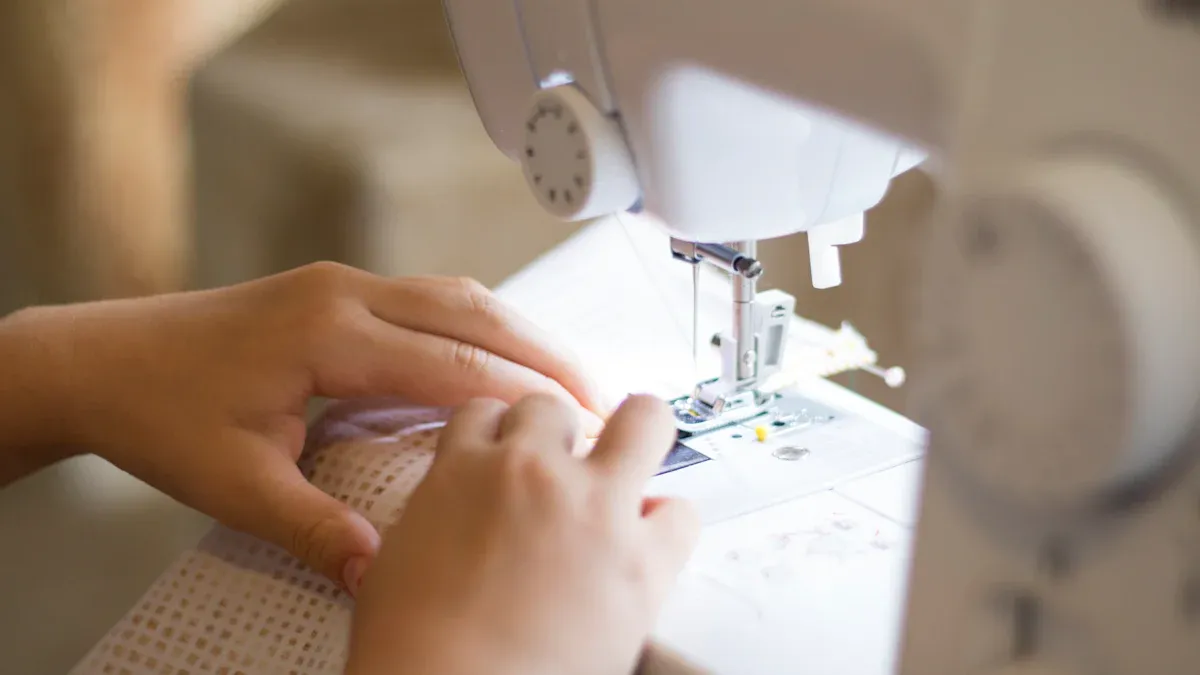
Let’s start with the pockets. You want your backpack to be practical, so sturdy pockets matter. First, grab the pocket pieces you cut earlier. Lay them flat and double-check their size. If you want extra durability, try a welt pocket. This style holds up well and looks neat. You can also use a single welt for heavy use or a double welt if you feel confident.
Here’s a quick table to help you pick the right pocket style:
| Pocket Type | Description |
|---|---|
| Welt Pocket | Durable and neat; needs careful marking and stitching. |
| Single Welt | Simple, strong, and great for heavy use. |
| Double Welt | Looks fancy; needs accurate stitching and cutting. |
Pin your pocket piece to the spot you planned on your backpack. Sew around the edges with a straight stitch. For extra strength, backstitch at the corners. If you want a zipper pocket, install the zipper now. Hand basting the zipper helps you keep it straight and neat. Take your time with this step. A good pocket makes your backpack much more useful.
Tip: Always reinforce the top corners of your pockets. These spots get pulled a lot, so double-stitch or add a bar tack for extra strength.
Join Main Body
Now you’re ready to join the main body of your backpack. This step brings your project together. Start by pressing your fabric pieces with an iron. Crisp edges make sewing easier. Attach interfacing or stabilizers if your pattern calls for it. These add structure and help your backpack hold its shape.
Follow your pattern instructions to sew the panels together. Use heavy-duty thread and a straight stitch for strong seams. When you reach corners or places where straps will attach, reinforce those spots. Bar tacks work well for high-stress areas. You can also double-stitch with a denim needle and thick thread.
Here’s a simple order to follow:
- Press all fabric pieces for sharp edges.
- Attach interfacing or stabilizers.
- Sew panels together, following your pattern.
- Reinforce stress points, especially at corners and strap spots.
- Press seams flat and topstitch for extra durability.
If you want even more strength, add rivets or screws at the corners. This step isn’t required, but it makes your backpack last longer.
Note: Always check your seams before moving on. If you see loose threads or gaps, fix them now. Strong seams keep your backpack safe and sturdy.
Attach Straps & Handles
Straps and handles help you carry your backpack comfortably. You want them to feel good and stay in place. Cut your strap pieces from sturdy fabric. If you want extra comfort, use two layers of 3D mesh. This gives a soft feel and a clean edge without binding.
To keep foam from twisting inside the strap, sew through both the fabric and foam. You can use Thru-Hiker 3D mesh and uncoated 500 denier Cordura for a strong, comfy strap. Fold your strap tape in half and iron it to make a crease. This helps you sew straight.
After you sew the cotton and ribbon, make tabs for the rings. Place these tabs about one inch from the edge. Pin the straps to the main body where you want them. Sew them on with a heavy-duty thread. Add bar tacks at the base for extra strength.
Alert: Always test your straps before finishing. Pull on them to make sure they hold tight. If they feel loose, add another row of stitches or a patch for support.
You’re making great progress! You’ve learned how to sew a backpack step by step. This tutorial helps you sew your own backpack with strong pockets, a sturdy main body, and comfortable straps. Keep going—your backpack is almost ready to use!
Add Zippers or Closures
Now it’s time to make your backpack easy to open and close. Zippers and closures keep your stuff safe inside. You can choose from zippers, snaps, buckles, or even Velcro. Most backpacks use zippers because they are strong and simple to use.
How to Add a Zipper
- Pick the Right Zipper
Choose a zipper that matches the length of your backpack opening. Nylon coil zippers work well for most fabrics. If you want a heavy-duty look, try a chunky plastic zipper. - Mark the Zipper Placement
Lay your zipper on the spot where you want the opening. Use chalk or a washable marker to mark both ends. Make sure the zipper lines up straight. - Pin or Tape the Zipper
Place the zipper face down on the edge of your fabric. Pin it in place or use double-sided tape to keep it from moving. - Sew the Zipper
Use a zipper foot on your sewing machine. Sew slowly along one side of the zipper. Stop and check your stitches. Then sew the other side. Keep your lines straight for a neat finish. - Test the Zipper
Zip it up and down a few times. Make sure it moves smoothly and doesn’t catch on the fabric.
Tip: If you feel nervous about sewing a zipper, practice on a scrap piece first. You’ll get the hang of it!
Other Closure Options
Not a fan of zippers? You have choices! Here’s a quick table to help you pick:
| Closure Type | Pros | Cons | Best For |
|---|---|---|---|
| Zipper | Secure, easy to use | Needs careful sewing | Main backpack opening |
| Velcro | Fast, simple, adjustable | Can wear out over time | Small pockets, kids’ bags |
| Buckle | Strong, stylish | Takes longer to open/close | Outdoor or hiking packs |
| Snap | Quick, easy to install | Not as secure as zippers | Flap pockets, small bags |
You can mix and match closures. Try a zipper for the main opening and Velcro for inside pockets. If you want a classic look, add a flap with a snap or buckle.
Note: Always sew closures before you finish sewing the main seams. It’s much easier to add them while the fabric is flat.
Reinforce Stress Points
Your backpack needs to handle daily use. Stress points are places that get pulled or stretched a lot, like strap attachments, pocket corners, and the bottom of the bag. Reinforcing these spots makes your backpack last longer.
Where to Reinforce
- Strap ends (where straps meet the bag)
- Top corners of pockets
- Bottom corners of the backpack
- Zipper ends
How to Reinforce
- Double Stitching
Sew over the same spot twice. This adds extra strength. Use a short stitch length for tight seams. - Bar Tacks
Bar tacks are short, tight zigzag stitches. They work great at the ends of straps and zippers. Most sewing machines have a bar tack setting. - Backstitching
At the start and end of each seam, sew a few stitches forward, then a few stitches backward. This locks the thread in place. - Add Patches or Tabs
For heavy-duty spots, sew a small square of fabric behind the seam. This spreads out the stress and keeps the fabric from tearing.
Alert: Don’t skip this step! Reinforcing stress points keeps your backpack from falling apart when you fill it up.
Troubleshooting Tips
- If your fabric puckers when you reinforce, loosen the tension on your sewing machine.
- If your needle skips stitches, switch to a heavier needle or use stronger thread.
- If you see loose threads, trim them and sew over the spot again.
| Problem Area | Best Reinforcement | Why It Works |
|---|---|---|
| Strap Attachments | Bar tack or patch | Stops straps from ripping out |
| Pocket Corners | Double stitch or patch | Prevents holes from forming |
| Zipper Ends | Bar tack | Keeps zipper from coming loose |
Take your time with these steps. A strong backpack means you can carry your books, snacks, or hiking gear without worry. You’re almost done—just a few finishing touches left!
Backpack Tutorial: Finishing Touches
You’ve made it to the last part of this backpack tutorial! Now it’s time to give your project a polished look and make sure it’s ready for everyday use. These finishing touches will help your backpack stand out and last longer. Let’s walk through the final steps together.
Clean Up Seams
A clean finish makes your backpack look professional. You want your seams to be neat and strong. Here’s a simple way to tidy up your work:
- Use a vacuum to remove any dirt or loose threads from the seams and zippers.
- Take a slightly damp sponge or cloth and wipe down the seams. This helps remove dust and gives your backpack a fresh look.
- If you spot any stains, use a little soapy water and a soft toothbrush. Gently scrub the area, but don’t overdo it.
Tip: Always let your backpack dry completely before you pack it away or use it. This keeps the fabric in good shape.
Personalize Your Backpack
This backpack tutorial wouldn’t be complete without a chance to show off your style. You can make your backpack one-of-a-kind with a few creative ideas:
- Attach keychains or charms to the zippers or straps. Pick ones that show your hobbies or favorite colors.
- Sew on fabric or leather appliqués. Try shapes, letters, or even your initials for a personal touch.
- Use tie-dye to create bright, swirling patterns. This makes your backpack stand out in any crowd.
You can mix and match these ideas. Try something new each time you follow a backpack tutorial. Your bag will always feel fresh and unique.
Note: Personalizing your backpack is a fun way to express yourself. Don’t be afraid to get creative!
Test for Durability
Before you start using your new bag every day, you want to make sure it’s tough enough. This backpack tutorial recommends a few simple tests:
- Rub the bottom and sides against a rough surface to check for scratches or wear.
- Pull on the straps and handles to see if they hold up. If you have a handheld tester, measure how much weight the straps can take.
- Spray the outside with water and see if any moisture gets inside. This helps you know if your backpack can handle rainy days.
If your backpack passes these tests, you’re ready to go! If you find a weak spot, go back to the tutorial and reinforce that area.
Alert: Always test your backpack before you use it for school, hiking, or travel. This step keeps your stuff safe and helps your backpack last longer.
You’ve finished this backpack tutorial! You learned how to clean up seams, add personal touches, and check for durability. Every time you follow a backpack tutorial, you’ll get better and more creative. Enjoy your new backpack and show it off with pride!
Conclusion
You can make a backpack by yourself. You will have fun as you work. Lots of people like making their own gear. They want something special and enjoy designing things. Building a backpack is exciting and lets you be creative. This tutorial teaches you new skills. Each project helps you get better at making backpacks. If you ever want to make many backpacks, our company can help. We offer custom wholesale, OEM, and ODM services. Here is what we offer:
| Service Type | Description |
|---|---|
| Design | We help you think of ideas and design backpacks. We use sketches and CAD pictures. |
| Material Selection | We help you pick materials like leather or nylon for your backpack. |
| Branding | We add logos or names to backpacks for companies or groups. |
| Customization Options | We offer choices for pockets, compartments, closures, and straps to fit your needs. |
Try making your own backpack and show what you made. You will get better every time you finish a project!
FAQ
How long does it take to make a backpack?
You can finish a simple backpack in about 3 to 5 hours. If you add extra pockets or decorations, you might need more time. Take breaks and enjoy the process!
Do I need a sewing machine?
You can sew a backpack by hand, but a sewing machine makes the job faster and neater. If you plan to make more bags, a basic machine is a good investment.
What fabric is best for beginners?
Ripstop nylon and canvas work well for beginners. These fabrics are easy to cut and sew. They also hold their shape and last a long time.
Can I use recycled materials?
Yes! Old jeans, jackets, or curtains make great backpacks. Upcycling saves money and helps the environment. You can mix new and old fabrics for a unique look.
How do I fix a mistake while sewing?
Don’t worry if you make a mistake. Use a seam ripper to remove stitches. Try again with slow, careful sewing. Every mistake helps you learn and improve.
What if I don’t have all the tools?
You can use regular scissors instead of a rotary cutter. A ruler and chalk work for marking. Get creative with what you have at home. The most important tool is your patience!
How do I make my backpack waterproof?
Use waterproof fabric like coated nylon or add a spray-on fabric protector. You can also sew a simple rain cover. Test your backpack with water before using it outside.