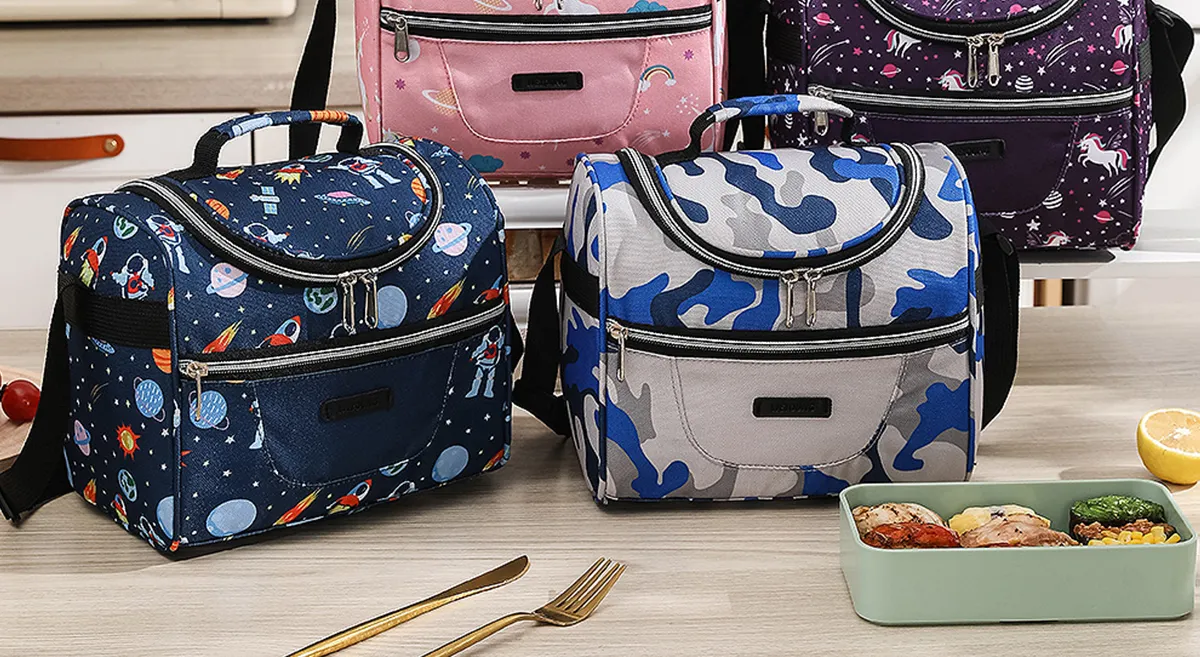
Packing a hot meal for work, school, or travel feels comforting. There is something satisfying about opening a lunch bag and finding your soup still steaming, your pasta warm, or your rice dish just the way you packed it. The problem is, food naturally loses heat over time, and without the right strategy, that carefully prepared lunch can become lukewarm and unappetizing.
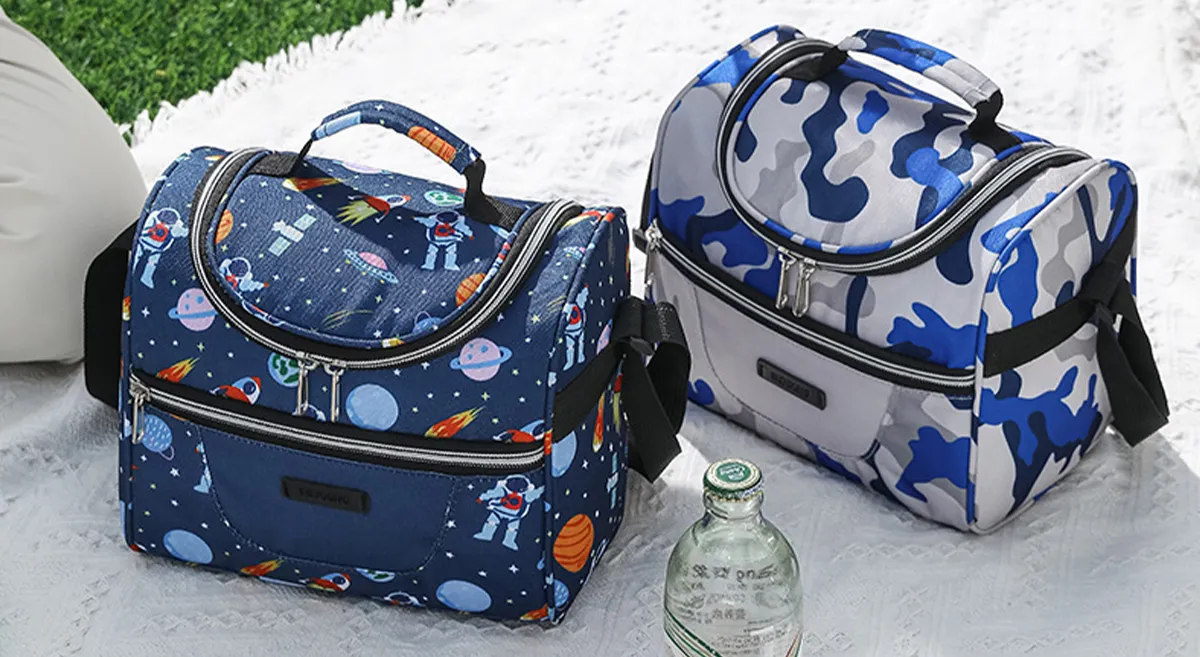
The good news? With the right techniques, containers, and packing habits, it’s possible to keep your food hot in a lunch bag for hours. This guide covers everything you need to know, from choosing the right bag to packing strategies, safety tips, and practical hacks.
Why Heat Retention Matters
Keeping food hot is not only about taste and comfort—it’s also about safety. Bacteria can multiply quickly when food is in the “temperature danger zone” (between 40°F/4°C and 140°F/60°C). If food cools too much, it can become unsafe to eat even if it still looks fine. By maintaining heat, you’re keeping your food out of that risky range for as long as possible.
At the same time, heat retention ensures better flavor and texture. Soups, stews, pasta, rice, or even grilled meat taste better warm than cold. A properly insulated lunch bag combined with good practices can extend freshness and heat retention, making mealtime much more enjoyable.
Start With the Right Lunch Bag
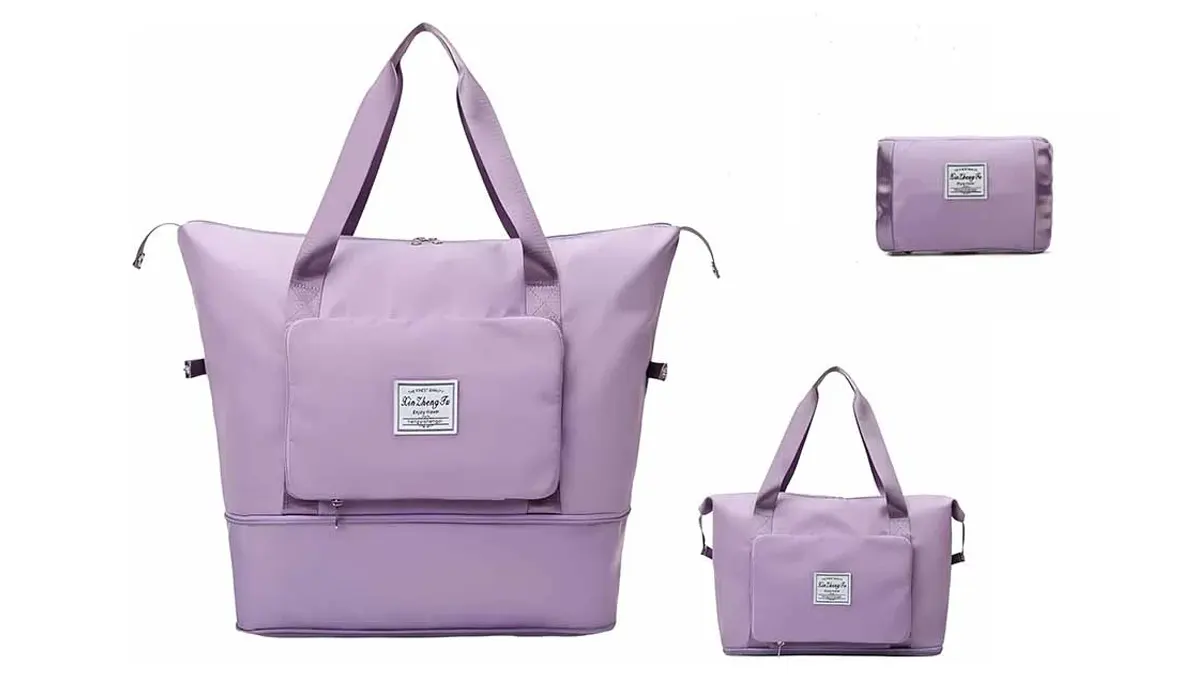
Not all lunch bags are created equal. Some are designed for light snacks, while others are made for serious insulation. When heat retention is your priority, you’ll want to look for certain features:
- Insulated Interior: Bags lined with thermal foil, foam padding, or reflective materials trap heat better.
- Thick Walls: The thicker the insulation, the longer your food stays warm.
- Secure Closure: Zippers or Velcro closures prevent heat from escaping.
- Upright Shape: Bags designed to sit upright minimize spillage and reduce heat loss through movement.
| Lunch Bag Feature | Impact on Heat Retention |
|---|---|
| Insulated lining | Keeps heat trapped for longer |
| Double or triple layers | Extends heat retention by several hours |
| Wide opening | Convenient but may release heat quickly |
| Upright design | Prevents spills and reduces heat transfer |
Investing in a high-quality lunch bag is step one. But even the best bag won’t work effectively unless you combine it with smart packing techniques.
Preheat Your Containers
This is one of the simplest but most effective tricks. Before filling your lunch container with hot food, warm it up.
- Boil water and pour it into your thermos or food jar.
- Let it sit for 5–10 minutes to heat the inside.
- Empty the water and immediately add your hot food.
By preheating, you’re reducing the temperature difference between the hot food and the container, which slows down heat loss. This method works especially well with stainless steel containers, which conduct and hold heat effectively.
Use the Right Containers
Containers play a bigger role than most people realize. A regular plastic box won’t hold heat as well as a vacuum-insulated stainless steel jar. Here are your best options:
- Vacuum-Insulated Containers: These are the gold standard for heat retention. A good thermos can keep soups or stews hot for 6–12 hours.
- Stainless Steel Lunch Boxes: Durable and better at retaining heat than plastic.
- Glass Containers: Great at holding heat but heavier and fragile. Best for short trips.
- Plastic Containers: Lightweight but poor insulators. If you must use them, pair them with extra insulation like wrapping in foil or towels.
| Container Type | Heat Retention Ability | Best For |
|---|---|---|
| Vacuum-insulated jar | Excellent (6–12 hrs) | Soups, stews, pasta |
| Stainless steel box | Good (2–4 hrs) | Rice dishes, curries |
| Glass container | Moderate (1–2 hrs) | At-home lunch, short trips |
| Plastic container | Weak (<1 hr) | Snacks, backup use only |
Pack Your Food Piping Hot
Heat retention starts at the cooking stage. Always pack your food while it’s still very hot, right after cooking. Don’t wait for it to cool down, because the higher the starting temperature, the longer it will stay warm.
For extra effectiveness:
- Cook your food slightly hotter than usual (but not to the point of burning).
- Transfer immediately into preheated containers.
- Close lids tightly to trap steam and heat.
Steam plays an important role in maintaining food temperature, so minimizing the time between cooking and sealing is critical.
Wrap and Layer for Extra Insulation
Even the best containers can benefit from additional insulation. Think of it like layering clothes in winter—the more layers, the warmer it stays.
- Wrap your food container in aluminum foil.
- Add an extra layer by wrapping it in a towel, cloth, or thermal pouch.
- Place it inside your insulated lunch bag.
This creates multiple barriers against heat loss, ensuring your food stays hot for hours. Some people even use small reusable heat packs or hand warmers next to their container for extended warmth.
Use Thermal Accessories
Certain add-ons can significantly improve heat retention:
- Insulated food jars: Designed specifically for soups or liquids.
- Thermal sleeves or pouches: Slip over containers for extra insulation.
- Reusable heat packs: Placed alongside food to maintain temperature.
- Stackable bento sets with insulated covers: Great for carrying multiple hot dishes.
When combined with an insulated lunch bag, these accessories extend heat retention much further.
Separate Hot and Cold Foods
If you’re carrying both hot and cold items, never put them together in the same section of your lunch bag. Cold foods will sap heat from hot foods, and neither will end up at the right temperature.
The best practice is:
- Use a divided lunch bag with separate compartments.
- Keep hot foods in vacuum-insulated jars or separate insulated pouches.
- Store cold snacks (like fruit or yogurt) in a different section with ice packs.
By separating them, you maintain optimal temperatures for both.
Keep the Bag Upright and Closed
Heat escapes quickly when a lunch bag is frequently opened or tilted. Always keep the bag upright, especially if you’re carrying liquids like soup or curry.
- Don’t open the bag until it’s time to eat.
- Place it on a flat surface rather than tossing it in a backpack.
- If commuting, keep it on your lap or in a stable compartment.
The less disturbance, the longer your food will stay warm.
Food Choices Matter
Not all foods hold heat equally. Dense foods like rice, pasta, potatoes, and stews retain heat better than thin soups or vegetables. When planning your hot lunch, think about how well it will hold warmth.
Good choices include:
- Soups and stews with thicker bases.
- Pasta with sauce.
- Rice or grain bowls.
- Stir-fried dishes.
- Curries and chili.
If you pack something delicate like leafy vegetables, pair it with denser foods that stay hot longer.
Safety Considerations
While keeping food hot is important, safety comes first. Here are key reminders:
- Don’t leave food in the danger zone (between 40°F and 140°F) for more than 2 hours.
- Always heat food thoroughly before packing.
- Use insulated containers designed for food safety.
- Avoid reheating food multiple times—it increases bacterial risk.
Keeping food hot isn’t just about comfort—it’s about preventing foodborne illness.
Long-Distance or All-Day Heat Retention
For those who need to keep food hot for an entire workday or during travel, advanced strategies help:
- Invest in a high-end vacuum flask that can hold heat for up to 12 hours.
- Use multiple layers of insulation (foil + towel + insulated bag).
- Carry heat packs for additional warmth.
- If possible, reheat food mid-day using a microwave at work or a portable food warmer.
For outdoor workers, truck drivers, or students without microwave access, these methods can make the difference between a hot and cold lunch.
Maintaining Your Lunch Bag and Containers
A clean and well-maintained lunch bag performs better. Food residue, moisture, or damaged linings reduce insulation efficiency.
- Wipe your bag after each use.
- Air dry it to prevent mold.
- Inspect zippers, seams, and linings regularly.
- Replace containers if they lose their sealing ability.
Taking care of your gear ensures consistent performance over time.
Conclusion
Keeping food hot in a lunch bag doesn’t require complicated tools—just a smart combination of good containers, insulation, and packing techniques. Start with a quality insulated lunch bag, use vacuum-insulated jars for soups or stews, preheat containers, and wrap them for extra protection. Combine this with upright storage and smart food choices, and you’ll enjoy hot, delicious meals even hours after packing.
If you’re serious about warm lunches, invest in a reliable lunch bag and high-quality thermal containers. The small effort pays off every time you open your bag and find your food just as warm and comforting as when you packed it.
FAQ
Can I keep food hot in a regular lunch bag?
Yes, but it won’t last very long. Regular bags without insulation lose heat quickly. For best results, use an insulated or thermal lunch bag.
How long can food stay hot in an insulated lunch bag?
With a good insulated container and proper packing, food can stay hot for 4–6 hours. A high-quality thermos can extend this to 8–12 hours.
Should I wrap my food containers in foil?
Yes, aluminum foil helps reflect heat back into the container. Wrapping your food jar in foil and then a towel before placing it in the bag greatly improves heat retention.
What type of container works best for keeping food hot?
Vacuum-insulated stainless steel jars are the most effective. They can keep food piping hot for most of the day, making them ideal for soups, stews, and rice dishes.
Can I put hot and cold foods in the same lunch bag?
It’s not recommended. Cold foods absorb heat from hot foods, and both end up at the wrong temperature. Keep them in separate compartments or bags.
Is it safe to eat food kept hot for a long time?
Yes, as long as the food remains above 140°F (60°C). If food drops below that for more than 2 hours, it may no longer be safe.
What if I don’t have an insulated bag?
You can still keep food hot for a shorter period by wrapping containers in foil, towels, or even spare clothing. However, investing in an insulated bag is the best long-term solution.