Wondering how to dry a backpack without ruining it? You can keep your bag in top shape with a few smart moves. Dry it the right way to prevent odors and stop mold before it starts. This step-by-step guide helps you handle routine cleaning or tackle the mess after a big adventure. Follow these easy tips, and you’ll keep your backpack fresh, clean, and ready for anything.
Key Takeaways
- Always empty your backpack completely before washing. This prevents damage to items and ensures a thorough clean.
- Use cool water with borax and baking soda to wash your backpack. This combination removes odors and stains without harming the fabric.
- Rinse your backpack until the water runs clear. This step is crucial to avoid any soap residue that can cause odors.
- Pat your backpack dry with a towel to remove excess water. This helps speed up the drying process and prevents musty smells.
- Hang your backpack upside down in a well-ventilated area. This allows water to drip out and prevents moisture from pooling.
- Open all compartments and pockets while drying. This ensures air circulates through every part of the backpack, preventing mold.
- Avoid using high heat or direct sunlight to dry your backpack. These can damage the fabric and fade colors.
- Store your backpack in a dry place with good airflow. This keeps it fresh and prevents mold or mildew from forming.
How to Wash a Backpack
Washing your backpack doesn’t have to be a hassle. You just need to follow a few simple steps to get it clean and fresh. Let’s break down how to clean a backpack so you can keep it looking and smelling great.
Pre-Cleaning Steps
Empty all compartments
Before you start, empty your backpack completely. Take out everything from every pocket and compartment. You don’t want to leave anything inside that could get wet or damaged. Place all the contents in a plastic bag so you can keep them organized while you wash. If you find any dirty or stained items, clean or replace them before putting them back. Shake out your backpack to remove crumbs, dirt, and small debris. Make sure you check the bottom for loose items that might hide in corners.
- Remove all items from every compartment.
- Put your things in a plastic bag for safekeeping.
- Shake out crumbs and debris.
- Check for hidden items at the bottom.
Open zippers and pockets
Open all zippers and pockets wide. This helps water and soap reach every part of the bag during washing. Air can flow through the backpack more easily when you dry it later. You’ll get a deeper clean if you let every part of the bag breathe.
Soak and Clean
Use cool water, borax, and baking soda
Fill a tub or sink with cool water. Add a small amount of borax and baking soda. These help remove odors and stains without hurting the fabric. Submerge your backpack and gently scrub with a soft brush or cloth. Focus on spots that look dirty or stained. If you hand wash the backpack, you can control how much pressure you use and avoid damaging zippers or straps. Don’t forget to clean the straps and handles, too.
Tip: Always use cool water. Hot water can weaken the fabric and fade colors.
Rinse Thoroughly
Ensure water runs clear
After washing, rinse your backpack with clean water. Keep rinsing until the water runs clear. This means you’ve removed all soap and cleaning agents. If you leave any residue, it can cause odors or make the fabric stiff. Hold the backpack under running water or use a clean tub to swish it around. Check every pocket and compartment to make sure nothing is left behind.
Washing your backpack the right way keeps it fresh and ready for your next adventure. When you empty your backpack and open all compartments, you make sure every part gets clean. Using cool water, borax, and baking soda helps remove dirt and smells. Rinsing well finishes the job and gets your backpack ready for drying.
Remove Excess Water
After you rinse your backpack, you need to get rid of as much water as possible. This step helps your backpack dry faster and keeps it from smelling musty. You do not want water to sit in the fabric for too long. Here’s how you can do it safely.
Towel Dry
Pat inside and outside
Grab a clean, dry towel. Lay your backpack flat on a table or counter. Open all the zippers and pockets wide. Take your towel and gently press it against the inside of the bag. You want to soak up as much water as you can. Move the towel around and pat every corner. Do not forget the straps and the bottom of the bag. These spots hold a lot of moisture.
Now, flip the backpack over. Use a fresh part of the towel for the outside. Press down and blot the fabric. You do not need to rub hard. Just let the towel do the work. If your backpack is very wet, you might need a second towel.
Tip: Towel drying is a super important first step. It pulls out most of the water before you hang your backpack up to air dry. This makes the whole drying process much faster and helps keep your backpack in good shape.
Gentle Squeeze
Avoid wringing to protect fabric
Sometimes, you might feel tempted to twist or wring your backpack to get the water out. Don’t do it! Wringing can stretch the fabric and damage the seams. Instead, use your hands to give the backpack a gentle squeeze. Press down on padded areas, like the back panel or shoulder straps. This helps push out extra water without hurting the material.
Here’s a quick checklist to help you remember:
- Pat the inside and outside with a towel.
- Open all compartments for better access.
- Use a gentle squeeze, not a twist.
- Focus on thick or padded spots.
Air drying works best after you remove as much water as possible with towels. You can also use a fan to speed things up. Place the backpack in a spot with good airflow. If you want to dry it even faster, set up a fan nearby or open a window for cross ventilation.
Remember, the goal is to get your backpack mostly dry before you hang it up. Towel drying and gentle squeezing protect your bag and make the next steps easier.
By following these steps, you help your backpack dry quickly and stay in great condition. You also avoid damage that comes from rough handling or too much water left inside.
How to Dry a Backpack
You want your backpack to last a long time and smell fresh. Learning how to dry a backpack the right way makes a big difference. Let’s walk through the best steps for drying your bag safely and quickly.
Hang Upside Down
Use a well-ventilated area
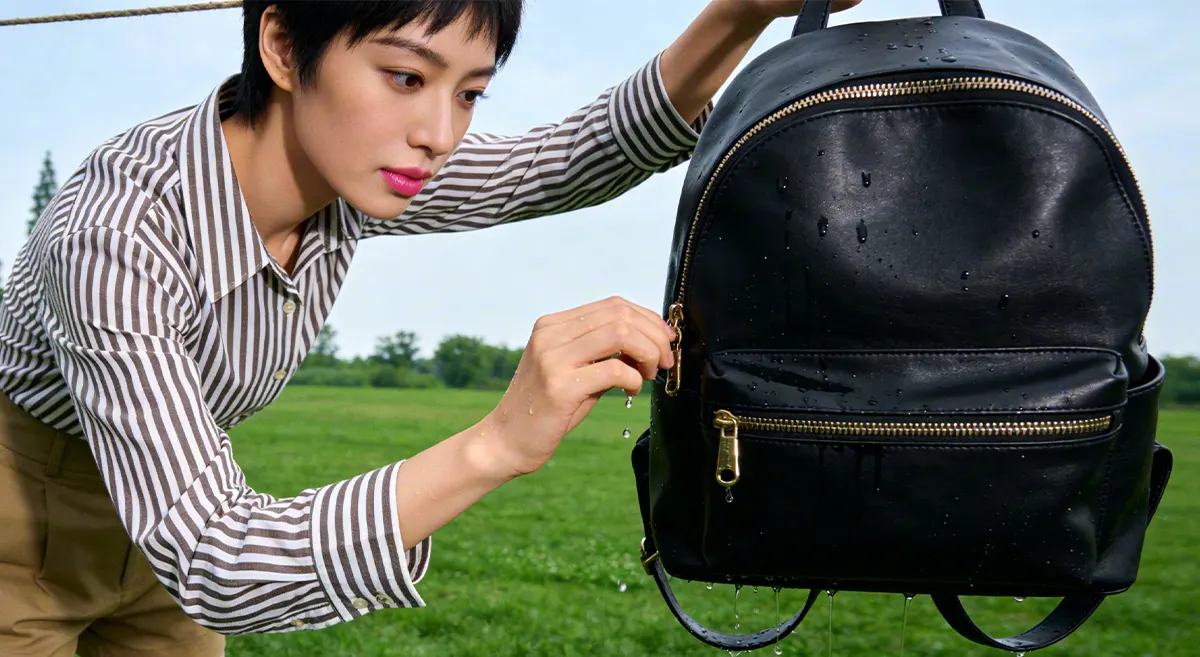
After you remove as much water as possible, hang your backpack upside down. This helps water drip out instead of pooling at the bottom. You can use a sturdy hanger, a shower rod, or even a clothesline. Make sure the straps and pockets hang freely. This position lets gravity do the work for you.
Pick a spot with good airflow. A laundry room with a fan, a garage with open windows, or a covered porch works well. Fresh air helps dry a backpack faster and keeps it from getting musty.
Tip: If you have a fan, point it at your backpack. This speeds up drying and helps air move through the fabric.
Open All Compartments
Allow airflow for faster drying
Open every zipper, pocket, and flap. You want air to reach every part of your backpack. If you leave compartments closed, moisture can get trapped inside. That can lead to bad smells or even mold.
Here’s a quick checklist to help you remember:
- Unzip all main compartments.
- Open small pockets and mesh pouches.
- Pull out any liners or removable parts.
Letting air flow through your backpack is a key part of how to dry a backpack. You want every corner to breathe. This step helps you dry a backpack evenly and prevents damp spots.
Dry It Properly
Avoid direct sunlight and high heat
You might think the sun will dry your backpack faster. But direct sunlight can fade colors and weaken the fabric. High heat from a dryer or heater can also damage straps, zippers, and waterproof coatings.
Instead, choose a spot with shade and good airflow. Let your backpack dry slowly and naturally. If you need to speed things up, use a fan or open a window. This is the safest way to dry a backpack and keep it looking new.
Note: Never put your backpack in a hot dryer. High heat can melt plastic parts and ruin the shape.
If you follow these steps, you will master how to dry a backpack without causing damage. Hanging it upside down, opening all compartments, and keeping it out of the sun are the secrets to properly drying a backpack. You will avoid odors, mold, and fabric problems. Next time you clean your bag, remember these tips to dry it properly and keep it adventure-ready.
Best Methods to Dry a Backpack
You want your backpack to dry fast and stay in good shape. Let’s look at the best methods to dry a backpack so you can get back to your adventures without worry.
Air Drying
Use fans or open windows indoors
Air drying is the safest way to dry your backpack. You just need a spot with good airflow. Hang your backpack upside down. Open all the zippers and pockets. This helps air move through every part of the bag.
If you stay indoors, use a fan. Point it at your backpack. The moving air pulls moisture out of the fabric. You can also open windows to let fresh air in. This works well on sunny or breezy days.
Tip: Place your backpack near a window, but keep it out of direct sunlight. Sunlight can fade colors and weaken the fabric.
You can speed things up by turning the backpack every few hours. Check the thick parts, like the straps and back panel. These areas take longer to dry.
Dryer Option
Low or no heat, check every 15-20 minutes, finish air drying
Sometimes you need your backpack dry in a hurry. You can use a dryer, but you must be careful. Always choose low-heat methods. High heat can melt plastic parts and damage the fabric.
Put your backpack in a pillowcase or laundry bag. This protects the zippers and straps. Set your dryer to the lowest heat or air fluff setting. Run the dryer for 15-20 minutes. Stop and check your backpack. If it feels warm or almost dry, take it out.
Finish drying your backpack by hanging it up. Let air do the rest. This keeps your bag safe and helps it keep its shape.
Note: Never use high heat. It can ruin your backpack fast.
Dry Out a Wet Backpack Quickly
Tips for speeding up drying
Sometimes you need to dry out a wet backpack as fast as possible. Here are some tricks:
- Use a towel to blot extra water before you hang the bag.
- Place your backpack near a fan or dehumidifier.
- Stuff the inside with dry towels or paper. This pulls out moisture from deep inside.
- Change the towels or paper every hour.
- Hang your backpack in a warm, dry room.
You can also use a hair dryer on a cool setting for small spots. Hold it a few inches away and move it around. Don’t use hot air.
Quick Tip: The more air you move around your backpack, the faster it dries.
Try these steps next time you need your backpack ready in a hurry. The best methods to dry a backpack keep your gear fresh and safe for your next trip.
Maintain Shape and Hardware
Stuff for Shape
Use towels or paper
You want your backpack to look good and keep its shape, right? After washing, it can get a little floppy or wrinkled. Here’s a simple trick: stuff the inside with clean towels or crumpled paper. This helps the bag hold its form while it dries. You can use old t-shirts, hand towels, or even newspaper. Just make sure the material is dry and clean.
Start by opening all the compartments. Push towels or paper into the main section first. Fill out the corners and sides. If your backpack has a front pocket or side pouches, add a little stuffing there too. This keeps the fabric from folding in on itself. When you do this, your backpack dries evenly and looks almost brand new when you take the stuffing out.
Tip: Don’t overstuff. You want to support the shape, not stretch the seams.
If you notice any sagging, adjust the towels or paper. You can check every few hours and move things around if needed. This step makes a big difference, especially for backpacks with soft sides or lots of padding.
Care for Zippers and Straps
Ensure all hardware is dry
Zippers and straps are important parts of your backpack. If you leave them damp, you might run into problems later. Rust, mildew, and even salt crystals can build up on metal parts. Mold can grow on fabric straps. You want to avoid all that.
Here’s what you can do:
- Use a soft towel to dry all zippers and buckles. Wipe them down after washing and again before you store your backpack.
- Make sure the straps are completely dry. Squeeze out any extra water, then let them air out.
- Never store your backpack if the hardware feels damp. Moisture can cause rust and mildew, especially if you use your bag outdoors.
- Dry zippers well to stop salt crystals from forming. This keeps them working smoothly and helps prevent rust.
Take a few minutes to inspect and maintain your backpack after each wash. Check the zippers, buckles, and straps for any signs of wear or leftover moisture. If you spot a problem, fix it right away. This habit keeps your backpack in top shape and ready for your next trip.
Note: Dry hardware lasts longer and works better. You’ll save money and avoid annoying repairs.
By following these steps, you help your backpack stay strong and look great. A little care goes a long way!
Common Mistakes to Avoid
When you dry your backpack, you want to keep it in great shape. Some mistakes can ruin your bag or make it smell bad. Let’s look at the most common problems and how you can avoid them.
Using High Heat
You might think a dryer or direct sunlight will dry your backpack faster. This is not a good idea. High heat can damage the fabric and make colors fade. Over time, the material can get brittle and lose its strength. Your backpack needs to stay strong for all your adventures. If you use high heat, you risk melting plastic parts and ruining waterproof coatings. Always choose air drying. This keeps your backpack safe and helps it last longer.
Tip: Never put your backpack in a hot dryer or leave it in the sun for hours. Air drying is the best way to protect your bag.
Storing Before Fully Dry
It’s easy to rush and put your backpack away before it dries all the way. This can cause big problems. When you store a damp backpack, you create the perfect place for bacteria and mildew to grow. Moisture from sweat or rain gets trapped inside. Without enough air, the bag starts to smell bad. Bacteria love warm, damp places. They feed on tiny bits of dirt and sweat, making the smell even worse.
- Always check that your backpack feels dry inside and out.
- Open all pockets and let air move through the bag.
- If you feel any dampness, let it dry longer.
You want to prevent mold and prevent odors. Give your backpack plenty of time to dry before you store it. This simple step keeps your bag fresh and ready for your next trip.
Overstuffing During Drying
Stuffing your backpack too full while it dries can cause problems. You might want to help it keep its shape, but too much stuffing stretches the seams and fabric. This can make your backpack look odd or even damage it. Use just enough towels or paper to support the shape. Don’t pack it tight.
Remember: Lightly fill your backpack to help it dry evenly. Check every few hours and adjust if needed.
Here’s a quick list to help you avoid these mistakes:
- Skip the dryer and direct sunlight.
- Wait until your backpack is fully dry before storing.
- Use gentle stuffing, not too much.
If you follow these tips, you will keep your backpack looking good and smelling fresh. You will also avoid mildew and other problems that come from drying mistakes.
Storage After Drying
You worked hard to clean and dry your backpack. Now, you want to keep it fresh and ready for your next adventure. The way you store the backpack properly makes a big difference in how long it lasts and how good it smells.
Store in a Dry Place
Pick a cool, dry spot for your backpack. Avoid damp basements, garages, or closets that get humid. Moisture can sneak in and cause mold or mildew. If you leave your backpack in a wet place, the fabric and zippers can get damaged. You might even notice a musty smell the next time you open it.
Here are some simple tips to help you store your backpack in the best way:
- Choose a storage area with good air flow.
- Keep your backpack away from direct sunlight, which can fade colors.
- Place silica gel packets inside the bag to soak up any leftover moisture.
- Cover your backpack with a cotton sheet or bag. This lets air move around and keeps dust away.
Tip: Storing your backpack in a dry place helps prevent stretching, tearing, and mold. It also keeps the material strong and the colors bright.
If you properly wash and store your backpack, you help it last longer and look better.
Avoid Plastic Bags
Plastic bags might seem handy, but they trap moisture inside. When you seal your backpack in plastic, you create a perfect home for mold and mildew. The fabric can’t breathe, and any leftover dampness gets worse.
Instead, use a cotton bag or just leave your backpack uncovered on a shelf. Cotton lets air flow and helps keep your bag dry. If you want extra protection, a cotton sheet works great.
- Never store your backpack in a plastic bag.
- Use breathable covers like cotton or mesh.
- Make sure the storage spot is not humid.
Note: Good air circulation is your best friend when it comes to backpack storage.
Air Out Occasionally
Even if your backpack looks clean, it can pick up odors over time. Airing it out keeps it smelling fresh and stops mildew from forming. After every use, empty your backpack and open all the zippers and pockets. Hang it in a well-ventilated area so any moisture can escape.
Here’s a quick routine to follow:
- After each trip, empty your backpack completely.
- Open every pocket and zipper.
- Hang your backpack in a spot with fresh air for a few hours.
You don’t have to do this every day, but airing out your backpack after each use helps prevent bad smells and keeps it ready for your next outing.
Quick Tip: If you notice any dampness or odor, air out your backpack right away. This simple habit keeps mold and mildew away.
When you store your backpack properly, you protect your gear and make sure it’s always ready for your next adventure.
Conclusion
You now know how to wash and dry your backpack the right way. When you follow these steps, you keep your bag clean and strong. Here’s what you get with regular care:
- The fabric stays tough and lasts longer.
- Your backpack smells fresh and looks good.
- You stop stains and dirt from building up.
Need custom or wholesale backpacks? We are a factory manufacturer, providing high-quality backpacks with customization options and bulk orders to meet your needs.
FAQ
How long does it take to dry a backpack?
Drying time depends on the weather and airflow. Usually, it takes 12 to 24 hours. Use a fan or open window to speed things up. Always check thick spots like straps before you use your backpack again.
Can I put my backpack in the dryer?
You should avoid using a dryer. High heat can damage the fabric and melt plastic parts. If you must use a dryer, pick the lowest heat or air fluff setting. Always finish drying by hanging your backpack.
What if my backpack still smells after drying?
If your backpack smells, sprinkle baking soda inside and let it sit for a few hours. Shake it out and air the bag again. You can also wipe the inside with a mix of water and vinegar.
Is it safe to dry a backpack outside?
You can dry your backpack outside, but keep it out of direct sunlight. Sun can fade colors and weaken fabric. Pick a shady spot with good airflow. Bring your backpack inside if it starts to rain.
Can I use a hair dryer to speed up drying?
You can use a hair dryer on a cool setting for small damp spots. Hold it a few inches away and move it around. Never use hot air. It can damage the fabric and hardware.
How do I keep my backpack from getting moldy?
Always dry your backpack completely before you store it. Open all zippers and pockets. Store your bag in a dry place. Add a silica gel packet inside to help absorb moisture.
What should I do if my backpack gets soaked in rain?
First, empty your backpack. Pat it dry with a towel. Hang it upside down in a well-ventilated area. Open all compartments. Use a fan to help it dry faster.
Can I wash and dry a backpack with a frame?
Remove the frame if possible. Wash and dry the fabric part only. Wipe the frame with a damp cloth. Let both parts dry completely before you put them back together.