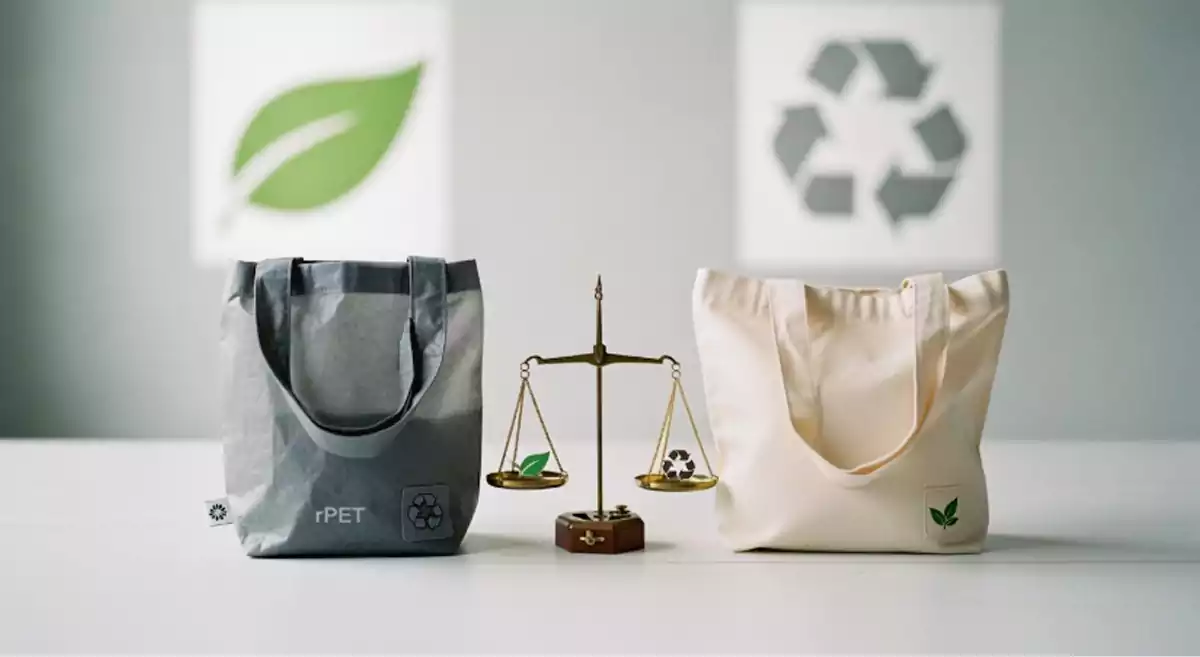
Reusable shopping bags are everywhere. You see them in grocery stores, clothing shops, and even at trade shows. They are sturdy, eco friendly, and much better than single use plastic. But here is the thing: these bags are not self cleaning. If you use them for groceries, produce, or even gym clothes, dirt and bacteria build up quickly.

So, how do you keep them fresh and safe to use? The answer depends on the material. Cotton, polyester, nylon, jute, non woven polypropylene, and recycled PET all need slightly different care. In this guide, we will go deep into cleaning methods for each type, share mistakes to avoid, and explain how to make your reusable bags last for years.
Why Cleaning Reusable Shopping Bags Matters
A lot of people toss groceries into their reusable bag week after week without thinking about what might be growing inside. But here are a few reasons why cleaning is not optional:
- Food safety: Raw meat juices, damp produce, and crumbs attract bacteria like salmonella or E. coli.
- Odor prevention: Without cleaning, bags start to smell unpleasant.
- Durability: Dirt and moisture damage fibers over time. Cleaning helps bags last longer.
- Sustainability: A well maintained bag gets more use, which is better for the environment.
Think of it this way: just as you wash dishes or clean your fridge, reusable bags need care too.
General Cleaning Tips for All Bags

Before diving into material-specific methods, here are universal tips:
- Empty and shake out crumbs after every use.
- Do not wait until the bag smells—wash it regularly.
- Dry completely before folding or storing.
- Separate bags for raw meat from those used for produce or clothing.
- Rotate bags to avoid overusing one while others sit idle.
Cleaning by Material Type
1. Cotton and Canvas Bags
Cotton and canvas are natural fibers, soft and breathable.
How to clean:
- Machine wash in cold water with mild detergent.
- Hand wash if bag has prints or special stitching.
- Air dry to prevent shrinking.
Extra tips:
- Avoid bleach; it weakens fibers.
- Turn inside out before washing to clean seams thoroughly.
- Iron on low heat if wrinkles bother you.
2. Nylon and Polyester Bags
Synthetic fabrics are smooth, water resistant, and quick drying.
How to clean:
- Hand wash or use a gentle machine cycle.
- Rinse in cold or warm water, not hot.
- Hang to air dry—never use a dryer.
Extra tips:
- For foldable designs, always dry fully before folding.
- Spot clean with a damp sponge for light dirt.
3. Non Woven Polypropylene Bags (PP)
These are common supermarket giveaway bags, lightweight and affordable.
How to clean:
- Hand wash with mild soap and warm water.
- Use a soft cloth or sponge—scrubbing too hard damages fibers.
- Do not machine wash, as seams may tear.
Extra tips:
- Pat dry with a towel, then hang to air dry.
- Do not wring the bag.
4. Jute and Hemp Bags
These plant based fibers are strong and biodegradable, but absorb water easily.
How to clean:
- Spot clean only with damp cloth.
- For tough stains, use mild soap on affected area.
- Air dry in shade to avoid brittleness.
Extra tips:
- Never soak or machine wash—fibers will weaken.
- Store in dry places to prevent mold.
5. Recycled PET (rPET) Bags
Made from recycled plastic bottles, rPET is smooth, durable, and eco friendly.
How to clean:
- Hand wash with mild detergent.
- Rinse thoroughly.
- Air dry fully before use.
Extra tips:
- Avoid harsh chemicals—they damage recycled fibers.
- Treat like polyester for best results.
Drying and Storage
Washing is only half the job. Drying incorrectly can ruin your bag.
- Always air dry, preferably outdoors in shade.
- Never tumble dry; heat warps or shrinks fibers.
- Make sure bags are completely dry before storage.
- Store upright or folded in a dry, ventilated space.
- Add silica gel packs for natural fibers to prevent mold.
Mistakes to Avoid When Cleaning
Even with the best intentions, many people damage their reusable bags by cleaning them wrong. Avoid these common mistakes:
- Do not use bleach or strong detergents (except diluted for white cotton).
- Do not wring or twist polypropylene or jute.
- Do not machine wash non woven bags.
- Do not store damp bags in enclosed places.
- Do not iron synthetic fabrics like polyester or nylon.
How Often Should You Wash Reusable Bags?
The answer depends on what you carry.
- Groceries with raw meat or fish: After every use.
- Produce, fruits, and dry goods: Every few uses.
- Clothing, books, or non food items: Every 2–4 weeks.
- Travel bags: Clean after each trip.
Regular cleaning keeps bacteria away and makes sure your eco friendly bag stays safe for daily use.
Table 1: Cleaning Methods by Material
| Material | Washing Method | Drying Method | Notes |
|---|---|---|---|
| Cotton | Hand/machine wash | Air dry | May shrink if hot washed |
| Canvas | Gentle hand wash | Shade dry | Heavy when wet |
| Polyester | Machine safe | Quick air dry | Avoid high heat |
| Nylon | Hand/machine wash | Quick air dry | Lightweight, fast drying |
| PP Non-Woven | Gentle hand wash | Air dry | Do not wring |
| Jute/Hemp | Spot clean only | Shade dry | Prone to mold if damp |
| rPET | Hand wash | Air dry | Avoid harsh chemicals |
Table 2: Recommended Washing Frequency
| Use Case | Frequency | Notes |
|---|---|---|
| Carrying raw meat, fish, dairy | After every use | Separate bag for meats advised |
| Carrying produce or groceries | Weekly | Shake out daily, wash weekly |
| Carrying dry goods or clothing | Every 2–4 weeks | Wash less often if kept clean |
| Travel or gym use | After each trip | Prevent odor and bacteria |
Conclusion
Reusable shopping bags stay safe and durable only if you clean them properly. Cotton bags can go in the machine, polyester and nylon dry quickly, polypropylene needs gentle hand washing, and jute should only be spot cleaned. Always dry bags fully before storing to prevent bacteria and mold.
As a professional manufacturer, we design reusable shopping bags that are strong, washable, and eco friendly. From cotton and jute to polyester and rPET, we provide wholesale and customization services to match your business needs. If you want bags that are both practical and sustainable, contact us today—we can create the right solution for your brand.
FAQ
Can you machine wash reusable shopping bags?
Yes, cotton, polyester, and nylon bags can be machine washed. Use gentle cycles and avoid hot water.
How do you clean non woven polypropylene bags?
Hand wash with mild soap and warm water. Do not scrub too hard or wring. Air dry completely.
Can jute shopping bags be washed?
Not really. Jute should only be spot cleaned with a damp cloth. Never soak or machine wash.
How often should I wash reusable grocery bags?
Wash after every use if carrying raw meat or fish. Otherwise, wash weekly or every few uses.
What is the best way to dry reusable bags?
Always air dry in shade. Avoid dryers or direct sunlight for long hours, especially with natural fibers.