If you wonder how to clean a hiking backpack, you are not alone. Dirt, sweat, and sunscreen can build up fast, especially on straps and hip belts. Regular cleaning keeps your pack fresh and helps it last longer. Outdoor experts suggest a step-by-step guide for easy steps to clean your backpack. Some people clean as needed, while others wash their pack once a year. You just need to know how to clean a backpack the right way, and it becomes a simple habit.
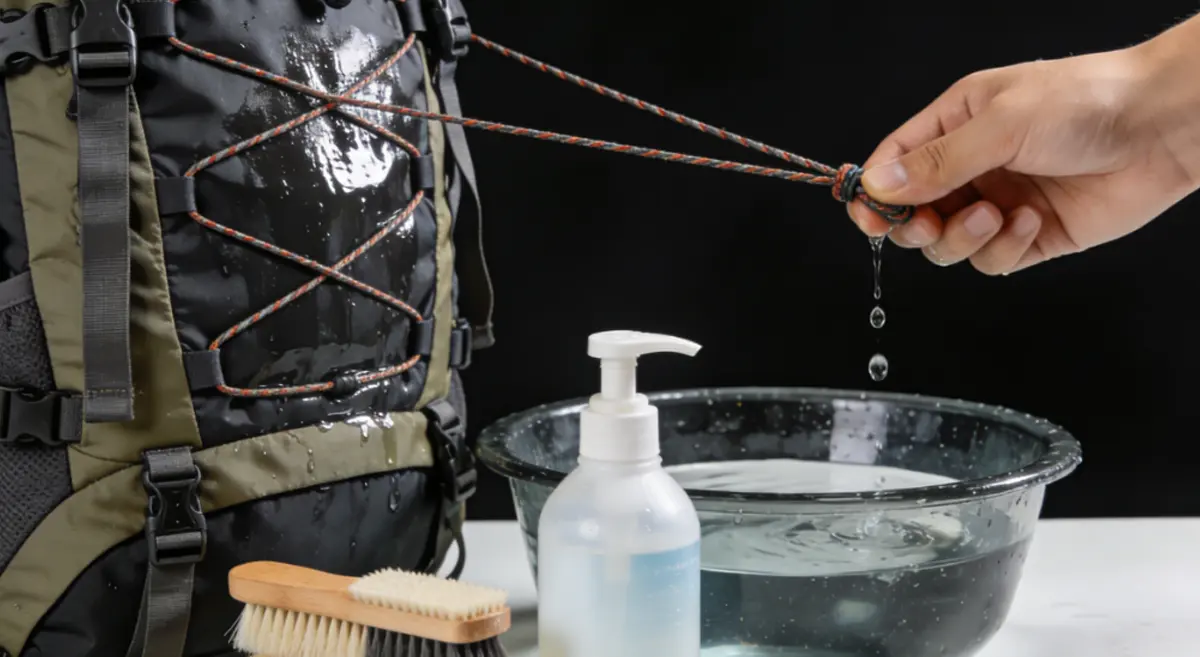
Key Takeaways
- Clean your hiking backpack often to help it last longer and smell good.
- Get your backpack ready by taking out everything and checking for hidden dirt.
- Use soft cleaning tools like gentle soap and soft brushes so you do not hurt the fabric.
- Washing by hand is safer than using a machine for most backpacks, but always look at the care labels first.
- Clean stains and bad smells in small spots before washing the whole backpack to keep it looking nice.
- Let your backpack dry upside down in a cool, shady place so it does not get mold or smell bad.
- Keep your backpack in a dry spot with all pockets open so air can move through it.
- Make a plan to clean your backpack after each season so dirt does not build up and your gear stays nice.
How to Clean a Hiking Backpack: Preparation
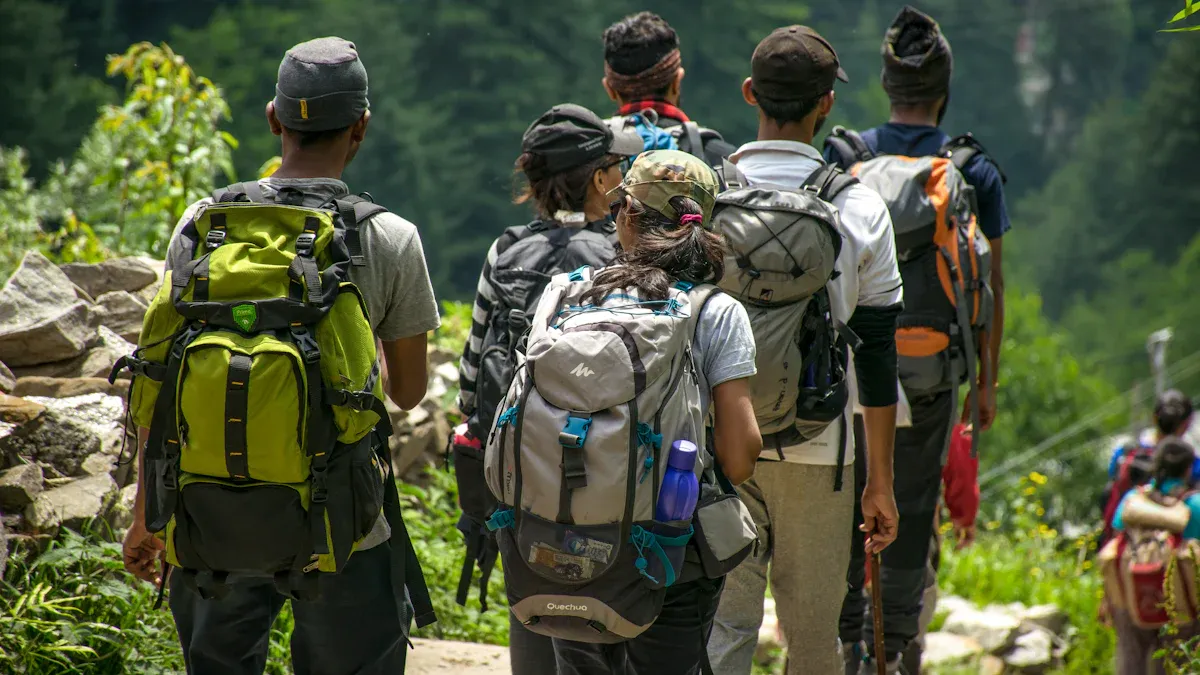
Getting ready is the first step in how to clean a hiking backpack. If you want the best results, you need to spend a few minutes preparing your backpack for washing. This makes the whole process easier and helps you avoid missing any hidden dirt or debris.
Gather Cleaning Supplies
Before you start, make sure you have what you need to wash your backpack. You do not need fancy products. Most outdoor gear specialists recommend these basic supplies:
- Gentle detergent or mild dish soap
- Soft sponge or cloth
- Soft-bristled brush (for tough spots)
- Vacuum cleaner with a small nozzle
- Tub or large sink
- Cold or lukewarm water
You should avoid harsh chemicals or abrasive brushes. These can damage the fabric and shorten the life of your pack. If you want to clean a backpack well, stick to gentle products and tools. Having all your supplies ready will save you time and help you focus on cleaning your backpack, not searching for missing items.
Empty and Inspect All Pockets
Now it is time to empty your backpack. Take out everything, even small items like coins, wrappers, or crumbs. Open every zipper and check every pocket. Sometimes, things hide in corners or at the bottom of the main compartment. If you skip this step, you might miss dirt or even damage your pack in the wash.
Tip: Turn your backpack upside down and give it a gentle shake. This helps remove loose dirt and makes it easier to pre-clean the backpack.
Emptying your backpack does more than just clear out clutter. It lets you spot stains, rips, or other problems before you start washing. This way, you can treat stains or make small repairs before they get worse.
Shake Out and Vacuum Debris
After you empty your backpack, shake it out over a trash can or outside. This gets rid of sand, leaves, and other debris. For a deeper clean, use a vacuum cleaner with a small nozzle. Move the nozzle along seams, pockets, and corners. This step helps you reach places your hands cannot.
Vacuuming is a smart way to pre-clean the backpack. It removes dirt that could get trapped during washing. This also helps prevent odors and keeps your backpack looking fresh. When you take time to remove all debris, you make sure the cleaning process can reach every part of your pack.
Preparing your backpack for washing is not just about being tidy. It helps you avoid damage and makes the next steps much easier. If you want to know how to clean a backpack the right way, always start with a good prep. Once you finish these steps, you are ready to move on to washing and stain removal.
Spot Cleaning Your Backpack
Spot cleaning helps you tackle stains and odors before you wash your whole backpack. You do not need to scrub every inch. You just need to focus on the areas that look dirty or smell bad. This step makes your pack look better and keeps it fresh for your next adventure.
Treat Stains and Odors
You probably notice stains on the straps, pockets, or bottom of your backpack. Sweat, sunscreen, and food spills can leave marks. You can spot treat stains with a soft brush and mild soap. Dip the brush in lukewarm water and gently scrub the stained area. Do not use too much force. You want to lift the stain, not damage the fabric.
If you find odors, you have a few options. Baking soda works well for surface smells. Sprinkle a little on the spot, let it sit for a few minutes, then brush it off. For tough odors, try a diluted vinegar rinse. Mix one part vinegar with four parts water. Dab the solution on the smelly area with a cloth. Let it air out. If you notice protein-based smells, like sweat or food, enzyme cleaners can help. Always check the label to make sure the cleaner is safe for fabrics.
Tip: Always test any cleaning product on a small, hidden area first. This helps you avoid damage or discoloration.
Choose Safe Cleaning Products
You want to use cleaning products that protect your backpack’s material. Some cleaners work well for certain fabrics, but not for others. Here is a quick guide to help you choose the right product:
| Cleaning Method | Effectiveness | Safe on Materials |
|---|---|---|
| Baking soda soak | Good for surface odors | Safe for most fabrics; non-wetting |
| Sun & airflow | Good for mild mildew and drying | Safe for most fabrics; avoid long direct sun on leather/DWR |
| Enzyme cleaners | Very effective on protein-based smells | Safe if product labeled for fabrics; spot-test |
| Vinegar rinse (diluted) | Good for odors tied to residue | Safe on cotton/canvas/uncoated nylon; avoid laminates and leather |
| Isopropyl alcohol spot | Effective on small, stubborn spots | Use sparingly; avoid coated fabrics and leather |
| Mild soap hand-wash | Effective for general soiling and odors | Safe for washable packs without frames or leather; check manufacturer |
| Professional cleaning | Best for heavy or spreading mold | Recommended for leather, frames, or large mold colonies |
You can see that mild soap and baking soda are safe for most backpacks. Vinegar works for cotton and canvas, but you should avoid it on leather or coated fabrics. If you use enzyme cleaners, make sure the label says they are safe for fabrics. Isopropyl alcohol helps with stubborn spots, but use it sparingly.
When you learn how to clean a hiking backpack, you discover that gentle products work best. You do not need harsh chemicals. You just need to treat stains and odors with care. This way, your backpack stays strong and looks good for many trips.
Hand Wash or Machine Wash?
You might wonder if you should wash your hiking backpack by hand or just toss it in the washing machine. Both methods can work, but each has its own pros and cons. Let’s break down what you need to know before you decide how to wash a backpack.
Hand Washing Steps
Hand washing is the safest way to clean most hiking backpacks. You get more control and can focus on dirty spots without being too rough on the fabric. Here’s how you can do it:
- Fill a tub or large sink with lukewarm water.
- Add a small amount of gentle detergent or mild soap.
- Submerge your backpack and use a soft sponge or brush to scrub the fabric.
- Pay extra attention to straps, zippers, and any stained areas.
- Rinse the backpack with clean water until all soap is gone.
Tip: Don’t forget to open all pockets and compartments. This helps you reach every spot and makes sure no soap gets trapped inside.
Hand washing lets you clean your pack gently. You help keep the fabric strong and the water-resistant coating in good shape. Many outdoor experts say this is the best way to learn how to clean a hiking backpack without causing damage.
When to Machine Wash a Backpack
Sometimes, you might feel tempted to use a washing machine. It seems quick and easy. But you should only use this method if your backpack’s care label says it’s safe. Most modern packs can handle a gentle cycle, but older or delicate backpacks can get ruined.
You should avoid machine washing if your backpack has:
- Leather parts or trim
- Metal frames that can’t be removed
- Waterproof coatings that look worn or flaky
- Loose seams or frayed edges
Here are some common risks people have faced with machine washing:
- Washing an old Kelty backpack in the machine led to the waterproof coating beginning to peel off.
- After machine washing a 30-year-old Cordura daypack, a seam failed because the edges were already frayed.
If you ever wonder when to wash a backpack in the machine, always check the care instructions first. If you’re not sure, stick with hand washing.
Pros and Cons of Each Method
Let’s compare both methods so you can choose what works best for you:
| Method | Pros | Cons |
|---|---|---|
| Hand Washing | Gentle on fabric and coatings Better for old or delicate packs Lets you spot clean tough stains | Takes more time Needs more effort |
| Machine Wash | Fast and easy Good for some modern packs | Can damage seams and coatings May cause fraying or peeling |
Hand washing is safer for preserving backpack materials. You can clean gently and help keep the water-resistant coating strong. Machine washing, even on a delicate cycle, can cause damage over time. If you want your backpack to last, hand washing is usually the best choice.
Now you know how to wash a backpack the right way. Choose the method that fits your pack and your needs. Your backpack will thank you with many more adventures!
How to Clean a Backpack: Washing Steps
Ready for a full clean of your backpack? This part is where you get rid of all the dirt and grime that builds up after long hikes. If you want to keep your gear fresh and strong, you need to follow these simple washing steps. Let’s walk through how to clean a hiking backpack so you get the best results.
Soak in Lukewarm Water
Start by filling a bathtub or a large basin with lukewarm water. You don’t want the water too hot or too cold. Add a small amount of mild soap. Submerge your backpack and gently move it around. Let it soak for 15 to 20 minutes. This helps loosen dirt and makes scrubbing easier later.
- Fill a tub or basin with lukewarm water.
- Add a little mild soap.
- Put your backpack in the water and swish it gently.
- Soak for 15 to 20 minutes.
Tip: If your backpack is extra dirty, you can soak it a bit longer. Just make sure you use gentle soap and avoid anything strong or harsh.
Scrub Gently with Sponge or Brush
After soaking, grab a soft sponge or a soft-bristled brush. Scrub the fabric gently. Focus on spots that look dirty, like straps, zippers, and the bottom. You don’t need to scrub hard. Gentle circles work best. If you see stubborn stains, dip your brush in soapy water and keep scrubbing lightly.
Using harsh chemicals, like bleach, can damage the fabric. These chemicals can also ruin the water-resistant coating. Stick to gentle cleaning methods. You help your backpack last longer and stay strong for more adventures.
- Use a soft sponge or brush.
- Scrub gently, especially on tough spots.
- Avoid harsh chemicals and strong cleaners.
Note: Always check the care label on your backpack before you start scrubbing. Some fabrics need extra care.
Rinse Thoroughly
Once you finish scrubbing, rinse your backpack with clean water. Make sure you remove all the soap. Leftover soap can make the fabric stiff and attract more dirt. You can rinse under a shower or use a hose. Open all pockets and compartments so water reaches every part.
- Rinse with clean water until no soap remains.
- Open pockets and compartments for a full rinse.
- Shake off extra water when you finish.
Tip: If you want to make sure you’re washing backpack properly, take your time with rinsing. A good rinse helps your backpack dry faster and smell fresh.
Now you know how to clean a backpack from start to finish. These steps help you get a full clean of your backpack without damaging the fabric. When you use mild soap and gentle scrubbing, you protect your gear and keep it ready for your next trip.
Drying and Storing Your Backpack
Air Dry Upside Down
After you finish washing your backpack, you want to dry it the right way. The best method is to hang your backpack upside down. This helps water drain out of every pocket and corner. You can use a sturdy hanger, a shower rod, or even a clothesline. Make sure you shake off any extra water first. If you see mud or water droplets, blot them with a towel before hanging.
Hanging your backpack upside down does more than just speed up drying. It helps moisture escape from hard-to-reach spots, so you avoid musty smells and mold. You also keep the shape of your backpack looking good. Here’s a quick checklist for drying a backpack upside down:
- Shake off extra water and blot with a towel.
- Hang the backpack upside down on a hanger or rod.
- Make sure the area has good airflow.
- Keep the backpack empty while drying.
Tip: If you want to dry your backpack quickly, always open every compartment and let air move through the whole bag.
Open All Compartments
You should open every zipper, pocket, and flap before you start drying. This step lets air reach every part of your backpack. If you leave pockets closed, water can get trapped inside. That’s when you get bad odors or even mold.
Spread out all straps and loosen any tight cords. Pull out any removable frames or pads if your backpack has them. This helps the inside dry as fast as the outside. You can even prop open pockets with a clean towel or a rolled-up shirt to let more air in.
- Unzip every pocket and open all flaps.
- Remove frames or pads if possible.
- Spread out straps and cords.
- Prop open pockets for better airflow.
Note: Make sure every part feels dry before you store your backpack. Even a little moisture can cause problems later.
Avoid Sunlight and Heat
You might think sunlight will dry your backpack faster, but it can actually harm the fabric. Direct sunlight can fade colors and weaken the material. High heat from dryers or heaters can also damage the water-resistant coating. Instead, choose a cool, shaded spot with good ventilation.
Let your backpack air dry naturally. If you need to speed things up, use a fan or open a window for better airflow. Never use a hair dryer or put your backpack in the dryer. These methods can shrink or warp the fabric.
- Keep your backpack out of direct sunlight.
- Avoid using dryers, heaters, or hair dryers.
- Pick a cool, dry place with fresh air.
Tip: If you want to wash and store your backpack the right way, always let it dry completely before putting it away. You can toss a few silica gel packets inside to help absorb any leftover moisture.
Drying a backpack the right way keeps it fresh and ready for your next adventure. When you follow these steps, you protect your gear from mold, odors, and damage.
Store in a Cool, Dry Place
You finished cleaning and drying your backpack. Now, you want to make sure it stays fresh and ready for your next adventure. Where you store your backpack matters more than you might think. If you toss it in a damp basement or a hot attic, you could end up with mold, bad smells, or even damage to the fabric.
Pick a spot that feels cool and dry. A closet in your bedroom or a shelf in a mudroom works well. Avoid places with lots of moisture, like garages or basements. Humidity can sneak in and cause mildew or mold to grow inside your pack. If you live in a humid area, you can add a few silica gel packets to your backpack. These little packets help soak up extra moisture and keep things dry.
Here are some easy steps to help you store your backpack the right way:
- Make sure your backpack is 100% dry before you put it away.
- Open all the zippers and pockets. This lets air move through and keeps things fresh.
- Store your backpack in a spot with good airflow. Avoid tight spaces where air cannot circulate.
- Hang your backpack on a hook or lay it flat on a shelf. Do not cram it into a small space or stack heavy things on top.
- Keep your backpack away from direct sunlight. Sunlight can fade colors and weaken the fabric over time.
Tip: If you want to keep your backpack smelling nice, you can tuck a dryer sheet or a small sachet of baking soda inside. This helps absorb any leftover odors.
You should also check your backpack every few months, even if you have not used it. Look for signs of moisture, mold, or bugs. If you spot any problems, take your backpack out and let it air out in a dry place. A quick check now can save you from a big cleaning job later.
When you wash and store your backpack the right way, you help it last longer and stay in great shape. Good storage habits mean your backpack will always be ready for your next hike, camping trip, or weekend getaway. You will not have to worry about musty smells or surprise stains when you pull it out for your next adventure.
Taking care of your backpack does not take much time, but it makes a big difference. Treat your gear well, and it will be there for you every time you need it.
Tips for Washing Your Backpack and Maintenance
Regular Cleaning Schedule
You want your backpack to last for many adventures. Setting up a regular cleaning schedule is one of the best ways to make that happen. After each season, take time to clean your backpack. This helps prevent dirt and moisture from building up. If you notice only light dirt, spot cleaning works well. For heavy dirt or sweat, give your pack a full wash.
Here are some practical tips on washing and caring for your backpack:
- Shake out debris and wipe down the inside after every trip.
- Wash removable parts, like hip belts or straps, in lukewarm water with mild soap.
- Always let your backpack dry completely before storing it.
- Store your pack in a cool, dry place away from sunlight.
When you follow a routine, you stop dirt and sweat from wearing down the fabric and padding. This simple habit can extend the life of your backpack and save you money on repairs.
Tip: Clean your backpack soon after a hike. Dirt comes off much easier before it sets in.
Reproofing for Water Resistance
Over time, your backpack may lose its ability to repel water. You can fix this by reproofing the outer fabric. Most hiking backpacks use a Durable Water Repellent (DWR) coating. You can buy a spray-on DWR product and apply it after cleaning your backpack. Make sure the fabric is clean and dry before you spray.
Other ways to keep your gear dry include:
- Using a rain cover during wet weather.
- Packing your gear in dry-bags inside your backpack.
- Checking for taped seams and waterproof zippers.
Some backpacks also have a polyurethane (PU) coating inside for extra waterproofing. If you notice water soaking through, it might be time to refresh the coating or use extra dry-bags for important items.
Note: Always follow the instructions on any waterproofing product. Test on a small area first to make sure it does not change the color or texture.
Common Mistakes to Avoid
Even with the best intentions, you can make mistakes when cleaning your backpack. Here are some things to watch out for:
- Using harsh chemicals or bleach. These can damage the fabric and remove water-resistant coatings.
- Putting your backpack in a dryer or near a heater. High heat can shrink or warp the material.
- Storing your backpack while it is still damp. This can lead to mold and bad smells.
- Ignoring small repairs. Fix frayed straps or stuck zippers early to avoid bigger problems later.
Tip: Always check the care label before washing or reproofing your backpack.
By following these tips for washing your backpack and keeping up with maintenance, you help your gear stay strong and ready for every trip. Regular care prevents wear, extends the life of your pack, and keeps your adventures worry-free.
When to Seek Professional Cleaning
Sometimes, cleaning your backpack at home just does not cut it. You might run into stains or smells that will not go away, no matter how hard you scrub. In these cases, you should think about getting help from a professional cleaner. Here are some signs that tell you it is time to call in the experts:
- Stubborn Mold or Mildew: If you see black, green, or white spots that keep coming back, you probably have a mold problem. Mold can hide deep in the fabric. Home cleaning might not reach it all.
- Strong Odors: Some smells just will not leave, even after washing and airing out your backpack. Professional cleaners use special products that can remove deep odors.
- Delicate Materials: If your backpack has leather, suede, or special coatings, you should not risk home cleaning. Professionals know how to treat these materials without causing damage.
- Heavy Stains: Mud, grease, or food stains can set in and become almost impossible to remove at home. A pro has stronger tools and cleaners for these tough spots.
- Large or Framed Backpacks: Some hiking backpacks have built-in frames or lots of padding. These can be hard to clean and dry at home. A professional service can handle them safely.
Tip: If you have tried cleaning your backpack twice and the problem is still there, it is time to let a professional take over.
What to Expect from Professional Cleaning
When you take your backpack to a professional cleaner, you get more than just a surface wash. Here is what usually happens:
- The cleaner inspects your backpack for stains, damage, and special materials.
- They use gentle, fabric-safe products that reach deep into the fibers.
- They dry your backpack in a way that keeps its shape and protects the fabric.
- Some services even reapply water-resistant coatings for you.
You can ask the cleaner about their process. Make sure they have experience with outdoor gear. Not every dry cleaner knows how to handle hiking backpacks.
When Should You Skip Professional Cleaning?
You do not always need a pro. If your backpack just has light dirt or a few stains, home cleaning works fine. Save professional cleaning for big problems or expensive gear.
Note: If your backpack is under warranty, check with the manufacturer before using a cleaning service. Some warranties require special care.
Professional cleaning can save your backpack when nothing else works. It helps you keep your gear in top shape for many more adventures. If you ever feel unsure, it is better to ask for help than risk ruining your favorite pack.
Conclusion
If you clean your hiking backpack the right way, it will last longer and look nice. Cleaning often gets rid of dirt and germs. This helps your backpack work well and stops mold from growing.
- Washing gently and letting it air dry keeps the fabric safe and keeps water out.
- Your backpack stays fresh and ready for every adventure.
Do you want a special backpack with cool features like better support or easy-to-reach pockets? Look at the table below to see some popular choices:
| Feature | Description |
|---|---|
| Advanced Suspension | Gives more comfort and helps carry heavy loads |
| Modular Attachments | Lets you add more gear in your own way |
| Ventilation Panels | Helps you stay cool and dry while hiking |
| Hydration Integration | Makes it easy to get a drink of water |
| Quick-Access Pockets | Lets you grab snacks or gear quickly |
We are a professional backpack manufacturer, and we can produce custom or bulk orders to match your exact needs. Whether you need outdoor gear, branded backpacks, or OEM/ODM solutions, our factory is ready to support your project from design to production. Contact us to start your custom backpack order today!
FAQ
How often should you clean your hiking backpack?
You should clean your backpack after every big trip. Spot clean small stains as soon as you see them. A full wash once a season keeps your pack fresh.
Can you put your backpack in the washing machine?
Check the care label first. Most backpacks do best with hand washing. Machine washing can damage straps, coatings, or seams.
What soap is safe for cleaning backpacks?
Use mild dish soap or gentle laundry detergent. Avoid bleach or strong cleaners. These can harm the fabric and water-resistant coating.
How do you remove tough odors from your backpack?
Try baking soda or a diluted vinegar rinse. Sprinkle baking soda inside, let it sit, then shake it out. For strong smells, use an enzyme cleaner.
Is it okay to dry your backpack in the sun?
No, direct sunlight can fade colors and weaken fabric. Air dry your backpack in a cool, shaded spot with good airflow.
What should you do if mold appears on your backpack?
Wipe off visible mold with a damp cloth. Use a gentle cleaner. If mold keeps coming back, seek professional cleaning.
Can you use waterproof spray on your backpack?
Yes! After cleaning and drying, spray a DWR product on the outside. Follow the instructions on the bottle for best results.
How do you store your backpack to prevent odors?
Store your backpack in a cool, dry place. Keep pockets open. Toss in a dryer sheet or silica gel packet for freshness.