Choosing the right backpack can make your hiking trip much better. You might wonder how to choose a hiking backpack that fits your needs. When you pick a backpack that matches your hike type and trip length, you feel more comfortable. Many hikers agree on this. In fact:
- 87% of hikers say they feel satisfied with their backpack choice.
- Almost 50% report being very satisfied.
If you focus on comfort and fit, you can enjoy your outdoor adventure even more. Finding the right pack does not have to be hard. Start with what feels good for you.
Key Takeaways
- Think about your trip type and how long it will be. This helps you pick the right backpack.
- For day hikes, pick light packs with simple designs. These are comfy and easy to use.
- For overnight or longer hikes, you need bigger packs. These packs have more pockets to help you stay organized.
- Measure your torso and hips to make sure the backpack fits you.
- Adjust the straps and suspension so the pack feels good and balanced.
- Pick a backpack with features like a spot for a water system and weather protection.
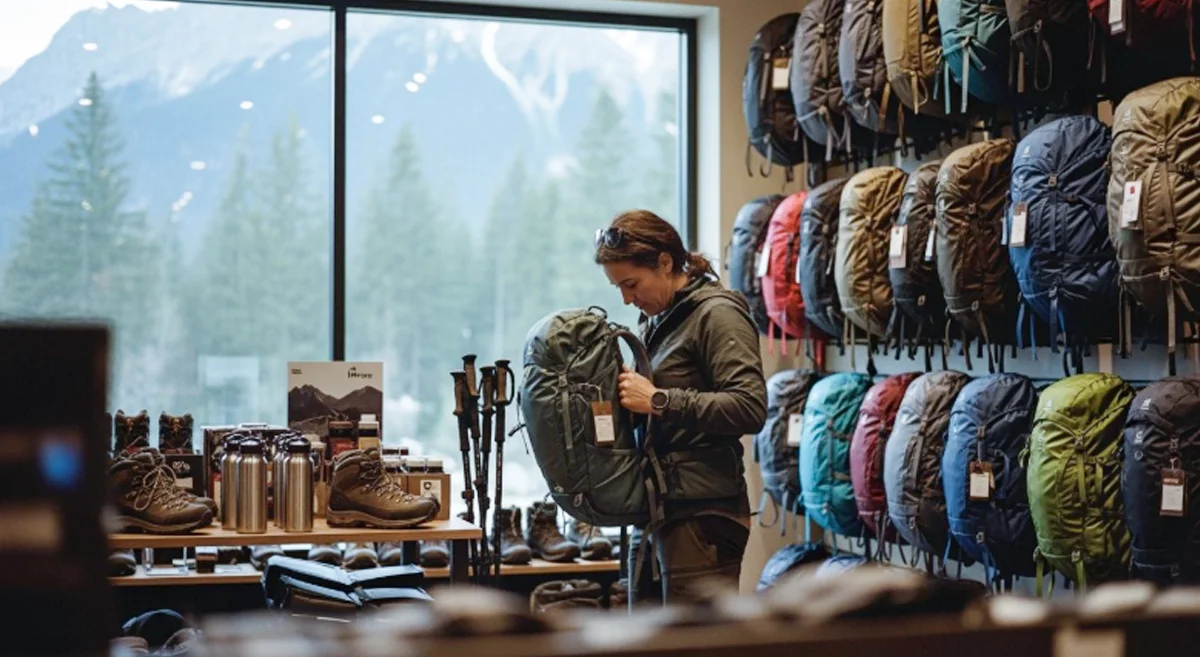
- Try on different packs in the store to see which one fits you best.
- You can also look for ways to customize your backpack to match your style and needs.
How to Choose a Hiking Backpack for Your Trip
When you start thinking about how to choose a hiking backpack, you should look at your trip type and length first. These two things help you figure out what kind of backpacking pack will work best for you. If you match your pack size and features to your hiking plans, you will feel more comfortable and prepared.
Match Pack to Hike Type
Picking the right pack depends on the kind of hiking you want to do. You might go for a short walk in the woods or spend several days out on the trail. Each trip needs a different kind of backpack.
Day Hikes
Day hiking packs are perfect for short trips. You want something light and easy to carry. Most daypacks have simple designs, so you can pack your snacks, water, and a jacket without any trouble. Many hikers like packs such as the Cotopaxi Batac 16L for its simple style, or the Gregory Zulu 24 for its extra pockets. These packs let you move fast and stay comfortable.
Here’s a quick look at features for day hikes versus multi-day hikes:
| Feature | Day Hikes | Multi-Day Hikes |
|---|---|---|
| Weight | Lightweight and versatile | Heavier with more load capacity |
| Comfort | User-friendly | Focus on comfort for extended use |
| Organization | Simple designs, easy to pack | Multiple compartments for organization |
| Hydration Compatibility | Compatible with hydration bladders | Often includes hydration options |
| Weather Resistance | Basic weather resistance | Made from weather-resistant materials |
| Breathability | Allows airflow for comfort | Breathable back panel to avoid overheating |
Tip: If you want to keep things simple, choose a daypack with a hydration sleeve and a few pockets. You will stay organized and hydrated.
Overnight & Multi-Day
If you plan to spend the night outdoors, you need a backpacking pack with more space and features. Overnight and multi-day backpacking packs usually have extra compartments for your sleeping bag, food, and clothes. You want a pack that feels good on your back, even when it’s heavy. The Osprey Stratos 34 offers comfort and a rain cover, while the REI Co-op Traverse 35 gives you lots of room to organize your gear. These packs help you carry everything you need for longer trips.
Consider Trip Duration
Trip length changes what you need from your pack. If you hike for just a few hours, you only need a small pack size. If you go backpacking for several days, you need a bigger pack to hold all your gear.
- For a three-day trip, a pack in the 50-70 liter range works best. You get enough space for your tent, sleeping bag, and food.
- This pack size helps you avoid overpacking. You will feel more comfortable and keep your load balanced.
- When you pick the right pack size, you can reach your snacks, water, or rain jacket quickly.
If you want to know how to choose a hiking backpack, always think about your trip duration. The right pack size makes hiking easier and more fun. You will find that backpacking packs with smart features and good organization help you enjoy your adventure.
When you learn how to choose a backpack, you start by matching your pack size and features to your hiking style. Whether you need day hiking packs for short trips or backpacking packs for longer journeys, you will find a pack that fits your needs.
How to Choose a Backpack Size and Volume

Choosing the right backpack size can make your hike much easier. You want enough space for your gear, but you also want to avoid carrying extra weight. The best way to start is by thinking about your trip length and what you need to bring. Let’s break down how to pick the right gear capacity for your adventure.
Backpack Volume Guide
Backpacks come in different sizes for different trips. Outdoor gear experts recommend certain volumes for daypacks, overnight, and multi-day hikes. Here’s a quick guide to help you decide:
| Trip Type | Recommended Volume |
|---|---|
| Daypacks | 10-25 liters |
| Overnight Trips | 30-50 liters |
| Multi-Day Trips | 50-65 liters |
Daypacks (10-25L)
If you plan a short hike, a daypack is your best friend. You only need space for water, snacks, and a light jacket. Most daypacks have a simple design, so you can grab what you need quickly. You don’t want a pack that feels bulky or heavy. A daypack with a 10-25 liter capacity gives you enough room for the basics. You can use it for school, travel, or quick outdoor trips. Many hikers choose a daypack because it keeps things light and easy.
Overnight (30-50L)
For an overnight trip, you need more space. You want to fit a sleeping bag, extra clothes, and food. A backpack with a 30-50 liter capacity works well for one or two nights. You can organize your gear and still move comfortably. Look for packs with extra pockets and a sturdy frame. You don’t want to run out of room, but you also don’t want to carry too much. This size helps you balance gear and comfort.
Multi-Day (50-65L)
If you plan a multi-day hike, you need a bigger pack. You want enough capacity for a tent, sleeping pad, food, and extra layers. Experts suggest a 50-65 liter backpack for trips that last several days. This size lets you carry everything you need without feeling overloaded. You can organize your gear and keep it safe from the weather. A multi-day pack gives you the freedom to explore longer trails.
Gear Essentials Checklist
Packing the right gear is important for every hike. You want to stay safe, comfortable, and prepared. Here’s a checklist of essentials to include in your backpack:
- Navigation
- Sun protection
- Insulation
- Illumination
- First-aid supplies
- Fire
- Repair kits and tools
- Nutrition
- Hydration
- Emergency shelter
Tip: Always check your gear before you leave. You don’t want to forget something important.
Tips for Reducing Gear Weight
You can make hiking easier by packing smart. Choose versatile gear that does more than one job. For example, use a stuff sack filled with clothes as a pillow. You don’t need to bring a separate pillow. Pick clothing layers that work together—a base, mid, and outer layer. This system helps you stay warm without carrying extra clothes.
Multipurpose gear can save space and weight. Trekking poles can support your shelter, so you don’t need extra tent poles. Avoid bringing duplicate items. You only need one jacket, but make sure you have enough socks to keep your feet healthy. Lightweight, calorie-dense foods help you stay energized without adding bulk.
You can also cut down on weight by streamlining your organization. Use fewer stuff sacks and remove extra packaging from meals. Sometimes, you can use natural anchors instead of tent stakes. These small changes help you carry less without losing comfort or safety.
Note: Packing light doesn’t mean leaving out the essentials. You want to stay safe and enjoy your hike.
Choosing the right backpack size and volume is all about matching your gear capacity to your trip. Whether you need a daypack for a short hike or a larger pack for a multi-day adventure, you can find a backpack that fits your needs and keeps you comfortable.
Fit and Comfort Tips
Choosing a backpack that fits you well can make your hiking trip much more enjoyable. If your pack does not fit, you might feel sore or tired before you even reach your destination. Let’s look at how you can make sure your backpack feels just right.
Measure Torso and Hips
Getting the right fit starts with measuring your body. You want your backpack to match your torso length and sit comfortably on your hips.
Torso Length
To measure your torso, follow these steps:
- Stand up straight and tuck your chin to your chest.
- Ask a friend to find the bump at the base of your neck (the C7 vertebra).
- Place your thumbs on your hip bones and imagine a line across your back at the top of your hips (the iliac crest).
- Measure the distance from your C7 to the line at your hips.
Backpack sizes often match these measurements:
- Extra Small: 14–15 inches
- Small: 16–17 inches
- Medium: 18–19 inches
- Large: 20–22 inches
If you know your torso length, you can pick a pack that fits your body and keeps you comfortable during hiking.
Hip Belt Fit
The hip belt should sit snugly on your hip bones. This helps the pack’s weight rest on your hips, not your shoulders. Measure from the top of your hip bone to the bump at the back of your neck. When the hip belt fits well, you can walk longer without feeling tired.
Tip: A good hip belt fit means you can tighten it without pinching or sliding. Try adjusting it before you start hiking.
Adjust Straps and Suspension
Once you have the right size, you need to adjust the straps and suspension. Here’s how you can do it:
- Start with an empty pack and loosen all straps.
- Load your pack with your hiking gear, keeping heavy items close to your back.
- Position the hip belt so it sits on your hip bones.
- Tighten the shoulder straps so the pack hugs your back.
- Adjust the load lifters at a 45-degree angle to bring the pack closer to your upper back.
- Clip and adjust the sternum strap to keep the shoulder straps stable.
- Use compression straps to keep the load balanced and close to your body.
If you follow these steps, you can make sure your backpack fits well and feels comfortable.
| Impact of Improper Fit | Description |
|---|---|
| Poor Posture | A bad fit can cause you to slouch and feel uncomfortable. |
| Muscle Fatigue | Uneven weight can make your muscles tired, especially in your back and shoulders. |
| Back Pain | Too much weight on your spine can lead to pain and stress. |
| Shoulder Soreness | Heavy packs can dig into your shoulders and cause irritation. |
| Neck Tension | A heavy load can pull on your shoulders and cause neck tension. |
| Imbalance Gait | If your pack does not fit, you might walk unevenly and feel sore. |
Gender and Youth Packs
Backpacks come in different shapes to fit different bodies. Women’s packs often have narrower shoulder straps with an S-curve shape. They also have shorter torso lengths and hip belts that sit higher. Men’s packs usually have wider straps, longer back panels, and broader load distribution. Youth packs are smaller and designed for shorter backs.
- Performance differences are small and depend on features like padding and strap adjustment.
- Gender-specific packs may fit your body better, but you should focus on how the pack supports your needs.
- Youth packs help younger hikers find a comfortable fit for their size.
Note: Always try on a backpack before you buy it. You want to make sure it fits your body and feels good when you walk.
If you pay attention to fit and comfort, you can enjoy hiking without pain or soreness. The right backpack helps you move easily and keeps your gear safe.
How to Choose Daypacks and Frame Types
When you start thinking about how to choose daypacks, you want to look at both features and frame types. The right daypack can make your hike feel lighter and more enjoyable. Let’s break down what you should look for.
Daypack Features
Daypacks come with many features. Some make your hike easier, while others add comfort or help you stay organized.
Lightweight Design
You want a daypack that feels light on your back. High-quality models use strong but light materials. This helps you move faster and keeps you from getting tired too soon. Many hiking daypacks also have padded straps and hip belts. These features spread the weight and keep your shoulders from hurting. Some popular packs, like the Osprey Talon 22 and Deuter Speedlite Pro 25, are known for their comfort and stability.
Tip: Try on a few packs before you buy. You will notice the difference in comfort right away.
Hydration Options
Staying hydrated is important on any hike. Many daypacks have special sleeves for water bladders. Some even have built-in hydration systems. You can sip water without stopping to take off your pack. Look for packs with easy-to-reach water bottle pockets, too. This makes it simple to grab a drink when you need it.
Here are some features that set high-quality daypacks apart from basic ones:
- Well-padded straps and adjustable hip belts for comfort
- Thoughtful pocket layouts for easy organization
- Ventilated backpanels to keep you cool
- Water-resistant materials or built-in rain covers
- Durable construction for long-lasting use
Frame Types Explained
The frame of your backpack affects how it carries weight and how comfortable it feels. You have three main choices: internal frames, external frames, and frameless packs.
Internal vs. External Frames
Internal frame packs fit close to your body. They help you stay balanced on rough trails. These packs use thick straps and have more space inside for your gear. You get better weight distribution, which means less fatigue on long hikes. External frame packs sit farther from your back. They give you great ventilation and work well for carrying heavy, bulky items on flat trails. However, they can feel heavy and awkward in tight spaces.
Here’s a quick comparison:
| Frame Type | Advantages | Disadvantages |
|---|---|---|
| Internal Frame Packs | Stable on rugged terrain; thick straps; good weight distribution | Less ventilation; can be heavy; often more expensive |
| External Frame Packs | Good ventilation; cheaper; great for heavy loads on even trails | Bulky; less stable off-trail; hard to move in tight spaces |
Frameless Packs
Frameless packs are the lightest option. They work best for short hikes or when you carry a small load. These packs cost less and feel simple. However, they do not offer much support. If you pack them carelessly or carry too much, your shoulders will feel the strain.
| Backpack Type | Weight Distribution | Support Level |
|---|---|---|
| Internal Frame | Better weight distribution | High comfort for heavier loads |
| External Frame | Good for bulky items | Moderate support |
| Frameless | Lighter and flexible | Shoulders bear most weight |
Note: A frame helps keep your pack’s shape and moves weight to your hips. This makes a big difference when you carry heavy gear.
Choosing the right frame type depends on your hike. For most day hikes, a lightweight or frameless pack works well. If you plan to carry more gear or hike on rough trails, an internal frame pack gives you more support.
Essential Backpack Features
Organization and Access
Pockets & Compartments
You want your backpack to help you stay organized on the trail. Many hikers love packs with lots of pockets and compartments. These features let you separate your snacks, first-aid kit, and rain jacket, so you don’t have to dig through everything to find what you need. Some backpacks have special spots for sleeping bags or hydration sleeves. If you like to move fast, you might prefer a simple pack with fewer pockets. Trail runners and fast hikers often choose minimalist designs that focus on weight savings and freedom of movement instead of maximum storage capacity.
Tip: A well-organized pack helps you grab essentials quickly, which can be important in an emergency.
Zippers & Openings
Backpacks come with different ways to get to your gear. Top-loading packs keep your stuff secure, while front-panel zippers make it easy to find things in the middle or bottom of your bag. Multiple access points mean you can reach your jacket or lunch without unpacking everything. This makes your hike smoother and less stressful.
- Top-loading access keeps gear safe.
- Front-panel zippers help with quick organization.
- Side pockets let you grab water bottles on the go.
Weather Protection
Rain Covers
Weather can change fast in the mountains. You want your gear to stay dry, so look for a backpack with a rain cover. Silicone covers work better than nylon in heavy rain because they stretch and resist damage from the weather. Nylon covers can wear out over time, so check them often. A good rain cover keeps your clothes, food, and electronics safe from getting soaked.
Durable Materials
Backpack materials matter when you face tough weather. Sealed seams stop water from sneaking in. Waterproof or water-resistant fabrics give you extra protection. If you hike in wet places, you need strong weather protection. For dry climates, you might choose lighter materials. Always think about how long your trip will last and what gear you need to keep dry.
Note: Electronics and down sleeping bags need the most protection from moisture.
Gear Attachments
Modern backpacks come with smart ways to carry extra gear. You might see removable lids that turn into small summit packs or waist bags. Some packs have front-loading zippers for easy access. Compression straps help balance your load and stop things from shifting. Specialized compartments hold hydration reservoirs or trekking poles.
| Feature | Description |
|---|---|
| Removable lids | Detachable lids that can convert into smaller summit packs or waist bags. |
| Front-loading zippers | Full panel access to gear, reducing the need to dig from the top. |
| Compression straps | Help balance weight and reduce shifting when carrying less gear. |
| Specialized compartments | Include sleeves for hydration reservoirs and spaces for trekking poles. |
These attachments let you customize your pack for each trip. You can carry more or less, depending on what you need. Understanding the features of your backpack helps you get the most out of every hike.
Callout: Gear attachments make your backpack more versatile and ready for any adventure.
Durability vs. Weight
When you pick a hiking backpack, you want it to last. You also want it to feel light on your back. Finding the right balance between durability and pack weight can make your hike much more enjoyable. Let’s look at how you can choose the best materials and features for your needs.
Material Choices
Nylon & Polyester
Most hiking backpacks use nylon or polyester. Nylon is strong and lightweight. It often gets treated to resist water, so your gear stays dry. Polyester costs less and works well for many trips, but it is a bit less durable than nylon. Some packs use ripstop nylon, which stops small tears from getting bigger. If you want a tough pack, you might see Cordura, Kevlar, or Dyneema. These materials offer extra strength or cut resistance, but they can add to your pack weight.
Here’s a quick look at how these materials compare:
| Material | Durability | Weight Characteristics |
|---|---|---|
| Nylon | Strong and lightweight | Highly durable, treated for water resistance |
| Polyester | Affordable and versatile | Slightly less durable than nylon |
| Ripstop Nylon | Incredibly durable and lightweight | Prevents tears, ideal for hiking |
| Cordura | Exceptional toughness | Resists abrasions, scuffs, and tears |
| Kevlar | Extreme strength, cut resistance | Heavier, best for maximum protection |
| Dyneema | Ultra-strong, very lightweight | Exceptional strength, water resistant |
Reinforced Points
Backpacks last longer when they have extra protection in key spots. Reinforced stitching uses double or triple threads at stress points. This helps your pack handle heavy loads and rough trails. Some packs add extra fabric or padding where straps, zippers, and corners meet. These features help prevent seam failures and keep your pack weight balanced.
| Feature | Description | Benefits |
|---|---|---|
| Reinforced Stitching | Double or triple stitching at stress points | Increases strength and lifespan |
| Stress Point Protection | Extra fabric or padding in high-stress areas | Absorbs impact and prevents damage |
| Key Areas | Focus on straps, zippers, bottom corners, and handle | Helps avoid seam failures |
Tip: Always check the stitching and padding before you buy a pack. These small details can make a big difference in how long your backpack lasts.
Balancing Weight and Strength
You want your backpack to be strong, but you also want to keep your pack weight low. For day trips, experts suggest your pack weight should not go over 10% of your body weight. On longer trekking tours, you can carry up to 20%. If you plan a multi-day hike, try to keep your base pack weight under 13 kilos. If you can get it below 9 kilos, you will feel even better on the trail.
Here’s a simple guide:
| Trip Type | Maximum Backpack Weight (as % of Body Weight) |
|---|---|
| Day Trips | 10% |
| Trekking Tours | 20% |
Ultralight backpacks use advanced materials that resist abrasion and UV rays. These packs feel light and work well for loads between 25 and 35 pounds. If you carry more than that, you might notice less comfort or even damage. Manufacturers now reinforce weak spots, so ultralight packs last longer and keep users happy. Still, you need to think about your trip, the weather, and how old your gear is. Your experience and preparation also matter.
If you focus on both strength and pack weight, you will find a backpack that fits your hiking style. You can enjoy the trail without feeling weighed down or worrying about your gear.
Final Tips and Custom Options
You’re almost ready to pick your perfect hiking backpack. Before you make your final choice, let’s look at a few tips that can help you feel confident about your decision. You want a pack that fits well, matches your budget, and maybe even shows off your style or brand.
Try Before You Buy
Trying on backpacks in-store gives you a big advantage. You can check how the pack feels on your shoulders and hips. You can adjust the straps and see if the weight sits comfortably. Here are some reasons why you should try before you buy:
- You make sure the backpack fits your body, so you avoid discomfort on long hikes.
- A well-fitted pack lets you carry more weight without feeling tired.
- You can test the pockets and compartments to see if they work for your gear.
- You get to compare different models and find the one that feels best.
Tip: Walk around the store with the backpack loaded. You’ll notice right away if something feels off.
Budget and Warranty
Your budget plays a big role in choosing a hiking backpack. You want the best value for your money. Some premium packs offer advanced features, but you can also find affordable options that last a long time. Warranty policies matter too. If a brand offers lifetime coverage, you know you’re making a smart investment.
Affordable mid-range backpacks, like the Matein Travel Backpack ($50-$100), give you durability and comfort. These are great for occasional hikes or if you’re just starting out. Budget packs help you figure out which features you really need before you spend more on a high-end model.
- Mid-range packs offer solid quality for most hikers.
- Budget backpacks let you test your needs without spending too much.
- Lifetime warranties attract hikers who want gear that lasts.
Note: Always check the warranty before you buy. A good warranty can save you money if something breaks.
Customization, OEM & ODM
Do you want a backpack that stands out or matches your brand? Customization through OEM and ODM services makes this possible. You can pick the size, color, materials, and even the way your logo appears. Here’s a look at what you can customize:
| Customization Aspect | Details |
|---|---|
| Size | Choose the exact size, structure, number of compartments, padding level, and strap type. |
| Color | A wide range of colors available to match brand identity. |
| Materials | Options include polyester, nylon, canvas, RPET, oxford cloth, and cotton blends. |
| Branding Techniques | Silkscreen printing, heat transfer, embroidery, rubber patches, woven labels, metal badges. |
| Design | Tailored designs to meet specific brand needs. |
You can select high-quality fabrics, eco-friendly options, and special branding methods. The process lets you test and adjust the design until it fits your needs. Whether you want a unique look or a pack built for your team, customization gives you control.
Callout: Custom backpacks help you show off your style and make sure your gear works exactly how you want.
Now you know how to find a backpack that fits, matches your budget, and even reflects your personality or brand. Take your time, try on different packs, and explore custom options if you want something special.
Conclusion
You now know how to choose a hiking backpack that matches your needs. Start by thinking about your trip, then focus on the right fit and comfort. Try different packs until you find one that feels just right. The right backpack can make hiking more fun and less tiring. Custom backpacks offer even more benefits:
- You get a better fit with ergonomic features.
- You can organize your gear your way.
- High-quality materials keep your gear safe in any weather.
If your business needs a backpack that stands out, our factory provides full OEM/ODM customization for brands, wholesalers, and retailers—ensuring every detail is made to your specifications.
FAQ
How do I know if my backpack fits me?
Try the pack on. The hip belt should sit on your hips. The shoulder straps should hug your shoulders. If the pack feels comfortable and does not move around, you have a good fit.
What size backpack do I need for a weekend trip?
You usually need a backpack between 30 and 50 liters for a weekend trip. This size gives you enough space for clothes, food, and a sleeping bag.
Can I use a school backpack for hiking?
You can use a school backpack for short hikes. For longer hikes, you need a hiking backpack. Hiking packs have better support, more pockets, and stronger materials.
How do I keep my backpack dry in the rain?
Use a rain cover. Most hiking backpacks come with one. If yours does not, you can buy one. You can also pack your gear in plastic bags for extra protection.
What should I pack in my hiking backpack?
Pack water, snacks, a map, sun protection, a first-aid kit, a jacket, and a flashlight. For longer trips, add a sleeping bag, food, and extra clothes.
How do I clean my hiking backpack?
Empty your pack. Use a soft brush to remove dirt. Wash it with mild soap and water. Let it air dry. Do not use a washing machine or dryer.
Should I choose a backpack with a frame or without?
Pick a frame pack for heavy loads or long hikes. Frameless packs work best for short, light trips. Frames help carry weight on your hips and keep you comfortable.
Can I customize my hiking backpack?
Yes! Many brands let you pick colors, add your name, or choose special features. You can also order custom backpacks through OEM or ODM services.