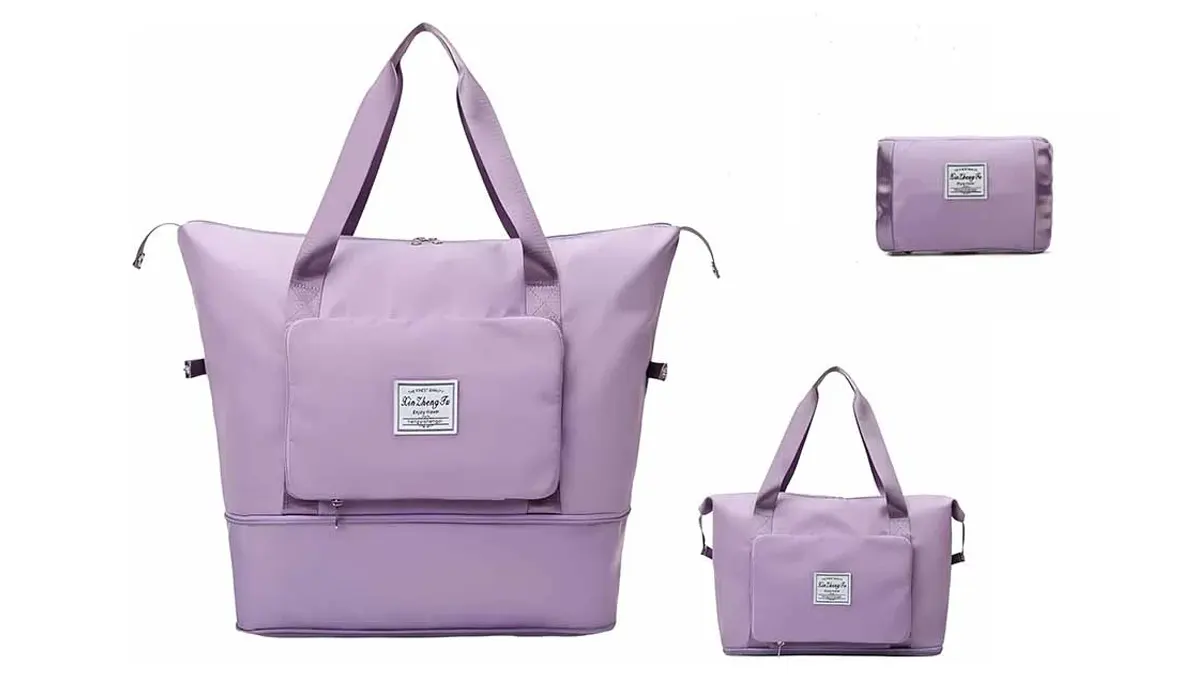

You want the best camera bag, but the right choice depends on your gear and how you shoot. Think about your camera, lenses, and accessories. Are you carrying a compact kit or a full SLR setup? Many photographers use different bags for different needs. Here are some popular types you will see:
| Type of Camera Bag |
|---|
| Shoulder Camera Bags |
| Backpack Camera Bags |
| Sling Camera Bags |
| Camera Cases |
If you wonder how to choose a camera bag, focus on what works for your style. You can feel confident with the right features.
Key Takeaways
- List your camera gear before picking a bag. Write down your camera, lenses, and accessories. This helps you find the right size.
- Think about the type of camera bag you need. Pick one that matches how you like to shoot. You can choose backpacks, messenger bags, sling bags, or holster bags.
- Look for comfort features in the camera bag. Padded straps and good designs help you feel less tired. This is important for long shoots.
- Check how much the bag can hold. Make sure it fits your gear now. It should also have space for new gear later. The bag should not be too big or heavy.
- Make sure the bag can handle bad weather. It should protect your gear from rain, dust, and dirt.
- Try using online camera bag chooser tools. These can help you pick bags that fit your gear and style.
- Test the bag with your gear before you buy it. Make sure it feels good and is easy to use.
- Read reviews and think about how strong the bag is. Pick a bag made from tough materials. This helps it last in different places.
Identify Your Camera Gear
Before you pick a camera bag, you need to know what you want to carry. This step helps you avoid buying a bag that is too small or way too big. Let’s break it down together.
Assess Camera and Lenses
Start by looking at your main camera. Is it a small point-and-shoot, a mirrorless camera, or a big DSLR? Next, count your lenses. Some people use just one lens for everything. Others like to bring a wide-angle, a zoom, and maybe a prime lens. Write down each camera body and lens you plan to take with you. This list will help you see how much space you need.
Tip: Lay out your gear on a table. Take a photo with your phone. This makes it easy to remember what you use most.
List Accessories
Cameras and lenses are just the start. Think about all the extras you use. Here are some common accessories:
- Memory cards
- Batteries and chargers
- Filters
- Flash or speedlight
- Tripod or mini tripod
- Cleaning cloths
- Cables and adapters
Make a checklist of these items. You might be surprised by how much photography equipment you use on a regular shoot. If you often carry a laptop or tablet, add that to your list. Some camera bags have special pockets for electronics.
Compact vs. SLR Kits
Now, look at your list. Do you have a compact kit or a full SLR setup? Compact kits usually include a small camera and one or two lenses. These fit in smaller bags. SLR kits need more space. They often include a large camera body, several lenses, and more accessories.
| Kit Type | Typical Gear Included | Bag Size Needed |
|---|---|---|
| Compact | Small camera, 1-2 lenses, few accessories | Small to Medium |
| SLR | DSLR/Mirrorless, 2+ lenses, many accessories | Medium to Large |
If you use a lot of photography equipment, you need a bigger bag with more pockets. If you travel light, a smaller bag keeps things simple and easy to carry.
Remember, your gear might change over time. Choose a bag that fits your current needs but can also handle a little extra if you add new photography equipment later.
How to Choose a Camera Bag for Your Needs
Evaluate Gear Capacity
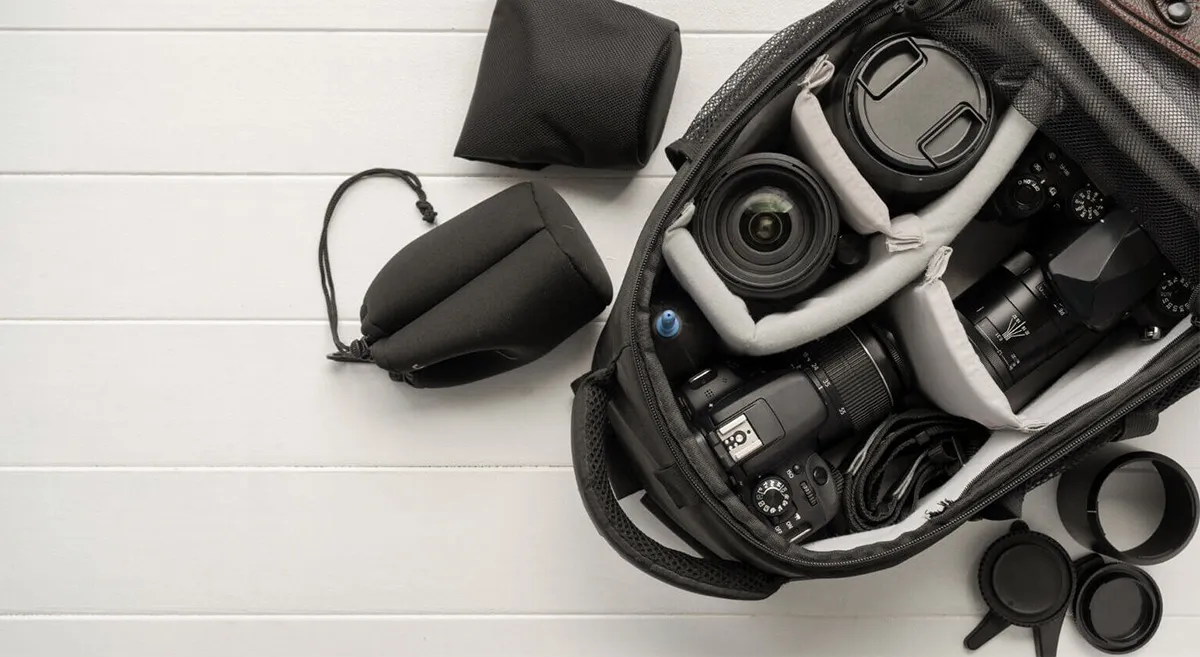
When you think about how to choose a camera bag, start with your gear. You want a bag that fits everything you need, but not so big that it feels empty or bulky. Lay out your camera, lenses, and accessories. Picture how much space each item takes up.
Here are some things to keep in mind when matching your camera bag size to your gear:
- Make sure the bag fits your current setup and leaves a little room for future gear.
- Pick a style that matches how you like to shoot. Some people like a compact messenger, while others need a big backpack.
- Look for a bag that protects your gear and lets you grab what you need quickly.
You might wonder what size works best for your style. Check out this table for a quick guide:
| Photographer Type | Recommended Gear Capacity |
|---|---|
| Hobbyist | 2TB |
| Professional | 4TB minimum |
If you travel a lot, you may want a camera bag that holds more. If you shoot for fun, a smaller bag might be perfect. Always think about how to choose a camera bag that fits your needs now and later.
Consider Comfort Features
Comfort matters every time you carry your camera bag. You might walk for hours or stand at events. A good bag should feel like it belongs on your shoulder or back. Many photographers say that comfort features make a big difference.
Look for these comfort features:
- Thick padding on the back and straps
- Adjustable shoulder straps for a custom fit
- Waist or sternum straps to help with heavy loads
- Ergonomic design that fits your body shape
A well-designed camera bag spreads the weight so your shoulders and back do not get tired. You want a bag that feels good, even when it is full. Many user reviews say that a bag with thick padding and adjustable straps can make long days much easier. When you think about how to choose a camera bag, never skip comfort.
Tip: Try the bag on before you buy it. Walk around the store or your house. Make sure it feels right for you.
Choose Carry Method
How you carry your camera bag changes your whole experience. Some people like backpacks because they spread the weight. Others want a messenger bag for quick access. Sling bags let you swing the bag around fast. Holster bags work well for one camera and a lens.
Ask yourself these questions:
- Do you need both hands free?
- Will you be moving a lot or staying in one place?
- Do you want to grab your camera fast?
Each carry method has pros and cons. Backpacks hold more and feel balanced. Messenger bags give you easy access but can get heavy on one shoulder. Sling bags are quick but may not fit all your gear. Holster bags are light and simple.
When you decide how to choose a camera bag, think about your shooting style. Pick a carry method that matches your needs. Try different styles if you can. The right choice makes every shoot easier and more fun.
Use Camera Bag Chooser Tools
Choosing a camera bag can feel overwhelming. You see so many options online and in stores. You want something that fits your gear, matches your style, and feels comfortable. Sometimes, you just need a little help to narrow down your choices. That’s where camera bag chooser tools come in.
You can find online resources that make picking a camera bag much easier. These tools ask you questions about your gear, how you shoot, and what you need. They help you figure out which camera bag works best for you. Some even show you different brands and price points, so you don’t have to search everywhere.
Here are a few types of camera bag chooser tools you might find helpful:
- Guides that explain the different types of camera bags, brands, and prices. These guides help you compare features and find the best fit for your needs.
- Quizzes that ask about your photography style and gear. You answer simple questions, and the quiz suggests what items you should include in your camera bag.
- Step-by-step guides that walk you through the process. These guides offer tips on how to select a camera bag tailored to your preferences.
You don’t have to guess which camera bag is right for you. These tools give you clear answers and save you time. You can use them before you shop or while you look at different bags online. If you want to feel confident about your choice, try a camera bag chooser tool. You might discover a new brand or style that fits your needs perfectly.
Tip: Take a quiz or use a guide before you buy. You’ll know exactly what to look for in your next camera bag.
Camera Bag Types
Backpacks
Pros and Cons
Camera backpacks give you comfort and space. You can carry your gear for long periods without feeling tired. The padded straps and back support help spread the weight. You get plenty of room for cameras, lenses, and accessories. Many camera bags in this style have special compartments for laptops or tablets.
| Feature | Pros | Cons |
|---|---|---|
| Comfort | Good for long use | Can cause sweaty back in hot weather |
| Capacity | Holds lots of gear | Lower carrying capacity than hiking backpacks |
| Organization | Multiple pockets and dividers | Access can be tricky on the move |
Backpacks keep your hands free. You can walk, hike, or bike without worrying about your gear. Some people find it hard to grab their camera quickly, especially if the bag does not have side access.
Best Uses
You should pick a backpack if you carry lots of equipment or travel far. These camera bags work well for day trips, outdoor shoots, and events where you need extra gear. If you want comfort and space, a backpack is a smart choice.
Tip: Try a backpack with side access. You can reach your camera without taking the bag off.
Messenger Bags
Pros and Cons
Messenger bags look stylish and give you fast access to your camera. You wear them over one shoulder, so you can swing the bag around and grab your gear quickly. Many camera bags in this style have wide straps and lots of pockets.
| Feature | Pros | Cons |
|---|---|---|
| Accessibility | Easy to reach gear | Weight sits on one shoulder |
| Style | Looks casual and professional | Not ideal for heavy loads |
| Organization | Good for small setups | Can get uncomfortable with lots of gear |
Messenger bags work best for light kits. If you carry a heavy camera or many lenses, your shoulder might get tired. You get a stylish look and quick access, but comfort drops with more weight.
Best Uses
Choose a messenger bag for city shoots, short walks, or events where you need to move fast. These camera bags fit street photographers, bloggers, and anyone who wants a simple setup.
Note: If you carry heavy gear, switch shoulders often to avoid strain.
Sling Bags
Pros and Cons
Sling bags offer a mix of comfort and speed. You wear them across your body, and you can swing the bag to your front for quick access. Many camera bags in this style are compact and keep your gear close.
- Sling bags let you grab your camera fast.
- You do not need to take the bag off to reach your gear.
- They feel lighter than backpacks but may not hold as much.
| Feature | Pros | Cons |
|---|---|---|
| Accessibility | Quick access, swing to front | Uneven weight can cause discomfort |
| Comfort | No sweaty back in hot weather | Limited space for gear |
| Security | Can be worn tight for safety | Not great for long outings |
Sling bags shine in street photography. You can react to moments quickly. You do not have to deal with bulky camera bags. If you want to travel light and shoot fast, sling bags are a great pick.
Best Uses
Use a sling bag for urban shoots, travel, or any time you want to keep things simple. These camera bags work best for carrying one camera and a lens or two. You get speed and comfort, but not much space.
Tip: Pick a sling bag that fits your main camera and lens. You will move easily and shoot faster.
Holster Bags
Pros and Cons
Holster bags give you a simple way to carry your camera. You wear them on your hip or over your shoulder. This style keeps your camera ready for action. You can grab your camera fast and never miss a shot. Many photographers like holster bags because they are lightweight and easy to use.
Pros:
- Quick access to your camera
- Lightweight and compact
- Keeps your camera safe and close
- Easy to move around in crowded places
Cons:
- Limited space for extra lenses or accessories
- Not ideal for carrying lots of gear
- May not offer much padding for long trips
Holster bags work best when you want to keep things simple. You do not have to dig through a big bag to find your camera. You just reach down and start shooting.
Best Uses
You will see event and wedding photographers using holster bags all the time. These bags help you switch between cameras quickly. If you use two camera bodies, some holster bags let you carry both at once. This setup makes you more efficient during busy events. You can move from one shot to the next without stopping.
Holster bags also fit street photographers and travelers who want to stay light. You can walk around all day with your camera at your side. If you only need one camera and a lens, this style is perfect.
Tip: Try a dual holster if you use two cameras. You will save time and capture more moments.
Roller Bags
Pros and Cons
Roller bags make travel easy for photographers. You pull them along on wheels, so you do not have to carry heavy gear on your back. These bags hold a lot of equipment and keep everything organized. If you fly often, roller bags help you move through airports without stress.
| Feature | Peak Design Roller Pro | Pgytech Roller Camera Backpack |
|---|---|---|
| Modular design | Yes | No |
| Handle | Slim carbon fiber handle | Standard handle |
| Accessibility | Easily accessible front pocket | Abundant accessory pockets |
| Airline compatibility | Cabin friendly | Expandable capacity |
| Wheel functionality | Fixed wheels | Easily removable wheels |
Pros:
- You can pull up to 15 kg of gear with ease.
- Multiple pockets and compartments help you find gear fast.
- Roller bags let you arrange your equipment for quick access during shoots.
Cons:
- Not great for rough terrain or stairs
- Can be bulky in small spaces
- Wheels may wear out over time
Roller bags shine when you travel by air. You can fit your camera, lenses, and accessories in one bag. Many roller bags meet airline cabin size rules, so you keep your gear close.
Best Uses
Choose a roller bag if you travel for work or shoot at different locations. These bags work well for studio photographers, wedding shooters, and anyone who needs lots of gear. You can roll your equipment through airports, hotels, and event halls. Roller bags keep your gear safe and make your journey smoother.
Note: Always check airline rules before you fly. Some roller bags expand, so you get extra space when you need it.
Key Features to Consider
Protection and Padding
You want your camera gear to stay safe. Protection and padding matter most when you choose a camera bag. Look for thick, soft padding inside the bag. This padding keeps your camera and lenses from bumping into each other. If you drop your bag or set it down hard, good padding helps prevent damage.
Some camera bags use foam dividers. You can move these dividers to fit your gear. This way, each item gets its own space. You avoid scratches and dents. Many bags also have reinforced bottoms. These keep your gear safe if you put the bag on rough ground.
Tip: Squeeze the padding before you buy. If it feels thin or flimsy, your gear might not be safe.
Size and Organization
Size and organization make a big difference in how you use your camera bag. You need a bag that fits all your gear, but you also want to find things quickly. Bags with adjustable padded dividers help you organize your equipment. You can change the layout to fit your camera, lenses, and accessories.
When you open your bag, you should see everything at a glance. Quick-access side pockets and front panels let you grab what you need fast. If you shoot in busy places, you do not want to waste time searching for a battery or memory card. Good organization means less downtime and more shooting.
Many bags have special pockets for small items. You can keep your memory cards, filters, and cleaning cloths in their own spots. Some bags even have clear pockets so you see what is inside. This thoughtful design helps you stay efficient and ready for action.
Note: Lay out your gear before you buy a bag. Make sure each item has a place. If you add new equipment later, check if the bag can adjust to fit.
Accessibility
Accessibility helps you work faster and smarter. You want to reach your camera and accessories without digging through the whole bag. Some camera bags have multiple access points. You can open the side, top, or back to get your gear. This feature saves time, especially when you need to catch a quick shot.
Check out this table for design features that improve accessibility:
| Design Feature | Description |
|---|---|
| Multiple Access Points | Grab gear from the side, top, or back. |
| Modular Customization | Change the bag’s layout to fit your needs. |
| Lightweight Materials | Move easily and avoid getting tired. |
| Quick-Access Pockets | Reach important items fast without opening the whole bag. |
| Customizable Interior | Use adjustable dividers for better organization and faster access. |
If you shoot in fast-paced environments, these features help you stay ready. You do not miss moments because your gear is stuck at the bottom of your bag. Lightweight materials also make it easier to move around and keep shooting.
Tip: Try opening and closing the bag in the store. See how quickly you can reach your camera. If it feels slow, look for a bag with more access points.
Weather Resistance
You never know when the weather will change. One minute, the sky looks clear. The next, rain starts to fall. If you shoot outdoors, you need a camera bag that keeps your gear safe from water, dust, and dirt. Weather resistance is not just a bonus. It is a must-have feature for anyone who loves adventure or spends time outside with a camera.
Waterproofing protects your camera and lenses from the elements. You do not want to risk your expensive equipment. A good camera bag should keep out rain, snow, and splashes. Some bags use special coatings or materials that block water. Others have sealed zippers and flaps that stop moisture from getting inside.
Here are some things you should look for in a weather-resistant camera bag:
- Waterproof zippers and seams
- Durable, coated fabrics
- Rain covers that you can pull out quickly
- Tight closures that keep out dust and sand
Many adventure photographers choose bags that offer full weather sealing. For example, the NYA EVO Fjord 36 stands out because it is fully weather sealed. This bag uses premium materials and smart design. You can trust it to protect your gear during hikes, climbs, or travel in rough conditions.
If you plan to shoot in the mountains, at the beach, or in the city during rainy days, you need a bag that can handle it all. Weather resistance gives you peace of mind. You do not have to worry about sudden storms or muddy trails. Your camera stays dry and ready for action.
Tip: Always check if your camera bag comes with a built-in rain cover. If not, buy one that fits your bag. A simple rain cover can save your gear from damage.
Some bags offer extra features for tough environments. You might find reinforced bottoms that keep water from soaking in when you set your bag down. Some bags use materials that resist stains and are easy to clean. These details help your bag last longer and keep your gear safe.
You do not need to spend a fortune to get good weather resistance. Many brands offer affordable options with solid protection. Look for reviews from other photographers. See how the bag performs in real-world conditions. You want a bag that works for your style and keeps your equipment safe, no matter where you go.
Match Bag Types to Shooting Style
Travel and Adventure
Do you love exploring new places with your camera? Travel and adventure photography need bags that can handle rough trips and changing weather. You want a bag that keeps your gear safe and feels comfortable all day. Some camera bags stand out for these adventures:
- Shimoda Action X30: This bag is tough and ready for anything. It has a strong design, weather resistance, and a comfy suspension system. You get rear, side, and top access, so you can grab your camera fast. You can even carry extra gear like skis or helmets.
- Shimoda Explore 40: If you need more space, this bag gives you extra room for your gear. You can swap out the camera core unit, which helps you stay organized, even if you use different bags.
When you pick a bag for travel or adventure, look for weather resistance, strong zippers, and padded straps. You want a bag that protects your camera from rain, dust, and bumps. A good adventure bag lets you focus on the journey, not your gear.
Tip: Choose a bag with adjustable dividers. You can change the inside to fit your camera, lenses, and snacks for the trail.
Urban and Street
Shooting in the city or on the street means you need a bag that is easy to carry and blends in. You want to move fast and keep your gear safe from bumps and rain. Urban photographers look for bags with smart features. Here’s what matters most:
| Feature | Description |
|---|---|
| Weather-resistant | Keeps your gear dry in the rain. |
| Adequate padding | Protects your camera without making the bag bulky. |
| Upper battery pocket | Lets you swap batteries quickly. |
| Stretchy side pockets | Holds small items like lens caps or filters. |
| Reversible strap | Lets you carry the bag your way. |
| Spacious yet compact | Fits your gear but stays easy to carry. |
| Tripod straps | Makes it simple to bring a tripod. |
| Discreet front pocket | Hides your personal items. |
| Aesthetic appeal | Looks good and does not draw attention. |
A good urban camera bag keeps you light on your feet. You can grab your camera fast and not worry about the weather. Pick a bag that matches your style and keeps your gear safe.
Studio and Events
If you shoot in studios or at events, you need a bag that helps you work fast and carry lots of gear. You want to change lenses quickly and keep everything organized. Here are some top choices:
| Bag Type | Key Features | Use Case |
|---|---|---|
| Holster Bag | Ultra-fast draw, discreet, easy belt integration | Main camera for events |
| Sling Bag | Quick side-access, comfy for fast changes | Backup lenses and batteries |
| Backpack | Balanced weight, high capacity for lots of gear | Studio work with many lenses |
You want a bag that gives you:
- Easy access for quick gear changes
- Enough space for extra lenses and accessories
- Good protection for your valuable equipment
A holster bag lets you grab your camera in seconds. Sling bags help you reach backup gear fast. Backpacks carry everything you need for a big shoot. Pick the style that fits your workflow, and you’ll be ready for any job.
Note: Try different bags at home before your next event. You’ll find the one that helps you work best.
Everyday Use
You want a camera bag that fits your daily routine. Maybe you shoot photos on your way to work, or you like to capture moments during family outings. Everyday use means you need a bag that feels easy to carry, looks good, and keeps your gear safe.
Think about your daily gear. You probably carry one camera, a lens or two, and a few small accessories. You might add your phone, wallet, or keys. You want a bag that holds everything without feeling bulky.
Here are some popular choices for everyday camera bags:
- Sling Bags: These bags let you grab your camera fast. You wear them across your body. They feel light and easy to carry. Sling bags work well if you want quick access and a simple design.
- Messenger Bags: You get a stylish look and plenty of space for your camera and personal items. Messenger bags fit well in city life. You can swing the bag around and reach your gear in seconds.
- Small Backpacks: These bags balance comfort and space. You can carry your camera, a water bottle, and maybe a tablet. Backpacks keep your hands free and spread the weight across your shoulders.
Tip: Pick a bag with padded dividers. You can organize your camera, lenses, and accessories. Your gear stays safe and easy to find.
Let’s compare some features that matter for everyday use:
| Feature | Why It Matters | What to Look For |
|---|---|---|
| Lightweight | You carry the bag all day | Thin but sturdy materials |
| Quick Access | You want to catch moments fast | Side or top openings |
| Style | You use the bag in public places | Neutral colors, sleek design |
| Versatility | You mix camera gear with personal items | Extra pockets, flexible layout |
| Comfort | You walk or commute often | Soft straps, ergonomic shape |
You want a bag that matches your lifestyle. If you ride a bike, a backpack feels stable. If you walk in crowded places, a messenger bag looks casual and blends in. Sling bags work best if you like to travel light.
Check the bag’s pockets. You need space for batteries, memory cards, and your phone. Some bags have hidden pockets for valuables. You can keep your wallet and keys safe while you shoot.
Note: Try the bag with your gear before you buy. Put your camera, lens, and daily items inside. See how it feels on your shoulder or back. Make sure you can reach your camera quickly.
You want a camera bag that fits your style and routine. Choose one that feels good, looks great, and keeps your gear ready for action. Everyday use means you need comfort, speed, and a touch of personality. Your perfect bag makes photography part of your day.
Quick Checklist for Choosing
Step-by-Step Guide
You want to feel confident when you pick your next camera bag. Here’s a simple guide that many professional photographers follow:
- List Your Gear and Shooting Style
Write down every camera, lens, and accessory you plan to carry. Think about how you like to shoot. Do you travel a lot or stay close to home? - Pick the Bag Type and Size
Match your list to the right style. Backpacks work for lots of gear. Messenger bags fit smaller setups. Make sure the bag fits your current equipment and leaves room for new items. - Check Key Features
Look for strong padding, weather protection, and sturdy zippers. Make sure the camera bag keeps your gear safe and easy to reach. - Think About Travel and Comfort
Try the bag on if you can. See if it feels good on your back or shoulder. If you fly often, check if the bag fits airline rules.
Tip: Always test the bag with your real gear before you buy. You want to know it works for you.
Common Mistakes
Many photographers make the same mistakes when they choose a camera bag. Avoid these to save time and money:
- Forgetting to count all your gear and ending up with a bag that is too small or too big.
- Ignoring your own comfort and picking a bag that hurts your back or shoulders.
- Not thinking about how you travel or shoot. You might need a different bag for city walks and mountain hikes.
- Overlooking the need for space for a tripod or laptop.
- Forgetting about personal items like snacks or a water bottle.
- Skipping safety features, especially if you shoot alone or in busy places.
Note: A camera bag should fit your life, not just your camera.
Final Tips
You want to choose the right bag the first time. Here are some last tips to help you:
- Try different bags in person if possible. Feel the straps and check the pockets.
- Read reviews from other photographers. They often share what works and what does not.
- Think about the future. Your gear might grow, so pick a camera bag with a little extra space.
- Look for bags with flexible dividers. You can change the inside as your needs change.
- Don’t rush. Take your time and enjoy finding the perfect camera bag for your adventures.
Remember: The best camera bag is the one that fits your gear, your style, and your life.
Caring for Your Camera Bag
Taking care of your camera bag helps you keep your gear safe and ready for action. You want your bag to last for years, so a little attention goes a long way. Let’s look at how you can clean, store, and protect your camera bag.
Cleaning and Maintenance
Your camera bag picks up dust, dirt, and stains every time you go out. You don’t want grime to build up, so regular cleaning keeps your bag looking fresh and working well. Here’s how you can do it:
- Start with a dry bag. Shake out loose dirt and crumbs. Use a soft brush or a blast of air to get rid of dust.
- Wipe away stuck-on dirt with a damp, lint-free cloth. You don’t need to soak the bag—just a little moisture helps.
- Skip harsh chemicals. If you find a stubborn stain, use a tiny bit of non-toxic enzyme cleaner. Test it on a hidden spot first.
- Let your bag air dry. Don’t use a hair dryer or toss it in the clothes dryer. Heat can damage the fabric and padding.
Tip: Clean your bag after every big trip or outdoor shoot. You’ll keep it looking new and avoid problems with zippers or seams.
Storage Tips
You want your camera bag to stay in good shape, even when you’re not using it. Smart storage keeps your bag ready for your next adventure.
- Empty your bag before you store it. Take out batteries, memory cards, and snacks. This stops mold and keeps your gear safe.
- Store your bag in a cool, dry place. Avoid damp basements or hot attics. Moisture can cause mold, and heat can weaken the fabric.
- Keep your bag off the floor. Use a shelf or hook to protect it from dust and pests.
- If your bag has a rain cover, store it inside the bag so you don’t lose it.
Note: If you use your bag every day, give it a quick check once a week. Look for loose threads or worn spots.
Durability
You want a camera bag that stands up to tough use. The right materials and strong construction make a big difference. Some bags use tarpaulin shells, which handle rough treatment and keep your gear safe. Others use bombproof waxed canvas with extra stitching. This style works well in extreme conditions and lasts for years. Water-repelling waxed canvas also gives you long-lasting protection, but you need to maintain it to keep it working.
| Material/Technique | Description |
|---|---|
| Tarpaulin shell | Durable exterior that withstands serious abuse. |
| Bombproof waxed canvas | Extra stitching for enhanced durability, proven in extreme conditions. |
| Water-repelling waxed canvas | Long-lasting if maintained properly, though requires more upkeep. |
Tip: Check your bag’s seams and zippers often. If you see damage, fix it early. A strong bag keeps your camera safe, no matter where you go.
Taking care of your camera bag means you get more life out of it. Clean it, store it smart, and choose tough materials. You’ll be ready for every shoot, and your gear will stay protected.
Conclusion
You now know how to pick the right camera bag for your gear and style. Use the checklist to feel sure about your choice. Look for features that fit your needs. Here’s a quick guide:
| Feature | Why It Matters |
|---|---|
| Waterproofing | Keeps gear safe in bad weather |
| Adjustable spaces | Fits changing gear setups |
| Ergonomic design | Feels comfy on long days |
| Tripod holder | Handy for field shoots |
| Extra pockets | Helps organize small items |
| Discreet look | Keeps your gear safe while traveling |
Ready to choose the right camera bag for your market? Explore your options and focus on the features that matter most to your customers.
As a camera bag manufacturer, INITI provides full OEM and ODM customization for camera bags—including materials, structure, padding, compartments, and branding.
If your business needs custom-designed camera bags or a new product line, we can manufacture them to your exact specifications.
FAQ
What size camera bag should I get?
Pick a bag that fits your current gear with a little extra space. Lay out your camera, lenses, and accessories. Make sure everything fits without being too tight or too loose.
Can I use a regular backpack for my camera?
You can, but a camera bag gives better protection. Camera bags have padded dividers and special pockets. Your gear stays safe and organized. Regular backpacks do not offer this level of safety.
How do I keep my camera bag clean?
Shake out dirt and wipe the bag with a damp cloth. Let it air dry. Avoid harsh cleaners. Clean your bag after outdoor trips to keep it looking new.
Are camera bags waterproof?
Some camera bags are waterproof, but many are just water-resistant. Check if your bag has a rain cover or sealed zippers. If not, buy a separate rain cover for extra protection.
What is the best camera bag for travel?
Backpacks and roller bags work well for travel. They hold more gear and feel comfortable for long trips. Look for weather resistance and strong zippers. Pick a style that matches your travel needs.
How do I organize small accessories in my camera bag?
Use the bag’s small pockets and dividers. Store memory cards, batteries, and cables in separate spots. Some bags have clear pockets so you can see what’s inside.
Can I carry a laptop in my camera bag?
Many camera bags have a padded laptop sleeve. Check the bag’s size before you buy. Make sure your laptop fits and stays protected from bumps.
How do I know if a camera bag is comfortable?
Try the bag on with your gear inside. Walk around and adjust the straps. Look for thick padding and ergonomic design. If it feels good, you found a comfortable bag.