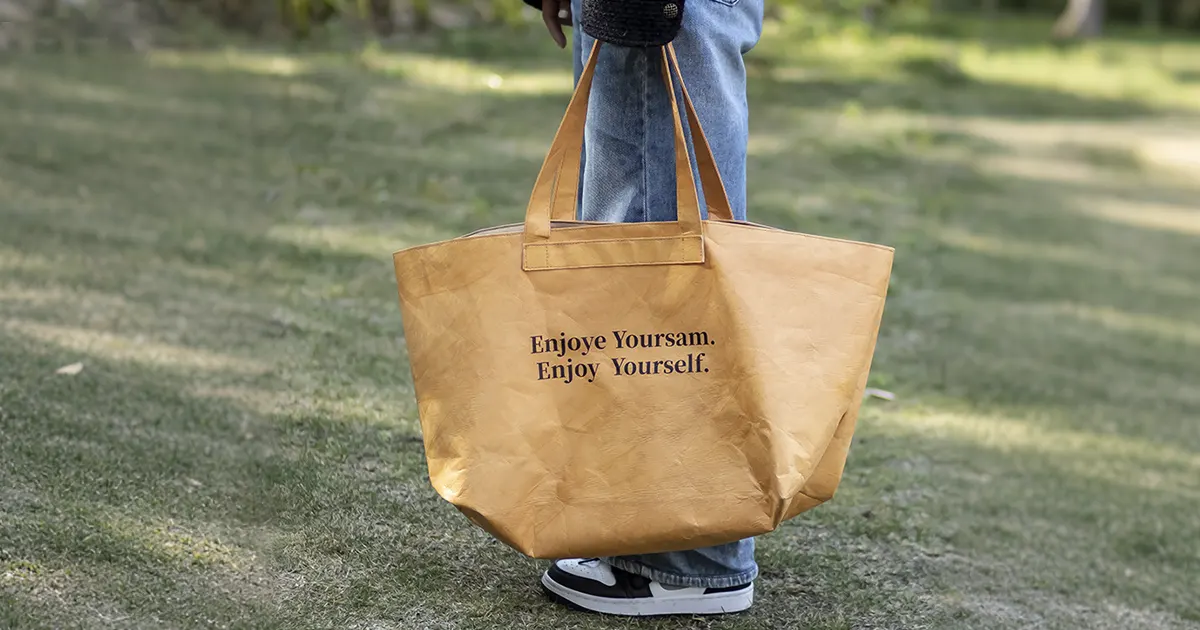

Screen printing is one of the most popular ways to decorate bags, t shirts, and other fabric products. It is bold, it is colorful, and it has been around for decades. But if you are planning to customize tote bags, hoodies, or uniforms, you probably want to know: how long does screen print last?

The short answer is that screen printing can last for years when it is done well and cared for properly. But the real answer depends on many factors: the ink quality, the type of fabric, the printing process, and even how you wash and store your printed items.
In this guide, we are going to break everything down step by step. We will explain how screen printing works, how long it usually lasts, what makes it fade or crack, and how you can extend its life. We will also compare screen printing with other popular printing methods like digital printing, sublimation, and heat transfer so you know exactly what to expect.
What Is Screen Printing?
Screen printing is a technique where ink is pressed through a mesh screen onto fabric. Each color in the design requires a separate screen, which is why screen prints look bold and solid. Unlike some printing methods that sit lightly on the surface, screen printing layers a thick coat of ink that bonds strongly with the fabric.
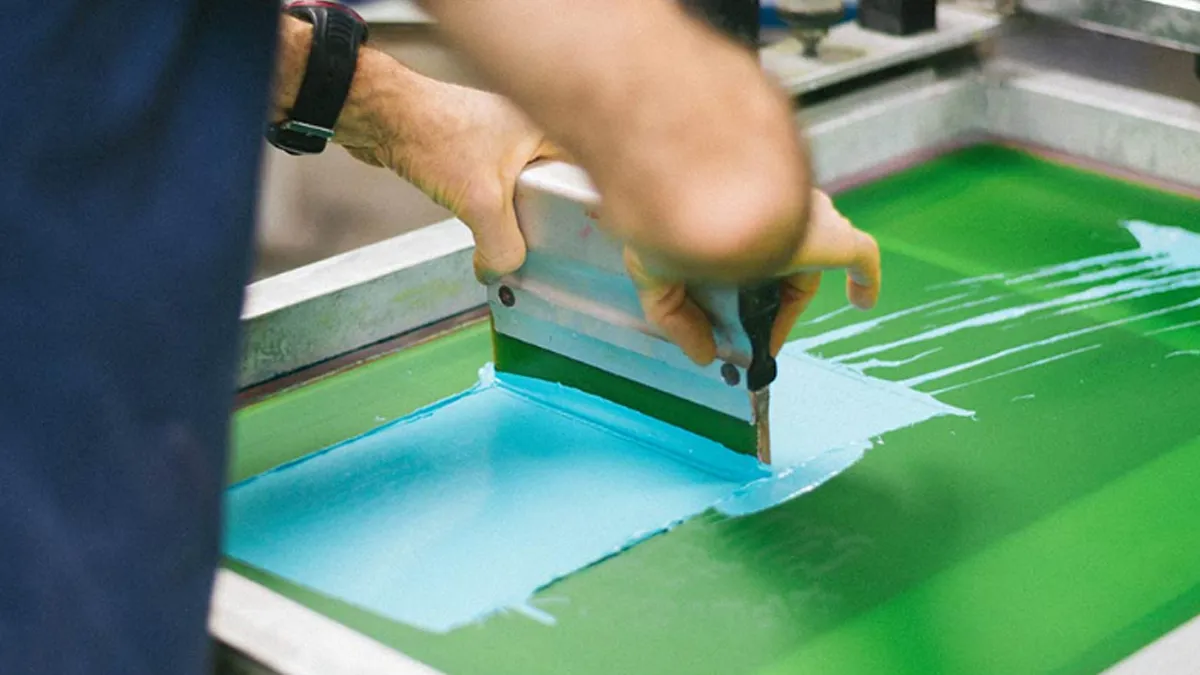
This is one reason screen prints are known for durability. Whether it is a cotton tote bag, a polyester sports shirt, or a canvas backpack, screen printing can create designs that look sharp and last through heavy use.
Average Lifespan of Screen Print
So, how long does screen print last on average? If done correctly, screen printing can handle 40 to 50 washes or more before you start seeing noticeable fading. With premium inks and proper curing, screen prints can last for years, sometimes even outliving the bag or shirt itself.
The type of fabric also matters. A print on sturdy canvas will usually last longer than a print on thin polyester, simply because the base fabric is stronger. Likewise, a tote bag that you wash occasionally will preserve the design longer than a t shirt that you wash every week.
In simple terms, screen printing is one of the most durable decoration methods you can choose, especially for products that are meant to be reused many times.
Factors That Affect How Long Screen Print Lasts
The truth is, screen printing can last for years, but not every print is equal. A lot depends on how it was made and how you treat it afterward. Think of it like buying a car: a well-built car, driven carefully, lasts for decades. But a cheaply made car, driven hard, might break down sooner. The same logic applies to screen prints. Let’s break down the main factors.
Quality of Ink
Not all inks are created the same. Plastisol ink is the most common in screen printing because it is thick, durable, and flexible. It sits on top of the fabric and bonds strongly when cured properly. Water-based ink, on the other hand, soaks into the fibers, giving a softer, more natural feel. While water-based inks look great, they sometimes fade faster unless the curing is perfect. Specialty inks, like metallic or glow-in-the-dark, can look amazing but may not last as long as standard plastisol.
Fabric Type
The type of fabric you print on matters more than most people realize. Cotton and canvas are ideal because they grab onto ink well and hold it in place. That is why screen printing on tote bags and hoodies often lasts so long. Polyester and nylon require special treatment before printing, otherwise the ink can peel off more easily. Blended fabrics, like cotton-poly mixes, usually land somewhere in the middle.
Printing Process
Screen printing is part science, part art. The skill of the printer makes a huge difference. If the ink is not applied in the right thickness or if the curing temperature is off, the print can start peeling or cracking much sooner. A properly cured print feels flexible but solid, not sticky or brittle. Experienced printers also choose the right mesh count for the design—fine detail requires a different screen than a bold logo.
Usage Frequency
How often you use the item plays a big role in lifespan. A cotton tote bag you use once a week will keep its print looking fresh for years. But a t shirt you wear, sweat in, and wash three times a week will naturally see the print fade faster. Screen prints are tough, but they are not indestructible, especially with heavy use.
Washing and Care
This is the big one. Washing and drying can either preserve or destroy your print. Hot water, strong detergents, and high heat in dryers weaken the bond between ink and fabric. Over time, that leads to cracking or peeling. On the flip side, if you wash in cold water, turn the item inside out, and air dry, your print can look almost new for years. It is not just about how it was made—it is about how you care for it afterward.
How to Make Screen Print Last Longer?
The good news is you can control some of these factors. By caring for your screen printed items the right way, you can enjoy them for years.
- Wash in cold water, not hot.
Hot water speeds up fading and can loosen the ink. Cold water is much gentler and helps your print stay sharp for longer. Think of it as giving your bag or shirt a softer bath instead of blasting it. - Turn it inside out before washing.
This small step makes a big difference. When the printed side is tucked inside, it rubs less against other clothes, which means fewer chances of cracking or peeling. - Use mild detergent.
Harsh chemicals may clean aggressively, but they also wear down the fabric and ink. A gentle detergent does the job without stripping the life out of your print. - Avoid the dryer—air dry instead.
High heat is the quickest way to damage a screen print. Air drying might take a bit more patience, but it keeps your design looking new far longer. - Store in a cool, dry spot.
Leaving your bag in a damp corner or a hot car can weaken both the fabric and the print. Keeping it somewhere dry and breathable helps prevent mold and cracking.
Table 1: Screen Print Care Tips
| Care Step | Why It Matters |
|---|---|
| Wash in cold water | Prevents ink from softening or fading too quickly |
| Turn inside out | Reduces rubbing against other fabrics in the wash |
| Avoid dryers | High heat can cause the print to crack or peel |
| Use gentle detergent | Strong chemicals can damage both fabric and ink |
| Air dry flat | Keeps the fabric shape and protects the printed design |
Screen Printing vs Other Printing Methods
If you are choosing a printing method for your bags or apparel, it helps to compare durability across the board. Screen printing is known for long lasting results, but how does it stack up?
Screen Print vs Digital Printing
Digital printing (DTG) allows for highly detailed images, even photos. But the prints are thinner and may fade after 20 to 30 washes. Screen printing, with its thicker ink layer, usually lasts longer.
Screen Print vs Heat Transfer
Heat transfer is fast and flexible, great for small runs or one off designs. However, the prints often crack or peel sooner, especially after repeated washes. Screen printing holds up better in bulk and for bold designs.
Screen Print vs Sublimation
Sublimation bonds directly with polyester fibers, making it extremely durable—but it only works on polyester or specially coated items. Screen printing, by contrast, works on a wider range of fabrics.
Table 2: Printing Methods Lifespan Comparison
| Printing Method | Average Lifespan | Best For |
|---|---|---|
| Screen Printing | 40–50 washes or years | Bulk orders, bold logos |
| Digital Printing | 20–30 washes, less durable | Small runs, photo designs |
| Heat Transfer | 20–40 washes, cracks sooner | Quick customization |
| Sublimation | As long as fabric lasts | Polyester, sportswear |
Common Problems with Screen Prints
Even though screen prints are durable, you may still run into issues if the process or care is not right.
- Cracking
Cracking happens when the ink layer gets stiff and starts breaking apart. This usually comes from heat damage, like using a hot dryer or ironing directly over the print. It can also be caused by improper curing during the printing process, where the ink was not set at the right temperature. Once cracks start, they tend to spread, so prevention is key. Washing in cold water and skipping the dryer can go a long way in keeping your print smooth and flexible. - Peeling
Peeling is when the print starts lifting off the fabric in pieces. It often shows up as small corners curling or entire sections flaking away. The main reason is poor ink adhesion—either the wrong type of ink was used for the fabric, or the curing was incomplete. Sometimes, low quality prints peel within a few washes. To avoid this, always choose well made screen printed items and handle them gently when washing. Turning your bag or shirt inside out helps reduce the stress on the print and lowers the risk of peeling. - Fading
Fading is the most natural issue. Over time, even the best screen prints will lose a little brightness, especially if they are washed often. But the speed of fading depends on how you treat them. Harsh washing with strong detergents, soaking in hot water, or leaving items out in the sun too long will all make the colors fade faster. Gentle care—cold water, mild detergent, and air drying—can slow down fading and keep your print vibrant for years.
Most of these problems can be prevented with good printing practices and proper care.
Conclusion
So, how long does screen print last? The answer is simple: a long time if you take care of it. On average, you can expect 40 to 50 washes or about 5 to 8 years of use from a well made screen print. Compared to other printing methods, screen printing really stands out for its durability and bold, lasting look.
As a bag manufacturer, we make custom screen printed bags that are built to last. From cotton totes to non woven shoppers and sturdy canvas backpacks, we offer OEM, ODM, and wholesale options. Reach out for samples or a quick quote—we are here to help your brand stand out.
FAQs
How many washes does screen print last?
Screen printing usually lasts for 40 to 50 washes or more. With proper care—washing in cold water, avoiding the dryer, and using gentle detergent—it can last for years. The type of fabric also makes a difference. Prints on canvas or cotton often outlast those on thinner polyester.
Does screen printing fade over time?
Yes, like all prints, screen printing will eventually fade. But compared to digital or heat transfer printing, it takes much longer. Fading is gradual and often only noticeable after dozens of washes. Good quality inks and proper curing help slow down fading.
Can you iron over screen print?
It is not a good idea to iron directly on a screen print. The heat can damage the ink. If you need to iron the fabric, turn it inside out or place a cloth over the print to protect it.
Is screen printing better than heat transfer?
For durability, yes. Screen printing generally lasts longer and looks bolder. Heat transfer is useful for quick customization and small batches but tends to crack sooner.
How do you know if a screen print is good quality?
A good quality screen print feels smooth, flexible, and not overly thick. The edges of the design are sharp, and the ink is evenly cured. If the print feels sticky, peels, or cracks after a few washes, it was likely not cured correctly.