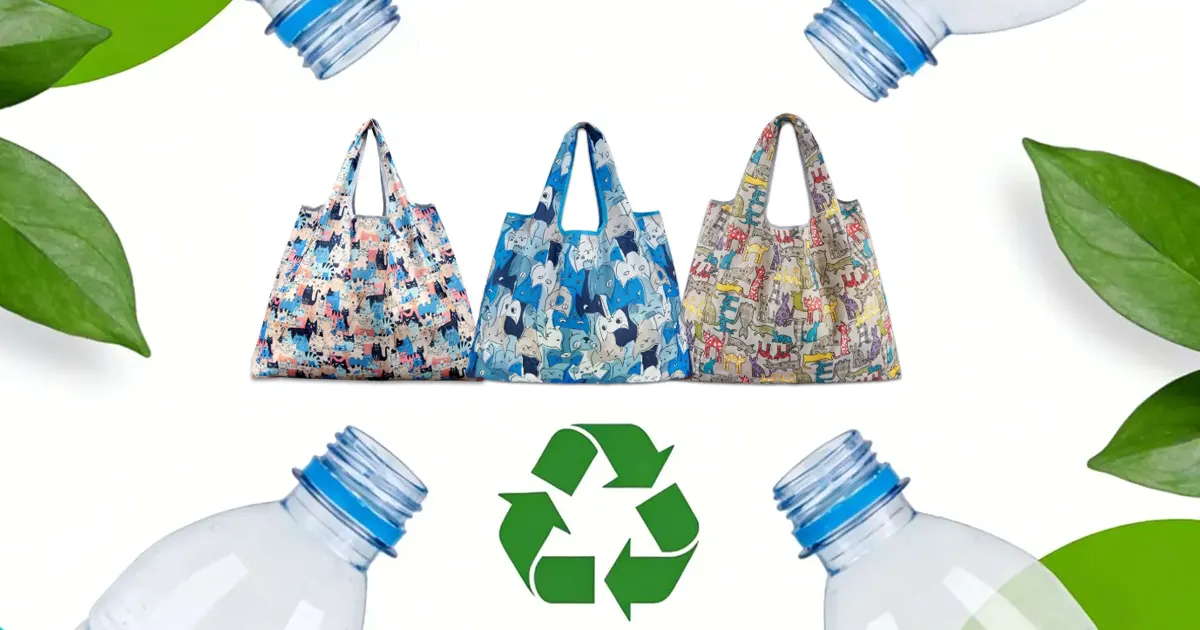
Ever wondered how are rPET bags made? You start with used plastic bottles. People collect, clean, and shred these bottles. Next, machines melt the pieces and spin them into fibers. Workers weave these fibers into fabric for new, eco-friendly bags. This process supports sustainability and keeps plastic out of landfills. rPET comes from recycled bottles, making it perfect for sustainable fashion.
Key Takeaways
- rPET bags come from recycled plastic bottles.
- This helps cut down on waste and supports the planet.
- The process begins when people collect, clean, and shred old bottles. These bottles turn into high-quality flakes.
- rPET uses 59% less energy than virgin polyester.
- It also lowers carbon emissions by up to 79%.
- Picking rPET bags keeps plastic out of landfills and oceans. This helps the environment in a good way.
- rPET bags are strong and last 3 to 5 years. They are a smart pick for daily use.
- Brands can make special rPET bags that show their style and values. Quality checks make sure rPET bags are strong and look good before people buy them. Using rPET bags is good for the Earth. It also helps brands look better to people who care about the planet.
What Is rPET?
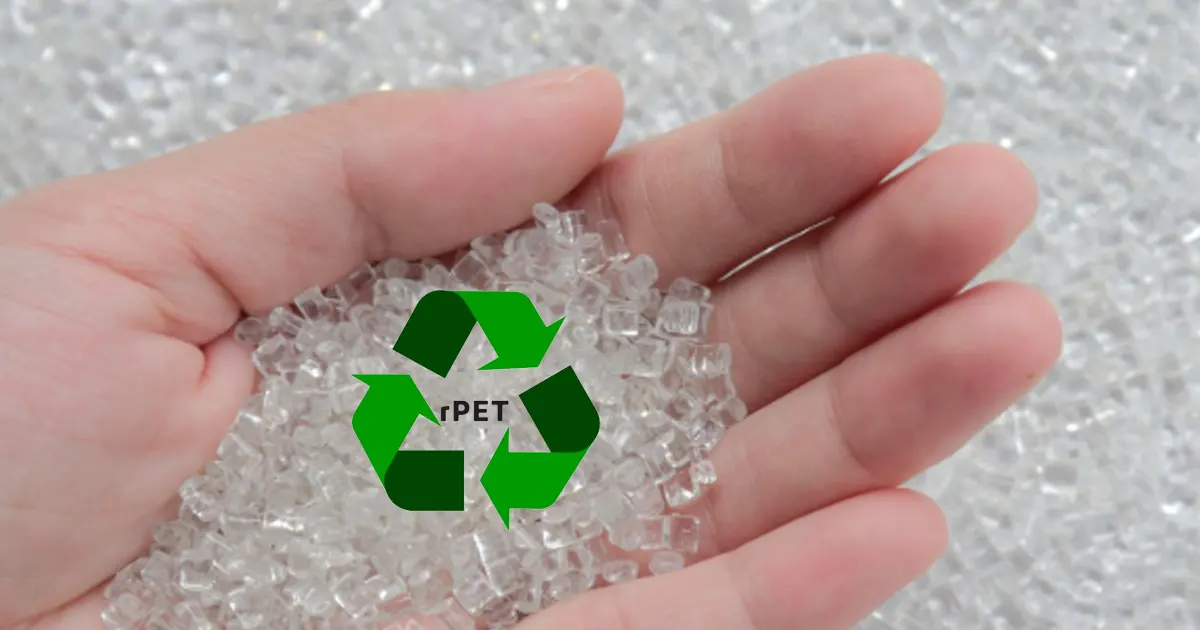
You might see rPET and not know what it means. rPET stands for recycled polyethylene terephthalate. This material comes from old plastic bottles and food packaging. People collect, sort, and turn these items into new things. rPET is strong and flexible. It works well for making bags and textiles. Using rPET helps the planet because it gives used plastic a new purpose.
Did you know? Most rPET comes from PET bottles and food packaging. Deposit return programs and better collection systems help make the recycled material cleaner.
| Region | Collection Rate (%) | Notes |
|---|---|---|
| Germany | >98% | Germany collects almost all bottles with a deposit return program. |
| UK | 43% to >85% | The UK will collect more bottles with a new deposit return program. |
| Australia | 70-80% | All states in Australia use container deposit programs to collect more bottles. |
| United States | N/A | More states in the US are starting deposit return programs. |
rPET vs. Virgin Polyester
You might wonder how rPET is different from virgin polyester. Virgin polyester uses new materials made from oil. rPET uses recycled bottles and packaging. This difference is important for the environment. Choosing rPET helps lower carbon emissions and saves energy.
| Material Type | Carbon Emissions Reduction |
|---|---|
| Virgin Polyester | Makes more greenhouse gases (CO2) |
| Recycled PET (rPET) | Makes up to 79% less CO2 |
rPET can lower greenhouse gas emissions by up to 79%. Studies show rPET cuts CO2 by 60-80%. It also uses less energy because recycling needs fewer steps.
Tip: Want to help the planet? Pick rPET. You can cut CO2 by 1.5-2.5 kg for every kilogram of rPET you use instead of virgin polyester.
Why Choose Recycled PET?
You might ask why brands and buyers pick recycled PET for bags. Here are some reasons:
- You help cut down on plastic waste. rPET keeps bottles out of landfills and oceans.
- You save energy. Making rPET uses 59% less energy than virgin polyester.
- You make your brand and products more sustainable.
- You can trust rPET because it often has certifications like GRS, OEKO-TEX, REACH, and ISO 14001. These show the material is recycled, safe, and made responsibly.
| Certification | What It Verifies | Benefits to Buyers |
|---|---|---|
| GRS | Checks recycled content and supply chain | Makes sure sustainability claims are true |
| OEKO-TEX | Checks for chemical safety and health | Shows the product is safe to use |
| REACH Compliance | Checks for chemical rules | Meets European safety standards |
| ISO 14001 | Checks environmental management | Shows the maker cares for the environment |
If you want bags that look good and help the earth, rPET is a great choice. You support the planet and show your customers you care about the environment.
How Are rPET Bags Made?
Collecting and Sorting Bottles
You start the process by gathering used PET bottles. These bottles come from homes, businesses, and recycling centers. People drop them off at collection points. You might see bins at supermarkets or schools. Once collected, workers sort the bottles to make sure only PET goes into the next step. Sorting matters because other plastics can ruin the process.
You find several sorting technologies in recycling facilities:
- Ballistic sorting separates bottles based on how fast they fall.
- Spectral sorting uses sensors to check the type and color of plastic.
- Manual sorting lets workers pick out the right bottles on a conveyor belt.
- Air classifiers blow away lighter materials like paper or film.
- Eddy current and magnetic separators remove metals.
- Optical sorters use cameras or lasers to spot bottles by color and shape.
Sorting helps you get clean PET bottles for transforming plastic bottles into rPET. Only about 15% of collected bottles become new products like bags. The rest go to other uses or get discarded.
Tip: Sorting is the first step in how are rPET bags made. If you sort bottles well, you get better recycled PET for bag production.
Cleaning and Shredding
After sorting, you move to cleaning and shredding. This step is key in the process. You want to remove dirt, labels, and anything that could harm the recycled PET. The cleaning process uses several stages:
- Open bales and separate bottles.
- Sort bottles by color and remove foreign materials like PVC, glass, sand, and metals.
- Pre-wash bottles before cutting.
- Cut bottles into smaller pieces.
- Remove stones, glass, and metal.
- Air sift to get rid of film, paper, and labels.
- Grind bottles into flakes, using dry or wet methods.
- Remove low-density polymers, like bottle caps, by density.
- Hot-wash flakes to clean them deeply.
- Caustic wash and surface etching to keep viscosity and remove contaminants.
- Rinse flakes with clean water.
- Dry flakes.
- Air-sift again to ensure purity.
- Sort flakes automatically.
- Treat water used in cleaning.
- Check flake quality.
You need high-quality flakes for strong rPET fibers. If flakes have dirt or other plastics, the bags might tear or stretch too much. Clean flakes help you make durable bags.
Note: Cleaning and shredding are vital in how are rPET bags made. You get pure recycled PET that works well for bag production.
Melting and Extruding Fibers
Now you reach the melting and extruding stage. You take the clean PET flakes and dry them in a vacuum at 120°C. This step removes moisture. Next, you melt the flakes at about 285°C. The process uses machines called extruders. These machines push the melted PET through tiny holes to form fibers.
| Process Stage | Temperature (°C) |
|---|---|
| Vacuum Drying | 120 |
| Melt Spinning | 285 |
You might use a twin-screw extruder for production. This machine mixes dried PET pellets with additives. It controls temperature zones and die temperatures to make sure the fibers come out strong and smooth. The extrusion process grinds and washes the flakes, melts them, and purifies them. You get high-quality yarn for weaving into bags.
The quality of the shredded PET flakes affects the final rPET fiber properties. If you keep the flakes clean and pure, your bags will have good strength and flexibility. Contaminants can weaken the fibers, so you must pay attention during cleaning and sorting.
Callout: Melting and extruding fibers is a turning point in how are rPET bags made. You transform used PET bottles into new fibers for bag production.
You see how the process takes bottles from collection to fiber production. Each step matters. If you follow the process carefully, you get strong, eco-friendly bags made from recycled PET.
Spinning Yarn and Weaving Fabric
Now that you have strong rPET fibers, it’s time to turn them into yarn and fabric. This step is where the magic really happens. You take those fibers and spin them into threads, just like spinning cotton or wool. The process uses machines that twist and pull the fibers, making them long and strong. Here’s how it works:
- First, you tear the filaments into shorter pieces to create polyester threads.
- Next, you crimp and align the staple fibers so they all point in the same direction.
- Then, you spin these aligned fibers into thread or yarn.
Once you have the yarn, you can start weaving or knitting it into fabric. Most rPET bags use woven fabric because it’s tough and holds its shape well. The weaving machines cross the yarns over and under each other, creating a tight, durable material. Sometimes, the fabric goes through extra steps like dyeing to add color or special finishes to make it water-resistant.
Tip: Woven rPET fabric is a top choice for reusable bags because it stands up to daily use and keeps its shape, even when you fill your bag with groceries or books.
You might wonder if rPET fabric is as strong as regular polyester. The answer is yes! rPET fabric matches the strength of virgin polyester, even though it comes from recycled bottles. It’s perfect for bags that need to resist wear and tear. In fact, rPET fabric made with short fibers has a strength range of 2.6 to 5.7 cN/dtex, while high-strength fibers can reach 8.0 cN/dtex. That means your bag can handle heavy loads and last a long time.
Here’s what makes rPET fabric stand out:
- It matches or even beats the strength of regular polyester.
- It has an impact strength four times higher than nylon and twenty times higher than viscose fibers.
- It’s weather-resistant, so your bag can handle rain or sun.
- It’s ideal for reusable shopping bags, backpacks, and even clothing.
Choosing rPET fabric also helps the planet. You use fewer new materials, which means less waste in landfills and lower greenhouse gas emissions. Making rPET fabric uses about 50% less energy and creates 70% fewer greenhouse gases than making traditional polyester. So, every time you pick up an rPET bag, you’re making a smart choice for both durability and the environment.
Making Recycled PET Bags
Cutting and Shaping Fabric
You have your rPET fabric ready after the spinning and weaving process. Now, you move to cutting and shaping. This step is where you decide the size and shape of your recycled pet bags. Machines or skilled workers lay out the fabric and use sharp tools to cut it into panels. You might see templates or patterns that help guide the cuts. These templates make sure every bag looks the same and fits together perfectly.
You can choose different shapes for your bags. Some bags are square, others are rectangular, and some have unique designs. Cutting the fabric with precision helps you avoid waste and keeps the production efficient. If you want a custom size or special features, you can adjust the templates before cutting.
Printing and Branding
Printing and branding come next in the production of recycled pet bags. You want your bags to stand out, so you add logos, artwork, or messages. Printing happens before the fabric pieces are sewn together. This way, you get clear and vibrant designs.
You can pick from several printing methods. Screen printing works well for bold colors and simple designs. Digital printing lets you use detailed images and gradients. Heat transfer printing is great for adding logos or photos. You can also use eco-friendly inks to keep your bags sustainable.
Branding helps your recycled pet bags tell a story. You can add your company name, slogan, or even QR codes. This step makes your bags unique and helps customers remember your brand. If you want to create a strong impression, you can use special finishes like metallic prints or water-resistant coatings.
Sewing and Assembly
Now, you reach the sewing and assembly stage. This is where your recycled pet bags come to life. You take the cut and printed fabric panels and stitch them together. Skilled workers or automated machines sew the seams, attach handles, and add zippers or pockets if needed.
Here’s how the production process usually goes:
- Weaving or non-woven production creates the rPET fabric.
- Printing and cutting shape the fabric and add designs.
- Assembly joins the pieces, adds features, and completes the bags.
You can add extra features like reinforced handles, inner linings, or adjustable straps. These details make your bags more useful and durable. If you want to offer different styles, you can change the assembly steps to fit tote bags, cooler bags, or drawstring bags.
Tip: Sewing and assembly are key steps in making recycled pet bags. You get strong, stylish bags that last for years and help reduce plastic waste.
You see how each step in production transforms recycled pet into practical, attractive bags. You can customize the process to match your needs and create bags that stand out in the market.
Quality Inspection
You want your recycled PET bags to look great and last a long time. Quality inspection helps you make sure every bag meets high standards before it reaches your customers. This step checks for defects, tests strength, and confirms that the bags match your design and branding.
You start by looking at the fabric. Inspectors check for holes, stains, or uneven color. They feel the material to make sure it’s smooth and strong. If you see loose threads or weak spots, you fix them right away.
Next, you check the printing and branding. You want your logo to stand out and your colors to pop. Inspectors compare the printed design to your original artwork. If the colors look faded or the logo is blurry, you redo the printing. You also check for smudges or misaligned graphics.
You move on to the sewing and assembly. Inspectors pull on the handles and seams to test their strength. If a handle comes loose or a seam splits, you repair it. You check the stitching for neatness and make sure there are no skipped stitches. You also look at zippers, pockets, and other features to confirm they work smoothly.
Here’s a simple checklist you can use during quality inspection:
- Check fabric for holes, stains, or weak spots
- Inspect printing for clarity and color accuracy
- Test handles and seams for strength
- Examine stitching for neatness and consistency
- Verify zippers, pockets, and extra features work properly
- Confirm bag size and shape match your specifications
Tip: You can use random sampling to inspect a batch of bags. Pick a few bags from each batch and check them carefully. If you find problems, you inspect more bags or fix the issue before shipping.
You might use special machines to test bag strength. For example, a tensile tester pulls on the handles to see how much weight they can hold. You can also use water spray tests to check if the fabric repels moisture. Some brands ask for certifications like ISO 9001 to show their bags meet strict quality standards.
Here’s a quick table showing common quality tests:
| Test Type | What It Checks | Why It Matters |
|---|---|---|
| Tensile Strength | Handle and seam strength | Prevents breakage |
| Color Fastness | Printing durability | Keeps branding sharp |
| Water Resistance | Fabric performance | Protects bag contents |
| Dimensional Check | Size and shape accuracy | Ensures consistency |
Quality inspection helps you deliver bags that look good, feel strong, and last longer. You build trust with your customers and protect your brand reputation. If you pay attention to quality, you stand out in the market and keep buyers coming back.
Customization and OEM/ODM Options
When you want your bags to stand out, customization is the way to go. Many brands choose OEM (Original Equipment Manufacturer) or ODM (Original Design Manufacturer) services to create unique products. These services let you design bags that match your brand’s style, size, and function. You can pick the features that matter most to your customers.
Custom Sizes and Structures
You do not have to settle for standard sizes. You can choose the exact size and shape you want for your bags. Maybe you need a small pouch for cosmetics or a large tote for groceries. Factories use templates to cut fabric, so you get the right fit every time. Some bags even come with special structures, like extra pockets or reinforced bottoms, to make them more useful.
Here’s a quick look at what you can customize:
| Feature | Details |
|---|---|
| Size | Pick from small, medium, or large |
| Structure | Add pockets, zippers, or reinforced handles |
| Function | Choose features for shopping, travel, or storage |
You can also request bags with rpet linings for extra durability and a premium feel.
Printing and Packaging Choices
You want your bags to show off your brand. Printing options let you add your logo, artwork, or even a catchy slogan. You can pick from screen printing, digital printing, or heat transfer. Each method gives a different look and feel. Some brands use eco-friendly inks to keep their bags sustainable.
Packaging matters too. You can choose simple packaging or go for something special, like custom boxes or reusable pouches. This makes your product look more professional and helps it stand out on store shelves.
| Feature | Details |
|---|---|
| Colors | Choose your favorite colors |
| Logo Printing | Add your logo or message |
| Packaging | Select from basic or custom packaging |
Tip: A well-designed bag with eye-catching printing can help your brand get noticed and remembered.
Private Label and Branding
Private label options let you put your brand front and center. You can tailor the design, color, and even the outer appearance to match your image. Some brands choose a clear, glass-like look for a modern touch. Others go for bold colors or unique patterns.
OEM and ODM services give you flexibility. You can create bags that fit your market, whether you want drawstring bags, tote shopping bags, or backpacks. These services also help you manage costs and scale production, so you can order just a few bags or thousands at a time.
Here’s how OEM/ODM services help your brand:
- You get products that match your vision.
- You can offer a variety of bag styles.
- You save money by working with experienced suppliers.
- You support sustainability by choosing rPET materials.
If you want to build your brand and help the planet, customized rPET bags are a smart choice. You get strong, stylish products that your customers will love.
Types of Recycled PET Bags
Tote Bags
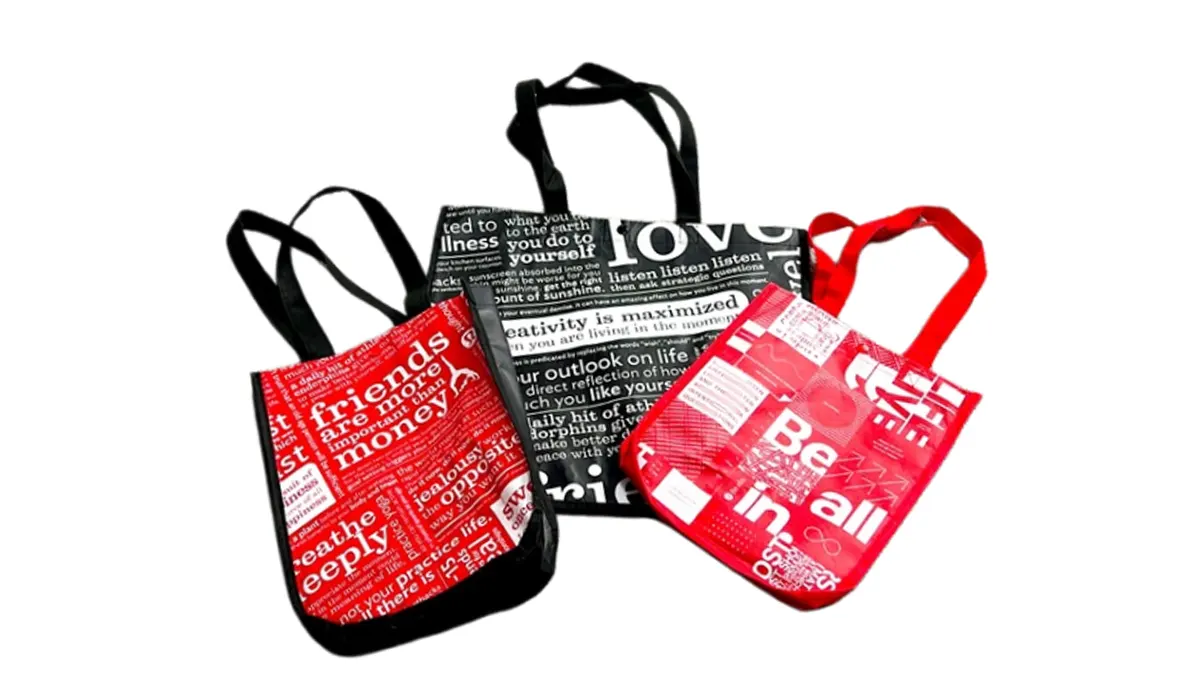
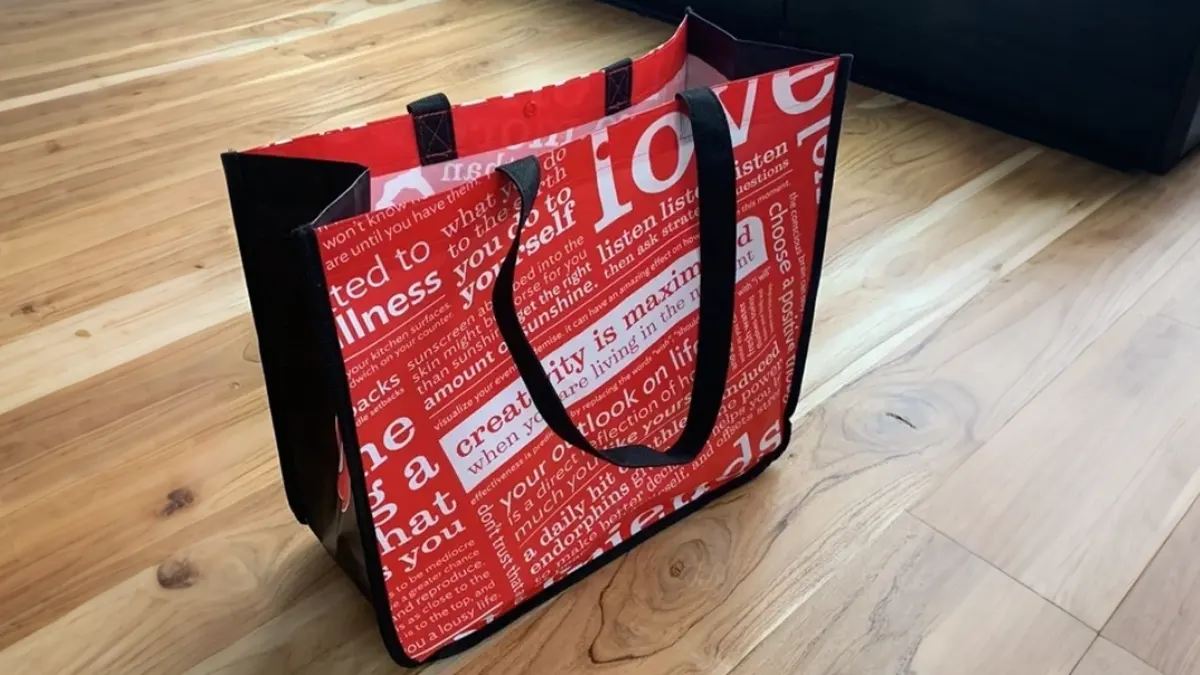
You probably see tote bags everywhere. These bags have a simple shape and two handles. You can use them for shopping, carrying books, or even as a gym bag. Tote bags made from recycled PET feel strong and last a long time. They hold heavy items without tearing. You can fold them up and keep them in your car or backpack. That way, you always have a bag ready when you need it.
Many stores and brands offer tote bags as part of their reusable eco-friendly bags collection. You can find them in many colors and sizes. Some have extra pockets for your phone or keys. Others come with zippers to keep your things safe. Tote bags are easy to clean. You just toss them in the wash and use them again.
Tip: If you want a bag that works for school, shopping, or travel, pick a recycled PET tote bag. It’s a smart choice for you and the planet.
Drawstring Bags
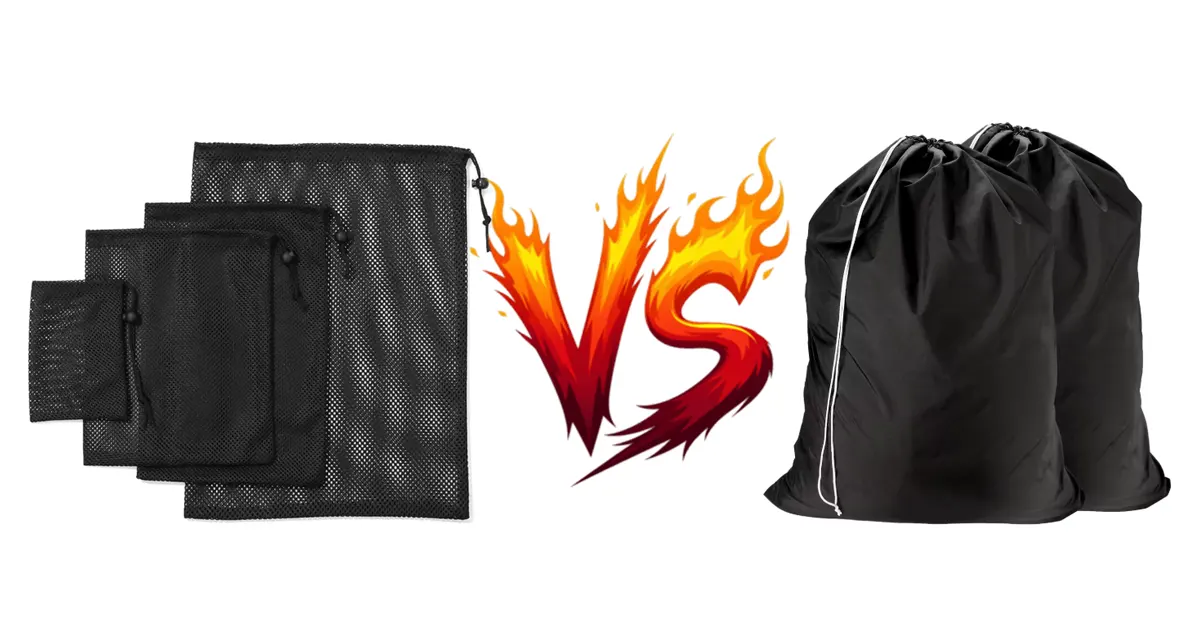
Drawstring bags are light and easy to carry. You pull the strings to close the top. You can wear them like a backpack or hold them by the strings. These bags work well for sports, gym class, or day trips. Kids and adults both like them because they are simple and quick to use.
You can fit shoes, snacks, or a water bottle inside. Some drawstring bags have mesh panels for airflow. Others have a small pocket for coins or cards. You can choose bright colors or add your own logo. Many schools and teams use drawstring bags as part of their reusable eco-friendly bags for events or giveaways.
Here’s a quick table to compare tote and drawstring bags:
| Feature | Tote Bags | Drawstring Bags |
|---|---|---|
| Carry Style | By handles | By strings/backpack |
| Best For | Shopping, books | Gym, sports, trips |
| Closure | Open/zipper | Drawstring |
Cooler and Garment Bags
Cooler bags help you keep food and drinks cold. You can use them for picnics, lunch at work, or grocery shopping. These bags have a special lining that keeps things cool for hours. Some cooler bags have extra pockets for napkins or utensils. You can carry them by hand or use a shoulder strap.
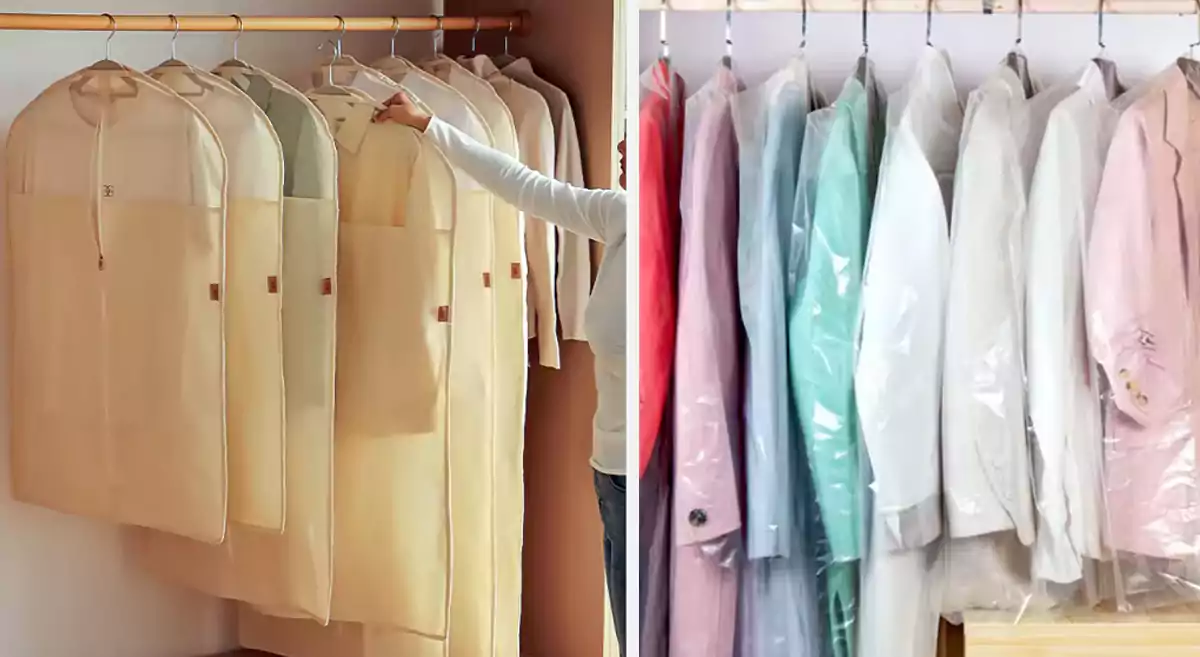
Garment bags protect your clothes when you travel. You hang your shirts or dresses inside. The bag keeps them clean and wrinkle-free. Many people use garment bags for business trips or special events. Recycled PET makes these bags strong and water-resistant. You can trust them to keep your clothes safe.
Note: Cooler and garment bags made from recycled PET are great for travel and daily life. They help you cut down on single-use plastic and keep your things organized.
You have many choices when it comes to recycled PET bags. Each style fits a different need. You can pick the one that works best for you and enjoy the benefits of strong, reusable bags.
Other Reusable Styles
You might think tote and drawstring bags cover all your needs, but rPET offers even more reusable styles. You can find a bag for almost any purpose. Let’s check out some popular options you might see in stores or online.
- Backpacks
You can grab an rPET backpack for school, travel, or hiking. These bags have padded straps and roomy compartments. You can fit books, snacks, and even a laptop. Some backpacks have mesh pockets for water bottles. You get durability and comfort in one package. - Shopping Bags
You can use rPET shopping bags for groceries or errands. These bags often fold up small, so you can keep one in your car or purse. You can carry heavy items without worrying about tears. Some shopping bags have reinforced bottoms for extra strength. - Cosmetic Pouches
You might need a pouch for makeup, toiletries, or small items. rPET cosmetic bags come in many shapes and colors. You can zip them closed to keep your things safe. These pouches fit easily in your backpack or suitcase. - Lunch Bags
You can pack your lunch in an rPET lunch bag. These bags keep your food fresh and cool. Some lunch bags have insulation and easy-to-clean linings. You can use them for school, work, or picnics. - Messenger Bags
You can carry documents, tablets, or books in an rPET messenger bag. These bags have a shoulder strap and flap closure. You get a stylish look and practical design. - Wine Carriers
You can bring wine or drinks to a party in an rPET wine carrier. These bags have dividers and handles. You keep bottles safe and avoid spills.
Tip: You can choose rPET bags for almost any activity. You help the planet and get a bag that fits your lifestyle.
Here’s a quick table to show how different rPET bag styles match your needs:
| Bag Style | Best Use | Key Features |
|---|---|---|
| Backpack | School, travel | Padded straps, pockets |
| Shopping Bag | Groceries, errands | Foldable, strong bottom |
| Cosmetic Pouch | Makeup, toiletries | Zipper, compact |
| Lunch Bag | Meals, picnics | Insulated, easy-clean |
| Messenger Bag | Work, school | Shoulder strap, flap |
| Wine Carrier | Parties, gifts | Dividers, sturdy handle |
You can also find rPET bags for shoes, laundry, or even pet supplies. Some brands offer special designs with extra pockets or waterproof linings. You can pick bright colors, fun patterns, or simple styles.
If you want to stand out, you can customize your rPET bag. You can add your name, logo, or favorite artwork. You get a bag that shows your personality and supports sustainability.
Note: Every time you use a reusable rPET bag, you keep plastic bottles out of landfills. You make a smart choice for yourself and the environment.
Reducing Plastic Waste with rPET
Environmental Impact
You want to help the planet in a real way. Picking rPET bags is a smart choice. These bags are made from recycled PET bottles. When you use them, you help keep plastic out of landfills and oceans. Each time you grab an rPET bag, you help cut down on plastic waste. You also support recycling and sustainability. Old plastic gets a new use instead of polluting nature.
But even eco-friendly bags can have some problems. When you wash or use rPET bags, tiny fibers can break off. These small pieces can end up in water or soil. Scientists are still learning about what these microplastics do over time. Here’s what they know right now:
When you wash rPET bags, tiny plastic fibers can go into water. These small pieces can harm fish and other animals. They might even get into the food we eat. Using rPET bags can also release microplastics into the air, soil, and water. These tiny plastics stay in the environment for a long time because they do not break down. Scientists do not know all the effects yet. But they think microplastics can hurt animals and plants. This could cause problems for the whole environment.
Even with these worries, rPET bags are still better than single-use plastic. You can help by using your bags for a long time. Try not to wash them too often. This helps you keep supporting the planet and cutting down on plastic waste.
Durability and Reusability
You want bags that last a long time. rPET bags are strong and tough. You can use them every day for many years. They last longer than many other recycled bags. Look at this table to see the difference:
| Attribute | rPET Bags | Organic Cotton Bags |
|---|---|---|
| Durability | Lasts 3-5 years with daily use | 1-3 years depending on quality |
You save money because you do not need to buy new bags often. rPET bags can carry heavy things like groceries or books. When you reuse your bag, you help stop plastic waste. Every time you use a reusable bag, you keep more plastic out of the trash. This helps the earth and supports a circular economy.
Brand Value and Marketing
You care about the earth, and your customers do too. When you use rPET bags, you show you care about the planet. People notice brands that help with recycling and cutting plastic waste. You can put your logo or message on your bags. This turns your bags into ads for your eco-friendly values.
Many people want to buy from brands that help the environment. By picking rPET, you get more customers who want to make good choices. You also teach others about recycling and using recycled things. Your brand becomes a leader in helping the planet and supporting a circular economy.
Tip: Tell your story! Let your customers know how your bags help the earth and cut plastic waste. People like to support brands that care about the planet.
When you pick rPET bags, you make a big difference. You help the earth, support recycling, and show everyone that green choices matter.
Conclusion
You have learned how old bottles become rPET bags that help the earth and make things easier for you. Here are some reasons to pick these bags:
- They help reduce trash and lower pollution.
- You get a tough bag that keeps water out for shopping or trips.
- Using rPET helps recycling and can encourage others to do the same.
| Feature | Why It Matters |
|---|---|
| Durability | Stays strong for years, holds heavy stuff |
| Customization | Matches your brand’s special look |
| Sustainability | Shows you care about the planet |
Choose skilled makers for good quality and special choices. Start using rPET bags to show you want a cleaner world.
FAQ
What does rPET mean?
rPET stands for recycled polyethylene terephthalate. You get this material from used plastic bottles. Factories turn these bottles into new products like bags, clothing, and packaging.
Are rPET bags safe for food?
You can use rPET bags for groceries. Manufacturers clean and process the material to meet safety standards. Always check for certifications like FDA or EU food-grade approval if you want to carry food.
How long do rPET bags last?
You can use rPET bags for years. Most bags last three to five years with daily use. The fabric stays strong and resists tearing, so you get reliable performance.
Can I wash my rPET bag?
Yes, you can wash your rPET bag. Use cold water and mild soap. Air dry the bag to keep it in good shape. Avoid hot water or harsh chemicals.
Is rPET better than cotton for bags?
You get more durability with rPET bags. They last longer and resist water. Cotton bags feel soft but may wear out faster. rPET bags also help reduce plastic waste.
Can I customize my rPET bag?
You can add your logo, artwork, or message. Choose colors, sizes, and extra features. Many brands offer printing and packaging options for custom orders.
Do rPET bags help the environment?
You help cut plastic waste when you use rPET bags. Each bag keeps bottles out of landfills and oceans. You support recycling and show you care about the planet.
What styles of rPET bags can I buy?
You can pick tote bags, drawstring bags, cooler bags, backpacks, and more. Each style fits a different need. Choose the one that works best for your lifestyle.