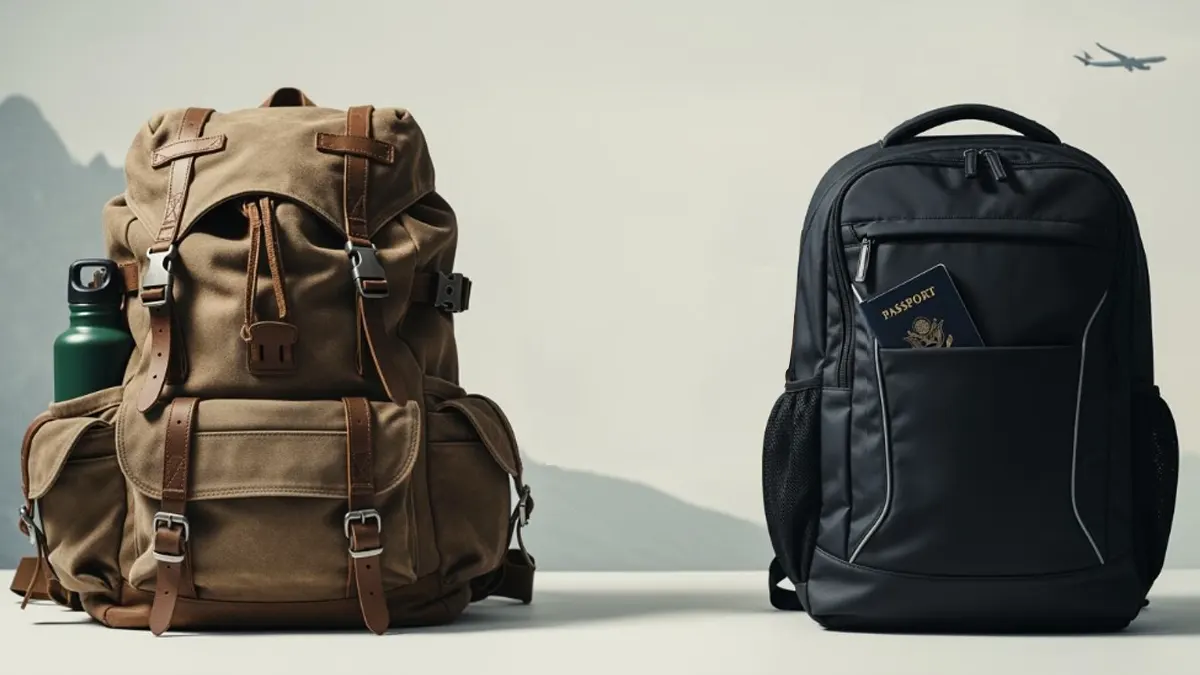
When deciding between a hiking backpack vs travel backpack, consider the nature of your trip. If you’re tackling challenging trails and need to stay cool, a hiking backpack is the way to go, as it helps you stay organized. On the other hand, if your journey involves navigating cities or airports, a travel backpack is more suitable, offering quick access to your belongings while keeping them tidy. Before making a choice, think about comfort, your destination, and the amount of gear you’ll carry. Most people evaluate these factors:
- Capacity for your essentials
- Organization with pockets and dividers
- Durability for tough conditions
- Weight and ventilation for comfort
- Quick access to your stuff
Reflect on what is most crucial for your trip. Do you require a robust bag for outdoor adventures, or do you prioritize easy access for travel days?
Key Takeaways
- Pick a hiking backpack if you want to go outdoors. It gives you support and comfort when you carry heavy gear. It helps you walk on rough ground.
- Choose a travel backpack if you are going to cities or airports. It lets you get your things quickly and keeps them neat.
- Think about how long your trip will be. A bag under 30 liters is good for day hikes. Bags that are 30-50 liters are better for weekend camping.
- Look for comfort features like padded straps and hip belts you can adjust. These help spread out the weight and make you less tired on long walks.
- Check how the backpack is organized. Travel backpacks have many pockets for easy access. Hiking backpacks are made to carry gear in a smart way.
- Make sure the backpack can handle water. Hiking backpacks usually protect your things from rain better. This keeps your gear dry if the weather changes.
- Try the backpack on before you buy it. A backpack that fits well will not hurt you. It also makes your trip better.
- Think about ways to change your backpack. Many brands let you pick features to match your style and needs. This helps you find the best backpack for your adventure.
Choosing Your Backpack
Assessing Needs
Trip Type
First, think about your trip plans. Are you going for a short hike, a weekend camping trip, or traveling to many countries? The kind of trip you take helps you pick the right backpack. For a short day trip, a bag under 30 liters is enough. If you want to camp for a weekend, choose a bag between 30 and 50 liters. For long trips or many days outdoors, you need a pack with 60 liters or more.
A travel backpack works well for city trips, business travel, or vacations with hotels and airports. You can reach your clothes, gadgets, and papers easily. If you want to hike, camp, or walk on rough trails, a hiking backpack gives you support and space for gear.
Activity Level
Think about how much you will move. Will you walk far, climb hills, or just visit museums? If you plan to move a lot or walk on rough ground, you need a backpack that feels good and stays in place. A hiking backpack is made for adventure and can hold heavy things. A travel backpack is better for light activities and city trips.
Comfort & Fit
Sizing
Getting the right size is important. Try on backpacks at the store or use size charts online with your torso and hip size. A good fit means you feel less tired and more comfortable. The backpack should fit close to your back and not move around.
Weight Distribution
A comfy backpack spreads weight on your hips and shoulders. Look for soft shoulder straps, back panels you can adjust, and a strong hipbelt. These parts help you carry heavy things without pain. Here’s a table showing how comfort features help:
| Feature | Impact on Comfort |
|---|---|
| Adjustability | Makes the backpack fit your body, feels better |
| Load-carrying capability | Helps carry heavy things, makes you less tired |
| Ventilation | Keeps your back cool and dry |
Materials like mesh and nylon let air move on your back. This helps sweat dry and keeps you cool in all weather.
Tip: A backpack that fits well makes your trip better. You won’t get sore spots or rubs, so you can have more fun.
Key Features
Accessibility
It is important to get to your things fast. A travel backpack has big openings, lots of pockets, and special spots for electronics. You can grab your passport or phone without searching through everything. A hiking backpack often opens at the top, has side pockets for water, and loops for trekking poles.
Versatility
Pick a backpack that fits your needs. Some travel backpacks can get bigger or smaller depending on what you pack. Others have hidden straps or foldable dividers to help you organize. Hiking backpacks often have hydration pockets, waterproof zippers, and strong materials for the outdoors.
- Size: Choose based on how long your trip is and what you do.
- Comfort: Find padding, straps you can adjust, and good airflow.
- Features: Look for pockets, hydration spots, waterproof zippers, and tech spaces.
- Material: Mesh and nylon help you stay cool, ripstop nylon is strong.
When you pick a backpack that fits your trip and comfort needs, your adventure will go smoothly.
Hiking Backpack Overview
What Is a Hiking Backpack
You might wonder what makes a hiking backpack different from the bag you use for school or travel. A hiking backpack is a purpose-built design made for outdoor adventures. You get a bag that can carry heavy loads, fit your body, and keep you comfortable over rough terrain. Take a look at this table to see how hiking backpacks stand out compared to regular backpacks:
| Feature | Hiking Backpack | Regular Backpack |
|---|---|---|
| Load Capacity | 20–80+ liters | 10–30 liters |
| Frame System | Internal/External Frames | None or Minimal |
| Weight Transfer | Hip + Shoulder Belts | Shoulder Straps Only |
| Torso Length Adjustment | Yes | No |
| Ventilation Panels | Yes | Rare |
You can see that hiking packs offer more support and comfort. They help you carry gear for long trips and keep your back cool.
Typical Uses
You use a hiking backpack when you plan to spend hours or days outdoors. If you want to hike, camp, or trek through forests and mountains, this is the bag for you. Hiking packs work well for:
- Day hikes with snacks, water, and a jacket
- Overnight camping trips with a tent and sleeping bag
- Multi-day treks where you need food, clothes, and gear
- Backpacking adventures in remote areas
You get the right size for your trip. Smaller packs fit short hikes. Bigger packs hold everything for long journeys.
Tip: Choose a hiking backpack if you need comfort over rough terrain and want to carry lots of gear without hurting your back.
Main Features
Frame & Support
A hiking backpack comes with a strong frame. You get either an internal or external frame that helps with load support. The frame spreads the weight across your hips and shoulders. Adjustable straps let you fit the pack to your body. You feel less tired, even when you walk for hours.
Hydration System
You stay hydrated with special pockets for water bladders. Many hiking packs have sleeves for hydration systems and holes for the drinking tube. You can sip water while you walk, so you don’t have to stop and dig for a bottle.
Weather Resistance
You don’t want your gear to get wet. Hiking backpacks use tough, water-resistant materials. Some packs come with rain covers or waterproof zippers. You keep your clothes and electronics dry, even when the weather changes fast.
- Designed for outdoor enthusiasts
- Available in sizes ranging from 30 to 70 liters or more
- Prioritize comfort, durability, and weight distribution for long journeys
You get a hiking backpack that matches your adventure. It keeps you organized, comfortable, and ready for anything.
Travel Backpack Overview
What Is a Travel Backpack
A travel backpack is your best friend when you want to move easily from one place to another. You get a bag that focuses on comfort, durability, and smart design. Most travel backpacks have padded straps that make carrying them feel lighter. You will notice strong materials like nylon or polyester that can handle busy airports and crowded buses. The size fits your travel needs, so you do not feel weighed down. You can use a travel backpack for short city breaks or long trips across countries.
Here are some things that define a travel backpack:
- Comfort and ergonomics for your back and shoulders
- Durable material that lasts through many trips
- Right size and capacity for your journey
- Lightweight for easy carrying
You will find that travel backpacks help you stay organized and ready for anything.
Typical Uses
You can use a travel backpack in many ways. People love them for city adventures, business trips, and even weekend getaways. The demand for travel bags keeps growing because more people want bags that fit both work and play. Many travelers now look for smart features like built-in chargers or GPS trackers. These features help you keep your things safe and make travel less stressful.
Here are some common uses for travel backpacks:
- Carrying gadgets, clothes, and travel essentials
- Keeping everything organized with many pockets
- Using smart features like power banks or trackers
- Moving easily through airports, train stations, and city streets
Travel bags now come with designs that make your trip smoother. You get more compartments for your laptop, phone, and even snacks. This makes easy packing possible and keeps your things in order.
Tip: If you want a bag that works for both work and fun, a travel backpack is a great choice.
Main Features
Organization
You will love how a travel backpack keeps your things neat. Most travel bags have several compartments and pockets. You can separate your clothes, electronics, and toiletries. Some even have special sleeves for laptops or tablets. This makes it simple to find what you need without digging through everything.
| Feature | Benefit |
|---|---|
| Multiple pockets | Quick access to essentials |
| Laptop sleeve | Safe spot for electronics |
| Mesh dividers | Keep clothes and gear separate |
Airline Compliance
Travel backpacks often fit airline rules for carry-on size. You can put your bag in the overhead bin or under the seat. This saves you time at the airport because you do not need to check your bag. Many travel bags have zippers that open wide, so you can show your things at security checks without a mess.
Security
You want your things to stay safe. Many travel backpacks now come with lockable zippers and hidden pockets. Some even have RFID-blocking sleeves to protect your cards from scanners. Smart travel bags may include GPS trackers, so you always know where your bag is.
Travel backpacks give you peace of mind and make every trip easier. You get a bag that is ready for modern travel and keeps up with your busy life.
Hiking Backpack vs Travel Backpack Comparison
Water Resistance
When you look at water resistance, you find some key differences between a hiking backpack vs travel backpack. Hiking backpacks usually focus more on keeping your gear dry. You might see terms like “waterproof” and “water-resistant” on product tags. Waterproof means the backpack keeps water out, but it does not mean you can throw it in a lake and expect everything to stay dry. Water-resistant means the bag can handle some rain, but water will get in if it pours for too long.
Most hiking backpacks use tough materials like nylon or Dyneema. Some even have built-in rain covers, like the Gregory Zulu 30 or Osprey Stratos. These features help you stay ready for sudden weather changes. Travel backpacks, on the other hand, may not offer the same level of protection. They often use water-resistant fabrics, but you might not get a rain cover or sealed seams.
Here’s a quick look at the materials that help with water resistance:
| Material Type | Description |
|---|---|
| Laminated Fabrics | Regular fabrics with a waterproof layer, flexible and protective |
| PVC | Thick, heavy, and completely waterproof, often with welded seams |
| Waterproof Membranes | Shields gear from rain and moisture |
| PU Coated Fabrics | Adds water resistance, good for travel backpacks in bad weather |
You also see coatings like polyurethane (PU), silicone, and DWR (Durable Water Repellent). These make water bead up and roll off your bag in light rain. If you plan to hike in wet places, a hiking backpack gives you better peace of mind.
Tip: Always check if your backpack comes with a rain cover or if you need to buy one separately.
Support & Comfort
Support and comfort are two of the biggest key differences in the hiking backpack vs travel backpack debate. Hiking backpacks shine here. They are built for long days on the trail. You get advanced suspension systems, padded shoulder straps, and strong hip belts. These features help you carry heavy loads without hurting your back or shoulders. Brands like Seek Outside focus on comfort, so you can wear the pack all day.
Travel backpacks put more effort into organization and easy access. You might find fleece-lined pockets or special slots for your laptop. However, many travel backpacks skip the hip belt or use thinner straps. This can make the bag feel heavy and uncomfortable if you pack too much. Some users say their shoulders get sore when they overload a travel backpack.
Here’s a quick comparison:
| Feature | Hiking Backpack | Travel Backpack |
|---|---|---|
| Suspension System | Advanced, for heavy loads | Basic or none |
| Hip Belt | Padded, weight on hips | Sometimes missing or minimal |
| Shoulder Straps | Thick and adjustable | May be thinner, less padding |
| Comfort Over Time | High, even when fully loaded | Can drop if overloaded |
If you plan to walk for hours or carry a lot, a hiking backpack will keep you comfortable. For short trips or lighter loads, a travel backpack works fine.
Size & Capacity
Size and capacity matter a lot when you choose between a hiking backpack vs travel backpack. Hiking backpacks come in many sizes, from small daypacks to huge packs for week-long trips. You pick the size based on how long you’ll be out and how much gear you need. For a day hike, you might use a 20-30 liter pack. For a multi-day trek, you could need 60 liters or more.
Travel backpacks usually stick to sizes that fit airline carry-on rules. Most range from 30 to 45 liters. This makes them easy to take on planes and trains. You can fit clothes, a laptop, and travel gear, but you might run out of space for bulky items like sleeping bags or tents.
Here’s a simple guide:
- Hiking backpack: Great for carrying lots of gear, food, and outdoor equipment.
- Travel backpack: Best for city trips, flights, and light packing.
Note: If you need to pack for a long adventure, a hiking backpack gives you more options for size and storage.
Choosing the right size helps you stay comfortable and organized, no matter where you go.
Organization
When you look at organization, you notice big differences between a hiking backpack vs travel backpack. Travel backpacks make it easy to keep your things neat and easy to find. You often get a clamshell opening, which means you can unzip the whole bag like a suitcase. This lets you see everything at once. Inside, you find mesh dividers, compression straps, and lots of pockets. These features help you pack clothes, gadgets, and toiletries in their own spots.
Hiking backpacks focus more on carrying gear for the outdoors. They usually have a top-loading design, so you pack from the top and pull things out in order. You might get a few trail pockets or a spot for a water bladder, but you do not see as many small pockets or dividers inside. The design keeps the bag light and strong for long hikes.
Here’s a quick look at how the two types compare:
| Feature | Travel Backpack | Hiking Backpack |
|---|---|---|
| Access | Clamshell/U-zip | Top-load + U-zip |
| Organization | Suitcase-like, cubes | Trail pockets, hydration |
| Security | Lockable zips, stash pockets | Minimal locks; compression straps |
- Travel backpacks:
- Clamshell openings for easy packing and unpacking
- Mesh dividers and compression straps to keep things in place
- Multiple pockets for electronics, documents, and small items
- Hiking backpacks:
- Top-loading design for simple packing
- Fewer internal pockets, more focus on weight and strength
- Trail pockets for snacks or water bottles
Tip: If you want to stay organized and reach your things fast, a travel backpack is the better choice. If you care more about carrying outdoor gear and keeping your pack light, a hiking backpack works best.
Durability
You want your backpack to last through every adventure. When you compare a hiking backpack vs travel backpack, you see both types use strong materials, but hiking backpacks often take the lead in rugged durability. Many hiking packs use fabrics like Ultra and Dyneema, which are stronger than steel by weight. You also find Robic and Ripstop Dyneema in top models. These materials resist tears and scrapes from rocks, trees, and rough ground.
Manufacturers rate fabrics by denier count. A higher denier means the fabric is thicker and tougher. For example, a 600D nylon is stronger than a 300D nylon. Travel backpacks use sturdy materials too, but they may focus more on looking good and being light for city use.
- Ultra and Dyneema fabrics offer top strength for hiking packs
- Robic and Ripstop Dyneema are trusted for resisting wear and tear
- High denier count means better protection against rips and holes
Note: If you plan to hike in rough places or carry heavy gear, pick a backpack with a high denier count and tough fabric. This helps your bag last longer.
Weight
Weight matters a lot when you carry your backpack all day. Hiking backpacks try to balance strength and lightness. You get strong frames and thick fabric, but designers also cut extra weight where they can. Some hiking packs use lightweight materials like Dyneema to keep the bag strong but not heavy.
Travel backpacks often weigh less because they skip the heavy frame and use thinner fabric. This makes them easy to carry through airports or city streets. However, if you pack a lot, the weight can add up fast. You might feel the load on your shoulders if the bag does not have a hip belt.
- Hiking backpacks: Strong frames, thicker fabric, sometimes a bit heavier
- Travel backpacks: Lighter, easy to carry, but may not support heavy loads as well
If you want to hike for hours, a hiking backpack spreads the weight better and feels more comfortable. For short trips or light packing, a travel backpack keeps things simple and easy to carry.
Using Backpacks for Different Purposes
Travel Backpack for Hiking
Pros
You might wonder if you can use travel bags for hiking. Sometimes, you can! Here are some reasons why this works:
- Travel bags give you more freedom to move. You can walk on trails or climb hills without dragging a suitcase.
- These bags feel light and easy to carry. You can switch from city streets to hiking paths without trouble.
- Many travel bags use strong materials. They can handle rain, dirt, and rough ground, so you do not have to worry about your gear.
- You get flexibility. You can use the same bag for both city trips and outdoor adventures.
Tip: If you plan a short hike or a spontaneous walk in nature, your travel backpack can do the job.
Cons
Even though travel bags work for hiking sometimes, they do have limits:
- You may not get the same support as hiking packs. Your shoulders might feel tired after a long walk.
- Travel bags often lack special features like hydration sleeves or trekking pole holders.
- Packing space can be tight if you need to carry lots of gear for a long hike.
- The design may not keep your back cool during hot weather.
Note: For longer hikes or trips with heavy gear, you should pick a hiking backpack instead.
Hiking Backpack for Travel
Pros
You might think about using hiking packs for travel. This can be a smart choice in some cases:
- You skip waiting for checked luggage. You carry everything with you, so you save time at airports.
- Hiking packs help you walk through snow, cobblestone streets, or rough ground. You do not struggle with rolling suitcases.
- You look like a true traveler. People may see you as a serious backpacker.
- You pack only what you need. This helps you spend less money on things you do not need.
- Carrying a hiking backpack gives you exercise. You burn calories while you travel.
- These packs spread weight across your body. You feel comfortable even when you walk long distances.
- You keep your hands free for snacks or travel documents.
Tip: If your trip includes lots of walking or rough terrain, a hiking backpack makes travel easier.
Cons
Using hiking packs for travel also has some downsides:
- You get less space for packing. You must choose your items carefully.
- You may need to pack and unpack often, especially if you move from place to place.
- Some hiking packs do not fit airline rules for carry-on size. You might need to check your bag.
- The design may not have enough pockets for electronics or travel papers.
Note: If you travel mostly in cities or need easy access to your things, travel bags work better.
Tips for Choosing the Best Backpack
Match to Trip
You want your backpack to fit your trip, not the other way around. Start by thinking about where you are going, how long you will stay, and what you plan to do. If you are heading to a city, a compact carry-on or a small travel backpack works best. These bags are easy to carry on buses, trains, or planes. You can move through crowds without bumping into people.
For trekking or adventure trips, you need a backpack with more support. Look for one with padded shoulder straps, an adjustable waist belt, and a ventilated back panel. These features help you stay comfortable when you walk for hours. If you plan a multi-country tour, pick a versatile travel bag. You want space for clothes, shoes, and maybe a laptop. Choose a bag with lots of compartments so you can keep your things organized.
Tip: Write down your trip details before you shop. This helps you pick a backpack that matches your needs.
Budget
Backpacks come in many price ranges. You do not have to spend a fortune to get a good one, but you should know what you get at each price point. Here is a table to help you compare:
| Price Range | Target User | Material | Capacity Range | Features |
|---|---|---|---|---|
| $30–$50 | beginners, casual hikers, students | 300D–600D polyester | 15–30L | Basic padding, few external pockets, limited ventilation |
| $60–$120 | regular hikers, weekend adventurers | 210D–420D ripstop nylon + EVA foam | 20–50L | Improved materials, hydration sleeves, better back ventilation |
| $120–$250 | serious hikers, multi-day trekkers | 420D–1000D high-tenacity nylon | 40–70L | Ergonomic design, adjustable torso length, strong internal frames |
| $250–$400+ | alpine climbers, professional teams | Dyneema, X-Pac, carbon-supported | 50–80L | Built for extreme conditions, high-performance features |
You can find a backpack for almost any budget. If you hike once in a while, a basic model may work. If you travel often or go on long hikes, investing in a higher-quality pack pays off. You get better comfort, more features, and a bag that lasts longer.
Try Before Buying
Trying a backpack before you buy it makes a big difference. You can check how it fits your body and how the weight feels on your shoulders and hips. This step helps you avoid sore spots or discomfort during your trip. When you try on different packs, you find out which one matches your shape and style. You also see if the straps and back panel feel right.
When you test a backpack in person, you make sure it fits your needs. This leads to more comfort and satisfaction on every adventure.
If you shop online, look for stores with easy return policies. That way, you can try the backpack at home and send it back if it does not feel right.
Conclusion
You want a backpack that matches your adventure. Hiking backpacks give you strong support and weather protection for outdoor trips. Travel backpacks help you stay organized and move easily through cities. When you choose, focus on size, comfort, and durable materials. Custom backpacks let you pick the structure, pockets, straps, and even the fabric. You get the perfect fit and style for your journey. If you need something special, our team can help you design a backpack that works for you.
FAQ
What size backpack should I get for a weekend trip?
You should look for a backpack between 30 and 50 liters. This size gives you enough space for clothes, snacks, and gear. If you pack light, a smaller bag works too.
Can I use a hiking backpack as a carry-on?
Some hiking backpacks fit airline carry-on rules. Check the size before you fly. Most airlines allow bags up to 22 x 14 x 9 inches. Remove extra straps or frames if needed.
Are travel backpacks good for hiking?
Travel backpacks work for short hikes or city walks. You get easy access to your things. For long or rough hikes, you need a hiking backpack for better support and comfort.
How do I clean my backpack?
Empty your backpack first. Use a soft brush and mild soap with water. Scrub gently. Let it air dry. Avoid using a washing machine or dryer.
What features matter most for comfort?
Look for padded shoulder straps, a hip belt, and a ventilated back panel. These features help spread weight and keep you cool. Try the backpack on before you buy.
Do I need a rain cover for my backpack?
A rain cover keeps your gear dry in heavy rain. Some backpacks include one. If yours does not, you can buy a separate cover. It is a smart idea for outdoor trips.
How can I keep my things organized in my backpack?
Use packing cubes or small pouches. Put similar items together. Use outside pockets for water bottles or snacks. Make a checklist before you pack.