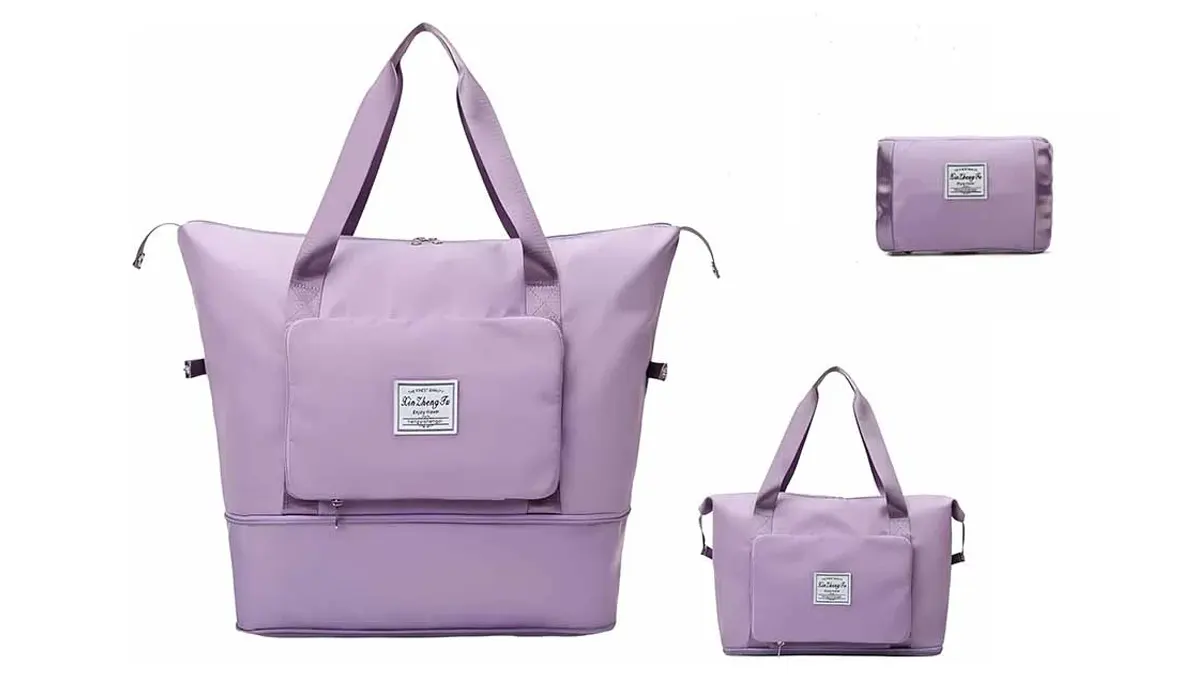
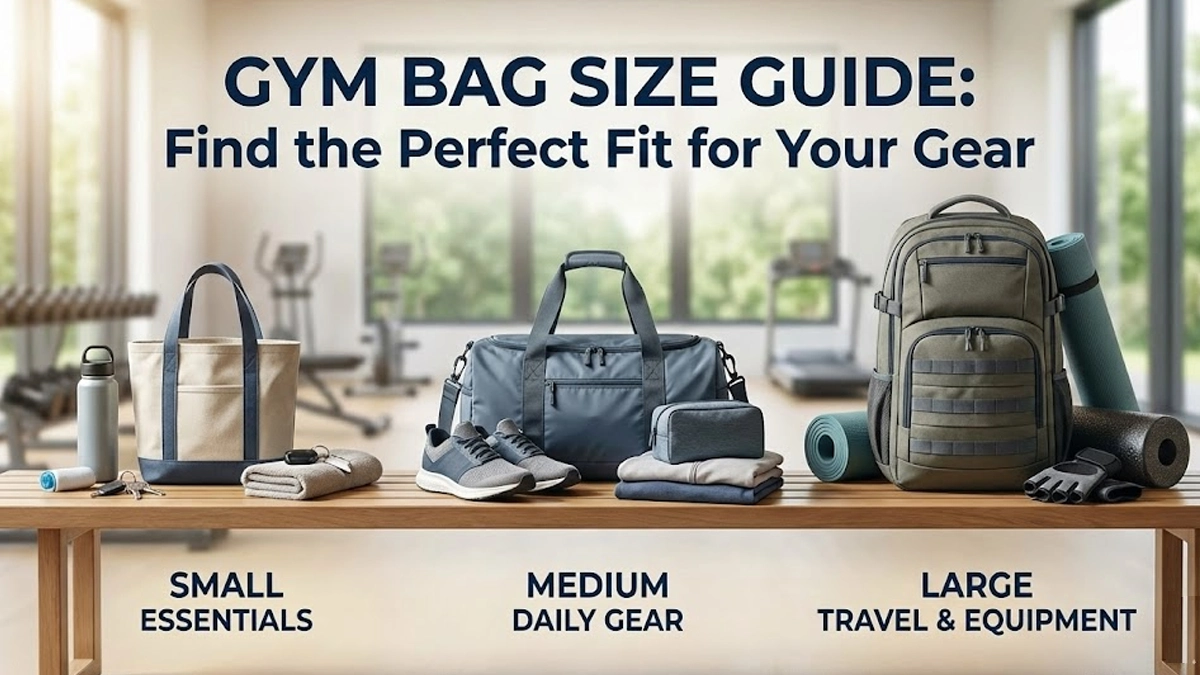
Picking the right gym bag can make your workout easier and less stressful. Start by thinking about what you carry most often. You might pack comfortable workout clothes, supportive shoes, a reusable water bottle, and a towel. Many people also bring snacks, headphones, or a mini first aid kit. If you like extra comfort and flexibility, choose a gym bag size that gives you a little extra room. A towel helps you stay clean, and a dedicated pair of shoes keeps you ready for every session. Make a quick list of your gear so you feel confident you’ve got the right gym bag for your needs.
- Workout Clothes
- Shoes
- Water Bottle
- Towel
- Extra Socks
- Snack
- Accessories
- First Aid Kit
- Sunscreen
- Headphones
- Lock
Key Takeaways
- Choose a gym bag based on your workout gear. Make a list of essentials like clothes, shoes, and water bottles.
- Consider your workout frequency. A smaller bag works for 3-4 days a week, while a larger bag suits 5-6 days.
- Select the right size. Small bags fit basics, medium bags hold standard gear, and large bags accommodate full kits.
- Look for compartments. They help organize your gear and keep clean and dirty items separate.
- Test for comfort. Carry the bag with your gear to ensure it feels good on your shoulder or back.
- Upgrade your bag when your routine changes. New activities may require different sizes or features.
- Custom gym bags allow you to personalize size, color, and features to fit your style and needs.
- Pack smartly. Use pouches for small items and roll clothes to save space in your gym bag.
Assess Your Workout and Gear
Activities You Do
You probably have a favorite workout. Maybe you love running, lifting weights, or stretching in a yoga class. Each activity needs different gear. If you do cardio, you need moisture-wicking clothes, supportive sports bras, breathable shorts or leggings, and cushioned sneakers. Strength training calls for flexible clothing, fitted tops, and cross-training shoes. Yoga and Pilates work best with stretchy, form-fitting gear. HIIT workouts demand compression wear and supportive shoes. Functional training needs adaptable gear and cross-trainers for grip.
- Cardio: Moisture-wicking clothes, supportive shoes
- Strength training: Flexible tops, cross-training shoes
- Yoga/Pilates: Stretchy, form-fitting gear
- HIIT: Compression wear, supportive footwear
- Functional training: Adaptable gear, cross-trainers
Tip: Think about your main workout style before you pick a gym bag. The right bag keeps your gear organized and ready.
Essential Items List
Take a moment to assess your needs. Write down everything you bring to the gym. Your list might include clothes, shoes, a water bottle, and a towel. Some people add snacks, headphones, or a lock for their locker. If you swim, you might need goggles and a wet bag. For yoga, you may want a mat and blocks. When you know your essentials, you can choose a bag that fits everything without feeling cramped.
| Item | Why You Need It |
|---|---|
| Clothes | Stay fresh and dry |
| Shoes | Protect your feet |
| Water Bottle | Stay hydrated |
| Towel | Clean up after workout |
| Snacks | Boost your energy |
| Headphones | Enjoy your music |
| Lock | Keep your stuff safe |
Note: Your list can change as your workouts change. Always check your gear before heading out.
Workout Frequency
How often you hit the gym matters. If you train three or four days a week, a smaller bag usually works. You only need space for your basics. If you exercise five or six days a week, you need a larger, more versatile bag. You might carry extra clothes, shoes, or accessories. Consider your workout routine and how much gear you need each time.
- Beginners (3-4 days/week): Smaller bag for essentials
- Frequent gym-goers (5-6 days/week): Larger bag for extra gear
Remember: Your gym bag should match your schedule. A bag that fits your routine makes packing easy.
Gym Bag Size Breakdown
Small Gym Bag Size
Fits Minimal Gear
If you like to keep things simple, a small gym bag might be perfect for you. This gym bag size works best when you only need the basics. You can fit a change of clothes, a water bottle, and maybe a pair of shoes. Small gym bags usually have one main compartment and a small pocket for your keys or phone. You won’t have to worry about carrying extra weight. You can grab your bag and go straight to the gym without any hassle.
- Change of clothes
- Water bottle
- Shoes
- Small towel
- Phone and keys
Tip: If you only do quick workouts or visit the gym before heading home, a small gym bag size keeps things light and easy.
Best for Light Workouts
You might choose a small gym bag if you do short cardio sessions, stretching, or yoga. These workouts don’t need much gear. You can pack your essentials and still have room for a snack or headphones. Small gym bags are great for beginners or anyone who likes to travel light. You can store your bag in a locker or carry it on public transport without any trouble.
Medium Gym Bag Size
Fits Standard Essentials
A medium gym bag size gives you more space for your gear. You can fit your workout clothes, shoes, towel, water bottle, and a few extras. Medium gym bags often have several compartments, so you can keep your items organized. You might find zippered pockets for your phone, wallet, or snacks. Some bags even have a special section for shoes or wet clothes.
Here’s a quick look at the standard measurements and features for a medium gym bag:
| Feature | Details |
|---|---|
| Material | 600D Polyester |
| Size | 21″ x 10″ x 9″ |
| Features | Large zippered main compartment, two end zippered pockets, front zippered pocket, adjustable handle and detachable shoulder strap |
You can fit everything you need for a regular gym session. You won’t have to worry about leaving anything behind.
Best for Regular Gym Sessions
Medium gym bags work well for people who visit the gym a few times a week. You might do weightlifting, yoga, or group classes. These activities need more gear, so you’ll want a gym bag size that can handle it. Most medium gym bags hold about 50 to 55 liters. You get enough space for your essentials and a few extras. The extra compartments help you keep things neat and easy to find.
Medium gym bags are popular because they balance size and convenience. You can carry your gear without feeling weighed down. You can use the bag for work, school, or travel, too.
Large Gym Bag Size
Fits Full Kits
If you need to pack a lot of gear, a large gym bag size is the way to go. You can fit your full workout kit, including clothes, shoes, towel, water bottle, snacks, and accessories. Large gym bags have multiple compartments and special features like shoe pockets or wet/dry sections. You can organize your gear and keep everything clean.
Here’s a table showing some large gym bag models and their capacities:
| Bag Model | Capacity (liters) | Features |
|---|---|---|
| Plus Duffel | 30 | Main compartment, 4 accessory pockets, shoe compartment |
| KNKG Core Duffel | 45 | Integrated weight-belt attachment, multiple sizes available |
| KNKG Core Duffel | 63 | Larger model for more storage |
You can see that large gym bags offer plenty of space for athletes or anyone who does multiple activities. You won’t have to worry about running out of room.
Best for Heavy Gear or Multi-Activity
Large gym bags work best if you train often or do different types of workouts. You might need to carry extra shoes, clothes, or equipment. If you play sports, travel, or visit the gym almost every day, a large gym bag size gives you the flexibility you need. You can pack everything and still have space for more.
Note: If you’re unsure about which gym bag size to choose, it’s smart to go a little bigger. You’ll have more comfort and flexibility for your gear and gym routine.
Extra-Large Gym Bag Size
Fits Team or Travel Gear
Do you ever feel like your regular gym bag just can’t handle all your stuff? Maybe you play team sports, travel for competitions, or need to pack for a weekend away. An extra-large gym bag gives you space for everything. You can fit multiple sets of clothes, several pairs of shoes, and even gear for your teammates. Some extra-large bags hold up to 100–150 liters, so you never have to leave anything behind.
Let’s look at what you can pack in an extra-large gym bag:
| Item | How Many Fit? |
|---|---|
| Workout clothes | 3-5 sets |
| Shoes | 2-3 pairs |
| Towels | 2-3 |
| Water bottles | 2-4 |
| Snacks | Plenty |
| Sports equipment | Balls, pads, gloves |
| Team gear | Jerseys, socks |
| Toiletries | Full-size bottles |
| Tech accessories | Headphones, chargers |
You can use this gym bag for tournaments, group practices, or long trips. You get extra pockets for organizing your gear. Some bags have special sections for wet clothes or dirty shoes. You can even pack a foam roller or yoga mat if you want.
Tip: If you share gear with teammates or need to carry bulky items, choose an extra-large gym bag. You’ll never run out of room.
Best for Sports or Extended Trips
Are you always on the move? Do you play soccer, basketball, or hockey? Maybe you travel for work and squeeze in gym sessions wherever you go. An extra-large gym bag works best for athletes, coaches, or anyone who needs to pack for more than one activity. You can fit uniforms, shoes, and equipment for the whole team. You can also use this bag for weekend getaways or business trips when you want to keep your gym routine going.
Here are some situations where an extra-large gym bag shines:
- Team sports: Carry gear for yourself and teammates.
- Traveling athletes: Pack everything for competitions or training camps.
- Extended trips: Bring gym clothes, casual wear, and travel essentials.
- Multi-activity days: Switch between gym, work, and sports without repacking.
You get flexibility and comfort with this gym bag size. You don’t have to worry about cramming your gear or leaving things behind. You can organize your items so you find what you need fast. Some extra-large bags have wheels or backpack straps, so you can carry heavy loads with ease.
Note: If you’re not sure which gym bag size to pick, err on the larger side. You’ll appreciate the extra space when your schedule gets busy or your gear list grows.
Extra-large gym bags help you stay prepared for any gym session, team practice, or travel adventure. You get peace of mind knowing your gear is organized and ready to go.
Features That Affect Gym Bag Size
When you pick a gym bag, you want it to fit your gear and your routine. Some features can make a big difference in how much you can carry and how easy it is to stay organized. Let’s look at the essential features that help you choose the right gym bag for your gym life.
Compartments
Compartments help you keep your gym gear in order. You can find what you need fast and avoid mixing clean and dirty items. Smart organization makes your gym bag work better for you.
Shoe Pocket
A shoe pocket gives your shoes their own space. You keep them away from your clean clothes and other items. This pocket is great if you bring a second pair of shoes for the gym or want to keep your sneakers from touching your towel or water bottle. You also avoid bad smells spreading through your gym bag.
Tip: If you train after work or school, a shoe pocket keeps your day shoes and gym shoes separate.
Wet/Dry Section
A wet/dry section helps you handle sweaty clothes or a damp towel. You put wet items in this compartment, so they do not touch your dry gear. Swimmers and people who shower at the gym love this feature. You can also use it for a swimsuit, toiletries, or even a water bottle that might leak.
- Keeps wet and dry items apart
- Helps prevent odors
- Makes cleaning your gym bag easier
Material Choices
The material of your gym bag affects its weight, durability, and how much it can hold. Some materials are light and easy to carry. Others are strong and last a long time.
Soft vs. Structured
Soft gym bags use materials like nylon or polyester. These bags are light, flexible, and easy to pack. You can fit more gear because the bag stretches a bit. Nylon is a top pick for gym bags because it is lightweight, durable, and water-resistant. You can clean it easily, and it dries fast if you spill something.
- Nylon bags are light and comfortable to carry.
- They handle sweat and spills well.
- Nylon is flexible, so you can overpack if needed.
Structured gym bags use thicker materials like leather or heavy canvas. These bags keep their shape and look stylish. Leather bags are heavier because of their thickness and density. They can be harder to carry if you pack a lot. Leather bags last a long time and develop a unique look over time, but they are not as easy to clean as nylon.
Here’s a quick look at how different materials compare:
| Fabric | Martindale Cycles | Tensile (MPa) | Best For |
|---|---|---|---|
| Cordura® Nylon | 20,000–50,000 | 10–14 | Everyday to expedition backpacks |
| Ballistic Nylon | ≥50,000 | 12–16 | Tool bags, protective cases |
| Heavy-Duty Canvas | 10,000–15,000 | 6–9 | Totes, casual and waxed outdoor bags |
| High-Tenacity Polyester | 15,000–25,000 | 8–10 | Fashion totes, gym and travel bags |
Note: If you want a gym bag that is easy to carry and clean, nylon is a great choice. If you want style and don’t mind extra weight, leather or canvas can work.
Bag Styles
The style of your gym bag changes how you carry it and how much you can fit inside. Each style has its own strengths and weaknesses. Think about your gym routine and what feels best for you.
Duffel
Duffel bags are a classic choice for the gym. You get a lot of space and a flexible design. Many athletes and travelers love duffel bags because they can hold a full gym kit, shoes, and even sports equipment. About 80% of travelers like duffel bags for their roomy interiors. You can use them for gym, sports, or travel. Some duffel bags convert into backpacks for extra versatility. However, duffel bags can have poor organization and may feel heavy on one shoulder.
Backpack
Backpacks are popular with gym goers who commute or need to carry their bag for a long time. You get great organization with lots of pockets and sections. Backpacks spread the weight across both shoulders, so you feel less strain. Many commuters pick backpacks because they can carry both work and gym essentials. You can use them for school, work, and gym without switching bags. Backpacks may not hold as much as duffel bags, but they make up for it with comfort and smart organization.
Tote
Tote bags look stylish and give you easy access to your gym gear. You can grab what you need fast. Totes work well for light gym sessions or yoga classes. They do not have many compartments, so you may need to use pouches for small items. Tote bags are not the best for wet items or heavy loads, but they look great and feel easy to carry.
Drawstring
Drawstring bags are simple and lightweight. You can use them for quick trips to the gym or when you only need a few items. They do not offer much space or organization, but they are easy to pack and carry. Drawstring bags are not good for heavy loads, but they work well for kids or anyone who likes to travel light.
Here’s a table to help you compare the main gym bag styles:
| Bag Type | Advantages | Disadvantages |
|---|---|---|
| Duffel Bags | High capacity, flexible, versatile | Poor organization, uneven weight, less support |
| Backpacks | Great organization, ergonomic, comfortable | Less capacity, not as stylish for formal use |
| Drawstring Bags | Lightweight, easy to carry, good for quick trips | Limited space, minimal organization |
| Tote Bags | Stylish, easy access, good for light use | No compartments, not for wet items, less support |
If you want a gym bag that fits your gym routine and keeps you organized, think about the style that matches your needs.
Choosing the Perfect Gym Bag for Your Activities
Strength Training
Strength training means you carry more gear than just a shirt and shorts. You might bring lifting shoes, gloves, a belt, and maybe even resistance bands. When you pick a gym bag for this workout, you want something that holds everything and keeps it organized.
Check out this table to see which gym bag size fits your strength training needs:
| Size Category | Capacity (L) | Features |
|---|---|---|
| Small Gym Bags | 45–50 | Basic compartments for essentials and extra equipment. |
| Medium Gym Bags | 50–55 | Multiple zippers, compartments, and features like fold-out straps and mesh lining. |
| Large Gym Bags | 100–150 | Spacious for training kits, includes wheels, multiple compartments, and pull-out handles. |
| Additional Features | N/A | Foldable handles, ventilated compartments, breathable material, and easy to clean. |
You want a gym bag that has a spot for your shoes and sweaty clothes. Look for one with strong zippers and a ventilated pocket. If you carry a lot, a large gym bag with wheels makes things easier.
Tip: Choosing the perfect gym bag for strength training means thinking about your gear and how often you hit the gym. A little extra space helps you stay ready for any workout.
Cardio
If you love running, cycling, or using the treadmill, you probably pack light. Your gym bag just needs to fit a change of clothes, running shoes, a water bottle, and maybe a towel. A small or medium gym bag works best for these workouts. You can toss in your headphones and a snack, too.
A backpack style gym bag feels comfortable if you walk or bike to the gym. It keeps your hands free and spreads the weight. Look for a bag with a water bottle pocket and a spot for your phone. You want to grab your gear and go, so simple organization helps.
Note: When choosing the perfect gym bag for cardio, pick one that is light and easy to carry. You do not need a huge bag for a quick workout.
Yoga & Pilates
Yoga and Pilates workouts need special gear. You might bring a mat, blocks, a towel, and a water bottle. Some people like to pack a change of clothes or a light sweater. A tote or medium gym bag works well for these activities. Look for a bag with a long strap so you can carry your mat easily.
Choose a gym bag with a separate pocket for your towel or water bottle. If you go to the gym after work, you might want a bag with a spot for your shoes. Soft, flexible bags fit yoga gear best. You can roll up your mat and slide it inside or attach it with straps.
Tip: Pick a gym bag that fits your yoga mat and keeps your gear organized. You will feel ready for every workout.
Swimming
If you swim at the gym, you know your gear gets wet and messy. You need a gym bag that keeps everything organized and dry. Waterproof compartments help you separate wet swimsuits and towels from your dry clothes. Mesh panels let your goggles and towels air out, so you avoid mold and bad smells. Easy-access pockets make it simple to grab your keys or phone before you hit the pool. Sturdy, adjustable straps help you carry your gym bag comfortably, even when it’s packed with swim gear.
Here’s a quick table showing what features matter most for swimmers:
| Feature | Description |
|---|---|
| Waterproof Compartments | Keep wet suits and towels away from dry items |
| Ventilation | Mesh sections help gear dry and stop odors |
| Easy-Access Pockets | Store keys, phone, and small items for quick access |
| Sturdy, Adjustable Straps | Make carrying your gym bag easier and more comfortable |
You might want a medium or large gym bag for swimming. These sizes give you space for your swimsuit, towel, flip-flops, goggles, and toiletries. If you shower at the gym, you can pack shampoo and soap in a wet/dry section. You stay organized and keep your gear fresh for every swim.
Tip: Choose a gym bag with waterproof and ventilated sections. You’ll spend less time cleaning and more time enjoying your swim.
Commuting
Commuting to the gym means you need a gym bag that fits your busy life. You might walk, bike, or take public transport. Backpacks work well because they keep your hands free and spread the weight across your shoulders. If you use a locker at the gym, check the size before you buy a gym bag. Smaller lockers need compact bags, while larger lockers give you more options.
Think about how much gear you carry. If you go straight from work to the gym, you need space for clothes, shoes, and maybe a laptop. A medium gym bag usually fits your essentials without feeling bulky. If you pack a lot, try a large gym bag with extra compartments for your work and gym gear.
- Backpacks are great for hands-free commuting.
- Compact gym bags fit small lockers.
- Medium or large gym bags work for busy schedules.
Note: Pick a gym bag that matches your commute and locker space. You’ll save time and avoid hassle at the gym.
Group Sports
Playing group sports means you carry more gear than usual. You might need uniforms, shoes, balls, and water bottles. An extra-large gym bag gives you space for everything, including team equipment. Look for a gym bag with multiple compartments, so you can keep your gear organized and easy to find.
If you share gear with teammates, you need a gym bag that holds extra clothes and shoes. Some bags have special pockets for balls or pads. Ventilated sections help keep sweaty gear fresh. Sturdy straps make it easier to carry your gym bag to games and practices.
Here’s a simple checklist for group sports:
- Extra-large gym bag for team gear
- Multiple compartments for uniforms and equipment
- Ventilated sections for sweaty items
- Sturdy straps for easy carrying
You stay ready for every practice and game when your gym bag fits your needs. You spend less time packing and more time playing with your team.
Tip: Choose a gym bag with plenty of space and smart organization. You’ll always have what you need for group sports at the gym.
Travel
Taking your gym bag on trips can make travel easier. You need a bag that fits your workout gear and travel needs. When you travel, you pack more than just gym clothes. You might bring shoes, towels, toiletries, and extra clothes. The right gym bag keeps you organized and ready for anything.
A good travel gym bag has lots of space but is not too big. It should hold your gym items and fit in an overhead bin or under a seat. Many people pick a gym bag with many pockets. These help you keep shoes away from clean clothes and water bottles away from electronics. You can find your keys, phone, and snacks fast when each thing has its own place.
Your gym bag should be tough for travel. It needs to handle bumps, drops, and busy places. Look for strong materials like nylon or polyester. These fabrics do not tear easily and keep your gear safe. Some gym bags have strong bottoms to protect shoes and heavy things. You also want strong zippers and closures so nothing falls out.
Comfort matters when you carry your gym bag around. Padded and adjustable straps help a lot. You can use hand straps, shoulder straps, or backpack straps. This lets you carry your gym bag longer without hurting your shoulders or back.
Ventilation keeps your gym gear smelling fresh. Some travel gym bags have mesh panels or special pockets with air holes. These stop bad smells and let sweaty clothes dry out. You can pack your towel and shoes without worrying about odors.
Security is important for your stuff. Good zippers and closures keep your things safe. Some gym bags have key clips or hidden pockets for valuables. Reflective strips help others see you if you walk or bike to the gym.
Here’s a table to help you compare important features for a travel gym bag:
| Feature | Description |
|---|---|
| Spacious Interior | Holds workout clothing, shoes, towels, and other essentials. |
| Multiple Compartments | Organizes items like smartphones and keys. |
| Durability | Sturdy materials withstand regular use. |
| Carrying Options | Hand straps, shoulder straps, and backpack-style straps. |
| Ventilation | Ventilated compartments prevent odors. |
| Design and Style | Various designs for personal preference. |
| Size and Capacity | Large enough for essentials but not too bulky. |
| Comfortable Strap | Adjustable and padded straps for comfort. |
| Security Features | High-quality closures keep belongings safe. |
| Versatility | Serves multiple purposes beyond gym use. |
| Extras | Key clips and reflective elements for visibility. |
Tip: Pick a gym bag that fits your travel style and gym routine. You will be ready for workouts and adventures anywhere you go.
A gym bag that does more than one job is great for trips. You can use it as a weekend bag or carry-on. This saves space and means you do not need extra bags. With the right gym bag, you stay active and organized on every trip.
Gym Bag Size Checklist
Step-by-Step Guide
You want to make sure your gym bag fits your routine. Here’s a simple guide to help you pick the right one:
- List Your Gear
Write down everything you take to the gym. Include clothes, shoes, towel, water bottle, and any extras like snacks or headphones. - Think About Your Activities
Do you lift weights, swim, or join group classes? Each activity needs different gear. Your gym bag should fit all your essentials. - Check Your Workout Frequency
If you go to the gym often, you may need a bigger gym bag for extra clothes or shoes. - Match Bag Size to Your Gear
Place your items together and see how much space they take. Pick a gym bag that holds everything without being too tight or too empty. - Look for Useful Features
Choose a gym bag with compartments for shoes, wet towels, and small items. This keeps your gear organized and easy to find. - Test for Comfort
Try carrying the gym bag. Make sure it feels good on your shoulder or back, especially if you walk or bike to the gym.
Tip: Pack your gym bag the night before. You’ll save time and avoid forgetting anything.
Mistakes to Avoid
Many people make the same mistakes when choosing a gym bag. Here are some things to watch out for:
- Picking a gym bag that is too small and can’t fit all your equipment.
- Choosing a gym bag made from poor quality material. This can wear out fast and cause problems later.
- Ignoring how easy the gym bag is to carry. An uncomfortable bag can make your trip to the gym harder.
- Forgetting about size. A bag that is too big can feel heavy and awkward, while a small one leaves you missing essentials.
- Overlooking organization. Bags without compartments make it hard to find your gym gear quickly.
- Focusing only on style. A cool-looking gym bag is nice, but you need it to work well for your gym routine.
Note: Always balance style, comfort, and function when picking your gym bag.
Space-Saving Tips
You can pack your gym bag smarter with a few easy tricks:
- Choose a gym bag with separate compartments for shoes, wet towels, and personal items. This keeps everything neat and saves space.
- Pack your gym bag the night before. You won’t rush in the morning and you’ll remember all your gym gear.
- Keep a restock list for your gym bag. Refill toiletries and add clean towels often so you never run out at the gym.
- Roll your clothes instead of folding them. Rolled clothes take up less space and help you fit more in your gym bag.
- Use small pouches for tiny items like headphones or snacks. This keeps your gym bag tidy and makes things easy to find.
Tip: A well-packed gym bag makes every gym visit smoother and less stressful.
Conclusion
You want a gym bag that fits your gear and matches your routine. Start by listing what you carry, then pick a size that feels right. Always check reviews before you buy. Look for comfort and style, but make sure the bag holds everything you need. Reviews from other users help you spot the best features. A good gym bag makes workouts easier. If you want something special, our company offers custom gym bags just for you.
Tip: Review your gear and activities before you decide. The perfect fit is out there!
FAQ
How do I know what gym bag size I need?
Start by listing your gear. Lay it out on your bed or floor. Pick a bag that fits everything with a little extra space. If you’re unsure, go one size up for comfort.
Can I use my gym bag for travel?
Yes! Many gym bags work great for short trips. Look for one with multiple compartments and sturdy straps. You can pack clothes, shoes, and toiletries easily.
What’s the best way to keep my gym bag clean?
Empty your bag after each use. Wipe the inside with a damp cloth. For deep cleaning, check the care label. Most nylon or polyester bags can go in the washing machine.
Do I need a gym bag with a shoe compartment?
If you bring an extra pair of shoes, a shoe pocket helps a lot. It keeps your shoes separate from your clean clothes and stops odors from spreading.
How can I organize small items in my gym bag?
Use small pouches or zip bags for things like headphones, snacks, or keys. Many gym bags have built-in pockets for these items. You’ll find what you need faster.
What size gym bag fits in a standard gym locker?
Most standard lockers fit small or medium gym bags. Check your gym’s locker size before buying. If you use a large bag, make sure it folds or compresses easily.
Should I choose a duffel, backpack, or tote for the gym?
Pick the style that matches your routine. Duffels hold more gear. Backpacks feel comfortable for commuting. Totes look stylish and work well for light workouts.