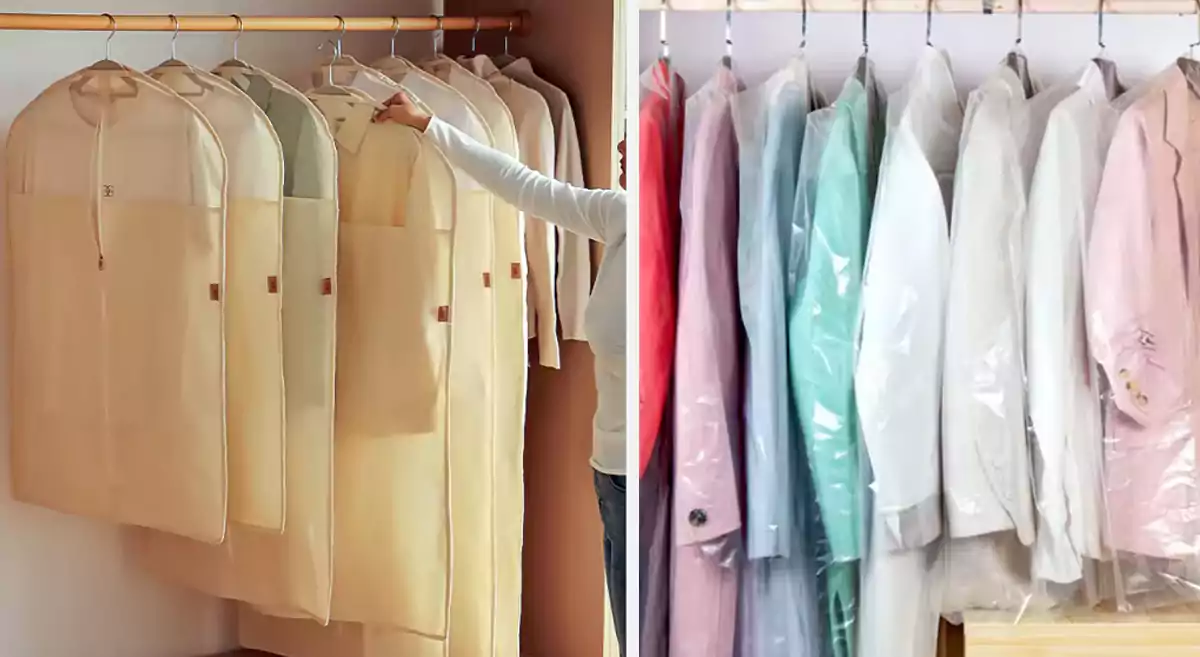
If you want to keep your clothes safe, choosing between cotton vs plastic garment bags is simple. Cotton bags let air go in and out, which stops mold and keeps your clothes safe. Experts, like the National Park Service, say cotton is best. Cotton keeps dust and light away while allowing air circulation. On the other hand, plastic bags can hold in water, which can lead to mildew growth and cause your clothes to turn yellow. Here’s a quick look:
| Material Type | Advantages | Disadvantages |
|---|---|---|
| Cotton | Breathable, allows air circulation, protects from dust and light | None mentioned |
| Plastic | None mentioned | Traps moisture, can cause mildew, yellowing, and damage to fabrics |
You want your clothes to stay nice and safe, so picking the right bag, whether it’s cotton vs plastic garment bags, is important.
Key Takeaways
- Cotton garment bags let air move through. This stops mold and keeps clothes smelling nice.
- Plastic bags hold in water, which can cause mildew and yellow marks on clothes.
- For storing clothes a long time, always pick cotton bags. They protect soft fabrics like silk and wool.
- Cotton bags are good for the earth and break down naturally. This helps cut down on plastic trash.
- Plastic bags cost less but can hurt clothes after a while because of chemicals.
- Clean cotton bags often to stop bad smells and keep clothes fresh.
- When you travel, plastic bags keep water out. But cotton bags work better for long trips.
- Look at your garment bags often for damage. Get new ones when needed so your clothes stay safe.
Storage Factors
Protection
When you think about storage, protection comes first. You want your clothes to stay clean and safe. The right garment bag gives you the best protection for your favorite outfits. Let’s look at how cotton and plastic bags handle dust and moisture.
Dust and Dirt
Dust protection matters a lot for storage. Cotton garment bags do a great job at keeping dust and dirt away from your clothes. The fabric acts like a shield. It blocks dust but still lets air move through. This means your clothing stays fresh and clean. Plastic bags also block dust, but they don’t let air in or out. Over time, trapped air can make your clothes smell musty. If you want the best dust protection, cotton bags are the way to go.
Moisture and Mold
Moisture can ruin your storage plans. If water gets trapped, mold and mildew can grow. Cotton bags help with moisture regulation. They let air flow, which keeps things dry. This stops mold before it starts. Plastic bags trap moisture inside. This creates a perfect spot for mold and mildew. You might even see yellow stains on your clothes. For moisture regulation and protection, cotton bags win again.
Breathability
Breathability is key for storage. You want your clothes to breathe, not suffocate. Cotton garment bags allow air to move in and out. This keeps humidity low and stops bad smells. Plastic bags trap air and moisture. This can lead to condensation and musty odors. Here’s a quick look:
| Feature | Cotton Garment Bags | Plastic Garment Bags |
|---|---|---|
| Air Circulation | Allows air circulation, preventing moisture buildup and reducing odors | Traps air and moisture, leading to condensation and musty odors |
| Moisture Control | Naturally regulates humidity, preventing mold and mildew | Creates a sealed environment, increasing the risk of mold and fabric deterioration |
| Ideal for Humid Environments | Yes | No |
If you live in a humid place, cotton bags give you better storage and protection.
Suitability for Fabrics
Not all fabrics need the same kind of storage. Cotton garment bags work best for natural fibers like wool and silk. These fabrics need to breathe. Cotton bags help them last longer by allowing air to move. They also create an acid-free space, which stops yellowing and fabric breakdown. If you have delicate clothing, cotton bags offer the best protection. Plastic bags are better for short-term storage or travel. They work well for synthetic fabrics that don’t need as much air. For long-term storage and protection, always pick cotton for your most valuable pieces.
Tip: Use cotton garment bags for your favorite dresses, suits, and vintage items. You’ll get the best storage, protection, and peace of mind.
Long-Term Effects
When you store your clothes for a long time, you want them to look as good as new when you take them out. The type of garment bag you choose can make a big difference. Let’s talk about what happens to your clothes over months or even years in storage.
Cotton garment bags give your clothes the best chance to stay fresh and safe. Cotton is a natural fiber. It lets air move in and out. This means your clothes can breathe. When air flows, moisture does not get trapped. Your clothes stay dry. Mold and mildew do not have a chance to grow. You do not have to worry about musty smells or strange spots on your favorite dress or suit.
Plastic garment bags work differently. They keep air and moisture inside. If you put your clothes away when they are even a little damp, that moisture stays trapped. Over time, this can lead to big problems. Mold and mildew love dark, damp places. You might find green or black spots on your clothes. Sometimes, the fabric even starts to break down. That is not what you want for your favorite pieces.
There is another problem with plastic bags. Some plastics contain chemicals. These chemicals can react with your clothes. For example, a chemical called BHT can move from the plastic to your clothes. This can cause yellow stains. You might see this on white shirts or light-colored dresses. Once the stains appear, they are hard to remove. Your clothes may look old, even if you only wore them once.
Here’s a quick list of what you can expect with each type of bag:
- Cotton bags regulate moisture. Your clothes stay dry and fresh.
- Plastic bags trap moisture. Mold and mildew can grow.
- Cotton bags do not add chemicals to your clothes.
- Plastic bags can cause yellow stains from chemical reactions.
- Cotton bags help your clothes last longer. The fabric stays strong.
- Plastic bags can make fabric weak or brittle over time.
If you want your clothes to look great for years, cotton garment bags are the smart choice. You protect your investment. You also save time and money because you do not have to clean or replace damaged clothes. Next time you pack away your favorite outfit, reach for a cotton bag. Your future self will thank you.
Cotton vs Plastic Garment Bags
Cotton Garment Bags Pros
Breathability
You want your clothes to smell nice and stay fresh. Cotton storage bags use natural cotton that lets air move in and out. This means moisture does not build up inside. Your clothes do not get musty or damp. Cotton storage bags are great for stopping bad smells. They keep your clothes good for long-term storage. If you store cashmere sweaters or linens, cotton storage bags work best. Breathable materials help your clothes last longer.
Fabric Safety
Cotton storage bags keep your clothes safe from scratches and snags. The soft cotton protects your clothes from dust and light. This helps stop yellow stains and fabric damage. Cotton storage bags make a gentle, acid-free space for your clothes. You can trust them with delicate clothes like wool, silk, and vintage items. Cotton storage bags keep your clothes safe for many years.
Eco-Friendly
You want to help the planet. Cotton storage bags break down in nature and do not use plastic. You help make less trash and use less plastic. Cotton storage bags are good for zero-waste living. You can use them again and again. Cotton storage bags are better for the environment. Plastic storage bags add to landfill waste and pollution. Cotton storage bags are a green way to store your clothes.
Note: Cotton storage bags protect your clothes and the Earth at the same time.
| Feature | Cotton Garment Bags | Plastic Garment Bags |
|---|---|---|
| Biodegradable | Yes | No |
| Sustainable Sourcing | Yes | No |
| Reduces Waste | Yes | No |
| Minimizes Plastic Use | Yes | No |
| Breathable | Yes | No |
Durability
Cotton storage bags last for a long time. You can use them many times. Experts say cotton storage bags are strong and can be reused. You get more use from cotton storage bags than plastic ones. Cotton storage bags help you store clothes for years. You do not need to buy new bags often. Cotton storage bags are tough and dependable.
- Cotton storage bags can be used again and again.
- Cotton storage bags break down in nature and have no plastic.
- Cotton storage bags are better for the environment.
- Cotton storage bags are good for zero-waste living.
Cotton Garment Bags Cons
Moisture Limitation
Cotton storage bags do not stop water all the way. If you put clothes in a wet place, cotton storage bags may not keep them dry. Cotton storage bags work best in dry places. You should check your storage spot before using them. If you want full water protection, vacuum seal bags or plastic bags might be better for short-term use.
Odor Absorption
Cotton storage bags can soak up smells from around them. If you put them near strong odors, they may pick up those smells. You need to wash cotton storage bags often. Cotton storage bags need care to keep your clothes smelling nice.
Cost
Cotton storage bags cost more than plastic ones. They cost more because they use better materials and take more work to make. Cotton storage bags are a special choice. You pay extra for bags that are green, reusable, and strong. Plastic storage bags are cheaper.
| Type of Bag | Cost Comparison | Features |
|---|---|---|
| Cotton Garment Bag | Higher | Premium, eco-friendly, reusable, communicates brand value |
| Plastic Garment Bag | Lower | Affordable, convenient, excellent waterproof performance |
- Cotton storage bags cost more to make.
- Cotton storage bags can shrink if not pre-shrunk before washing.
- Cotton storage bags are only green if you use them many times.
Plastic Garment Bags Pros
Moisture Barrier
Plastic garment bags keep water out. You get strong water protection for your clothes. Plastic storage bags keep clothes dry in wet places. If you need waterproof bags, plastic or vacuum seal bags work well for short-term use. Plastic storage bags are good for travel or quick storage.
Affordability
Plastic garment bags cost less than cotton ones. You can buy many plastic bags at once. Plastic storage bags are easy to use and handy. You save money with plastic storage bags. Plastic storage bags are a cheap way to store clothes.
Lightweight
Plastic garment bags are light and easy to move. You can pack plastic bags for trips. Plastic storage bags do not take up much space. You can use them for quick storage or moving clothes. Plastic storage bags are useful for short-term needs.
Tip: Use plastic storage bags for travel or short-term storage. For long-term storage, cotton storage bags are the best pick.
Plastic Garment Bags Cons
Mold Risk
Plastic garment bags trap air and moisture inside. If you put clothes away when they are even a little damp, you create a perfect place for mold and mildew to grow. You might notice a musty smell when you open the bag. Sometimes, you will see green or black spots on your favorite shirt or dress. Mold can ruin fabric and make clothes unsafe to wear. You want to avoid this problem, especially if you plan to store clothes for a long time.
Tip: Always make sure your clothes are completely dry before putting them in any storage bag, but especially in plastic ones.
Fabric Damage
Plastic bags can actually harm your clothes over time. Some plastic bags contain chemicals like phthalates or BPA. These chemicals can move from the bag onto your clothes. You might see yellow stains or feel a sticky residue on the fabric. Once this happens, it is hard to clean your clothes. Thin plastic bags also tear or get holes easily. Even thicker bags can break down if you leave them in the sun or in a hot attic. Your clothes might get snagged or exposed to dust if the bag rips.
- Cheap, thin plastic bags tear or puncture easily.
- High temperatures or sunlight can make even strong plastic bags break down.
- Chemicals in plastic can stain or damage your clothes.
Environmental Impact
Plastic garment bags are not good for the planet. Making plastic bags uses a lot of energy and creates pollution. Factories release gases that cause acid rain and hurt the air we breathe. Most people use plastic bags only once or twice. After that, they throw them away. Plastic bags do not break down in nature. They end up in landfills, rivers, and oceans. Animals can eat them by mistake, which can be deadly. You might see plastic bags blowing around outside or stuck in trees. They make a mess and harm wildlife.
| Environmental Issue | Plastic Garment Bags |
|---|---|
| High energy use in making | Yes |
| Air and water pollution | Yes |
| Hard to recycle | Yes |
| Litter and ocean waste | Yes |
| Harm to animals | Yes |
Choosing cotton bags helps you protect the environment and keeps your clothes safe.
Greasy Residue
Plastic bags sometimes leave a greasy or sticky film on your clothes. This happens more often if you store clothes for a long time or if the bag sits in a warm place. The residue can make your clothes feel dirty or look dull. You may need to wash your clothes again before you wear them. This extra step takes time and can be annoying. If you want your clothes to come out of storage looking fresh, plastic bags might not be the best choice.
- Greasy residue can stick to delicate fabrics.
- You might notice a strange smell or texture on your clothes.
- Washing out the residue is not always easy.
If you want to avoid these problems, cotton garment bags are a safer and cleaner option for your clothing storage.
Comparison Table
Cotton vs Plastic Storage Bags
You want to see the facts side by side. A table makes it easy to compare cotton and plastic garment bags. Check out the main features below:
| Feature | Cotton Garment Bags | Plastic Garment Bags |
|---|---|---|
| Air Permeability | Lets air move in and out (0.8–2.2 CFM). Clothes stay fresh and dry. | Blocks air. Traps moisture. Can cause musty smells and mold. |
| pH Neutrality | Stays close to neutral (6.8–7.2). Safe for fabrics. No acid damage. | May not be pH neutral. Some plastics can be acidic and harm clothes. |
| UV Attenuation | Blocks over 92% of UV rays. Protects colors and fabric strength. | Some plastics block UV, but many break down in sunlight. |
| Breathability | High. Clothes breathe. No trapped moisture. | Low. No airflow. Moisture stays inside. |
| Moisture Control | Regulates humidity. Stops mold and mildew. | Traps moisture. Mold and mildew can grow. |
| Fabric Safety | Gentle on all fabrics. No chemicals. | Chemicals can transfer to clothes. May cause stains or sticky feel. |
| Durability | Strong and reusable. Lasts for years. | Can tear or break down. Not made for long-term use. |
| Eco-Friendly | Biodegradable. Good for the planet. | Not biodegradable. Adds to landfill waste. |
| Odor Absorption | Can pick up smells from the room. Needs washing sometimes. | May trap odors inside with clothes. |
| Cost | Costs more up front. Saves money over time. | Cheap to buy. Not as durable. |
| Best Use | Long-term storage, delicate fabrics, vintage, and everyday clothes. | Short-term use, travel, or when you need waterproofing for a short time. |
Tip: If you want your clothes to last, cotton bags are the best pick for long-term storage. Plastic bags work for travel or quick jobs, but they can cause problems if you leave clothes inside too long.
You might wonder why air permeability matters. Cotton bags let air flow at just the right rate—between 0.8 and 2.2 cubic feet per minute. This keeps your clothes dry and fresh. Plastic bags block air, so moisture gets trapped. That’s when mold and bad smells show up.
pH neutrality is another big deal. Cotton bags stay close to neutral, so they don’t harm your clothes. Some plastics can be acidic. Acid can break down fabric and cause yellow stains.
UV attenuation means blocking sunlight. Cotton bags can block over 92% of harmful UV rays. This keeps your clothes from fading or getting weak. Some plastic bags block UV, but many get brittle and break down in the sun.
When you look at all these points, you can see why cotton bags win for most storage needs. They protect your clothes, last a long time, and help the planet. Plastic bags are okay for a quick fix, but they don’t offer the same level of care.
Want to keep your favorite outfits safe for years? Choose cotton garment bags for peace of mind.
Choosing the Right Storage Bag
Everyday Use
When you pick a garment bag for daily life, you want something that fits your routine. Think about how often you grab clothes from your closet or take them on the go. For everyday use, you need a bag that is strong, easy to handle, and simple to clean. Here are some things to look for:
- Durability and Strength: Cotton bags can carry a lot of weight and feel soft in your hands. Polyester bags are tough and resist wear, but they might feel stiff.
- Eco-Friendliness: Cotton bags break down naturally and come from renewable sources. Polyester bags do not break down and can harm the planet.
- Comfort and Usability: Cotton feels gentle and comfortable. Polyester can have padded handles, but it is not as soft.
- Maintenance and Care: You can wash cotton bags, but they may show stains. Polyester bags resist stains and dry fast.
- Cost and Longevity: Cotton costs more at first, but you can use it for years. Polyester is cheaper but may not last as long.
- Style and Appearance: Cotton gives a classic look and you can customize it. Polyester comes in many styles and finishes.
- Purpose and Application: Choose cotton for comfort and the environment. Pick polyester if you need something for heavy loads or less cleaning.
Tip: For daily use, cotton garment bags give you comfort, style, and help the environment. They are easy to carry and keep your clothes fresh.
Long-Term Storage
If you want to keep your clothes safe for months or even years, you need to think about long-term storage. Experts say you should always pick bags made from natural fibers like cotton or muslin. These materials let air move in and out, which stops moisture from building up. This helps prevent mold and mildew from growing on your clothes.
- Choose breathable bags like cotton or muslin for long-term storage.
- Pick bags with strong zippers and seams to keep dust and spills away.
- Natural fiber bags help control moisture and protect your clothes from damage.
- Breathable bags also help with temperature changes, so your clothes do not get stressed or weak.
If you use plastic or synthetic bags for long-term storage, you risk trapping moisture inside. This can make your clothes smell bad or even fall apart over time. Cotton bags keep your clothes safe, dry, and looking new for years.
Note: For long-term storage, always use cotton garment bags. They protect your investment and keep your favorite outfits in top shape.
Delicate Fabrics
Some clothes need extra care. If you have silk dresses, wool suits, or vintage pieces, you want to keep them safe from dust, dirt, and pests. Cotton garment bags work best for delicate fabrics. They let air flow, which keeps mildew away. They also block dust and bugs from getting to your clothing.
- Use cotton or canvas bags for hanging delicate clothes.
- These bags allow air to move, so your clothes stay fresh.
- Cotton bags keep out dust and pests, which is important for special items.
If you want your delicate clothing to last, pick a cotton garment bag. You will keep your favorite pieces looking beautiful and ready to wear.
Travel Needs
Travel can be tough on your clothes. You want your outfits to look sharp when you arrive. Picking the right garment bag makes a big difference. Let’s break down what you need to know.
What should you look for in a travel garment bag?
- Size Matters
Think about your trip length. For a weekend, a small bag works well. For a week or more, you need a bigger bag. Make sure your bag fits in the overhead bin if you fly. - Material and Durability
Choose a bag made from strong, water-resistant material. You want something that protects your clothes from rain or spills. Cotton bags feel soft and gentle on clothes. Plastic bags keep water out but can trap moisture inside. For short trips, plastic works if you pack dry clothes. For longer trips, cotton keeps your clothes fresh. - Handles and Zippers
Look for reinforced handles and sturdy zippers. You don’t want your bag to break in the middle of your journey. - Design and Features
Some bags open up into a mini closet. This makes it easy to grab what you need. Extra pockets help you organize shoes, ties, or accessories. - Price and Value
Set a budget. You can find good bags at many price points. WallyBags, TravelPro, and Hudson Sutler make strong, stylish options. Stores like Target and Amazon have affordable choices with lots of features. - Check Reviews
Read what other travelers say. Reviews can tell you if a bag holds up over time.
Tip: If you travel often, invest in a high-quality bag. It saves you money and stress in the long run.
Here’s a quick table to help you decide:
| Feature | Cotton Garment Bag | Plastic Garment Bag |
|---|---|---|
| Water Resistance | Moderate | High |
| Breathability | High | Low |
| Weight | Light | Very Light |
| Durability | High (with care) | Can tear easily |
| Best For | Longer trips, delicate fabrics | Short trips, wet weather |
Quick Checklist for Travel Garment Bags:
- Choose the right size for your trip.
- Pick strong, water-resistant material.
- Look for sturdy handles and zippers.
- Find extra pockets for small items.
- Read reviews before you buy.
Travel can be easy when you have the right bag. Cotton bags keep your clothes fresh and safe for longer trips. Plastic bags work for quick getaways or rainy days. Think about your needs and pick the bag that fits your travel style.
Common Concerns
Mold Prevention
You want your clothes to stay safe from mold, moths, and other insects. Mold can ruin your favorite outfits and leave a bad smell. Moths and insects can chew holes in your sweaters and jackets. You can stop these problems with a few simple steps.
- Spray your clothes, bags, and shoes with moth or water repellents before you put them away. This helps with moth prevention and keeps insects away.
- Keep your storage space dry and well-ventilated. Mold loves damp places, so open a window or use a fan if you can.
- Place desiccant packs, like silica gel, in every bin or container. These packs soak up extra moisture and help with moth prevention.
- Clean and check your clothes often, especially if you store them for a long time. Look for signs of mold, moths, or insects.
- Don’t put containers right on the floor. Use shelves or pallets to lift them up. This stops water from getting in and helps prevent pest infestations.
- Never store garments in plastic bags, including dry cleaning bags. Plastic traps moisture and can attract mold and insects.
- Choose cloth bags for storage. You can also put tissue paper and desiccant pouches in pockets for extra protection from moths and insects.
Tip: Moths and insects hate clean, dry places. Keep your storage area tidy and you’ll have fewer problems.
Seasonal Storage Tips
Seasonal storage helps your clothes last longer. When the weather changes, you need to pack away some items and bring out others. Here’s how you can make seasonal storage easy and safe:
| Tip | Description |
|---|---|
| Clean Your Clothes | Wash or dry-clean everything. Make sure clothes are dry before you store them. This stops mold, moths, and insects. |
| Choose the Right Containers | Use breathable containers like cotton garment bags for delicate fabrics. Avoid plastic for long-term seasonal storage. |
| Avoid Plastic Bags | Plastic traps moisture and attracts mold, moths, and insects. Use breathable bags instead. |
- Use breathable containers like cotton garment bags for cotton clothing during seasonal storage.
- Avoid using plastic bags for long-term seasonal storage. They can trap moisture and attract moths and insects.
- Fold and store cotton and linen in breathable containers. This keeps moths and insects away.
- Don’t use airtight containers for seasonal storage. They can trap moisture and make a home for moths and insects.
- Use breathable garment bags instead of plastic for long-term seasonal storage. This helps protect your clothes from moisture, moths, and insects.
Note: Good seasonal storage keeps your clothes safe from moths, insects, and mold all year long.
Cleaning Garment Bags
You want your garment bags to stay clean and work well. Dirty bags can attract moths, insects, and even mold. Here’s how you can keep them fresh:
- Wash cotton garment bags often. This keeps moths and insects away and helps with moth prevention.
- Use your washing machine for cotton bags. Wash them at 30-40 degrees Celsius. This keeps the fabric strong and clean.
- Air dry cotton bags after washing. You can also use a low-temperature dryer if you need to.
- For plastic bags, wipe the surface with disinfecting cloths. This helps a little, but it’s not as good as washing cotton bags.
- Hand washing plastic bags with soap and water works, but it doesn’t clean as well as machine washing cotton bags.
Tip: Clean bags help keep moths and insects away from your clothes. Make cleaning part of your seasonal storage routine.
Replacement Guidelines
You might wonder, “How long can I use my garment bags before I need to replace them?” That’s a great question. Garment bags don’t last forever, even if you take good care of them. Over time, they can wear out, get dirty, or stop protecting your clothes the way they should. Let’s talk about when and why you should swap out your cotton or plastic garment bags.
Signs You Need a New Garment Bag
Here are some clear signs that tell you it’s time for a replacement:
- Visible Damage: If you see holes, tears, or frayed seams, your bag can’t keep out dust or pests anymore.
- Broken Zippers or Closures: A zipper that won’t close means your clothes are not safe.
- Stains or Odors: If your bag smells bad or has stains that won’t wash out, it’s time for a new one.
- Loss of Shape: A bag that sags or stretches out won’t protect your clothes well.
- Residue or Stickiness: If you notice a sticky feeling, especially with plastic bags, chemicals might be breaking down.
Tip: Check your garment bags every season. A quick look can save your favorite clothes from damage.
How Often Should You Replace Garment Bags?
There’s no set rule, but here’s a simple guide:
| Bag Type | Average Lifespan | When to Replace |
|---|---|---|
| Cotton | 3–5 years | When you see wear or stains |
| Plastic | 1–2 years | When you see cracks or residue |
Cotton bags last longer if you wash and air them out. Plastic bags wear out faster, especially if you use them for long-term storage.
How to Make Your Bags Last Longer
You can help your garment bags last by following these steps:
- Wash cotton bags regularly and let them dry completely.
- Store bags in a cool, dry place.
- Don’t overfill your bags. Give your clothes room to breathe.
- Keep bags away from direct sunlight and heat.
- Use gentle cleaners. Harsh chemicals can break down fabric and plastic.
Remember: Clean bags keep your clothes safe and fresh.
What to Do With Old Garment Bags
Don’t just toss old bags in the trash. You can:
- Reuse cotton bags for shoe or toy storage.
- Cut up old bags for cleaning rags.
- Recycle plastic bags if your local center accepts them.
Taking care of your garment bags means your clothes stay in top shape. Regular checks and smart replacement keep your storage system working well.
Conclusion
You want your clothes to stay safe for a long time, and cotton garment bags are a smart choice. Cotton allows air to flow, helping protect your favorite garments from mold, dust, and damage during storage. It helps keep clothes in better condition and gives you more peace of mind over time.
If long-term clothing protection matters to you, cotton garment bags are one of the best options. Think about what matters most—breathability, garment protection, durability, or cost.
As a professional cotton garment bags manufacturer, we produce high-quality garment bags for different storage and packaging needs. We also offer custom solutions to match your brand, size, material, and design requirements. Want better protection for your clothes? Choose a reliable manufacturer that understands garment care.
FAQ
Can I wash cotton garment bags?
Yes, you can wash cotton garment bags in your washing machine. Use cold water and gentle detergent. Air dry them to keep the fabric strong. Clean bags help your clothes stay fresh.
Are plastic garment bags safe for long-term storage?
Plastic garment bags are not safe for long-term storage. They trap moisture and can cause mold or yellow stains. You should use cotton bags if you want your clothes to last.
Do cotton garment bags protect against moths?
Cotton garment bags help keep moths away. They block dust and let air flow. For extra protection, add cedar chips or lavender sachets inside the bag.
Will cotton garment bags shrink after washing?
Cotton garment bags may shrink a little after washing. To avoid this, choose pre-shrunk bags or wash them in cold water. Always air dry to keep the right size.
Can I use garment bags for travel?
You can use garment bags for travel. Cotton bags keep clothes fresh and safe. Plastic bags work well for short trips or rainy days. Pick the bag that fits your travel needs.
How often should I replace my garment bags?
Check your garment bags every year. Replace them if you see holes, stains, or broken zippers. Cotton bags last longer if you wash and care for them.
What is the best way to store delicate fabrics?
Store delicate fabrics in cotton garment bags. They let air move and protect against dust. You keep your clothes safe and ready to wear.
Tip: Always check your storage area for moisture before packing clothes away.