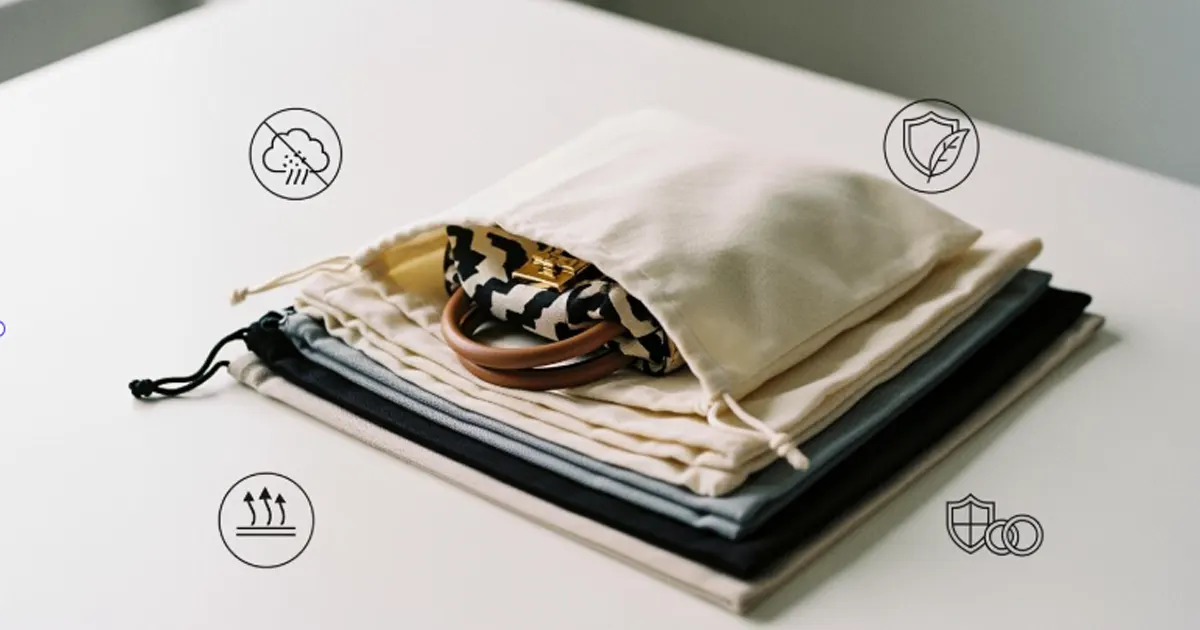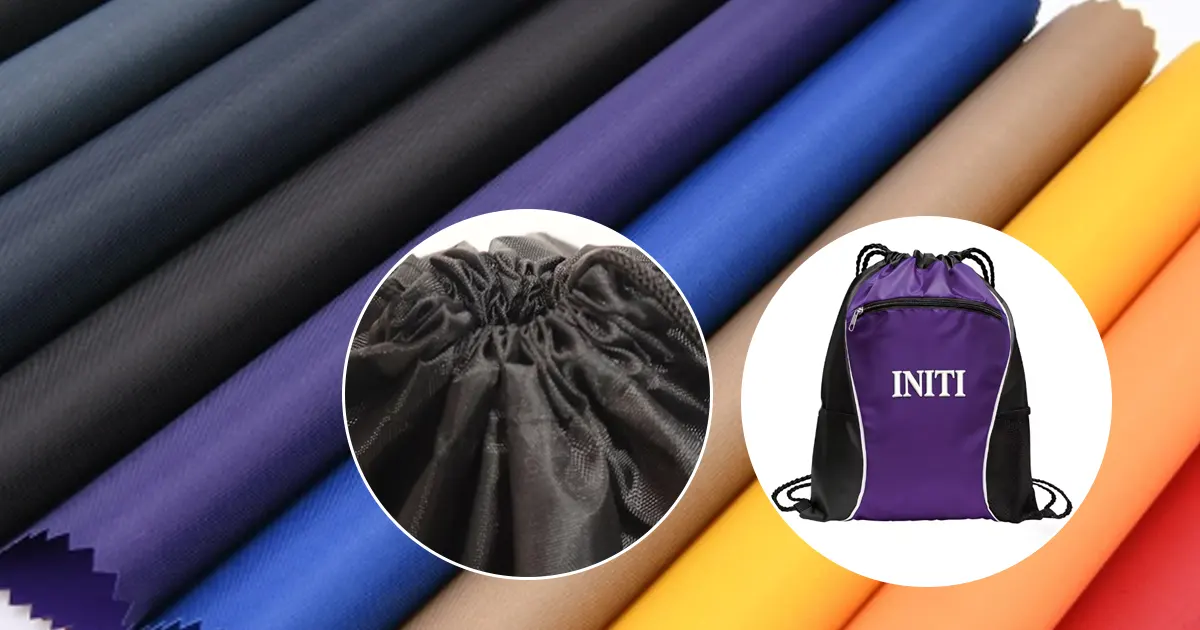
Wondering, can you wash dust bags? You can, but the answer depends on what your dust bag is made of. Some bags handle washing well, while others need extra care. For example:
- Cotton dust bags clean up easily and last a long time.
- Canvas and machine-washable materials make life simple.
- Always check if any ink print on the bag is safe to wash.
Choosing the right material lets you keep your dust bag fresh and ready for use.

Key Takeaways
- Check the material of your dust bag before washing. Cotton and canvas bags are usually washable, while leather and PU bags are not.
- Always read the care label on your dust bags. It provides important instructions on how to clean and maintain them.
- Use cool or room-temperature water when washing dust bags. Hot water can shrink or damage the fabric.
- Avoid using harsh chemicals or bleach. Stick to mild detergents to keep your dust bags in good condition.
- Air dry your dust bags instead of using a dryer. High heat can ruin the shape and material of the bags.
- Inspect your dust bags regularly for damage or odors. Replace them if they show signs of wear or do not hold dust well.
- Store your dust bags in a dry place to prevent mold and odors. Use sealed containers to keep them clean.
- Establish a cleaning schedule for your dust bags. Regular maintenance helps them last longer and perform better.
Can You Wash Dust Bags?
You probably ask yourself, can you wash dust bags? The answer depends on the type of bags you have. Some bags love a good wash, while others need special care. Let’s break down the details so you know exactly what to do with your bags.
Washable vs. Non-washable Bags
You find two main groups when you look at dust bags: washable and non-washable. Washable bags include cotton, canvas, and some synthetic materials. These bags handle water and gentle soap without trouble. You can wash dust bags made from these materials and expect them to last.
Non-washable bags include PU leather, genuine leather, and certain non-woven fabrics. These bags don’t like water. If you wash dust bags made from these materials, you risk ruining them. Always check the care label before you wash any bags. Manufacturers usually tell you if you can wash dust bags or if you need to use another cleaning method.
Here’s a quick list to help you decide:
- Cotton bags: Washable
- Canvas bags: Washable
- Non-woven bags: Sometimes washable, check the label
- Synthetic bags: Usually washable, but check for special coatings
- PU leather bags: Not washable
- Genuine leather bags: Not washable
Material Matters
The material of your bags makes a big difference. Cotton and canvas bags are tough and easy to clean. You can wash dust bags made from these materials with mild detergent and cool water. Synthetic bags often work well for washing, but some have coatings that don’t like water.
Non-woven bags sit in the middle. Some non-woven bags handle washing, but others fall apart or lose shape. Always check the care label. If you see instructions like “spot clean only” or “dry clean,” don’t wash the bags in water.
Leather bags need special attention. PU leather and genuine leather bags don’t handle water. If you wash dust bags made from leather, you risk peeling, cracking, or stains. These bags need professional cleaning.
Risks of Washing
You might wonder what happens if you wash dust bags made from non-washable materials. Cleaning professionals warn about several risks. Take a look at this table for a quick overview:
| Material Type | Risks and Limitations |
|---|---|
| PU Leather | Peels and cracks when washed; absorbs permanent odors; develops mold in humid conditions; deteriorates rapidly with water exposure |
| Genuine Leather | Requires expensive professional cleaning; water-sensitive and prone to stains; cannot be sanitized without damage; high maintenance costs |
If you wash dust bags made from PU leather, you see peeling and cracking. The bags absorb odors and may grow mold if they stay damp. Genuine leather bags cost a lot to clean and don’t like water. You can’t sanitize these bags without damaging them.
Always check the care label and follow the manufacturer’s instructions. If you don’t see a label, test a small area first or ask the manufacturer. You keep your bags safe and clean when you follow these steps.
Tip: If you ask, can you wash vacuum cleaner bags, always check the material and instructions. Some vacuum cleaner bags are washable, but others need replacement.
You keep your bags fresh and ready for use when you know which ones you can wash and which ones need special care.
Identifying Dust Bag Types
You see dust bags everywhere—inside closets, protecting shoes, or keeping your vacuum running. Not all dust bags are the same. Each type has its own look, feel, and cleaning needs. Let’s break down the most common types so you can spot them at a glance.
Cotton and Canvas
Cotton and canvas dust bags show up in many homes. You find them protecting handbags, shoes, and even small appliances. These bags feel soft or sturdy, depending on the weave. Some look smooth and gentle, while others feel thick and tough.
Here are a few popular cotton and canvas types you might recognize:
- Twill Cotton: Soft and resists wrinkles. Great for everyday use.
- Drill Cotton: Thick and strong. Handles heavy items well.
- Flannel Cotton: Gentle and plush. Perfect for delicate or luxury goods.
- Panamino Canvas: Tough and tear-resistant. Offers solid protection.
When it comes to cleaning, cotton and canvas make life easy. You can toss most cotton bags in the washing machine. Canvas bags like a gentle hand wash or spot cleaning. Check out this quick guide:
| Fabric Type | Cleaning Method | Care Requirements |
|---|---|---|
| Canvas | Spot clean or hand wash | May need reconditioning for softness |
| Cotton | Machine washable | Regular washing keeps it soft, but colors may fade |
Tip: Wash cotton bags with similar colors. Use cool water to keep them looking fresh.
Non-woven and Synthetic
Non-woven and synthetic dust bags look and feel different from cotton or canvas. You see these bags in vacuum cleaners, air purifiers, and sometimes as covers for shoes or clothes. They often feel light, smooth, or even a bit stiff.
Non-woven bags use pressed fibers instead of woven threads. Some handle gentle washing, but others fall apart if soaked. Synthetic bags, like polyester or nylon, resist water and stains. Some have special coatings for extra strength.
You might spot these features in non-woven and synthetic bags:
- High-efficiency filtration (traps tiny dust)
- Large capacity (holds more dirt)
- Easy to install and replace
- Made from eco-friendly materials
- Works with many appliances
Note: Always check if your synthetic bag has a coating. Some coatings don’t like water.
How to Check Care Labels
You want your dust bags to last. The best way to care for them? Read the care label. Most dust bags have a small tag inside or on the edge. This tag tells you how to clean the bag and what to avoid.
Here’s how you can check:
- Look for a fabric tag or printed instructions.
- Find symbols like a washing machine, hand, or water temperature.
- Read any warnings—like “spot clean only” or “do not wash.”
- If you can’t find a label, test a small hidden spot with water.
If you’re not sure, play it safe. Hand wash with cool water and mild soap. Air dry flat to keep the shape.
Knowing your dust bag type helps you clean it right and keep it looking new. You save time, money, and avoid mistakes.
How to Clean Dust Collector Filter Bags
Cleaning your filter bags keeps your machines running smoothly and your air fresh. You want to know how to clean dust collector filter bags the right way? Let’s walk through each step together. You’ll find this step-by-step guide to cleaning your vacuum cleaner bag useful for many types of filter bags.
Pre-cleaning Steps
Before you start, you need to get your filter bags ready. This makes the cleaning process easier and safer.
Emptying the Bag
First, remove the filter bag from your machine or baghouse. Make sure you wear gloves and a mask. You don’t want to breathe in dust or touch dirty filter material. Shake the filter bag gently over a trash bin. Get rid of all loose dust and debris. If you see clumps stuck inside, tap the filter bag lightly. Don’t use sharp tools. You might damage the filter.
Shaking Out Dust
Next, take the filter bag outside. Hold it by the top and shake it hard. You want to loosen any dust trapped deep inside the filter. If you have a vacuum with a blower, you can use it to blow out stubborn dust. Always check the filter bag for holes or tears. If you see damage, you may need to replace the filter bag instead of cleaning it.
Tip: Always empty and shake out your filter bag before washing. This keeps your filter working well and stops clogs.
Hand Washing Method
You want to know how to clean dust collector filter bags by hand? This method works best for delicate filter materials and bags with special coatings.
Rinse in Cool Water
Fill a large tub with cool or room-temperature water. Place the filter bag in the water. Move it around gently. Don’t scrub or twist the filter bag. You want to protect the filter fibers. Rinse until the water runs clear. If your filter bag is made of polypropylene, use mildly hot water, but never water that is too hot. Hot water can melt the filter material.
Gentle Detergent Use
Add a small amount of mild detergent to the water. Choose a detergent that is low-impact and free from harsh chemicals. You want to keep the filter fibers strong. Swish the filter bag in the soapy water. Let it soak for a few minutes. Move the filter bag gently to loosen dirt. Don’t scrub or wring the filter bag. Rinse again with clean water. Make sure you remove all soap. Leftover detergent can clog the filter.
Note: Always use gentle detergent and avoid bleach. Harsh chemicals can damage the filter and shorten its life.
Machine Washing Tips
Some filter bags can go in the washing machine. You need to know how to clean dust collector filter bags safely in a machine.
Use Mesh Laundry Bag
Put your filter bag inside a mesh laundry bag. This protects the filter from rough spinning and keeps the filter fibers from tangling. Wash only one filter bag at a time. Don’t mix with other items. You want to avoid lint and extra dirt sticking to the filter.
Low Temperature Wash
Set your washing machine to a gentle cycle. Use cold or room-temperature water. High heat can shrink or melt the filter material. Add a small amount of mild detergent. Don’t use fabric softener or bleach. These can clog the filter and ruin its performance. When the cycle ends, take the filter bag out right away. Don’t let it sit in the machine. Wet filter bags can grow mold.
Callout: Always check the care label before machine washing. Some filter bags, like fiberglass, should not be washed unless absolutely necessary.
Here’s a quick table to help you choose the right cleaning method for your filter bag:
| Filter Material | Cleaning Method | Water Temperature | Detergent Type |
|---|---|---|---|
| Polyester | Air filter cleaning machine | Warm | Mild |
| Polypropylene | Hand wash | Mildly hot | Mild |
| Acrylic | Machine wash | Cold/Warm/Room-temp | Mild |
| High-efficiency felt | Hand wash | Room-temp | Low-impact |
| Nylon | Machine wash (gentle) | Cold | Mild |
| Fiberglass | Avoid washing | N/A | N/A |
You now know how to clean dust collector filter bags using both hand and machine methods. Always empty your filter bag first, use gentle detergent, and choose the right water temperature. This keeps your filter working well and helps it last longer.
Items needed to clean dust collector filter bags: gloves, mask, mild detergent, mesh laundry bag, large tub, clean water.
Drying Dust Bags
After you finish washing your dust collector filter bag, drying it the right way is just as important as cleaning. If you rush this step or use the wrong method, you might ruin the bag or make it shrink. Let’s look at the best way to dry your dust bags and keep them in great shape.
Line Dry Only
You should always line dry your dust bags. Skip the dryer. High heat from a dryer can shrink or melt the material. Instead, hang your bag outside or in a well-ventilated room. Use a clothesline, drying rack, or even a sturdy hanger. Make sure the bag hangs open so air can flow inside and out. This helps the bag dry faster and stops any musty smells.
- Air drying usually takes a few hours. You don’t need to wait all day.
- If you dry your bag outside, keep it out of direct sunlight. Sunlight can fade colors and weaken the fabric.
- Flip the bag over halfway through drying. This helps both sides dry evenly.
Tip: If you live in a humid area, use a fan or open a window to speed up drying. Good airflow keeps your bag fresh and prevents mold.
Avoiding Shrinkage
Nobody wants a dust bag that shrinks and no longer fits. You can avoid shrinkage with a few simple steps:
- Always use cool or room-temperature water when washing. Hot water makes most fabrics shrink.
- Never put your dust bag in the dryer. Even a low-heat setting can cause trouble.
- Gently reshape the bag while it’s still damp. Pull the corners and edges back to their original shape.
- Don’t wring or twist the bag. Squeeze out extra water by pressing the bag between two towels.
If you follow these steps, your dust collector filter bag will stay the right size and last longer. Drying your bag with care keeps it working well and looking good for many uses to come.
How to Clean a Vacuum Cleaner Bag
You want your vacuum to work well every time you use it. Learning how to clean a vacuum cleaner bag helps you keep your home dust-free and your machine running smoothly. Let’s walk through the steps together.
Emptying and Prepping
Before you start, make sure you unplug your vacuum. Safety comes first. Put on gloves and a mask. You don’t want dust getting on your hands or in your nose. Take out the dust bag carefully. Check if your bag is reusable or disposable. If it’s reusable, empty the bag outside. This stops dust from spreading in your home. Shake the bag gently to get rid of loose dirt. Look for any holes or tears. If you see damage, you may need a new bag.
Here’s a simple checklist for prepping:
- Unplug the vacuum.
- Wear gloves and a mask.
- Remove the dust bag.
- Check if the bag is reusable or disposable.
- Empty the bag outside.
Tip: Always empty the bag when it’s about two-thirds full. This keeps suction strong and protects the motor.
Washing and Drying
Now you’re ready to clean vacuum cleaner bag. Fill a tub with warm soapy water. Use a soft brush to scrub the bag gently. Don’t scrub too hard. You want to keep the fabric strong. Rinse the bag until the water runs clear. Make sure you remove all soap. Leftover detergent can clog the bag and lower performance.
Hang the bag to air dry. Never use a dryer. High heat can shrink or damage the bag. Let the bag dry completely before you put it back in the vacuum. If the bag is still damp, it can grow mold or smell bad.
Here’s a quick table for washing and drying:
| Step | What to Do |
|---|---|
| Wash | Use warm soapy water |
| Scrub | Soft brush, gentle action |
| Rinse | Remove all soap |
| Dry | Air dry only |
Note: Always wipe the vacuum compartment with a damp cloth before putting the bag back.
Special Care Tips
You want your vacuum to last. Regular care makes a big difference. Clean vacuum cleaner bag often. Don’t wait until it’s packed full. Empty the bag or canister when it’s two-thirds full. This keeps airflow strong and stops clogs. If you notice a drop in suction, check the bag right away.
Here are some easy tips:
- Clean vacuum cleaner bag every few weeks.
- Store extra bags in a dry place.
- Check for holes or tears before each use.
- Replace the bag if it looks worn out.
Callout: Learning how to clean a vacuum cleaner bag keeps your vacuum working like new. You save money and avoid repairs.
You now know how to clean a vacuum cleaner bag and keep your machine in top shape. Follow these steps and your vacuum will thank you!
Dust Bag Maintenance
Keeping your dust bags in good shape helps your machines work better and keeps your home cleaner. You don’t need fancy tools or complicated routines. Just follow a few easy steps and you’ll have fresh, long-lasting bags.
Cleaning Schedule
You want your dust bags to stay clean and efficient. Setting up a regular cleaning schedule makes this easy. In places where you use your vacuum or dust collector a lot, you should check your bags more often. Here’s a simple plan:
- Start an inspection routine. Look at your dust bags every week. Check for dirt, damage, or odors.
- Change out filter bags regularly. If you see a lot of dust or the bag looks worn, swap it for a new one.
- Clean your bags after every heavy use. If you vacuum a big mess or use your dust collector for a long time, wash or empty the bag right away.
Tip: Keeping a calendar or reminder helps you stick to your cleaning schedule. This is one of the best tips for maintaining your vacuum cleaner bag.
Storage Tips
Storing your dust bags the right way keeps them clean and ready for action. You don’t want your bags to get dusty or smelly while they sit unused. Try these easy storage ideas:
- Keep your bags in a dry place. Moisture can cause mold and bad smells.
- Use a sealed container or zip bag. This stops dust and bugs from getting inside.
- Store extra bags flat or folded. Don’t cram them into tight spaces. This keeps their shape.
- Label your bags. If you have different types, write the name or use a sticker. You’ll grab the right one every time.
Note: Always let your bags dry completely before storing them. Wet bags can ruin your efforts at maintaining a clean vacuum cleaner bag.
Preventing Odors
Nobody likes a smelly dust bag. You can stop odors before they start with a few simple tricks. Cleaning experts recommend these methods:
- Sprinkle baking soda inside the bag. Let it sit overnight, then vacuum it out. Baking soda absorbs bad smells.
- Spray a mix of white vinegar and water inside the bag. Vinegar neutralizes odors and leaves the bag fresh.
- Place dryer sheets or cotton balls with a drop of essential oil in the bag’s pockets. This gives your bag a pleasant scent.
- Air out your bags in a well-ventilated area. Fresh air removes musty smells.
- Use activated charcoal. Charcoal absorbs odors and keeps your bag smelling clean.
Here’s a quick table for odor prevention:
| Method | How It Helps |
|---|---|
| Baking soda | Absorbs odors |
| White vinegar spray | Neutralizes smells |
| Dryer sheets/cotton | Adds fresh scent |
| Airing out | Removes mustiness |
| Activated charcoal | Strong odor absorber |
Callout: If you follow these steps, you’ll have no trouble maintaining a clean vacuum cleaner bag. Your home will smell fresh and your machines will work better.
You now know how to set a cleaning schedule, store your bags, and prevent odors. These steps make maintaining a clean vacuum cleaner bag simple and stress-free.
Common Mistakes to Avoid
You want your dust bags to last and work well. Sometimes, small mistakes can ruin a good bag. Let’s look at the most common things people do wrong and how you can avoid them.
Hot Water or Dryer Use
Many people think hot water or a quick spin in the dryer will get dust bags extra clean. This is not true. Hot water can shrink or melt the fabric. The dryer’s heat can make the bag lose its shape or even damage special linings. You might end up with a bag that no longer fits or works.
- Hot water can cause cotton or canvas to shrink.
- Synthetic bags may melt or warp in high heat.
- Dryer use can weaken seams and make the bag stiff.
Tip: Always use cool or room-temperature water. Hang your dust bag to dry in a well-ventilated area. This keeps the fabric safe and helps your bag last longer.
Harsh Chemicals
You might think strong cleaners will remove every stain or odor. In reality, harsh chemicals can do more harm than good. Bleach, strong detergents, or stain removers can break down the fibers in your dust bag. Some chemicals leave behind residue that clogs the fabric and lowers performance.
- Strong cleaners can fade colors and weaken fabric.
- Chemical residue may affect how well the bag filters dust.
- Some products can even cause skin irritation when you handle the bag.
Callout: Choose a gentle detergent and avoid bleach. Your dust bag will stay strong and safe for regular use.
Ignoring Labels
It’s easy to skip the care label, but this small tag holds big clues. If you ignore the instructions, you risk damaging your dust bag. Each bag has different needs. Some need hand washing, while others can go in the machine. Some linings need special care, like suede or coated fabrics.
Ignoring care labels can lead to:
- Ineffective cleaning, leaving behind dust or stains.
- Using too much soap, which leaves residue and affects performance.
- Damaging the material, making the bag wear out faster.
- Missing important safety steps, which can expose you to harmful chemicals.
Note: Always check the care label before you clean. If you can’t find one, test a small spot first or ask the manufacturer for advice.
You can avoid most problems by paying attention to the material, using the right cleaning method, and following the care label. This keeps your dust bags clean, safe, and ready for use.
Troubleshooting and Replacement
Shrinkage or Damage
Sometimes, you might notice your dust bag looks smaller than before or has lost its shape. Shrinkage often happens if you use hot water or put the bag in a dryer. Damage can show up as holes, tears, or worn-out seams. If you see fading colors or the fabric feels thin, your bag may not work as well. You might also spot loose threads or broken zippers. These problems can let dust escape and lower the bag’s performance.
If you want to fix minor issues, try these quick solutions:
- For small holes, patch them with fabric tape or sew them up.
- If the bag shrank, gently stretch it back while damp, but don’t force it.
- Clean stains with a soft brush and mild soap.
If your bag still doesn’t fit or keeps leaking dust, it’s time to think about a replacement.
When to Replace
You should replace your dust bag when it’s full, damaged, or no longer holds dust well. A full bag blocks airflow and makes your vacuum or dust collector work harder. If you see dust leaking out or notice a drop in cleaning power, swap the bag for a new one. The quality and size of your dust bag matter a lot. They help trap fine dust and allergens and keep air moving smoothly through your machine. Regular replacement keeps your cleaning tools working their best.
If you use special systems, like how to clean baghouse dust collector filter bags, you’ll want to check the bags more often. Bags in these systems handle lots of dust and need to stay in top shape. Don’t wait until the bag is bursting—change it before you notice problems.
Choosing New Bags
Picking the right dust bag makes a big difference. You want a bag that fits your needs and works with your machine. Here are some things to think about:
- Type of dust and where you use the bag. Some dust needs special filters.
- Filtration efficiency and fabric type. Polyester and aramid work well for different jobs.
- Size and design. The bag should fit your machine to stop dust from slipping by.
- Cleaning method compatibility. Some bags work better with certain cleaning systems, like how to clean filter bags in a sonic baghouse, how to clean reverse air baghouse filter bags, or how to clean mechanical shaker baghouse filter bags.
- Compliance, support, and supplier reliability. Make sure your bag meets safety rules and comes from a trusted source.
Tip: Always check your machine’s manual for the right bag size and type. A good fit means better cleaning and longer life for your equipment.
If you follow these tips, you’ll have fewer problems and get the best results from your dust bags.
Conclusion
You can keep your dust bags clean and long-lasting with a few simple steps. Always check the care label first. Use cool water and gentle detergent. Let your bags air dry. Avoid hot water, dryers, and harsh chemicals.
- Wash only when safe for the material.
- Store bags dry and flat.
- Replace damaged bags quickly.
Remember, proper care means better performance and a longer life for your bags. Need custom dust bags? We offer OEM and ODM services for all your needs!
FAQ
Can I wash all dust bags in the washing machine?
No, you can’t wash every dust bag in the machine. Always check the care label first. Cotton and some synthetics are usually safe. Leather, PU, and some non-woven bags need special care.
How often should I clean my dust bag?
You should clean your dust bag every few weeks or after heavy use. If you notice odors or see dust buildup, it’s time for a wash. Regular cleaning keeps your bag working well.
What should I do if my dust bag shrinks?
If your dust bag shrinks, gently stretch it while it’s still damp. Avoid using hot water or a dryer next time. If it doesn’t fit anymore, you may need a replacement.
Can I use bleach or strong cleaners on dust bags?
Avoid bleach and harsh cleaners. These can damage the fabric and shorten your bag’s life. Stick to mild detergent and cool water for best results.
How do I remove odors from my dust bag?
Try these tips:
- Sprinkle baking soda inside and let it sit overnight.
- Air out the bag in a sunny spot.
- Use a few drops of essential oil on a cotton ball.
What happens if I ignore the care label?
Ignoring the care label can ruin your dust bag. You might shrink, fade, or damage the material. Always read the label before cleaning.
When should I replace my dust bag?
Replace your dust bag if you see holes, tears, or if it no longer holds dust well. A worn-out bag can lower your machine’s performance and let dust escape.