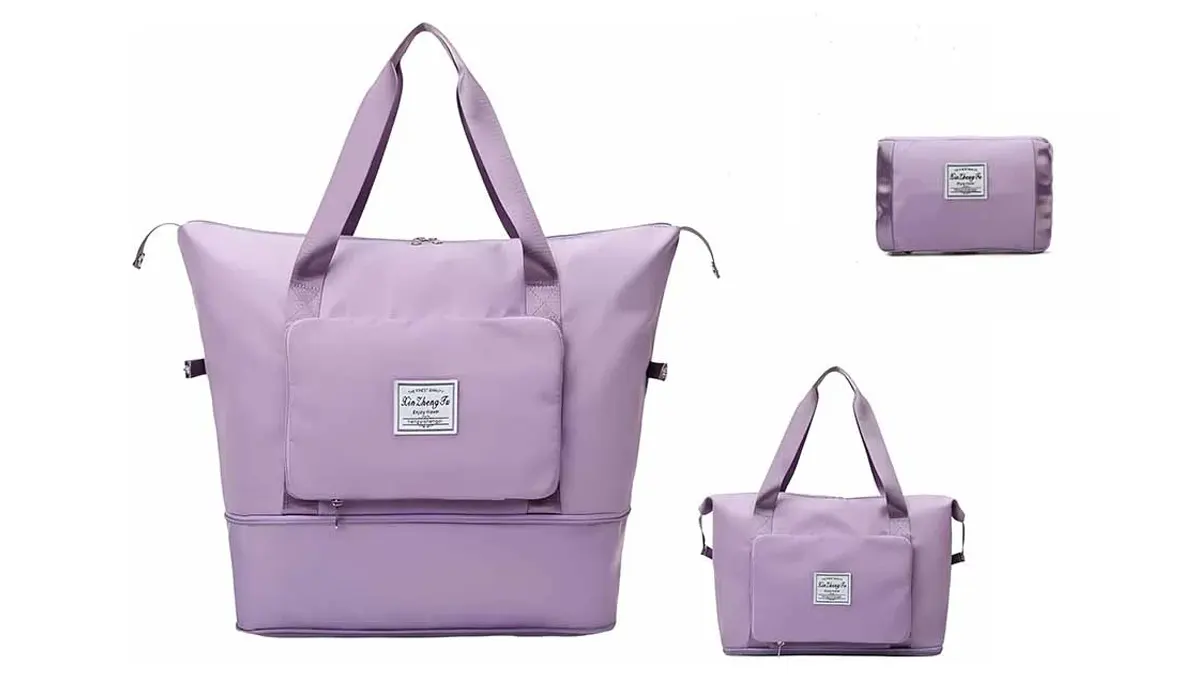
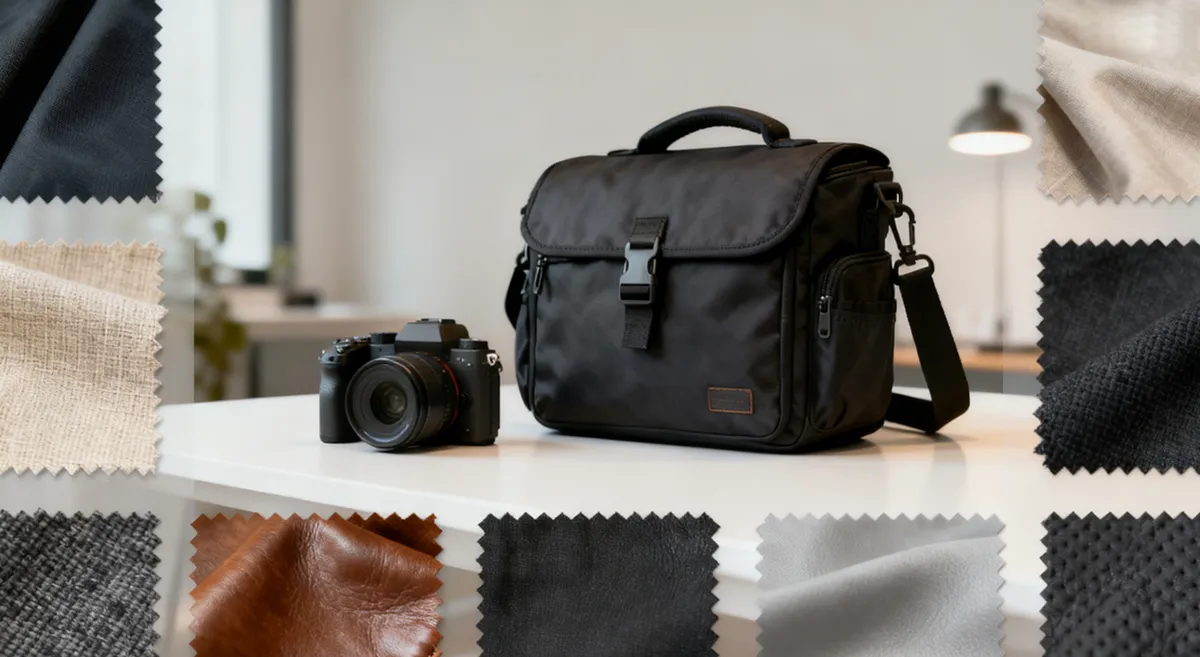
When you choose a camera bag, the camera bag material is very important. The right material keeps your camera safe from bumps and rain. It also protects it from getting worn out every day. Some camera bags, like high-denier poly or CORDURA, are very strong and last a long time. Other bags, like X-PAC sailcloth or Dyneema, are lighter and look cool. Here is a quick guide to see how each camera bag material compares:
| Material Type | Protection | Durability |
|---|---|---|
| High-denier poly | Strong outer layer | Resists wear and tear |
| X-PAC sailcloth | Light, stylish, tough | Excellent longevity |
| CORDURA | Abrasion resistant | Handles rough use |
| Dyneema | Super strong, light | Lasts a long time |
| Weatherproofing | Shields your camera | Extends bag lifespan |
Pick a camera bag that fits your life. You might like camera sling bags, want a comfy camera backpack, or need fast access to your camera. Think about where you go and how you use your camera. Choose what feels best for you. Many people who travel or love photography want camera backpacks or camera sling bags. They look for bags that protect their camera and feel good to carry.
Key Takeaways
- Picking the right camera bag material helps keep your gear safe. It protects your camera from damage and bad weather.
- Nylon is tough and light. It works well for outdoor trips and daily use.
- Canvas looks nice and gives good protection. But you need to clean it more often.
- Polyester costs less and is light. It may not last as long as nylon or canvas.
- Leather looks classic and protects well. You must care for it often so it does not get ruined.
- Hard-shell bags protect best from bumps. But they are heavy and big for daily use.
- Think about how you take photos and where you go. This helps you pick the best bag for your needs.
- Always look for waterproofing and padding. These features help keep your camera safe.
Why Camera Bag Material Matters
Impact on Durability
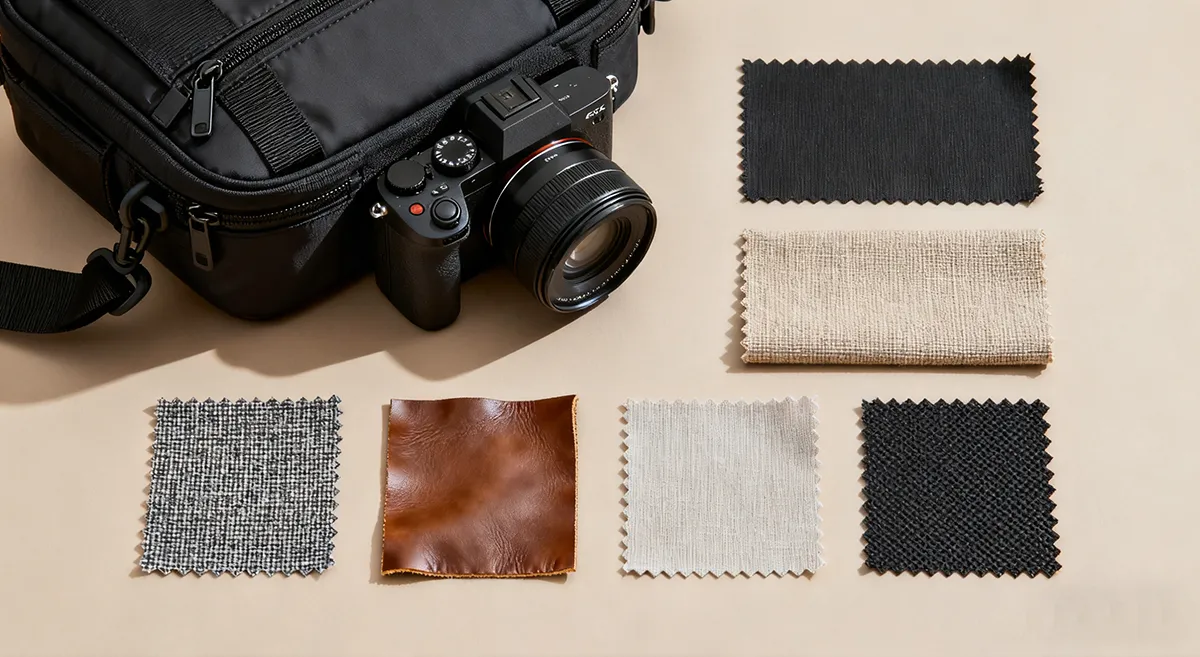
Picking a camera bag that lasts is important. The material you pick affects how tough the bag is. Some bags use strong fabrics like ballistic nylon or treated canvas. These materials can handle daily use. You can put your bag in the car, take it to the airport, or go hiking. The bag stays in good shape and keeps your camera safe from bumps. Extra stitching and weatherproof coatings help protect your gear. If you use your bag a lot, you need shock-absorbing compartments and waterproof zippers. These features help your bag survive drops and keep water out. A tough camera bag saves you money and keeps your camera safe.
| Material Type | Characteristics | Suitability for Photographers and Videographers |
|---|---|---|
| DuPont Cordura nylon | Very tough and does not wear out easily. | Great for expensive bags and protects your camera well. |
| Ripstop nylon | Cheap but can be cut easily; stops tears from getting bigger. | Not good for expensive gear because it can break. |
| Hard-shell cases | Protects your camera but can be hard to carry. | Good for travel but not easy to move around with. |
| Leather | Lasts a long time but can attract thieves. | Looks nice but you need to be careful. |
| Vinyl | Not strong enough for camera bags. | Does not protect expensive cameras well. |
Influence on Weight and Comfort
You want your camera bag to be easy to carry. The material changes how heavy the bag feels. Some bags use light fabrics like ripstop nylon or Dyneema. These keep the bag light so your back does not hurt. If you carry your camera all day, padded straps and soft handles help. Military grade straps give more comfort and support. Hard-shell cases protect your camera but are heavy and hard to carry. Leather bags look cool but make the bag heavier. When picking a bag, think about how much stuff you carry and how far you go. A lighter bag with good padding makes carrying easier.
Tip: Try different camera bags before you buy one. Check how heavy they feel on your shoulders. Comfort is just as important as protection.
Weather Resistance
You cannot always know if it will rain or snow. Your camera bag should keep water out. The right material stops water and keeps your camera dry. Closed cell foam and waterproof zippers help keep your gear safe. Some bags use canvas or nylon with special coatings. These block water and add more protection. If you take pictures outside, you need a bag that can handle rain, mud, and dust. Water can ruin your camera and lenses, so weather protection is very important. Look for bags with sealed seams and water-resistant fabrics. These keep your camera safe in any weather.
- Water-resistant materials keep your camera safe from rain.
- Waterproof zippers and sealed seams give extra safety.
- Closed cell foam stops water and protects your camera.
A camera bag with good weather protection helps you worry less. You can focus on taking pictures instead of worrying about water damage.
Style and Appearance
When you pick a camera bag, you want it to look good. The style of your camera bag can show your personality. Some people like a classic look with leather. Others want a modern style with bright colors or cool patterns. You might want a camera bag that matches your clothes or fits in with your daily life.
Canvas camera bags give you a vintage vibe. They look relaxed and casual. Leather camera bags look fancy and professional. If you want something sporty, nylon camera bags come in many colors and shapes. Hard-shell camera bags look tough and futuristic. You can find a camera bag for every style.
Tip: If you travel a lot, pick a camera bag that blends in. Bright colors can attract attention. Neutral colors help you stay low-key.
You can also choose a camera bag with extra pockets or special designs. Some camera bags have cool logos or patches. Others have sleek lines and simple shapes. You get to decide what fits your style. Your camera bag is more than just a tool. It can be part of your look.
Cost Considerations
You want a camera bag that fits your budget. The price depends on the material and the brand. Leather camera bags cost more because they use real leather. Nylon and polyester camera bags are cheaper. Canvas camera bags fall in the middle. Hard-shell camera bags can be expensive if they use strong plastic or metal.
Here’s a quick table to help you compare:
| Material | Price Range | Value for Money |
|---|---|---|
| Leather | High | Lasts long, looks great |
| Nylon | Low to Medium | Light, strong, affordable |
| Canvas | Medium | Stylish, durable |
| Hard-shell | Medium to High | Best protection, heavy |
If you want to save money, pick a nylon camera bag. If you want your camera bag to last for years, you might spend more on leather or a hard-shell case. Sometimes, you pay for the brand name. You can find a good camera bag at any price if you look for sales or discounts.
Note: Always check the quality before you buy. A cheap camera bag might not protect your camera well. Spending a little more can save you money in the long run.
You should think about how often you use your camera bag. If you use it every day, invest in a strong one. If you only use it for trips, a simple camera bag works fine. Your camera is important, so make sure your camera bag gives it the protection it needs.
Nylon Camera Bags
Ballistic Nylon
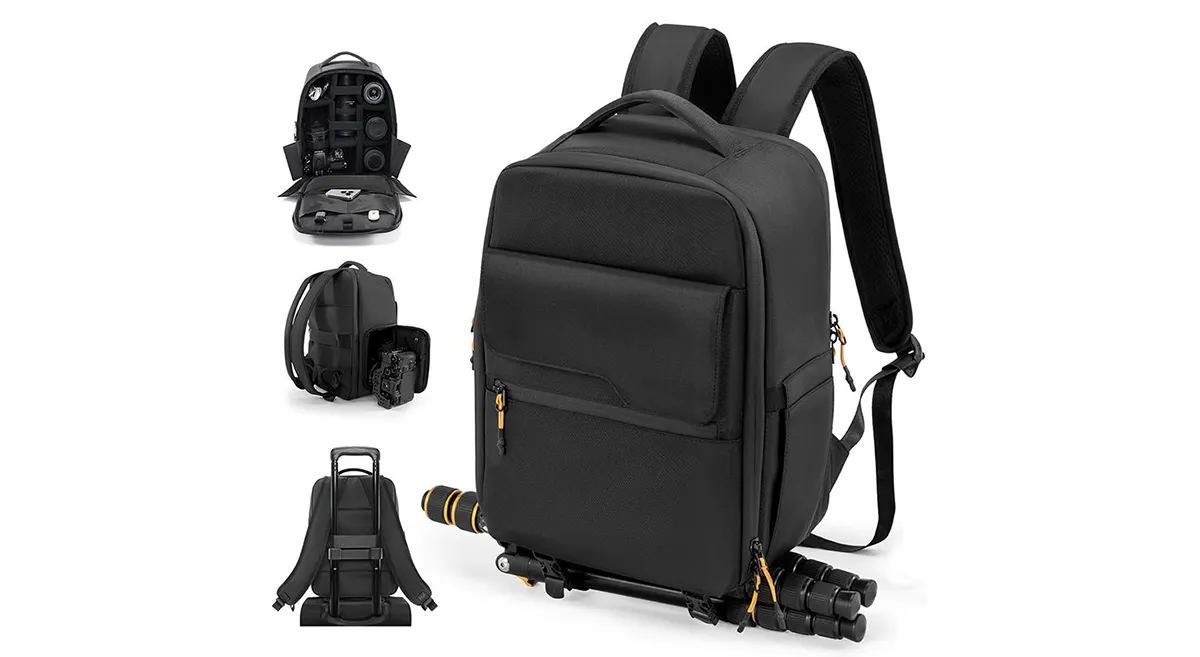
Ballistic nylon is a great choice for a strong camera bag. This material is also used in military gear and tough luggage. It feels thick and smooth. Ballistic nylon can take a lot of rough use. If you drop your bag or scrape it on rocks, it helps keep your camera safe.
Pros
- Ballistic nylon does not wear out fast. You can use your camera bag every day and it still lasts.
- This material lasts for years. It is good for people who travel or take pictures outside.
- Ballistic nylon keeps water out in light rain. Your camera stays dry.
- It is easy to clean. You can wipe off dirt and mud.
Here is a table that shows how ballistic nylon compares to other strong fabrics:
| Fabric Type | Abrasion Resistance | Lifespan Characteristics |
|---|---|---|
| Ballistic Nylon | High | Excellent for tactical gear, holds up under extreme conditions |
| Cordura | Higher | Effective wear distribution due to air-textured yarn |
Tip: Ballistic nylon is a smart pick for hiking or travel.
Cons
- Ballistic nylon is heavy. Your camera bag will weigh more and long walks can be harder.
- The material is stiff. Your bag might feel big and not bend much.
- There are not many style choices. Ballistic nylon bags are usually dark and simple.
- It can cost more. You pay extra for better protection.
Ripstop Nylon
Ripstop nylon makes camera bags lighter. You can see a crosshatch pattern on this material. The threads make small squares that stop rips from getting bigger. If your bag gets caught on a branch, the ripstop design keeps the tear small.
Pros
- Ripstop nylon is light. Your camera bag is easy to carry.
- It is strong for its weight. The crosshatch threads make it tough without being thick.
- Small rips do not spread. Your camera stays safe.
- Ripstop nylon is good for outdoor use. Many hiking camera bags use it.
Here is a table that shows how ripstop nylon is different from regular nylon:
| Feature | Ripstop Nylon | Standard Nylon |
|---|---|---|
| Structure | Crosshatch reinforcement with thicker threads at intervals | Simple over-under pattern |
| Performance | Prevents tears from spreading, lightweight but strong | Balanced strength and flexibility, moderate abrasion resistance |
| Use Case | Dry bags, camping gear, ultralight backpacks | General-purpose bags, everyday backpacks, totes |
Note: Ripstop nylon is a good choice for outdoor trips.
Cons
- Ripstop nylon does not resist scratches as well as ballistic nylon. It can wear out faster on rough ground.
- It is not as water-resistant. You might need a rain cover for your bag.
- Ripstop nylon can feel thin. Some people worry it will not protect expensive cameras.
- There are not many style options. Most ripstop nylon bags look sporty or plain.
General Nylon Pros
Nylon camera bags have many good and bad points. You get a strong and light bag that protects your camera from bumps. Nylon does not get moldy or smelly, so your bag stays fresh. You can find nylon camera bags in many sizes and shapes. Nylon dries fast if it gets wet. Most nylon camera bags cost less than leather or hard-shell bags.
If you want a camera bag that is not too heavy or expensive, nylon is a good pick. It gives you good protection for your camera and saves you money.
General Nylon Cons
You might think nylon camera bags are perfect, but they do have some downsides. Let’s talk about what you should watch out for before you pick one for your camera gear.
- Susceptibility to UV Damage
Nylon does not like the sun. If you leave your camera bag outside for a long time, the color can fade. The fabric can also get weaker. You may notice your bag looking old faster than you expect. If you shoot outdoors a lot, this can be a problem. - Environmental Concerns
Nylon is a synthetic material. It does not break down in nature. When you throw away a nylon camera bag, it stays in the landfill for years. Making nylon also uses a lot of energy and chemicals. If you care about the planet, you might want to look for eco-friendly options. - Limited Breathability
Nylon does not let air move through easily. If you put wet items or a damp camera inside, moisture can get trapped. This can lead to mold or a musty smell. Your camera gear needs to stay dry, so you have to be careful. - Price Point
You might think nylon is always cheap, but high-quality nylon camera bags can cost more than canvas or cotton ones. If you want the best protection, you may need to pay extra. Sometimes, you get what you pay for, but it’s good to compare prices. - Potential for Static
Nylon can build up static electricity. You might notice your camera bag clinging to your clothes or picking up dust. It’s not a big problem, but it can be annoying when you’re in a hurry.
Tip: If you want to avoid these issues, store your camera bag away from direct sunlight and keep it clean. You can also look for bags made with recycled nylon or blends that offer better breathability.
Here’s a quick table to help you see the main cons at a glance:
| Nylon Camera Bag Cons | What It Means for You |
|---|---|
| UV damage | Bag fades and weakens in sunlight |
| Not biodegradable | Bad for the environment |
| Poor breathability | Moisture can get trapped inside |
| Can be pricey | High-end bags cost more |
| Static electricity | Bag may cling or attract dust |
When you choose a camera bag, think about where you’ll use it and how you’ll care for it. Nylon has many strengths, but knowing the cons helps you make the best choice for your camera and your lifestyle.
Canvas Camera Bags
Pros
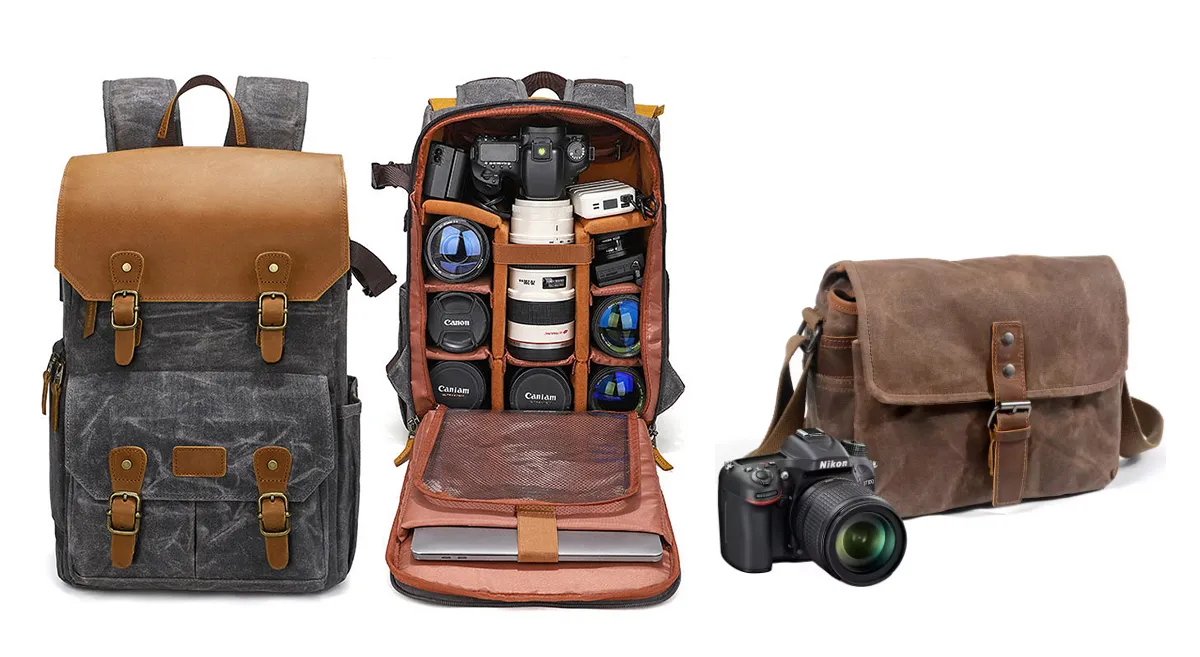
Canvas camera bags give you a classic look and a relaxed vibe. You might notice that many photographers choose canvas because it feels sturdy and timeless. If you want a bag that matches your everyday style, canvas works well. You can carry it to work, on a hike, or to a coffee shop. The material feels soft but strong, so you get comfort and durability at the same time.
One big advantage is how well canvas protects your camera. Premium canvas bags often come with waterproof coatings. You do not have to worry about rain or splashes. Your camera stays dry, even if the weather changes quickly. Canvas also lets air move through the bag. This breathability helps prevent moisture buildup inside, so your camera gear stays fresh and safe.
You can find canvas camera bags in many shapes and sizes. Some have extra pockets for memory cards, batteries, or your phone. Others have adjustable straps that make carrying easy. If you want a bag that fits your personality, canvas gives you lots of color and design choices. You can even add patches or pins to make your bag unique.
Here are some reasons why you might like canvas camera bags:
- They look stylish and never go out of fashion.
- The material feels comfortable on your shoulder.
- Waterproof coatings keep your camera safe from rain.
- Breathable fabric helps protect your gear from mold.
- Many designs and colors let you show your style.
Tip: If you want a camera bag that works for both city life and outdoor adventures, canvas is a smart pick.
Cons
Canvas camera bags do have some drawbacks. You should think about these before you buy one. The material, while strong, can get dirty easily. If you set your bag down on wet grass or mud, stains might stick. Cleaning canvas takes more effort than wiping down nylon or polyester.
Canvas is heavier than some other materials. If you pack a lot of camera gear, your bag might feel bulky. You may notice the weight more on long walks or hikes. The straps can dig into your shoulder if the bag is too full.
Waterproof coatings help, but canvas is not fully waterproof. If you get caught in heavy rain, water can seep through the seams. You might need an extra rain cover for your camera bag. Canvas also takes longer to dry if it gets soaked.
Canvas bags can wear out over time. The corners and edges may fray if you use your bag every day. You might see fading or small tears after a few years. If you want a bag that lasts forever, you may need to look at other materials.
Here’s a quick table to help you compare the cons:
| Canvas Camera Bag Cons | What You Should Know |
|---|---|
| Gets dirty easily | Needs regular cleaning |
| Heavier than nylon | Can feel bulky with gear |
| Not fully waterproof | May need extra rain cover |
| Can fray or fade | Shows wear after long use |
Note: If you want a camera bag that stays looking new, you should clean it often and avoid rough surfaces.
You should weigh the pros and cons before you choose a canvas camera bag. Think about how you use your camera and where you go. Canvas gives you style and comfort, but you need to care for it to keep your camera safe.
Polyester Camera Bags

Pros
Polyester camera bags give you a lot of value for your money. If you want a bag that protects your camera without spending too much, polyester is a smart choice. You will notice that polyester costs less than nylon and canvas. For example, polyester fabric usually costs about 5-8 RMB per meter, while nylon costs around 13-18 RMB per meter. That means polyester is often 35-70% cheaper than nylon, especially when you buy in bulk. You can save money and still get a bag that looks good.
Polyester feels light, so you can carry your camera all day without getting tired. The material resists wrinkles and keeps its shape. You do not have to worry about your bag looking messy after a long trip. Polyester camera bags also dry quickly if they get wet. You can wipe off spills or rain, and your bag will be ready to go.
You will find many styles and colors when you shop for polyester camera bags. Some bags have bright colors or cool patterns. Others look simple and clean. You can pick a bag that matches your style. Polyester does not fade easily, so your camera bag stays looking new for a long time.
Here are some reasons you might like polyester camera bags:
- Lower price compared to nylon and canvas
- Lightweight and easy to carry
- Quick-drying and easy to clean
- Many color and style options
- Keeps its shape and resists wrinkles
Tip: If you want a camera bag for school, travel, or everyday use, polyester gives you lots of choices without breaking the bank.
Cons
Polyester camera bags have some downsides you should think about before you buy. The material does not feel as strong as nylon. Nylon is often used for outdoor gear and premium luggage because it lasts longer. If you need a camera bag for hiking or rough trips, polyester may wear out faster. The fabric can tear or get holes if you drag it over rocks or sharp edges.
Polyester does not block water as well as some other materials. If you get caught in heavy rain, water can seep through the seams. You might need a rain cover to keep your camera safe. The bag can also trap heat, which may make your camera gear warm on hot days.
Some polyester camera bags look shiny or feel stiff. You may not like the texture if you want a soft, classic look. The material can also hold onto smells if you put food or wet items inside. You need to clean your bag often to keep it fresh.
Here is a table to help you compare the cons:
| Polyester Camera Bag Cons | What You Should Know |
|---|---|
| Not as durable as nylon | May wear out with heavy use |
| Less water-resistant | Needs extra protection in rain |
| Can trap heat | Camera gear may get warm |
| Holds odors | Needs regular cleaning |
| Shiny or stiff texture | May not suit all styles |
Note: If you want a camera bag for outdoor adventures or heavy use, you might want to look at nylon or canvas instead.
You should think about how you use your camera and where you go. Polyester camera bags work well for light travel, school, or city life. If you need more protection or plan to use your bag every day, you may want to spend a little more for a stronger material.
Leather Camera Bags

Pros
You might love the look of leather camera bags. They stand out with a classic style that never goes out of fashion. When you walk into a room with a leather bag, people notice. The material feels smooth and strong in your hands. Leather gives your camera bag a premium vibe. If you want something that looks professional, leather is a top choice.
Leather camera bags can last for years. The material gets softer over time but stays tough. You may see small marks or scratches, but these add character. Many photographers say their leather camera bag looks better as it ages. You get a bag that feels unique and personal.
Leather also protects your camera from bumps and drops. The thick material absorbs shocks. Some leather bags have padded compartments inside. Your camera stays safe even if you set the bag down quickly. Leather blocks dust and dirt, so your camera gear stays clean.
You can find leather camera bags in many shapes and sizes. Some have extra pockets for memory cards or batteries. Others have adjustable straps for comfort. If you want a bag that matches your style, leather gives you lots of options.
Tip: If you want a camera bag that looks good at work or on a trip, leather is a smart pick.
Cons
Leather camera bags do have some downsides. You need to care for them more than synthetic bags. Leather needs regular cleaning and conditioning. If you skip this, the material can crack or fade. Take a look at this table to see how leather compares to synthetic materials:
| Material | Maintenance Needs |
|---|---|
| Leather | Requires regular cleaning and conditioning |
| Synthetic (Nylon) | Easier to clean and requires low maintenance |
If you get your leather camera bag wet, you need to dry it right away. Water can stain or damage the leather. You should keep your bag away from rain or spills. Leather does not like extreme heat or cold. If you leave your camera bag in a hot car, the material can warp or lose color.
Leather camera bags can feel heavy. The thick material adds weight, especially if you carry a lot of camera gear. You may notice your shoulder getting tired after a long day. Some leather bags cost more than nylon or canvas. You pay for the style and quality, but it might not fit every budget.
Leather can attract attention. If you travel in busy places, a fancy camera bag might stand out. You need to be careful where you carry it. Some people worry about theft when using leather bags.
Note: If you want a camera bag that is easy to care for, you might prefer nylon or polyester. Leather needs more attention to stay looking good.
You should think about how much time you want to spend caring for your camera bag. Leather gives you style and protection, but it needs regular care. If you want a bag that lasts and looks great, leather is worth considering.
Hard-Shell Camera Bags
Pros
Hard-shell camera bags give you the best protection for your gear. If you want to keep your camera safe from drops, bumps, or even rough travel, these bags work well. The outside shell feels tough and solid. You can stack other bags on top, and your camera will not get crushed. Many people use hard-shell bags when they fly or ship their camera gear.
You can find different materials in hard-shell camera bags. Each one has its own strengths. Here is a table to help you see the differences:
| Material Type | Impact Resistance | Durability Features |
|---|---|---|
| High-Density Polyethylene | Good impact resistance, lightweight | Can degrade with prolonged UV exposure |
| Polycarbonate | Excellent impact resistance | Suitable for harsh environmental conditions |
| Aluminum | Superior durability, withstands extreme pressure | Offers high protection against scratches and impacts |
Polycarbonate cases stand up to hard knocks and drops. Aluminum cases feel strong and last a long time. High-density polyethylene is light, so you can carry your camera without too much weight. These materials help you trust that your camera will stay safe, even if you travel a lot.
Most hard-shell camera bags have foam padding inside. This padding keeps your camera from moving around. You can cut the foam to fit your camera and lenses. Some bags even have waterproof seals. If you get caught in the rain, your camera stays dry.
Tip: If you shoot in rough places or need to check your camera bag on a plane, a hard-shell case gives you peace of mind.
Cons
Hard-shell camera bags do have some downsides. You should think about these before you buy one.
- Hard-shell camera bags, like Pelican cases, are heavier than most camera bags. Carrying them for a long walk can make you tired.
- These bags are bulkier. You might have trouble fitting them in small spaces or overhead bins.
- Quick access to your camera gear is harder. You need to open the whole case to get your camera out. This makes them less useful for fast shooting.
- The hard shell does not bend. If you need to squeeze your bag into a tight spot, it will not fit.
- Some hard-shell bags cost more than soft camera bags.
You may also notice that hard-shell camera bags look more like toolboxes. They do not blend in as well as canvas or leather bags. If you want a stylish bag for city use, you might not like the look.
Note: If you only use your camera for short trips or want something easy to carry, a soft camera bag might work better.
Hard-shell camera bags protect your camera very well, but you trade some comfort and style for that safety. Think about how you use your camera and where you go before you choose one.
Padding and Protection in Camera Bags
Importance of Padding
When you pick a camera bag, you want to make sure your camera stays safe. Padding and protection matter a lot. Padding helps absorb shocks if you drop your bag or bump it against something. Without good padding, your camera can get damaged. You need padding to keep your gear safe during travel, hikes, or even daily use. Some camera bags use thick foam to protect your camera from hard impacts. Others use softer quilted padding, which feels nice but does not always stop damage. In tests, nylon camera bags with thick foam lining kept cameras safe after drops, while quilted bags let the padding compress and did not protect as well. You want a camera bag that gives you real protection, not just a soft feel.
Types of Padding
You will find different types of padding in camera bags. Each type has its own strengths and weaknesses. Let’s look at the most common options.
Padded Compartments
Many camera bags use padded compartments. These sections have foam walls that separate your camera and lenses. Padded compartments keep your gear from bumping into each other. You can organize your camera bag with these compartments, so everything has its own spot. Some bags let you move the compartments around to fit your gear. Flexible compartments and smart organization make it easy to change the layout when you get new equipment. Padded compartments give you good shock absorption and help with organization.
Pick-and-Pluck Foam
Pick-and-pluck foam is another popular choice. You get a block of foam with small cubes you can pull out. This lets you shape the padding to fit your camera and lenses exactly. Pick-and-pluck foam gives you great protection because your gear sits snug in the foam. You can customize the layout for any camera or accessory. This type of padding works well in hard-shell camera bags. You get strong padding and protection, but it takes time to set up.
Pros and Cons of Padding Options
You need to think about the trade-offs when choosing padding and protection. Some padding gives you more flexibility, while others focus on safety.
- The Lingge Chain Camera Bag looks stylish, but it does not protect your camera well. In drop tests, the camera rattled and got minor damage.
- Padded camera inserts give you better protection. They absorb shocks and keep your gear safe. You can customize the padding for your camera and lenses.
- Pick-and-pluck foam offers top protection and lets you shape the compartments for perfect organization. You lose some flexibility because changing the layout takes time.
- Padded compartments are easy to adjust and help with organization, but they may not fit every camera perfectly.
Here’s a table to help you compare the options:
| Padding Type | Protection Level | Flexibility | Customization | Organization |
|---|---|---|---|---|
| Padded Compartments | Good | High | Medium | High |
| Pick-and-Pluck Foam | Excellent | Low | High | Medium |
| Quilted Padding | Low | High | Low | Low |
Tip: If you want the best padding and protection, look for camera bags with thick foam or pick-and-pluck inserts. If you need flexible compartments and smart organization, padded compartments work well.
You should match your camera bag’s padding to your needs. If you travel a lot or carry expensive gear, choose strong padding and protection. If you want to change your layout often, go for flexible compartments. Good padding keeps your camera safe and helps you stay organized.
Camera Bag Material and Durability Comparison
Material Strength Overview
You want your camera bag to last. The strength of the material makes a big difference. Nylon stands out for its toughness. In lab tests, nylon (600D Oxford) shows a tensile strength of 80–90 MPa and handles 18,200 abrasion cycles. Polyester (600D Oxford) is a bit weaker, with 65–75 MPa and 14,000 cycles. Canvas feels sturdy and gives you a classic look, but it does not match nylon for abrasion resistance. Leather feels thick and strong. It protects your camera from bumps and scratches. Hard-shell cases use materials like polycarbonate or aluminum. These shells resist impacts and keep your camera safe during travel.
Here’s a quick look at how these materials compare:
| Material | Tensile Strength (MPa) | Abrasion Resistance (Martindale Cycles) |
|---|---|---|
| Nylon | 80–90 | 18,200 |
| Polyester | 65–75 | 14,000 |
| Canvas | 50–60 | 12,000 |
| Leather | 70–80 | 16,000 |
| Hard-shell | Very high | Excellent |
- Nylon gives you the best mix of strength and abrasion resistance.
- Polyester is lighter but wears out faster.
- Canvas and leather offer style and solid protection.
- Hard-shell cases protect your camera from drops and heavy bumps.
Longevity and Maintenance
You want your camera bag to last for years. Nylon and hard-shell bags need little care. You can wipe them clean and keep going. Polyester bags dry fast and resist stains, but they may show wear sooner. Canvas bags need more cleaning. Dirt sticks to the fabric, so you should wash it often. Leather bags need special care. You must clean and condition the leather to keep it soft and strong. If you skip this, the leather can crack or fade. Hard-shell cases last a long time. They protect your camera from water and dust, but they can get scratched.
Tip: If you want less work, pick nylon or hard-shell. If you love style, leather or canvas works, but you need to care for them.
Quick Reference Table
You want to review key features before you buy a camera bag. Here’s a table to help you compare material quality and durability:
| Material | Strength | Durability | Maintenance | Style | Best For |
|---|---|---|---|---|---|
| Nylon | High | Excellent | Easy | Sporty | Everyday, travel |
| Polyester | Medium | Good | Easy | Modern | School, city life |
| Canvas | Medium | Good | Moderate | Classic | Casual, vintage |
| Leather | High | Excellent | High | Elegant | Work, events |
| Hard-shell | Very High | Superior | Easy | Rugged | Travel, protection |
- Nylon and hard-shell bags give you the best protection for your camera.
- Canvas and leather bags look great and last if you care for them.
- Polyester bags are light and easy to clean, but may wear out faster.
Note: Pick the material that fits your style, needs, and how much care you want to give your camera bag.
Choosing the Right Camera Bag Material
Assessing Your Needs
You need a camera bag that fits your life. Think about how you use your camera. Do you take pictures every day or just sometimes? Do you travel, hike, or stay in a studio? Your habits help you pick the right bag size. If you only carry one camera and a lens, a small sling bag is enough. If you bring extra lenses, a tripod, and more, you need a bigger bag.
Ask yourself these questions: Where do you use your camera most? How much gear do you bring? Do you need to grab your camera fast? Will you use your bag outside or inside? Write down your answers. This helps you know what matters most. You want a camera bag that fits your routine and keeps your camera safe.
Tip: Try putting your gear in a regular backpack first. See if it feels heavy or hard to carry. This helps you figure out what kind of camera bag you need.
Matching Material to Use Case
Pick a camera bag material that matches what you do. Each material works better for different activities. If you like taking pictures outside, choose a bag with tough, waterproof fabric. Bags with welded zippers and weather covers keep your camera dry. Ripstop fabrics make your bag last longer on hikes.
If you travel a lot, get a camera bag with quick-access pockets. These help you grab your camera fast. Compartments keep batteries and memory cards organized. Modular designs let you change the inside as your gear changes.
Here’s a quick guide to help you match material to your use:
- Outdoor Photography
- Weather cover for rain
- Waterproof materials
- Welded zippers
- Ripstop fabrics
- Travel Photography
- Quick-access pockets
- Organizational compartments
- Modular storage
- Studio Photography
- Soft materials for comfort
- Classic styles like canvas or leather
Note: Think about where you use your camera most. The right camera bag material makes your trips easier and keeps your camera safe.
Budget vs. Value
You want a camera bag that is worth your money. The best bag does not have to cost a lot. It should protect your camera and last a long time. Nylon and polyester bags cost less and work well for daily use. Leather and hard-shell bags cost more but look nicer and protect better.
Here’s a table to help you compare budget and value:
| Material | Price Range | Durability | Style | Best For |
|---|---|---|---|---|
| Nylon | Low-Medium | High | Sporty | Travel, outdoor |
| Polyester | Low | Medium | Modern | School, city life |
| Canvas | Medium | Medium | Classic | Casual, studio |
| Leather | High | High | Elegant | Work, events |
| Hard-shell | High | Very High | Rugged | Travel, protection |
If you want to save money, pick nylon or polyester. If you want your bag to last and look good, choose leather or hard-shell. Always check the quality before you buy. The right camera bag helps you feel safe and keeps your camera protected.
Tip: Don’t just look at price. Think about how long the bag will last and how well it protects your camera.
Customization Options
You may want your camera bag to look different from others. Customization helps you make a bag that fits your style and needs. You can pick the material and colors. You can even add your own logo. Many companies give you lots of choices. This way, your bag feels special and just for you.
First, you can pick the material. You can choose smooth Nappa leather or textured Nappa leather. Both types look nice and are good for printing designs. If you like a classic style, smooth leather is a good pick. If you want your bag to feel less slippery, textured leather is better to hold.
You can also change how your bag looks. You can design each part of your bag in a different way. Pick one color for the front and another for the back or sides. You can choose the color of the stitching too. Some brands let you pick the color for metal parts like buckles or zippers. This means your camera bag can match your favorite clothes or your company’s colors.
Branding is important if you want people to know your business. You can add a label with your company’s name or logo. Some companies let you sew in your own label. This is good for photographers who want to show their brand. It also works for companies that give camera bags as gifts.
You can also change small parts of the bag. Pick the color for the zip pullers or leather straps. You might want a bright color so you can find your bag fast. Or you might like a simple color for a classic look. Every part of the bag can match what you like.
Here’s a table that shows some popular ways to customize your bag:
| Customization Option | Description |
|---|---|
| Material Choices | Smooth or textured Nappa leather, suitable for printing designs |
| Design Flexibility | Separate design for each panel, color options for stitching and hardware |
| Branding Opportunities | Printable label space, option to sew in custom labels |
| Component Customization | Independent design for front, back, sides, zip pullers, and strap colors |
Tip: If you want a camera bag that matches your style or brand, ask about customization when you order. You can get a bag that looks and feels just right.
Customization makes your camera bag special. You get to pick how it looks and feels. You can even choose what message it shows. If you want a bag for yourself or your business, these choices help you make something unique.
Conclusion
You have a lot to think about when picking a camera bag. Nylon gives you strength and light weight. Canvas offers style and comfort. Polyester saves money and dries fast. Leather brings a classic look and strong protection. Hard-shell cases keep your camera safe from big bumps. Your camera bag should match your needs and your style. Want something unique? Ask about custom camera bag options. We can help you create the perfect camera bag for your brand.
Ready to design your own camera bag? Reach out and let’s make your camera gear stand out!
FAQ
What is the best material for a camera bag?
You want a camera bag that fits your needs. Nylon works well for outdoor trips. Leather looks stylish for events. Canvas gives a classic feel. Hard-shell bags protect your camera best during travel.
How do I clean my camera bag?
You can wipe most camera bags with a damp cloth. For canvas or leather, use special cleaners. Always empty your camera bag first. Let it dry before you put your camera back inside.
Can a camera bag protect my camera from rain?
Many camera bags use water-resistant materials. Some have rain covers for extra safety. If you shoot outside often, pick a camera bag with sealed seams. This helps keep your camera dry.
Is a hard-shell camera bag too heavy for daily use?
Hard-shell camera bags give great protection. They feel heavier than soft bags. If you walk a lot, you might want a lighter camera bag. For travel or shipping, hard-shell works best.
How do I organize my camera gear inside the camera bag?
You can use padded dividers or foam inserts. These keep your camera and lenses safe. Many camera bags let you move the dividers. This helps you fit your camera gear just right.
Can I use a regular backpack instead of a camera bag?
A regular backpack does not have special padding. Your camera might get damaged. A camera bag has compartments for your camera and accessories. You get better protection and organization.
How long does a camera bag usually last?
A camera bag made from strong materials can last for years. Nylon and leather bags last longer with care. Clean your camera bag often. Store it in a dry place to keep your camera safe.
Tip: Always check your camera bag for wear and tear. Replace it if you see holes or broken zippers.