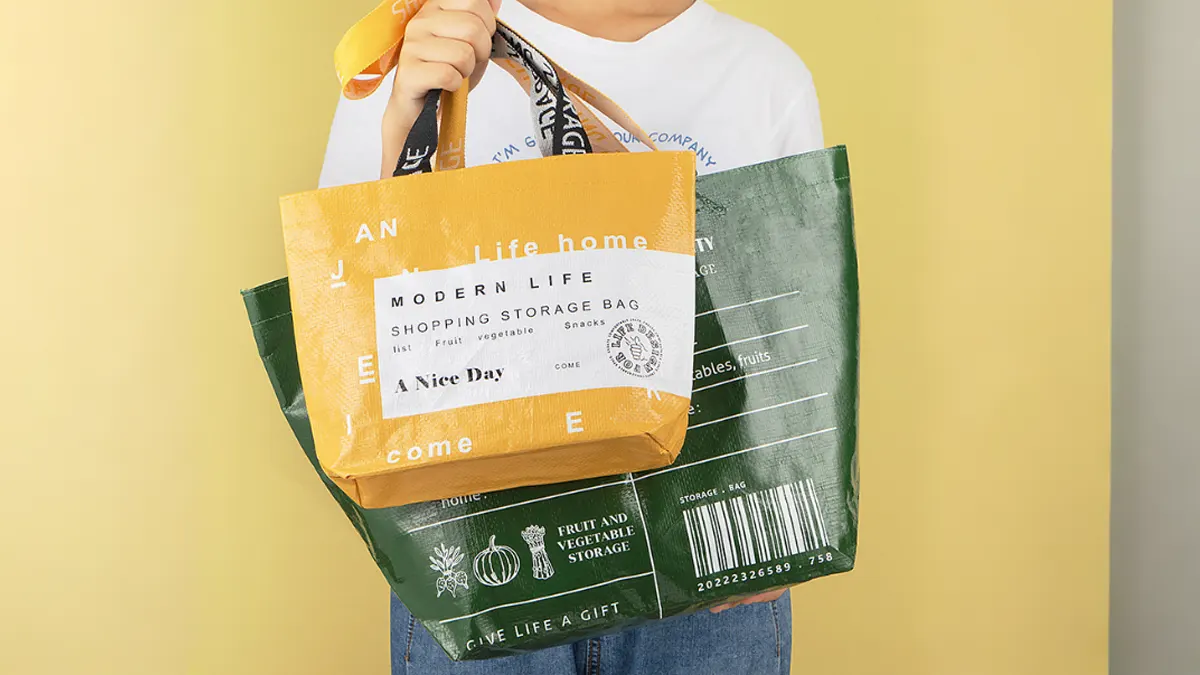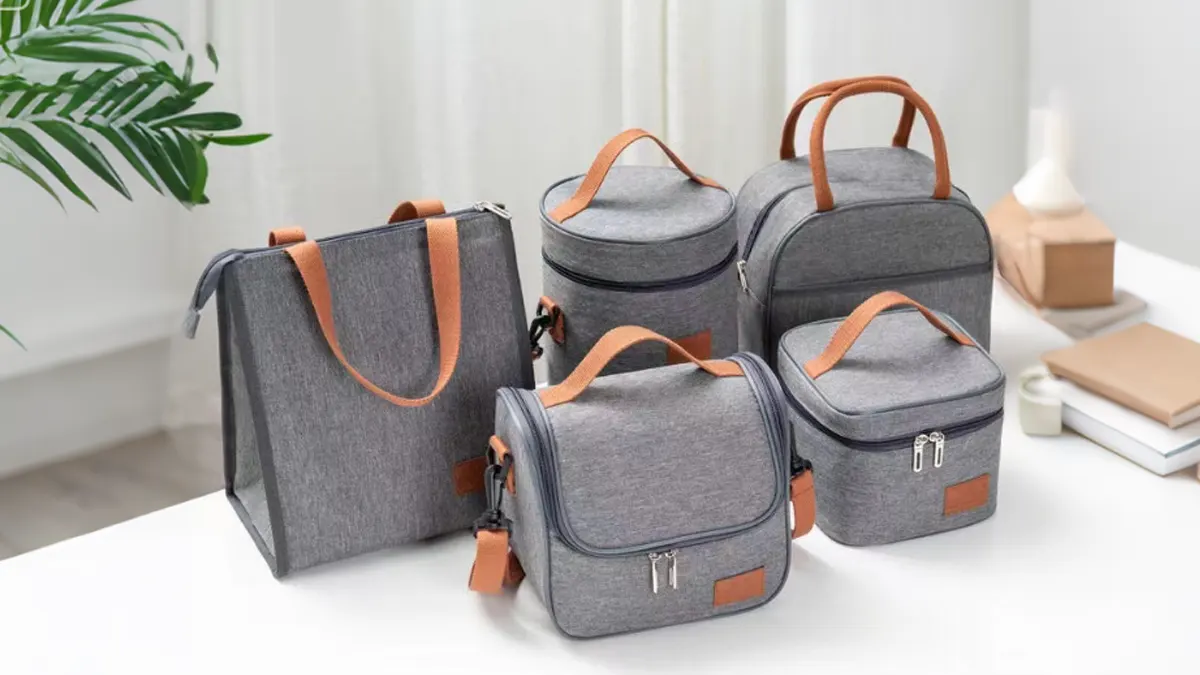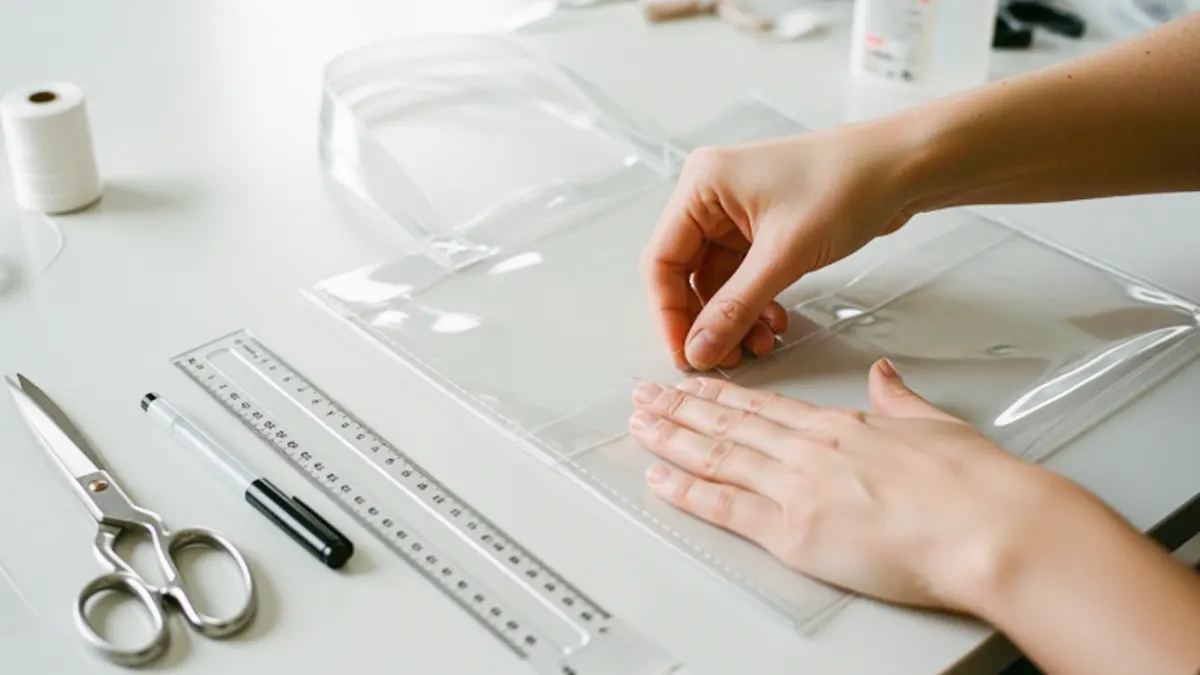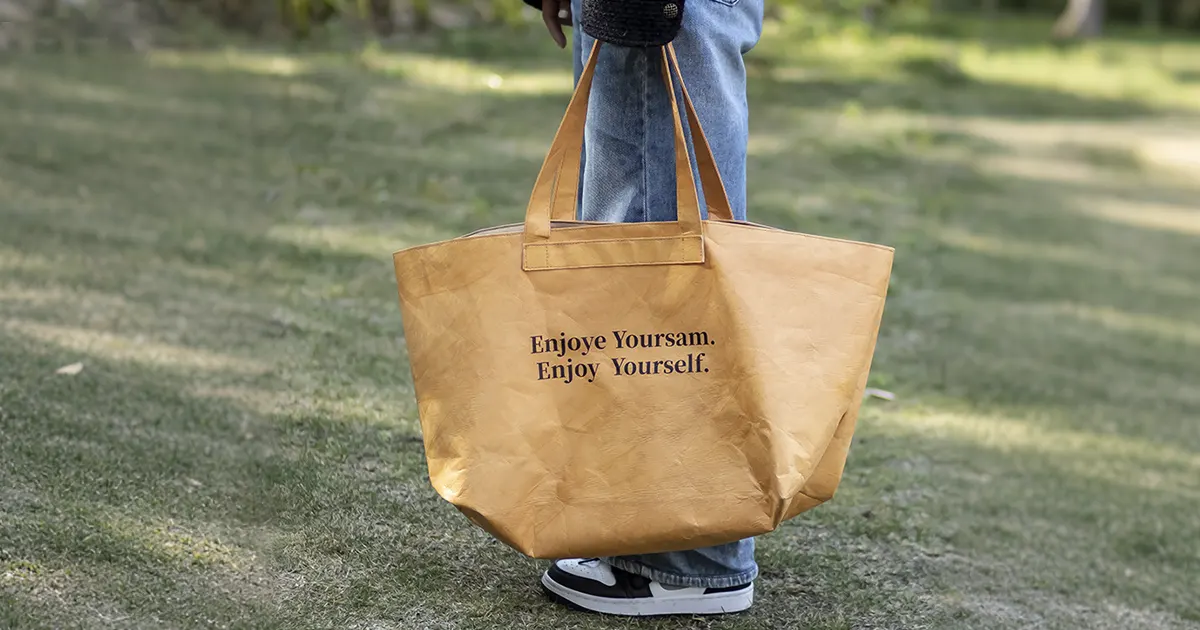
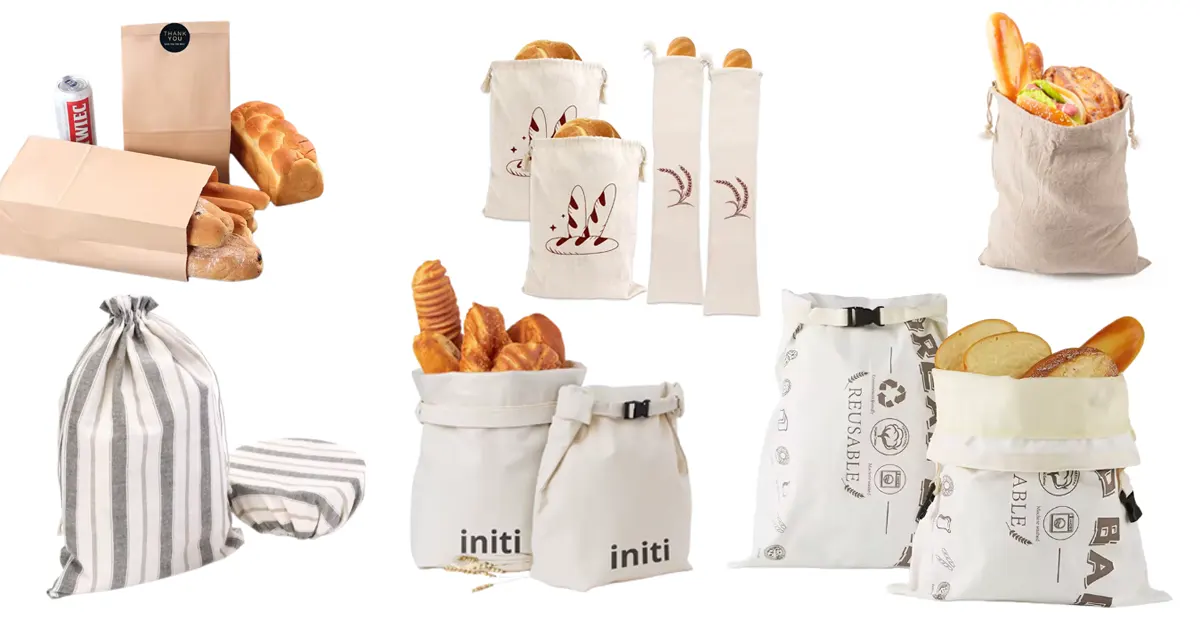
If you want your bread to stay fresh and safe, pick a bread bag made from 100% linen. Linen lets air move through the bag, which stops your bread from getting wet and mushy. Additionally, linen fights germs naturally. The bread bag material you choose can change how long your bread tastes good and can also affect your health. Look at how other common bags compare:
| Packaging Material | Impact on Freshness | Consumer Health Considerations |
|---|---|---|
| Plastic | Keeps moisture in, so bread stays fresh longer | Light, can be recycled, but not great for the planet |
| Paper | Lets air in, stops mold, keeps bread’s texture | Good for the earth, can break down, and can be composted |
Picking the right bag matters a lot in your kitchen.
Key Takeaways
- Choose linen bread bags for the best freshness. They let air circulate and keep bread from getting soggy.
- Breathability is key. Bags made from linen or cotton help maintain the right texture of your bread.
- Control moisture with the right bag. Plastic traps moisture, while linen allows it to escape, preventing mold.
- Linen has natural antibacterial properties. This helps keep your bread safe and fresh for longer.
- Opt for sustainable materials. Linen and cotton bags are reusable and better for the environment than plastic.
- Store bread at room temperature in a linen bag. This helps it stay fresh for up to six days.
- Avoid plastic bags for bread storage. They can make bread gummy and contribute to environmental pollution.
- Consider the type of bread when choosing a bag. Crusty breads do best in linen, while soft breads may need plastic.
Qualities of the Best Bread Bag Material
Breathability
When you pick a bread bag, you want your bread to stay fresh and tasty. Breathability is a big deal. If you use a bag made from a breathable fabric like linen or cotton, air can move in and out. This helps your bread keep the right texture. The crust stays crisp, and the inside stays soft. You do not want your bread to get soggy or dry out too fast. Linen and cotton bags help regulate moisture. They let just enough air in to stop your bread from getting mushy. Plastic bags, on the other hand, trap moisture. This can make your bread gummy and ruin the crust. Cloth bags let moisture escape, so your bread keeps its shape and flavor. If you love crusty bread, you need a bag that lets your bread breathe. That is why many people choose breathable food storage for their homemade loaves.
Moisture Control
Moisture control is another key quality. You want your bread to stay moist but not too wet. The right bread bag material helps with this balance. Some bags, like those made from plastic films or coated paper, act as a barrier. They keep moisture from getting in or out. This can help your bread last longer, but it might change the texture. If you use a bag that controls moisture well, your bread stays fresh and safe to eat. You do not have to worry about mold or your bread drying out. Moisture barrier packaging works well for soft breads that need to stay moist. For crusty breads, you want a bag that lets some moisture escape. That way, the crust stays firm and delicious.
- Moisture barrier packaging keeps food fresh and extends shelf life.
- Plastic films and coated paper are common choices for moisture control.
- Good moisture control means your bread stays safe and enjoyable.
Antibacterial Properties
You might not think about germs when you store bread, but they matter. Some bread bag materials, like linen, have natural antibacterial properties. This means they help stop mold and bacteria from growing on your bread. When you use a linen bag, you create a healthier place for your bread. Your bread stays fresher for longer. You do not have to worry as much about mold. Linen bags are a smart choice if you want to keep your bread safe and tasty. They help you avoid waste and enjoy every slice.
Sustainability
When you pick a bread bag, think about the planet. The material you choose can help the earth. Let’s see how different bags compare.
Paper bags are good for nature. They break down easily and come from forests that are managed well. They do not hurt the environment when they break down. You can recycle or compost them. This helps cut down on trash.
Linen and cotton bags are also great for the planet. You can use them many times. They last a long time and do not need to be thrown away after one use. This means less waste and less pollution. Linen comes from flax plants. Flax needs less water and fewer chemicals than other crops. Cotton can be eco-friendly if grown the right way. Organic cotton is even better.
But plastic bags are not good for the earth. They are made from fossil fuels, which cannot be replaced. Plastic does not break down. It stays in nature for hundreds of years. Plastic bags can pollute oceans and hurt animals. That is why people try not to use plastic bags.
Polyester is used for some reusable bags. It is a plastic fiber, so it has some of the same problems as plastic. Polyester bags last a long time and are easy to clean. But they do not break down and can release tiny plastic pieces when washed.
So, what should you pick? If you want to help the planet, choose bags that break down or can be used again. Linen and cotton bags are best because they last and can be used many times. Paper bags are good for short uses and break down fast. Try not to use plastic, especially bags you throw away after one use.
Choosing a sustainable bread bag is good for everyone. It helps the earth and keeps it healthy. When you pick eco-friendly bags, you cut down on trash, save resources, and protect animals. Reusable bags also look nice and last longer. They are a smart choice for your kitchen.
Every small change matters. Switching to a sustainable bread bag is easy. It can help the planet a lot over time!
Linen Bread Bags: The Top Choice
Why Linen Excels
You want your bread to stay fresh as long as possible. That’s where linen bread bags really shine. Linen lets air move in and out, which keeps your bread from getting soggy or stale. The hollow fibers in linen help moisture escape, so you don’t have to worry about mold. This is especially helpful if you live in a humid place. Linen bread bags also keep your bread in the dark, which helps protect it from light that can make it go bad faster.
Here’s a quick look at why linen bread bags work so well:
| Benefit | Description |
|---|---|
| Breathable food storage | Allows air circulation, preventing moisture buildup that can make bread soggy. |
| Keeps the bread in the dark | Protects bread from light, which can degrade quality. |
| Washable | Easy to clean, maintaining hygiene for food storage. |
| Attracts moisture | Helps maintain the right moisture level, keeping bread fresh. |
| Prevents drying out | Retains moisture, ensuring bread stays soft longer. |
| Versatile storage | Can be hung to save space and keep bread accessible. |
You can use a reusable linen bread bag again and again. Just toss it in the wash when it gets dirty. This makes it easy to keep your bread storage clean and safe.
Tip: If you want your bread to stay fresh and tasty, store it in a linen bread bag and keep it in a cool, dry spot.
Antibacterial Benefits
You might not realize it, but linen bread bags help keep your bread safe from germs. Linen has natural antibacterial properties. This means it fights off bacteria and mold that can spoil your bread. When you use a reusable linen bread bag, you create a cleaner space for your bread. You don’t have to worry as much about mold or bad smells. Your bread stays fresh longer, and you waste less food.
Linen’s hollow fibers also help by letting moisture escape. Less moisture means fewer germs and less mold. You get bread that tastes great and stays safe to eat.
Linen vs. Cotton and Polyester
You might wonder how linen bread bags compare to other materials. Let’s break it down:
| Criteria | Linen/Cotton Bags | Polyester Bags | Plastic Bags |
|---|---|---|---|
| Breathability | Excellent airflow to prevent condensation | Not specified | Limited airflow |
| Moisture Control | Retains moisture while allowing airflow | Not specified | Can trap moisture |
| Durability | Machine-washable, longer lifespan | Not specified | Varies by type |
Linen and cotton both let your bread breathe, but linen does a better job at keeping the right balance of moisture. Polyester and plastic bags trap moisture, which can make your bread soggy or moldy. Linen bread bags last a long time and are easy to clean. You can use them for years, which saves you money and helps the planet.
If you want bread that stays fresh, safe, and delicious, linen bread bags are the best choice. They work for all kinds of bread and fit right into any kitchen.
Best Uses for Linen Bread Bags
You might wonder when to reach for linen bread bags in your kitchen. These bags work best for certain types of bread and storage needs. If you love baking crusty loaves or picking up fresh bread from the bakery, you will get the most out of linen bread bags.
Take a look at how different breads do in linen bread bags:
| Bread Type | Linen Bag Performance | Notes |
|---|---|---|
| Sourdough | Excellent | Crust stays crisp |
| Baguette | Excellent | Soft inside, crunchy crust |
| Country Loaf | Excellent | Stays fresh for days |
| Sandwich Bread | Fair | Dries out quickly |
| Brioche | Poor | Loses moisture fast |
You will notice that linen bread bags shine with rustic, crusty breads. Sourdough, baguettes, and country loaves keep their crisp crust and soft inside for days. If you bake these breads often, linen bread bags will help you enjoy every slice at its best.
Soft breads like sandwich bread and brioche do not do as well in linen bread bags. These breads can dry out quickly because linen lets moisture escape. If you want to store soft bread, you might want to use a different bag or eat it sooner.
Here are some situations where linen bread bags really stand out:
- You plan to eat your bread within a few days.
- You bake bread at home often and want to keep it fresh.
- You want to avoid using plastic and reduce waste.
- You care about keeping the crust crunchy and the inside soft.
Tip: Store your bread in linen bread bags at room temperature, away from direct sunlight. This helps your bread stay fresh and tasty.
Linen bread bags work best for people who love fresh, crusty bread and want to keep it that way. If you want to cut down on plastic and enjoy better bread, these bags are a smart choice for your kitchen.
Comparing Bread Bag Materials
Linen vs. Cotton
You might wonder if cotton can do the same job as linen. Both materials let your bread breathe. This means your bread keeps its crust and does not get soggy. In a big kitchen trial, people found that untreated cotton and linen bags kept bread crusty 72% better than plastic. They also slowed down mold by two days compared to plastic zip bags. If you wrap fresh bread in a clean cotton towel, you help it stay fresh, especially sourdough. Cotton lets moisture escape, so your bread does not turn gummy. It also keeps just enough moisture inside to stop your bread from drying out too fast.
Linen has a slight edge. It controls moisture even better and has natural antibacterial powers. This means your bread stays safe and tasty for longer. If you want the best for your bread, linen is the top pick, but cotton is a close second.
Linen vs. Polyester
Polyester bags look strong and last a long time. You can wash them easily. But polyester is a type of plastic. It does not let your bread breathe well. Bread in polyester bags can get soft and lose its crust. Polyester also does not break down in nature. When you wash polyester, tiny plastic bits can end up in water. This is not good for the planet.
Linen bags win here. They keep your bread fresh and crusty. They also break down in nature and do not pollute water. If you care about the earth and your bread, linen is the better choice.
Linen vs. Paper and Plastic
Paper and plastic bags are everywhere. You see them in stores all the time. Paper bags are easy to recycle and break down fast. They use less energy to make than plastic. Paper bags also let your bread breathe, which helps keep it fresh. You can compost paper bags, so they are good for the planet.
Plastic bags are not so great. They trap moisture, which makes bread gummy or rubbery. Plastic bags come from fossil fuels and do not break down. They often end up as litter or in landfills. This hurts the earth and animals.
Let’s look at a quick table:
| Material | Freshness | Health | Sustainability |
|---|---|---|---|
| Linen | ⭐⭐⭐⭐⭐ | ⭐⭐⭐⭐⭐ | ⭐⭐⭐⭐⭐ |
| Cotton | ⭐⭐⭐⭐ | ⭐⭐⭐⭐ | ⭐⭐⭐⭐ |
| Polyester | ⭐⭐ | ⭐⭐ | ⭐ |
| Paper | ⭐⭐⭐ | ⭐⭐⭐ | ⭐⭐⭐⭐ |
| Plastic | ⭐ | ⭐ | ⭐ |
Tip: If you want bread that tastes great and helps the planet, choose linen or cotton. Use paper for short-term storage. Try to skip plastic whenever you can.
You have many choices for bread bags. Linen stands out for freshness, health, and the environment. Cotton and paper are good too. Polyester and plastic fall short, especially if you care about the earth and your bread’s taste.
Care for Linen Bread Bags
Cleaning Tips
You want your linen bread bags to last and stay clean. Handwashing works best for these delicate bags. Fill a basin with cool or lukewarm water. Add a small amount of mild, eco-friendly detergent. Gently move the bag around in the water. Avoid scrubbing hard, as this can damage the fabric. Rinse the bag well to remove all soap. This helps the bag stay soft and breathable.
Air drying is the safest way to dry your linen bread bag. Lay it flat or hang it in a spot with good airflow. If you need to use a dryer, pick a low-heat setting. Take the bag out while it is still a little damp. This keeps the bag from getting stiff. Clean bags help keep bread fresh and safe for your family.
Tip: Wash your bread bag every week or after each use if you see crumbs or stains.
Storage Advice
Proper storage of your linen bread bags makes a big difference. Pure linen bags let air move through, which helps keep bread fresh. If you notice your bread dries out too fast, try a bag with a food-safe plastic or TPU lining. These lined bags hold in more moisture. Beeswax-coated bags also work well. They balance moisture and breathability, so your bread stays just right.
When you finish using your bag, shake out any crumbs. Store the bag in a dry, clean place. If you use a beeswax-coated bag, wash it gently by hand to protect the coating. For lined bags, a quick wipe with a damp cloth works well. Good storage habits help your bags last longer and keep bread fresh for days.
Extending Bread Freshness
You can keep bread fresh for up to six days with a linen bread bag. Many people find that artisan loaves stay soft inside, even if the crust feels a bit drier after four days. Linen works better than cotton because it holds the right amount of moisture and lasts longer.
Here are some simple ways to keep bread fresh in your linen bag:
- Let your bread cool before placing it in the bag.
- Store the bag at room temperature, away from sunlight.
- Slice only what you need each time.
- If your bread starts to dry out, toast it or use it for sandwiches.
Linen bread bags make storage easy and help you enjoy every slice. You get the best taste and texture, and you waste less bread.
Note: Switching to linen bread bags is a smart move if you want to keep bread fresh and cut down on waste.
DIY Linen Bread Bag Guide
Making your own diy linen bread bag is a fun project that helps you keep bread fresh and cut down on waste. You do not need fancy tools or a lot of sewing experience. You just need the right materials and a little time. Let’s walk through what you need and how to make diy linen bags that work great in your kitchen.
Materials Needed
Before you start, gather everything you need. Here’s a handy table to help you get ready:
| Feature | Description |
|---|---|
| Material | 100% Flax Linen |
| Closure | Drawstring Closure |
| Breathability | Breathable Bags to keep bread fresh |
| Environmental Impact | Environment-friendly and plastic-free |
| Sizes | 12 x 15 inches or 29 x 7 inches (pick what you need) |
| Reusability | Machine washable and biodegradable |
| Ideal For | Sourdoughs, Short Baguettes, Pastries, and more |
You can find linen fabric at most fabric stores or online. Choose a natural color for a classic look, or pick a fun pattern if you want something unique. Make sure you have some twine or ribbon for the drawstring.
Step-by-Step Instructions
Ready to make your diy linen bags? Follow these simple steps:
- Prepare the Fabric: Wash and iron your linen to preshrink it. This keeps your bag from shrinking later.
- Make the Casing: Fold the top edge over about ¾ inch. Pin it down and sew to create a space for the drawstring.
- Stitch the Seams: Fold the fabric with the right sides together. Pin the sides and bottom, then sew them closed.
- Turn the Bag: Flip your bag right side out. Press the seams flat with an iron for a neat finish.
- Insert the Drawstring: Cut a piece of twine or ribbon. Use a safety pin to thread it through the casing. Tie the ends together.
Tip: If you want your diy linen bags to last, use strong thread and double-stitch the seams.
Tips for DIY Linen Bread Bags
Want your diy linen bags to work even better? Check out these expert tips:
| Key Factor | Description |
|---|---|
| Breathability | Linen lets air flow, so your bread keeps its crust and does not get soggy. |
| Moisture Control | Good airflow stops too much moisture, which helps bread stay fresh longer. |
| Proper Sizing | Make sure your bag fits your bread. This keeps the loaf from getting squished. |
Note: Always let your bread cool before putting it in your diy linen bread bag. Warm bread can make extra moisture and cause mold.
Making diy linen bags is a simple way to keep bread fresh and help the planet. You get a reusable, washable bag that looks great and works even better.
Choosing the Right Bread Bag Material
When you want to keep your bread fresh, you need to think about a few things. The type of bread, how long you want to store homemade bread, and your values about health and the planet all matter. Picking the right bread bag material can make a big difference in taste, texture, and even safety.
For Homemade Bread
You put a lot of effort into baking at home. You want your bread to stay just as good as when it came out of the oven. The best way to store homemade bread depends on the loaf. If you bake crusty bread like sourdough or a country loaf, you need a bag that balances airflow and moisture.
The trick to freshness is to keep the storage conditions consistent with the special biology of your loaf. In the case of artisan and sourdough loaves, which have thick and crackly crusts, the aim is to ensure a fine balance between moisture and airflow. The best option in this case is a breathable paper bag or a quality bread box. These techniques allow enough air exchange to keep the inside of the bread moist without the crust absorbing too much humidity. It is not recommended to store these loaves in plastic because it traps moisture on the surface, and in a short time, a hard crust will become rubbery and unappealing.
You can also use a linen bread bag. Linen lets your bread breathe and keeps it in the dark. This helps you store homemade bread for a few days without losing flavor or texture. Remember to keep your storage area clean. Shake out crumbs and wipe your bread box with diluted vinegar to stop mold.
- Make sure your bread bag material is clean.
- Remove old crumbs every week.
- Use a sterile environment to keep bread safe.
For Store-Bought Bread
Store-bought bread comes in many shapes and sizes. Some loaves are soft and sliced, while others are crusty. You need to match the bread bag material to the bread type. For soft sandwich bread, plastic bags work well because they keep moisture in. For crusty bread, paper bags or linen bags are better. They let air flow and stop the crust from getting soggy.
Here are some common options:
- Kraft paper works well for crusty bread. It balances breathability and cost.
- Waxed paper is good for pastries or sweet breads. It stops grease from leaking out.
- Linen bags are great for everyday use. They are washable, reusable, and keep bread fresh.
If you want to store homemade bread from the bakery, linen bags give you the best mix of freshness and sustainability.
For Long-Term Storage
Sometimes you need to store homemade bread for more than a few days. In this case, you need to think about how long you want to keep it and what matters most to you. If you want to freeze bread, use a plastic bag or wrap to stop freezer burn. For room temperature storage, linen or paper bags work best for crusty loaves.
Check out this table for a quick guide:
| Bread Bag Material | Key Features | Best For |
|---|---|---|
| Plastic | Cost-effective, retains moisture, can trap humidity | Moist sandwich loaves |
| Paper | Breathable, recyclable, prevents sogginess | Crusty bread like sourdough |
| Canvas | Sustainable, reusable, allows air circulation | Home use or short-term |
When you choose a bread bag material, think about the environment too. Paper bags break down easily and use less energy to make. Linen and canvas bags last a long time and are easy to wash. You can use them again and again when you store homemade bread.
Tip: Always match your bread bag material to your bread type and how long you want to store homemade bread. This helps you get the best taste and keeps your kitchen eco-friendly.
Conclusion
You want your bread to stay fresh every day. Linen bread bags let moisture escape, so your crust stays crisp and your loaf stays soft. You slow down mold and keep your bread fresh longer. Try these tips from professional bakers:
- Use linen bags to keep bread fresh and prevent chewy crusts.
- Store bread in a cool spot to slow mold.
- Slice only what you need to keep the rest fresh.
If you need custom bread bags, we offer OEM and ODM services. Check out our features:
| Feature | Description |
|---|---|
| High-Quality Materials | We select durable materials for lasting freshness. |
| Customization Options | Choose size, color, and printing to match your needs. |
| Quality Assurance | Safe packaging meets food-grade standards. |
You can trust us to help your bread stay fresh and healthy.
FAQ
What is the best way to store bread for maximum freshness?
You should use a linen bread bag and keep it at room temperature. This helps your bread stay fresh and tasty for days. Avoid storing bread in the fridge, as it dries out quickly.
Can I wash my linen bread bag in the washing machine?
Yes, you can! Use cold water and a gentle cycle. Let the bag air dry for best results. This keeps your bag clean and ready for your next loaf.
Will a linen bread bag work for all types of bread?
Linen bags work best for crusty breads like sourdough and baguettes. Soft breads, such as sandwich loaves, may dry out faster. For soft bread, you might want to use a plastic or waxed bag.
How long does bread stay fresh in a linen bag?
Most crusty breads stay fresh for up to four days in a linen bag. The crust stays crisp, and the inside stays soft. Slice only what you need to keep the rest fresh.
Are linen bread bags eco-friendly?
Absolutely! Linen comes from flax plants and breaks down naturally. You can reuse linen bags many times. This helps you cut down on plastic waste and protect the planet.
Can I freeze bread in a linen bag?
You should not freeze bread in a linen bag. Linen lets air in, which can cause freezer burn. For freezing, wrap your bread in plastic or use a freezer-safe bag.