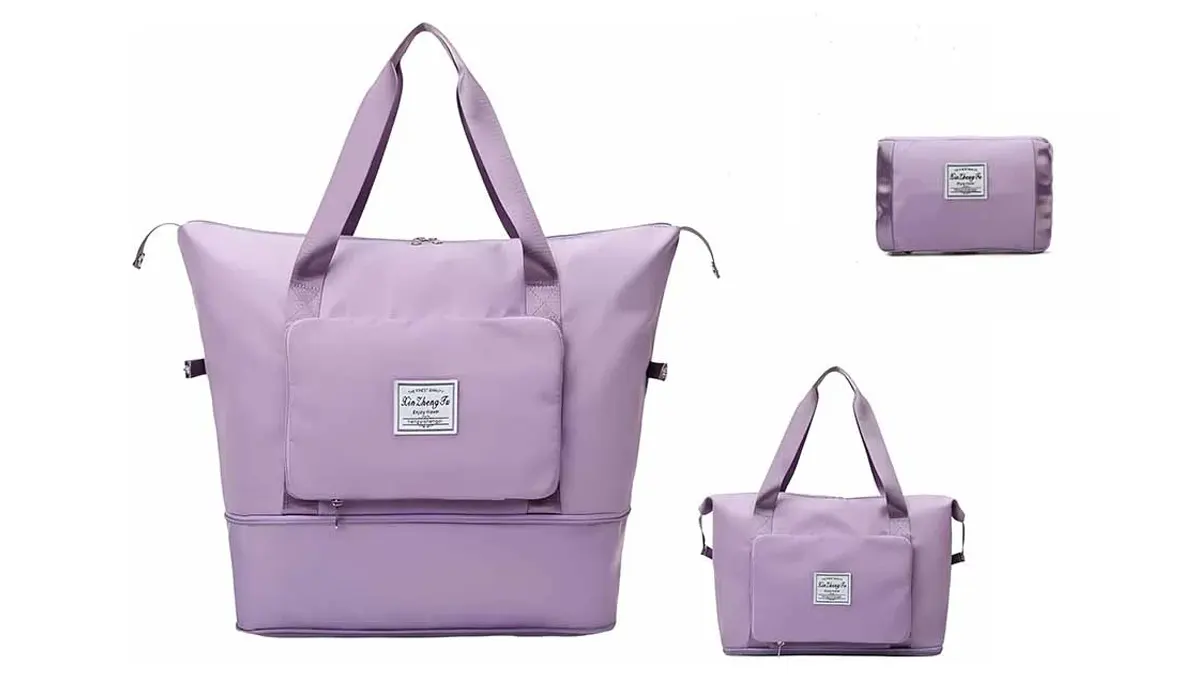
When you think about bookbag vs backpack, you may wonder if they are different. People use both words when talking about carrying things or school supplies. A bookbag usually has one strap. It is good for short trips or for younger students who carry books. A backpack has two straps. It is better for carrying heavy things like textbooks or other school supplies. Many people choose backpacks because they spread out the weight. This makes them more comfortable and better for your health when carrying things. Your age, style, and how much you carry can affect your choice.
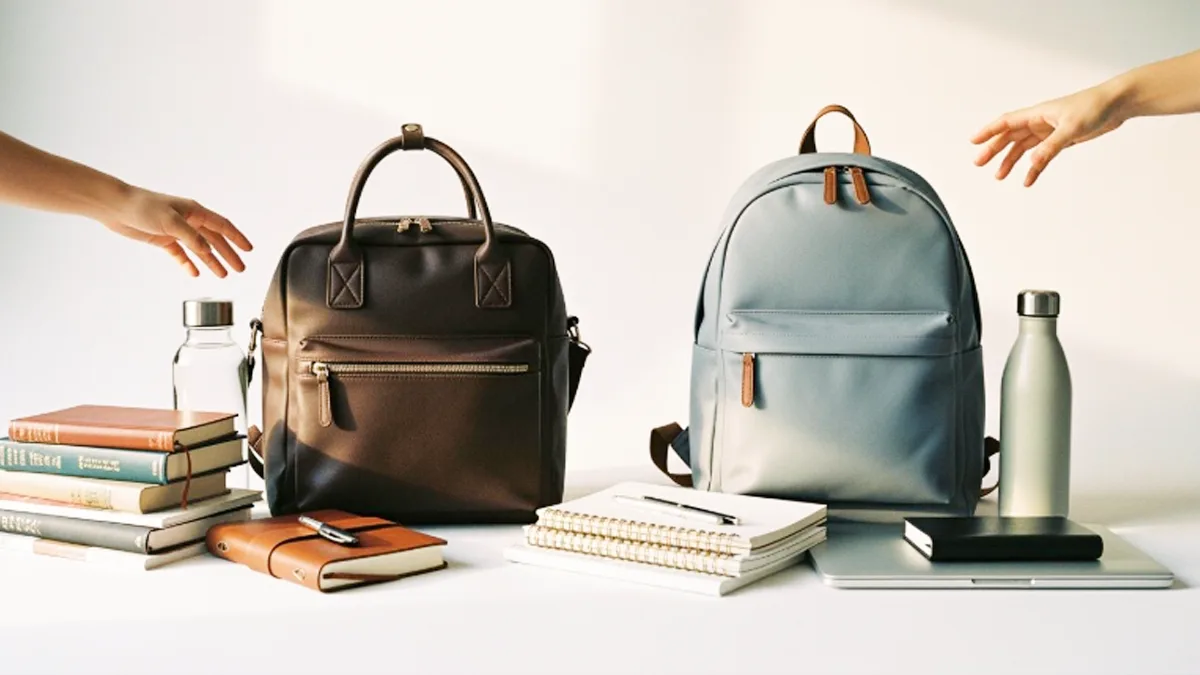
Most people pick a bookbag or a backpack because of comfort, size, and style.
Key Takeaways
- A bookbag has one strap. It is good for light things. Younger students like it because it is easy to carry.
- A backpack has two straps. It spreads weight better. It feels more comfortable with heavy stuff.
- Bookbags are simple and light. They work well for short trips. You can use them for quick errands.
- Backpacks have more room inside. They help you organize your things. Older students and adults use them more.
- Pick a bookbag if you want fun designs. Bookbags also cost less. Backpacks last longer and give more support.
- Think about what you need each day. Also, think about how much you carry. This helps you choose between a bookbag and a backpack.
- Backpacks can have padded straps. Some have special shapes to help your back. These features help stop back pain.
- Bookbags and backpacks come in many styles. Choose one that fits your personality and lifestyle.
Bookbag vs Backpack: Key Differences
Bookbag Overview
One-Strap Design
A bookbag has just one strap. You wear it over one shoulder. This makes it easy to grab your things fast. You can reach your books quickly. The one-strap style is good for short trips. It is handy when you do not walk far.
Typical Users (Younger Students)
Younger students like bookbags. The design is simple and fits their needs. You see bookbags in elementary and middle schools. Kids enjoy bright colors and cartoon designs. The size is good for a few books and a lunchbox.
Simplicity & Light Weight
Bookbags are simple and light. They have one main space and maybe a small pocket. The light weight helps kids carry their stuff easily. You do not need extra features or heavy materials. The focus is on comfort and easy use.
Backpack Overview
Two-Strap Design
A backpack has two straps for your shoulders. You wear it on your back. This helps balance the weight. You can carry heavy things without hurting yourself. The straps can be adjusted for a better fit. Backpacks became popular in the last century.
Typical Users (Older Students, Adults)
Older students and adults use backpacks more. You see them in high schools, colleges, and offices. Backpacks work for travelers and outdoor fans too. They offer more space and features for busy people.
Ergonomics & Capacity
Backpacks give you extra room and comfort. You find padded straps and support features. These help spread out the weight. You can choose different sizes for your needs. Backpacks often have laptop sleeves and secret pockets.
“Students at the University of Washington started using JanSport daypacks for school. This led to backpacks made just for students all over the country.”
Main Differences
Bookbags and backpacks are different in design and use. Here is a quick look:
| Feature | Bookbag | Backpack |
|---|---|---|
| Structure | One main space and a few pockets | Many spaces and hidden pockets |
| Functionality | Simple for books and daily things | Many uses with laptop sleeves and more |
| Typical Users | Younger students | Many people like workers and travelers |
| Design Style | Bright colors and cartoon styles | Sporty, trendy, and eco-friendly looks |
Bookbags are simple and light. Backpacks help you organize and carry more. Two straps on backpacks make heavy loads easier. Bookbags are best for younger kids with less to carry. Backpacks are good for older students and adults who need more space.
Bookbags are made from canvas, polyester, or leather. These keep the bag light and easy to clean. Backpacks use strong materials like nylon and Cordura. These last longer and handle rough use.
Backpacks have comfort features you do not get with bookbags. You find padded straps and extra support. These help you stay comfy with heavy books or a laptop.
Bookbags and backpacks have changed over time. The first book carriers were just straps for books. In the 1930s, backpacks with zippers were made for hiking. By the 1960s, students used daypacks, leading to today’s backpacks.
If you want a light bag for a few books, pick a bookbag. If you need more space and comfort, choose a backpack. Your age, what you carry, and how far you go help you decide.
Book Bag Features
Structure & Materials
When you pick up a book bag, you notice how light it feels. Most book bags have a simple, rectangular shape. You see one main compartment with a flap or zipper closure. The design keeps things easy for you. You do not have to search through lots of pockets. Many book bags use canvas or polyester. These materials make the bag strong but not heavy. Sometimes, you find leather book bags, but those are less common for students.
Here’s a quick look at how a book bag compares to a backpack:
| Feature | Book Bag Description | Backpack Description |
|---|---|---|
| Design and Structure | Simple, rectangular design with a single compartment and flap or zipper closure. | Intricate design with multiple compartments and pockets for organization. |
| Comfort and Wearability | Lightweight and compact, but may lack padding, leading to discomfort over time. | Prioritizes comfort with padded straps and back panel for even weight distribution. |
You can carry a book bag easily because it is compact. The single strap makes it quick to grab and go. You might notice less padding, so it feels lighter but may not be as comfy for long walks.
Organization & Compartments
A book bag keeps things simple. You get one large pocket for your books, binders, or lunch. Some book bags offer a padded sleeve for your laptop or tablet. You might see a front pocket for pens, pencils, or a calculator. Side pockets sometimes hold water bottles or snacks. The lack of extra compartments means you can organize your stuff fast.
Here’s what you usually find inside a book bag:
- Main compartment for books and binders
- Padded sleeve for a laptop or tablet (sometimes)
- Front pocket for small items
- Side pockets for water bottles or snacks
- Zippered pocket for valuables
You do not have to worry about losing things in hidden pockets. Everything stays easy to find.
Best Uses
You will see a book bag most often in schools. Younger students use book bags to carry textbooks and supplies. Teachers like to send home learning bags to help families with reading and homework. You might use a book bag for short trips or quick errands. The light weight makes it perfect for carrying just what you need.
Many schools use book bags to support learning at home. Teachers fill literacy bags with books and activities. Families use these bags to help kids practice reading. This helps students build skills outside the classroom. You can also use a book bag for after-school clubs or sports. The simple design fits your busy day.
Tip: If you want a bag that is easy to carry and keeps things simple, a book bag is a great choice for school or short outings.
Backpack Features
Structure & Materials
When you pick up a backpack, it feels strong. The shape helps support your back and keeps things safe. Most backpacks are made from tough materials. These include polyester, nylon, canvas, or thermoplastic polyurethane (TPU). Each one has its own good points. Polyester keeps out water and sunlight. Nylon is light and great for outdoor trips. Canvas looks classic and can handle rough use, but it is heavier. TPU makes the backpack even stronger. It also protects from scratches and spills.
Here’s a quick table to show how these materials compare:
| Material | Properties | Impact on Durability |
|---|---|---|
| Thermoplastic Polyurethane | Tough, resists abrasions and chemicals | Great for harsh conditions |
| Polyester | Moisture and UV resistant, cost-effective | Ideal for everyday use |
| Nylon | Lightweight, water-resistant | Perfect for outdoor backpacks |
| Canvas | Heavy-duty, rugged look | Durable but heavier |
You can pick a backpack based on what you need. If you want one for school, polyester is a good choice. If you like hiking or camping, nylon works well.
Comfort & Support
A backpack helps you feel comfortable with heavy books or gear. Two straps spread the weight on both shoulders. This means you do not feel as much strain. You stay balanced when you walk. Many backpacks have padded straps and a soft back panel. These features make carrying easier and help your posture.
Studies show backpacks help your body if you pack them right. You stand straighter and avoid back pain. Experts say pulling a trolley or using a one-strap bag can hurt your body. With a backpack, you get even support and lower health risks. Both kids and adults get help from these features.
Tip: Make sure to adjust the straps. Your backpack should sit low on your back. This helps you stand straight and keeps your spine healthy.
Organization & Compartments
Backpacks give you lots of space and ways to organize. Most backpacks have many pockets. There is a big pocket for books or clothes. You often find a padded sleeve for your laptop or tablet. Small pockets hold pens, keys, and snacks. Some backpacks have hidden pockets for valuables.
Here’s what you might find inside a backpack:
- Large main compartment for books, clothes, or gear
- Padded laptop sleeve
- Front pocket for small items
- Side pockets for water bottles
- Hidden or zippered pocket for valuables
You can keep your things neat and find them fast. This makes backpacks great for school, travel, or outdoor trips. You stay ready and your stuff stays in place.
Best Uses
You might wonder when a backpack works best for you. Backpacks fit many situations. You can use one for school, work, travel, or outdoor fun. The design helps you carry heavy loads without hurting your back. Two straps spread the weight, so you feel less tired.
Let’s look at how different types of backpacks help you in daily life. Here’s a table that shows the most common uses:
| Backpack Type | Common Uses |
|---|---|
| Travel Backpacks | Carry lots of gear, organize travel essentials, pack clothes, shoes, and toiletries for trips. |
| Laptop Backpacks | Protect laptops and electronics, hold chargers, notebooks, and daily items for work or school. |
| School Backpacks | Carry books, folders, tech devices, and lunch, keep supplies organized for students. |
| Daypacks | Hold snacks, water, first aid kits, and personal items for short trips or outdoor adventures. |
You see students using backpacks every day. School backpacks help you carry textbooks, notebooks, and lunch. Many have padded sleeves for laptops or tablets. You can organize pens, calculators, and water bottles in separate pockets. This keeps your stuff neat and easy to find.
If you commute to work or school, a backpack makes your trip easier. Commuter backpacks fit all your gear. You can pack your laptop, lunch, and gym clothes. Some backpacks have water-resistant fabric. Quick-access pockets let you grab your phone or keys fast. A slim profile helps you move through crowds or fit your bag under a seat.
Travelers love backpacks for long trips. Travel backpacks have big compartments. You can pack clothes, shoes, and toiletries. Many have special pockets for passports and tickets. You stay organized and ready for anything. Daypacks work well for short hikes or city tours. You can carry snacks, water, and a first aid kit. The lightweight design keeps you comfortable all day.
Here are some ways you might use a backpack:
- Carry books and supplies to school.
- Pack your laptop and lunch for work.
- Organize clothes and gear for travel.
- Bring snacks and water for a hike.
- Store gym clothes and shoes for after-school sports.
Tip: Choose a backpack that matches your daily routine. If you walk or bike, look for padded straps and water resistance. If you travel, pick one with lots of compartments.
Backpacks help you stay organized. You can find what you need quickly. The right backpack makes your day smoother. Whether you study, work, travel, or play, you can count on a backpack to carry your essentials.
Design & Structure
Shape & Construction
A bookbag has a simple shape. Most bookbags are rectangular. You get one big space and sometimes a small pocket. The bag feels light and easy to carry. You can put your books inside and zip it up quickly. Bookbags are good for short trips or walking to school.
Backpacks look different from bookbags. They have more compartments and a stronger design. Some backpacks are round at the top or shaped like a box. You find extra padding on the back. This padding helps protect your spine and keeps you comfy. Backpacks feel strong and can hold heavy things. You can pack textbooks, a laptop, and gym clothes.
Tip: Pick a backpack if you want your bag to keep its shape and protect your stuff.
Strap Styles
Straps change how your bag feels when you carry it. Bookbags usually have one strap. You wear it over one shoulder. This style is quick and easy, but it can hurt if your bag is heavy.
Backpacks have two shoulder straps. You wear them on both shoulders. This helps balance the weight. Many backpacks have extra straps for support. You might see hip belts, chest straps, or load straps. These help you stay comfy with a heavy bag.
Here’s a table that shows how strap styles affect comfort:
| Strap Style | Impact on Comfort |
|---|---|
| Hip belts | Spread weight across your hips. |
| Load-distribution straps | Take pressure off your shoulders. |
| Waist and chest straps | Give more support for heavy bags. |
| Adjustable straps | Help you fit the bag to your body. |
| Internal compartments | Spread out the weight inside the bag. |
Most backpack straps can be adjusted. This helps you carry your bag more easily. If you carry lots of stuff, pick a backpack with extra support straps.
Materials
The material of your bag changes how it feels and lasts. It also affects the planet. Bookbags often use canvas or polyester. These fabrics are light and easy to clean. Backpacks use stronger materials like nylon, recycled polyester, or hemp. These give you more strength and keep water out.
Let’s see how these materials compare:
| Material | Weight (kg) | Durability | Water Resistance | Environmental Impact |
|---|---|---|---|---|
| Polyester | 0.5 – 1 | Strong and tough | Good for light rain | Not very eco-friendly, made from oil |
| Nylon | 1 – 1.5 | Very strong and hard to tear | Often keeps water out | Not very eco-friendly, made from oil |
| Canvas | 1.2 – 2 | Tough but gets wet easily | Needs treatment for water | Better for the planet, but heavier |
| Recycled Polyester | 0.9 – 1.3 | Strong like regular polyester | Same as polyester | Uses old plastic, better for the earth |
| Hemp | 1.2 – 1.6 | Very strong and lasts long | Needs treatment for water | Very eco-friendly, uses less water and chemicals |
| Organic Cotton | 0.8 – 1.2 | Not as tough, feels soft | Not good with water unless treated | Good for the planet, helps farmers and nature |
You may want a bag that lasts a long time. Nylon and recycled polyester are strong and keep water out. If you care about the earth, hemp and organic cotton are good picks. Canvas looks cool but gets heavy when wet.
Note: If you want an earth-friendly bag, choose recycled or natural fabrics.
You can pick a bookbag or backpack that fits your style and what you care about. The right design and structure help you stay comfy and organized every day.
Capacity & Storage
How Much Each Holds
When you pick a bag, you want to know how much stuff it can carry. Bookbags usually hold less than backpacks. Most bookbags have one main compartment. You can fit a few textbooks, some notebooks, and maybe a lunchbox. If you only need to bring a couple of things to school or practice, a bookbag works well.
Backpacks give you more space. You can pack heavy textbooks, a laptop, gym clothes, and snacks all in one bag. Some backpacks even have special spots for water bottles or shoes. If you need to carry lots of items every day, a backpack makes your life easier.
Here’s a quick table to help you compare:
| Bag Type | Typical Capacity (Liters) | What You Can Carry |
|---|---|---|
| Bookbag | 10–18 | 2–3 books, lunchbox, pencil case |
| Backpack | 20–35+ | Textbooks, laptop, gym gear, water bottle |
You might notice that backpacks come in different sizes. Some are small for quick trips. Others are big enough for travel or sports. Always check the size before you buy.
Tip: If you carry a laptop or lots of books, choose a backpack with a bigger capacity.
Organization Options
Staying organized helps you find things fast. Bookbags keep it simple. You get one large pocket and maybe a small front pouch. This works if you don’t have many items. You can toss in your books and go.
Backpacks offer more ways to organize. You find padded laptop sleeves, soft-lined pockets for your phone, and zippered mesh pockets for small items. Some backpacks have elastic loops for pens or cables. You can even find tech-friendly bags with cable management built in. These features keep your stuff neat and easy to reach.
Here’s what users like most in their bags:
- Padded laptop sleeves for tech safety
- Compartments placed against your back for extra security
- Soft-lined pockets for sunglasses or phones
- Elastic loops and mesh pockets to stop clutter
- Ventilated panels for comfort on hot days
Backpacks often use smart designs to spread out the weight. You feel less tired, even when you carry a lot. Some bags have secret pockets that sit close to your body. These keep your valuables safe while you walk or ride the bus.
If you want to stay organized, look for a backpack with lots of compartments. If you like things simple, a bookbag may be all you need.
Note: Think about what you carry every day. The right bag keeps your things safe, tidy, and easy to find.
Comfort & Ergonomics
Weight Distribution
When you carry a bag, how the weight sits on your body matters a lot. You might notice that a bookbag with one strap pulls on one shoulder. This can make you lean to one side. If you use a backpack with two straps, the weight spreads across both shoulders. You stand straighter and feel less tired.
Researchers have looked at how bags change the way you walk and move. Here are some findings:
- Agarwal et al. (2025) found that backpacks change how kids walk. The weight affects their steps and the way their feet hit the ground.
- Tomal et al. (2025) studied 7-year-olds. They saw that heavy backpacks made kids take shorter steps and lose balance more easily.
- Laštro et al. (2025) showed that carrying a school bag changes the pressure on your feet. Some areas get overloaded, which can hurt over time.
If you want better comfort and wearability, pick a bag that spreads the weight. Backpacks help you stay balanced and protect your back. You can walk longer without feeling sore.
Tip: Always use both straps on your backpack. Adjust them so the bag sits close to your back. This helps you feel comfortable and keeps your posture healthy.
Padding & Support
Padding makes a big difference when you carry books or gear. You might see backpacks with soft straps and cushioned backs. These features help you feel less pressure and avoid sore spots. Some bags use special foam or gel to add comfort.
Let’s look at the types of padding and support you might find:
| Padding Type | Benefits |
|---|---|
| Air Mesh | Enhances ventilation, reduces perspiration, and provides comfort. |
| Ergonomic Design | Distributes weight evenly, reduces pressure points, and supports posture. |
| Dual Density Foam | Offers cushioning and support, reducing fatigue during use. |
| Gel Padding | Provides extra comfort and protection against pressure. |
| EVA Foam | Lightweight and durable, offering good support and comfort. |
You can feel the difference when you pick up a padded backpack. Air mesh keeps you cool and dry. Ergonomic designs help your body stay in a natural position. Dual density foam and gel padding give you extra softness, so you do not get tired as quickly. EVA foam is light but strong, making your bag easy to carry.
If you walk a lot or carry heavy things, look for these features. Your shoulders and back will thank you. You can enjoy your day without worrying about aches or pains.
Note: Try on different bags before you buy. See how the padding feels and check if the straps fit your body. The right support helps you stay active and comfortable.
Durability & Maintenance
Material Strength
When you pick out a new bag, you want it to last. You might toss your bag on the bus seat, drag it across the floor, or stuff it full of books. Some materials stand up to this rough treatment better than others. You see backpacks and bookbags made from many fabrics, but not all are equal.
Let’s look at the toughest materials you’ll find in bags today:
| Material Type | Durability Description | Notes |
|---|---|---|
| Ballistic Nylon | Ultra-strong and designed for high abrasion resistance | Excellent for wear and tear |
| Cordura Nylon | Engineered for outdoor use with a high-tenacity weave | Durable and resistant to abrasions |
| Kevlar | Offers outstanding strength and resists friction/heat | Ideal for high-stress environments |
| Leather | Can last for decades and develops a unique look | Strong and durable, but needs care |
| Nylon | Long-lasting but may not outlast leather | Good for everyday use |
Ballistic nylon and Cordura nylon give you serious toughness. You can drag these bags through mud or rain, and they keep looking good. Kevlar is super strong. You might see it in special outdoor or tactical backpacks. Leather bags last for years and get cooler as they age, but you need to clean and treat them. Regular nylon works well for daily use, especially if you want something light.
Tip: If you want a bag that survives school, travel, or outdoor adventures, look for ballistic nylon or Cordura nylon. These materials handle rough days and keep your stuff safe.
Cleaning Tips
You want your bag to look fresh and smell clean. Dirt, crumbs, and stains show up fast, especially if you use your bag every day. Cleaning your bag is easy if you know what to do.
Here’s a simple way to keep your bag in top shape:
- Empty your bag. Shake out crumbs and dust.
- Check the care label. Some bags need gentle cleaning.
- Spot clean stains. Use a damp cloth and mild soap. Rub gently.
- Wash the straps and handles. These spots get sweaty and dirty.
- Air dry your bag. Hang it up. Don’t use a dryer.
If you have a leather bag, use a special cleaner. Wipe it down and add leather conditioner. This keeps the leather soft and stops cracks. For nylon or polyester bags, you can use a gentle soap and water. Avoid harsh chemicals. They can damage the fabric.
Note: Always let your bag dry completely before you use it again. Wet bags can grow mold or smell bad.
You can keep your bag looking new with a little care. Clean it every few weeks. Treat stains right away. Your bag will last longer and feel better every day.
Style & Customization
Fashion Trends
You might notice that bookbags and backpacks look cooler than ever. Brands keep changing their styles to match what you want. Right now, you see some big trends in stores and online:
- Many brands use eco-friendly materials. You find bags made from recycled fabrics or even upcycled plastic bottles. This helps the planet and looks stylish.
- Artistic designs are everywhere. Some bags show off bold patterns, bright colors, or even hand-drawn art. You can pick a bag that matches your personality.
- Modular designs are getting popular. You can add or remove pockets and straps. This lets you change your bag for school, sports, or travel.
- Reflective strips and patches are not just for safety. They add a cool, modern touch and help you stay visible at night.
- Unisex and gender-neutral styles are trending. You see bags that anyone can wear, no matter their style or identity.
Tip: If you want to stand out, look for a bag with a unique pattern or a pop of color. If you care about the environment, check for recycled materials.
Color & Design Choices
You have more choices than ever when it comes to colors and designs. Some students like classic black or navy. Others want neon green, pastel pink, or even tie-dye. You can find bags with cartoon characters, sports logos, or simple solid colors. Some backpacks let you swap out patches or add pins for a personal touch.
Designers also think about how you use your bag. You see bags with hidden zippers, secret pockets, or clear panels to show off your stuff. Some bags have see-through windows for your favorite stickers or photos. You can even find bags with built-in LED lights for extra flair.
Note: Pick a color and design that makes you happy. Your bag is part of your daily style, so choose one that feels like you.
Custom Options
You might want a bag that is truly your own. Many companies let you customize your bookbag or backpack. You can choose the fabric, color, size, and even add your name or favorite patch. Some brands let you design your own bag from scratch.
Here’s a look at what some popular manufacturers offer:
| Manufacturer | Customization Options |
|---|---|
| ILE | Custom design options, choice of pack colors, discuss ideas for further customization. |
| R.E.Load | Options for materials, colors, features, and personalized appliqué graphics. |
| YNOT | ‘Design Your Own’ option with colors, fabrics, pocket additions, and strap preferences. |
| Chrome Industries | Custom color combinations, patches, and salvaged fabric options. |
| Mer Bags | Custom made-to-order options with choices in fabric, colors, trim, and additional pockets. |
| Timbuk2 | Customization of base designs, zipper choices, body fabric, and color options. |
| Francli | Customization for unique pieces and small batches, tailored to user preferences. |
| Azo Equipment | Open to any customization requests including hardware and fabric choices. |
| North St. Bags | Custom colorway options and Velcro-in pockets for organization. |
| Rickshaw Bagworks | Wide choice of exterior and interior fabrics and colorways. |
| ZimmerBuilt | Custom volume, material, pocket setup, and other features tailored to specific needs. |
| Atom Packs | Tailoring of body color, size, fabric choices, and custom options available upon request. |
You can talk to these brands about your ideas. Maybe you want extra pockets for your art supplies or a special color for your sports team. Custom options help you get a bag that fits your life.
If you want a bag that no one else has, try customizing one. It’s a fun way to show off your style and make your bag work for you.
Bookbag vs Backpack Comparison Table
You might still wonder which bag fits your life best. Let’s break down the main differences in a simple table. This way, you can see what makes each bag unique at a glance.
| Feature | Bookbag | Backpack |
|---|---|---|
| Strap Design | One strap over one shoulder | Two straps for both shoulders |
| Typical Users | Younger students, quick trips | Older students, adults, travelers |
| Capacity | Holds a few books and small items | Carries textbooks, laptop, gym gear |
| Organization | Simple, few compartments | Multiple pockets, laptop sleeve, organizers |
| Comfort | Light, easy to grab | Padded straps, ergonomic support |
| Material | Canvas, polyester, sometimes leather | Nylon, polyester, canvas, technical fabrics |
| Durability | Good for light use | Built for heavy loads and daily wear |
| Style | Bright colors, cartoon designs | Sporty, trendy, eco-friendly options |
| Best Uses | School, short outings | School, work, travel, outdoor activities |
| Customization | Limited options | Many brands offer custom features |
| Price Range | Usually lower | Wide range, depends on features |
Tip: If you want a bag for quick trips or light loads, a bookbag works well. If you carry heavy books, tech, or gear, a backpack gives you more comfort and space.
Quick Checklist
- Do you need to carry lots of stuff every day?
Choose a backpack. - Do you want something light and simple?
Pick a bookbag. - Are you looking for extra support and padding?
Go for a backpack. - Do you love bright colors or cartoon designs?
Bookbags often have fun styles. - Do you want lots of pockets and organization?
Backpacks offer more options.
You can use this table to compare your needs. Think about your daily routine. What do you carry most often? How far do you walk? Your answers will help you pick the right bag.
Why Does This Matter?
You want a bag that fits your life. The right choice keeps you comfortable and organized. You can avoid sore shoulders and lost items. You also get to show off your style. Whether you choose a bookbag or a backpack, you make your day easier.
If you still feel unsure, try both types. You might find that one works better for school and another for travel. Your needs can change, so keep this table handy when you shop for your next bag.
Remember: The best bag is the one that helps you feel ready for anything!
Choosing the Right Bag
Purpose & Use
You want a bag that fits your life. Before you pick one, think about how you plan to use it. Are you heading to school every day? Do you travel often? Maybe you need something for work or sports. Your daily routine shapes your choice.
Here are some things you should consider:
- What do you carry most days? Books, a laptop, gym clothes, or snacks?
- Where do you go with your bag? School, work, the gym, or on trips?
- How long do you wear your bag? Just a short walk or all day?
If you need a bag for school, you might want a backpack with lots of space and pockets. If you only carry a few things, a bookbag works well. For travel, look for a bag with secure pockets and enough room for your essentials. When you focus on purpose and utility, you make a smart choice.
Tip: Write down what you carry each day. This helps you see what kind of bag fits your needs.
Comfort & Fit
Comfort matters when you carry a bag. You want to feel good, not sore or tired. Look for features that help you stay comfortable. Adjustable straps let you change how the bag sits on your shoulders. Padded backs and straps give you extra support. Ergonomic designs help spread the weight so you stand straight.
Try on different bags before you buy. See how they feel when you walk. A backpack with two straps usually feels better for heavy loads. A bookbag with one strap is fine for light items and short trips. If you walk or bike a lot, pick a bag with soft padding and a snug fit.
Here’s a quick table to help you compare comfort features:
| Feature | Why It Matters |
|---|---|
| Adjustable Straps | Fit the bag to your body |
| Padded Back | Protects your spine and adds comfort |
| Ergonomic Design | Spreads weight and helps posture |
| Lightweight Build | Easier to carry for long periods |
Note: Always adjust your straps so the bag sits close to your back. This helps you avoid aches and pains.
Style Preferences
Your bag shows off your style. You can pick bright colors, cool patterns, or classic looks. Some people like cartoon designs, while others want sporty or trendy bags. You might want a bag that matches your clothes or stands out in a crowd.
Think about what makes you happy. Do you want a bag with your favorite character? Maybe you like simple designs or eco-friendly materials. Some brands let you customize your bag with patches, pins, or your name. You can choose a bag that fits your personality.
Here are some style options you might see:
- Cartoon prints for younger students
- Sporty designs for athletes
- Eco-friendly fabrics for nature lovers
- Custom patches and pins for a personal touch
- Classic colors like black, navy, or gray
Pick a bag that makes you smile every time you use it. Your style matters!
Storage Needs
You want a bag that holds everything you need. Think about your daily routine. Do you carry just a few books, or do you pack a laptop, lunch, and gym clothes? Your storage needs help you pick the right bag.
Start by making a quick list of what you bring every day. Here’s an example:
- Textbooks and notebooks
- Pencil case
- Lunchbox
- Water bottle
- Laptop or tablet
- Sports gear or gym shoes
If you only carry a few items, a small bookbag works well. You can grab your things and go. If you need to bring more, you should look for a backpack with extra space and pockets.
Backpacks come in many sizes. Some have just one big compartment. Others have lots of pockets for small items. You might want a padded sleeve for your laptop. Maybe you need a spot for your water bottle or a hidden pocket for your phone.
Here’s a table to help you match your storage needs to bag features:
| What You Carry | Best Bag Feature |
|---|---|
| Books and folders | Large main compartment |
| Laptop or tablet | Padded sleeve |
| Water bottle | Side pocket |
| Small items (pens, keys) | Front or inside organizer pocket |
| Gym clothes or shoes | Extra bottom or side compartment |
Tip: Try packing your things in your old bag before you shop. This helps you see what features you really need.
If you join clubs or sports, you might need even more space. Some backpacks have expandable sections. You can unzip them to make the bag bigger. This is great for busy days.
Think about your future needs too. You might carry more as you get older. A bag with flexible storage helps you stay ready for anything.
Budget
You want a bag that fits your wallet. Bags come in many price ranges. You can find simple bookbags for less than $20. Fancy backpacks with lots of features can cost over $100.
Set a budget before you shop. Decide how much you want to spend. You do not need to buy the most expensive bag to get good quality. Many brands offer strong, stylish bags at a fair price.
Here are some things to think about:
- How long do you want your bag to last?
- Do you need special features like a laptop sleeve or water resistance?
- Are you okay with a simple design, or do you want something unique?
You can use this table to compare price ranges:
| Price Range | What You Get |
|---|---|
| Under $25 | Basic bookbags, simple design, light use |
| $25–$60 | Good backpacks, more pockets, better comfort |
| $60 and up | Premium features, custom options, high quality |
Note: Sometimes, spending a little more means your bag lasts longer. You save money in the long run.
Look for sales or discounts. Some stores offer deals before school starts. You can also check for coupons online.
Pick a bag that fits your budget and your needs. You will feel good carrying a bag you like and can afford.
Bookbag Pros & Cons
Pros
You might wonder why so many students choose bookbags. Let’s look at the good things you get when you pick a bookbag:
- Lightweight Design
You can grab a bookbag and go. The simple build keeps it light. You don’t feel weighed down, even if you pack a few books. - Easy to Carry
One strap makes it quick to sling over your shoulder. You don’t have to fuss with extra buckles or adjustments. - Simple Organization
You find one main compartment and maybe a small pocket. You can toss in your books, lunch, and pencil case. You don’t waste time searching for things. - Fun Styles
Bookbags come in bright colors and playful designs. You see cartoon characters, sports logos, and cool patterns. You can show off your personality every day. - Affordable Price
Most bookbags cost less than backpacks. You save money and still get a bag that works for school or short trips. - Perfect for Younger Students
If you’re in elementary or middle school, a bookbag fits your needs. You don’t need to carry heavy textbooks or a laptop.
Tip: If you want a bag that’s easy to use and matches your style, a bookbag is a smart choice for light loads.
Here’s a quick table to help you see the top pros:
| Pro | Why It Matters |
|---|---|
| Lightweight | Easy to carry all day |
| Simple Design | Fast access to your stuff |
| Fun Styles | Show off your favorite colors |
| Affordable | Save money for other school supplies |
| Kid-Friendly | Fits younger students perfectly |
Cons
Bookbags have some drawbacks you should think about before you buy one. Let’s talk about the challenges you might face:
- Limited Space
You can’t fit many books or a laptop. If you need to carry lots of items, you might run out of room. - Poor Weight Distribution
One strap puts all the weight on one shoulder. You might feel sore or tired after a long walk. - Less Support
Bookbags usually don’t have padded straps or ergonomic features. You don’t get much comfort if you carry heavy things. - Not Great for Older Students
If you’re in high school or college, you need more space and support. A bookbag might not work for your daily routine. - Fewer Organization Options
You don’t get many pockets or compartments. Your stuff can get jumbled together, making it hard to find small items. - Durability Issues
Some bookbags use lighter materials. You might see wear and tear faster, especially if you use your bag every day.
Note: If you plan to carry heavy books, tech devices, or sports gear, you should think about a backpack instead.
Here’s a table to show the main cons:
| Con | Why It Matters |
|---|---|
| Limited Space | Hard to fit all your school supplies |
| One-Strap Design | Can cause shoulder pain |
| Less Padding | Not comfy for long walks |
| Fewer Compartments | Tough to organize your stuff |
| Lower Durability | Wears out faster with heavy use |
You can see that bookbags work best for light loads and short trips. If you need more comfort or space, you might want to look at backpacks. Think about your daily needs before you decide!
Backpack Pros & Cons
Pros
You probably see backpacks everywhere. People use them for school, work, travel, and outdoor adventures. Backpacks offer many benefits that make your life easier.
- Great Weight Distribution
You get two straps that spread the weight across both shoulders. This helps you stay balanced and comfortable, even when you carry heavy books or gear. - Lots of Storage Space
Backpacks come with big compartments and extra pockets. You can pack textbooks, a laptop, snacks, and even gym clothes. You do not have to worry about running out of room. - Better Organization
You find special pockets for your phone, pens, water bottle, and valuables. You can keep your stuff neat and easy to find. - Comfort Features
Many backpacks have padded straps and soft back panels. These features protect your shoulders and back. You feel less tired after a long day. - Durable Materials
Backpacks use strong fabrics like nylon, polyester, or canvas. These materials stand up to daily use and rough treatment. - Versatile Styles
You can choose from sporty, trendy, eco-friendly, or classic designs. Some backpacks let you customize colors and patches. - Suitable for All Ages
Older students, adults, and travelers all use backpacks. You can find a size and style that fits your needs.
Here’s a quick table to help you see the top pros:
| Pro | Why You’ll Love It |
|---|---|
| Weight Distribution | Keeps you balanced and comfy |
| Storage Space | Packs everything you need |
| Organization | Finds your stuff fast |
| Comfort | Protects your back and shoulders |
| Durability | Lasts through daily adventures |
| Style Options | Matches your personality |
| Age Range | Works for students and adults |
Tip: If you want a bag that helps you stay organized and comfortable, a backpack is a smart choice for busy days.
Cons
Backpacks have many strengths, but you should know about the downsides too. Some challenges might affect your decision.
- Can Get Heavy
You might pack too much because backpacks hold a lot. Carrying a heavy load every day can make your back and shoulders sore. - Bulky Size
Big backpacks sometimes feel awkward in crowded places. You may bump into people or struggle to fit your bag under a desk. - Higher Price
Backpacks with lots of features and strong materials often cost more. You might need to spend extra for premium comfort or style. - Cleaning Takes Effort
Backpacks have more pockets and thicker fabric. Dirt and crumbs hide in small spaces, so cleaning takes longer. - Not Always Stylish for Formal Events
Some backpacks look casual. You might not want to bring one to a fancy event or a job interview. - Strap Adjustments Needed
You need to adjust the straps for a good fit. If you ignore this, you could feel uncomfortable or strain your body.
Note: Always check the weight of your backpack before you leave home. Try to pack only what you need. This helps you avoid aches and keeps your bag easy to carry.
You see that backpacks offer many benefits, but they also have a few drawbacks. Think about your daily routine and what matters most to you. The right backpack can make your day smoother and more comfortable.
Common Use Cases
For Students
You probably see students carrying bags every day. If you’re in elementary or middle school, you might use a bookbag. Bookbags work well for light loads. You can fit a few textbooks, a lunchbox, and maybe a pencil case. The bright colors and fun designs make school more exciting. You grab your bag, sling it over your shoulder, and head out the door.
Older students often pick backpacks. You need to carry more books, a laptop, and maybe gym clothes. Backpacks help you stay organized. You get extra pockets for pens, calculators, and snacks. Padded straps keep your shoulders comfortable. You can walk across campus without feeling tired.
Here’s a quick table to help you see which bag fits your school life:
| Grade Level | Best Bag Type | Why It Works |
|---|---|---|
| Elementary School | Bookbag | Light, simple, fun designs |
| Middle School | Bookbag | Easy to carry, fits basic supplies |
| High School | Backpack | More space, better support |
| College/University | Backpack | Holds laptop, books, and extras |
Tip: If you join clubs or sports, pick a backpack with extra compartments. You’ll stay organized and ready for anything.
For Commuters
You might travel to work or school every day. Commuters need bags that handle busy mornings and crowded buses. Backpacks work best for most commuters. You can pack your laptop, lunch, water bottle, and even a change of clothes. The two straps help you balance the weight. You move through crowds without bumping into people.
Some commuters like slim bookbags for short trips. If you only carry a tablet and a notebook, a bookbag feels light and easy. You can grab your bag and hop on the train. You don’t need to worry about heavy loads.
Here are some features commuters love:
- Padded laptop sleeve
- Water-resistant fabric
- Quick-access pockets for keys and transit cards
- Slim profile for crowded spaces
Note: If you ride a bike, look for a backpack with reflective strips. You’ll stay safe and visible on the road.
For Travelers
You might love exploring new places. Travelers need bags that keep up with busy schedules. Backpacks work great for travel. You can pack clothes, toiletries, snacks, and travel documents. Multiple compartments help you organize everything. You find your passport fast when you need it.
Daypacks are popular for sightseeing. You carry water, sunscreen, and a camera. The lightweight design keeps you comfortable all day. Some travelers use bookbags for short city tours. You pack just the basics and move easily.
Here’s a checklist for travel bags:
- Large main compartment for clothes
- Secure pocket for passport and tickets
- Side pocket for water bottle
- Comfortable straps for long walks
Choose a bag that matches your travel style. You’ll enjoy your trip and keep your essentials close.
For Outdoor Activities
You love spending time outside. Maybe you hike, camp, play sports, or just enjoy a day at the park. The right bag makes your adventure easier and more fun. You want to carry your gear, snacks, and water without feeling tired or sore.
Backpacks work best for most outdoor activities. You get two straps that help balance the weight. You can walk, run, or climb without worrying about your bag slipping off. Many backpacks have padded straps and a soft back panel. These features keep you comfortable, even on long hikes.
Bookbags can work for short outdoor trips. If you only need a few things, like a water bottle and a snack, a bookbag feels light and easy. You grab it and go. You do not need to pack heavy gear. For longer adventures, you might want more space and support.
Let’s look at some outdoor activities and see which bag fits best:
| Activity | Best Bag Type | Why It Works |
|---|---|---|
| Hiking | Backpack | Holds water, snacks, first aid kit |
| Camping | Backpack | Packs clothes, gear, and supplies |
| Sports Practice | Bookbag | Carries ball, shoes, and water bottle |
| Day Trip | Backpack | Organizes food, camera, and extras |
| Picnic | Bookbag | Easy to carry light items |
You might want special features for your outdoor bag. Some backpacks have hydration sleeves for water bladders. Others offer ventilated panels to keep you cool. You find loops for trekking poles or straps for sleeping bags. These extras help you stay ready for anything.
Tip: Always check the weather before you head out. Pick a bag with water-resistant fabric if you expect rain. Your gear stays dry and safe.
You can pack your bag with these outdoor essentials:
- Water bottle or hydration pack
- Snacks or lunch
- Sunscreen and bug spray
- First aid kit
- Extra clothes or jacket
- Map or GPS device
If you play sports, you might need space for shoes, a ball, and a towel. Bookbags work for light gear. Backpacks help you organize everything for a busy day.
You want to enjoy your time outside. The right bag keeps your hands free and your back comfortable. You can explore, play, or relax without worrying about your stuff. Choose a bag that matches your activity and makes your adventure better.
Remember: A good bag helps you focus on fun, not on carrying your gear!
Conclusion
You now know how bookbags and backpacks differ. Bookbags feel light and simple. Backpacks give you more space and comfort. Picking the right bag depends on your age, what you carry, and how far you walk. Check out these expert tips:
| Age Group | Recommendations |
|---|---|
| Children under 10 | Choose comfort and kid-friendly extras like toys or snacks. |
| Over 10 | Pack your own essentials to keep things organized. |
| All ages | Try walking with a full bag to see if it feels good. |
We offer custom bookbags and backpacks for every need. Want advice or a special design? Reach out and let us help you find your perfect bag!
FAQ
What is the main difference between a bookbag and a backpack?
You will notice a bookbag usually has one strap, while a backpack has two. A bookbag feels lighter and works best for carrying just a few things. A backpack gives you more support and space.
Can you use a bookbag for high school or college?
You can use a bookbag in high school or college, but you might find it too small. A bookbag holds a few books and supplies. If you need to carry a laptop or heavy textbooks, a backpack works better.
Is a bookbag good for carrying a laptop?
A bookbag sometimes has a padded sleeve for a laptop, but not always. You should check the size and padding before you use a bookbag for your laptop. A backpack often has better protection for electronics.
Why do younger students prefer a bookbag?
Younger students like a bookbag because it feels light and easy to carry. A bookbag comes in fun colors and cartoon designs. Kids can grab their bookbag quickly and head to class without trouble.
How do you clean a bookbag?
You can clean a bookbag by emptying it first. Use a damp cloth and mild soap to wipe away dirt. Let your bookbag air dry. If your bookbag is made of leather, use a special cleaner for best results.
Can a bookbag hurt your shoulder?
A bookbag with one strap puts weight on one shoulder. If you carry heavy things, your shoulder might feel sore. You should switch shoulders or pack light. A backpack spreads the weight and feels better for long walks.
What can you fit inside a bookbag?
You can fit a few books, a lunchbox, and some small items inside a bookbag. Some bookbags have a pocket for a tablet or water bottle. If you need more space, a backpack gives you extra compartments.
How do you choose the right bookbag for school?
You should pick a bookbag that feels comfortable and fits your style. Look for a bookbag with strong material and enough space for your books. Try on the bookbag before you buy it to see if it feels right.
Tip: Always check the straps and zippers on your bookbag before using it for school.