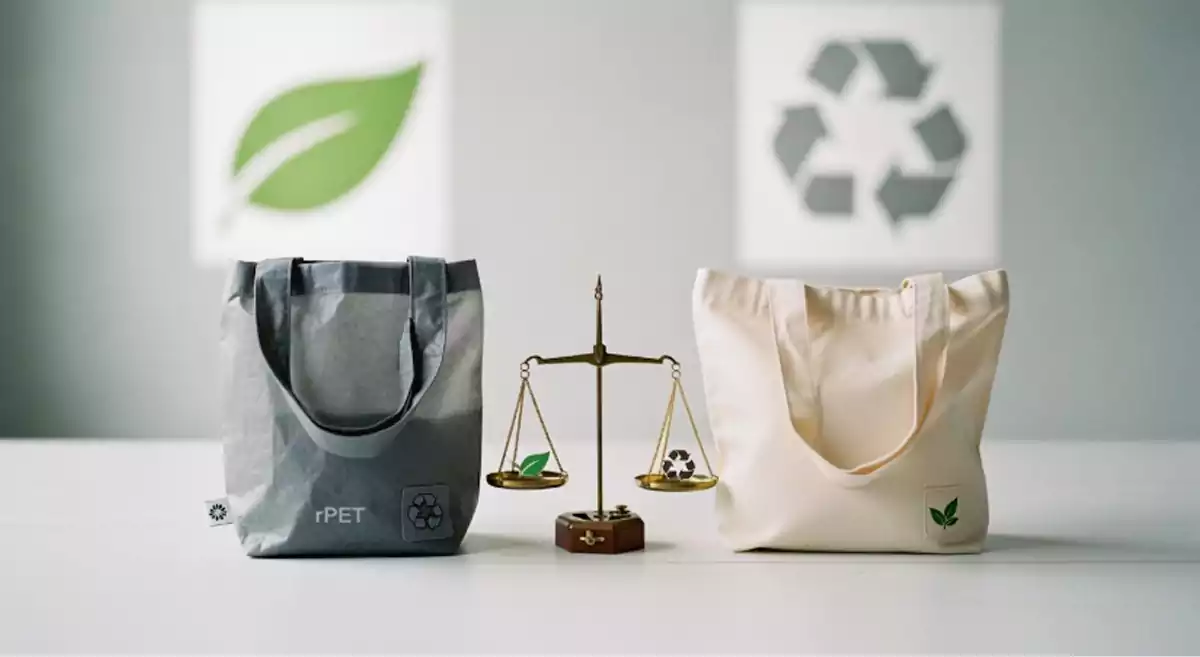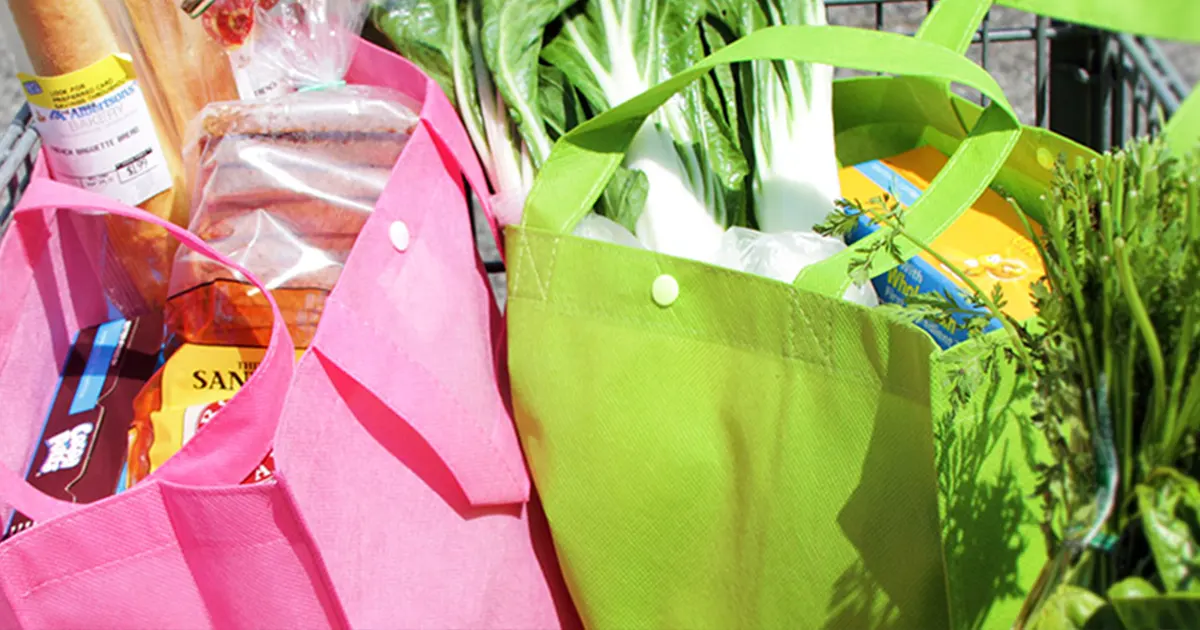
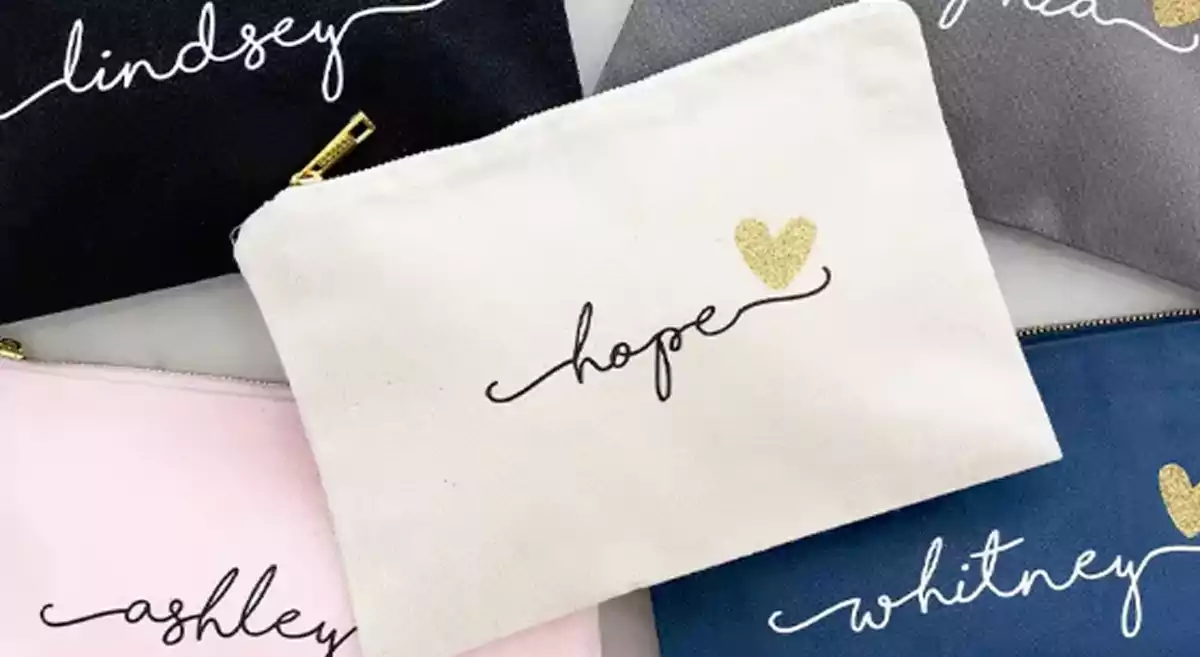
You may ask if biodegradable fabrics really help fashion become greener. The answer is yes. Many companies now pick materials like organic cotton and jute for tote bags. These materials break down on their own and do not hurt the Earth as much. Look at how more tote bags use biodegradable fabrics in the last few years:
| Trend | Description |
|---|---|
| Use in Tote Bags | More tote bags use biodegradable fabrics because people want eco-friendly products. |
| Brand Investment | Big brands spend money on organic cotton and jute. |
| Global Growth | Tote bags made from these materials are sold all over the world. |
People want eco-friendly products, so you see more tote bags made from plant fibers or recycled stuff. This change shows that the fashion industry cares about the environment.
Key Takeaways
- Biodegradable fabrics break down on their own. This helps cut down on trash and pollution.
- Organic cotton, hemp, and jute are good for the earth. People use them for tote bags and clothes.
- Picking biodegradable fabrics helps lower carbon footprints. It also keeps air and water cleaner.
- These fabrics do not make bad microplastics. This keeps animals and nature safe.
- Many brands now use biodegradable materials. This shows they care about the planet.
- New fabrics from farm waste, like pineapple and banana fibers, are getting popular.
- You can compost these fabrics at home. They turn into soil that helps plants grow.
- Buying from brands that use these fabrics helps make fashion greener.
Biodegradable Fabrics as a Sustainable Solution
Direct Answer
You might wonder if biodegradable fabrics help the planet. The answer is yes, they really do. These fabrics break down by themselves after you throw them away. Tiny living things in the dirt help them go away. They do not leave bad trash behind. You do not need to worry about them staying in landfills for a long time. Plastic-based fabrics are different. They make small plastic bits that get into water and dirt.
Here are some reasons why biodegradable fabrics are special:
- Nature helps them break down, not strong chemicals.
- You can use them for tote bags, clothes, and other things.
- They come from plants like cotton or bamboo, which grow every year.
- They do not hurt the earth when they break down.
More brands pick these fabrics because they want to help the earth. When you buy things made from biodegradable fabrics, you help cut down on trash and pollution.
Environmental Benefits
Biodegradable fabrics are good for the earth in many ways. You can see this when you compare them to regular fabrics. Here is why they are better for nature:
- They break down on their own, so less trash goes to landfills.
- They do not make tiny plastic pieces that harm the earth.
- Making them uses fewer chemicals, so water and dirt stay cleaner.
- Many of these fabrics come from plants that grow back, not from oil.
- Growing these plants can make the dirt better and help animals.
- Farmers often use earth-friendly ways to grow them, which keeps the land healthy.
- People who make these fabrics often get paid fairly and work in safe places.
Tip: If you pick biodegradable fabrics, you help keep the earth clean and make fashion fair.
You can feel proud of your choices. Every tote bag or shirt made from these fabrics helps make the world better.
What Are Biodegradable Fabrics
Definition and Features
You might wonder what makes a fabric biodegradable. Biodegradable fabrics come mostly from natural plant fibers like cotton, hemp, and linen. These materials break down on their own when you throw them away. You do not need to worry about them sitting in a landfill for hundreds of years. Many of these fabrics come from farms that use earth-friendly methods. This helps keep the soil healthy and protects animals and plants nearby. Some new fabrics, like Tencel and Amni Soul Eco, also break down easily and come from renewable resources. These options give you strong, soft, and eco-friendly choices for your clothes and bags.
Comparison with Conventional Textiles
Let’s look at how these fabrics stack up against regular ones. When you use biodegradable fabrics, you help the planet in big ways. These fabrics break down with help from tiny living things in the soil. They turn into simple stuff that does not harm the earth. Regular fabrics, like polyester, do not do this. They can stay in landfills for hundreds of years. They also make tiny plastic bits that end up in rivers and oceans. These bits hurt fish and other animals. When you pick biodegradable fabrics, you help keep the earth cleaner and safer for everyone.
Note: Biodegradable fabrics support soil health and stop toxic build-up in the environment. They do not release harmful microplastics like many synthetic fabrics do.
How Biodegradation Works
You may ask, “How do these fabrics disappear?” Here’s what happens:
- Microorganisms in the soil eat the fibers and break them down into smaller pieces.
- Some fibers, like polylactic acid (PLA), break apart when water in the soil reacts with them.
- The process makes carbon dioxide, which plants use to grow. This helps keep the carbon cycle going and lowers greenhouse gases.
You can see that nature takes care of these fabrics. The process is safe and helps the planet. When you choose products made from biodegradable fabrics, you make a smart choice for the earth.
Environmental Impact of Traditional Textiles
Waste and Landfill Issues
Most old clothes end up in landfills. Traditional textiles, like polyester and nylon, do not break down fast. They can stay in the ground for hundreds of years. If you throw away a shirt made from synthetic fabric, it stays in landfills for a very long time. Natural fabrics, like cotton, also take a while to break down if they have chemical finishes or are mixed with plastic fibers. Landfills fill up quickly because people buy and throw away clothes more often now. This is a big problem for cities and the earth. When textiles pile up, they use space that could be used for other things. Some fabrics release harmful gases as they slowly break down. You can help by picking products made with biodegradable materials. These break down faster and do not add to the waste problem.
Pollution and Resource Use
Making traditional textiles uses lots of water, energy, and chemicals. Factories sometimes dump dirty water into rivers and lakes. This water can have dyes and chemicals that hurt fish and plants. You might not see this pollution, but it can harm people and animals far away.
Here’s a table that shows the main pollutants from making and throwing away traditional textiles:
| Pollutant Type | Source of Pollution |
|---|---|
| Carbon Dioxide | Emissions from textile production processes |
| Chemicals | Dyes and finishing agents leaking into water sources, contributing to water pollution |
| Microplastics | Released during the production and washing of synthetic textiles, accumulating in the environment |
Factories that make polyester and nylon use oil and gas. These resources cannot be replaced once used up. When you pick clothes made from these materials, you support industries that use up natural resources and pollute the air and water. Choosing biodegradable fabrics helps lower pollution and saves resources for the future.
Tip: You can help keep rivers and air clean by picking clothes made from natural, biodegradable fibers.
Microplastics from Synthetics
Synthetic textiles, like polyester, are a big source of microplastics. Every time you wash these fabrics, tiny plastic pieces break off and go down the drain. These microplastics end up in rivers, lakes, and oceans. Fish and other animals can eat them by mistake. This can hurt their health and even affect the food you eat.
Here are some facts about microplastics from textiles:
- Synthetic textiles make up 14% of all plastics made in the world.
- Washing these fabrics creates 8% of the microplastics found in the oceans.
- Textiles are the fourth-largest source of microplastics on earth.
When you throw away synthetic clothes, they keep releasing microplastics as they break down. These tiny pieces can travel far and last for a long time. You can help stop this by choosing clothes and bags made from biodegradable fabrics. These do not create microplastics and are safer for the earth.
Note: Every small choice you make can help lower microplastic pollution and protect the planet for the future.
Types of Biodegradable Fabrics
Natural Fibers
You see natural fibers everywhere in eco-friendly fashion. These fibers come straight from plants. They break down easily and help keep the planet clean. Here are some of the most popular ones:
- Cotton: You know cotton for its softness and breathability. Many people love it for clothes and tote bags. However, growing cotton can use a lot of water and pesticides.
- Hemp: Hemp grows fast and needs little water. Farmers do not need to use pesticides. This makes hemp a great choice for the environment and for you.
- Linen: Linen comes from flax plants. It feels cool and lasts a long time. Linen is strong, shiny, and breaks down naturally.
These natural fibers offer big environmental advantages:
- They break down on their own, so less waste ends up in landfills.
- They do not release harmful microplastics.
- Most come from plants that grow back every year, so they do not use up resources like oil.
Tip: When you pick clothes or bags made from natural fibers, you help lower pollution and support a cleaner earth.
Organic Cotton
Organic cotton is a favorite for many eco-friendly brands. Farmers grow it without harmful chemicals or pesticides. This keeps the soil healthy and protects water sources. You find organic cotton in soft t-shirts, comfy socks, and sturdy tote bags. It feels gentle on your skin and is safe for the planet.
Hemp
Hemp stands out as a super sustainable fiber. It grows quickly and does not need much water. Farmers do not use pesticides, so it is safe for the soil and nearby animals. Hemp fibers make strong, long-lasting fabrics. You see hemp in jeans, backpacks, and even shoes. Many brands use hemp for its natural look and earth-friendly benefits.
Linen
Linen comes from the flax plant. It feels cool and fresh, which makes it perfect for summer clothes. Linen is strong and lasts a long time. It breaks down easily when you throw it away. You find linen in shirts, dresses, and stylish handbags. Many people love its natural shine and soft touch.
Agricultural Waste Materials
You might not know this, but some fabrics come from things people used to throw away. Makers now turn agricultural waste into useful textiles. They use by-products from food crops, like pineapple leaves, banana stems, and coconut husks. This helps reduce waste and gives farmers extra income.
The market for these fabrics is growing fast. More people want eco-friendly options. Experts say sustainable fashion will grow by over 9% each year and could reach $15.2 billion by 2030. This growth comes from your choices and the fashion industry’s push for greener products.
Pineapple Fiber
Pineapple fiber, also called Piñatex, comes from pineapple leaves left after harvest. Makers turn these leaves into a strong, leather-like fabric. You see pineapple fiber in handbags, wallets, and shoes. It is light, durable, and fully biodegradable.
Banana Fiber
Banana fiber comes from the stem of the banana plant. Farmers used to throw these stems away. Now, they become a source for strong, silky fabric. Banana fiber works well for bags, mats, and even clothing. It breaks down easily and helps cut down on farm waste.
Coconut Fiber
Coconut fiber, or coir, comes from the husk of coconuts. It is tough and water-resistant. People use coconut fiber for mats, ropes, and eco-friendly bags. It breaks down naturally and helps use up parts of the coconut that would otherwise go to waste.
Innovative Bio-Based Textiles
New ideas in fashion bring you exciting materials made from things like mushrooms, algae, and even bacteria. These fabrics offer unique looks and help the planet.
Here’s a quick look at some of the latest bio-based textiles:
| Textile Type | Unique Properties | Environmental Impact |
|---|---|---|
| Mushroom Leather | Looks and feels like animal leather, fully biodegradable, uses fewer resources. | Sustainable, made from mycelium. |
| Algae-Based Fabrics | Blocks UV rays, fights germs, and feels soft. | Grown sustainably, gentle on nature. |
| Bacterial Cellulose | Absorbs water well, feels strong, and can be shaped in many ways. | Made by bacteria, cuts down on waste. |
Mushroom Leather
Mushroom leather, also called mycelium leather, comes from the root part of mushrooms. It looks and feels like real leather but breaks down much faster. Makers use it for handbags, wallets, and shoes. You get a stylish product that is kind to animals and the earth.
Algae-Based Fabrics
Algae-based fabrics use algae grown in water. These fabrics block harmful sun rays and stop germs from growing. They feel soft and keep you cool. You find algae-based fabrics in t-shirts, sportswear, and even accessories. They break down easily and do not harm the planet.
Bacterial Cellulose
Bacterial cellulose is made by friendly bacteria. It feels strong and can be shaped into many forms. Designers use it for fashion items, shoes, and even handbags. Bacterial cellulose breaks down quickly and helps reduce waste from other sources.
Note: Innovative textiles like mushroom leather and algae-based fabrics show how creative ideas can help you enjoy fashion and protect the earth at the same time.
Recycled and Upcycled Biodegradable Materials
Some people think old clothes and food scraps are useless. That is not true. You can find cool fabrics made from recycled and upcycled things. These choices help keep the planet clean. They also let you join the circular fashion movement.
Recycled Plant Fibers
Recycled plant fibers come from old clothes and fabric scraps. Makers collect these items and clean them. Then, they turn them into new threads. This makes fresh fabrics without using new resources. The process saves water, energy, and land.
You see recycled cotton in tote bags and jeans. Some brands use recycled linen and hemp, too. These fibers feel soft and strong like new ones. You help cut down on waste and keep materials in use.
Here is a table that shows how recycled plant fibers help:
| Benefit | How It Helps You and the Earth |
|---|---|
| Less Waste | Old textiles get a new life |
| Fewer Resources Used | Saves water and energy |
| Lower Pollution | Reduces landfill and chemical use |
| Supports Circular Fashion | Keeps materials moving, not wasting |
Tip: If you pick products made from recycled plant fibers, you help close the loop in fashion. You make sure nothing goes to waste.
Upcycled Food Waste
Upcycled food waste is a new trend in fashion. You might see fabrics made from fruit peels or coffee grounds. Makers turn these leftovers into strong, stylish textiles. You get bags, shoes, and clothes that look great and help the earth.
Textiles made from fruit waste, like mangoes and apples, are new in stores. You will see more of these soon because people want greener choices. These materials help you use less plastic and support circular economy ideas.
- Fruit-waste textiles reuse mangoes and apples.
- These fabrics lower plastic use in fashion.
- Upcycled food waste turns trash into treasure.
You help the planet when you choose upcycled food waste fabrics. You support farmers and makers who use leftovers in smart ways. You also help reduce pollution and landfill problems.
Note: Recycled and upcycled biodegradable materials are important in circular fashion. They turn waste into useful resources and inspire new ideas for eco-friendly textiles. By choosing these products, you join a movement that cares for the earth and helps fashion’s future.
You can make a difference with every tote bag or shirt you buy. Next time you shop, look for labels that mention recycled or upcycled materials. You will feel good knowing you helped the planet and supported smart fashion.
Biodegradable Fabrics in Fashion
Applications in Products
Tote bags and Accessories
Tote bags are very popular now. Many brands use biodegradable fabrics to make them. You might find a tote bag made from organic cotton or hemp at your store. Some companies use Piñatex, which comes from pineapple leaves, for handbags and wallets. These bags look nice and break down when you throw them away. When you pick a bag made from plant fibers or upcycled food waste, you help the earth. Accessories like belts, hats, and wallets use these materials too. You get items that last but do not make bad trash.
Did you know? Piñatex handbags are a cool choice instead of animal leather. They use pineapple leaf fibers that would be thrown away.
Apparel and Footwear
You can buy shirts, dresses, and shoes made with biodegradable fabrics. Many brands use organic cotton, hemp, or Tencel for soft clothes. Some shoes have tops made from banana fiber or cactus leather. These materials feel good and break down after you use them. Sportswear made from algae-based textiles keeps you cool and blocks the sun. When you pick these clothes and shoes, you help fashion care for the planet.
Industry Adoption
Leading Brands
Big brands want to show they care about nature. They use biodegradable fabrics like organic cotton, hemp, and Amni Soul Eco. Some brands mix plant fibers with new materials like Tencel to keep things strong and lower harm. Piñatex, made from pineapple leaves, is now in shoes and handbags from famous companies. These brands also turn food waste into new fabrics. This helps fix waste problems and supports circular fashion.
- Use organic cotton and hemp for green products.
- Mix plant fibers with Tencel or Amni Soul Eco for better items.
- Use Piñatex for handbags and shoes as a kind leather choice.
- Change food waste into new biodegradable textiles.
Startups and Designers
Many startups and designers have new ideas for earth-friendly fabrics. They use waste and plants to make fresh materials. Here are some leaders:
| Startup | Description |
|---|---|
| Fibe | Makes textile fibers from potato harvest waste using a clean method. |
| Bananatex | Creates waterproof fabric from Abacá banana plant fibers, helping forests grow. |
| Desserto | Produces cactus leather that is plastic-free and needs little water. |
| Ananas Anam | Develops Piñatex from pineapple leaf waste, now used by over 100 brands. |
When you buy their products, you help these innovators. You help fashion become greener. Every choice you make helps.
Tip: If you pick clothes or bags made from biodegradable fabrics, you join a group that cares about the earth and smart ideas.
Benefits of Biodegradable Fabrics
Reducing Landfill Waste
Have you thought about where old clothes go? Most get thrown away and end up in landfills. Traditional fabrics like polyester and nylon stay there for a very long time. They do not break down fast. This makes big piles of trash that take up lots of space.
Biodegradable fabrics work differently. They break down much quicker. Tiny microbes in the dirt help them disappear in months. When you pick these fabrics, you help lower landfill waste.
Here’s a simple table to show the difference:
| Type of Fabric | Decomposition Time | Environmental Impact |
|---|---|---|
| Biodegradable Fabrics | Short (months) | Break down naturally, reducing landfill waste |
| Conventional Textiles | Long (hundreds of years) | Persist in landfills, contribute to microplastics |
If you buy a tote bag or shirt made from biodegradable fabrics, you help keep landfills from filling up. Your choice helps the planet.
Lowering Carbon Footprint
Carbon footprint means how much carbon dioxide is made. Making regular textiles uses lots of energy and causes more pollution. Biodegradable fabrics use less energy and make less pollution.
Here’s what happens when you switch to earth-friendly fabrics:
- Regular fibers release about 1.55 tonnes of carbon dioxide for each metric tonne made.
- Some plant-based fibers release only 1.03 tonnes.
- Semi-cellulosic fibers, like Tencel, have the lowest at 0.52 tonnes.
- Picking biodegradable fabrics, especially semi-cellulosic or plant-based ones, helps lower fashion’s carbon footprint.
Your choices matter. When you buy these clothes or bags, you help cut pollution and keep the air clean.
Cutting Microplastic Pollution
Microplastics are tiny plastic bits from synthetic fabrics. Washing polyester or nylon clothes makes small pieces break off. These go down the drain and end up in rivers and oceans. Fish and birds can eat them by mistake. This can hurt animals and even get into your food.
Biodegradable fabrics do not make microplastics. They break down into natural parts that do not harm the earth. When you pick these fabrics, you help keep water clean and protect animals.
Tip: Look for labels that say “biodegradable” when you shop. You help stop microplastic pollution with every smart choice.
You can make fashion safer for the planet. Every small step helps.
Safer Disposal
When you throw away clothes or bags made from biodegradable fabrics, they break down fast and safely. You do not need to worry about them staying in landfills for a long time. Microbes in the dirt help these materials disappear. This means your old tote bag will not hurt the planet.
Traditional fabrics like polyester and nylon stay in the ground for hundreds of years. They let out chemicals and microplastics as they break down. Biodegradable fabrics do not do this. They change into water, carbon dioxide, and organic matter. This keeps the soil clean and healthy.
Here is a table that shows what happens to different fabrics:
| Fabric Type | Disposal Outcome | Time to Break Down |
|---|---|---|
| Biodegradable Cotton | Turns into soil nutrients | Months to a year |
| Hemp | Breaks down, enriches soil | Few months |
| Polyester | Stays in landfill, pollutes | Hundreds of years |
| Piñatex (Pineapple) | Decomposes, leaves no toxins | Under a year |
You can compost many biodegradable fabrics at home. Cut them into small pieces and put them in your compost pile. They mix with food scraps and yard waste. After some time, they turn into rich soil for your garden. This helps keep fashion in a circle and not as waste.
Tip: If your old tote bag or shirt says “biodegradable” on the label, you can compost it or let nature break it down. This makes disposal safer for the earth and for people in the future.
Eco-Friendly Brand Image
When you buy things made from biodegradable fabrics, you help brands look eco-friendly. Companies want people to see them as caring about the planet. They use these materials to show they make good choices.
More brands talk about their green actions. They tell you how their products break down safely and use renewable resources. This makes you feel proud of what you buy. You support companies that protect nature.
Here is how biodegradable fabrics help brands look green:
- Biodegradable fabrics help brands show they care about the earth.
- These fabrics lower pollution and waste.
- Brands use materials that can be reused, recycled, or composted.
- Fibers like organic cotton, linen, and hemp help keep fashion sustainable.
- New fabrics like TENCEL™ lyocell have less impact than regular synthetics.
- Using recycled fibers cuts down on waste and gives old materials new life.
Note: When you pick a tote bag or shirt made from biodegradable fabrics, you help brands earn trust. You show you care about the planet and want fashion to be better.
Your choices matter. Brands see your support and keep making greener products. You inspire others to make smart choices too.
Challenges and Limitations
Scalability
You may wonder why biodegradable fabrics are not everywhere. Making these fabrics for everyone is hard. Many brands have big problems when they try to use them a lot. Here is a table that shows the main problems:
| Challenge | Description |
|---|---|
| Higher Production Costs | Biodegradable fabrics can cost up to 50% more than regular textiles, which makes it harder for brands to afford them. |
| Durability vs. Biodegradability | It is tough to make fabrics that last long but also break down quickly after you throw them away. |
| Infrastructure & Consumer Awareness | Not many places have good ways to get rid of these fabrics, and most people do not know much about them, so it is hard to use and recycle them. |
| Performance and Quality Issues | Biodegradable fabrics often do not work as well as regular ones, so people worry about how good they are. |
| Regulatory Challenges | There are not enough rules for biodegradable products, so it is hard for brands to sell them and for people to trust them. |
Getting these fabrics from farms to stores is not easy. Factories need new tools and better ways to make them. Many people do not know how to throw away or recycle these fabrics. Some countries do not have clear rules for them. All these things make it slow for biodegradable fabrics to grow in fashion.
Cost Factors
You may see that clothes or bags made from biodegradable fabrics cost more. There are reasons for this. Here are the main cost factors:
- Biodegradable fabrics can cost up to 50% more than regular ones.
- The price is higher because the materials and how they are made cost more.
- Factories need special tools and skilled workers, which adds to the price.
- Small batches mean higher costs, since not many brands use these fabrics yet.
If you pay more for a biodegradable tote bag, you help better farms and safer factories. As more people buy these products, prices may go down.
Tip: Picking biodegradable fabrics helps the planet and gives people fair jobs.
Performance and Durability
You might ask, “Will my biodegradable bag or shirt last?” That is a good question. Biodegradable fabrics like hemp and special viscose feel strong and comfy. They work well for daily use. But they may not last as long as polyester or nylon. This is not a mistake. These fabrics are made to break down after you finish using them. You get a product that does its job and then goes back to nature. This is a trade-off between how long something lasts and how safe it is for the earth.
You can trust your biodegradable tote bag to hold your books or groceries. It will not last forever, but it will not hurt the planet when you are done with it. That is the balance you help make when you pick these materials.
Note: Picking biodegradable fabrics means you care about quality and the earth’s future.
Certification Issues
You might see many green labels on bags and clothes now. Some say “eco-friendly,” “organic,” or “biodegradable.” These labels can help you pick better products, but they can also be confusing. Not every label means the same thing. Some brands make up their own labels, but others use trusted groups.
Honest eco-labels help you trust what you buy. If a label comes from a famous group, you feel sure about your choice. Labels from groups like GOTS or OEKO-TEX mean someone checked the product. If a brand makes its own label, it may not mean much. You might not know who made the label, so you feel unsure.
Here is a table with some top certification standards:
| Certification Standard | Description |
|---|---|
| GOTS | Makes sure organic fibers are used from farm to finished product. |
| OCS | Checks how much organic material is in a product, so you know it is real. |
| OEKO-TEX Standard 100 | Makes sure textiles do not have harmful stuff, so they are safe to use. |
| BlueSign | Checks that resources are used wisely, the earth is protected, and workers are safe. |
Each label checks for something different. Some look at organic content. Others check safety or how the fabric is made. When you shop, look for labels from groups you trust. These labels help you know your tote bag or shirt is better for the earth.
But there is a problem. Too many labels can make shopping hard. You might feel lost with all the choices. Some brands use green words just to look good. This is called “greenwashing.” It makes it tough to know what is true.
Tip: Pick products with simple, clear labels from trusted groups. This helps you avoid greenwashing and supports real change.
- Honest eco-labels help you trust what you buy.
- Too many labels can confuse people and cause greenwashing.
- Labels from trusted groups are better than ones brands make themselves.
Consumer Awareness
You may not hear about biodegradable fabrics every day. Many people do not know what these fabrics are or why they matter. This makes fewer people want to buy eco-friendly textiles. If you do not know the benefits, you might not look for them when you shop.
Some people think biodegradable fabrics are not strong or cool. This is not always true. Many new biodegradable fabrics look nice and last a long time. Brands need to show you how these fabrics work and why they help the earth.
Here are some things to remember:
- Many people do not know what ‘biodegradable fabrics’ means or why they are good.
- Not knowing slows down how many people buy these eco-friendly textiles.
- Some people think biodegradable fabrics are not as strong or stylish as regular ones.
You can help by learning more and asking questions. When you pick biodegradable fabrics, you show others how to help the earth. Every choice you make helps others learn and builds a greener future.
Note: The more you learn about biodegradable fabrics, the easier it is to make good choices for yourself and the earth.
Future of Biodegradable Fabrics
Material Innovations
You may wonder what is next for eco-friendly fashion. The future is full of new ideas. Scientists and designers are making cool fabrics. They use things you would not expect. These fabrics break down safely after use.
Let’s check out some new materials. These use waste, plants, and greenhouse gases. They help make fibers for clothes and bags. Here is a table that shows what is new:
| Material Innovation | Source | Description |
|---|---|---|
| Agraloop™ BioFibre™ | Waste from crops like hemp, banana, pineapple | Makes silk-like fibers from farm leftovers. |
| Orange Fiber | Citrus juice by-products | Turns orange peels into soft, silky fabric. |
| Circulose® and RPure | Old cotton clothes | Gives new life to discarded cotton, making fresh, clean fibers. |
| NuCycl™ | Discarded clothing | Changes old clothes into new fibers, replacing viscose and polyester. |
| AirCarbon® | Captured greenhouse gas | Mimics ocean processes to make plastic and leather alternatives. |
| CarbonSmart™ | Greenhouse gas converted by bacteria | Creates a new kind of polyester without using oil. |
Many new materials come from things people used to throw away. Agraloop™ BioFibre™ uses farm waste to make silk-like fibers. Orange Fiber turns orange peels into soft fabric. Circulose® and RPure recycle old cotton clothes. You get new fabric without growing more cotton. NuCycl™ uses old clothes to make fibers that can replace synthetics.
Some new ideas use greenhouse gases. AirCarbon® captures these gases and makes materials like plastic or leather. CarbonSmart™ uses bacteria to change greenhouse gas into polyester. These ideas help cut pollution and give you more choices.
You may soon see these materials in tote bags, shirts, or shoes. Brands want to use less oil and make products that go back to nature. These new materials let you enjoy fashion and help the earth.
Tip: When you shop, look for labels that say recycled or bio-based materials. You help make the future cleaner when you pick these options.
Material innovations will keep growing. You will see more smart uses of waste and renewable resources. The future of biodegradable fabrics is bright. You help make it happen.
Policy and Industry Support
You may wonder how biodegradable fabrics can become common in fashion. The answer is strong help from rules and leaders. When you see new green materials in stores, it is often because governments and groups work together.
Governments make rules for brands to use better materials. Sometimes, they tell companies to meet special earth-friendly standards. You might see labels on clothes that show these rules are met. These labels help you trust your choices are good for the planet.
Money rewards help a lot. If a company uses recycled or biodegradable fabrics, it can get tax cuts or grants. These rewards help brands pay for greener materials. When you see more eco-friendly tote bags or shirts, it is often because these rewards make it easier for brands.
Industry groups and government teams help too. They bring companies together to share ideas and learn new things. You might hear about fashion groups that have workshops or events. These groups teach brands about new materials and rules. They help everyone work toward a cleaner future.
Here is a table that shows how different support systems help:
| Support Type | What It Does for You and Brands |
|---|---|
| Regulations | Sets standards for eco-friendly materials |
| Financial Incentives | Offers tax breaks, grants, and subsidies |
| Industry Collaboration | Shares knowledge and best practices |
| Producer Responsibility | Requires brands to help collect and recycle |
Producer responsibility is important too. If a company makes clothes or bags, it must join a group that collects old textiles. These groups make sure products get recycled or thrown away safely. Brands pay fees based on how long and how well their products last. This system pushes companies to make items that last and break down easily.
You get more choices because of these changes. When rules help biodegradable fabrics, you find more options in stores. You can pick things that match your values and help the earth. Brands also get help to switch, so you see more affordable choices.
Tip: If you want to help green fashion, look for brands that talk about their eco-friendly rules. These companies often use biodegradable fabrics first.
You can help this movement. When you buy products made with help from good rules, you show other brands to follow. Together, you and the fashion world can make things cleaner and greener for all.
Conclusion
You play a big part in making fashion better for the planet. Biodegradable Fabrics help you cut waste and keep the earth clean. Tote bags made from these materials look great and break down safely. When you choose brands that use eco-friendly fabrics, you support real change. As a tote bags manufacturer, we focus on tote bags and products that use these smart materials. We care about sustainability and always look for new ways to help you go green.
FAQ
What makes a fabric biodegradable?
A fabric is biodegradable if tiny living things, like bacteria, can break it down into natural parts. You do not need special chemicals or machines. The fabric just returns to the earth.
How long does it take for biodegradable fabrics to break down?
Most biodegradable fabrics break down in a few months to a year. The time depends on the material and where you throw it away. Warm, damp soil helps them disappear faster.
Can you compost biodegradable fabrics at home?
Yes, you can compost many biodegradable fabrics at home. Cut them into small pieces first. Make sure they do not have plastic or chemical coatings. They will mix with your food scraps and yard waste.
Are biodegradable fabrics as strong as regular fabrics?
Some biodegradable fabrics, like hemp and linen, feel very strong. Others may not last as long as polyester. You get a good balance between strength and earth-friendly benefits.
Do biodegradable fabrics cost more?
You might pay a little more for biodegradable fabrics. The price is higher because of how they are made and the special materials used. As more people buy them, prices may go down.
Can you wash clothes made from biodegradable fabrics?
Yes, you can wash these clothes just like regular ones. Use gentle soap and cool water to help them last longer. Always check the care label for the best results.
Are all natural fabrics biodegradable?
Most natural fabrics, like cotton, hemp, and linen, are biodegradable. Some may have chemical finishes or blends with plastic fibers. Always check the label to be sure.