Wondering what size bike bag you need? You’re not alone. Your perfect bike bag size depends on how you ride, the kind of bag you want, and how long you plan to be out. Maybe you just need a small pouch for snacks, or maybe you want something big for a weekend adventure. Picking the right fit makes every ride easier and more fun. Let’s make sure you find a bag that works for you.
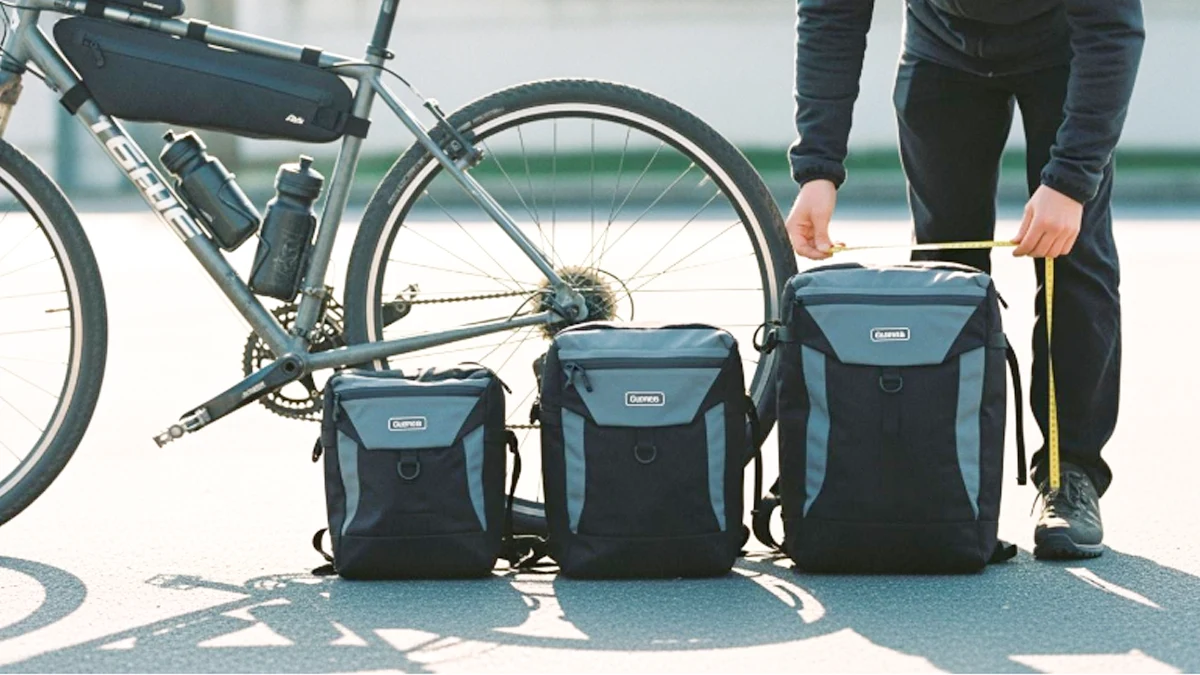
Key Takeaways
- Pick a bike bag that matches how you ride.
- Each activity needs a different bag.
- Think about the bag’s size and how much it can hold.
- Small bags are good for short rides.
- Big bags are better for long trips.
- Measure your bike before you buy a bag.
- Good measurements help the bag fit right.
- This stops problems when you ride.
- Use more than one bag to stay organized.
- Many bags can help balance your things.
- They also make it easy to grab what you need.
- Choose waterproof bags if you ride in the rain.
- This keeps your stuff dry and safe.
- Try the bag on your bike before a long ride.
- Make sure it stays in place and does not bother you.
- Check the usual sizes for each bag type.
- Knowing these sizes helps you pick the right one.
- Always think about comfort and how easy it is to use.
- The right bag makes riding better and keeps you neat.
Types of Bike Bags and Their Uses

Overview of Bike Bags
When you start looking for bike bags, you might feel a little overwhelmed. There are so many choices! Each bag has a special job. Some bags carry your lunch. Others hold tools or even your clothes for a weekend trip. Let’s break down the most common types of bike bags and what they do best.
- Frame Bags: These fit inside your bike’s frame. They work well for carrying snacks, tools, or even a small jacket. You can use them for day rides or longer trips.
- Saddle Bags: These attach under your seat. They are perfect for small items like a spare tube, tire levers, or a multi-tool.
- Handlebar Bags: These sit right on your handlebars. You can reach them easily while you ride. Many riders use them for phones, wallets, or a camera.
- Panniers: These hang on racks over your back or front wheel. They hold a lot of stuff. Commuters and touring cyclists love them for carrying clothes, groceries, or camping gear.
- Top-Tube Bags: These sit on top of your bike’s frame, close to the handlebars. They are great for snacks or things you want to grab quickly.
- Trunk Bags: These go on top of a rear rack. They offer more space than a saddle bag but less than panniers.
- Baskets: These attach to the front or back of your bike. They are handy for quick trips to the store or carrying odd-shaped items.
Tip: Travel bags lead the market, making up over 80% of what cyclists choose. If you ride to work or go on long trips, you’ll probably want one of these.
Choosing the Right Bag Type
You want a bag that matches your riding style. Think about how you use your bike. Do you ride to school or work? Maybe you race or go on long adventures. Each style needs a different bag.
| Riding Style | Best Bag Types | Why It Works |
|---|---|---|
| Commuting | Panniers, Trunk, Basket | Carry books, clothes, or groceries |
| Day Rides | Saddle, Frame, Top-Tube | Hold snacks, tools, and essentials |
| Touring/Travel | Panniers, Frame, Handlebar | Pack clothes, food, and gear |
| Racing | Race Bags, Saddle, Top-Tube | Stay light and organized |
| Adventure/Bikepacking | Frame, Handlebar, Saddle | Balance weight and storage |
You might want more than one bag. For example, you can use a frame bag and a handlebar bag together. This helps you spread out your gear and keep your bike balanced.
When you pick from the different types of bike bags, think about what you need to carry and how easy you want it to be to reach your stuff. If you like to keep things simple, a small saddle bag might be enough. If you plan big trips, you’ll need more space and maybe a few different bags.
Standard Bike Bag Dimensions by Type
When you start shopping for bike bags, you’ll see lots of numbers and sizes. It helps to know the standard bike bag dimensions for each type. This way, you can pick the right bag for your bike and your rides. Let’s break down the most common options.
Frame Bag Dimensions
Frame bags fit inside your bike’s main triangle. You can choose from full-frame or half-frame bags. Each style has its own benefits.
Full-Frame and Half-Frame Sizes
A full-frame bag uses all the space inside your bike’s triangle. You get the most storage this way. These bags often need a custom fit, but some brands offer standard sizes. A half-frame bag only takes up part of the triangle. You still have room for water bottles. These bags are easier to fit and work well for everyday rides.
| Feature | Full-Frame Bags | Half-Frame Bags |
|---|---|---|
| Space Utilization | Uses entire main triangle for maximum storage | Leaves space for bottles, less storage |
| Fit | Often custom for your bike | Easier to fit, more universal |
| Versatility | Great for heavy items and long trips | Good for daily use and commuting |
Most frame bags measure about 40–45 cm long, 10–12 cm tall, and 5–7 cm wide. These bike bag dimensions fit most medium and large bikes.
Typical Volumes (2.5L, 4L, 5L)
Frame bags come in different volumes. You’ll see sizes like 2.5L, 4L, and 5L. Small bags hold tools and snacks. Bigger bags can carry a jacket, food, or even a small camera. Most frame bags range from 3L to 8L. If you want to pack light, go for a smaller size. For longer trips, pick a bigger bag.
Handlebar Bag Dimensions
Handlebar bags sit right on your handlebars. You can grab things while you ride. These bags are popular for both commuting and bikepacking.
Common Sizes (25×15×15 cm)
Most handlebar bags measure about 25–30 cm long, 15 cm tall, and 15 cm wide. This size gives you enough space for a jacket, snacks, or your phone. Some bags are round, like a roll, and can be longer for more storage.
Volume Ranges
Handlebar bags usually hold between 5L and 10L. For short rides, a 3L bag works well. If you need more space, look for bags that hold 12L to 15L. Some bikepacking bags can hold even more.
Tip: If you want to carry a camera or extra clothes, pick a larger handlebar bag. For just your wallet and snacks, a smaller bag is enough.
Saddle Bag Dimensions
Saddle bags hang under your seat. They are perfect for small items, but you can find bigger ones for longer trips.
Small, Medium, Large (e.g., 20×10×10 cm, 9L, 15L)
Saddle bags come in three main sizes:
- Small (Micro): These bags are tiny. They measure about 10 cm long and hold 0.3L to 0.9L. You can fit a spare tube and a multi-tool.
- Medium: These bags are about 20×10×10 cm. They hold 1L to 3L. You can add a mini pump or a snack.
- Large: Touring saddle bags are much bigger. They can hold 5L or more. Some go up to 15L. You can pack clothes, food, or even a rain jacket.
Here’s a quick table to help you compare:
| Cycling Style | Size Options | Volume Range |
|---|---|---|
| Road Cycling | Micro/Small | 0.3L – 0.9L |
| Commuting | Medium | 1L – 3L |
| Touring | Large | 5L – 15L |
When you look at bike bag dimensions, think about what you want to carry. A small saddle bag is great for repairs. A large one is better for travel.
Note: Always check your bike’s space before you buy. Not every bag fits every bike. If you’re not sure, measure your bike and compare it to the bag’s size.
You can use this guide to match your needs to the right bag. Knowing the standard bike bag dimensions makes shopping much easier!
Pannier Dimensions and Capacity
Panniers are the big bags you see hanging on racks over your bike’s wheels. You can use them for groceries, work gear, or even camping stuff. They give you lots of space and keep heavy things low on your bike, which helps with balance.
Standard Volumes (10-25L)
Most panniers come in sizes from 10 to 25 liters each. A single pannier with 10L is great for a quick trip to the store. If you want to carry more, you can find panniers that hold up to 25L each. Some touring setups use two large panniers, so you get up to 50L of storage. That’s enough for clothes, food, and even a sleeping bag.
Here’s a quick look at common pannier sizes:
- Small: 10–15L (good for daily rides or light shopping)
- Medium: 16–20L (great for commuting or longer day trips)
- Large: 21–25L (best for touring or carrying lots of gear)
Tip: If you ride in the city, a medium pannier usually fits everything you need for work or school.
Single vs. Double Panniers
You can buy panniers as singles or pairs. A single pannier works well if you only need to carry a little. Double panniers give you more space and help balance your bike. If you plan to carry heavy loads, use two panniers. This keeps your bike steady and safe.
| Type | Volume (each) | Total Volume | Best For |
|---|---|---|---|
| Single Pannier | 10–25L | 10–25L | Light loads, errands |
| Double Panniers | 10–25L | 20–50L | Touring, heavy loads |
When you look at bike bag dimensions for panniers, check your rack size. Not all racks fit every pannier. Measure your rack and compare it to the bag’s mounting system.
Top-Tube Bag Dimensions
Top-tube bags sit right on top of your bike’s frame, close to the handlebars. You can grab snacks, your phone, or keys while you ride. These bags are small but super handy.
Typical Size (20×8 cm)
Most top-tube bags measure about 20 cm long and 8 cm wide. Some are a little bigger or smaller. The size you pick depends on what you want to carry and how much space you have on your bike.
Here’s a table with some popular top-tube bags and their sizes:
| Bag Name | Volume | Size (cm) |
|---|---|---|
| Bontrager Adventure Top Tube Bag | 1.2L | 22 x 9 x 6 |
| Broadfork Bags Stem Cell | 1.8L | 23 x 8 x 10 |
| Brooks Scape Top Tube Bag | 0.9-1.5L | 37 x 11 x 4.6 |
| TreadLite Out Front Top Tube Bag | 2.1L | 22 x 12 x 7 |
| Wit Slingers Top Tube Bag | 1L | 21 x 9 x 6 |
| Andrew The Maker’s Top Tube Bag | 0.9L | 24 x 11 x 6 |
You can see that most top-tube bags are close to 20 cm long and 8–12 cm wide. This makes them fit most bikes. If your bike has a short top tube, pick a smaller bag.
Note: Always check your bike bag dimensions before you buy. Some frames are smaller or have special shapes.
Other Bag Types (Trunk, Basket)
You might want even more space or a different way to carry things. Trunk bags and baskets are great for city rides and errands.
Common Dimensions and Uses
Trunk bags sit on top of your rear rack. They are easy to reach and usually hold between 10 and 18 liters. Baskets can go on the front or back of your bike. They are perfect for odd-shaped items or quick shopping trips.
Here’s a table with some common trunk and basket bag sizes:
| Bag Name | Dimensions (cm) | Cargo Capacity (L) | Typical Use |
|---|---|---|---|
| Bontrager MIK Utility Trunk Bag | 35 x 20 x 20 | 13 | Errands, on-bike storage |
| Bontrager City Trunk Bag | 34 x 20 x 40 | 18 | General utility, commuting |
| Banjo Brothers Rack Top Pannier Bag | N/A | 25.5 – 43.5 | Versatile use, errands, travel |
| Ortlieb Up Town Rack Urban | N/A | 17.5 | Shopping, farmers market, urban |
You can see that trunk bags and baskets come in many sizes. Some are small for just a lunch or a jacket. Others are big enough for a full grocery run.
When you choose a trunk bag or basket, check your rack size and the bike bag dimensions. Make sure the bag fits your rack and does not hit your seat or back wheel.
Tip: If you want to carry a backpack or purse, a basket is a simple and easy choice.
Now you know the standard bike bag dimensions for panniers, top-tube bags, trunk bags, and baskets. This makes it easier to pick the right bag for your next ride.
How to Measure Your Bike for Bag Fit
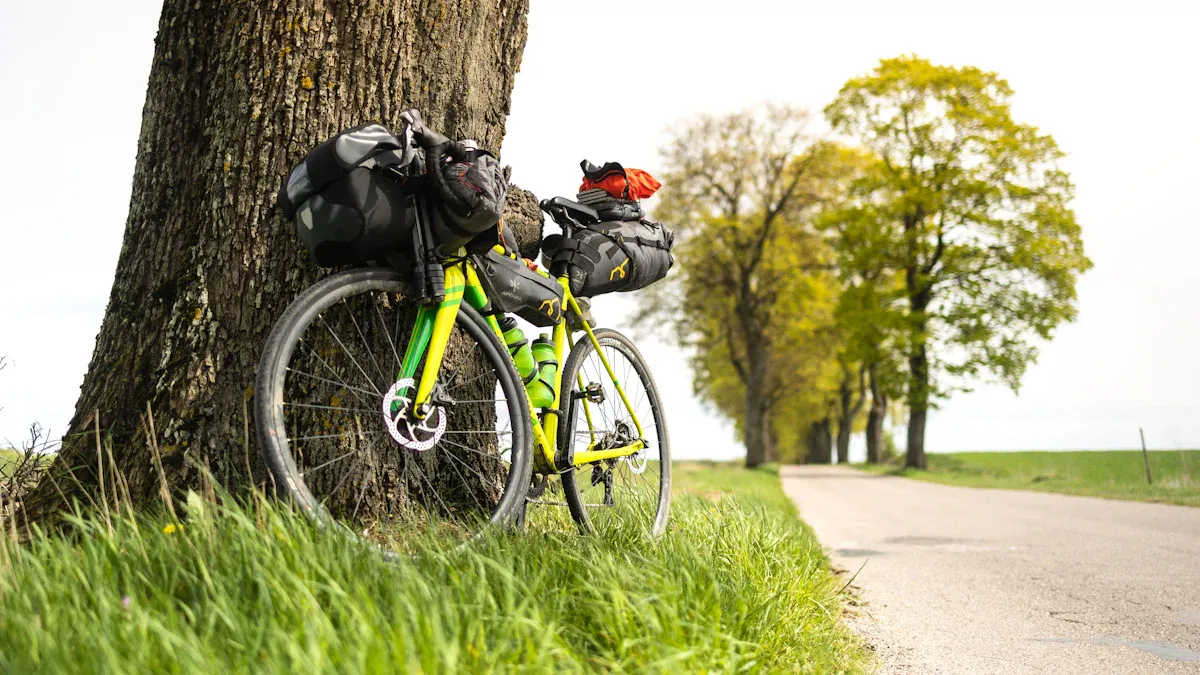
Choosing the right bike bag size starts with knowing your bike’s measurements. If you want your bag to fit perfectly and avoid annoying problems on the road, you need to measure your bike before you buy. Let’s walk through how you can measure for each type of bag and make sure your gear carrying options work for every ride.
Measuring for Frame Bags
Frame bags sit inside your bike’s main triangle. You want a snug fit so the bag doesn’t move around or block your water bottles. Here’s how you can measure your frame for the best fit.
Key Frame Measurements
You need to measure three main parts of your bike frame:
- Measure the top tube from the seat tube to the head tube.
- Measure the down tube from the bottom bracket to the head tube.
- Measure the seat tube from the bottom bracket up to the top tube.
Once you have these numbers, you can create a cardboard template. Cut out the shape that matches your measurements. Place the template inside your bike’s frame to see how much space you have. This helps you picture how the bag will fit.
Tip: Use a tape measure to check the space left when your water bottle is mounted. You don’t want your frame bag to block your bottle.
You can also download and print a paper template from some bag makers. Lay it inside your frame to check the fit. This step helps you avoid buying a bag that’s too big or too small.
Sizing Tips
- Always double-check your measurements before you order.
- If you’re between sizes, pick the smaller bag for a tighter fit.
- Make sure the bag won’t rub against your cables or get in the way of your pedals.
- If you use a half-frame bag, leave enough room for your water bottles.
Note: Cardboard templates are a simple way to test the fit before you buy. They help you see if the bag will work with your bike’s shape.
Measuring for Handlebar and Saddle Bags
Handlebar and saddle bags need enough space to fit without blocking your controls or making your ride uncomfortable. Here’s what you should look for.
Handlebar Width and Cable Clearance
Start by measuring the width of your handlebars. Most handlebar bags fit bars that are 25–30 cm wide, but you should check your own. Look at the cables and brake levers. Make sure there’s enough room for the bag to sit without pressing on the cables.
Common mistakes include:
- Ignoring the angle of the stem. This can change how much space you have.
- Measuring from the wrong points. Always start at the ends of the handlebars.
- Mixing up diameter and length. Diameter is how thick the bar is, length is how wide.
- Skipping re-checks. Always measure twice to avoid problems.
Tip: If you have a lot of cables or a short stem, pick a smaller handlebar bag. This keeps your steering smooth and safe.
Seatpost and Saddle Clearance
For saddle bags, measure the space under your seat. Check the distance from the saddle rails to the rear tire. You want enough room so the bag doesn’t touch the tire or get in the way when you ride.
- Measure the length of your seatpost.
- Check the space between the saddle and the tire.
- Make sure the bag won’t block your rear light or reflectors.
If you have a small bike or a dropper post, pick a compact saddle bag. This helps you avoid rubbing or bouncing.
Measuring for Panniers and Racks
Panniers hang on racks over your wheels. You need to make sure the bags fit your rack and don’t hit your wheels or pedals.
Rack and Wheel Clearance
Here’s a table to help you check the key measurements for pannier fit:
| Measurement Type | Details |
|---|---|
| Hook Spacing | Measure the distance between the hooks on your pannier. Make sure they match your rack. |
| Diameter of Rack | Check the thickness of the top bar. Common sizes are 3/8″ (9mm), 1/2″ (12mm), and 3/4″ (16mm). |
| Weight Considerations | If you carry heavy loads, use larger hooks. They support more weight and keep your bags secure. |
Use a tape measure to check the width of your rack. Make sure there’s enough space for the pannier hooks. Look at the clearance between the rack and your wheel. You don’t want the bag to rub against the tire.
Note: Always test the fit before you ride. Hang the pannier on your rack and check for movement or wobbling.
If you follow these steps, you’ll avoid common fit problems and keep your ride smooth. Measuring your bike helps you pick the right bag and makes every trip easier.
Matching Bike Bag Size to Ride Type
Commuting and Short Rides
Recommended Bag Types and Sizes
When you ride to work or school, you want a bag that keeps your essentials close and easy to reach. You don’t need a huge bag for short trips. Instead, look for something light, compact, and comfortable. Here are some popular choices for commuters and quick rides:
- Co-Pilot: Minimalist, sleek, and light on your shoulders. It holds your daily essentials without weighing you down.
- Paragon 2.0: Compact and secure. It stays close to your body and won’t bounce around, even if you pick up the pace.
- Daylight Backpack: Super lightweight and simple. Perfect for lighter loads or shorter walks.
- Cadet: Slim and professional. The horizontal design and external pockets make it easy to grab what you need.
- Synik 22: Compact but organized. Internal compartments help you keep things tidy, and the bag hugs your back.
- Pop Tote: Tote-style with a zippered top. The soft structure stays close and never gets in your way.
For most commutes, a bag with a 10–15 liter capacity works well. You can fit your lunch, a water bottle, and maybe a light jacket. If you carry more cargo, consider a small pannier or a bike trailer for cargo. These options give you extra space without making your bike feel heavy.
Tip: Choose a bag that fits your frame and riding style. A good bike bag size makes your daily ride smoother and more enjoyable.
Day Trips and Adventure Rides
Ideal Volumes and Combinations
Planning a day trip or a fun adventure ride? You’ll want a bit more space for snacks, tools, and maybe a camera. The right bike bag size helps you pack just enough without overloading your bike. Most riders find that a total capacity of 8–15 liters is perfect for these outings.
Here’s a quick table to help you choose the best setup:
| Trip Type | Ideal Capacity (L) | Recommended Bag Combination |
|---|---|---|
| Day trip | 10–15 | Frame + Handlebar |
| Weekend ride | 8–15 | Frame + Handlebar |
A frame bag and a handlebar bag together give you balanced storage. You can keep your tools and snacks in the frame bag. Use the handlebar bag for things you want to grab quickly, like your phone or sunglasses. If you need to carry extra cargo, a small pannier or even a bike trailer for cargo can help, especially if you plan to bring a picnic or extra clothes.
Note: Always check your bike’s measurements before picking a new bag. A good fit keeps your ride comfortable and safe.
Touring and Bikepacking
High-Capacity Setups
If you dream about multi-day tours or bikepacking adventures, you’ll need a bigger setup. You have to carry clothes, food, camping gear, and maybe even cooking supplies. The right bike bag size makes a huge difference on long trips.
Check out this table to see how much weight different setups can handle:
| Setup Description | Rider Weight (kg) | Bike Weight (kg) | Gear Weight (kg) | Total Weight (kg) |
|---|---|---|---|---|
| Ultralight / BikePacking | 78 | 15 | 5 | 98 |
| Ultralight with 1kg Extra Gear | 78 | 15 | 6 | 99 |
| Lightweight, Relatively Self-Sufficient | 78 | 15 | 15 | 108 |
| Multi-Month, All-Seasons | 78 | 15 | 25 | 118 |
| Round the World, All-Seasons | 78 | 15 | 35 | 128 |
For most touring and bikepacking trips, aim for a total gear weight between 15 and 35 kilograms. Use a mix of large panniers, a frame bag, and a handlebar bag. This combo spreads the cargo across your bike and keeps it balanced. If you need to haul even more, a bike trailer for cargo can handle the load and make your journey easier.
Tip: Pack only what you need. A well-chosen bike bag size helps you stay organized and keeps your ride fun, even on the longest adventures.
Mountain and Gravel Riding
Compact and Secure Options
Mountain and gravel riding can get wild. You hit bumpy trails, rocky paths, and sometimes even mud. You need bike bags that stay put and protect your gear, no matter how rough the ride gets. You want something compact, secure, and tough enough for adventure.
Let’s look at what makes a great bag for these rides. You want a bag that fits your bike and doesn’t bounce around. It should hold your tools, snacks, and maybe a spare tube. You don’t want anything too big or heavy. A small, well-designed bag works best.
Here’s a table that shows what to look for in a compact and secure bike bag for mountain and gravel riding:
| Feature | Description |
|---|---|
| Universal Compatibility | Fits enduro, gravel, XC, FR, and DH bikes smaller than 29” |
| Enhanced Protection | Includes a BIKE BLOCK for chainring and derailleur stability |
| Replaceable Skate Wheels | Durable wheels for easy movement in tough conditions |
| Maximum Wheelbase | Works with frames up to 126 cm |
| Dimensions | 138 x 39 x 85 cm |
| Weight | 8.6 kg / 19 lbs |
You want a bag that works with different bike types. Universal compatibility means you can use it for enduro, gravel, cross-country, freeride, and downhill bikes. If your bike is smaller than 29 inches, you’re good to go. Some bags even come with special blocks to keep your chainring and derailleur safe. That’s extra peace of mind when you hit rocky trails.
Here are some things riders love about these bags:
- They fit many bike types, so you don’t need a new bag for every bike.
- They feel light but have good padding to protect your gear.
- They have tough wheels, so you can roll them over gravel or dirt.
- Riders say these bags work well for travel, even on long trips.
You might hear about the Topeak PakGo X. This bag stands out for its hard plastic shell. It keeps your road or gravel bike safe from bumps and drops. The padding inside helps a lot, too. But there’s a catch. The PakGo X doesn’t fit most modern mountain bikes. Their wheelbases are longer, and the axles are different. If you ride a newer mountain bike, you’ll need to check the size before you buy.
When you pick a bag for mountain or gravel riding, keep it small and secure. Look for strong zippers, tight straps, and weather-resistant materials. A compact saddle bag or a frame bag works well. You can also use a top-tube bag for snacks or a phone. Make sure the bag doesn’t block your movement or get in the way when you ride.
Tip: Test your bag on a short ride before heading out on a big adventure. Make sure it stays in place and doesn’t rattle. A secure bag means you can focus on the trail and enjoy the ride.
Bike Bag Size Recommendations by Riding Style
Urban and Road Cycling
Lightweight and Aerodynamic Choices
When you ride in the city or on the road, you want to keep things light and fast. You do not want a bulky bag slowing you down or making your bike harder to handle. Small, sleek bags work best for these rides. You can pick a saddle bag for your repair kit and a top-tube bag for snacks or your phone. Handlebar bags can also help if you need quick access to your wallet or keys.
Here’s a quick table to help you choose:
| Bag Type | Typical Volume | Best Use |
|---|---|---|
| Saddle Bag | 0.3–1L | Tools, spare tube |
| Top-Tube Bag | 0.5–1.5L | Snacks, phone, wallet |
| Handlebar Bag | 2–5L | Light jacket, small items |
Tip: Choose bags with a slim profile. Aerodynamic bags help you ride faster and look stylish at the same time.
Touring and Long-Distance
Large Capacity and Modular Bags
Long rides and tours mean you need to carry more. You might pack clothes, food, and even camping gear. Modular bags let you add or remove storage as needed. Panniers are a favorite for touring because they hold a lot and keep weight low on your bike. Frame bags and handlebar bags also help you spread out your gear.
Try this setup for a balanced load:
- Two large panniers (20–25L each) for clothes and food.
- A frame bag (4–8L) for tools and heavier items.
- A handlebar bag (5–15L) for things you want to grab quickly.
You can mix and match bags to fit your trip. If you plan to camp, add a trunk bag or a small basket for extra space. Always check your bike’s rack and frame size before you buy.
Note: Modular setups let you adjust your storage for each trip. You can leave some bags at home if you want to travel lighter.
Off-Road and Adventure
Durable and Versatile Options
Off-road and adventure rides can get rough. You need bags that can handle bumps, mud, and rain. Look for sturdy, waterproof bags that keep your gear safe. It helps to spread your gear across different bags so your bike stays balanced.
Here’s what to look for:
- Sturdy and waterproof materials keep your gear dry and safe.
- Distribute your gear: camping gear in the handlebar pack, tools and electronics in the frame bag, clothes in the rear bag.
- Test your setup on training rides. Make sure your bags stay stable and do not bounce around on rough trails.
Pro Tip: A good adventure bag setup keeps your gear organized and your ride smooth, even when the trail gets tough.
You can enjoy every ride more when you pick the right bike bag size for your style. Try different setups and see what works best for you!
How Small Size Differences Affect Fit and Function
Storage and Accessibility
You might think a few centimeters don’t matter, but small changes in bike bag size can make a big difference. When you pick a bag, you want to make sure it holds what you need and lets you grab things easily. Here’s what you’ll notice:
- Larger bags let you carry more gear. This is great if you need to bring extra clothes, groceries, or cargo for a longer trip.
- Smaller bags work best for short rides. You can reach your snacks, phone, or tools quickly without digging through a lot of stuff.
- The way a bag attaches to your bike changes how easy it is to get to your things. Some bags open from the top, while others have side zippers or roll closures.
Tip: If you want to grab your phone or wallet while riding, choose a bag with easy-access pockets.
Bike Handling and Comfort
The size of your bike bag can change how your bike feels on the road or trail. Even a little extra weight or bulk can affect your ride. Here’s what you should keep in mind:
- Every gram counts, especially on gravel or mountain rides. A lighter setup helps you move faster and keeps your ride smooth.
- Bikepacking works best when you spread your cargo across different bags. This keeps your bike balanced and makes it easier to handle.
- If you put too much weight on one side, your bike might sway or feel wobbly. That can make you uncomfortable and slow you down.
- Using four panniers helps you fit all your gear, clothing, and food. Make sure you balance the load from front to back and side to side.
Note: A stable bike means a safer and more comfortable ride. Always check your setup before you head out.
When to Size Up or Down
Choosing the right size isn’t always easy. You might wonder if you should go bigger or stick with something smaller. Here’s a simple way to decide:
- Think about how you use your bike most of the time. Do you ride to work, shop for groceries, or go on long trips?
- Look at what you usually carry. Is it just lunch and a water bottle, or do you need space for extra cargo like a jacket or shoes?
- Match the bag size to your main activities. If you mostly commute, a medium bag works well. For bikepacking or carrying lots of cargo, pick a larger bag.
If you only need more space once in a while, you don’t have to size up. You can add a second bag or use a backpack for those rare days. Picking the right size for your regular rides keeps your bike light and easy to handle.
Tip: It’s better to have a bag that fits your daily needs than one that’s too big and gets in the way.
Material and Construction Impact on Bike Bag Size
Material Flexibility and Size Tolerance
When you pick a bike bag, the material matters a lot. Some bags use soft, flexible fabrics like nylon or polyester. These materials stretch a little and can handle odd-shaped items. You get a bit of wiggle room if you need to squeeze in an extra snack or a rain jacket. Other bags use stiffer materials, like hard plastic or thick canvas. These bags hold their shape and protect your gear, but they don’t stretch much.
If you want a bag that fits tight spaces, look for flexible materials. They help you pack more and make the bag easier to mount on different bikes. Stiff bags work well if you want to protect fragile items or keep your bag looking neat. Always check the seams and zippers. Good stitching and strong zippers keep your bag from breaking, even if you stuff it full.
Tip: Flexible bags are great for squeezing into small spaces, but stiff bags give better protection for your gear.
Expandable vs. Fixed-Size Bags
You might see bags that expand or bags that stay the same size. Expandable bags have zippers or straps that let you make the bag bigger or smaller. Fixed-size bags always stay the same shape and size. Which one works best? It depends on your ride.
Here’s a table to help you compare:
| Type of Bag | Advantages | Disadvantages |
|---|---|---|
| Expandable Bags | Flexibility in packing and accommodating varying loads | May be less stable compared to fixed-size bags |
| Fixed-Size Bags | Stability and ease of access | Limited packing efficiency, may not accommodate larger loads |
Expandable bags help when you’re not sure how much you’ll carry. Maybe you buy groceries on the way home, or you want to pack a jacket just in case. You can zip out the extra space when you need it. Fixed-size bags feel more stable. They don’t shift around as much, so your ride feels smoother. If you like to keep things simple and organized, a fixed-size bag might be your best friend.
Note: If you ride rough trails, a fixed-size bag can keep your gear from bouncing around.
Durability and Weather Resistance
You want your bike bag to last, right? The best bags use tough, waterproof materials. High-quality fabrics like nylon or TPU-coated materials keep out rain, mud, and dust. Your gear stays dry, even if you get caught in a storm.
- High-quality, waterproof fabrics like nylon or TPU-coated materials provide excellent protection against rain, mud, and dust.
- The durability of zippers, seams, and attachment points is crucial for bags that will experience regular use and harsh conditions.
- A well-constructed bag will provide reliable service over many rides, regardless of size.
Don’t forget to check the zippers and straps. These parts get a lot of use. If they break, your bag won’t work well. Strong seams and sturdy buckles help your bag survive bumps, drops, and rough weather. A good bag keeps your stuff safe and makes every ride better.
Tip: If you ride in the rain or on muddy trails, always choose a bag with waterproof fabric and sealed zippers. Your gear will thank you!
Standard Bike Bag Dimensions Reference
Quick Size Charts by Bag Type
You want to find the right size fast. A quick chart can help you compare popular bike bag types and see what most brands offer. Check out this table for a simple overview:
| Manufacturer | Bag Type | Size/Capacity Range | Price Range |
|---|---|---|---|
| Salsa | Frame Bags | Varies by model | €100 – €150 |
| MERIDA | Complete Sets | Varies by model | N/A |
Most off-the-shelf bags come in different sizes and shapes. You will see that not every brand fits every bike frame. Always measure your frame before you buy a bag. This step saves you time and money.
Here’s a quick look at common size ranges for each bag type:
| Bag Type | Typical Volume (L) | Common Uses |
|---|---|---|
| Frame Bag | 2.5 – 8 | Tools, snacks, small gear |
| Handlebar Bag | 3 – 15 | Jacket, camera, food |
| Saddle Bag | 0.3 – 15 | Repair kit, clothes |
| Pannier | 10 – 25 (each) | Groceries, touring gear |
| Top-Tube Bag | 0.9 – 2.1 | Phone, wallet, snacks |
| Trunk Bag | 10 – 18 | Lunch, books, light cargo |
| Basket | 15 – 43.5 | Shopping, odd-shaped items |
Tip: If you want to carry large items like a tent or sleeping bag, look for bags with 45L or more. For small items, a handlebar or saddle bag between 4L and 9L works well.
Sizing Checklist for Bike Bags
You want your bag to fit your bike and your needs. Use this checklist before you buy:
- Think about how you will use the bag. Will you ride to work, go shopping, or travel?
- Lay out the items you want to carry on a table. This helps you see how much space you need.
- Check the volume you need:
- Large items (sleeping bag, tent): 45L or more.
- Medium items (laptop, books): 28L to 35L.
- Small items (wallet, makeup kit): 15L to 25L.
- Very small items: handlebar or saddle bag (4L to 9L).
- Make sure the bag fits your bike’s frame or rack. Measure your bike first.
- Look for bags that fit special shapes, like laptops or cameras.
- Choose waterproof bags if you ride in the rain.
- Test the bag on your bike if you can. Make sure it does not block your pedals, cables, or water bottles.
Note: Not every bag fits every bike. Always double-check your measurements and think about what you really need to carry.
With these charts and this checklist, you can pick the perfect bike bag size for any ride.
Conclusion
You now know how to choose the right bike bag size. First, think about what you bring on most rides. Measure your bike before you shop for a bag. Look at the tables and pick a bag that fits your style. The right size gives you more comfort and space. It also helps keep your ride safe. Use our charts and checklist to help you decide. If you want something special, we have custom and wholesale bike bags for all cyclists.
| Improvement Type | Description |
|---|---|
| Comfort | Makes riding feel better and more balanced |
| Storage | Lets you organize things and carry more |
| Ride Experience | Helps you avoid crashes and enjoy smooth rides |
FAQ
How do I know what size bike bag fits my bike?
You should measure your bike’s frame, handlebars, or rack. Check the bag’s size in the product details. Compare your measurements to the bag’s dimensions. If you’re not sure, ask the seller or try a template.
Can I use more than one bike bag at a time?
Yes! You can mix different bags. Try a frame bag with a handlebar bag or add panniers for more space. This helps you balance your load and keep things organized.
What if my bag blocks my water bottle?
You can use a half-frame bag or a smaller bag. These leave room for your bottle. Test the fit before you buy. Some bags have cutouts for bottles.
Are bigger bags always better?
Not always. Bigger bags hold more, but they can make your bike heavy. Pick a size that matches what you carry most days. A smaller bag keeps your ride light and easy.
How do I keep my bag from moving while I ride?
Tighten all straps and buckles. Make sure the bag fits your bike’s shape. Test it on a short ride. If it still moves, try a different size or style.
Do I need a waterproof bike bag?
If you ride in rain or wet weather, yes. Waterproof bags keep your things dry. Look for sealed zippers and coated fabric. For dry days, a regular bag works fine.
Can I fit a laptop in a bike bag?
Many trunk bags and large panniers fit laptops. Check the bag’s inside size. Use padding for extra protection. Always measure your laptop before you buy a bag.