You want the best race day bag because you deserve a stress-free running experience. The best race day bag keeps all your gear organized, fits perfectly, and feels light on your shoulders. You know that having the best race day bag is essential for comfort, so you choose one that never distracts you while running. With the best race day bag, you can easily grab water and essentials without fumbling around. You stay focused on your run, not wasting time searching through pockets. The best race day bag helps you stick to your checklist and ensures everything is ready for race morning. Whether you’re running your first 5K or chasing a new PR, you need the best race day bag for every running adventure.
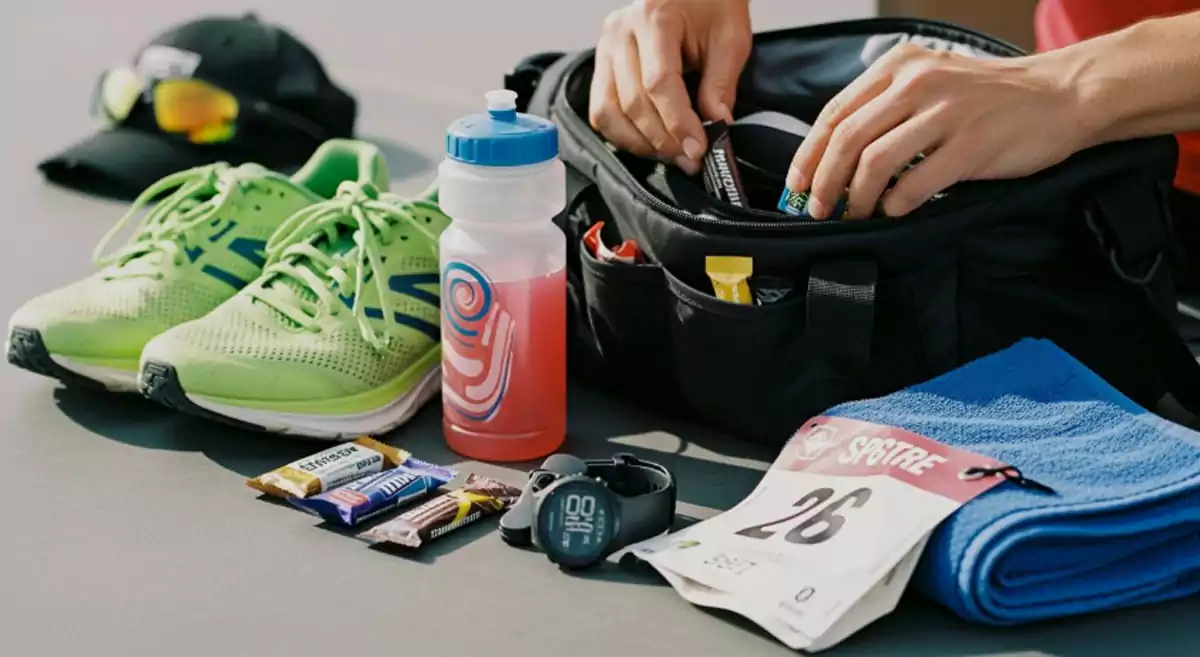
Key Takeaways
- Choose a race day bag that fits your needs. Consider size and capacity based on your race distance.
- For short races, opt for a 2-5 liter pack. For marathons, select larger bags to carry extra gear and hydration.
- Prioritize comfort and fit. Look for adjustable straps and materials that prevent chafing.
- Ensure easy access to essentials. Choose bags with quick-access pockets for hydration and snacks.
- Always pack a checklist of mandatory items like your bib, timing chip, and ID to avoid last-minute stress.
- Prepare for different weather conditions by packing appropriate gear, such as waterproof bags for rain or cooling towels for heat.
- Use packing cubes to keep your bag organized. This helps you find items quickly and keeps your gear neat.
- Double-check your bag before leaving for the race. A last-minute review can save you from forgetting important items.
Best Race Day Bag Features
Choosing the right race day bag means you get the most out of your running experience. You want a bag with features that match your needs, so you can focus on performance and enjoy every mile. Let’s break down the features that matter most: size and capacity, comfort and fit, and accessibility.
Size and Capacity
You need a bag that holds everything without weighing you down. The right size depends on your race distance and what you plan to carry.
2-5 Liter Packs for Short Races
If you’re running a 5K or a short trail race, a 2-5 liter pack works best. You can fit your essentials like water, gels, and a phone. These smaller packs keep the weight low, so you move freely and stay light on your feet. You don’t want extra weight slowing you down.
Larger Bags for Longer Events
For marathons or ultra races, you need more space. Larger bags help you carry extra gear, nutrition, and hydration. Here’s a quick look at common options among marathon runners:
| Pack Name | Capacity (liters) |
|---|---|
| WAA | 25 |
| OMM | 25 / 32 |
These packs give you enough room for layers, snacks, and safety items. You can adjust the weight by packing only what you need. Remember, more weight means you need a better fit and more comfort features.
Comfort and Fit
You want your race day bag to feel good from start to finish. Comfort and fit matter more than anything else. If your bag rubs or bounces, you lose focus and risk chafing.
Avoiding Chafing
Chafing ruins your run. You can prevent it by choosing bags with soft, sweat-wicking materials. Look for smooth seams and padding in areas that touch your skin. Bags with good weight distribution help you avoid pressure points.
Adjustable Straps
Straps make a huge difference in fit. You want adjustable straps that let you tighten or loosen your bag. This keeps the weight close to your body and stops the bag from moving around. You can adjust the straps before and during your run for the best fit.
Here are some ergonomic features to look for:
- Adjustability: You can change the straps for a snug fit.
- Weight distribution: A good bag spreads the weight evenly.
- Lightweight materials: Less weight means more comfort.
- Hydration compatibility: You can carry water easily.
- Durability: Your bag lasts through tough running conditions.
- Comfort features: Sweat-wicking fabrics and reflective accents help you stay comfortable and visible.
Accessibility
You need fast access to water, nutrition, and essentials. The best race day bag features smart designs that save you time and effort.
Easy Access to Water and Essentials
Some bags let you grab water or snacks without stopping. You want hydration systems that work with one hand. Here’s a table showing bag designs that offer quick access:
| Bag Design | Key Features |
|---|---|
| UltrAspire Bronco Race | Thicker foam padding lets you reach the rear of the pack easily. |
| Pinnacle 12 | Side access points for main pockets, so you get gear fast. |
| Nathan Pinnacle | Hydration bladder system with easy filling and hose management. |
| Nathan Vapor 3.0 | Hydration bladders and extra front storage for quick access. |
You can choose a bag that matches your hydration style. Some runners like bottles, others prefer bladders. The right features keep your weight balanced and your gear handy.
Pocket Placement
Pocket placement changes how you use your bag. You want pockets that hold your phone, keys, and wallet securely. Zippered pockets keep your items safe, so you don’t lose anything while running. Pockets in the right spots let you grab what you need without stopping.
Tip: Always check your pockets before the race. Make sure everything fits and stays secure. You don’t want to lose your essentials during a run.
When you pick a race day bag, focus on features that match your running style. The right size, fit, and comfort features help you perform your best. Smart accessibility features save you time and keep your weight balanced. You’ll feel confident and ready for any race.
Race Day Essentials Checklist
Mandatory Gear
Bib, Timing Chip, ID
You can’t start your race without your bib and timing chip. These are your ticket to the starting line and your official finish time. Always double-check that you have your bib pinned on and your timing chip attached. Don’t forget your ID, especially if the event requires age verification or packet pickup. Many runners leave these behind in their hotel room or car, so make it a habit to pack them first.
Tip: Place your bib, timing chip, and ID in a clear pouch inside your bag for quick access.
Safety Items
Safety comes first, no matter the distance. Some races require specific safety gear, especially trail events or ultras. Here’s a quick look at what you might need:
| Safety Item | Description |
|---|---|
| Waterproof Jacket | Keeps you dry and warm in bad weather. |
| Headlamp/Flashlight | Essential for early starts or night running. Bring spare batteries. |
| Emergency Blanket | Provides warmth if you stop moving. |
| Whistle | Use to signal for help if needed. |
| Bandage | Useful for minor injuries or emergencies. |
| Mobile Phone | For emergencies and navigation. |
You should also check if your race requires a hydration pack or a minimum amount of water. Some events ask for a cup, so you don’t rely on aid station supplies. Always read the race rules before packing your essentials.
Clothing and Footwear
Race Kit
Your race kit is more than just a shirt and shorts. You want moisture-wicking fabric to keep sweat away and prevent chafing. Make sure your clothes fit well—not too tight, not too loose. Dress for the weather. If it’s cold, layer up. If it’s hot, go light. Never wear new gear on race day. Stick with what you’ve tested during training.
Here’s a quick checklist for your running gear:
- Running shoes (the right fit, not brand new)
- Quality running socks
- Shorts or tights
- Top or jersey
- Sports bra (if needed)
- Anti-chafe stick
- Running hat or visor
- Sunglasses
Many runners forget shoes, socks, or even their race kit. Lay out your outfit the night before to avoid last-minute panic.
Post-Race Change
You’ll thank yourself for packing a change of clothes. After you finish, you want to get out of sweaty gear fast. Bring a fresh shirt, bottoms, socks, and a light jacket. Toss in a small towel and a pair of slides or sandals for comfort.
Hydration and Nutrition
Water Bottles or Bladders
Hydration is your best friend on race day. You need to carry enough water to stay comfortable, especially if aid stations are far apart. Hydration packs, handheld bottles, or waist belts all work—pick what feels best for you. Aim for about 750ml per hour during intense running, but listen to your body. Add sodium to your water to help prevent cramps and dehydration.
Gels, Bars, Snacks
You burn a lot of energy during a race. Pack gels, bars, or snacks that you’ve tried before. For events over an hour, refuel with 30–60 grams of carbs every hour. For longer races, you might need up to 90 grams. Don’t forget to eat a good meal before the race and keep your nutrition simple and familiar.
Note: Hydration and nutrition are the most forgotten essentials. Pack them first and keep them within easy reach.
Personal Items
You never want to show up at the starting line and realize you forgot something important. Packing your personal items helps you feel ready and relaxed. These are the things you use every day, but they matter even more on race day.
Phone, Keys, Wallet
Your phone, keys, and wallet are must-haves. Your phone does more than just make calls. You can use it to track your pace, listen to music, or take photos before and after the race. Some runners use their phones for directions to the start line or to check the weather. If you use a smart watch, make sure it’s charged and ready to go.
Your keys keep your car or home safe. You don’t want to finish your race and realize you can’t get back inside. Attach your keys to a small carabiner or put them in a zippered pocket. That way, you know they’re secure.
Your wallet or ID is also important. You might need it to pick up your race bib or buy something at the event. Some races require you to show ID at check-in. Keep your wallet slim—just bring what you need, like your ID, a little cash, and a card.
Here’s a quick table to help you remember your essentials:
| Essential Item | Why You Need It |
|---|---|
| Phone | Track your run, music, directions, emergency contact |
| Keys | Secure your car or home |
| Wallet/ID | Race check-in, purchases, identification |
| Smart watch | Track pace and distance |
| Directions to start | Find your way to the race |
Tip: Put your phone, keys, and wallet in a waterproof pouch or a zippered pocket. You’ll keep them dry and safe, even if it rains.
Sunscreen, Lip Balm
You spend a lot of time outside on race day. Even if it’s cloudy, the sun can still burn your skin. Sunscreen protects you from sunburn and keeps your skin healthy. Choose a sweat-resistant sunscreen and apply it before you leave home. Don’t forget your ears, neck, and the back of your hands.
Lip balm is another small item that makes a big difference. Running dries out your lips, especially in wind or sun. Use a lip balm with SPF for extra protection. Keep it in an easy-to-reach pocket so you can reapply if you need to.
Here’s a quick checklist for your personal care:
- Sunscreen (sweat-resistant, SPF 30 or higher)
- Lip balm with SPF
- Hairband (if you have long hair)
- Tissues or wet wipes
Note: Sunscreen and lip balm are easy to forget, but you’ll be glad you packed them. They help you stay comfortable and focused on your run.
When you pack your personal items, you set yourself up for a smooth race day. Double-check your bag before you leave. You’ll feel confident knowing you have everything you need.
Nice-to-Have Items for Comfort
You want race day to feel as smooth as possible. Packing a few extra comfort items can make a big difference. These aren’t always required, but they help you stay happy, dry, and motivated from start to finish.
Weather Protection
Lightweight Jacket or Poncho
Weather can change fast. You might start your run under clear skies, then face wind or rain halfway through. A lightweight, windproof jacket or poncho keeps you dry and blocks chilly gusts. You stay warm and focused, not distracted by the elements. Many runners choose jackets that pack down small, so you can stash them in your bag when the sun comes out.
Tip: Windproof jackets and vests protect you from sudden weather changes. You run better when you feel comfortable.
Hat, Gloves
Your head and hands lose heat quickly. A hat keeps your ears warm on cold mornings. Water-resistant gloves protect your fingers from rain and wind. You avoid numb hands and stay comfortable, even during long runs. Some runners also wear water-resistant socks to keep feet dry and blister-free.
Here’s a quick list for unpredictable weather:
- Water-resistant socks and gloves
- Running shoes with waterproof uppers and good tread
- Windproof jacket or vest
- Lightweight hat
Recovery Tools
Massage Ball, Roller
After your race, your muscles need some love. Massage balls and foam rollers help you recover faster. You can use a Roll Recovery R4 Body Roller or a Medi-Dyne Pro Stick Massage Roller to work out tight spots. Physical therapists recommend these tools because they help reduce soreness and speed up recovery.
- Foam roller
- Percussive massager
- Compression boots
- Massage ball
Towel, Wet Wipes
You finish your race sweaty and tired. A small towel lets you wipe off sweat and feel fresh. Wet wipes help you clean up quickly, especially if you don’t have access to a shower. You feel more comfortable and ready to celebrate your achievement.
Motivation and Entertainment
Headphones, Music
Music can lift your mood and keep you moving. You might pack headphones and create a playlist that pumps you up. Some runners use music to set their pace or block out distractions. If you prefer, you can listen to motivational podcasts or audiobooks.
Inspirational Notes
A little encouragement goes a long way. You can tuck a handwritten note or a funny slogan in your bag. Seeing your name on a sign or getting a high five from a friend boosts your energy. Creative posters, personalized signs, and even spectators in costumes make the race feel special. Kids and first-time runners especially love motivational signs near the finish line.
Remember: Small gestures like a wave or a fist bump can turn a tough moment into a great memory.
Packing these comfort items helps you enjoy every part of race day. You stay dry, recover faster, and run with a smile.
Choosing the Best Running Backpacks and Bags
Backpack vs. Crossbody vs. Tote
You have a lot of choices when it comes to carrying your gear. The best running backpacks give you comfort and support. A backpack spreads the weight across both shoulders. This helps you avoid sore muscles and keeps you balanced. You can carry more gear without feeling weighed down. If you need to bring a change of clothes, snacks, or a water bottle, a backpack is your best friend.
Crossbody bags and totes look stylish. They work well for light loads or short trips. A tote sits on one shoulder. This can feel uncomfortable if you pack it full. You might notice your shoulder gets tired or the bag slips off. Crossbody bags are small and easy to grab. They hold your phone, keys, and a snack. For race day, you want something that stays put and feels good. Most runners pick a backpack or a running vest for long events.
Tip: If you want style and comfort, try a mini crossbody for your essentials and a backpack for your main gear.
Canvas and Sturdy Bags
You want a bag that lasts. Canvas bags stand up to rough use. They resist tears and hold their shape. If you need to carry heavy items, canvas is a smart choice. Cotton bags feel soft and light. They work well for short races or when you only need a few things. Think about how much gear you bring and how tough you need your bag to be.
Here’s a quick look at how canvas and cotton compare:
| Feature | Canvas Bags | Cotton Bags |
|---|---|---|
| Strength | Durable, resists wear and tear | Softer, more damage-prone |
| Weight | Heavier and stiffer | Lighter, more flexible |
| Durability | High – great for heavy-duty use | Moderate – better for light use |
If you want the best running backpacks for long races, pick a sturdy material. You get more durability and peace of mind. For a fun run or a short event, a lighter cotton bag or a running vest might be enough.
Fit and Adjustability
You need a bag that fits your body. The best running backpacks come with adjustable straps. You can make the backpack tighter or looser. This keeps the bag from bouncing while you run. Look for padded straps and a chest clip. These features help you stay comfortable, even when you carry a lot.
Some running backpacks have special compartments. You can organize your shoes, clothes, and snacks. A running pack with a water bottle sleeve or a bottom compartment for a wetsuit makes life easier. If you run with a team, labeled bags help you find your stuff fast.
Here’s a table to help you compare different running backpacks and running vest packs:
| Bag Type | Features | Fit and Adjustability |
|---|---|---|
| Classic RaceDay Bag | Padded straps, many pockets | Good for one-day races |
| XL RaceDay Bag | Large size, padded backpack straps | Great for long trips and off-road use |
| Pro RaceDay Bag | Bottom compartment, water bottle sleeve | Customizable for your needs |
| Giant RaceDay Bag | Seven pockets, holds lots of gear | Best for long trips or team events |
| Labelled Bags | Personalization options | Easy to organize for group travel |
A running vest is another great choice. Vest packs hug your body and keep your hands free. You can adjust the fit with side straps. Many runners like a running vest for trail races or when they need to move fast.
Note: Always try on your backpack or running vest before race day. Adjust the straps and check the fit. You want to feel secure and comfortable from start to finish.
Choosing the best running backpacks means thinking about your needs, your comfort, and your style. You will find the perfect running pack for every race.
Packing for Race Day Conditions
You never know what race day will bring. Weather can change fast, so you need to pack smart. Let’s look at how you can get ready for rain, heat, or cold.
Rainy Weather
Running in the rain can be fun, but only if you stay dry and comfortable. You want to keep your gear safe and your body protected.
Waterproof Bags, Covers
A waterproof bag keeps your stuff dry. You can use a rain cover for your backpack or choose a bag made with water-resistant material. If you expect heavy rain, grab a lightweight rain jacket. Some jackets pack down small, so you can stash them in your bag until you need them.
- Moisture-wicking gear helps you stay dry and comfortable.
- Body Glide prevents chafing when your skin gets wet.
- A compact windbreaker or rain jacket protects you from heavy rain.
- Waterproof covers shield your bag from water.
Tip: Always test your rain gear before race day. You want to know it works when the weather turns bad.
Extra Dry Clothes
Wet clothes can make you cold and uncomfortable. Pack an extra shirt, socks, and shorts. After your race, you can change and feel fresh. Toss in a small towel to wipe off rain or sweat.
Hot Weather
Heat can slow you down, but you can beat it with the right gear and strategies. Staying cool and hydrated helps you run your best.
Cooling Towels, Electrolytes
You need to keep your body cool. Cooling towels work wonders. You can drape a wet towel over your neck at aid stations. Ice bandanas and ice-packed arm sleeves help lower your temperature. Drink plenty of water and add electrolytes to replace what you lose when you sweat.
Sun Protection
The sun can be tough on your skin. Cover as much skin as possible with light, breathable clothing. Apply sunscreen to exposed areas. Sunglasses protect your eyes from glare.
Here’s a table with best practices for hot weather races:
| Best Practice | Description |
|---|---|
| Hydration Strategies | Go into the race well hydrated and use heat mitigation strategies. |
| Cooling Methods | Use ice bandanas, pack ice into arm sleeves, and drape a wet towel over yourself at aid stations. |
| Appropriate Clothing | Cover as much skin as possible and apply sunscreen on exposed areas to protect against sun exposure. |
Note: Start hydrating the day before your race. You want your body ready for the heat.
Cold Weather
Cold races need extra planning. You want to stay warm without overheating. Layers help you adjust as you run.
Layers, Hand Warmers
Layering is key. Start with a moisture-wicking base layer to keep sweat away. Add a light fleece or thermal top for warmth. Finish with a windproof and water-resistant jacket. Thermal running tights keep your legs warm. Running-specific gloves, especially with touchscreen compatibility, protect your hands. A thermal hat or headband keeps your ears warm. A neck gaiter shields you from wind and cold.
- Base layer: Moisture-wicking to keep sweat off your skin.
- Middle layer: Insulating fleece or thermal top.
- Outer layer: Windproof and water-resistant jacket.
- Thermal running tights or leggings.
- Running gloves and thermal hat.
- Neck gaiter for wind protection.
- Merino wool socks for warmth.
- Sunglasses for UV protection.
Hand warmers fit in your gloves or pockets. They give you a boost when your fingers get cold.
Insulated Bottles
Cold weather can freeze your drinks. Use insulated bottles or a hydration pack with insulation. This keeps your water from turning to ice. You stay hydrated and comfortable, even when the temperature drops.
Tip: Pack extra layers in your bag. You can add or remove them as the weather changes.
You can handle any race day condition with the right packing plan. Rain, heat, or cold won’t stop you when you prepare ahead.
Packing and Organization Tips
Packing Cubes and Pouches
You want your race day bag to stay neat and easy to use. Packing cubes and pouches help you do that. They keep your gear sorted, so you never have to dig through a messy bag. You can use one cube for your running clothes, another for snacks, and a pouch for small items like keys or lip balm.
- Packing cubes create more space in your bag. You fit more gear without making your bag bulky.
- You grab what you need fast. You do not have to unpack everything to find your socks or gels.
- You keep clean and dirty clothes separate. This saves you time and keeps your bag smelling fresh.
Tip: Use a bright-colored pouch for your most important items. You spot it right away, even if you are in a hurry.
Pre-Race Packing Routine
You want to avoid last-minute stress. A good packing routine helps you remember everything and keeps you calm before the race. Start by making a packing list a few days before your event. This gives you time to buy anything you forgot.
- Write your packing list early. You can add things as you remember them.
- Pack your main items the day before the race. You do not want to rush on race morning.
- Lay out all your gear on your bed or floor. You see everything at once and check for missing items.
- Check the weather. You pack for hot, cold, or rainy conditions.
- Double-check your list before you zip up your bag.
If you prepare ahead, you feel ready and confident. You do not worry about missing socks or your favorite hat.
Last-Minute Double-Check List
You want to feel sure you have everything before you leave for the race. A last-minute double-check list helps you stay on track. Here are some things to review:
- Pick up your race number and bib. Make sure you have checked in.
- Drink plenty of water the day before. Aim for 8-12 cups of caffeine-free fluids.
- Plan your meals. Eat fruits, vegetables, carbs, and protein for energy.
- Charge your phone, watch, and headphones. Lay out your gear and attach your race number.
- Review the race route. Check for road closures and set your alarm for an early wake-up.
- Take a few deep breaths. Calm your mind and get excited for the big day.
Note: A quick double-check can save you from last-minute panic. You start your race feeling organized and ready to go.
Quick-Reference Checklist
You want to feel calm and ready for race day. A quick-reference checklist helps you pack fast and remember everything. Use this list the night before your race. Lay out your gear and check each item. Zip up your bag when you finish. Here’s what you should bring:
- Race bib (pin it to your shirt or put it on top)
- Photo ID (for check-in or emergencies)
- Safety pins or bib clips (bring extras just in case)
- Phone (for music, tracking, or calling friends)
- Headphones (if you like music or podcasts while running)
- Portable charger (good for long races or travel)
- Throwaway layers (old sweatshirt or long-sleeve for cold starts)
- Hat or visor (protects your face from sun or rain)
- Gloves or arm warmers (easy to take off if you get hot)
- Sunglasses (keep your eyes safe and comfortable)
- Extra socks (dry feet feel great after a race)
- Rain poncho or light jacket (pack if it might rain)
- Energy gels, chews, or blocks (fuel for your run)
- Pre-race snack (banana, granola bar, or toast)
- Electrolytes (tablets or powder for hydration)
- Water bottle or handheld (carry your own if you want)
- Body glide or anti-chafe balm (protects your skin)
- Band-aids or blister patches (for quick fixes)
- Sunscreen (put it on before you leave home)
- Tissues or wipes (for sweat, spills, or bathroom stops)
- Pain reliever (for after the race, not before)
- Dry change of clothes (feel fresh after you finish)
- Warm layer (jacket or hoodie for comfort after the race)
- Recovery snack or protein drink (help your muscles recover)
- Flip-flops or comfortable shoes (give your feet a break)
- Towel (wipe off sweat or rain)
- Small foam roller or massage ball (help your muscles feel better)
- Cash or credit card (for snacks, parking, or emergencies)
- Race schedule or course map (know where to go and when)
- Personal note or good-luck charm (boost your mood)
Tip: Pack your bag the night before. Check this list again in the morning. You will feel calm and ready to run your best.
You can print this checklist or save it on your phone. Check off each item as you pack. You will never forget your essentials again. Now you can focus on your race and enjoy every step!
Conclusion
You want your run to be easy and stress-free. The right backpack gives you comfort and space for gear. You can reach your things quickly. Using a checklist helps you get ready for race day. It takes away guessing and makes you feel sure. Preparing early lets you test your plan and make it better. A checklist helps you in many ways:
- You check how your muscles feel and if you are tired.
- You write down ideas to help you run better next time.
- You see how small changes can make you faster.
| Evidence | Description |
|---|---|
| Elimination of guesswork | Planning food and drinks for your backpack works best. |
| Confidence building | Getting ready early with your backpack makes you feel sure. |
| Evidence-based checklist | You make your own running plan with a backpack and checklist. |
You need a bag that matches how you run. We have Custom Race Day Bag for every runner. Check out our bags services and find the best one for your next race.
FAQ
What size race day bag should I pick?
You want a bag that fits your gear without extra bulk. For short races, choose a 2–5 liter pack. For marathons or ultras, go bigger—10 liters or more. Test your bag with your gear before race day.
How do I keep my bag from bouncing while I run?
Adjust the straps for a snug fit. Choose a bag with chest and waist straps. Pack heavier items close to your back. Try running with your packed bag during training.
Can I use a regular backpack for race day?
You can, but running backpacks work better. They have padded straps, better weight balance, and easy-access pockets. Regular backpacks may bounce or cause chafing.
What should I do if rain is in the forecast?
Pack a waterproof cover or use a water-resistant bag. Bring a dry change of clothes in a sealed pouch. Test your rain gear before race day.
How do I organize small items in my bag?
Use small pouches or zippered pockets. Color-code your pouches for quick access. Keep essentials like keys and gels in front or side pockets.
Do I need to bring my own water?
Check your race rules. Some races require you to carry water. Even if they don’t, you may want a small bottle or hydration pack for comfort and flexibility.
What’s the best way to avoid forgetting something?
Make a checklist and pack the night before. Lay out your gear and check off each item. Review your list again in the morning for peace of mind.