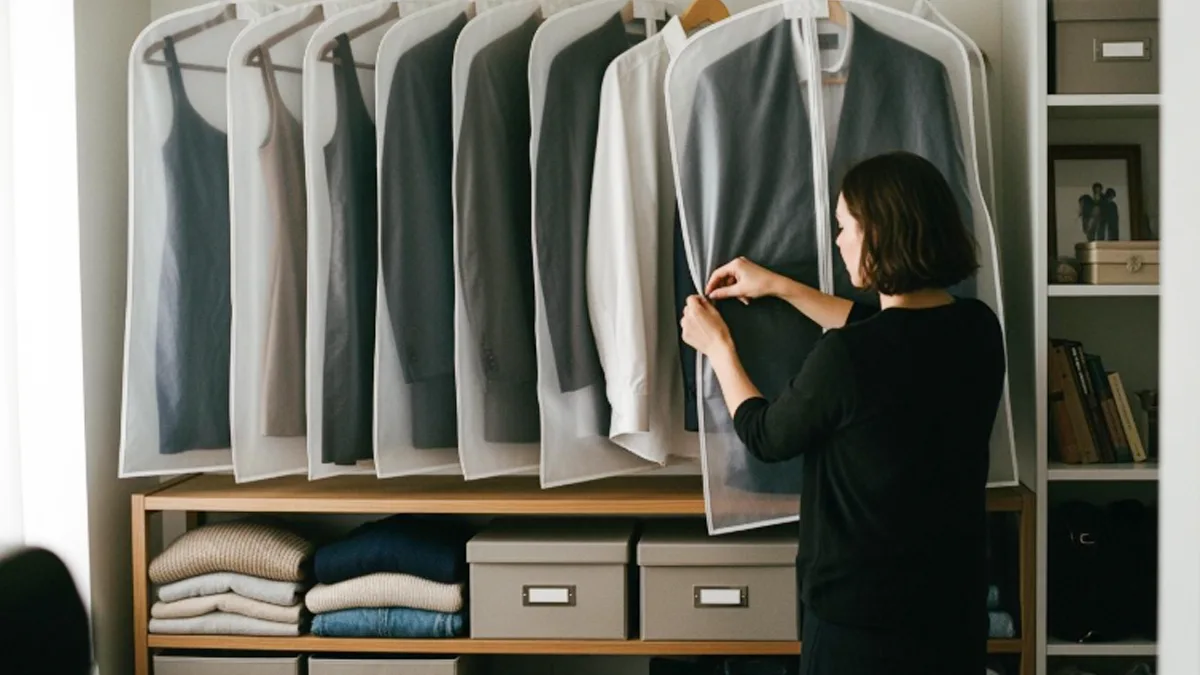
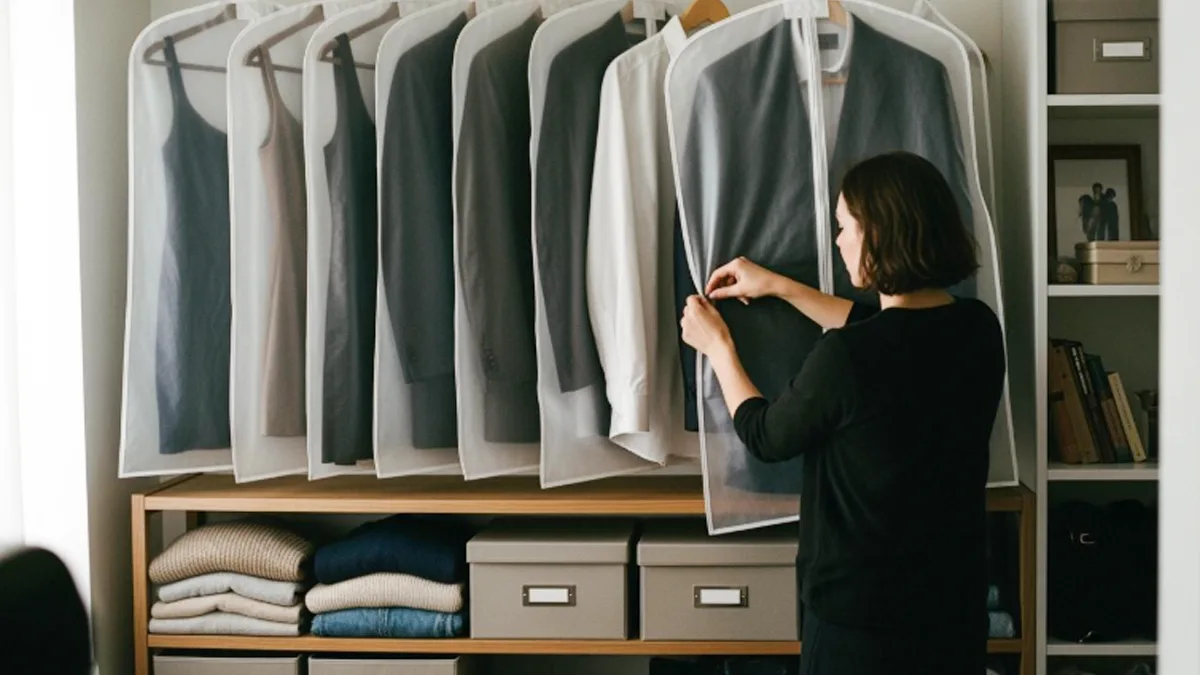
When you pick the best garment bag for your clothes, think about size, material, breathability, and strength. The bag should fit your clothes well. It should keep out dust and water. It also helps keep your things neat. Many people like natural materials such as canvas for storing clothes for a long time. You may want more room for shoes or other items. A strong zipper is good if you use the bag a lot. Some garment bags have warranties, so you feel safe. If you have delicate or big items, choose a bag that works for them. This helps you find the best garment bags for storage.
Key Takeaways
- Pick a garment bag that fits your clothes well. Measure your clothes to make sure the bag is the right size.
- Choose bags made from cotton or canvas for long storage. These materials let air in and stop mold. They also keep your clothes smelling nice.
- Think about what kind of clothes you have. Use one bag for special clothes. Use bags that hold more for everyday clothes.
- Find bags with strong zippers, handles, and clear windows. These things help you use and sort your bags easily.
- Make sure your clothes are clean and dry before storing. Always wash or dry clean them first.
- Check and clean your garment bags often. This stops dust, mold, and damage to your clothes.
- Add cedar blocks or silica gel packs for extra protection. These keep bugs and water away from your clothes.
- Buy good bags for your special clothes. Better bags protect your clothes more and last longer.
Choose the Right Garment Bag Size
Picking the right garment bag size makes a big difference in how well your clothes stay protected and organized. If you want your clothes to look their best, you need to choose the right garment bag for each item and storage space. Let’s break down how you can do this step by step.
How to Measure Clothing
Step-by-Step Measurement
You want your garment bag to fit your clothes without squishing or stretching them. Here’s how you can measure your clothing for the best fit:
- Measure your natural waist. Wrap the tape around the narrowest spot between your ribs and hips.
- Check the sleeve length. Start at the center of the back of your neck and measure to the end of your shoulder.
- Measure your bust. Go around the fullest part of your chest, keeping the tape level and snug.
- Find your waist size. Wrap the tape at the thinnest part of your torso, making sure it stays parallel to the ground.
- Measure your hips. Go around the widest part of your hips, keeping the tape flat and snug.
Tip: Write down these numbers. You’ll use them to pick a properly sized garment bag that keeps your clothes in shape.
Recommended Bag Sizes by Garment Type
Not all clothes need the same garment bag size. Here’s a quick guide to help you match your clothes to the right bag:
| Type of Clothing | Recommended Garment Bag Size | Capacity in Garment Bag |
|---|---|---|
| Suits | 40″–42″ long | Up to 2 suits |
| Dresses | 54″–60″ long | Up to 3 full-length dresses or jumpsuits |
| Coats | 54″–60″ long | 1–2 bulky coats |
| Shirts/Blouses | 36″–40″ long | 3–5 shirts or blouses |
If you want the best garment bags for storage, always check the length and width of your clothing before you buy.
Storage Space Considerations
Short vs. Long Bags
Short garment bags work well for shirts, blouses, and short jackets. Long bags fit dresses, coats, and gowns. If you have a mix of clothing, you might need both types. This helps you keep everything neat and easy to find.
Closet, Under-Bed, and Travel Options
Think about where you’ll store your garment bag. If you use a closet, measure the hanging space first. For under-bed storage, look for flat or foldable bags. If you travel, pick a lightweight garment bag that fits in your suitcase or folds for easy carrying.
Note: Some garment bags have handles or hooks. These features make it easier to move your clothes from closet to car or suitcase.
Single vs. Multi-Garment Bags
You can choose a single garment bag for one special item, like a suit or dress. This keeps it extra safe. Multi-garment bags hold several pieces at once. These work well for seasonal storage or travel. They save space and help you organize outfits together.
If you want to choose the right garment bag for your needs, think about how many items you want to store. For bulky coats or delicate dresses, a single bag gives more protection. For everyday shirts or travel, a multi-garment bag is handy.
If you want your clothes to stay fresh and wrinkle-free, always use the right garment bag size for each item.
By following these steps, you can choose the right garment bag for every piece of clothing and every storage spot in your home.
Best Garment Bags for Storage: Materials & Features
Choosing the best garment bags for storage means looking at what they are made of and what features they offer. You want your clothes to stay safe, fresh, and easy to find. Let’s break down the most important things you should know.
Material Comparison
The material of your garment bag matters a lot. Some materials keep your clothes fresh and safe for years. Others work better for short trips or quick storage. Here’s how the most common materials compare:
Non-Woven, Nylon, Polyester
Non-woven bags feel light and cost less, but they can tear easily. Nylon and polyester bags are stronger and resist water, so they work well for travel or busy days. If you want a quality garment bag for everyday use, nylon and polyester are good picks. They protect your clothes from rain and spills. However, these materials do not let air pass through, so moisture can get trapped inside.
PEVA, Vinyl, Canvas
PEVA and vinyl bags keep water out and are easy to wipe clean. They are great if you need to protect clothes from spills or rain. Canvas bags, on the other hand, are thick and tough. They last a long time and protect your clothes from dust and pests. Canvas also lets air move in and out, which helps keep your clothes fresh.
Breathable vs. Waterproof
You might wonder if you should pick a breathable or waterproof garment bag. Breathable bags, like those made from cotton or canvas, let air flow around your clothes. This stops mold and bad smells from building up. Waterproof bags, like those made from polyester or vinyl, keep water out but can trap moisture inside. For long-term storage, breathable bags are the best choice. For travel or short-term use, waterproof bags work well.
Here’s a quick table to help you compare:
| Feature | Cotton / Canvas Garment Bag | Synthetic Garment Bag (Polyester, PEVA) |
|---|---|---|
| Breathability | Excellent | Poor |
| Long-Term Storage | Highly Recommended | Not Recommended |
| Water Resistance | Poor | Excellent |
| Durability | Very durable | Varies |
| Cost | Higher | More affordable |
| Best For | Heirloom, wool, silk, leather | Travel, short-term storage |
Tip: If you want to store special clothes like wool suits or silk dresses, pick a canvas or cotton bag. For travel or quick storage, nylon or polyester works best.
Essential Features
A perfect garment bag does more than just hold your clothes. Look for these features to make your life easier:
Zippers, Handles, Hooks
Strong zippers keep your bag closed and your clothes safe. Handles help you carry the bag easily. Hooks let you hang the bag in your closet or car. If you read product reviews, you’ll see that people love bags with sturdy zippers and comfy handles.
Transparent Windows, Label Holders
Transparent windows let you see what’s inside without opening the bag. This saves time when you’re in a hurry. Label holders help you organize your closet. You can write what’s inside each bag, so you never have to guess.
Reinforced Seams, Durability
You want your garment bag to last. Reinforced seams stop the bag from ripping, even if you pack it full. Durable materials like heavy canvas or thick polyester stand up to travel and daily use. Many reviews mention that a quality garment bag with strong seams keeps clothes safe for years.
Protection & Convenience
You want your clothes to stay clean and neat. The best garment bags for storage offer both protection and convenience.
Dustproof, Water-Resistant, Breathable
Dustproof bags keep dirt and bugs away from your clothes. Water-resistant bags protect against spills and rain. Breathable bags let air move, which stops mold and keeps clothes smelling fresh. Cotton bags do all three very well. They even break down in the environment faster than plastic bags, so they are better for the planet.
- Dustproof and water-resistant bags protect your clothes from dust, dirt, moisture, and insects.
- Fully enclosed cotton bags keep out environmental threats.
- Self-healing zippers make it hard for dust and bugs to get inside.
Foldable, Collapsible Designs
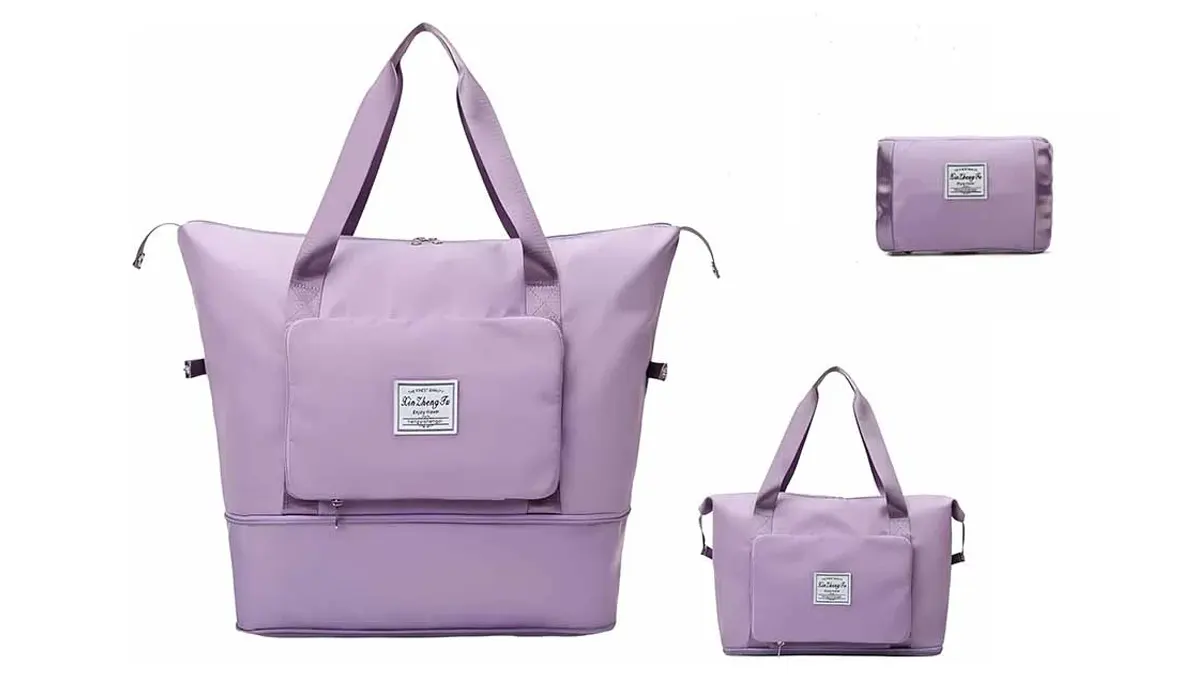
Foldable and collapsible bags save space when you don’t need them. You can tuck them under your bed or in a drawer. Some bags even come with a folding guide to help you pack clothes without wrinkles. Lightweight designs make it easy to carry your bag anywhere.
| Feature | Description |
|---|---|
| Wrinkle-free storage | Keeps clothes neat and ready to wear. |
| Improved organization | Helps you sort and find items quickly. |
| Adaptability | Works for both daily use and travel. |
| Lightweight | Easy to carry, even for kids. |
| Clothes Folder | Lets you fold clothes neatly for storage. |
Note: If you want a perfect garment bag for travel, look for one that folds up small and has a handle. This makes packing and carrying much easier.
Why Breathable Fabrics Matter
Breathable materials like cotton and linen help your clothes last longer. They let air move, which stops moisture from building up. This keeps away mildew and bad smells. If you store natural fibers, like wool or silk, a breathable garment bag is a must. It protects delicate fabrics and keeps them looking new.
Durability and Long-Term Protection
You want your garment bag to last through many seasons. Durable materials like heavy canvas or finely woven cotton stand up to dust, wrinkles, and spills. Some luxury covers use cotton with no harsh chemicals, so your clothes stay safe. A quality garment bag with a sturdy zipper and reinforced seams gives you peace of mind. You can trust it to protect your favorite outfits year after year.
If you check product reviews, you’ll see that people love bags that last and keep clothes safe from dust, water, and bugs.
By picking the right materials and features, you can find the best garment bags for storage. You’ll keep your clothes fresh, organized, and ready to wear whenever you need them.
Match Garment Bag Features to Storage Needs
Seasonal Storage
Breathability & Moisture Control
When you put away clothes for a new season, you want them to stay clean and safe. Bags that let air move help stop wetness from building up. This keeps mold and mildew away. Muslin garment bags use 100% cotton muslin. These bags let air flow around your clothes, so they do not smell bad. Tyvek garment bags are good too. They keep water out but still let your clothes breathe.
- Muslin garment bags use 100% cotton muslin. They let air move and stop wetness, which helps keep mold and mildew away.
- Tyvek garment bags keep water out and let air in. They stop wetness and keep your clothes safe from harm.
Professional organizers say to use 100% cotton sweater bags for storing clothes by season. These bags are big enough for thick sweaters. They have a clear panel so you can see inside. This helps keep dust and damage away from your clothes.
Easy Access & Organization
You want to find your clothes fast when the season changes. Pick bags with clear panels or windows. You can see inside without opening the bag. Some bags have label holders. You can write what is inside. This makes it easy to grab what you need. Handles and strong zippers help you move your clothes easily.
Long-Term Storage
Dust, Mold, and Pest Protection
If you want to store clothes for a long time, you need to keep out dust, mold, and bugs. The best garment bags use good materials and supplies. Here is a quick guide:
| Type of Container | Examples | Benefits | Drawbacks |
|---|---|---|---|
| Breathable Containers | Cotton bags, fabric boxes, pillowcases | Lets wetness escape, stops mildew, keeps clothes from turning yellow | Not as good at stopping bugs as non-breathable containers |
| Non-Breathable Containers | Plastic bins, vacuum-sealed bags | Great at stopping bugs and wetness | Can trap wetness if clothes are not dry, not good for natural fibers |
| Essential Supplies | Acid-free tissue paper, cedar, silica gel | Protects soft fabrics, keeps bugs away, soaks up wetness | N/A |
Preservation Materials
You can help your clothes last longer by using the right things inside your garment bag.
- Cotton or muslin bags let air move and stop wetness, which keeps mildew away.
- Put acid-free tissue paper between layers of soft fabrics. This stops creases and keeps dust and stains away.
Bulk & Specialty Storage
Multi-Garment Bags
If you need to store lots of clothes, multi-garment bags are a smart pick. They keep your clothes neat and safe. These bags have hooks, compartments, and straps for easy packing. Some bags have wheels so you can move them easily.
| Feature | Description |
|---|---|
| Wrinkle-Free Protection | Stops creases and keeps clothes looking nice. |
| Smart Organization | Hooks, compartments, and straps help you pack clothes easily. |
| Effortless Mobility | Bags with wheels make moving clothes simple. |
Bulky or Delicate Items
You may have big coats or special dresses that need extra care. Special garment bags protect these items. Some bags have oval windows and special zippers for easy access. Others use thick canvas and travel loops for heavy things. These bags keep your clothes safe for weddings, trips, or everyday storage.
If you pick the right garment bag for your needs, your clothes will look great and storage will be easy.
Travel & On-the-Go
Lightweight, Portable Options
Travel can be stressful, but packing your clothes doesn’t have to be. You want your favorite outfits to arrive looking sharp and ready to wear. That’s where the right garment bag makes all the difference. When you’re on the move, you need a bag that’s light, easy to carry, and tough enough for busy days.
Look for these features when you pick a garment bag for travel:
- Wrinkle-free design keeps your clothes neat. You won’t need to iron when you reach your hotel.
- Style choices let you match your bag to your taste. You can find classic black, bold colors, or even eco-friendly options.
- Organization matters. Many travel garment bags have extra pockets and compartments. You can pack shoes, ties, or toiletries without mixing them with your clothes.
- Versatility helps you pack for a weekend trip or a long vacation. Some bags expand or fold to fit your needs.
- Durability is key. High-quality materials stand up to airport handling and busy schedules.
- Sustainability is a plus. Some brands use recycled fabrics, so you can travel green.
Tip: Choose a bag with a comfortable handle or a shoulder strap. You’ll thank yourself when you’re rushing through the airport.
Wrinkle Prevention
You want your clothes to look crisp, not crumpled, when you unpack. Here’s how you can keep wrinkles away while you travel:
- Hang your suit, dress, or shirt on a sturdy hanger. Make sure everything lines up and hangs naturally.
- Slide your clothing into a lightweight garment bag. This keeps the fabric smooth and protected.
- If your bag folds, do it gently. Try to keep the garment as flat as possible.
- Pack your garment bag last. Place it on top of your suitcase so nothing presses down on your clothes.
You can use these steps for suits, dresses, or even delicate blouses. This method works well for business trips, weddings, or any time you want to look your best.
If you travel often, invest in a wrinkle-free garment bag with smart compartments. You’ll save time and always look put together.
A good travel garment bag does more than just carry your clothes. It keeps you organized, saves space, and helps you arrive in style. Pick one that fits your routine, and you’ll never worry about wrinkled outfits again.
Practical Tips to Choose the Best Garment Bag
Assess Closet & Storage Space
Maximize Space
You want your closet to look neat and have lots of room. Use slim, non-slip hangers to fit more clothes. These hangers stop clothes from falling or getting stretched. Cotton garment bags or acid-free boxes are best for storing clothes for a long time. If you have big things like jackets or duvets, use vacuum-sealed bags to save space.
Tip: Do not use plastic containers that hold moisture. They can make mildew grow and ruin your clothes.
Efficient Storage
Think about the best way to store each kind of clothing. Some clothes should be folded, and some should be hung up. Here is a simple guide to help you:
| Clothing Type | Fold or Hang | Recommended Protective Materials |
|---|---|---|
| Sweaters/Knits | Fold | Acid-free tissue, cotton sheets |
| Suits/Blazers | Hang | Padded hangers, garment bag |
| Dresses/Formalwear | Hang | Padded hangers, muslin/cotton bag |
| Silk Items | Hang or Flat | Cotton garment bag, acid-free tissue |
| Wool | Fold | Cedar blocks, acid-free tissue |
| Leather | Hang | Breathable garment bag |
| Vintage/Antiques | Consult Expert | Archival boxes, acid-free tissue |
Hang clothes in cotton garment bags so they can breathe. For clothes you only wear in some seasons, use vacuum-sealed bags. This keeps your closet clean and makes it easy to change clothes when the weather changes.
Match Bag to Garment Type
Suits, Dresses, Coats, Specialty Items
Not every garment bag fits every kind of clothing. Suits and blazers need padded hangers and strong garment bags to keep their shape. Dresses and fancy clothes do best in muslin or cotton bags. Leather jackets need a bag that lets air in so they do not crack. If you have old or special clothes, ask an expert how to store them.
Everyday vs. Occasional Wear
Put your everyday clothes in bags you can reach easily. For special outfits, use bags with extra protection. This helps you find what you need fast and keeps your best clothes safe. Many people say using the right bag for each type of clothing stops damage and keeps closets neat.
Budget & Value
Quality vs. Cost
You may wonder if expensive garment bags are worth it. Good garment bags cost between $100 and $2,500. Bags that cost more are made with better materials and have more features. There is a link between price and quality, so think about how much safety your clothes need.
When to Invest in Premium Bags
Buy a premium garment bag if you want to protect special clothes, like vintage or designer pieces. Tyvek garment bags are a smart pick for long-term storage. They keep water out, let air in, and do not harm fabrics. Many people like these bags because they keep clothes safe from moisture and damage.
Remember: The right garment bag helps your clothes look great and makes your closet work better for you.
Care & Maintenance Tips
Taking care of your garment bags helps your clothes last longer and look better. You don’t need fancy tools or a lot of time. Just follow these simple tips to keep everything fresh and clean.
1. Clean Your Garment Bags Regularly
You should clean your garment bags every few months. Dust and dirt can build up, even if you don’t see them.
- Fabric bags (cotton, canvas, muslin): Wash these by hand or use a gentle cycle in your washing machine. Use mild soap and cold water. Let them air dry. Don’t use bleach.
- Plastic, PEVA, or vinyl bags: Wipe these with a damp cloth. Use a little soap if needed. Dry them with a towel before you put clothes back inside.
Tip: Always check the care label on your bag. Some bags need special cleaning.
2. Keep Bags Dry and Fresh
Moisture can cause mold and bad smells. You want your bags and clothes to stay dry.
- Store bags in a cool, dry place.
- Use silica gel packs or cedar blocks inside the bag. These soak up extra moisture and keep bugs away.
- Open your bags once a month. Let your clothes breathe for a few hours.
3. Check for Damage
Look at your garment bags often. Small problems can turn into big ones if you ignore them.
- Check zippers, seams, and handles.
- Fix small tears right away. You can sew fabric bags or use clear tape for plastic bags.
- Replace bags that have big rips or broken zippers.
4. Store Clothes Clean
Never put dirty clothes in a garment bag. Dirt and sweat can stain fabric and attract bugs.
- Wash or dry clean your clothes before storage.
- Make sure clothes are completely dry before you zip up the bag.
5. Rotate and Air Out
Don’t leave clothes in bags for years without checking them.
- Take clothes out every season. Shake them out and let them air for a day.
- Refold or rehang items to prevent creases.
| Care Task | How Often | Why It Matters |
|---|---|---|
| Clean bags | Every 3 months | Stops dust and mold |
| Air out clothes | Every season | Keeps fabric fresh |
| Check for damage | Monthly | Prevents bigger problems |
| Replace silica/cedar | Every 6 months | Controls moisture and pests |
Note: If you see any mold or smell something musty, clean the bag and clothes right away.
Taking a few minutes to care for your garment bags saves you money and stress. Your clothes will always look their best, and you’ll feel proud every time you open your closet.
Conclusion
You now know how to pick the best garment bags for storage. Consider the size, choose strong and breathable materials, and look for features that meet your needs. These tips will help keep your clothes safe and fresh. As a garment bag manufacturer, we specialize in creating custom solutions tailored to your specific requirements. Whether you need bags for personal use or wholesale orders, we can help you get the perfect fit for your closet or business. Reach out today to start your custom project with us!
FAQ
What is the best material for long-term garment storage?
You want cotton or canvas for long-term storage. These materials let your clothes breathe. They help stop mold and keep your clothes fresh. Avoid plastic for long-term use.
Can I wash my garment bag?
Most fabric garment bags are washable. Check the care label first. Use mild soap and cold water. Let the bag air dry. Wipe plastic bags with a damp cloth.
How do I keep bugs out of my garment bag?
Place cedar blocks or lavender sachets inside your bag. These natural items keep bugs away. Always store clean clothes. Bugs love dirt and sweat.
Will a garment bag prevent wrinkles?
A garment bag helps reduce wrinkles. Hang your clothes on a sturdy hanger. Zip the bag fully. For travel, choose a wrinkle-free design.
How many clothes can I fit in one garment bag?
It depends on the bag size. A standard bag holds one or two suits. Multi-garment bags fit three to five items. Check the product details for exact capacity.
Are garment bags good for travel?
Yes! Garment bags protect your clothes from dirt and wrinkles. Look for lightweight bags with handles or shoulder straps. These make travel easier.
Do I need to air out my clothes if I use a garment bag?
Yes, you should. Open your garment bag every few months. Let your clothes breathe for a few hours. This keeps them fresh and stops musty smells.
Can I store leather or fur in a garment bag?
You can store leather or fur in a breathable garment bag. Never use plastic. Leather and fur need air to stay soft and avoid damage.