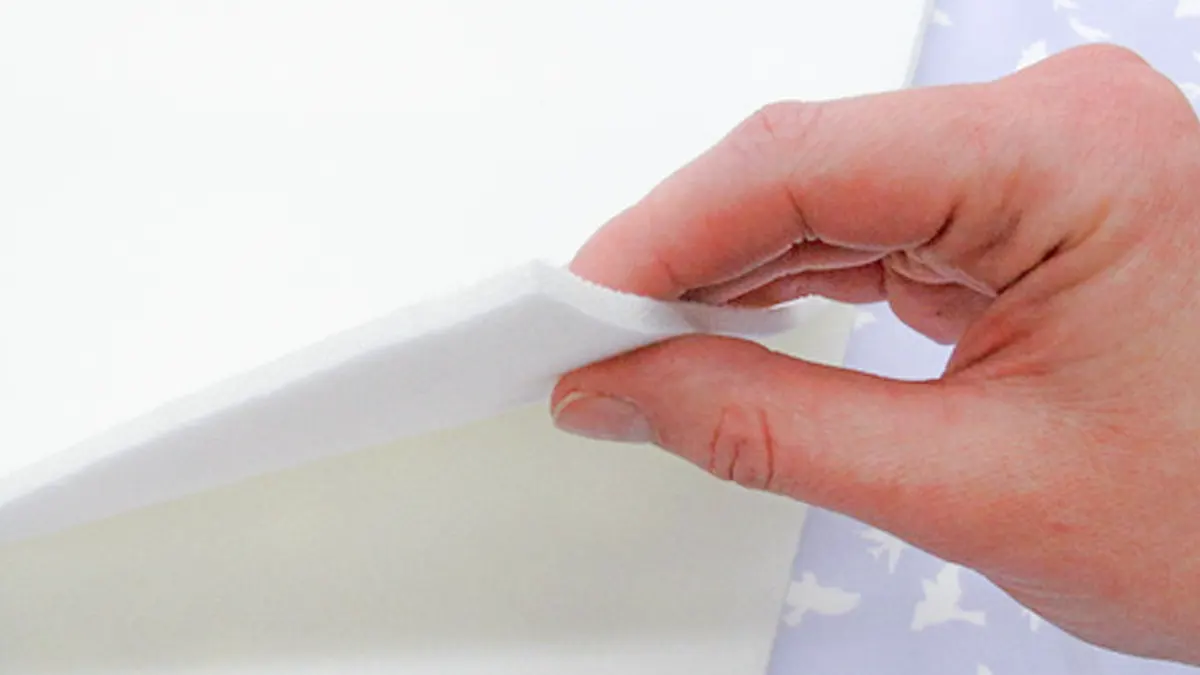
You want your tote bag to hold its shape and last. The best fusible interfacing for tote bags depends on how sturdy or soft you want your bag to feel. If you need to pick the right interfacing, think about your fabric and bag size. Lightweight interfacing for your project adds strength without extra bulk. Medium-weight gives a crisp look, while heavyweight makes the bag stand firm. Check this table to see how different weights work:
| Weight | Application Description |
|---|---|
| Lightweight | Great for card slots and spots with many layers. |
| Medium weight | Works well for lining quilting cotton or canvas exteriors. |
| Heavyweight | Perfect for stiffening the exterior but not for pockets or layered sections. |
Key Takeaways
- Pick interfacing that is lighter than your fabric. This keeps your bag soft.
- If your fabric is thick, like canvas, use medium or heavyweight interfacing. This gives your bag more support.
- Use foam interfacing like Flex-Foam™ if you want your bag to stand up. It makes your bag look neat and professional.
- Do not use heavyweight interfacing in pockets or layered parts. It can make sewing hard.
- Try a small piece of interfacing with your fabric before you start. This helps you see if they work well together.
- You can layer different interfacing types for extra support. This also gives your tote bag a special look.
- The right interfacing helps your bag keep its shape. It also makes your bag last longer.
- Take your time to try different interfacing types. This helps you find the best one for your tote bag.
Best Fusible Interfacing for Tote Bags
Quick Answer
If you want the best fusible interfacing for tote bags, start by matching the weight of your interfacing to your fabric. Pick interfacing that is a bit lighter than your main fabric. This helps your tote bag keep its shape without feeling stiff or bulky. For most tote bags, medium-weight interfacing works well. If you want a bag that stands up on its own, try a foam option like Flex-Foam™. It gives your bag structure and makes it look professional.
Tip: Flex-Foam™ is a favorite in the sewing community. It adds shape and body to tote bags, lunch totes, and diaper bags. You can sew through it easily, and it keeps your bag sturdy.
Fast Guidance
You might wonder how to pick the best fusible interfacing for tote bags. Here’s a quick guide:
- Choose interfacing that is lighter than your fabric.
- If your fabric is thick, like canvas or denim, use medium or heavyweight interfacing.
- For cotton or lighter fabrics, stick with lightweight or medium-weight interfacing.
- Want a bag that stands tall? Foam interfacing like Flex-Foam™ is your best bet.
- Avoid using heavyweight interfacing for pockets or places with lots of layers. It can make sewing tough.
| Bag Type | Recommended Interfacing |
|---|---|
| Everyday Tote | Medium-weight or Flex-Foam™ |
| Soft Grocery Bag | Lightweight interfacing |
| Structured Tote | Heavyweight or Flex-Foam™ |
Key Factors
When you choose the best fusible interfacing for tote bags, think about these key points:
- The weight of your interfacing should be just a bit lighter than your fabric. This keeps your bag looking neat after you fuse the layers.
- The type of fabric matters. Canvas, denim, and cotton all need different interfacing for the best results.
- Decide how much structure you want. If you need your tote to stand up, foam interfacing is a smart choice.
- Interfacing stops your bag from sagging. It helps your tote keep its shape and makes it last longer.
- Make sure your interfacing matches your bag’s size and purpose. Bigger bags need more support, while smaller bags can use lighter interfacing.
Remember, the best fusible interfacing for tote bags depends on your fabric, bag size, and how sturdy you want your bag to be. Try a sample before you start your project. You’ll see how the interfacing works with your fabric and get the look you want.
Structure Types
When you make a tote bag, you want to pick the right structure. Some bags feel soft and flexible. Others stand tall and hold their shape. You can control this by choosing the right interfacing. Let’s look at the main types you can use.
Light Structure
Do you want a tote bag that feels soft and easy to fold? Light structure works well for grocery totes or bags you want to roll up. Lightweight interfacing gives just enough support without making your bag stiff.
Lightweight Options
- Pellon SF101 Shape-Flex
- Pellon 911FF Fusible Featherweight
- Vilene G700
These options work best with cotton or thin linen. You can use them for lining or for bags with lots of layers.
Pros & Cons
Pros:
- Easy to sew, even for beginners
- Keeps your bag soft and flexible
- Good for pockets and small bags
Cons:
- Not enough support for large or heavy tote bags
- May wrinkle if you carry heavy items
Tip: Use lightweight interfacing when you want your bag to feel like fabric, not cardboard.
Firm Structure
If you want your tote bag to stand up on its own, you need firm structure. Heavyweight interfacing gives your bag a crisp, professional look. This works well for work totes or bags that need to carry books.
Heavyweight Options
- Pellon 808 Craft-Fuse
- Bosal Craft-Tex
- Pellon 926 Extra-Firm
These types work best with canvas, denim, or thick cotton. You can use them for the main body of the bag, but avoid them in pockets or seams with many layers.
Pros & Cons
Pros:
- Makes your bag stand tall and hold its shape
- Adds lots of strength and durability
- Great for large or structured totes
Cons:
- Can be hard to sew through many layers
- May feel stiff or bulky in small bags
Note: Heavyweight interfacing is not for every project. Try a sample first to see if you like the feel.
Specialty Support
Some tote bags need extra support or a soft, padded feel. Specialty interfacing like fleece or foam can help. These add body and cushion, making your bag look and feel special.
Fleece & Foam
Here are two popular specialty options:
| Product Name | Description |
|---|---|
| In-R-Form Double-Sided Fusible Foam Stabilizer | A soft, formable foam that adds body to tote bags, quilts, and accessories. |
| Pellon® Fusible Fleece | A one-sided fusible fleece that provides softness, body, and stability for various sewing projects. |
You can use foam interfacing for bags that need to stand up and look modern. Fleece interfacing gives a soft, quilted feel.
Pros & Cons
Pros:
- Foam adds lots of structure without much weight
- Fleece makes your bag soft and cozy
- Both options are easy to sew and cut
Cons:
- Foam can be thick and hard to turn inside out
- Fleece may not give enough support for very large bags
Try foam or fleece interfacing if you want your tote bag to stand out or feel extra special.
Fusible Interfacing Options
Lightweight
Lightweight interfacing is best if you want your tote bag soft and bendy. It works well with thin cotton or linen. This type gives support but does not make the bag stiff. You can use lightweight interfacing for linings, pockets, or small bags. These bags do not need to stand up by themselves.
Here are some popular lightweight choices:
- Fusible Light Weight Interfacing: This gives gentle support to delicate fabrics. It keeps your bag light and easy to fold.
- Pellon Shape-Flex SF101: This woven kind gives crisp support for things like pockets or straps. It works well with light or medium cotton.
- Thermoweb Soft Woven Fusible Interfacing: This is good for fabrics that move easily, like thin cotton or rayon.
- WovenFuse 2: This keeps fabric stable but lets it drape nicely. Your bag will not feel stiff.
Tip: Lightweight interfacing is great for grocery totes or bags you want to roll up and put away.
| Product Name | Description | Ideal Use |
|---|---|---|
| Fusible Light Weight Interfacing | Gentle support for delicate fabrics | Lightweight totes, linings |
| Pellon Shape-Flex SF101 | Crisp support for details, woven and knit fabrics | Pockets, straps, small totes |
| Thermoweb Soft Woven Fusible | Keeps flow in lightweight fabrics | Linings, soft bags |
| WovenFuse 2 | Stabilizes with drape | Stops wrinkling, soft totes |
Mediumweight
Mediumweight interfacing gives your tote bag both structure and softness. If you want a bag that holds its shape but is not stiff, this is a good pick. Most everyday totes use mediumweight interfacing. It works with many fabrics like quilting cotton or canvas.
You can try these products:
- Pellon 808 Craft-Fuse: This is a favorite for cotton, canvas, and even synthetics. It fuses well and makes your bag look crisp.
- Pellon 809 Decor-Bond: This adds more body than lightweight types but does not make your bag too stiff.
Mediumweight interfacing helps your bag keep its shape when you fill it up. It also makes sewing easier because it does not add too much bulk.
Note: For most tote bags, mediumweight interfacing is a safe choice. It works for many fabrics and gives a nice finish.
| Product Name | Type | Compatible Fabrics |
|---|---|---|
| Pellon 808 | Fusible Interfacing | Cotton, Canvas, Synthetics |
| Pellon 809 | Fusible Interfacing | Cotton, Canvas, Synthetics |
Heavyweight
Heavyweight interfacing is what you need if you want your tote bag to stand up and stay firm. This type makes the fabric stiff and strong. You should use heavyweight interfacing for big bags or when you want a very structured look.
Some top picks include:
- Pellon 808 Craft-Fuse: This works for cotton, canvas, and synthetics. It gives strong support for the main part of your bag.
- Pellon 809 Decor-Bond: This is another good choice for heavy-duty totes.
- Bosal Craft-Tex: This adds extra firmness and is great for bags that need to keep their shape.
| Application | Purpose | Recommended Interfacing |
|---|---|---|
| Bag making | Makes fabric stiff and strong | Heavyweight interfacing |
Caution: Heavyweight interfacing can make sewing hard in places with many layers. Try it on a sample first to see if you like how it feels.
You can use heavyweight interfacing for the main panels of your tote. Do not use it in pockets or seams with lots of layers because it can get bulky.
Fleece & Foam
When you want your tote bag to feel special, fleece and foam interfacing can make a big difference. These options add softness, shape, and even a bit of cushion. You might wonder which one to pick for your next project. Let’s break down what makes each type unique.
Fleece interfacing feels soft and gives your bag a gentle puff. It works well if you want a quilted look or a cozy finish. You can use it with cotton, linen, or even lightweight canvas. Fleece adds volume but does not make your bag stiff. If you want a bag that feels soft and folds easily, fleece is a great choice. It is also easy to sew, so you will not struggle with your machine.
Foam interfacing gives your tote bag a modern, structured look. It adds body and helps your bag stand up on its own. Foam works best with medium or heavy fabrics like canvas or denim. You will notice that foam adds more support than fleece. It also gives your bag a nice, professional shape. If you want your tote to keep its form, foam is the way to go.
Here’s a quick look at how fleece and foam compare:
| Material | Bulk | Cushioning | Stability |
|---|---|---|---|
| Fleece | Softness and volume | Minimal cushioning | Low stability |
| Foam | Structured shape | Good cushioning | High stability |
You can see that fleece gives softness and a little volume, but not much support. Foam, on the other hand, adds structure and plenty of cushion. If you plan to carry heavy items or want your bag to stand tall, foam will help. For a softer, more flexible tote, fleece is perfect.
Some popular products include Pellon Fusible Fleece and In-R-Form Double-Sided Fusible Foam. Both options are easy to cut and fuse. You can use fleece for linings, pockets, or the whole bag. Foam works best for the main panels or the base of your tote.
Tip: Try using fleece interfacing for a quilted look or foam interfacing for a bag that stands up straight. You can even layer them for extra support and softness.
Choosing between fleece and foam depends on the style you want. Fleece gives a soft, cozy feel. Foam creates a sturdy, modern look. Both types of fusible interfacing help your tote bag last longer and look great.
Fabric Match
Cotton
Cotton is a favorite for tote bags. You can find it in many prints and colors. When you sew with cotton, you want your bag to feel sturdy but not stiff. The right interfacing helps you get that balance. For most cotton totes, mediumweight interfacing works best. It gives your bag shape and keeps it from sagging. If you want a softer bag, try a lightweight option. For a more structured look, use fusible fleece or foam. These add body and a little cushion.
Here’s a quick look at how different interfacing types change the feel of quilt-weight cotton:
| Interfacing Type | Effect on Structure and Feel |
|---|---|
| Fusible Fleece | Softness and slight structure |
| Thermolam | Moderate structure and cushioning |
| Pellon Peltex | Very structured and firm |
| Decovil Light | Flexible with some structure |
| Heavyweight Decovil | Strong, structured feel |
| Foam | Bulk and significant structure |
Tip: Always test a small piece of interfacing with your cotton fabric. This helps you see how the layers work together before you start your project.
Canvas & Denim
Canvas and denim make strong, durable tote bags. These fabrics are thick and can hold a lot of weight. You need interfacing that matches their strength. Woven cotton fusible interfacing works well because it bonds easily and keeps the fabric flexible. Pellon’s Shape Flex 101 is a popular choice. It comes in a 20-inch width and adds durability. If you want something wider, Heat n Bond’s Woven Fusible Soft is a good pick at 45 inches. For extra body, try fusible fleece like Pellon’s Thermolam Plus. This gives your bag more stability, which is great for larger totes.
- Woven cotton fusible interfacing: Easy to iron, keeps fabric flexible
- Pellon’s Shape Flex 101: Durable, fits most tote sizes
- Heat n Bond’s Woven Fusible Soft: Wider, covers more fabric at once
- Fusible fleece (Pellon’s Thermolam Plus): Adds body and stability
Note: Avoid heavyweight interfacing in seams or pockets. It can make sewing tough and bulky.
Linen
Linen feels light and airy, but it can wrinkle and stretch. You want your tote bag to keep its shape without losing that soft linen feel. Choose between woven and non-woven interfacing. Woven interfacing keeps the fabric flexible. Non-woven gives more structure. Match the weight of the interfacing to your linen. If you use something too heavy, your bag may feel stiff. Always test the interfacing on a scrap of linen first. This helps you check for puckering or stiffness.
- Pick woven interfacing for a natural drape.
- Use non-woven if you want more structure.
- Test before you fuse to make sure you like the feel.
Tip: Linen can be tricky. Take your time and try out different interfacing types until you find the perfect match.
Synthetics
Synthetic fabrics like polyester, nylon, and blends show up in many tote bags. You might pick these materials because they resist water, last a long time, and come in lots of colors. When you work with synthetics, you need to think about how to keep your bag strong and looking sharp. That’s where fusible interfacing comes in.
Fusible interfacing gives synthetic fabrics the structure they need. Without it, your tote might feel floppy or lose its shape. Interfacing helps your bag stand up and carry more weight. It also makes the fabric more durable, so your tote lasts longer.
You’ll notice that synthetic fabrics can feel slippery or stretchy. Sometimes they are thin and need extra help to hold their shape. Other times, they are thick and sturdy on their own. Here’s how you can match interfacing to your synthetic fabric:
- If your synthetic fabric feels light or thin, pick a medium or heavyweight fusible interfacing. This gives your tote bag the support it needs.
- For thicker synthetics, you might not need interfacing at all. The fabric already has enough body.
- Always test a small piece first. Some synthetics react to heat, so you want to make sure the interfacing fuses well and doesn’t melt or wrinkle the fabric.
Tip: Use a pressing cloth when fusing interfacing to synthetics. This protects your fabric from too much heat and keeps it looking smooth.
Let’s look at some common synthetic fabrics and the best interfacing choices:
| Synthetic Fabric | Recommended Interfacing | Why It Works |
|---|---|---|
| Polyester | Medium or heavyweight fusible | Adds structure, prevents sagging |
| Nylon | Heavyweight fusible or foam | Gives support, keeps shape |
| Ripstop | Medium fusible or foam | Maintains crisp look, adds strength |
| Vinyl | Often no interfacing needed | Already stiff and durable |
You might want to use foam interfacing for a modern, boxy tote. Foam works well with nylon or ripstop and helps your bag stand up. If you want a softer feel, try fusible fleece. It adds a little cushion without making the bag stiff.
Here are some best practices for working with synthetics and interfacing:
- Always check the care instructions for your fabric. Some synthetics can’t take high heat.
- Use a lower iron setting and press gently. Don’t slide the iron—just press and lift.
- Let the fabric cool before moving it. This helps the glue set and keeps the layers together.
- If you see wrinkles or bubbles, try pressing again with a damp cloth.
Note: Synthetics can be tricky, but with the right interfacing, you can make a tote bag that looks great and lasts a long time.
Choosing the right interfacing for synthetics makes a big difference. Your tote will feel stronger, look neater, and handle daily use with ease. Take your time, test your materials, and enjoy the process!
Comparison Table
Interfacing Summary
Picking the right fusible interfacing for your tote bag can be tricky. You want your bag to look nice and last a long time. A quick chart can help you choose the best one for your project. Here is a table that shows how popular types compare:
| Interfacing Type | Best For | Structure Level | Not Ideal For | Pros | Cons |
|---|---|---|---|---|---|
| Pellon 526 Decovil Heavy | Bag bases, flaps, structured bags | Maximum | Lightweight/delicate fabrics | Super sturdy, holds shape well | Feels stiff, hard to sew in layers |
| Bosal Craf-Tex | Bag bottoms, placemats, crafts | Maximum | Apparel, soft bags | Great for bases, very firm | Too rigid for soft bags |
| Pellon FF77/FF78F1 Foam | Padded, soft-structured bags | Medium | Ultra-rigid bags | Adds cushion, stands up nicely | Bulky, tricky to turn |
| Pellon 987F Fusible Fleece | Slouchy, plush bags | Soft | Stand-up bags | Soft feel, easy to sew | Not enough support for big totes |
| Pellon SF101 Shape-Flex | Everyday totes, linings | Light-Medium | Heavy canvas, bag bases | Flexible, easy to use | Not for heavy structure |
| Pellon 808 Craft-Fuse | Medium structure, cotton bags | Medium | Thick fabrics, heavy bags | Crisp finish, fuses well | Can wrinkle with heavy use |
Tip: If you want your tote to stand up, use foam or heavy stabilizers. For a soft bag you can fold, fleece or lightweight interfacing is best.
Structure & Fabric Reference
You might wonder how to match interfacing with your fabric and the structure you want. Here is a simple guide to help you pick:
- Lightweight Cotton or Linen:
Use Pellon SF101 or 987F Fusible Fleece for a soft tote. These keep your bag light and easy to fold. - Canvas or Denim:
Try Pellon 808 Craft-Fuse or Bosal Craf-Tex for more structure. These help your bag stand up and hold heavy things. - Synthetics (like nylon or polyester):
Foam interfacing, such as Pellon FF77, gives your bag a boxy look. Always test a small piece first so it does not melt. - Bag Bases or Structured Flaps:
Pellon 526 Decovil Heavy or Bosal Craf-Tex give the most support. Your bag will keep its shape, even when it is full.
| Fabric Type | Recommended Interfacing | Structure Result |
|---|---|---|
| Cotton/Linen | SF101, 987F Fleece | Soft to medium |
| Canvas/Denim | 808 Craft-Fuse, Craf-Tex | Medium to firm |
| Synthetics | FF77 Foam, 987F Fleece | Medium, padded |
| Heavyweight Canvas | Decovil Heavy, Craf-Tex | Maximum, very firm |
Remember, you can layer interfacing for extra support. Test a scrap before you start your project. This helps you get the perfect feel for your tote bag.
Tips & Mistakes
Common Mistakes
Bag making can feel tricky, especially when you work with fusible interfacing. Many people run into the same problems. If you know what to watch for, you can avoid a lot of frustration. Here are some of the most common mistakes you might see in bag making:
- You try to remove wrinkles in the middle of fusing. Instead, use a graduated heat method. Press with your iron, then use a clapper or a heavy book to flatten the area.
- You see deep creases after fusing. Steam can help here. Hold your iron above the fabric and let the steam soften the adhesive. Then, smooth out the crease with your hand or a pressing tool.
- You notice the interfacing is not lined up right. Lightly mist the fabric with water before the glue sets. This lets you adjust the placement before it sticks for good.
If you rush through these steps, your tote bag may end up with bubbles, wrinkles, or weak spots. Take your time and check your work as you go.
Application Tips
You want your tote bag to look neat and last a long time. Good technique makes a big difference in bag making. Try these tips for a smooth, strong finish:
- Always use a pressing cloth between your iron and the interfacing. This keeps glue off your iron and protects your fabric.
- For soft bags, try Thermolam on the outside and Shape Flex or fusible fleece on the lining. This combo gives just the right amount of body.
- Test your fusing time on a scrap first. Irons can run hot or cold, so you may need to adjust.
- Mist the interfacing side with water before ironing. This helps the glue melt evenly and gives a smooth finish.
- After fusing, flip your fabric over. Iron the top with a pressing cloth for a super flat look.
- Set your iron to match your fabric type. Too much heat can scorch or melt some materials.
- Always place the fusible side of foam or In-R-Form under the fabric. Never let it touch the iron directly.
Layering can help you get the perfect feel in bag making. You might use non-woven fusible fleece as a stabilizer, then add a stiff woven interfacing for extra support. Some people like to use one type of interfacing on the outer fabric and a different one on the lining. This makes the process easier, especially if you are new to bag making.
If you want to avoid creases from stiff interfacing, try adding a thin, soft layer underneath. Woven Fuse, Shapeflex101, or Vlieseline S320 work well for this. These softer layers help your bag keep its shape without feeling too hard.
Remember, every tote bag is different. Test your layers and fusing methods on scraps before you start the real project. You will get better results and enjoy bag making even more.
Conclusion
You want your tote bag to look great and last. Pick your interfacing based on how sturdy or soft you want your bag. For a strong tote, go with heavyweight or foam. For a soft, foldable bag, choose lightweight. Try samples and see what works best for you.
Woven fusible interfacing keeps your fabric’s natural drape, so your bag feels just right.
If you need help, we’re here to support you. As a tote bag manufacturer, we can recommend the right interfacing for your fabric and intended use—and provide custom production options to bring your design to life.
FAQ
What is fusible interfacing?
Fusible interfacing is a material you iron onto fabric. It has glue on one side. When you press it with heat, it sticks to your fabric and adds strength or shape.
Can I wash tote bags with fusible interfacing?
Yes, you can wash them. Use cold water and gentle cycles. Air dry your bag if possible. High heat can weaken the glue over time.
How do I know which side of interfacing is fusible?
The fusible side feels rough or bumpy. That’s the glue. Place this side against the wrong side of your fabric before ironing.
Can I use more than one type of interfacing in a tote bag?
Absolutely! You can layer different types for extra support. For example, use foam for the body and lightweight interfacing for pockets.
Why does my interfacing bubble after fusing?
Bubbles happen if you use too much steam or move the iron. Press down, don’t slide. Let the fabric cool before moving it.
Do I need to pre-wash interfacing?
You don’t need to pre-wash most fusible interfacing. If your fabric shrinks, wash it first. This keeps your bag from puckering later.
What if my fabric is heat-sensitive?
Use a pressing cloth and a lower iron setting. Test on a scrap first. This protects your fabric and keeps it looking smooth.