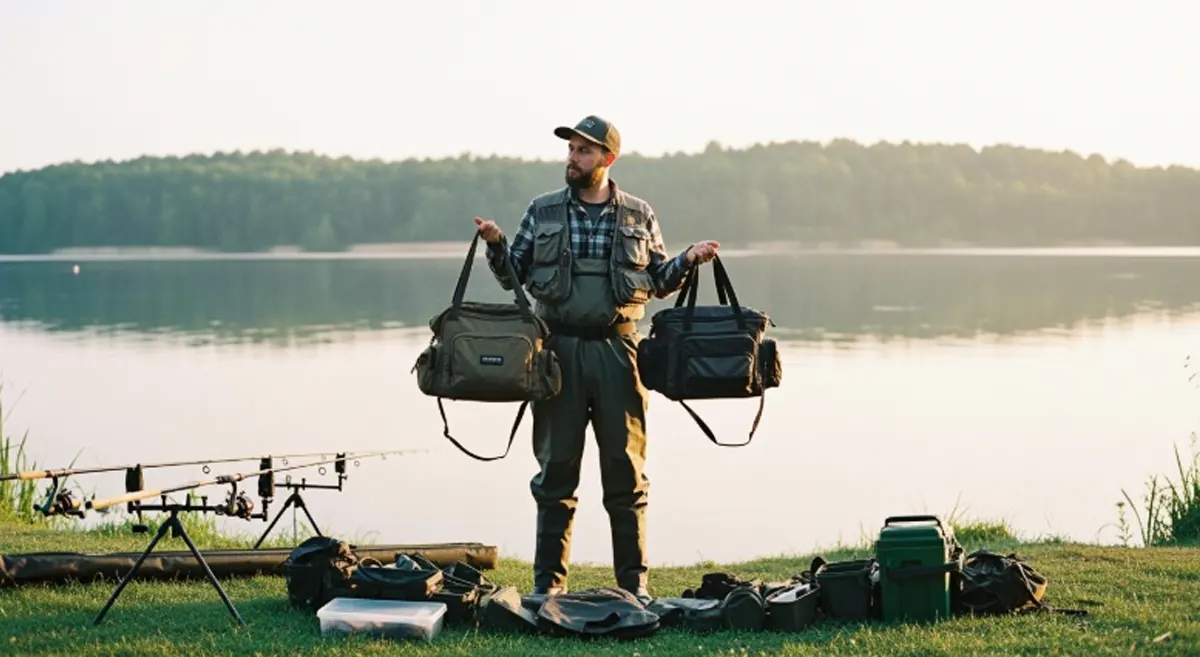
When you want the best fishing tackle bag, think about what keeps your gear safe, dry, and easy to get. You need a bag that can handle bad weather. It should fit your equipment and feel good to carry. Look for strong materials, smart storage, and comfort. See how these features help:
| Feature | Benefit |
|---|---|
| Waterproofing | Keeps gear dry and stops rust |
| Rust Resistance | Stops metal tools from getting rusty |
| Specialized Storage | Makes it easy to organize and find gear |
A great bag fits your fishing style and makes every trip easier.
Key Takeaways
- Choose a fishing bag that fits your style and needs. Consider how you fish, whether from shore, a boat, or a kayak.
- Assess your gear before selecting a bag. Make a checklist to ensure you have enough space for all your equipment.
- Look for waterproof and durable materials. A good bag protects your gear from water and rough conditions.
- Consider the type of bag that suits your fishing trips. Options include backpacks, duffels, and insulated bags for different needs.
- Organize your tackle bag with specialized pockets. This helps you find gear quickly and keeps everything in its place.
- Check for comfort features like padded straps. A comfortable bag makes long fishing days more enjoyable.
- Rinse your tackle bag after saltwater trips. This prevents damage and keeps your gear in good condition.
- Upgrade your bag when it no longer meets your needs. A new bag can enhance your fishing experience and organization.
Know Your Fishing Needs
Choosing the right tackle bag starts with understanding your fishing needs. You want a bag that matches your style, holds your gear, and fits the places you fish. Let’s break it down so you can make a smart choice.
Assess Your Style
Think about how you like to fish. Do you hike along riverbanks, paddle a kayak, or cast from a pier? Your style shapes the bag you need. If you walk long distances, a backpack system helps spread the weight. If you fish from a boat, you might want a hard tackle box for extra protection. Here’s a quick look at how different bag types fit common fishing styles:
| Bag Type | Best Use Case | Key Feature |
|---|---|---|
| Soft tackle bags | Versatile fishing scenarios | Weight savings |
| Hard tackle boxes | Protection for expensive gear | Maximum protection |
| Backpack systems | Long-distance shore fishing | Even weight distribution |
Tip: Match your bag to your fishing style for comfort and better organization.
Gear Checklist
You need to know what gear you carry. Some fishing styles require special equipment. For example, fly fishing uses artificial flies and lightweight tools. Ice fishing needs gear for cold weather and drilling holes. Kayak fishing means you need compact gear that fits in tight spaces. Here’s a table to help you see what gear goes with each style:
| Fishing Style | Description |
|---|---|
| Fly Fishing | Uses artificial flies to lure fish, effective for trout, salmon, and bass. |
| Ice Fishing | Involves fishing through a small opening in a frozen body of water. |
| Surfcasting | Fishing from the shore with a long rod, requiring distance casting. |
| Kayak Fishing | Fishing from a kayak, requiring special equipment considerations. |
| Trolling | Involves pulling baited lines through the water, can be done from a moving boat or land. |
| Trapping | Sinking baited traps to catch fish, commonly used for crabs and lobsters. |
Make a checklist before each trip. This helps with organization and keeps you from forgetting important items.
Fishing Environments
Where you fish matters just as much as how you fish. Freshwater lakes, salty shores, and icy ponds all need different tackle bags. If you fish in freshwater, a soft-sided backpack with water-resistant lining works well. Saltwater fishing calls for a hard-shell case that resists corrosion. Wade fishing needs a lightweight pack that floats. Check out this table for quick advice:
| Fishing Environment | Recommended Tackle Bag Type | Key Storage Features | Maintenance Frequency |
|---|---|---|---|
| Freshwater (lake/river) | Soft-sided backpack with pockets | Water-resistant lining, rod holder, quick-access pouches | After every use |
| Saltwater (shore/boat) | Hard-shell, corrosion-resistant case | Sealed compartments, stainless steel hardware, ventilation | After every use + monthly deep clean |
| Wade fishing (fly or spin) | Chest or waist pack | Lightweight, floatable design, tool attachments | After every 2–3 uses |
Note: Always clean your tackle bag after fishing. This keeps your gear safe and ready for your next adventure.
When you know your fishing needs, you can pick a bag that fits your style, holds your gear, and stands up to your environment. Good organization makes every trip easier and more fun.
Types of Tackle Bags
Backpack Tackle Bags
If you want to carry a lot of gear and keep your hands free, a backpack tackle bag might be your best choice. You can wear it on your back, which makes it easy to walk long distances or hike to your favorite fishing spot. Most backpack tackle bags have special trays for lures and hooks, plus pockets for tools and snacks. You get organized compartments, so you can find what you need fast.
Here’s a quick look at how backpack tackle bags compare to other types:
| Pack Type | Key Advantages | Main Limitations |
|---|---|---|
| Tackle Backpack | Tray storage, tool organization | Heavy when loaded, too much for short trips |
| Standard Backpack | Maximum storage, organized pockets | Bulky, can slow you down |
Backpack tackle bags work well for anglers who need lots of gear and want everything in one place. You might find them a bit heavy if you pack too much, so think about what you really need for your trip.
Tip: Choose a backpack tackle bag with padded straps for comfort. You’ll thank yourself after a long day by the water.
Shoulder & Sling Bags
Shoulder and sling tackle bags give you quick access to your gear. You wear them over one shoulder, and you can swing them to the front to grab what you need. Sling tackle bags are lighter than backpacks and help spread the weight, so you feel less tired. You get more storage than a waist pack, but less than a full backpack.
- Sling tackle bags offer better weight distribution, which means less strain on your body.
- You can reach your tackle bag without taking it off, making it perfect for fast changes.
- The single strap design makes comfort and quality important. Look for a tackle bag with a wide, padded strap.
Shoulder and sling tackle bags are great for short trips or when you want to move quickly. You won’t fit everything, but you’ll have enough storage for the essentials.
Waist & Hip Packs
Waist and hip tackle bags are all about mobility. You wear them around your waist, so your hands stay free. These tackle bags are light and easy to carry. You can reach your gear fast, which helps when you need to change lures or grab pliers.
| Type of Pack | Ideal Use Case |
|---|---|
| Hip Packs | Bank fishing, walking along the shore |
| Chest Packs | Stream fishing, quick gear changes |
| Hybrid Packs | Mix of hip and chest features for flexibility |
Waist and hip tackle bags work best for short outings or when you want to travel light. You get enough storage for your most-used gear, but not much more. These tackle bags also fit other outdoor needs, like hiking or camping. Many have weather-resistant materials, so your gear stays safe.
Note: If you fish in wet places, pick a tackle bag with waterproof zippers and tough fabric.
When you choose your tackle bag, think about how much gear you carry, how far you walk, and how quickly you need to reach your equipment. Each style offers something different, so match your tackle bag to your fishing adventure.
Duffel & Large Gear Bags
If you want to pack a lot of gear for your fishing trip, duffel and large gear bags might be your best bet. These bags give you tons of space. You can toss in tackle boxes, extra clothes, boots, and even snacks. You get one big compartment, so you don’t have to worry about squeezing things into tiny pockets.
Duffel bags work great for boat fishing, group trips, or multi-day adventures. You can carry everything you need in one place. Some duffel bags have waterproof linings, so your gear stays dry if the weather turns bad. You might find models with reinforced bottoms, which help protect your stuff from rough surfaces.
Let’s look at the main pros and cons:
| Pros | Cons |
|---|---|
| Huge storage space | Can get heavy and bulky |
| Easy to pack large items | Less organization |
| Good for group outings | Harder to carry long distances |
| Durable materials | Not always waterproof |
You can use duffel bags for more than fishing. They work for camping, road trips, or sports. If you fish with friends, you can share one big bag for everyone’s gear. You might want to add smaller pouches inside for better organization.
Tip: Pick a duffel bag with sturdy handles and a padded shoulder strap. You’ll find it easier to carry, even when it’s loaded.
Some anglers use large gear bags with wheels. You can roll them instead of carrying them. This helps if you have a lot of heavy equipment. You might see these bags at tournaments or when you travel far from home.
Here’s a quick checklist to help you decide if a duffel or large gear bag fits your needs:
- Do you need to pack lots of gear?
- Are you fishing with a group?
- Will you stay overnight or for several days?
- Do you want one bag for everything?
If you answered yes to most of these, a duffel or large gear bag could be the right choice. You get flexibility and space, but you might sacrifice some organization. Think about your trip and how much you want to carry. Choose a bag that matches your style and keeps your gear safe.
Insulated Tackle Bags
If you want to keep your bait fresh or your drinks cold, you should check out insulated tackle bags. These bags have special lining that helps control the temperature inside. You can use them for live bait, frozen bait, snacks, or even lunch. Some anglers use insulated tackle bags for long trips when they need to keep things cool all day.
Insulated tackle bags look like regular fishing bags, but they have extra padding and waterproof layers. You might see thick foam or reflective material inside. This helps block heat from the sun and keeps cold air inside. Some bags even have removable liners, so you can clean them easily after your trip.
Let’s look at the main benefits of insulated tackle bags:
| Benefit | Why It Matters |
|---|---|
| Keeps bait fresh | Live bait stays lively and effective |
| Stores food and drinks | You get cold snacks and water |
| Easy to clean | Removable liners save you time |
| Protects gear | Extra padding shields fragile items |
You can use insulated tackle bags for many types of fishing. If you fish in hot weather, you need a way to keep your bait from spoiling. If you plan a long day on the water, you want cold drinks and fresh food. Some anglers use these bags for ice fishing, too. The insulation helps keep things from freezing solid.
Tip: Pack your insulated tackle bag with ice packs or frozen water bottles. This keeps everything cold for hours.
Here are some pros and cons to help you decide if an insulated tackle bag fits your needs:
Pros:
- Keeps bait and food cold
- Protects gear from bumps
- Works for many fishing styles
- Easy to clean
Cons:
- Heavier than regular bags
- Less space for tackle trays
- Can cost more
You should think about your fishing style before you buy an insulated tackle bag. If you fish from a boat or spend all day outside, you will love the extra cooling. If you only fish for a few hours, you might not need insulation. Some anglers use a small insulated pouch inside a bigger tackle bag. This gives you the best of both worlds.
Note: Always check the zipper and seams. You want a bag that seals tight, so cold air stays inside.
Insulated tackle bags help you stay comfortable and keep your bait fresh. You get more out of every fishing trip when your gear works for you. Try one on your next outing and see the difference!
Key Features of the Best Fishing Tackle Bag
Durability & Material
When you pick the best fishing tackle bag, durability comes first. You want a bag that can handle rough trips, sharp hooks, and changing weather. The material makes all the difference. If you choose a high-quality tackle bag, you get fabrics that resist tearing and keep your gear safe.
The ideal durable tackle bag is crafted with rugged fabric such as 600D Oxford which is known for its strength and water resistance.
You might see bags made from 1000-denier PVC, coated canvas, or weather-resistant polyester. These materials stand up to scrapes, bumps, and water splashes. Here are some top choices:
- 1000-denier PVC: This material gives you excellent abrasion resistance. It works well for outdoor use.
- Coated canvas: You get waterproofing and protection against wear.
- Weather-resistant polyester: This fabric keeps your gear dry and lasts a long time.
- 1000D nylon: Known for strength, it handles tough conditions.
- 600D Oxford: Heavy-duty and perfect for rugged adventures.
A top-tier tackle bag uses reinforced zippers and sealed seams. These features stop water from sneaking in and keep your gear dry. If you want your fishing tackle bag to last, look for these details.
- Durability: High-quality materials like 1000D nylon and 600D Oxford help your bag survive rough handling.
- Water Resistance: Coated fabrics protect your gear from rain and splashes.
- Reinforced Zippers and Seams: Watertight closures keep everything inside safe.
You want a fishing tackle bag that feels tough and looks ready for action. If you fish often, invest in a bag with strong fabric and sturdy construction. Your gear will thank you.
Waterproof & Weatherproof
Fishing means dealing with water, wind, and sometimes mud. The best fishing tackle bag keeps your gear dry and ready, no matter what the weather does. Waterproof and weatherproof features protect your lures, tools, and electronics from rain or splashes.
Check out these features that make a fishing tackle bag stand out:
| Feature | Description |
|---|---|
| Rugged Design | Built to handle tough adventures and keep gear safe in extreme conditions. |
| Sturdy Construction | Reliable during outdoor activities, even when the weather turns bad. |
Some bags use magnetic zipperless openings like Hatch™ Closure. You get easy access and strong protection against water. Weep holes let water drain out fast, so your gear stays dry. Waterproof materials like Nylon 840D TPU block saltwater and UV rays.
| Feature | Description |
|---|---|
| Hatch™ Closure | Magnetic, water-resistant opening for quick access and water protection. |
| Weep Holes | Rapid drainage keeps gear dry inside the bag. |
| Waterproof Material | Nylon 840D TPU shields gear from saltwater and sun damage. |
If you fish in rain or near the ocean, these features matter. You want a fishing tackle bag that stands up to the elements. Molded EVA bottoms add stability and keep your bag steady on wet rocks or boat decks.
| Feature | Description |
|---|---|
| Molded EVA Bottom | Keeps gear steady on rough or wet surfaces. |
| Quick-Access Plier Holders | Lets you grab tools fast, even in tough conditions. |
| Heavy-Duty Shoulder Straps | Comfortable and strong for carrying gear in any weather. |
A top-tier tackle bag gives you peace of mind. You know your gear stays dry and safe, so you can focus on fishing.
Storage & Compartments
You need space for your gear, but you also want to find things fast. The best fishing tackle bag uses smart storage and compartments to keep everything organized. You get trays for lures, pockets for tools, and slots for small items.
If you use a high-quality tackle bag, you spend less time searching and more time fishing. Organized compartments prevent tangling and confusion. You can separate hooks, baits, and pliers so nothing gets lost.
- Specialized pockets let you grab gear quickly.
- Water-resistant materials protect your tools from rain and splashes.
- Dividers and trays keep everything in its place.
A fishing tackle bag with adjustable compartments lets you customize the space. You can fit big reels or tiny hooks without a problem. Some bags have clear pockets so you see what’s inside right away.
Tip: Before your trip, pack your bag with the gear you use most. Put those items in easy-to-reach pockets.
If you want the best fishing tackle bag, look for smart storage. You’ll stay organized, protect your gear, and enjoy every fishing trip.
Specialized Pockets
Specialized pockets make your fishing tackle bag smarter. You want to find your gear fast. You do not want to dig through a messy bag. That is where these pockets help you.
Most good fishing bags have pockets for certain tools. You might see a pliers holder on the outside. Some bags have a spot just for your sunglasses. Others give you a waterproof pocket for your phone or wallet. These pockets keep your stuff safe and easy to reach.
Here are some common specialized pockets you might find:
- Plier holders: Grab your pliers in seconds when you hook a fish.
- Waterproof phone pocket: Protect your phone from rain or splashes.
- Sunglasses pocket: Soft lining keeps your lenses scratch-free.
- Mesh side pockets: Store water bottles or snacks.
- Lure slots: Keep your favorite lures ready to go.
- Tool loops: Hang scissors, line cutters, or forceps.
Tip: Use each pocket for its purpose. You will always know where your gear is.
Check out this table to see how specialized pockets help you:
| Pocket Type | What It Holds | Why It Helps |
|---|---|---|
| Plier Holder | Pliers | Fast access for quick fixes |
| Waterproof Pocket | Phone, wallet | Keeps valuables dry |
| Sunglasses Pocket | Sunglasses | Stops scratches |
| Mesh Pocket | Water bottle, snacks | Easy to grab on the go |
| Lure Pocket | Lures, jigs | No more tangled hooks |
You do not need every pocket. Think about what you use most. If you always carry your phone, pick a bag with a waterproof pocket. If you change lures a lot, look for easy-access lure slots.
Specialized pockets keep your fishing trip smooth. You spend less time searching and more time fishing. That is what makes a great tackle bag stand out.
Non-Slip Bottom
Have you ever set your fishing bag down on a wet dock or a slippery boat deck? You probably watched it slide around or tip over. That’s where a non-slip bottom comes in. This feature keeps your tackle bag steady, so your gear stays safe and you don’t have to chase your bag across the pier.
A non-slip bottom uses special materials or textures to grip surfaces. You might see rubber pads, molded EVA, or textured plastic. These materials grab onto wood, metal, or concrete. Your bag stays put, even when the ground gets wet or bumpy.
Let’s break down why a non-slip bottom matters:
| Feature | Why You Need It |
|---|---|
| Rubberized Pads | Stop sliding on wet or smooth surfaces |
| Molded EVA Base | Adds grip and stability |
| Textured Plastic | Prevents tipping and shifting |
You want your fishing bag to stay upright. If your bag tips over, your gear can spill out. Hooks and lures might get lost or tangled. A non-slip bottom helps you avoid these problems.
Tip: Always check the bottom of your tackle bag before you buy. Press your hand against it. If it feels grippy, you’re on the right track.
Here are some benefits you’ll notice with a non-slip bottom:
- Your bag stays where you put it.
- You don’t worry about gear falling out.
- You get more confidence on slippery docks or boat decks.
- You protect your tackle from bumps and drops.
Some fishing bags use thick rubber feet. Others have a full molded base. You might see raised patterns or grooves. These designs help water drain away, so your bag doesn’t sit in a puddle.
Note: If you fish from a kayak or small boat, a non-slip bottom is extra important. Your bag won’t slide around when the boat rocks.
When you shop for a tackle bag, look for these non-slip features:
- Thick rubber pads or feet
- Molded EVA or textured plastic base
- Raised grooves for drainage
- Wide, flat bottom for stability
You want a fishing bag that works as hard as you do. A non-slip bottom keeps your gear safe and makes your trip easier. Next time you set your bag down, you’ll know it’s not going anywhere.
Picking the Right Tackle Bag for Your Style
Freshwater vs. Saltwater
When you start picking the right tackle bag, think about where you fish most. Freshwater and saltwater environments need different features. If you fish in lakes or rivers, you can use a more compact bag. You do not need heavy-duty protection. Saltwater fishing is tougher on your gear. You need a bag that stands up to salt, sun, and rough conditions.
Here’s a quick table to help you compare:
| Feature | Freshwater Tackle Bags | Saltwater Tackle Bags |
|---|---|---|
| Size | More compact | Larger |
| Durability | Less rugged | More durable |
| Corrosion Resistance | Not required | Required |
If you target fish like redfish, snook, or sea bass, you want a waterproof tackle bag. These bags are easy to carry on boats or along the shore. You get quick-access compartments for your favorite lures and tools. A versatile fishing tackle bag works well in both environments if you pick one with rust-resistant zippers and sealed seams.
Tip: Always rinse your tackle bag after saltwater trips. Salt can damage zippers and fabric over time.
Shore, Boat, or Kayak
Where you fish changes what kind of tackle bag you need. If you fish from the shore, you want something light and easy to carry. A small fabric bag works great for vacations or beach trips. You can grab your gear and move fast.
Boat fishing lets you bring bigger bags. You have space for a large tackle box or duffel. Some anglers use models like the Plano Guide Series 3700XL for huge capacity and organization. If you want to customize your packing, try a bag with a magnetic top or flat surface. You can stack boxes and keep everything neat.
Kayak fishing needs a versatile fishing tackle bag. You have limited space, so you want a compact design. Look for bags with mesh pockets and flat tops. These features help you store leaders, trays, and tools without clutter.
Here’s a table to show which bag fits each style:
| Model | Features |
|---|---|
| Plano Guide Series 3700XL | Huge capacity, keeps everything organized. |
| Plano Guide Series 3500 | Magnetic top, customizable packing based on trip and species. |
| Plano Small Fabric | Ideal for vacations or beach trips. |
| Calcutta Bags | Durable, large side pockets, mesh bag for extra storage, fits large rolls of leaders. |
| C2ETC3700 | Flat top for better storage, accommodates four boxes, recommended over sloped top models. |
| 3600 Model | Smaller option, handles four trays, less top space. |
Note: If you fish from a kayak, pick a bag that fits under your seat and stays dry. You do not want your gear to get wet or lost.
Day vs. Multi-Day Trips
How long you fish matters when you choose your tackle bag. For day trips, you need only the basics. Pack one set of clothes, a backup dry shirt, and a small towel. A dry bag or waterproof backpack keeps your gear safe. You want a versatile fishing tackle bag that holds your lures, snacks, and a water bottle.
Multi-day trips need more planning. You should pack a full change of clothes for each day. Bring extra shirts, socks, and towels. Layering helps you stay comfortable. Use base layers, mid-layers, and a waterproof jacket. Add comfort items like flip-flops, a small pillow, or a blanket. You need extra dry bags to keep everything organized.
Here’s a table to help you pack:
| Day Trips Requirements | Multi-Day Trips Requirements |
|---|---|
| One set of clothes to fish in | Pack at least one full change of clothes per day |
| One backup set of dry clothes | Bring extra shirts and socks |
| Small towel | Multiple towels |
| Dry bag or waterproof backpack | Extra dry bags |
| Layering is key: base layer, mid-layer, waterproof outer layer | |
| Comfort items: flip-flops, small pillow, blanket |
Tip: For longer trips, use packing cubes or small pouches inside your tackle bag. You will find your gear faster and keep things dry.
When you plan your fishing adventure, think about your environment, your style, and your trip length. Picking the right tackle bag makes every outing easier. You stay organized, protect your gear, and enjoy your time on the water.
Solo vs. Group Outings
When you plan a fishing trip, think about whether you go alone or with friends. This choice changes what you need from your tackle bag. Let’s break it down so you can pick the right tackle bag for your next adventure.
Fishing Solo
If you fish alone, you want a bag that keeps things simple. You carry everything by yourself, so weight and comfort matter a lot. A compact backpack or sling bag works well. You can move fast and keep your hands free. You only pack what you need—no extra gear to slow you down.
What to look for when fishing solo:
- Lightweight design
- Easy-to-carry straps or handles
- Just enough space for your favorite lures, tools, and snacks
- Quick-access pockets for pliers or your phone
Tip: Try a backpack with padded straps. Your shoulders will thank you after a long day by the water.
Fishing With a Group
Group outings feel different. You might share gear or help carry things for others. Sometimes, you bring extra supplies for the group, like sunscreen, snacks, or a first-aid kit. A larger duffel or rolling tackle bag makes sense here. You get more space and can organize gear for everyone.
What to look for when fishing with a group:
- Large main compartment for shared gear
- Multiple pockets to separate everyone’s items
- Durable handles or wheels for easy transport
- Extra room for food, drinks, and safety gear
Here’s a quick table to help you compare:
| Outing Type | Best Bag Style | Key Features |
|---|---|---|
| Solo | Backpack/Sling Bag | Lightweight, compact, easy access |
| Group | Duffel/Rolling Bag | Large capacity, organized pockets |
Note: If you fish with kids or beginners, bring a bag with clear pockets. It helps everyone find what they need fast.
Matching Your Bag to Your Outing
Ask yourself a few questions before you pack:
- Will you carry all your gear, or will you share with others?
- Do you need to bring extra food, drinks, or safety items?
- How far will you walk to your fishing spot?
If you fish solo, keep it light and simple. If you fish with a group, choose a bag that holds more and keeps things organized. The right tackle bag makes your trip smoother, whether you go alone or with friends.
Remember: The best fishing trips start with good planning and the right gear. Choose a tackle bag that fits your outing, and you’ll spend less time searching for gear and more time catching fish.
Tackle Bag Essentials & Packing Tips
Must-Have Items
When you pack your fishing tackle bag, start with the basics. You want to have everything you need for a good trip. Here’s a simple checklist to help you remember:
- Fishing line
- Hooks
- Sinkers and weights
- Floats and bobbers
- Swivels and leaders
- Lures and bait
- Pliers and scissors
- Multi-tool
- Fishing gloves
- Fishing license
- Sun protection (sunscreen, UPF shirt, hat, polarized sunglasses)
- First aid kit
- Wallet, phone, car keys
Tip: Always check your fishing license and first aid kit before you go. You do not want to forget these important things!
You can add more items if you need them for your fishing spot. If you will fish all day, bring snacks and water. For cold days, pack warm gloves and a neck gaiter.
Organization Tips
A neat tackle bag helps you find your gear fast. You want enough space for your stuff, but you also want to keep it tidy. Here are some easy ways to organize your fishing tackle bag:
- Keep different lures in their own spots. This helps you grab the right one fast.
- Put labels on your utility boxes. You can see what’s inside without opening them.
- Stack your trays so you can reach them easily. Most bags hold 8-12 boxes, so you have lots of space.
- Put things you use a lot in the front pockets. You can get pliers, scissors, or your phone quickly.
- Use dividers to make the space fit your gear.
- Have special pockets for tools and important items.
- Use safe spots for your phone or wallet to keep them protected.
| Organization Feature | Benefit |
|---|---|
| Labeled boxes | Quick identification |
| Stackable trays | Easy access to tackle |
| Custom dividers | Tailored storage |
| Front pockets | Fast access to key items |
Note: Bags made with waterproof and strong materials last longer. This is extra helpful if you fish in saltwater or bright sun.
Safety & Comfort Additions
You want to stay safe and feel good on your fishing trip. Packing a few extra things can really help. Here are some items you should not forget:
- A small first aid kit with bandages and ointment for cuts
- Sunblock to keep your skin safe
- Bug spray, especially if you fish at night
- Polarized sunglasses to block glare and protect your eyes
- A good hat and neck gaiter for sun and wind
- Fishing gloves (sun gloves for hot days, warm ones for cold)
- UPF fishing shirts for extra sun safety
Callout: Staying safe and comfortable is just as important as catching fish. Take care of yourself so you can have fun by the water.
You can also bring snacks, water, and a towel. These simple things help you stay ready and enjoy your trip.
Quick Checklist for Choosing
Step-by-Step Guide
Ready to pick your next fishing tackle bag? Use this simple guide to make sure you get the right one for your adventures:
- Think about your fishing style. Do you hike, fish from a boat, or cast from the shore? Your style shapes your needs.
- List your must-have gear. Write down what you always bring. This helps you figure out how much space you need.
- Pick the right bag type. Choose from backpacks, duffels, sling bags, or hard cases. Match the bag to your fishing trips.
- Check the material and build. Look for tough fabrics like nylon or canvas. Reinforced seams and zippers last longer.
- Test the comfort. Try on the bag if you can. Make sure the straps feel good and the weight sits right on your shoulders.
- Look for smart storage. Find a bag with enough pockets and compartments. Specialized pockets for pliers, phones, or sunglasses make life easier.
- Check for waterproofing. Make sure your bag can handle rain or splashes. Waterproof bottoms and zippers help keep your gear dry.
- Think about extras. Do you need a non-slip bottom, insulated pocket, or rod holder? Pick features that match your fishing style.
Tip: Take your time and compare a few bags before you decide. The right bag makes every trip smoother.
Common Mistakes
Many anglers make the same mistakes when choosing a tackle bag. Avoid these common slip-ups to save time and money:
- Choosing the wrong size or capacity. You want a bag big enough for your gear, but not so large that it becomes hard to carry.
- Ignoring comfort and adjustability. A bag should fit well and have straps you can adjust. If it feels awkward, you won’t want to use it.
- Overlooking material quality and durability. Cheap fabrics wear out fast. Go for strong materials like nylon or canvas for a bag that lasts.
- Skipping features that match your fishing style. Make sure the bag has pockets and extras that fit the way you fish.
- Not checking reviews or ratings. Other anglers’ feedback can help you spot problems before you buy.
Note: A little research now saves you from headaches later.
When to Upgrade
Sometimes your old tackle bag just can’t keep up. Here are signs it’s time for an upgrade:
- Your bag feels too small or too heavy for your gear.
- Zippers stick or seams start to rip.
- You fish in new places and need different features, like waterproofing or more pockets.
- Your bag doesn’t fit comfortably anymore.
- You want better organization or easier access to your tools.
If you notice any of these, treat yourself to a new tackle bag. You’ll fish with more confidence and enjoy your time on the water even more.
Callout: The right tackle bag grows with your fishing skills. Don’t be afraid to upgrade when your needs change!
Conclusion
You now know how to pick the right fishing tackle bag. Use the checklist to match your bag to your fishing style and gear. Stay organized and keep your trips fun.
- Need something special?
- Want to order in bulk?
As a professional manufacturer of fishing tackle bags, we provide full OEM/ODM customization and dependable wholesale supply for outdoor brands and distributors. From waterproof fabrics and reinforced stitching to custom tackle compartments and gear organization systems, our bags are engineered for serious anglers. Contact us today—we’ll help you create the perfect fishing tackle bag for your market.
FAQ
What size fishing tackle bag should I get?
You should pick a bag that fits your gear and matches your fishing trips. For short outings, a small or medium bag works well. For longer trips, choose a large bag with more compartments.
How do I keep my tackle bag clean?
Rinse your bag with fresh water after each trip. Wipe it down with a damp cloth. Let it dry completely before storing. This helps prevent mold and keeps your gear fresh.
Can I use my tackle bag for other outdoor activities?
Yes! Many fishing tackle bags work for hiking, camping, or even travel. You get lots of pockets and tough materials. Just remove fishing gear and pack what you need for your adventure.
What is the best way to organize my tackle bag?
Use small boxes or trays for lures and hooks. Label each box. Put tools in outside pockets. Keep snacks and valuables in waterproof sections. This way, you find things fast and stay organized.
Are waterproof tackle bags worth it?
If you fish in rain or near water, a waterproof bag protects your gear. You avoid rust and soggy tools. For dry weather, water resistance is usually enough.
How do I know when to replace my tackle bag?
Check for broken zippers, ripped seams, or worn straps. If your bag feels too small or uncomfortable, it’s time for a new one. Upgrading helps you stay organized and ready.
Do I need a special bag for saltwater fishing?
Yes, saltwater can damage regular bags. Choose a tackle bag with rust-resistant zippers and waterproof fabric. Rinse your bag after every saltwater trip to keep it in good shape.
What features make a tackle bag comfortable?
Look for padded straps, a breathable back panel, and a lightweight design. Try the bag on before you buy. Comfort makes a big difference on long fishing days.