Choosing the best faraday bag really comes down to your daily habits and what you want to keep safe. You might use a faraday pouch for your phone or cards, or need something bigger for a laptop. With so many people worried about privacy and data theft, these bags have become a must-have for protecting your privacy. You need strong materials, just like a faraday cage, to block signals. A good faraday bag can give you peace of mind, whether you are at work or on the go.
Key Takeaways
- First, figure out which devices you want to protect. Decide which signals you need to block before picking a Faraday bag.
- Pick a bag that fits your device well. A snug fit helps keep your device safe.
- Check the material quality of the bag. Bags with more layers block signals better.
- Find brands that people trust and have good reviews. This helps you get a bag that works well.
- Choose a closure type that blocks signals, like Velcro or zippers.
- Look at your bag often to check for damage. This keeps your bag working right.
- Think about how you use your bag every day. Lightweight bags are good for daily use. Heavy-duty bags are better for tough places.
- Look for custom bags if you need a special size or want your own logo.
How to Choose the Best Faraday Bag Size
Choosing the right size for your faraday bag matters more than you might think. If you pick a bag that is too small, your device will not fit. If you go too big, you might lose out on comfort and protection. The best faraday bag should match your device and your daily routine. Let’s break down how you can find the perfect fit.
Device Fit and Comfort
You want your faraday bag to feel just right. It should not squeeze your device or leave it rattling around. Here’s how to match the bag to what you carry:
Small Devices (Key Fobs, Cards)
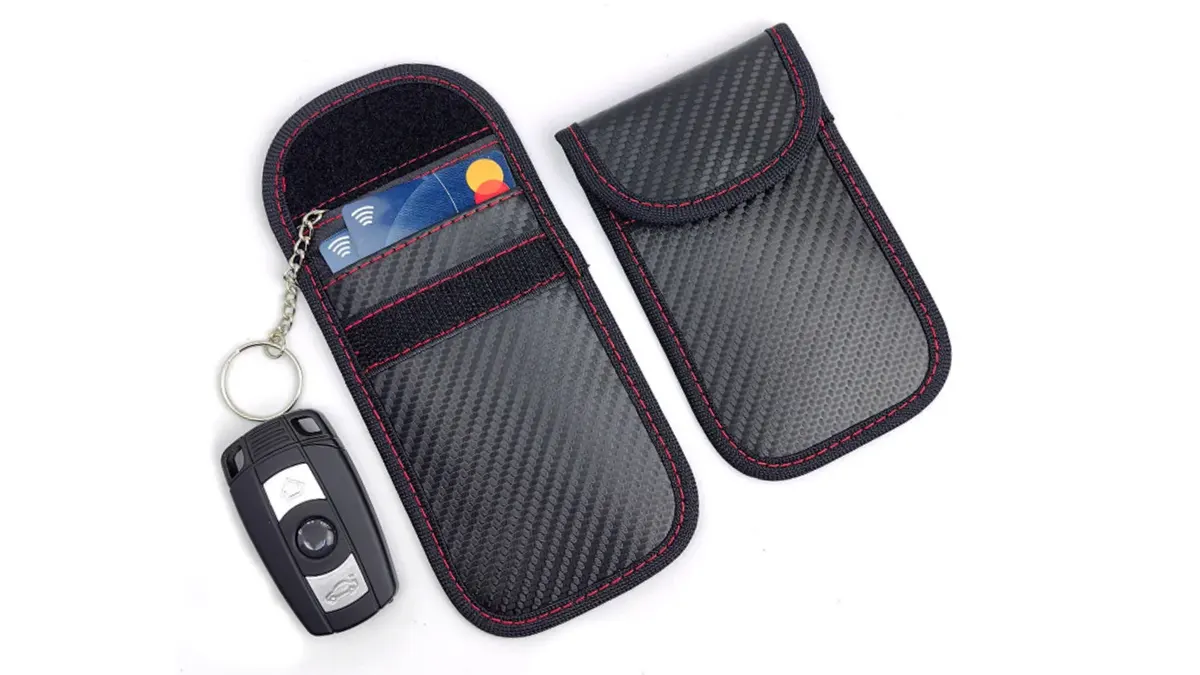
If you only need to protect small items like car key fobs, credit cards, or ID badges, look for a compact faraday bag. These bags are easy to slip into your pocket or purse. You can grab them quickly when you need to block signals.
Phones and Tablets
Phones and tablets come in many sizes. You want a bag that fits your device without being too tight. Check out this table for some common size recommendations:
| Device Type | Size Recommendation (Internal Use) |
|---|---|
| Medium Smartphone | 6.7 x 4.5 in (17 x 11.5 cm) |
| Medium Plus Smartphone | 7.6 x 4.8 in (19 x 12.5 cm) |
| Large Smartphone | 6.7 x 4.5 in (17 x 11.5 cm) |
| Large Tablet | 7.9 x 6.3 in (20 x 16 cm) |
| Extra Large Tablet | 11 x 8.3 in (28 x 21 cm) |
You can use these numbers as a guide when shopping for the best faraday bag for your phone or tablet.
Laptops and Large Devices
Laptops need more space. You want a faraday bag that gives your device room but does not feel bulky. Here are some common laptop sizes:
| Device Type | Size Recommendation (Internal Use) |
|---|---|
| 13/14 Inch Laptop | 13.6 x 9.5 x 0.6 in (34.5 x 24 x 1.5 cm) |
| 15/16 Inch Laptop | 16 x 10.6 x 0.6 in (41 x 27 x 1.6 cm) |
| 17 Inch Laptop | 15.5 x 11.5 x .98 in (39.5 x 29 x 2.5 cm) |
A good fit means your laptop stays safe and the bag blocks signals the way it should.
Use Case Considerations
Think about how you plan to use your faraday bag. Your daily routine can help you decide what size works best.
Daily Privacy (Sleeves)
If you want to block signals during class or meetings, a slim sleeve might be all you need. Many people use these sleeves to keep phones and smartwatches quiet and out of reach. This helps you stay focused and keeps your data safe.
Tip: A sleeve is great for students who want to avoid distractions and protect their privacy.
Rugged and Utility Bags
If you work outdoors or travel a lot, you might need a tougher bag. Rugged faraday bags come in bigger sizes and can hold more than one device. These bags protect against bumps and drops, not just signals.
- You can use them for tablets, laptops, or even multiple phones.
- They work well if you need to carry chargers or other accessories.
Measuring for the Right Fit
You want your faraday bag to fit your device like a glove. Here’s how you can measure and choose the right size:
| Method | Description |
|---|---|
| Choose the Right Size | Make sure your faraday bag fits your device properly for the best protection. |
| Inspect for Damage | Check your bag often for any wear or tear. Replace it if you see damage. |
Allowing for Accessories
Do you carry charging cables, headphones, or a case with your device? Make sure to leave a little extra space in your faraday bag. You do not want to cram everything in and risk damaging your gear.
Avoiding Overcrowding
Try not to stuff too many things into one bag. Overcrowding can stretch the bag and make it less effective at blocking signals. Pick a size that matches what you need to carry every day.
Note: The best faraday bag keeps your device safe, blocks signals, and feels comfortable to use. Take a few minutes to measure your device and think about your routine. You will find the right fit for your needs.
Faraday Bag Material Quality
When you pick a Faraday bag, you want to know it will last and do its job. Material quality makes a big difference. It affects how well your bag blocks signals and how long it stays strong. Let’s look at what goes into a high-quality shielding bag.
Shielding Materials
Types of Faraday Fabric
You will find different metals used in Faraday fabrics. Each one has its own strengths. Here’s a quick look:
| Material | Conductivity | Shielding Performance | Durability |
|---|---|---|---|
| Copper | Excellent | Strong | Moderate |
| Silver | Superior | Very Strong | Low |
| Nickel | Good | Moderate | High |
Copper works well for most uses. Silver gives you the best signal blocking, but it can wear out faster. Nickel lasts a long time, but it does not block as much.
Layer Count Importance
More layers mean better protection. A single layer might block some signals, but several layers give you stronger shielding. You want the fabric to feel thick and solid. Thin bags may not keep signals out as well.
Durability Factors
Wear Resistance
You want your bag to stand up to daily use. The type of material matters. Some fabrics resist rips and tears better than others. Always check your bag for signs of damage. If you see fraying or holes, it’s time for a new one.
- Material quality affects how long your bag lasts.
- Regular inspection helps you catch problems early.
Construction Quality
Look at the stitching and how the bag closes. Good stitching keeps the layers together. A strong closure, like a zipper or double Velcro, helps seal out signals. Poor construction can let signals leak in and shorten the life of your bag.
Tip: A well-made bag with strong seams and closures gives you better protection and lasts longer.
Signal Blocking Effectiveness
Testing and Certifications
Not all bags block signals the same way. Some bags go through professional testing to meet certain standards. These bags get checked to make sure they block signals in the right range. You will see a big difference between cheap, untested bags and those made for real protection.
- Certified bags meet shielding effectiveness standards.
- Tested bags block signals as promised.
- High-quality bags protect better than low-cost options.
When you choose a Faraday bag, look for high-quality shielding, strong fabric, and proof of testing. This way, you get the best signal blocking and a bag that lasts.
Faraday Bag Features and Design
When you pick a Faraday bag, you want more than just signal blocking. The right features and design make your bag easier to use and keep your devices safer. Let’s look at what matters most.
Closure Types
How you close your Faraday bag can change how well it works. You want a closure that keeps signals out and stays shut during your day.
Velcro, Zipper, Magnetic
You will see three main closure types:
- Velcro: Easy to open and close. You can hear when it seals. Many bags use Velcro because it is simple and strong.
- Zipper: Feels secure and keeps the bag tight. Zippers work well for larger bags or when you want extra peace of mind.
- Magnetic: Snaps shut quickly. Magnets give you a smooth, silent seal.
Most Faraday bags need you to fold the opening over twice before sealing it. This double-fold, then seal with Velcro, magnets, or clips, helps block signals completely. If you skip the fold, signals might leak in.
Single vs. Double Closure
Some bags use a single closure, while others use two. Double closures give you more protection. You fold the top, then seal it with Velcro or a zipper. This method keeps signals out better than a single closure.
Tip: If you want the best signal blocking, choose a bag with a double-fold and double closure.
Portability and Organization
You want a Faraday bag that fits your life. Some bags feel light and easy to carry. Others give you more space and strength.
Lightweight vs. Heavy-Duty
- Lightweight bags: Great for everyday use. You can slip them into your backpack or purse. They work well for phones, cards, and key fobs.
- Heavy-duty bags: Built for tough jobs. These bags use thicker materials and extra layers. You might pick one if you travel, work outside, or need to protect bigger devices.
Internal Compartments
Some Faraday bags have pockets inside. These help you organize your gear. You can keep your phone, cards, and cables in separate spots. This way, you find what you need fast and keep everything safe.
| Bag Type | Best For | Extra Features |
|---|---|---|
| Lightweight | Daily carry, small items | Slim, easy to pack |
| Heavy-duty | Laptops, travel, work | Extra layers, pockets |
Extra Protection
You want your devices safe from more than just signals. Many Faraday bags add water and fire resistance for extra peace of mind.
Water and Fire Resistance
Manufacturers use special materials to keep water and fire out. Some bags use nickel or copper-coated fabrics. Others use their own blends to make the bag even stronger. Multi-layer designs help block signals and protect against spills or heat.
Independent tests show that these bags block signals across many frequencies. While labs did not test for EMP blasts, you still get strong everyday protection. If you want the best, look for bags that say “waterproof” or “fire-resistant” on the label.
Note: A bag with water and fire resistance gives you more than just privacy. It keeps your devices safe from accidents, too.
Brand Reputation and Reviews
When you shop for a Faraday bag, you want to know you’re getting real protection. Brand reputation can help you find the best faraday bag for your needs. Trusted brands stand out because they care about quality, customer service, and your privacy.
Trusted Faraday Bag Brands
Manufacturer Qualities
You can spot a good manufacturer by looking at a few key things. Here’s a table to help you see what matters most:
| Criteria | Description |
|---|---|
| Shielding Effectiveness | Checks how well the bag blocks signals and keeps your devices safe. |
| Material Quality | Looks at the type of fabric and how long the bag will last. |
| Compliance and Certifications | Shows if the company follows rules like RoHS and ISO 9001. |
| Communication Responsiveness | Tells you how quickly and clearly the company answers your questions. |
| Transparency | Makes sure the company is open about how they make and test their bags. |
If a brand scores high in these areas, you can trust their products.
Popular Options
You have a lot of choices when it comes to Faraday bags. Some brands are known for their strong market share and positive reviews. Here are some of the top names you’ll see:
- DefenderShield
- DRY SHIELD
- EDEC
- MOS Equipment
- GODARK
- Onever
- Silent Pocket
- WisdomPro
- Tamfile
- Ticonn
These brands have built a name for themselves by making bags that work and last.
User Reviews and Feedback
Real-World Performance
User reviews can tell you a lot about how a Faraday bag works in daily life. For example, people who use the SLNT E3 Faraday Backpack say it blocks signals well in the special pouches. The main compartments sometimes let Wi-Fi or cell signals through, but the shielded pouches stop all signals. This shows you that design and compartment type matter.
Common Issues
No bag is perfect. Here are some problems users often mention:
| Issue Type | Description |
|---|---|
| Wear and Tear | Daily use can wear out the shielding fabric. |
| Visible Damage | Scratches or frayed edges can mean the bag won’t block signals as well. |
| Signal Blocking Failure | Sometimes, the bag stops blocking signals. You should test it often. |
| Corrosion and Stains | Water or spills can damage the shielding layer. |
| Long-term Use | Bags may need replacing after a lot of use to keep working well. |
You can avoid most problems by checking your bag often and replacing it when needed.
Warranty and Support
Return Policies
Many leading brands offer warranties on their Faraday bags. If you have a problem, you can reach customer support at 1-800-748-6052. Good brands want you to feel safe with your purchase.
Customization Services
Some companies let you order custom sizes or add your own logo. This helps if you need a special bag for work or want to show off your brand.
Tip: Always check the warranty and support before you buy. It can save you time and money if something goes wrong.
Making Your Final Faraday Bag Choice
Picking the right Faraday bag can seem hard at first. You can make it easier by following simple steps. Let’s see how you can balance what you need, your budget, and where to buy. You should also know about custom and bulk orders.
Balancing Needs and Budget
You want to get the most for your money. Think about what you need to protect and how often you will use your bag. Some people only need basic protection for a key fob. Others want strong security for laptops or important work gear.
Here is a table to help you match your budget with your needs:
| Price Range | Protection Level | Ideal Use Case |
|---|---|---|
| Budget ($15-30) | Basic protection | Key fobs, casual use |
| Mid-range ($40-60) | Balanced for phones and travel | Phones, travel |
| Premium ($80+) | Highest spec, best materials | High-end devices, heavy use |
Basic features cost less. Premium bags cost more but give you better protection.
Essential vs. Premium Features
If you only need to block signals for a phone or card, a basic bag is fine. Premium bags, like the JACKET Pro Window Faraday Bag or CORDURA Berry Compliant Utility, have extra features. These features include stronger signal blocking, tough materials, or windows for device access. Decide which features are important before spending more.
Tip: You do not always need the most expensive bag. Pick features that fit your real needs.
Where to Buy
You want to buy a real product. Good places to shop include:
- SLNT, a trusted brand with military-tested gear and free shipping on orders over $200.
- Other trusted brands like DefenderShield, EDEC, and Silent Pocket.
- Manufacturer websites often have the newest models and best support.
Online vs. Manufacturer Direct
Buying online gives you many choices and reviews. Buying direct from the maker means you get the newest products and can ask about custom options. Both ways are good. Just make sure you buy from a trusted seller.
Authenticity Checks
Always look for real reviews, clear return policies, and official branding. If a deal seems too good, it probably is not real.
Custom and Bulk Orders
Do you need something special for your team or business? Many companies offer custom and bulk orders.
Custom Sizes
You can order custom sizes for unique devices or special projects. Minimum orders for custom colors, logos, or labels usually start at 500 bags. Custom orders take 7–14 days for stock items and 21–30 days for big or special requests.
Branding Options
Bulk orders (1,000+ units) can have your company’s logo or colors. You can pick from different fabrics, including RF shielding options. Some brands offer extra features for forensic or security work.
Note: Custom orders take more time, but you get exactly what you need for your group.
If you follow these steps, you will find the best Faraday bag for your needs. You can get one for daily privacy or a custom solution for your business.
Conclusion
Choosing the right Faraday bag is simple when you follow these steps:
- List your devices and the signals you want to block.
- Match each device to the right bag size and shielding material.
- Look for features and brands that fit your daily routine.
You should always pick a bag that matches your real needs. A phone needs full coverage, while a key fob might need less.
Want something special? We offer custom Faraday bags with strong signal blocking and your own branding. Reach out for personal service:
| Method | Details |
|---|---|
| info[at]spy-fy.com | |
| Phone | +31 (0)24 23 40 244 |
| Inquiry Form | Free mock-up sample available! |
FAQ
What does a Faraday bag block?
A Faraday bag blocks wireless signals like Wi-Fi, Bluetooth, GPS, RFID, and cell signals. You can use it to keep hackers and trackers away from your devices.
Can I use my phone while it’s inside a Faraday bag?
No, you can’t. Your phone won’t get calls, texts, or data inside the bag. The bag blocks all signals, so your device goes silent.
How do I test if my Faraday bag works?
Put your phone inside the bag. Try calling or texting it. If your phone doesn’t ring or buzz, your bag works. You can also check for lost Wi-Fi or GPS.
Will a Faraday bag protect my credit cards?
Yes! A Faraday bag blocks RFID signals. Thieves can’t scan your cards for data or money. Just slip your cards inside for peace of mind.
How long does a Faraday bag last?
Most bags last one to three years with daily use. Check for rips or worn spots. Replace your bag if you see damage.
Can I wash my Faraday bag?
You shouldn’t put your Faraday bag in the washing machine. Wipe it with a damp cloth. Let it air dry. Water can damage the shielding layers.
Are Faraday bags legal to use?
Yes, you can use a Faraday bag. People use them for privacy and security. Just don’t use one for illegal activities.