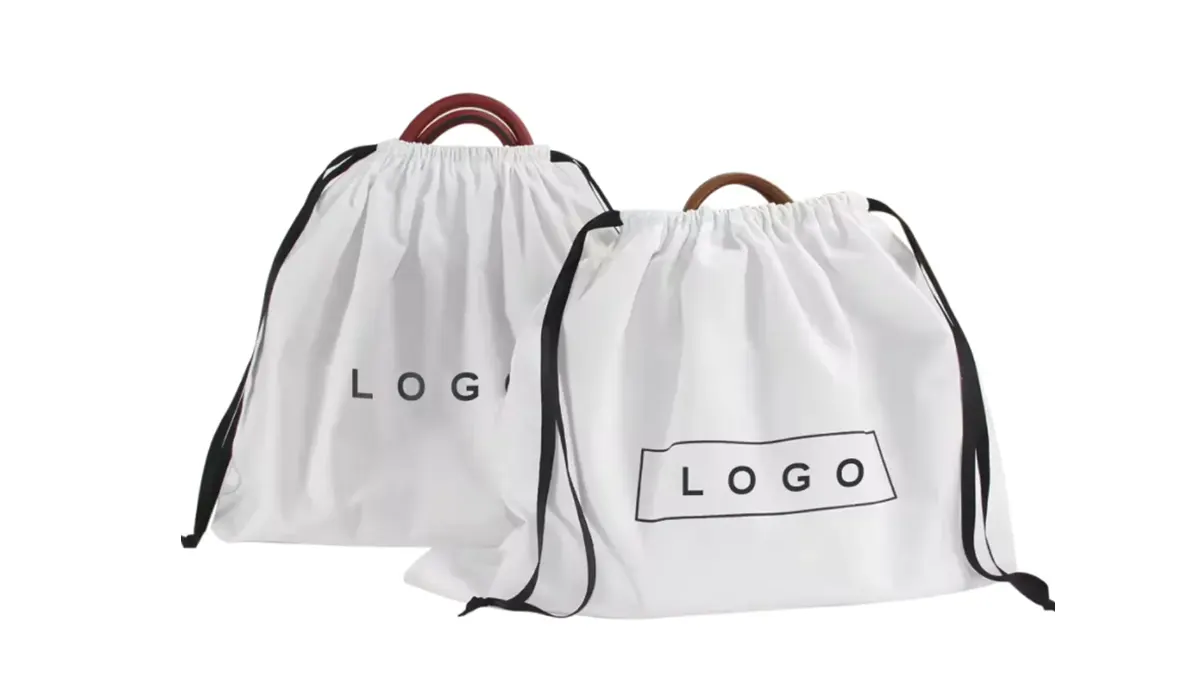
Are you trying to pick the best dust bag material? The right choice depends on what you want to protect. It also depends on what is most important to you, like breathability, durability, or sustainability. If you want to protect handbags, shoes, or clothes, think about how each material works. Research shows that breathable fabrics like cotton help things last longer. They keep moisture away. Look for these features:
- Breathable surfaces stop moisture from getting in.
- Soft materials help stop scratches.
- Durable bags can handle lots of use.
Picking the right material keeps your things safe. It also helps them look nice for a long time.
Key Takeaways
- Pick materials that let air in, like cotton. This helps keep things dry and smelling good.
- Think about how long the fabric will last. Strong fabrics like nylon and canvas stop things from getting damaged.
- Choose dust bags for what you need. Fancy things do well with silk or organic cotton. Everyday things can use non-woven fabric.
- Look at how to clean the dust bag. Cotton and linen can go in the washing machine. Silk needs special cleaning.
- Think about the planet. Pick organic or biodegradable materials to make less trash.
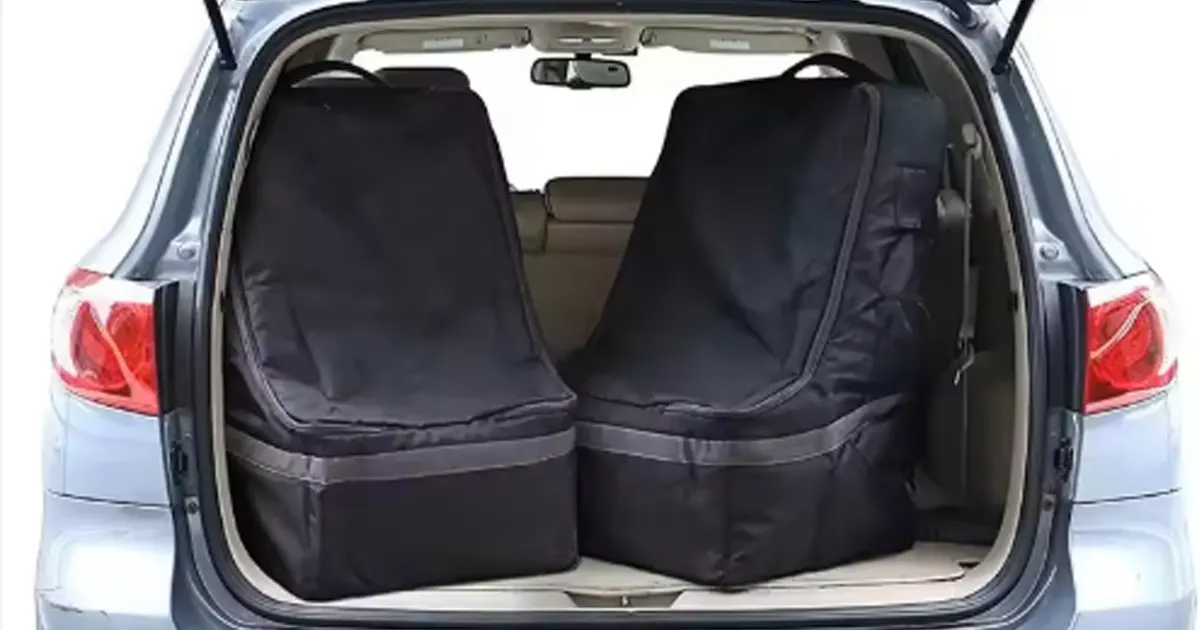
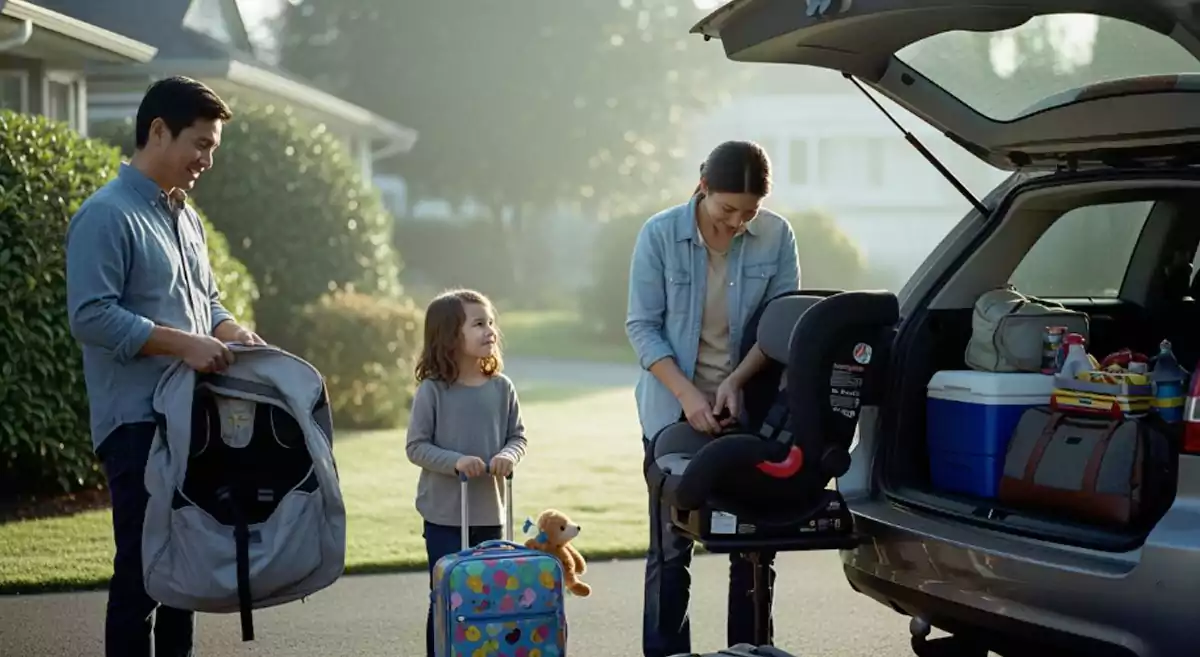
- If you travel, use strong materials like nylon or polyethylene. These protect your things from bumps and water.
- Always get a dust bag that fits your item. This stops damage and keeps your things safe.
- Check and clean your dust bags often. This helps them last longer and work better.
Why Dust Bag Material Matters
Protection and Longevity
The dust bag material you pick really matters. It helps keep your things safe. Some materials let air move through. Others stop water and dust from getting in. If you want to protect handbags or shoes, think about what you need most. Do you want air to flow, or do you want a strong barrier? Cotton lets air pass and keeps things dry. This stops mold and keeps your stuff fresh. Nylon blocks dust and water but can trap wetness inside.
Let’s see how different bags change what’s inside. The table below shows how bag material affects seeds over time:
| Storage Bag Type | Impact on Seed Quality | Weight Loss (%) | Germination Rate |
|---|---|---|---|
| Hermetic Bags | Superior in maintaining seed viability | Lowest (3.9%) | Higher in hermetic bags |
| Polypropylene Bags | Increased seed damage and weight loss | Highest | Lower germination rates |
This table shows that picking the right dust bag helps things last longer and stay in good shape.
Common Uses
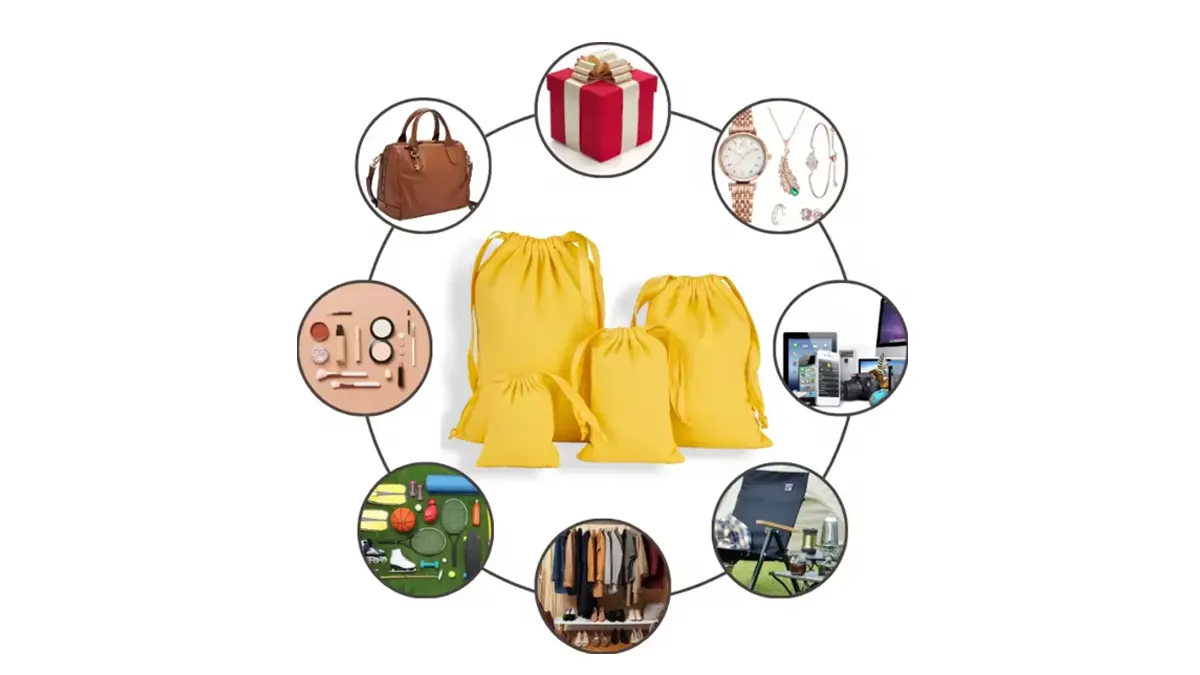
People use dust bags for more than just putting things away. They help your favorite items look new. Here are some ways dust bags help every day:
- They keep dust and dirt off bags and shoes.
- They stop sunlight from fading colors and drying leather.
- They keep things from scratching each other.
- They help items stand up and stay neat.
- They make opening a new bag feel special.
Many brands make dust bags to protect fancy handbags from dust, scratches, and dirt. These bags let air in but block too much sun and dust.
Risks of Poor Choices
If you pick the wrong dust bag, you might have problems. Bags that trap water can cause mold or mildew. Some fabrics leave lint or color on your things. This is called lint and dye transfer risk. Thin or rough bags can scratch soft surfaces. Bags that do not let air in can make things lose their shape or smell bad.
Tip: Always pick a dust bag that fits what you want to store. Think about how often you use it and where you keep it.
If you pay attention to these things, your stuff will stay safe and look nice for a long time.
Key Factors for Choosing Dust Bag Material
Breathability
Breathability is very important when picking a dust bag. You want your things to stay dry and not smell bad. Materials that breathe let air move in and out. This stops wetness from building up inside. Wetness can cause mold or make things smell. If you keep leather or suede, use a desiccant to soak up extra water.
Check out how each material works:
| Material | Breathability | Effect on Stored Items |
|---|---|---|
| Cotton | High | Absorbs moisture; add desiccant for leather or suede. |
| Linen | High | Suitable for premium garments; may wrinkle. |
| Microfiber | Moderate | Reduces friction; can trap heat and moisture. |
| Polyester | Moderate | Smooth surface; may trap heat and moisture. |
| Canvas | Low | Durable; resists tearing but less breathable. |
Cotton and linen let air move well. Microfiber and polyester let some air in but can hold heat. Canvas is strong but does not let much air in. You have to choose between airflow and blocking water. If you block water, you might get less air.
Tip: If you live where it is humid, pick a dust bag that lets air move. Your things will stay nice!
Durability
You want your dust bag to last a long time. Strong bags stop scratches and damage. Tough materials can handle being used a lot. Some fabrics do not tear and keep their shape.
Labs check how strong dust bag materials are. Here is how they test them:
| Test Description | Method Used | Parameters |
|---|---|---|
| Testing of filter bags with beech dust | Sieve method using Retsch AS200 | Particle-size distribution |
| Measurement of separation efficiency | Hiac laser particle counter | Particles in the range of 0–25 μm |
| Filtration process testing | Pilot scale testing stand | Basic filtration parameters under set conditions |
| Controlled filtration conditions | Standardized testing conditions | Corresponding to industrial filtration conditions |
These tests show which materials are tough. Canvas and polyester are very strong. Cotton and linen are soft but can wear out faster if used a lot.
Note: If you travel or move your things often, pick a dust bag that can take bumps and scrapes.
Ease of Care
You want a dust bag that is simple to clean. Some fabrics need special washing. Cotton and linen can go in the washing machine. Microfiber can be wiped with a wet cloth. Polyester and canvas do not stain easily, so you can spot-clean them.
Here is a quick list to help you:
- Cotton: Wash in the machine on gentle.
- Linen: Wash by hand or on gentle in the machine.
- Microfiber: Wipe with a wet cloth.
- Polyester: Spot clean or wash gently.
- Canvas: Spot clean and let it air dry.
If you want cleaning to be easy, pick a dust bag that matches how you clean. Easy cleaning keeps your bag fresh and ready to use.
Tip: Always look at the care label before you wash your dust bag. This helps it stay looking new.
Environmental Impact
When you choose a dust bag, you might think about the Earth. Every material affects the planet in some way. This happens when it is made and when you throw it away. Some fabrics are better for nature than others. Here is what you should know.
In Europe, each person made over 15 kilograms of textile waste in 2022. Most of this waste came from clothes at home. That means lots of old bags and clothes end up in landfills. Many groups now teach people to use their clothes longer. If you reuse and recycle dust bags, you help make less waste.
Microfiber pollution is a big problem today. Synthetic textiles like polyester and non-woven fabric shed tiny fibers. These microfibers get into the air, water, and dirt. They spread everywhere. Washing synthetic dust bags makes them shed even more. Wet processing and strong chemicals during making also cause more shedding. Did you know washing causes 90% of textile breakdown? Most microfibers come from laundry, not just making the bags.
Here is a table that shows how dust bag materials affect the environment:
| Material | Environmental Impact | Recyclability | Microfiber Pollution |
|---|---|---|---|
| Cotton | Needs lots of water and land to grow | High | Low |
| Organic Cotton | Uses less chemicals, better for soil | High | Low |
| Microfiber | Made from plastic, sheds microfibers | Low | High |
| Non-Woven Fabric | Synthetic, hard to recycle | Low | High |
| Linen | Natural, less water needed | High | Low |
If you want to help the Earth, pick natural fabrics like cotton or linen. These break down faster and do not shed microfibers. Organic cotton is even better because it uses fewer chemicals. Microfiber and non-woven fabric last a long time, but they pollute more. You might like how strong they are, but you should think about how they hurt the planet.
Here are some ways you can help:
- Choose dust bags made from recycled or organic materials.
- Wash synthetic bags less to stop microfiber release.
- Use dust bags again for other storage.
- Give away old dust bags instead of throwing them out.
Tip: If you care about the Earth, look for dust bags with eco-friendly labels. These usually mean less pollution and better recycling.
You can pick dust bags that protect your things and the planet. Small choices make a big difference. What you pick matters.
Best Materials for Dust Bags
Cotton
Features
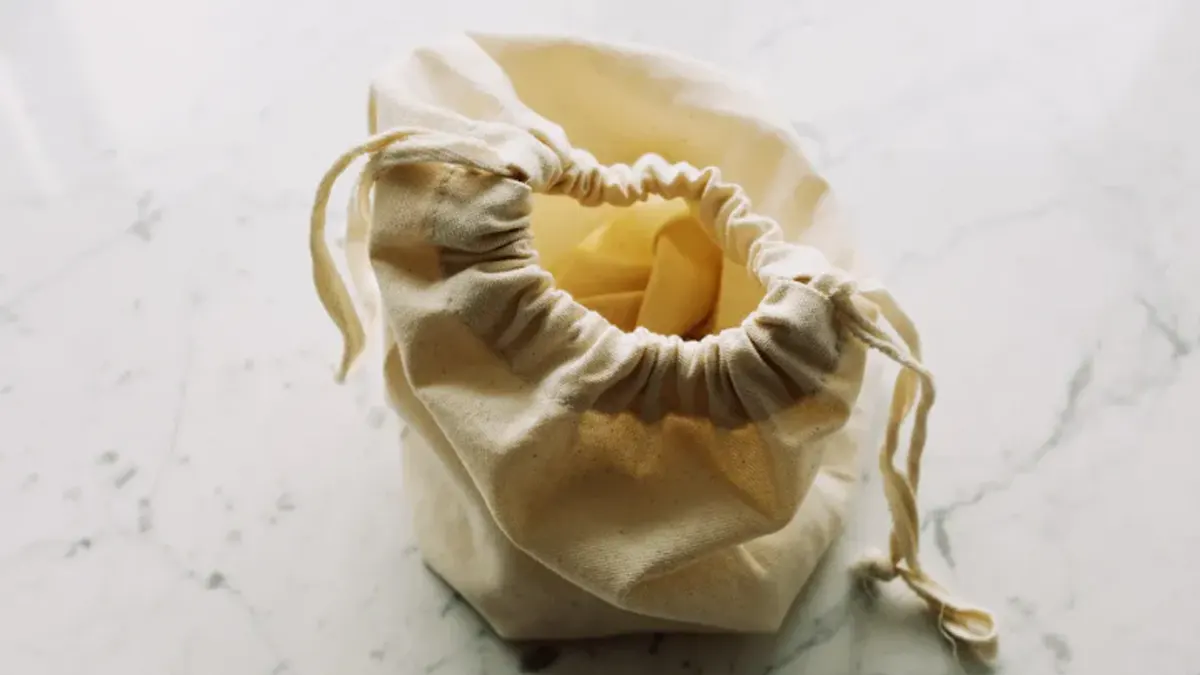
If you want a dust bag that feels soft and keeps your items safe, cotton is a great choice. You see cotton everywhere because it works well for many things. Cotton lets air move through, so your bags and shoes stay fresh. It absorbs moisture, which helps prevent mold. You can wash cotton easily, and it does not lose its shape. Many luxury brands use 100% cotton for their dust bags.
Interestingly, one material continues to be favored by the most prestigious brands: 100% cotton. Cotton isn’t just a material; it’s a statement—a testament to durability, breathability, and unmatched softness that protects your valuables with the care they deserve.
Cotton also stands out for its natural feel and look. You can find cotton dust bags in many sizes and colors. They work well for handbags, shoes, and clothes.
Here is a table that shows why cotton is so popular:
| Characteristic | Description |
|---|---|
| Hygroscopicity | Cotton fibers absorb moisture, keeping items dry and comfortable. |
| Moisturizing property | Cotton holds air, which adds softness and comfort. |
| Heat resistance | Cotton can handle heat up to 110 °C, so you can wash it without damage. |
| Alkali resistance | Cotton does not break down in alkaline washes, making cleaning easy. |
| Hygiene | Cotton is safe for sensitive items and keeps them clean. |
Pros and Cons
Let’s look at what makes cotton a smart pick and where it might fall short.
Pros:
- Breathable and soft
- Absorbs moisture
- Easy to wash
- Safe for delicate items
- Durable for everyday use
Cons:
- Can wrinkle easily
- May shrink after washing
- Needs more water to produce
- Not as strong as some synthetics
Tip: If you want a dust bag that feels gentle and keeps your items fresh, cotton is hard to beat.
Organic Cotton
Features
Organic cotton gives you all the benefits of regular cotton, but it is better for the planet. Farmers grow organic cotton without harmful chemicals. This means less pollution in the soil, water, and air. Organic cotton is often rain-fed, so it uses less water. You help protect nature when you choose organic cotton.
Organic cotton dust bags feel soft and look natural. They work well for storing luxury items, clothes, and shoes. You can wash them just like regular cotton.
Organic cotton farming also keeps the land healthy. It supports more plants and animals, which helps keep pests away from your stored items.
Pros and Cons
Here’s what you get with organic cotton dust bags:
Pros:
- Grown without toxic chemicals
- Uses less water
- Supports healthy soil and wildlife
- Safe for sensitive items
- Soft and breathable
Cons:
- Costs more than regular cotton
- May be harder to find
- Can shrink or wrinkle
Note: If you care about the environment and want safe storage, organic cotton is a smart choice.
Non-Woven Fabric
Features
Non-woven fabric is a popular choice for dust bags, especially if you want something affordable. Factories make non-woven fabric by bonding fibers together, not weaving them. This process makes the fabric light and easy to shape. Non-woven dust bags come in many colors and sizes. You can print logos or designs on them easily.
Non-woven fabric does not breathe as well as cotton, but it keeps dust and dirt out. It works well for short-term storage or travel. Many brands use non-woven bags for shoes and accessories.
Pros and Cons
Here’s a table to help you see the good and bad sides of non-woven fabric:
| Advantages | Disadvantages |
|---|---|
| Cost-effective | Not biodegradable |
| Lightweight | Weak in bright sunlight |
| Durable | May tear with heavy or sharp items |
| Easy to customize | Limited lifespan |
Pros:
- Cheap and easy to find
- Light and simple to carry
- Good for printing logos
- Keeps dust out
Cons:
- Not eco-friendly
- Can tear with heavy use
- Does not last as long as cotton
- May not protect against moisture
Tip: If you need a dust bag for travel or short-term use, non-woven fabric is a practical option.
You have many choices when looking for the best materials for dust bags. Cotton and organic cotton give you breathability and softness. Non-woven fabric offers a budget-friendly solution. Think about what matters most to you—protection, price, or the environment.
Microfiber
Features
Microfiber dust bags give you a modern way to protect your items. Factories make microfiber from very fine synthetic fibers, usually polyester or nylon. These fibers are much thinner than human hair. This makes the fabric feel smooth and soft. Microfiber bags often look sleek and come in many colors. You can find them in stores or online, and they work well for shoes, handbags, and even electronics.
Microfiber stands out because it resists stains and dust. The tight weave keeps out dirt and tiny particles. You can wipe the surface clean with a damp cloth. Many people like microfiber because it feels gentle but still protects well.
Pros and Cons
Let’s look at what makes microfiber a good choice and where it might not work for you.
Pros:
- Soft and smooth, so it won’t scratch delicate items
- Lightweight and easy to carry
- Resists stains and dust
- Simple to clean—just wipe it down
Cons:
- Not as breathable as cotton or linen
- Can trap heat and moisture inside
- Made from plastic, so it’s not eco-friendly
- May shed microfibers when washed
Tip: If you want a dust bag that looks modern and is easy to clean, microfiber could be a smart pick. Just remember, it’s not the best for items that need to breathe.
Silk
Features
Silk dust bags bring a touch of luxury to your storage. You might see silk used for high-end handbags, shoes, or jewelry. Silk feels incredibly soft and smooth. It glides over delicate surfaces and never scratches. The fabric also lets air move through, which helps prevent moisture from building up inside.
Silk dust bags look beautiful. They add a special feel when you open a box or bag. Many luxury brands choose silk to show off their products and keep them safe.
Here’s a quick look at why silk stands out:
| Benefit | Description |
|---|---|
| Luxury Aesthetic | Elevates the presentation of high-end goods. |
| Softness | Extremely gentle on delicate materials. |
| Breathable | Prevents moisture accumulation. |
Pros and Cons
Pros:
- Looks elegant and feels special
- Very gentle on delicate items
- Breathable, so it helps stop mold and odors
- Lightweight and easy to fold
Cons:
- Costs more than most other fabrics
- Needs careful cleaning—usually hand wash or dry clean
- Can snag or tear if you’re not careful
- Not as strong as nylon or canvas
Note: If you want to protect luxury items and make them feel extra special, silk dust bags are hard to beat. They combine beauty with gentle care.
Nylon & Polyethylene
Features
Nylon and polyethylene dust bags give you strong protection for your items. These synthetic materials are tough and resist tearing. You might use them for travel, sports gear, or anything that needs extra strength. Nylon feels smooth and flexible. Polyethylene is more rigid and often used for clear storage bags.
Both materials keep out dust and water. Nylon can absorb some water unless it has a special coating. Polyethylene naturally repels water, so it works well in damp places. You can find these bags in many sizes, from small pouches to large garment covers.
Here’s how nylon and polyester compare in strength and water resistance:
| Material | Durability (lbs pull force) | Abrasion Cycles | Moisture Resistance |
|---|---|---|---|
| Nylon | 70 | 100,000 | More absorbent, but can be treated for water resistance |
| Polyester | 55 | 60,000 | Hydrophobic, better raw water repellency |
Nylon stands out for its tear strength and ability to handle heavy loads. Polyester resists water better because its fibers are hydrophobic. Nylon bags can soak up water unless they have a waterproof coating. Polyethylene bags keep water out but may not feel as soft.
Pros and Cons
Pros:
- Very strong and durable—great for heavy or bulky items
- Good at blocking dust and water
- Lightweight and easy to pack
- Often less expensive than natural fabrics
Cons:
- Not breathable—can trap moisture inside
- Nylon can absorb water if not treated
- Not eco-friendly—made from plastic
- May feel less soft than cotton or silk
If you need a dust bag for travel or outdoor use, nylon and polyethylene offer tough protection. Just remember, they don’t let air in, so they might not suit items that need to breathe.
When you look for the best materials for dust bags, think about what you want to protect and how you plan to use the bag. Each material has its own strengths and weaknesses. Your choice will help keep your items safe and looking great.
Other Ideal Dust Bag Fabrics
When you look for the perfect dust bag, you might want something a little different. Some fabrics stand out because they offer unique benefits. Let’s explore a few more options that could be just right for your needs.
Twill Cotton
Twill cotton feels soft but also looks a bit fancy. You can spot twill by its diagonal weave. This weave makes the fabric stronger than plain cotton. Twill cotton dust bags work well for items you use often, like shoes or everyday handbags. The fabric holds up to lots of movement and keeps its shape.
You might like twill cotton because it resists wrinkles. It also feels smooth, so it won’t scratch your things. If you want a dust bag that looks neat and lasts a long time, twill cotton is a smart pick.
Tip: Twill cotton is great for storing items you grab every day. It keeps things safe and looks tidy even after many uses.
Drill Cotton
Drill cotton is another strong choice. This fabric uses a tight weave, which makes it tough and durable. You often see drill cotton in work clothes because it stands up to heavy use. For dust bags, drill cotton protects heavier items like boots or large purses.
Drill cotton feels thicker than regular cotton. It blocks dust and dirt well. If you need a dust bag for something bulky or heavy, drill cotton gives you extra protection.
| Fabric Type | Distinguishing Features |
|---|---|
| Drill Cotton | Thick, tightly woven, very durable, good for heavy items |
Flannel Cotton
Flannel cotton feels soft and cozy. You might know flannel from warm shirts or pajamas. For dust bags, flannel gives your items a gentle touch. It works well for delicate things like jewelry, watches, or fine leather.
Flannel cotton keeps dust away and stops scratches. The fuzzy surface adds a layer of cushion. If you want to pamper your favorite items, flannel cotton is a lovely choice.
- Soft and gentle on delicate surfaces
- Adds a bit of padding
- Keeps dust and lint away
Satin
Satin dust bags look and feel elegant. Satin has a smooth, shiny surface that stands out. You often see satin used for special clothes or luxury accessories. The fabric glides over delicate items and helps prevent friction.
Satin works best for things like silk scarves, evening bags, or fine shoes. It keeps them looking new and adds a touch of style to your storage.
| Fabric Type | Distinguishing Features |
|---|---|
| Satin | Smooth, stylish, prevents friction, ideal for delicate fabrics |
Note: Satin dust bags make every unboxing feel special. They protect your items and add a bit of glamour.
Panamino Canvas
Panamino canvas is a sturdy fabric with a tight weave. It feels thicker than regular cotton but not as heavy as some other canvases. Panamino canvas dust bags work well for items that need strong protection, like handbags, tools, or outdoor gear.
This fabric resists tearing and keeps out dust and dirt. If you want a dust bag that can handle rough use, panamino canvas is a reliable choice.
Here’s a quick comparison of these fabrics:
| Fabric | Best For | Key Features |
|---|---|---|
| Twill Cotton | Everyday items | Soft, wrinkle-resistant, strong |
| Drill Cotton | Heavy or bulky items | Thick, durable, tightly woven |
| Flannel Cotton | Delicate or luxury items | Soft, cushioned, gentle |
| Satin | Special or delicate accessories | Smooth, stylish, reduces friction |
| Panamino Canvas | Outdoor or heavy-duty storage | Sturdy, tear-resistant, protective |
You have many choices when it comes to dust bag fabrics. Each one offers something special. Think about what you want to protect and how you plan to use your dust bag. The right fabric will keep your items safe and looking their best.
Matching Ideal Dust Bag Fabrics to Your Needs
Luxury Items
When you want to protect luxury items, you need to be extra careful. These pieces often cost a lot and hold special meaning. You want them to look perfect every time you use them. The right dust bag makes a big difference. Some materials work better than others for high-end handbags, shoes, or accessories.
Here’s a quick guide to the best choices for luxury storage:
| Material | Benefits |
|---|---|
| Organic Cotton | Breathable, absorbs moisture, lets air move, stops shrinking or stretching |
| Twill Cotton | Lightweight, lint-free, and lets air in |
| Drill Cotton | Lint-free, medium weight, feels fancy, very breathable |
| Flannel Cotton | Soft, great for natural leather |
| Satin | Lint-free, light, does not wrinkle easily |
| Microfiber | Soft and strong, shields high-end items, but not very breathable |
You want to keep dust, scratches, and sunlight away from your treasures. These materials help stop wear and tear. They also prevent fading and keep your items looking new. If you store leather items, flannel cotton is a top pick because it’s gentle and adds a layer of cushion. Many brands use designer dust bags made from satin or organic cotton for their most valuable products.
Tip: Always choose a dust bag that fits your luxury item well. A snug fit keeps your item safe and stops it from moving around.
Everyday Storage
You probably have things you use every day, like sneakers, backpacks, or jackets. These items need protection too, but you might care more about durability and price. For daily use, you want dust bags that last and don’t cost too much.
Let’s look at some common materials for everyday storage:
- Non-woven fabric: Light, easy to carry, and keeps dust out. Great for shoes or gym bags.
- Canvas: Tough and strong. Works well for things you grab often.
- Polyester: Resists stains and is simple to clean. Good for busy families.
You want something that stands up to lots of use. Canvas and polyester are both strong and easy to wash. Non-woven fabric is a good choice if you want something light and affordable. These options help you keep your things neat without spending a lot.
Note: Everyday dust bags don’t need to be fancy. Pick something that matches your routine and keeps your items safe.
Travel
Travel can be rough on your belongings. You toss bags in the car, squeeze them into overhead bins, or carry them through busy airports. You need dust bags that protect against bumps, dirt, and spills.
Here are some top picks for travel:
- Nylon: Very strong and resists tearing. Keeps out water and dust.
- Polyethylene: Blocks moisture and is easy to wipe clean.
- Microfiber: Lightweight and shields your items from scratches.
You want dust bags that are easy to pack and don’t add much weight. Nylon and polyethylene work well for shoes, clothes, or even electronics. Microfiber is a smart choice if you want something soft that still protects.
Tip: When you travel, pick dust bags with drawstrings or zippers. These keep your items secure and make packing simple.
Choosing the ideal dust bag fabrics for each situation helps your belongings last longer and look their best. Whether you’re storing luxury goods, everyday items, or packing for a trip, the right material makes all the difference.
Eco-Friendly Choices
Do you want to protect your things and help the planet at the same time? You have some great options for eco-friendly dust bags. These materials break down faster in nature and use fewer chemicals. You can feel good about using them.
Here are some of the most eco-friendly dust bag materials you can find:
- Polylactic Acid (PLA): This material comes from plants like corn. It has a low melting point and breaks down in compost. You often see PLA in cold food packaging, but it also works for dust bags. If you want a bag that will not last forever in a landfill, PLA is a smart pick.
- Starch-Based Biodegradable Plastics: These bags use starch from plants. They are strong and last long enough to protect your items. When you throw them away, they break down much faster than regular plastic. You might see these used in medical packaging, but they work well for dust bags too.
- Calcium Carbonate-Filled Materials: These are the most common biodegradable bags. They cost less than other green options. They break down over time, but they may not be as strong as other choices.
You can also look for natural fabrics like organic cotton or linen. These materials come from plants and do not shed microplastics. They feel soft and let your items breathe. If you want to go green, try to avoid synthetic fabrics like polyester or nylon.
Here’s a quick table to help you compare eco-friendly dust bag materials:
| Material | Biodegradability | Main Benefit |
|---|---|---|
| Polylactic Acid (PLA) | Compostable | Plant-based, breaks down |
| Starch-Based Biodegradable Plastic | Biodegradable | Durable, eco-friendly |
| Calcium Carbonate-Filled | Biodegradable | Cost-effective |
| Organic Cotton | Biodegradable | Soft, natural, reusable |
| Linen | Biodegradable | Breathable, natural |
Tip: If you want to make a difference, choose dust bags labeled as compostable or biodegradable. You help reduce waste and keep your items safe at the same time.
Budget Options
You do not have to spend a lot to keep your things protected. Some dust bag materials give you good value for your money. They work well for everyday storage and still keep dust and dirt away.
Here are some of the most affordable dust bag materials that still provide solid protection:
- Non-woven polypropylene: This material is light and strong. It keeps dust out and does not cost much. You see it used for shoe bags, shopping totes, and even some garment covers. Non-woven polypropylene bags are easy to find and come in many sizes.
- 100% cotton: Cotton dust bags feel soft and let your items breathe. They cost a bit more than synthetic bags, but you can wash and reuse them many times. Cotton bags work well for shoes, handbags, and clothes.
If you want to save money, look for dust bags in packs or sets. You can often get a better deal when you buy more than one at a time.
Here’s a quick checklist to help you pick a budget-friendly dust bag:
- Choose non-woven polypropylene for the lowest price.
- Pick 100% cotton if you want something reusable and soft.
- Look for sales or bulk packs to save even more.
Note: You do not have to give up quality for price. Both non-woven polypropylene and cotton dust bags keep your items safe and clean without breaking the bank.
Decision Guide for Dust Bag Material
Picking the right dust bag material can be confusing. You want your things to stay safe. You also want a bag that fits your life. Let’s look at how you can choose the best one for you.
Material vs. Need Table
You might ask which material is best for you. The table below matches needs with dust bag materials. It shows what works for home, travel, or work.
| Need / Scenario | Recommended Material | Why It Works | Typical Use Case |
|---|---|---|---|
| Everyday storage | Cotton, Non-woven PP | Breathable, easy to clean, affordable | Shoes, handbags, clothing |
| Luxury items | Organic Cotton, Satin | Soft, gentle, looks elegant | Designer dust bags, jewelry, fine leather |
| Travel | Nylon, Polyethylene | Strong, water-resistant, lightweight | Packing shoes, sports gear, electronics |
| Eco-friendly choice | Organic Cotton, Linen | Biodegradable, low impact | Sustainable storage, reusable bags |
| Industrial filtration | Polyester, Polypropylene | Durable, chemical-resistant, handles heat | Woodworking, cement, food processing |
| High temperature | Aramid, Fiberglass, PTFE | Flame-resistant, withstands extreme heat | Asphalt plants, kilns, chemical plants |
| Acidic environments | Acrylic | Tolerates acids, moderate heat resistance | Fertilizer, chemical storage |
| Multi-purpose | Blended Fabrics | Custom properties for special needs | Industrial dust collection |
Cotton and non-woven polypropylene are good for daily use. Organic cotton and satin are best for fancy items. Nylon and polyethylene are strong for travel. Organic cotton and linen help the planet. Factories need tough materials like polyester or aramid.
Quick Reference Scenarios
Here are some fast tips to help you pick:
- If you want to store sneakers, use cotton or non-woven polypropylene. These keep shoes clean.
- If you need to protect a designer handbag, pick organic cotton or satin. They are soft and look nice.
- If you travel a lot, nylon or polyethylene dust bags are strong and keep out water.
- If you want to help the earth, choose organic cotton or linen. These break down and do not pollute.
- If you work in a factory, polyester or polypropylene dust bags last longer and handle dust and heat.
- If you need something for high heat, use aramid, fiberglass, or PTFE dust bags. These work in hot places like kilns.
Tip: Always pick a dust bag material that matches what you store and where you use it. This keeps your things safe and looking good.
If you use this guide, you will find the best dust bag for every need. Your things will stay clean, safe, and look great.
Care Tips for Dust Bag Materials
Taking care of your dust bags helps your favorite items last longer. You want your bags to stay clean, strong, and ready to protect. Here’s how you can keep them in top shape.
Cleaning
You should always follow the ease of cleaning and care instructions for your dust bag. Most cotton and linen bags can go in the washing machine on a gentle cycle. Use mild detergent and let them air dry. Microfiber bags usually just need a quick wipe with a damp cloth. For silk or satin, hand wash with cold water or take them to a dry cleaner. Polyester and non-woven bags often only need spot cleaning.
Tip: Always check the label before washing. This helps prevent color transfer and keeps your dust bag looking new.
If you notice lint and dye transfer risk, wash your dust bag separately the first time. This stops colors from bleeding onto your items. Clean your dust bags every few months, especially if you use them for shoes or bags that see a lot of action.
Storage
How you store your dust bags matters just as much as how you clean them. Use dust bags only for long-term storage, not for daily carry. Label each dust bag with the brand and model so you can find things fast. Keep your dust bags away from perfumes, cleaning agents, or mothballs. These can damage the fabric over time.
Here are some easy storage tips:
- Store dust bags in a cool, dry place.
- Avoid direct sunlight to stop fading and weakening of fibers.
- Control humidity between 45–55% to prevent mold or cracking.
- Place small silica gel packs inside, but don’t let them touch the fabric.
- Handle bags with clean hands to avoid oils and lotions.
- Wrap hardware in soft muslin or acid-free paper to protect metal parts.
- Check your stored bags every 6–8 weeks for pests, mildew, or changes in shape.
If you see a dust bag that’s worn or torn, replace it with an archival-quality one. This keeps your items safe and looking their best.
Extending Lifespan
You can make your dust bags last longer with a few simple habits. Always follow the ease of cleaning and care instructions. Regular maintenance goes a long way. Check your dust bags often for signs of wear or damage. If you use dust bags for industrial or heavy-duty storage, inspect them daily or weekly. Listen for odd sounds and look for dust leaks.
Here’s a quick table to help you remember when to check your dust bags:
| How Often | What To Do |
|---|---|
| Daily | Look for dust, check for pressure changes |
| Weekly | Inspect for leaks, check moving parts |
| Monthly | Spot check bag condition, look for damage |
| Quarterly | Do a full inspection, test for hidden problems |
If you keep up with these checks, your dust bags will protect your items for years. Good care means fewer replacements and better protection for your favorite things.
Custom Dust Bag Solutions
Do you ever wish your dust bags fit your items perfectly? Maybe you want a special material or a logo that stands out. Custom dust bag solutions let you create exactly what you need. As a dust bag manufacturer, we help you design bags that match your style and protect your belongings.
Benefits of Customization
Custom dust bags offer more than just a good fit. You get to choose the features that matter most to you. Take a look at the table below to see how custom options compare to standard ones:
| Feature | Benefit |
|---|---|
| Size | Tailored dimensions for your specific items |
| Material | Choices like eco-friendly cotton or tough nylon |
| Branding | Add your logo or patterns to boost your brand identity |
| Closure Type | Pick drawstrings or zippers for easy use and security |
| Printing & Embroidery | Premium details for a designer look |
| Extra Features | Interior dividers or waterproof lining for added convenience |
You can make your dust bags stand out with custom colors, closures, and even embroidery. If you want designer dust bags for your brand or personal collection, customization gives you that luxury touch. You also get better protection for odd-shaped items or special materials.
Tip: Custom dust bags help you organize, protect, and show off your items in style.
How to Order
Ordering custom dust bags is easy when you know the steps. Here’s a simple guide to help you get started:
- Decide on the style you want. Do you need a flat bag, a flap, or a bag with a bottom?
- Pick the size and thickness. You can choose from options like 25g, 30g, 40g, 50g, 60g, or 70g.
- Select your material and color. Non-woven fabric comes in many shades, but you can also ask for cotton or nylon.
- Choose your closure. Do you want a drawstring installed by machine or by hand?
- Contact us to talk about your custom needs and get a price quote.
- Review the samples we send and confirm your order with a deposit.
- Wait for delivery. Most custom dust bags arrive in 10 to 15 days.
If you have special requests, just let us know. We can add features like waterproof linings or dividers. Our team works with you to make sure your dust bags fit your needs.
Note: Custom orders give you control over every detail, from size to color to branding.
Ready to create your own dust bags? Reach out today and start designing bags that protect and impress.
Conclusion
You’ve learned that the best dust bag material depends on what you want to protect and your top priorities. Use the decision guide to match your needs with the right fabric. For breathability, pick cotton. If you want something affordable, try non-woven. Need luxury? Go for satin or organic cotton. Want a custom fit or special features? Reach out to us! As a dust bag manufacturer, we help you create the perfect solution for your items.
FAQ
What is the best dust bag material for leather handbags?
Cotton or flannel cotton works best for leather handbags. These materials let air move and stop moisture. You keep your bag fresh and safe from scratches.
Can I wash my dust bag in the washing machine?
You can wash cotton and linen dust bags in the machine. Use a gentle cycle and mild soap. Always check the care label first.
Do dust bags prevent mold and odors?
Yes, breathable dust bags like cotton help stop mold and odors. They let air flow and keep moisture away. You can add a silica gel pack for extra protection.
Are non-woven dust bags eco-friendly?
Non-woven dust bags are not very eco-friendly. They come from synthetic fibers and do not break down fast. If you want a green choice, pick organic cotton or linen.
How do I choose the right size dust bag?
Measure your item’s length, width, and height. Pick a dust bag that is a bit bigger. This gives your item room and keeps it safe from squeezing or bending.
Can I use the same dust bag for travel and storage?
You can use nylon or polyethylene dust bags for travel. They protect against water and dirt. For long-term storage, switch to cotton or linen for better breathability.
What is the difference between satin and silk dust bags?
Satin dust bags look shiny and feel smooth. Silk dust bags feel softer and more luxurious. Both protect delicate items, but silk is usually more expensive.