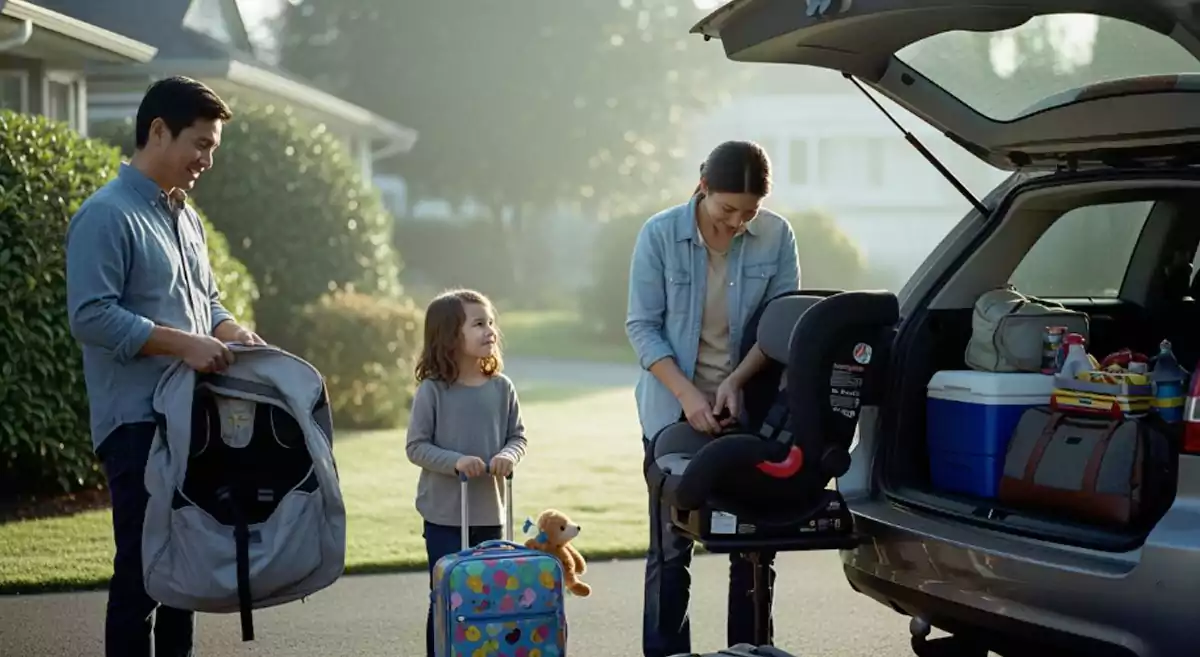
When you look for the best car seat travel bag, focus on what really matters: strong materials, reliable protection, and easy handling. You want a bag that fits your car seat, keeps it dry, and gives you space for extras. Travel can get tricky for families, especially when you deal with these common challenges:
- Carrying a car seat everywhere can feel impossible, especially abroad.
- Public transit may not work well with kids and car seats.
- Rental cars sometimes do not fit your seat safely.
The right bag makes all the difference. Think about your travel style and car seat type, and you will travel with less stress and more confidence.
Key Takeaways
- Pick a strong car seat travel bag. It will keep your seat safe from damage when you travel.
- Find bags made with water-resistant materials. This will help keep your car seat dry if it rains or spills happen.
- Choose a bag that is easy to carry. Look for backpack straps or wheels. These make carrying the bag simpler.
- Make sure the bag fits your car seat well. This stops the seat from moving and getting damaged.
- Get bags with extra pockets. These help you keep your travel items neat and organized.
- Think about how often you travel. If you travel a lot, you may need a bag with more padding and protection.
- Look for bags that can be stored easily. Compact storage saves space when you are not using the bag.
- Read reviews and compare different bags. This helps you find the best bag for your budget and needs.
Key Features to Look For
Durability & Protection
When you travel with kids, you want your car seat to arrive safe and sound. The right travel bag can protect your car seat from bumps, dirt, and germs. You do not want to worry about damage at the airport. Many parents now look for stronger bags because they know how rough travel can get.
Tip: A tough bag means your car seat lasts longer and stays cleaner.
Material Types
You should check what the bag is made from. Strong fabrics like heavy-duty polyester or nylon work best. These materials resist tears and stand up to rough handling. Some bags use water-resistant coatings to keep your car seat dry if it rains or if you set the bag down on a wet floor.
Here’s a quick look at why durability matters:
| Evidence Type | Description |
|---|---|
| Demand Surge | More parents want strong bags to avoid damage during airport handling. |
| Protection Features | Durable bags keep out dirt, germs, and protect from bumps and drops. |
| Innovation | New designs use reinforced stitching and water-resistant fabrics for longer life. |
Padding & Reinforcement
Padding adds a soft layer that absorbs shocks. Reinforced corners and seams help the bag hold up against drops and scrapes. If you travel often, look for extra padding around the base and sides. This keeps your car seat safe, even if baggage handlers toss your bag around.
Ease of Use
Traveling with kids means you need every shortcut you can get. You want a bag that makes your life easier, not harder. The best car seat travel bag should help you move quickly and keep your hands free when you need them.
Carrying Options
Think about how you want to carry the bag. Some bags have backpack straps, so you can wear the bag on your back. Others have padded handles or even wheels. If you travel alone with your child, backpack straps let you carry the car seat and still hold your child’s hand.
Handling & Portability
Easy handling can make a big difference. Wide openings let you slide the car seat in and out without a struggle. Sturdy zippers and reinforced bases help the bag last longer and make it easier to use. Some bags roll smoothly with one hand, which is great when you juggle luggage and kids.
Here’s a table showing features that make travel bags easier for parents:
| Feature | Benefit for Parents Traveling Alone |
|---|---|
| 4-wheel spinner construction | Moves smoothly in any direction |
| Rolls easily with one hand | Lets you manage kids and luggage |
| Ultra-durable, water-resistant fabric | Protects from weather and rough handling |
| Padded straps and handles | Feels comfortable to carry |
| Adjustable backpack straps | Keeps your hands free |
| Built-in strap storage pockets | Keeps everything organized |
| Sturdy double zippers | Easy to open and close |
| Wide opening | Simple to pack and unpack |
| Reinforced rubberized base | Extra protection during travel |
| Fits various car seat brands | Works for many families |
Compatibility
Not all car seats are the same size or shape. You want a travel bag that fits your car seat well. A good fit keeps your car seat from moving around inside the bag and getting damaged.
Measuring Your Car Seat
Before you buy a bag, measure your car seat. Check the height, width, and depth. Compare these numbers to the bag’s size. If the bag is too small, your car seat will not fit. If it is too big, the seat might slide around and get scratched.
Note: Always check your car seat’s manual for travel tips and size details.
Universal vs. Custom Fit
Some bags fit many types of car seats. These are called universal bags. They work well if you have more than one car seat or plan to switch seats in the future. Custom-fit bags are made for one specific model. They give a snug fit and extra protection but may not work if you change car seats later.
Choosing the right fit helps you protect your car seat and makes travel smoother. When you look for the best car seat travel bag, always think about how well it matches your car seat’s size and shape.
Extra Storage
Traveling with kids means you always need more space. You probably carry snacks, wipes, toys, and maybe even a change of clothes. A car seat travel bag with extra storage can make your life much easier.
Pockets & Organization
Look for bags that offer smart pockets and good organization. These features help you keep everything in its place. You can separate clean items from dirty ones, or store small things like pacifiers and travel documents where you can grab them fast.
Tip: Choose a bag with zippered pockets or mesh compartments. These keep your essentials secure and easy to find.
Some bags even have built-in strap storage. This keeps loose straps from getting tangled or caught during travel. When you have a spot for everything, you spend less time searching and more time enjoying your trip.
Water Resistance
You never know when you’ll face rain, spills, or a wet airport floor. Water resistance is a must-have feature for any car seat travel bag. It helps protect your car seat from stains and mildew, which can happen if moisture seeps in.
Weather Protection
You want a bag that stands up to all kinds of weather. Here’s what to look for:
- Water-resistant fabrics like polyester or nylon keep your car seat dry.
- Special coatings, such as PU or TPU, help repel spills, rain, and humidity.
- A higher denier count (like 600D or more) means stronger, more durable fabric.
| Material | Water Resistance Properties |
|---|---|
| Polyester Fabric | Excellent durability, often treated for water resistance. |
| Water-Resistant Coatings | PU or TPU coatings repel spills, rain, and humidity. |
Note: Water resistance is crucial for keeping your car seat clean and safe during travel. It also helps prevent mildew, which can be a big problem if your bag gets wet.
Compact Storage
Space matters, especially when you travel as a family. You want a bag that doesn’t take up too much room when you’re not using it. Compact storage features make packing and storing your travel bag much simpler.
Foldable Design
A foldable design lets you pack the bag away when you don’t need it. This saves space at home, in your car, or even in your suitcase. Many bags fold down small enough to fit in a drawer or under a seat.
Here’s a quick look at features that help with compact storage and why they matter:
| Feature | Benefit |
|---|---|
| Compact and Foldable | Saves space when not in use, perfect for small homes or cars. |
| Ergonomic Straps | Makes carrying easier, even in tight spaces. |
| Multi-functional Design | Adapts to different travel needs for your family. |
| Water-resistant Fabric | Keeps your car seat dry and protected. |
| Reinforced Stitching | Lasts longer, so you get more value from your bag. |
| Machine-washable Interior | Easy to clean, which is great for families with young kids. |
| Airline Compliance Labels | Meets airline rules, so you avoid surprises at the airport. |
A lightweight, compact bag makes travel less stressful. You can fit it in overhead bins or tuck it away when you don’t need it. If you travel often, you’ll love how much easier a foldable bag makes your journey.
Tip: Look for padded backpack straps and sturdy handles. These make carrying your bag comfortable, even when space is tight.
Matching Your Family’s Needs
Travel Frequency
Occasional vs. Frequent Use
How often do you travel with your kids? Your answer shapes the kind of car seat travel bag you need. If you only fly once or twice a year, you might want a simple bag that keeps your car seat clean and safe from scratches. These bags cost less and work well for short trips. Families who travel every month or take long journeys need more protection and comfort. You may prefer a fully padded bag with wheels, especially if your car seat is heavy. This makes airport trips easier and keeps your seat safe from rough handling.
- If you travel rarely, a basic bag saves money and does the job.
- Frequent flyers benefit from bags with extra padding, wheels, and strong handles.
- Older kids using backless boosters can use lightweight drawstring bags for quick trips.
Tip: Think about your travel routine. If you fly often, invest in a bag that protects your car seat and makes carrying it simple.
Number of Car Seats
Single vs. Multiple Seats
Do you have one child or several? The number of car seats you carry changes what you need. If you travel with just one seat, you can pick a bag that fits your car seat perfectly. Families with two or more seats face bigger challenges. You might need bags that are easy to carry, especially when you juggle luggage and kids.
- Simple gate-check bags are light and cheap. They keep seats clean but offer little padding.
- Padded travel bags have foam for shock absorption. Many include wheels or backpack straps, making them easier to move.
- Hard-sided cases give the most protection for expensive seats, but they are heavy and cost more.
Packing extra items like diapers or blankets inside the bag helps you save space. Always label your car seat with your contact info. This prevents loss during busy travel days.
Budget
Cost vs. Quality
You want the best car seat travel bag, but you also want to stick to your budget. Prices vary based on features and quality. Cheaper bags ($20–$40) are light and good for occasional trips, but they may lack padding. Mid-range bags ($40–$80) balance protection and convenience, offering wheels and straps. Premium bags ($80–$150+) have strong padding and last longer, perfect for frequent travelers.
The price often matches the quality. Higher-priced bags usually last longer and get better reviews. If you travel a lot, spending more upfront can save you money in the long run. For budget-friendly options, look for bags with backpack straps, wheels, or large handles. These features make carrying easier and add value.
Note: Choose a bag that fits your needs and your wallet. Quality matters, but you can find good options at every price point.
Storage in Vehicles
Space-Saving Tips
You probably know how tricky it gets to fit everything in your car when you travel with kids. Car seat travel bags can take up a lot of space, especially if you have more than one. You want to keep your vehicle organized and make sure you have room for all your essentials. Let’s talk about some smart ways to save space and keep your trip stress-free.
First, look for a car seat travel bag with a foldable design. When you don’t need the bag, you can fold it up and tuck it under a seat or in the trunk. This helps you avoid clutter and keeps your car neat. Some bags even come with their own storage pouch, so you can pack them away easily.
You can also use vertical space in your vehicle. Stack bags upright instead of laying them flat. This leaves more room for other items like strollers, luggage, or groceries. If your car has a cargo area, place the travel bag against the side to maximize space.
Here are some quick tips to help you make the most of your vehicle’s storage:
- Fold the travel bag when not in use and store it in a small compartment.
- Stack bags vertically to free up floor space.
- Use built-in pockets to store straps, toys, or snacks inside the bag.
- Place the bag near the trunk door for easy access during stops.
- Keep heavier items at the bottom and lighter ones on top.
Tip: If you drive a smaller car, try packing the travel bag with soft items like blankets or jackets. This saves space and protects your car seat at the same time.
You might want to create a packing routine. Start by loading the largest items first, like car seats and strollers. Then, fill in the gaps with smaller bags and loose items. This method helps you avoid last-minute shuffling and keeps everything secure.
Here’s a simple table to show how different storage strategies work for various vehicle types:
| Vehicle Type | Space-Saving Strategy |
|---|---|
| Sedan | Fold bag, use trunk corners, stack items |
| SUV | Stand bags upright, use cargo area |
| Minivan | Store bags under seats, use side pockets |
| Hatchback | Place bag near hatch, fill gaps |
You can also use organizers or bins to keep travel bags and accessories together. This prevents items from rolling around and makes unpacking easier when you reach your destination.
Remember, a little planning goes a long way. When you know how to store your car seat travel bag, you make every trip smoother and more comfortable for your family.
Types of Car Seat Travel Bags
Backpack Style
Pros & Cons
Backpack style car seat travel bags give you freedom when you move through airports or train stations. You wear the bag on your back, so your hands stay free for your child or other luggage. This style spreads the weight evenly, which helps you avoid sore shoulders. Many parents like these bags because they feel light and easy to carry.
Here’s a quick look at the advantages and disadvantages:
| Advantages | Disadvantages |
|---|---|
| Safety features that meet federal standards | Not all travel car seats come with a bag out of the box |
| Lightweight and easy to transport | Potential for wear and tear during travel |
| Backpack design distributes weight evenly | May not fit all car seat models |
| Versatile use for different travel modes | |
| Eco-friendly option by reducing waste |
You can use backpack style bags for different types of travel. They work well on buses, trains, and planes. Some bags even use eco-friendly materials, which helps reduce waste. Keep in mind, not every car seat fits in these bags. You might notice some wear and tear if you travel often.
Tip: If you travel alone with your child, backpack straps make it easier to carry everything without help.
Wheeled Bags
Pros & Cons
Wheeled car seat travel bags make airport trips much easier. You roll the bag instead of carrying it, which saves your energy. These bags usually have roller wheels, padded backpack straps, and a carry handle. You can move quickly through crowded spaces. Some wheeled bags include water-resistant materials and a luggage ID compartment.
Here’s what sets wheeled bags apart:
- Roller wheels help you navigate busy airports.
- Padded straps add comfort when you need to carry the bag.
- Telescoping handles let you adjust the height for easy rolling.
- Expanding zippers give you extra space for accessories.
- Multiple carry handles make lifting simple.
- Quilted liners protect your car seat from bumps.
- Adjustable interior straps keep your seat secure.
Wheeled bags offer great maneuverability. You can roll them with one hand while holding your child or other luggage. Some rolling solutions feel bulky and need assembly, which can slow you down. Wheeled bags work best for heavy car seats or long trips.
Note: If you travel often or have a large car seat, wheeled bags help you move faster and avoid back pain.
Basic Carry Bags
Pros & Cons
Basic carry bags keep things simple. You use a handle to carry the bag by hand. These bags do not have wheels or backpack straps. They usually cost less and weigh less than other styles. Basic carry bags protect your car seat from dirt and scratches, but they offer less padding.
Here’s a quick list of features:
- Simple design with one or two handles.
- Lightweight and easy to pack.
- Fits most car seat models.
- No wheels or extra straps.
- Limited padding for protection.
Basic carry bags work well for short trips or occasional travel. You can use them if you want a budget-friendly option. They do not provide much comfort for long walks or heavy seats. If you travel rarely, a basic carry bag gets the job done without extra features.
Tip: Choose a basic carry bag if you need something light and easy for quick trips.
Custom-Fit vs. Universal
When to Choose Each
You might wonder if you need a custom-fit car seat travel bag or if a universal one will do the trick. Both types have their place, and your choice depends on your family’s needs and how you travel.
A custom-fit bag is made for a specific car seat or stroller model. It hugs your gear closely, so you get a snug, secure fit. This means less shifting inside the bag and better protection for your investment. If you want a bag that feels like it was designed just for your car seat, custom-fit is the way to go.
Here’s when you should pick a custom-fit bag:
- You have a car seat or stroller with a unique shape or size.
- You want extra features, like special pockets for accessories or thicker padding for more protection.
- You care about premium materials and want the highest quality and safety for your child’s gear.
Custom-fit bags often use stronger fabrics and reinforced stitching. You might notice extra padding in the corners or along the sides. Some even include labels or tags that match your car seat brand, which can help at the airport.
On the other hand, a universal bag works with many different car seats and boosters. You don’t need to worry about matching a specific model. Universal bags usually have adjustable straps or drawstrings, so you can tighten or loosen them as needed. They’re a great choice if you plan to switch car seats in the future or if you have more than one child with different seats.
Let’s compare the two options:
| Feature | Custom-Fit Bag | Universal Bag |
|---|---|---|
| Fit | Snug, model-specific | Adjustable, fits most seats |
| Padding | Often thicker, targeted | Basic or moderate |
| Extra Features | Special pockets, labels | Simple design |
| Material Quality | Premium, reinforced | Standard, lighter |
| Flexibility | Limited to one model | Works with many models |
| Price | Usually higher | More budget-friendly |
Tip: If you want the best protection and a perfect fit, go with custom-fit. If you need flexibility or want to save money, a universal bag is a smart pick.
Think about your travel plans. If you fly often and want to protect an expensive car seat, a custom-fit bag gives you peace of mind. If you only travel sometimes or expect to change car seats as your child grows, a universal bag keeps things simple and affordable.
No matter which style you choose, make sure the bag is easy to carry and fits your travel routine. The right bag will make every trip smoother for you and your family.
Best Car Seat Travel Bag Recommendations
Choosing the best car seat travel bag can feel overwhelming, but you can make it simple by focusing on what matters most for your family. Let’s break down the top picks for different needs, compare the main types, and share some smart shopping tips.
Top Picks for Families
Best Overall
If you want a bag that does it all, look for a backpack-style car seat travel bag. This type gives you hands-free movement, which helps a lot when you juggle kids and luggage. You can fit most car seats inside, and the bag usually fits in overhead bins. The backpack style offers a good balance of protection, comfort, and portability. You can use it for air travel, road trips, or even public transit. Many parents say this is the best car seat travel bag for everyday adventures.
Best Budget
You might not want to spend a lot if you only travel once or twice a year. In that case, a basic duffel or tote-style bag works well. These bags keep your car seat clean and protect it from dust and scratches. They are lightweight and easy to fold up when you don’t need them. You can carry them by hand, and they fit most car seat shapes. If you want the best car seat travel bag for a tight budget, this style gives you what you need without extra cost.
Best for Frequent Flyers
Do you fly often or take long trips? You need a bag that can handle rough handling and lots of movement. Wheeled car seat travel bags make airport travel much easier. You can roll the bag through busy terminals and save your back from heavy lifting. These bags usually have thick padding and strong handles. Some even have extra pockets for accessories. If you want the best car seat travel bag for frequent flyers, pick a wheeled style with reinforced corners and a sturdy base.
Comparison Table
You can see the main differences between the most popular car seat travel bag types in the table below. This will help you match your needs to the right style.
| Bag Type | Mobility | Protection Level | Portability | Best Use Case |
|---|---|---|---|---|
| Backpack-Style | High (hands-free) | Medium | Excellent (fits overhead bins) | Air travel, busy terminals |
| Wheelie Bag | Very High (rollable) | High | Good (usually checked) | Long-distance, multi-bag trips |
| Duffel Bag | Low (carry by hand) | Low to Medium | Excellent (compact storage) | Road trips, occasional use |
| Harness Bag | Medium (tote-style) | Medium | Very Good (lightweight) | Travel car seats, hygiene protection |
You can also compare by protection, portability, and price:
| Type | Protection Level | Portability | Price Range | Best Use Case |
|---|---|---|---|---|
| Protective Bag | High | Moderate | $$$ | Air travel, maximum protection |
| Basic Bag | Low | High | $ | Local trips, dust protection |
| Custom-Fit Bag | Very High | Moderate | $$ | Specific models, frequent flyers |
| Convertible Bag | Medium-High | Moderate | $$ | Versatile configurations, growing children |
Tip: Think about how you travel most often. If you fly a lot, invest in a bag with wheels and padding. For short car rides, a simple duffel or harness bag might be enough.
Where to Buy
Online & In-Store Tips
You can find the best car seat travel bag both online and in stores. Shopping online gives you more choices and lets you read reviews from other parents. You can compare prices and features quickly. Look for clear size charts and check if the bag fits your car seat model.
If you shop in a store, you can see the bag in person and check the material and zippers. Try putting your car seat inside if the store allows it. This helps you make sure the bag fits well and feels sturdy.
Here are a few quick tips for buying:
- Measure your car seat before you shop.
- Check return policies in case the bag does not fit.
- Look for bags with clear airline compliance labels.
- Read reviews to see how the bag holds up during real travel.
- Ask store staff for help if you have questions about fit or features.
You can make travel easier and protect your investment by picking the best car seat travel bag for your family’s needs. Take your time, compare your options, and choose a bag that matches your travel style.
Practical Travel Tips
Packing & Preparation
Cleaning & Securing
You want your car seat to stay clean and safe during travel. Start by wiping down the seat with a gentle cleaner. Let it dry completely before packing. Remove any loose crumbs or sticky spots. This keeps your car seat fresh and ready for your child.
When you pack your car seat, use a travel bag designed for air travel. These bags fit well and protect against bumps. If you still have the original box, that works too. Add a waterproof layer if you expect rain or wet conditions. This keeps your car seat dry and free from mildew.
Before you close the bag, check that all straps and buckles are tucked in. Secure any loose parts so nothing gets lost. Always label your car seat and bag with your name, contact number, and destination. You can use luggage tags or tape a note right onto the seat. Take a quick photo of your car seat before you leave. If something happens, you have proof for the airline.
Tip: Padded travel bags give you shock absorption and are easier to carry. Hard-sided cases offer the most protection but can feel bulky.
Airport Navigation
Checking vs. Gate-Checking
Airports can feel overwhelming, especially with kids and gear. You have two main options for your car seat: check it at the ticket counter or gate-check it right before you board. Gate checking helps reduce the risk of damage. Your car seat stays with you longer and avoids rough handling.
Some parents like to keep their child in the car seat during the flight. This is safe but not required. If you do not need the seat on the plane, checking it can make your trip easier. Many airlines let you check car seats and strollers for free. This saves you money and frees your hands for other tasks.
When you go through security, fold and load your car seat bag efficiently onto the screening belt. Make sure your car seat is ready for quick installation before you board. This helps you avoid delays at the jetway.
Note: Allow extra time at the airport. Rushing makes everything harder and increases the chance of losing something.
Storage & Maintenance
Folding & Care
After your trip, clean your car seat travel bag. Shake out crumbs and wipe away dirt. If the bag is machine-washable, toss it in the wash. Let it dry fully before folding.
Fold your bag along the seams and store it in a small space, like a drawer or trunk. Some bags come with their own pouch for easy storage. Keep the bag in a dry spot to prevent mold or mildew.
Here’s a quick checklist for care:
- Clean after each trip.
- Dry completely before storing.
- Fold neatly to save space.
- Store in a cool, dry place.
Taking care of your car seat travel bag helps it last longer. You stay ready for your next adventure with less stress.
Conclusion
Choosing a reliable, well-fitting car seat travel bag makes family trips smoother. You protect your car seat and lower your stress when you pick the best car seat travel bag for your needs. Many parents say these bags help because:
- Lightweight yet sturdy designs keep car seats safe from damage.
- Padded straps and double zippers make carrying easier.
- Extra cushioning adds comfort during travel.
Think about what works for your family. If you need something special, we offer OEM and ODM customization. Have questions? Reach out anytime—we’re here to help!
FAQ
How do I know if a travel bag fits my car seat?
Measure your car seat’s height, width, and depth. Check the bag’s size in the product details. If you’re unsure, look for universal bags with adjustable straps. Always double-check before you buy.
Can I use a car seat travel bag for strollers?
Some travel bags fit both car seats and strollers. You need to check the bag’s description. If it says “multi-use” or “universal,” you’re good to go. Always measure your stroller first.
Do airlines require a special car seat travel bag?
No airline requires a special bag. You can use any sturdy bag. A padded or reinforced bag gives your car seat better protection. Some airlines offer plastic bags, but they don’t last long.
How do I clean my car seat travel bag?
Most bags clean up with a damp cloth. Some are machine-washable. Check the care label inside your bag. Let it dry completely before you store it.
What should I pack inside the travel bag with my car seat?
You can add soft items like blankets, diapers, or jackets. These protect your car seat and save space in your luggage. Avoid packing sharp or heavy objects.
Is a padded bag better than a basic one?
A padded bag gives more protection from bumps and drops. If you travel often or check your car seat, choose padding. For short trips, a basic bag works fine.
Can I carry the bag on the plane?
Some backpack-style bags fit in overhead bins. Most wheeled or large bags need to be checked. Always check your airline’s size rules before you fly.
Tip: If you have more questions, ask your airline or reach out to us for help!