If you want to keep your bread tasting great, the best bread bags are the ones that match your bread type, storage habits, and freshness needs. Choosing the right bread bag makes a big difference. You need to think about material, size, closure, and special features. Many people make simple mistakes, like:
- Focusing only on price and forgetting how material affects freshness and safety.
- Treating every bread the same and missing out on what each needs.
- Picking bread bags for looks or eco claims, not real-life use like freezing or travel.
Think about your bread type, where you store it, and what matters most to you—like sustainability or keeping crusts crisp.
Key Takeaways
- Pick bread bags that match your bread and how you store it. This helps your bread stay fresh for a longer time.
- Plastic bags keep in moisture, so they work well for soft bread. But if you do not check them, mold can grow.
- Paper bags let air in, so crusts stay crispy. But they do not work well for storing bread for a long time.
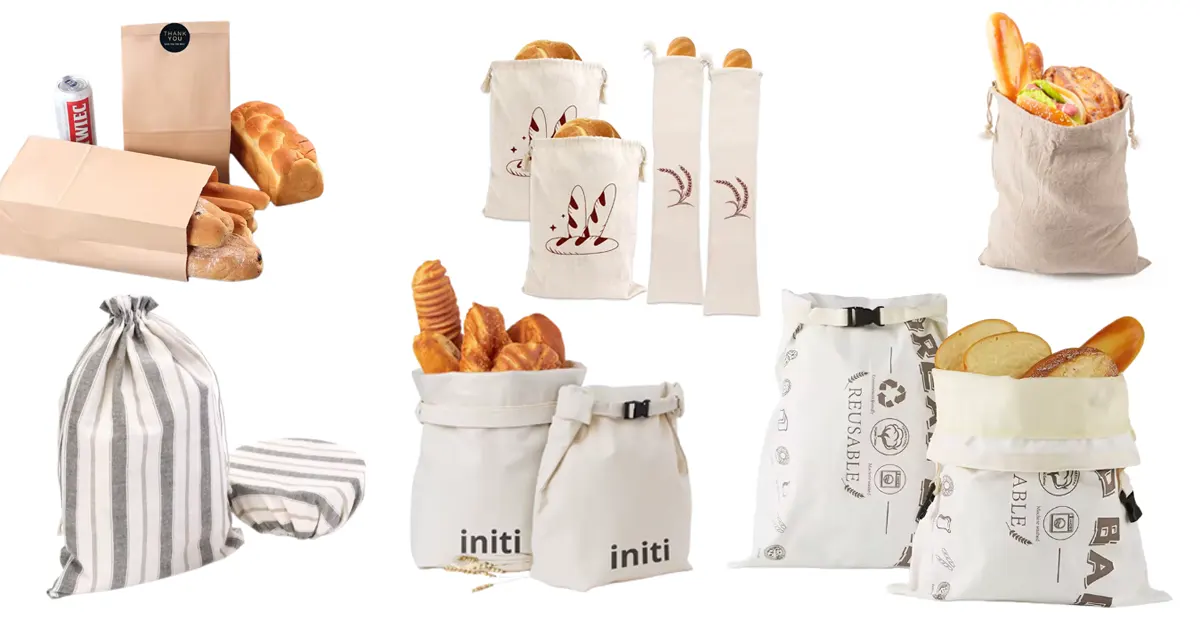
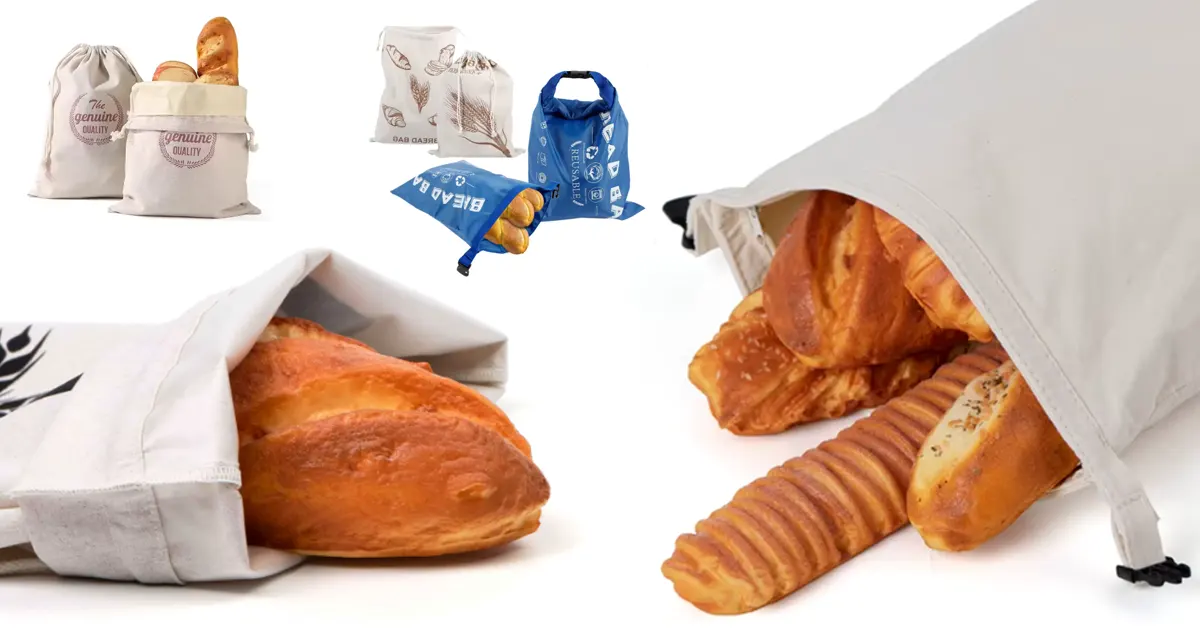
- Linen bags are good for crusty breads. They let air move around, so bread does not get soggy or moldy.
- Measure your bread before you buy bags. This makes sure the bag fits well and stops bread from going stale or being wasted.
- Think about using eco-friendly bags like cloth or biodegradable ones. These help the environment.
- Use zip locks if you want to store bread for a long time. They keep bread fresh and stop freezer burn.
- Buying bread bags in bulk saves money. It also cuts down on packaging waste, which is good for people who bake often.
Why Bread Freshness Matters
Bread Quality and Shelf Life
You probably know that nothing beats the taste of fresh bread. When you use the right bread packaging, you protect the quality and extend shelf life. If you leave bread unpackaged, it dries out fast. Take a look at this table to see how storage affects moisture loss:
| Storage Condition | Moisture Loss (%) | Time Period |
|---|---|---|
| Sealed Packaging | 0.85% | 6 days |
| Unpackaged | 12.4% | 1 day (summer) |
| Unpackaged | 10.25% | 1 day (winter) |
You can see that sealed packaging keeps bread moist much longer. Bread’s crust moisture rises from 15.4% to 27.3% over six days, while the inside drops from 45.1% to 37%. If you skip packaging, bread can lose moisture from 44.9% to 31.8% in just one day. Experts say temperature matters as much as moisture. If you want to focus on freshness, keep bread cool and sealed.
Fresh bread usually lasts two to three days with proper storage. Plastic bags can help extend shelf life, but they may trap moisture and cause mold. Paper bags work well for short-term storage and keep the crust crisp. Linen bags let bread breathe and help maintain quality for crusty loaves.
Preventing Spoilage and Waste
Spoilage wastes bread and money. Mold and bacteria love moist environments. If you use bread packaging that traps too much moisture, you risk contamination. Many people want cleaner labels and fewer preservatives, but this can make bread spoil faster. You need to follow best practices for storing bread to avoid waste.
Bread spoilage happens because of microbiological agents like molds and Bacillus species. These thrive in high moisture and low acidity. If you store bread in a warm, damp place, you invite contamination. Home bakers and bakeries both need to watch for these risks. Choosing the right bag and storage method helps you keep bread safe and reduce waste.
Health and Safety
You want bread that tastes good and keeps you healthy. Improper storage can lead to contamination. Uncooked flour and raw eggs may contain germs that cause food poisoning. If you eat raw dough, you risk getting sick from E. coli or Salmonella. Most flour is raw and hasn’t been treated to kill germs.
You should always store bread in clean, dry bags. Avoid tasting raw dough. Keep bread away from sources of contamination. Good storage protects your health and keeps bread safe for everyone.
Tip: Always wash your hands before handling bread and use clean bread bags to prevent contamination.
Freshness matters for home bakers and bakeries. If you follow best practices for storing bread, you protect quality, extend shelf life, and keep your bread safe.
Bread Bag Materials Guide
When you want to keep your bread fresh, you need to choose the right material for your bread bags. Each type of bread bag has its own strengths and weaknesses. Let’s break down your main options so you can make the best choice for your bread.
Plastic Bread Bags
Plastic bread bags are everywhere. You see them in grocery stores, bakeries, and even at home. They are popular for a reason, but they also have some drawbacks.
Pros
- Plastic bread bags seal in moisture. This helps keep your bread soft and prevents it from drying out too quickly.
- They protect bread from outside humidity and keep the crust crisp for longer.
- You can easily seal these bags with a twist tie or clip, which makes them practical for daily use.
- Plastic bread bags are cost-effective. Many bakeries and homes use them because they are affordable and easy to find.
- These bags are durable and don’t tear easily, so your bread stays safe during transport.
Cons
- Plastic bread bags trap moisture inside. This can make your bread soggy and speed up mold growth.
- Most plastic bread bags are not biodegradable. They add to pollution and can harm the environment.
- Microplastics from these bags can get into food and nature, causing health and environmental problems.
- Burning plastic releases toxic compounds into the air, which is dangerous for people and animals.
Here’s a quick look at how plastic, paper, and linen bread bags compare:
| Type of Bag | Breathability | Moisture Retention | Environmental Impact |
|---|---|---|---|
| Plastic Bags | Reduced | Traps moisture, leading to mold growth | Non-biodegradable, contributes to pollution |
| Paper Bags | Moderate | Allows bread to dry out quickly | Biodegradable, but not reusable |
| Linen Bags | Breathable | Promotes moisture evaporation, prevents mold | Made from sustainable materials, reduces impact |
Tip: If you want to keep bread soft for a few days, plastic bread bags work well. If you care about sustainability, you might want to look at other options.
Paper Bread Bags
Paper bread bags are another common choice. You often see them in artisan bakeries or when you buy a fresh baguette.
Pros
- Paper bread bags let your bread breathe. This helps keep the crust crunchy and stops it from getting soggy.
- They are biodegradable, so they break down naturally and are better for the environment than plastic.
- Paper bread bags are easy to write on or label, which is helpful if you bake different types of bread at home.
Cons
- Paper bread bags do not keep bread soft for long. Bread dries out quickly because air can get in and out.
- They are not as strong as plastic. If you carry heavy or large loaves, the bag might tear.
- Paper bread bags are not good for freezing bread. They do not protect against freezer burn.
If you want to keep your bread crusty for a short time, paper bread bags are a good choice. But if you need to store bread for more than a day or two, you might want to use another type of bread bag.
Linen and Natural Bread Bags
Linen and other natural fiber bread bags are becoming more popular. Many home bakers and bakeries use them for their unique benefits.
Breathability Benefits
Linen bread bags allow air to flow around your bread. This helps keep the crust crisp and the inside soft. Unlike plastic, linen does not trap moisture. Instead, it lets moisture escape, which prevents mold and keeps your bread tasting fresh. Linen is made from sustainable materials, so it is a great choice if you care about the environment.
Best Uses
You should use linen bread bags for crusty breads like sourdough, baguettes, or artisan loaves. These breads need to breathe to keep their texture. Linen bread bags also work well if you want to avoid plastic and focus on sustainability. They help reduce moisture and spoilage, so your bread lasts longer without getting moldy.
Note: If you want to store bread for a long time, you can wrap it in a linen bread bag and then place it in a food-safe bread bag or airtight container for extra protection.
When you choose the right material for your bread packaging, you help your bread stay fresh and tasty. Think about your needs and try different options to see what works best for you.
Eco-Friendly and Composite Options
Sustainability
You may want to help the planet. Many people now pick eco-friendly packaging for bread. There are several choices that cut down on waste and protect nature. Some bags break down on their own. Others use plants instead of plastic.
Here’s a table that shows popular eco-friendly and composite bread bag materials:
| Material Type | Features | Use Case |
|---|---|---|
| Paper bread bags | Biodegradable, good for short-term storage | Packaging European breads, showing bread |
| Biodegradable plastics | Good for the environment, includes PLA and starch | Popular because they help nature |
| Moisture-proof bags | Moisture-proof, good for long-term storage | Packing bread for long trips |
| Vacuum bags | Keeps bread fresh by stopping oxidation | Storing whole wheat and multi-grain bread |
| Bags with vents | Stops bread from getting soft from moisture | Packing freshly baked bread |
| Frozen bread bags | Keeps bread fresh in cold places | Home frozen storage or cold chain transportation |
Each material has its own benefits. Paper bags are good for short use and break down fast. Biodegradable plastics use plants like corn or starch. They do not stay in landfills for a long time. Some bags have vents or moisture-proof layers. These keep bread fresh when you travel or freeze it.
Tip: If you want to help the environment, pick bags that say compostable or made from renewable resources.
When to Choose
You may wonder when to use these eco-friendly and composite bags. If you bake bread at home and want to skip plastic, try paper or biodegradable bags for daily use. These are good for crusty loaves and rolls. If you need to keep bread fresh for a long time, moisture-proof or vacuum bags work well without regular plastic.
For bakeries, eco-friendly packaging shows customers you care about the planet. You can use bags with vents for fresh bread. Frozen bread bags are good for cold storage. These choices help you match your storage needs and your values.
Note: Always check if your local recycling or composting program takes the bags you pick. Not all biodegradable bags break down everywhere.
Picking the right bread bag means thinking about how you store bread and what matters most to you. With so many choices, you can keep bread fresh and help the planet.
Bread Bag Size Guide
Measuring Your Bread
Getting the right bread bag starts with measuring your bread. If you want your bread to stay fresh and avoid squishing, you need to know its size. Here’s a simple way to measure your loaf:
- Measure the width at the widest part of your bread.
- Check the height by finding the tallest point of the loaf.
- Look at the depth or thickness of the bread.
- Add 1–2 inches to each measurement. This extra space makes it easy to slide your bread in and seal the bag.
Tip: Always use a ruler or measuring tape for the most accurate results. If you bake at home, write down your favorite loaf’s size so you can quickly select the proper size next time.
Choosing the Right Fit
You might think a bigger bag is always better, but that’s not true for bread. Picking the right bread bag size helps keep your bread fresh and tasty. If you use a bag that’s too large, you leave extra air inside. This can cause problems:
- Bread gets stale faster because air makes the starch in bread dry out and harden.
- Mold grows more easily when there’s extra air and moisture. Mold spores love a moist environment and can sneak into your bread if you don’t seal it well.
If you want to support efficient storage, choose a bag that fits your bread closely but doesn’t squeeze it. A snug fit protects the crust and keeps out too much air. You also make sealing easier, which helps your bread last longer.
Sizing for Bakery Bread Bags
Bakery bread bags come in different sizes to fit all kinds of bread. If you run a bakery or just love baking at home, knowing the standard sizes helps you pick the best option. Here’s a table to guide you:
| Size | Width (inches) | Typical Capacity |
|---|---|---|
| Small | 4-6 | Rolls, bagels, small loaves, individual servings |
| Medium | 7-10 | Standard sandwich loaves, most artisan breads, baguette portions |
| Large | 11-14 | Large artisan loaves, whole baguettes, multiple items |
You can find bakery bread bags for every need. Small bags work for rolls and bagels. Medium bags fit most sandwich loaves and artisan breads. Large bags hold big loaves or several items at once. If you want to keep your bread fresh and make storage easy, always match your bread to the right bag size.
Note: If you sell bread or give it as a gift, using the right size bag looks more professional and keeps your bread in top shape.
Choosing the right bread bag size is key to freshness and quality. Measure your bread, pick a bag that fits, and you’ll enjoy better bread every time.
Multi-Loaf and Specialty Sizes
Sometimes, one loaf just isn’t enough. Maybe you bake for a big family, or you run a bakery that sells bread in bulk. You might even love making specialty breads like long baguettes, round boules, or braided challah. In these cases, standard bread bags just won’t cut it. You need bags that fit your unique loaves and keep them fresh.
Multi-loaf bread bags are perfect when you want to store or transport more than one loaf at a time. These bags come in larger sizes and can handle two or three sandwich loaves, several rolls, or a mix of different breads. You save time and space by using one bag for multiple items. This works great for bake sales, family gatherings, or when you freeze bread in batches.
Specialty sizes help you protect breads that don’t fit the usual shape. For example:
- Baguette bags are long and narrow. They keep your baguettes from getting squished or stale.
- Boules and round loaves need wider, sometimes taller bags. These bags stop the crust from cracking or the loaf from losing its shape.
- Challah and braided breads often need extra length and width. Specialty bags keep the braids looking beautiful and fresh.
Here’s a quick table to help you match your bread to the right bag size:
| Bread Type | Recommended Bag Size (inches) | Notes |
|---|---|---|
| 2-3 Sandwich Loaves | 14 x 18 or larger | Great for freezing or sharing |
| Baguette | 5 x 24 or 6 x 28 | Long and narrow for classic baguettes |
| Boule/Round Loaf | 12 x 16 or 14 x 18 | Wide and tall for round shapes |
| Challah/Braided Loaf | 8 x 24 or 10 x 28 | Extra length for braids |
| Rolls/Buns | 10 x 14 or 12 x 16 | Holds a dozen or more |
Tip: Always measure your bread before you buy bags. Specialty breads can surprise you with their size!
If you sell bread or give it as a gift, using the right bread bag shows you care about quality. It keeps your bread looking and tasting its best. You also avoid waste because you don’t have to squeeze bread into bags that are too small or use several bags for one order.
Multi-loaf and specialty sizes make bread storage simple and smart. You get more flexibility, less mess, and fresher bread every time.
Bread Bag Closures and Freshness
Twist Ties and Clips
You probably see twist ties and clips on bread bags every day. These closures are simple and easy to use. You just twist the tie or snap the clip to keep your bread sealed. Twist ties are cost-effective and work well for quick storage. Clips give you a stronger seal and are reusable, so you can use them again and again.
Here’s a quick table to help you compare how twist ties, clips, and zip locks work for bread storage:
| Closure Type | Ease of Use | Resealability |
|---|---|---|
| Twist Tie | Cost-effective and simple to use | May not provide a strong seal |
| Clip | Strong and secure seal | Reusable and adjustable |
| Zip Lock | Allows repeated access, maintains seal integrity | Ideal for long-term freshness |
Twist ties are great if you want to grab a slice and reseal the bag quickly. Clips are perfect when you need a tighter seal, especially for larger loaves. Both options help you keep air out and protect your bread, but they may not always give you the strongest seal.
Tip: If you want to keep your bread soft for a few days, use a clip for a tighter seal. Twist ties work well for short-term storage.
Zip Locks and Resealables
Zip locks and resealable closures take bread bags to the next level. You just press the seal together, and your bread stays protected. Zip locks let you open and close the bag many times without losing the seal. This makes them ideal for maintaining freshness, especially if you eat bread slowly or store it for longer periods.
You get repeated access to your bread without worrying about air sneaking in. Zip locks are perfect for sandwich loaves, rolls, or any bread you want to keep fresh for more than a day. They also work well for freezing bread because the seal stays strong.
Innovations like slider systems, such as the Fresh-Lock mini Slider, make resealing even easier. You just slide the closure across the bag, and it locks tight. These systems help you keep your bread fresh and make storage more convenient.
Note: Zip locks are a smart choice if you want to store bread for a week or freeze it. They help you avoid stale bread and mold.
Heat Seals
Heat seals offer the strongest closure for bread bags. You use a special machine to seal the bag shut with heat. This creates an airtight barrier that keeps your bread safe from moisture and air. Heat seals are common in bakeries and for commercial bread packaging.
If you want to store bread for a long time or ship it, heat seals are the best option. They lock in freshness and prevent contamination. You can’t reseal a heat-sealed bag once you open it, so it works best for bread you plan to use all at once.
Some bread bags use active barrier films combined with modified-atmosphere packaging. This technology extends shelf life and improves bread quality. You get bread that stays fresh longer and tastes better.
Callout: If you bake bread for sale or need to keep it fresh during transport, heat seals are your best friend.
Choosing the right closure helps you protect your bread and enjoy it at its best. Whether you use twist ties, clips, zip locks, or heat seals, you can find a solution that fits your needs and keeps your bread fresh.
Fold-Over and Adhesive
Fold-over and adhesive closures give you a simple way to seal your bread bags. You might see these in bakeries or when you buy fresh bread at a market. They work by folding the open end of the bag over itself. Sometimes, you use a sticker or a strip of tape to keep the fold in place. Other times, the bag has a built-in adhesive strip that you press down to seal.
You don’t need any special tools for these closures. You just fold and press. This makes them perfect for busy mornings or when you want to pack bread quickly. You can use them for both paper and plastic bread bags.
Let’s look at the main benefits:
- Easy to use: You don’t have to fumble with ties or clips. Just fold and go.
- Quick access: You can open and close the bag in seconds. This helps when you want to grab a slice fast.
- No extra parts: You don’t need to keep track of twist ties or clips. Everything you need is right on the bag.
But there are some things to watch out for:
- Seal strength: Fold-over closures don’t always keep air out as well as zip locks or heat seals. Bread may dry out faster if you don’t fold tightly.
- Adhesive wear: If you open and close the bag many times, the adhesive can lose its stickiness. This means the seal might not last as long.
- Not for long-term storage: These closures work best for bread you plan to eat in a day or two. For longer storage, you might want a tighter seal.
Here’s a quick table to help you compare fold-over and adhesive closures with other types:
| Closure Type | Best For | Resealability | Seal Strength | Convenience |
|---|---|---|---|---|
| Fold-Over/Adhesive | Daily use, quick access | Moderate | Moderate | High |
| Twist Tie/Clip | Short-term storage | High | Moderate | High |
| Zip Lock | Longer freshness | High | Strong | Moderate |
| Heat Seal | Shipping, long-term | None | Very Strong | Low |
Tip: If you want to keep crusty bread fresh for a day, fold-over or adhesive closures work great. For soft sandwich bread, try folding the bag tightly and pressing the adhesive down to keep air out.
You can use fold-over and adhesive closures for rolls, baguettes, or artisan loaves. They look neat and professional, which is nice if you give bread as a gift or sell it at a market. If you want a quick, easy way to seal your bread, give these closures a try. You’ll find they make storing and serving bread simple and stress-free.
Features of the Best Bread Bags
Transparency and Branding
Clear bread bags help people see your bread. Customers like to look at the crust and color. If you own a bakery, clear bags show off your best loaves. This can help you get more attention from shoppers. Branding is also important for your bread bags. You can put your logo or bakery name on the bag. Some bakeries add a fun slogan too. These things make your bread easy to remember. Good designs and nice printing make your bread look special. When customers see your brand often, they trust you more and come back.
Tip: Use bread bags with clear windows and strong branding. People like seeing fresh bread and remembering your bakery.
Durability and Tear Resistance
Bread bags should keep your bread safe from damage. You need strong bags if you move bread or store it for days. Thick bags stop loaves from getting squished or torn. Bags that are too thin can rip easily. Pick thicker bags for better protection and to keep bread moist. Here’s a table that shows what people care about most:
| Feature | Description |
|---|---|
| Material Type | Cotton lets bread breathe, LDPE keeps out moisture |
| Sealing Mechanism | Twist ties, zippers, and drawstrings change how easy bags are to use |
| Size and Capacity | Check bag size to fit your bread |
| Thickness (Gauge) | Thicker bags last longer; thin bags tear fast |
| Breathability | Crusty bread needs air; soft bread needs moisture barriers |
| Sustainability Claims | Look for compostable certifications like BPI |
Home bakers need bags that do not rip when grabbing bread. Bakeries want strong bags so customers are happy and do not return damaged bread.
Moisture and Air Control
Bread stays fresh when you control moisture and air. Good bread bags let air in or keep it out, depending on the bread. Crusty bread needs bags that let air flow. This keeps the crust crunchy and stops sogginess. Soft bread needs bags that block moisture to stay soft. Closures like twist ties and zip locks help keep bread fresh. The right bag size also matters. If the bag fits well, you keep out extra air and moisture.
Note: The bag’s material and thickness affect how well it keeps out moisture. Always check these before you buy.
Picking bread bags with the right features keeps bread safe and looking good. Bags with clear windows, branding, strength, and moisture control help both home bakers and bakeries.
Custom Bakery Bread Bags
You want your bread to stand out. Custom bakery bread bags help you do just that. These bags let you show off your brand, protect your bread, and make your products look professional. You can pick the size, material, and design that fits your needs. If you run a bakery or sell bread at markets, custom bags give you an edge.
You can add your logo, bakery name, or even a fun message. Customers remember your bread when they see your brand. Custom printing makes your bread bags unique. You can choose clear windows so people see the crust and color. Some bags have special shapes for baguettes, boules, or rolls. You can match the bag to the bread for a perfect fit.
Here are some features you might want in custom bakery bread bags:
- Your logo or bakery name printed on the bag
- Clear windows to show off the bread
- Special sizes for different types of loaves
- Strong materials to protect bread during transport
- Eco-friendly options for customers who care about the planet
Tip: Custom bags make your bread look more appealing. People trust brands that pay attention to details.
You can also pick the closure that works best for you. Some bags use twist ties, zip locks, or adhesive strips. Others have handles for easy carrying. You can ask for moisture control features if you want to keep bread fresh longer. Custom bakery bread bags help you meet your customers’ needs and show you care about quality.
Let’s look at a table that shows what you can customize:
| Feature | Options Available | Why It Matters |
|---|---|---|
| Printing | Logo, name, slogan, instructions | Builds brand recognition |
| Window | Clear, shaped, full, partial | Lets customers see the bread |
| Size | Small, medium, large, specialty | Fits all bread types |
| Material | Plastic, paper, linen, eco-friendly | Matches bread and values |
| Closure | Twist tie, zip lock, adhesive | Keeps bread fresh and secure |
| Handle | With or without | Makes carrying easier |
You can order custom bakery bread bags in bulk. This saves money and keeps your packaging consistent. If you want to try new designs, you can ask for samples before you buy a large batch. Custom bags help you build your brand and keep your bread safe.
Note: Custom bags are not just for big bakeries. Home bakers and small shops can use them too. You can make your bread look special and show your customers you care.
Custom bakery bread bags add value to your bread. You get better protection, stronger branding, and happier customers. If you want your bread to stand out, custom bags are a smart choice.
Sustainability and Cost of Bread Bags
Eco-Friendly Choices
You may want to help the planet. When you pick bread bags, you can choose ones that cut down on waste. Many people look for bags that are recyclable, biodegradable, or reusable. These choices are better for the environment.
Here are some common eco-friendly bread bag options:
| Bag Type | Characteristics | Popularity Reason |
|---|---|---|
| Plastic Bakery Bags | Affordable, strong, flexible, good barrier | Used a lot but not good for nature |
| Paper Bakery Bags | Biodegradable, recyclable, easy to decorate | Liked by people who care about the earth |
| Cloth Bakery Bags | Reusable, looks nice, washable | Matches what many people want for sustainability |
Paper bakery bags are special because they break down and can be recycled. You can put them in your recycling bin or compost pile. Cloth bakery bags are also a smart choice. You can wash them and use them again, so you make less trash. If you want to pick the best option, think about how often you bake, how you store bread, and what matters most to you.
Tip: If you want to help the earth, try using cloth or paper bags for your bread.
Cost Comparison
You might ask if eco-friendly bags cost more money. The price depends on the bag you pick. Plastic bakery bags are the cheapest. They are easy to make and buy. Paper bakery bags cost a bit more, but they are better for the planet. Cloth bakery bags cost the most at first, but you can use them many times.
Here’s a simple list to compare:
- Plastic bags: Cheapest, not recycled in most places.
- Paper bags: Middle price, can be recycled and break down.
- Cloth bags: Most expensive, but you can reuse and recycle them.
If you bake bread a lot, cloth bags can save money over time. You buy them once and use them for years. Paper bags are good if you want a balance between price and helping the earth. Plastic bags are best if you need something cheap and fast, but they are not good for the planet.
Reusability and Recycling
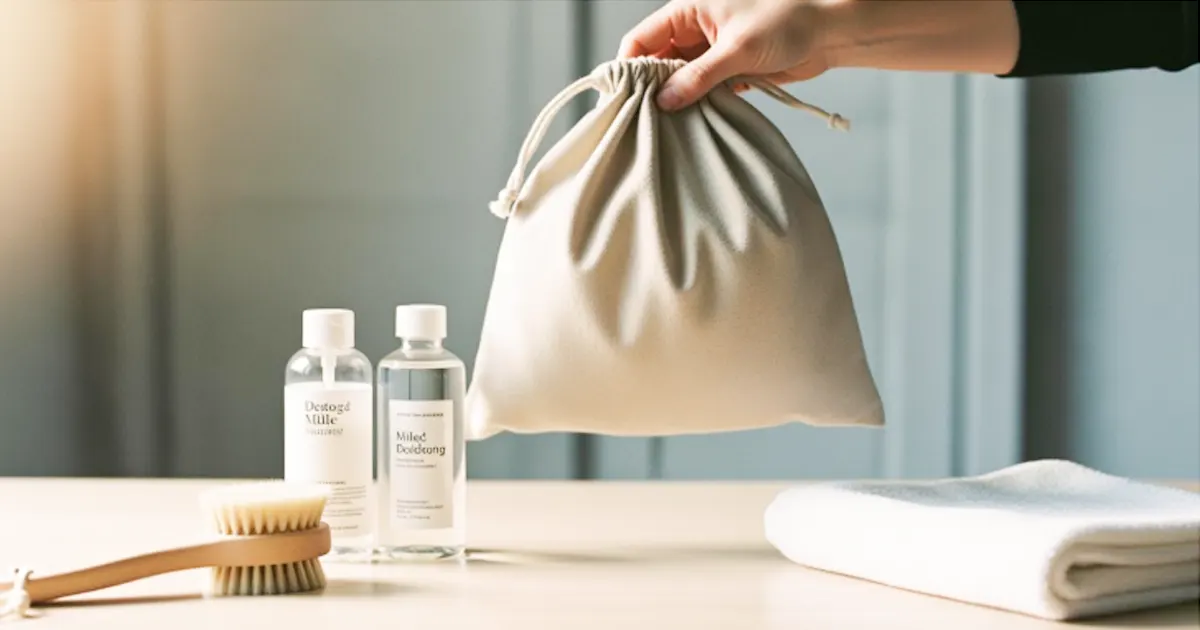
You can help a lot by picking bags that can be recycled or reused. Cloth bakery bags are easy to wash and use again. Just toss them in the laundry with your towels. Paper bakery bags can go in your recycling bin or compost. Some cities even collect them with yard waste.
Plastic bags are harder to recycle. Most curbside programs do not take them. You have to bring them to special drop-off places. If you want to recycle more, stick with paper or cloth bags.
Note: Always check your local recycling rules. Not every city takes the same things.
When you pick bread bags, think about how you can use them again or recycle them. Small choices matter. You help the planet and save money too.
Bulk and Value Packs
If you bake bread often or run a bakery, you probably want to save money and reduce waste. Buying bread bags in bulk or value packs can help you do both. When you buy larger quantities, you pay less per bag. You also cut down on packaging waste because you get fewer shipments and less extra wrapping.
Let’s look at some reasons why bulk and value packs make sense:
- Lower Cost Per Bag: You pay less for each bag when you buy a big pack. This helps your budget, especially if you bake every week.
- Less Packaging Waste: Bulk packs use less plastic or paper for wrapping. You help the planet by making less trash.
- Consistent Quality: You get the same type of bag every time. Your bread stays fresh, and you don’t have to worry about switching brands.
- Convenience: You always have bags ready. You don’t need to rush to the store or order online every time you run out.
Here’s a table that shows how buying in bulk compares to buying single packs:
| Purchase Type | Cost Per Bag | Packaging Waste | Best For |
|---|---|---|---|
| Single Pack | Highest | More | Occasional bakers |
| Bulk Pack (100+) | Lowest | Less | Bakeries, frequent bakers |
| Value Pack (20-50) | Medium | Medium | Families, home bakers |
Tip: If you bake bread for your family or sell at markets, try a value pack first. You can see if you like the bags before buying a bigger bulk pack.
You can find bulk and value packs for plastic, paper, and cloth bread bags. Some eco-friendly brands offer compostable bags in large packs. This helps you stick to your sustainability goals while saving money.
When you buy in bulk, check the storage space you have. Bread bags stay fresh longer if you keep them in a cool, dry place. If you run a bakery, you might want to order custom bulk packs with your logo or special sizes.
Here are some things to think about before buying:
- How many loaves do you bake each week?
- Do you need different sizes for rolls, baguettes, or sandwich bread?
- Are you looking for eco-friendly options?
- Can you store a big box of bags at home or in your bakery?
Buying bread bags in bulk or value packs is smart for your wallet and the planet. You get more for less, reduce waste, and make bread storage easy. If you want to balance cost and sustainability, start with a value pack and see how it works for you.
Bread Bag Reviews and Buying Tips
What to Look for in Reviews
When you want to buy bread bags, you should read reviews first. Reviews help you learn what works well and what does not. You want to know if the bags keep bread fresh and if they last. Reviewers check certain features. Here’s a table that shows what they look for:
| Criteria | Description |
|---|---|
| Material Type | Look for virgin kraft paper or high-quality recycled content labeled as food-safe. |
| Grammage (Weight) | Aim for at least 40–60 gsm; thinner bags risk tearing or becoming translucent when greasy. |
| Breathability | Micro-porosity allows moisture escape without drying out the crumb; sealed bags may inhibit this. |
| Size Dimensions | Measure typical loaf dimensions; standard sizes range from 10″ x 5″ x 3″ to 14″ x 6″ x 4″. |
| Closure Mechanism | Options include fold-over tops, adhesive strips, or twist ties based on shelf life and handling. |
| Ink & Printing | Ensure non-toxic, water-based inks are used; excessive ink may transfer flavor or raise safety concerns. |
| Sustainability Certifications | Labels like FSC, BPI, or OK Compost indicate verified environmental credentials. |
You can use this table as a checklist when you read reviews. Look for comments about how well the bags seal and if they tear. See if people say the bags keep bread fresh. If you find high ratings for durability and freshness, you are making a good choice.
Tip: Always check if bread bags have food-safe labels and eco-friendly certifications. These details are important for your health and the planet.
Common User Concerns
Some reviews talk about problems with bread bags. Here are the most common worries people have:
- People worry about health risks from plastic closures like twist ties and clips.
- Some users say older adults can swallow these small parts by accident, which is dangerous.
- Many people care about how plastic bread bags affect the environment.
- There are questions about whether other storage methods work as well as regular bread bags.
If you see these issues in reviews, think about what matters most to you. Maybe you want to avoid plastic closures or pick a more eco-friendly bag. You can also look for bread bags with safer closure designs.
Note: If you have young kids or older adults at home, choose bread bags with closures that are easy to see and hard to swallow.
Where to Buy Bread Bags
You have many places to buy bread bags. You can find them at grocery stores, kitchen supply shops, and online. Some bakeries sell their favorite bags too. If you want special features like custom printing or eco-friendly materials, check out specialty packaging suppliers.
Here are some places you can shop:
- Local grocery stores or supermarkets
- Kitchenware and baking supply stores
- Online retailers like Amazon, Etsy, or specialty packaging websites
- Direct from manufacturers if you need bulk orders or custom designs
When you shop online, always read reviews and ratings. These give you real feedback about quality, size, and freshness. If you want to try before you buy, visit a local store and feel the bags yourself.
Callout: Always compare prices, check for bulk discounts, and look for eco-friendly options. The right bread bags help keep your bread fresh and safe.
Conclusion
In conclusion, the best bread bags are the ones that match your bread type, storage habits, and packaging goals. By choosing the right material, size, closure, and features, you can better protect freshness, improve convenience, and balance sustainability with cost. For businesses that need custom bread bag solutions, working with a professional bag manufacturer is a more efficient option. As an experienced bag manufacturer, we provide OEM and ODM services with flexible customization in materials, sizes, printing, and bag structure to support different bakery and branding needs.
FAQ
What type of bread bag keeps bread fresh the longest?
Plastic bread bags keep bread soft and fresh for the longest time. If you want a crisp crust, try linen or paper bags. You can also freeze bread in plastic bags for even longer storage.
Can I reuse bread bags?
Yes, you can reuse many bread bags. Wash cloth or linen bags in the laundry. Rinse and dry plastic bags before using them again. Reusing bags helps you save money and reduce waste.
Are bread bags safe for freezing bread?
You can freeze bread in plastic or special freezer bread bags. Make sure the bag is airtight. Squeeze out extra air before sealing. This helps prevent freezer burn and keeps your bread tasting fresh.
How do I choose the right size bread bag?
Measure your bread’s width, height, and depth. Add 1–2 inches to each measurement. Pick a bag that fits snugly but does not squish your bread. A good fit keeps bread fresh and protects the crust.
What is the most eco-friendly bread bag?
Cloth and paper bread bags are the most eco-friendly. Cloth bags last a long time and you can wash them. Paper bags break down in compost or recycling. Look for bags labeled “compostable” or “recycled.”
Do bread bags prevent mold?
Bread bags help slow down mold, but they do not stop it completely. Plastic bags can trap moisture, which may cause mold. Store bread in a cool, dry place and eat it within a few days for best results.
Can I use bread bags for other baked goods?
Yes! You can use bread bags for rolls, bagels, pastries, and even cookies. Just pick the right size and closure. Bread bags keep all your baked goods fresh and easy to store.