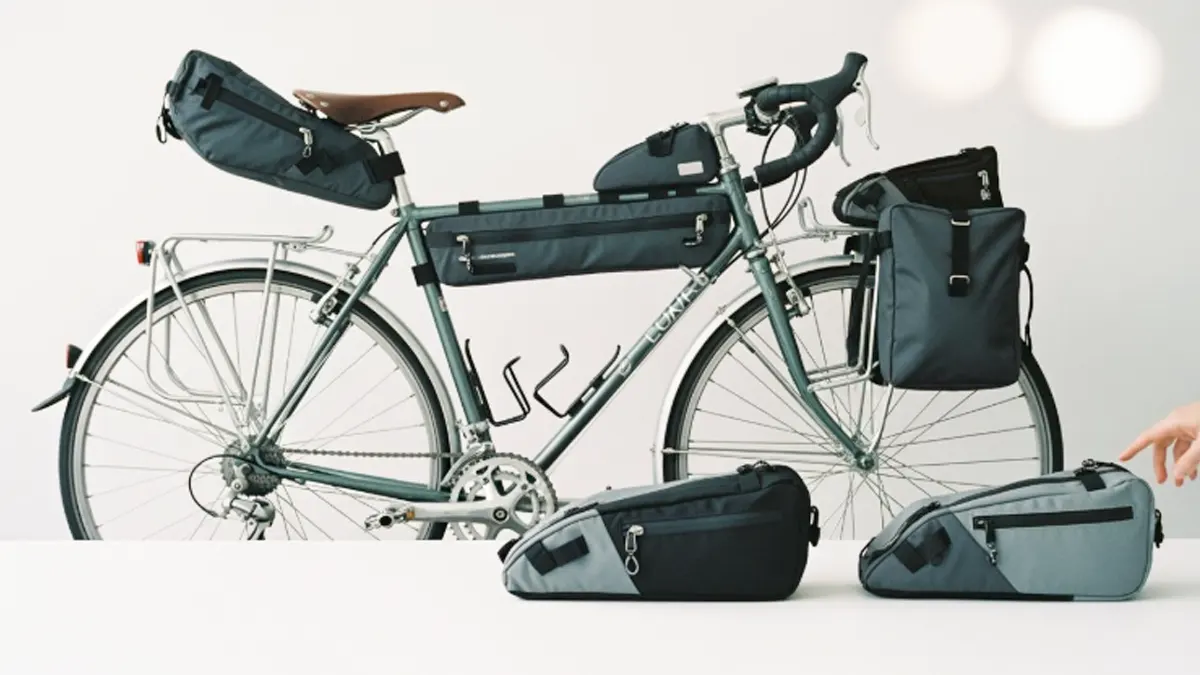
To find the best bike saddle bag, you need to look at size, mounting, compatibility, and features. A bike saddle bag sits right under your seat. It holds your tools, spare tube, and small essentials, so you never get caught unprepared. Picking the right one matters because your bike type, frame size, and what you carry all play a role. Most riders look for bags that fit well, stay secure, handle weather, and keep things organized. You want a bag that matches your ride and keeps your gear safe and easy to reach.
- Size and capacity for what you carry
- Secure mounting system
- Weather protection and durability
- Easy access and good organization
Let’s break down how you can pick a saddle bag that’s just right for you.
What Is a Bike Saddle Bag
Purpose and Benefits
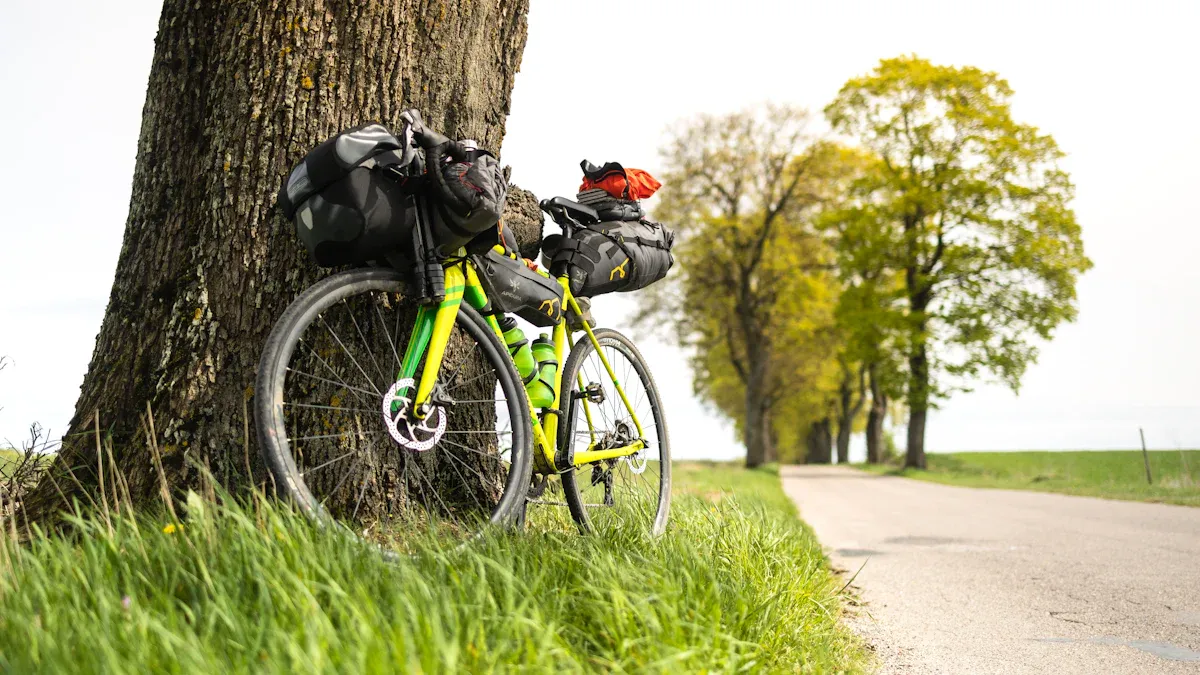
A bike saddle bag is a small storage accessory that attaches right under your bike seat. You use it to carry things you need for your ride. You might pack tools, snacks, a spare tube, or even your phone. The bike saddle bag keeps your gear safe and easy to reach. You don’t have to wear a backpack, so your back feels better and you ride more comfortably.
Here’s why a bike saddle bag matters for you and other cyclists:
- You get storage for your essentials, like repair kits or keys.
- You don’t need a backpack, which means less strain on your shoulders and back.
- Your gear stays protected from rain and dirt.
- You can grab what you need quickly, even while riding.
- You ride safer and more efficiently because everything is secure.
- You keep your hands free, so you can eat or drink without stopping.
- The bike saddle bag helps you stay organized and prepared for emergencies.
A bike saddle bag also gives you an aerodynamic advantage. It sits close to your seat, so it doesn’t slow you down. You don’t have to worry about losing items, since the bag stays attached and closed during your ride.
Tip: If you want to ride longer or explore new routes, a bike saddle bag makes it easier to bring what you need without feeling weighed down.
Common Types
You’ll find many types of bike saddle bags on the market. Each one has a different design, size, and way to attach to your bike. Some bags are tiny and hold just a tube and tire levers. Others are bigger and fit snacks, tools, and even a small jacket.
Here’s a quick look at some popular bike saddle bag options:
| Type of Saddle Bag | Size Options | Attachment Method | Water Resistance |
|---|---|---|---|
| Silca Mattone | 0.4 liters | Hook-and-loop | Water-resistant |
| Silca Mattone Grande | 0.74 liters | Hook-and-loop | Water-resistant |
| ToPeak Wedge DryBag | Multiple sizes | Quick-release | Waterproof |
| Ortlieb Micro Bag Two | 0.8 liters | Quick-release | Waterproof |
| Blackburn Grid | Multiple sizes | Hook-and-loop | Water-resistant |
When you choose a bike saddle bag, think about your riding style. Road cyclists often pick smaller bags for speed. Mountain bikers might need a bigger bag for extra gear. If you ride in wet weather, look for a waterproof bike saddle bag. Always check the storage capacity to make sure it fits what you want to carry.
- Road riders usually want a lightweight bike saddle bag.
- Gravel and mountain bikers may need more space for tools and snacks.
- Commuters often look for a bike saddle bag that holds daily essentials and keeps them dry.
A bike saddle bag is a simple way to make your ride smoother, safer, and more fun. You get to focus on the road, knowing your gear is right where you need it.
Choosing the Best Bike Saddle Bag
Size and Capacity
Essentials to Carry
When you pick the best bike saddle bag, start by thinking about what you need to bring on your ride. Every ride is different. Sometimes you only need a tire repair kit and a few essential tools. Other times, you might want to carry more. The right bike saddle bag should fit your gear without being too bulky or too small.
Here are some things you might want to pack:
- Full toolkit for quick fixes
- Two spare tubes for flats
- A small pump for air
- Rain jacket for sudden weather changes
- 14-inch laptop for work or study
- Laptop power supply
- Sandwich box for snacks
- U lock for security
- Magazine for reading breaks
- Spare clothing for comfort
You do not need to carry everything on every ride. Think about your usual route and what emergencies you might face. If you ride in the city, you may want space for a lock and lunch. If you ride long distances, you might need extra tubes and a rain jacket. The best bike saddle bag matches your needs and keeps your ride smooth.
Matching Ride Type
Your ride type changes what you carry and the volume you need. For a short road ride, you might only need a small bicycle saddle bag. It holds a tire repair kit and a few tools. For a long adventure or bikepacking seat bags, you need more capacity. You might pack food, extra clothing, and even a magazine.
If you commute, you want a bag that fits your daily items. Some bike saddle bags can even hold a laptop and a sandwich box. For mountain biking, you may want a bag that stays secure on rough trails and has enough volume for tools and snacks.
Tip: Always check the capacity of the bag before you buy. Make sure it fits your essentials but does not get in the way of your ride.
Frame and Bike Type
Your bike frame and type play a big role in choosing the right bike saddle bag. Not every bag fits every bike. Smaller frames have less space under the seat. If you ride a compact road bike, you need a smaller bag. Larger frames, like those on touring bikes or bikepacking seat bags, give you more room for a bigger bag.
Here are some things to keep in mind:
- The size and capacity of the saddle bag should match the amount of gear you plan to carry.
- Compatibility with the bike’s frame is essential, especially for smaller frames that may have limited space, which directly affects the choice of saddle bag size.
If you ride a mountain bike, check for tire clearance. Some bags hang low and might rub against the tire. Always test the fit before you head out. The best bike saddle bag feels like it belongs on your bike and does not get in the way.
Versatility and Use Cases
You want a saddle bag that works for more than one kind of ride. Emergencies can happen anytime. The right bike saddle bag helps you stay ready for anything. Some bags are very versatile and adapt to different situations.
Here are a few ways you can use your bag:
- The Road Race/Fast Group Ride Kit: Carry only the basics—lightweight tube, CO2 inflator, and levers. You stay fast and light.
- The 50-Mile+ Adventure Kit: Add a second inner tube, CO2 cartridge, tire boot, and a quick-link for chain emergencies. You get peace of mind on long rides.
- The Commuter’s Lifeline: Pack a lightweight cable lock, keys, and emergency cash. You stay prepared for city surprises.
A versatile bag lets you switch between these setups. You can pack light for a quick ride or load up for a long day. The best bike saddle bag gives you options and keeps you ready for any emergency. You never know when you will need that extra tube or a snack.
Choosing the right bike saddle bag means thinking about your ride, your bike, and your needs. Look for a bag that fits your frame, holds your gear, and adapts to any emergency. When you find the best bike saddle bag, every ride feels easier and safer.
Bike Seat Bag Mounting Systems
Choosing the right mounting system for your bike seat bag makes a big difference in how your gear rides with you. You want a setup that feels secure, easy to use, and fits your bike perfectly. Let’s look at the main options and what you should consider.
Strap-On vs. Clip-On
You’ll find two popular ways to attach a bike seat bag: strap-on and clip-on. Each system has its own strengths and works best for different riding styles.
| Feature | Strap-On System | Clip-On System |
|---|---|---|
| Convenience | Generally more reliable and quiet for rough conditions. | Very convenient for quick removal and attachment. |
| Compatibility | May be limited to specific brands. | Usually compatible with a range of bags designed for the bracket. |
| Suitability | Best for bumpy roads and gravel riding. | Ideal for city riding and commuting due to easy access and removal. |
| Potential Issues | Can rattle if not high quality or worn out. | Adds weight due to the bracket and may produce noise if not fitted correctly. |
Strap-on systems use strong Velcro or buckle straps to hold the bag under your seat. These work well for rough roads and gravel because they stay put and don’t shake loose easily. Clip-on systems use a quick-release bracket that snaps the bag into place. You can take the bag off in seconds, which is great for commuting or city rides. If you want to switch bags often or need to grab your gear quickly, a quick-release system saves you time.
Stability and Access
A stable bike seat bag keeps your ride smooth and safe. You don’t want your bag swinging or shifting while you pedal. Stability matters for balance and control, especially on corners or bumpy trails.
- A stable bag stays in place and helps you keep control of your bike.
- An unstable bag can sway or shift, making it harder to grab your gear quickly.
- Packing heavier items low and centered inside the bag improves stability and makes it easier to reach what you need.
- You’ll notice the difference between a top-heavy, poorly packed bag and a well-balanced one, especially when you start riding or turn sharply.
If you use a quick-release, make sure the bracket fits tightly and doesn’t rattle. A loose bracket can make noise and distract you. Always check the straps or clips before you ride.
Compatibility with Bike Setup
Not every mounting system fits every bike. You need to check a few things before you buy a new bike seat bag or quick-release bracket.
| Factor | Description |
|---|---|
| Saddle Rail Space | Make sure there’s enough exposed rail behind the seatpost clamp to attach the bag securely. |
| Seatpost Shape and Type | Aero or dropper posts need special bag designs for a snug fit. |
| Tire Clearance | Measure the space from saddle rails to tire to avoid rubbing, especially with larger bags. |
| Saddle and Bike-Specific Mounts | Some saddles have built-in mounts that need compatible bags for a secure fit. |
If your bike has a unique seatpost or limited space, look for a bag and quick-release system made for that setup. Always measure the space under your seat and check for tire clearance. Some larger bags hang low and might touch the tire, so test the fit before you ride.
Tip: Try attaching your bag and riding around the block before heading out on a long trip. You’ll spot any problems with fit or stability right away.
A good mounting system keeps your bike seat bag secure, easy to access, and compatible with your bike. Whether you choose a strap-on or quick-release, make sure it matches your riding style and setup.
Right Bike Saddle Bag Compatibility
Choosing a bike saddle bag that fits your bike isn’t just about style or size. You want to make sure the bag sits securely, doesn’t rub against your tire, and works with your lights or fenders. Let’s walk through a simple saddle bag compatibility check so you can ride with confidence.
Saddle Rails and Seatpost Fit
Start by looking at how the bag attaches to your saddle rails and seatpost. Not every bag fits every bike. Some bags use clamps, some use straps, and others have special systems for extra stability. You want a bag that stays put, even on bumpy roads.
Here’s a quick table showing how different bags attach:
| Product Name | Attachment System Description |
|---|---|
| Revelate Designs Spinelock 10L | Uses a Spinelock stability system with a saddle clamp and pin for a secure fit on saddle rails. |
| Revelate Designs Terrapin System 8L | Indie-Rail system cinches down on rails, stopping side-to-side sway without extra hardware. |
| Revelate Designs Stoat Seat Bag | Attaches with a single TPU strap between rails, keeping the bag stable and rattle-free. |
You can also check these features in a list:
- Spinelock system uses a pin for a tight fit.
- Indie-Rail system stops the bag from swaying.
- TPU straps keep the bag from rattling.
Before you buy, look under your saddle. Make sure there’s enough space for the attachment system. If your seatpost is a special shape, like aero or dropper, you may need a bag made for that style. Always test the fit before heading out.
Tire Clearance Issues
Tire clearance is a big part of bike saddle bag compatibility. If the bag hangs too low, it can rub against your tire. This problem happens a lot with bigger bags or smaller bike frames.
Here’s what you should do:
- Measure the space from your saddle rails to the top of your rear tire.
- Check the bag’s minimum clearance requirement from the manufacturer.
- Pick a bag that leaves enough room, even when loaded.
If you notice the bag touching your tire, try a smaller bag or adjust the mounting. You want a smooth ride without any rubbing or noise.
Rear Light and Fender Compatibility
You probably use a rear light for safety. Maybe you have a fender to keep dry. Your saddle bag should work with these accessories. Some bags, like the Bontrager Blendr, are made to fit lights and clip-on fenders perfectly. This kind of compatibility makes your setup easier.
Look for these features:
- Light mounting loops on the bag.
- Plates or clips for racks and fenders.
- Universal mounts that attach to straps or tubes.
Always check that your light isn’t blocked when the bag is full. If you use a rack or carry extra gear, make sure your light stays visible. Good saddle bag compatibility means your gear works together, keeping you safe and comfortable.
Tip: Test your setup at home before your next ride. Turn on your light, load your bag, and check for any blocked signals or rubbing.
Bike saddle bag compatibility helps you avoid surprises on the road. When you check the fit, tire clearance, and accessory mounts, you get a smoother, safer ride every time.
Bike Saddle Bags: Features and Quality
Weather Resistance
You want your bike saddle bag to keep your things dry. Rain, mud, and splashes can ruin your gear. Weather resistance is a key feature to look for. Some bags are made with waterproof materials. Others have a water-resistant coating. The best choice depends on where you ride and the weather.
Here’s a quick look at common materials and how they work:
| Material | Weather Resistance Features |
|---|---|
| Waterproof EVA hard shell | Keeps your things dry, has a rain cover, and keeps its shape. |
| Waterproof carbon composite leather | Stays dry in any weather, keeps out dirt, and works well on rough trails. |
| 150D PA ripstop material | Strong, easy to clean, and protects against rain and wind. |
If you ride in lots of rain or mud, pick a waterproof bag. You won’t worry about your phone or tools getting wet. For city rides, a water-resistant bag might be enough. Always read the bag’s description to see if it protects against water.
Tip: Pick a saddle bag with sealed seams and a rain cover. These features help keep your things safe and dry in bad weather.
Zippers and Closures
Zippers and closures help keep your gear safe and dry. Good zippers and smart closures make a big difference. You want a bag that opens easily but stays closed when you ride.
- The BOA Closure System keeps the bag tight and secure, even on bumpy roads. This makes the bag last longer.
- The Aquaguard Zipper opens off to the side. You can lay the bag flat and get to your things fast. It also keeps water out.
- Roll-top closures, like on the Ortlieb Seatpost-Bag, block rain and splashes. These bags use waterproof nylon and Cordura. They work like a mini fender to keep you clean.
- The EVOC Seat Pack Boa uses a roll-top closure too. It lets you change the size and is fully waterproof, so your gear stays dry.
When you choose a saddle bag, check how the zipper and closure work. A good closure keeps your things safe and the bag strong.
Weight and Construction
The weight and build of your bike saddle bag matter a lot. You want a bag that is light but also strong. Good construction keeps your bag from ripping or wearing out too soon.
Here’s a table showing typical weight ranges by size:
| Size Category | Weight Range (L) | Description |
|---|---|---|
| Micro | 0.3L – 0.5L | Holds just the basics for racing. |
| Small | 0.6L – 0.9L | Good for road and gravel rides, not too heavy. |
| Medium | 1.0L – 2.0L | Great for long rides, fits more stuff. |
| Large | 2.0L+ | Best for bikepacking or carrying big items. |
A micro bag is great for races. It fits a tube and levers. Small and medium bags work for most riders. They balance weight and space. Large bags are for bikepacking or long trips when you need more room.
Pick a bag with strong stitching and tough fabric. These features help your bag last longer. A light bag makes riding easier, but don’t pick one that is too weak.
Note: Always check the seams and fabric before you buy. Good construction means your saddle bag will last through rough rides and bad weather.
Reflective and Safety Elements
You want to stay safe and visible when you ride, especially in low-light conditions. A good bike saddle bag can help with that. Many bags come with reflective strips or patches. These shiny parts bounce car headlights back toward drivers, making you stand out on the road. Reflective materials work better than just wearing bright colors at night. They can shine as bright as 350 lumens when a car’s lights hit them.
Here are some ways you can boost your visibility:
- Add a bright white front light to your bike. This helps you see and lets others see you.
- Use a red rear light. Flashing modes make you even easier to spot from behind.
- Wear reflective clothing, like jackets or vests with shiny strips.
- Pick high-visibility colors, such as neon yellow or orange, for your gear.
- Attach reflectors to your pedals, shoes, and spokes. Moving parts catch drivers’ eyes.
- Look for saddle bags with reflective tabs or logos. These small details can make a big difference.
Some studies show that reflective strips on your knees and ankles help a lot. The movement draws attention, so drivers notice you sooner. You can also find saddle bags with loops for rear lights. This keeps your light high and easy to see, even if your bag is full.
Tip: Always check that your saddle bag’s reflective parts are not blocked by other gear. Test your lights and reflectors before you ride in the dark.
Internal Organization
A quality saddle bag does more than just hold your stuff. It keeps everything neat and easy to find. You don’t want to dig around for a tool when you get a flat tire. Many saddle bags have special pockets or elastic loops inside. These help you organize your gear.
Here’s what you can expect from a well-designed saddle bag:
- Separate compartments for tools, spare tubes, and patches.
- Small pockets for cash, snacks, or your phone.
- Elastic straps to hold items in place so they don’t rattle or fall out.
- Easy-to-reach layout, so you can grab what you need quickly.
Most saddle bags sit right under your seat. This spot makes it simple to reach your essentials without stopping for long. The mounting system keeps the bag secure, so it won’t bounce off or shift while you ride.
You can pack a mini pump, tire levers, and a multi-tool in one section. Keep your keys and cash in another. This way, you always know where things are. Good organization saves time and stress, especially during a roadside repair.
Note: Before you head out, check that everything fits snugly. A tidy bag means less noise and more peace of mind on every ride.
Practical Tips for Packing and Maintenance
Packing Essentials
Packing your bike saddle bag the right way helps you stay organized and ready for anything. You want to use every bit of space without overstuffing. If you pack too much, your bag can get heavy and lose its shape. Here are some tips to help you pack smart:
- Put fluids, like water bottles or energy gels, in spots you can reach quickly. This saves space inside your saddle bag for other items.
- Choose a frame bag that works well with your saddle bag. This lets you spread out your gear and keep things neat.
- Use a saddle bag that stays stable and is easy to remove. You can grab your essentials fast, even if you need something overnight.
- Pack only what you need for your ride. Carry a spare tube, tire levers, a mini pump, and a multi-tool. Add snacks or a rain jacket if you expect bad weather.
- Keep heavier items low and centered in the bag. This helps your bike stay balanced.
Tip: Before you head out, check your bag and make sure you can find everything quickly. A tidy bag means less stress during a ride.
Installing and Removing
Getting your saddle bag on and off your bike should be simple and safe. If you follow a few steps, you can avoid damage and keep your gear secure. Here’s a step-by-step guide:
- Measure your bike to make sure the saddle bag fits. Look at the space from your seat to the rear light and from the fender to the tire.
- Check for clearance between the bottom of the bag and the tire. You don’t want anything rubbing or getting damaged.
- Adjust the mounting straps before you ride. Make sure the bag sits tight and doesn’t move around.
- Use a torque wrench to tighten any bolts. Check the rack position so nothing is loose.
- Inspect the mounting hardware often. Look for signs of wear or anything that feels loose.
- Always follow the instructions from the bag’s manufacturer. This helps you avoid problems and keeps your bag working well.
If you need to remove your bag, undo the straps or clips gently. Don’t yank or pull too hard. This keeps the bag and your bike in good shape.
Cleaning and Care
Taking care of your bike saddle bag helps it last longer and keeps your gear safe. Cleaning and maintenance are easy if you do them often. Here’s a simple routine:
- Clean your bag after every ride. Use a soft, dry cloth to wipe away dust and dirt.
- For leather bags, use a leather cleaner to keep the material soft and prevent cracks.
- Condition leather bags every month. This keeps them looking good and stops them from drying out.
- Don’t let your bag get soaked. If it gets wet, pat it dry right away.
- Pay attention to seams and stitching. Clean these areas to stop moisture from building up.
- Empty your bag sometimes. Check for stains and clean the inside.
- Don’t overload your bag. Stick to the weight limits so your bag keeps its shape.
- Store your bag in a cool, dry place. Avoid direct sunlight and damp spots.
- For fabric bags, wash by hand with mild soap and water. Let them air dry away from the sun.
- Hang your bag if you can. This helps it keep its shape and stops creases.
Tip: If you see a stain, clean it right away. Quick cleaning stops damage and keeps your bag looking new.
A well-packed, clean saddle bag makes every ride smoother. You spend less time searching for gear and more time enjoying your bike.
Matching Bike Saddle Bags to Riding Style
Road Cycling
If you love speed and smooth roads, you probably ride a road bike. You want your saddle bag to be as light as possible. A minimalist design helps you go faster and keeps your bike looking sleek. Most road cyclists carry only the basics: a spare tube, tire levers, and a small multi-tool. You do not want extra weight slowing you down.
Here’s what works best for road cycling:
- Choose a small, lightweight saddle bag.
- Look for a bag with a slim profile that fits snugly under your seat.
- Pick one with easy-access zippers so you can grab your gear quickly.
A simple bag keeps your bike aerodynamic. You stay prepared for flats or quick repairs without feeling weighed down. If you ride long distances, make sure your bag can hold a little extra, like a CO2 cartridge or a patch kit.
Tip: Test your saddle bag before a big ride. Make sure it does not rattle or shift when you pedal hard.
Mountain Biking
Mountain biking takes you off-road and onto rough trails. You need a saddle bag that can handle bumps, mud, and sudden drops. A narrow seat pack works best because it stays out of the way and does not snag on branches or rocks. You want your gear to stay secure, even when the trail gets wild.
For mountain biking, look for these features:
- A tough, durable bag that resists dirt and water.
- Straps that hold tight and do not loosen on bumpy rides.
- A narrow shape that keeps the load close to your seat.
You might carry a few more tools for mountain biking, like a chain breaker or extra patches. Make sure your bag has enough room for these extras but does not hang too low. Stability matters most. You do not want your bag swinging or bouncing while you ride.
Note: Check your tire clearance before you hit the trails. A low-hanging bag can rub against your tire and cause problems.
Commuting
If you use your bike to get to work or school, you need a saddle bag that fits your daily routine. Commuting bags focus on stability and versatility. You might carry a rain jacket, lunch, or even a small lock. Some commuters use rack and dry bags for extra space and weather protection.
Here’s what to look for in a commuter saddle bag:
- A bag with enough room for your daily essentials.
- Water-resistant material to keep your things dry in any weather.
- Extra pockets for keys, cash, or a phone.
- A design that works with racks or fenders.
You want a bag that stays put during stop-and-go traffic. Quick-access features help you grab what you need fast. If you carry more gear, consider a bag that attaches to a rear rack for extra stability.
| Cycling Type | Saddle Bag Type | Key Features |
|---|---|---|
| Road Cycling | Saddlebags | Minimalist design, lightweight, suitable for long-distance rides. |
| Mountain Biking | Seat Packs | Narrow format, keeps load out of the way, ideal for off-road conditions. |
| Commuting | Rack and Dry Bag | Stability and versatility, good for daily use, can carry additional gear. |
Tip: Try packing your bag the night before. You save time in the morning and make sure you do not forget anything important.
Choosing the right saddle bag for your riding style makes every trip smoother. You stay prepared, comfortable, and ready for anything the road or trail throws at you.
Touring
If you dream about long rides across cities or even countries, you need a saddle bag that can handle touring. Touring means you spend hours or days on your bike. You carry more gear than usual. You want a bag that helps you stay organized, comfortable, and ready for anything.
Touring saddle bags stand out because they offer extra space and smart features. You might pack tools, spare tubes, snacks, a rain jacket, and even a change of clothes. Some riders add a camera, maps, or a first aid kit. You need a bag that fits all these items without making your bike hard to handle.
Here’s what you should look for in a touring saddle bag:
- Large Capacity: Pick a bag with enough room for multi-day essentials. Most touring bags hold 2 liters or more.
- Weather Protection: Choose waterproof materials and sealed zippers. You never know when you’ll hit rain or mud.
- Strong Mounting System: Make sure the bag stays secure, even on rough roads. Look for reinforced straps or brackets.
- Easy Access: Find a bag with wide openings or roll-top closures. You want to grab your gear quickly at rest stops.
- Internal Organization: Separate pockets help you keep tools, snacks, and clothes sorted.
Tip: Test your bag before your trip. Pack everything you plan to bring and take a short ride. You’ll see if the bag feels balanced and easy to use.
Here’s a table to help you compare touring saddle bag features:
| Feature | Why It Matters for Touring |
|---|---|
| Large Capacity | Holds clothes, food, and repair kits |
| Waterproof Design | Protects gear from rain and splashes |
| Reinforced Mounting | Keeps bag stable on long journeys |
| Wide Opening | Lets you reach items quickly |
| Multiple Pockets | Keeps gear organized and easy to find |
When you tour, you might ride through different weather and road conditions. A good saddle bag helps you adapt. You stay dry, organized, and ready for surprises. You don’t want to stop and dig through a messy bag. You want to find what you need fast.
Touring bags often work with racks or other storage options. If you use panniers or a frame bag, make sure your saddle bag fits well and doesn’t get in the way. Check for tire clearance and space for rear lights.
If you plan a big adventure, invest in a high-quality touring saddle bag. You’ll enjoy your ride more and worry less about your gear.
Common Mistakes to Avoid
Wrong Size or Fit
Picking the wrong size or fit for your bike saddle bag can cause a lot of trouble. You might think any bag will work, but small mistakes can lead to big problems. Many riders forget to measure the space under their seat. If you skip this step, your bag might not fit at all. Sometimes, people ignore the angle of the stem, which changes how much room you have. You need to check the distance from your saddle rails to the rear tire. If the bag hangs too low, it can rub against the tire and wear out fast.
Here are some common mistakes you should watch out for:
- Not measuring from the right points, like starting at the ends of the handlebars.
- Mixing up diameter and length. Diameter is thickness, length is width.
- Forgetting to re-check measurements before buying.
- Choosing a bag that blocks your rear light or reflectors.
Always double-check your measurements. Make sure your bag fits snugly and does not get in the way of your ride.
Ignoring Compatibility
Compatibility matters more than you might think. If your saddle bag does not match your bike’s setup, you could face problems every time you ride. Some bikes have special seatposts, like aero or dropper posts. These need bags made just for them. You also need enough exposed rail behind the seatpost clamp to attach the bag securely. If you skip this check, your bag might not stay put.
Follow these steps to avoid compatibility issues:
- Check for enough saddle rail space.
- Look at your seatpost shape and type.
- Measure tire clearance from the saddle rails to the top of the rear tire.
- See if your saddle has special mounting points that need specific bags.
If you match your bag to your bike, you get a smoother, safer ride.
Overlooking Features
It’s easy to miss important features when you shop for a saddle bag. You might focus on price or looks, but forget what really matters. The right features make your bag easier to use and help protect your gear.
Here are some features people often overlook:
- Capacity and Size: If your bag is too big, it can swing and make your bike unstable.
- Mounting Systems: Velcro straps and quick-release systems affect how easy it is to attach and remove your bag.
- Materials and Weatherproofing: Waterproof bags keep your things dry in rain or mud.
- Accessibility and Design: Wide openings and smart internal organization help you find your gear fast.
Tip: Before you buy, think about what you need most. A bag with the right features will make every ride easier and more enjoyable.
Skipping Maintenance
You might think your bike saddle bag will last forever if you just leave it alone. That’s not true. Skipping regular maintenance can cause a lot of problems. Your bag works hard every time you ride. Dirt, water, and grime build up fast. If you ignore cleaning, your bag starts to wear out. Zippers get stuck. Fabric loses strength. You end up with a bag that doesn’t protect your gear.
Let’s look at what happens when you skip maintenance:
- Zippers can corrode and become hard to open.
- Dirt and mud can damage the fabric and seams.
- The bag may lose its shape and start to sag.
- Small tears or holes can get bigger if you don’t fix them.
- You might face safety risks if the bag falls off or blocks your rear light.
Regular cleaning helps your bag stay strong. You keep dirt and moisture away. Wipe down the outside after every ride. Use a soft cloth for the zippers. Lubricate them once in a while. This keeps them smooth and easy to use. If you spot a stain, clean it right away. Quick action stops damage before it gets worse.
Here’s a simple checklist to keep your saddle bag in top shape:
| Maintenance Task | How Often | Why It Matters |
|---|---|---|
| Wipe exterior | After each ride | Removes dirt and moisture |
| Clean zippers | Weekly | Prevents corrosion and sticking |
| Check for tears | Monthly | Stops small damage from spreading |
| Lubricate zippers | Monthly | Keeps them working smoothly |
| Inspect mounting straps | Monthly | Ensures bag stays secure |
Tip: Set a reminder on your phone for monthly checks. You’ll never forget to look after your gear.
If you skip these steps, you risk decreased performance. Your bag might not hold your things safely. You could face safety hazards if the bag breaks or falls off during a ride. Replacing a damaged bag costs more than taking care of the one you have. Timely repairs and cleaning help your bag last longer and work better.
Don’t wait until something goes wrong. Make maintenance part of your routine. Your saddle bag will thank you, and you’ll enjoy every ride with peace of mind.
Choosing the best bike saddle bag comes down to four things: size, mounting, compatibility, and features. You should match your bag to your bike and riding style. A well-fitted, high-quality saddle bag keeps your gear safe and makes every ride easier.
- Think about what you carry.
- Check how the bag mounts.
- Make sure it fits your bike.
- Look for smart features.
We’re a bike saddle bag manufacturer. Need something custom? Reach out and let us help you build your perfect bag!
FAQ
How do I know what size saddle bag I need?
Think about what you want to carry. Lay out your essentials, like a tube, tools, and snacks. Check the bag’s capacity in liters. Pick a bag that fits your gear without extra bulk.
Can I use any saddle bag on my bike?
Most saddle bags fit standard bikes. If you have an aero or dropper seatpost, look for bags made for those shapes. Always check the mounting system before you buy.
Will a saddle bag affect my riding speed?
A small, well-fitted saddle bag will not slow you down. It sits close to your seat and keeps your bike aerodynamic. You stay fast and prepared for emergencies.
How do I keep my saddle bag from getting wet?
Choose a bag with waterproof material or a rain cover. Seal zippers help too. If you ride in heavy rain, double-check that your bag protects your gear.
Can I attach a rear light with a saddle bag?
Yes! Many saddle bags have loops or tabs for rear lights. Make sure your light stays visible when the bag is full. Test your setup before riding at night.
What should I pack for a short ride?
Pack a spare tube, tire levers, a mini pump, and a multi-tool. Add your keys and some cash. You do not need much for a quick trip.
How do I clean my bike saddle bag?
Wipe the outside with a damp cloth after each ride. For tough dirt, use mild soap and water. Let the bag air dry. Check zippers and straps for wear.
Is it easy to move my saddle bag between bikes?
Yes, if you use a strap-on or quick-release system. Just undo the straps or clip, then attach the bag to your other bike. It takes only a minute.