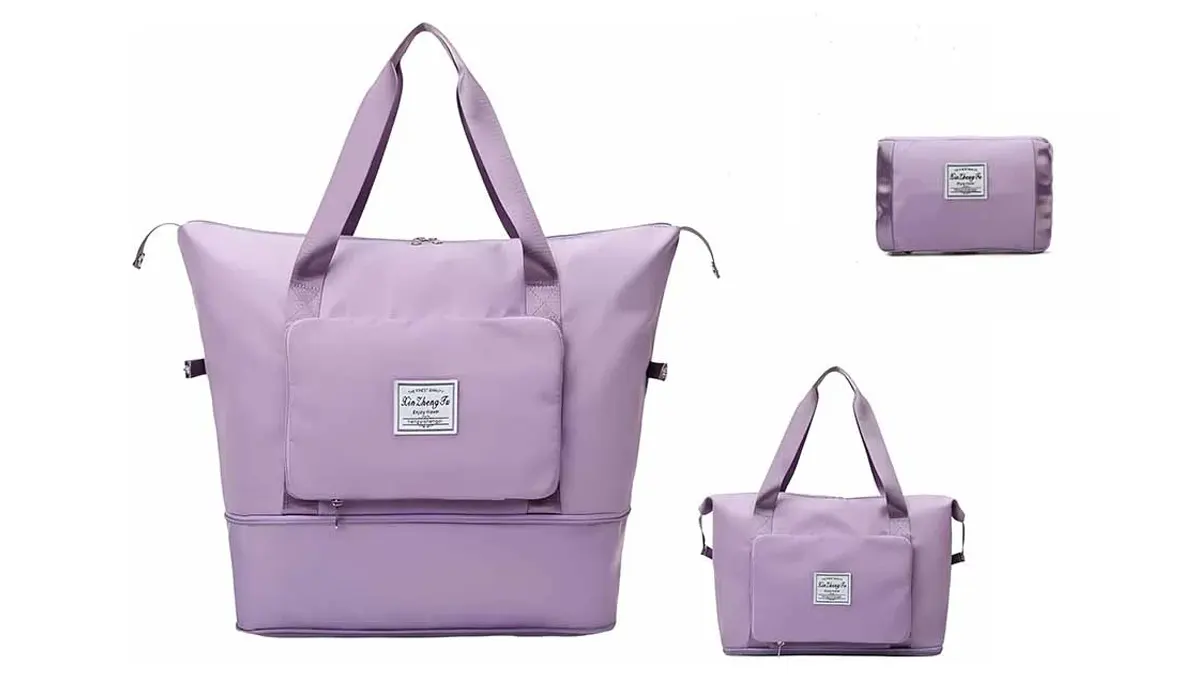
You’re standing in your room with your bag open, wondering about the beach blanket vs beach towel dilemma: which one should you pack for your ideal beach day? The choice between a beach blanket vs beach towel really depends on your needs. A beach blanket offers more space to spread out and is perfect for sharing with friends, while a beach towel is designed to help you dry off after a swim. Many beachgoers agree that the beach blanket vs beach towel decision can make a big difference in how much you enjoy those long, sunny days by the water. Ultimately, the beach blanket vs beach towel debate comes down to comfort, absorbency, and your personal beach style.
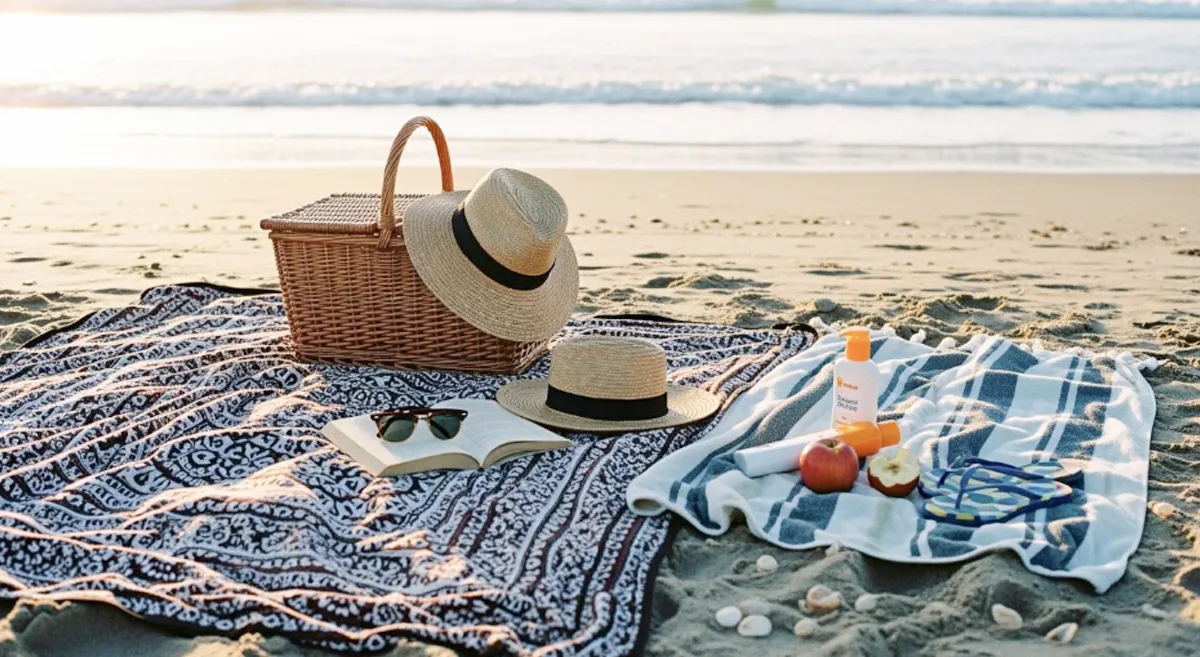
Here’s a quick look at what users say about each in the beach blanket vs beach towel comparison:
Feature Beach Blanket Beach Towel Size and Comfort Larger, more room to lounge Smaller, best for drying off Multi-Purpose Great for outdoor activities Best for drying and comfort Absorbency Less absorbent Very absorbent Plush Comfort Cozy for lounging Soft and plush for sunbathing Durability Built for frequent use May wear with use
So, when it comes to the beach blanket vs beach towel question, think about how you like to relax at the beach. Do you prefer to stretch out on a spacious blanket, or do you want something soft and absorbent to wrap around you after a swim?
Key Takeaways
- Beach blankets are bigger and good for sitting with friends.
- Beach towels are smaller and best for drying off after swimming.
- Choose a beach blanket if you want to have a picnic or play games.
- Pick a beach towel if you need to dry off fast or wrap up.
- Sand-resistant beach blankets help keep your spot clean. They are easy to shake off sand.
- Think about how heavy and easy to carry your things are. Beach blankets are usually lighter and simple to bring for group trips.
- Each item is special. Blankets give comfort and space. Towels soak up water and dry you fast.
- Buy good quality materials so they last longer. Beach towels made from cotton and blankets made from nylon or polyester are strong.
- You can find eco-friendly choices. Look for things made from organic cotton or recycled stuff to help the Earth.
- If you bring both a beach blanket and a towel, you get the best of both at the beach.
Beach Blanket vs Beach Towel Overview
Main Differences
When you think about the beach blanket vs beach towel debate, you might wonder what really sets them apart. You can spot the differences right away if you look at how people use them and what they expect from each one. Here’s a quick table to help you see the main differences:
| Feature | Beach Blankets | Beach Towels |
|---|---|---|
| Purpose | Designed for lounging and relaxation | Designed for drying off after swimming |
| Comfort | More comfortable for extended periods | Primarily for drying and wrapping |
| Sand Repellent | Often sand-repellent, easy to brush off sand | Not designed for sand resistance |
| Versatility | Can be used for various activities | Best suited for personal use |
| Easy to Transport | Lightweight with carrying options | More compact and easier to carry |
| Privacy and Shade | Can create shaded areas and offer privacy | Limited in providing shade and privacy |
| Absorbency | Less absorbent than towels | Highly absorbent for quick drying |
| Design and Patterns | Generally simpler designs | Available in a variety of colorful designs |
You can see that beach blankets focus on comfort and space. They give you a place to relax, play games, or even have a picnic. Beach towels, on the other hand, help you dry off fast and wrap up after a swim.
Uses at the Beach
You might ask yourself, “Which one should I bring for my next trip?” The answer depends on how you like to spend your time at the beach. Here are some common uses for each:
- If you want to stretch out, read a book, or share space with friends, beach blankets work best. They cover more ground and keep sand away from your snacks and gear.
- If you plan to swim, surf, or play in the water, beach towels are your go-to. They soak up water quickly and feel soft against your skin.
- Beach blankets often help you set up a “home base” for the day. You can use them for sunbathing, playing cards, or even taking a nap.
- Beach towels come in handy when you need to dry off, wrap up, or lay down for a quick rest.
Tip: Many beachgoers bring both a beach blanket and a beach towel. That way, you get the best of both worlds—comfort for lounging and absorbency for drying off.
When you compare beach blankets vs beach towels, think about your favorite beach activities. Do you love relaxing on the sand, or do you spend most of your time in the water? Your answer will help you decide which one fits your beach day style.
Size and Coverage
Beach Blanket Size
When you get ready for a day at the beach, you want something that gives you plenty of space. A beach blanket usually comes in much larger sizes than a regular towel. You can find some that measure up to 7 feet by 9 feet or even bigger. That means you can stretch out, invite friends to join you, or keep your snacks and bags off the sand. Some beach blankets even fit a whole family. You might see people using them for picnics, games, or just relaxing together. If you like to have your own little spot on the sand, a big blanket makes it easy.
Tip: Look for a blanket with corner pockets or stakes. These features help keep your blanket in place, even on windy days.
Beach Towel Size
A beach towel is smaller and easier to handle. Most towels measure about 30 inches by 60 inches. That gives you enough room to lay down or wrap yourself up after a swim. You can roll up a towel and toss it in your bag without any trouble. If you like to sunbathe or dry off quickly, a towel works best. You might notice that towels come in many colors and patterns. Some even have fun designs for kids. A towel is perfect for one person, but it does not give you much extra space.
- Standard towel size: 30″ x 60″
- Oversized towel: Up to 40″ x 70″
You can pick a towel that matches your style or stands out on a busy beach.
Space and Comfort
When you think about size and comfort, you want to match your choice to your plans. If you plan to spend hours lounging, reading, or playing cards, a large blanket gives you the most comfort. You can stretch out without worrying about getting sand everywhere. If you just need something to dry off or lay on for a short break, a towel does the job.
Some people like to bring both. You can use the blanket as your base and keep a towel handy for drying off. That way, you get the best of both worlds. Remember, the right choice depends on how you like to enjoy your beach day.
Note: If you go with a group or family, a blanket makes sharing easy. For solo trips, a towel might be all you need.
Material and Construction
Beach Blanket Materials
When you pick out beach blankets, you want something that stands up to sand, sun, and fun. Most beach blankets use materials like nylon, polyester, or a cotton blend. These fabrics feel soft but also handle rough surfaces well. You can shake off sand easily, so you spend less time brushing and more time relaxing. Some blankets dry quickly, which means you don’t have to pack a damp, heavy item at the end of your beach day. If you spill a drink or drop food, you can clean the blanket with a quick wipe or toss it in the washing machine.
Here’s a table that shows what makes these materials so practical:
| Material Property | Description |
|---|---|
| Sand-Resistant | Allows sand to easily shake off, reducing the need to brush off sand. |
| Quick-Drying | Dries rapidly to avoid dampness, making it convenient for packing. |
| Easy to Clean | Can be machine washed or wiped down, ensuring cleanliness after use. |
You’ll notice that beach blankets focus on making your time at the beach comfortable and hassle-free. If you want a blanket that lasts, look for reinforced edges or double stitching.
Beach Towel Materials
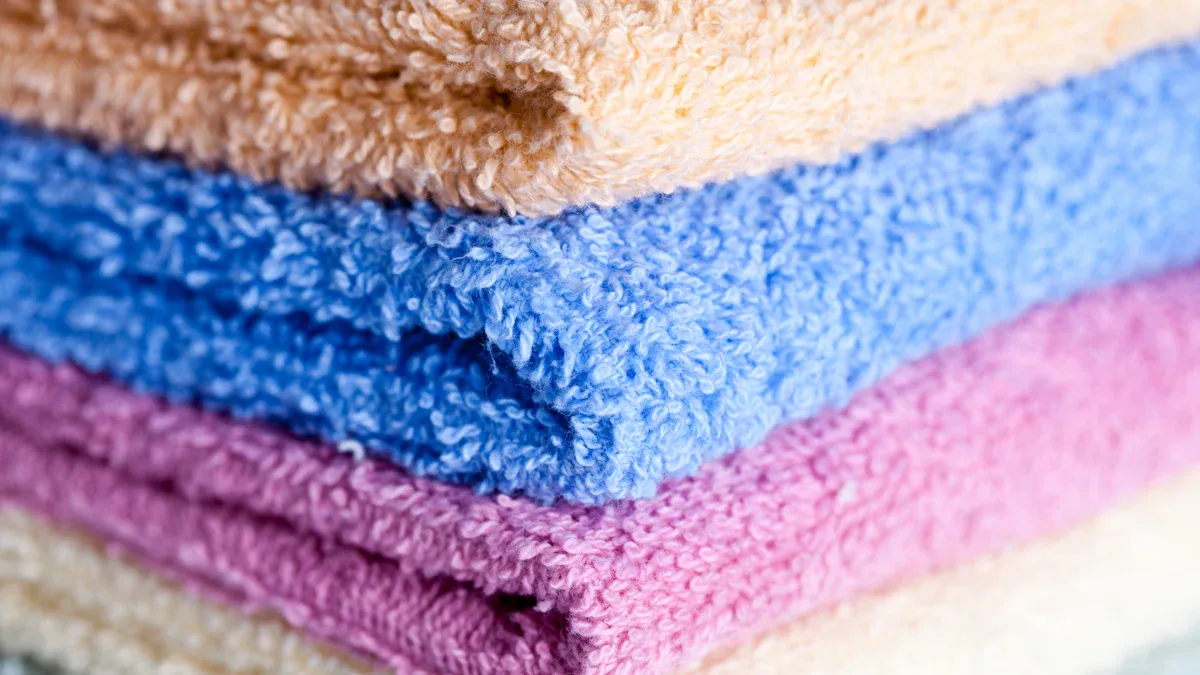
Beach towels feel different from beach blankets. You’ll find that most towels use soft cotton. This material feels plush against your skin and soaks up water fast. After a swim, you want something that dries you off quickly. Cotton does the job well. Some towels use a cotton blend for extra softness or durability. You might see towels with bright colors or fun patterns, but the real star is the absorbency.
Let’s compare beach towels and beach blankets in terms of absorbency and durability:
| Feature | Beach Towels | Beach Blankets |
|---|---|---|
| Absorbency | Highly absorbent, ideal for drying | Less absorbent, focuses on multi-purpose use |
| Durability | Soft cotton, may wear with frequent use | Made from a cotton blend, designed for durability and rough surfaces |
If you want a towel that lasts, choose one with tightly woven fibers. These towels hold up better after many washes.
Durability
Durability matters when you spend lots of time at the beach. Beach blankets use tough materials that resist tearing and fading. You can lay them on rocks, grass, or sand without worry. Some blankets even have water-resistant coatings, so spills don’t soak through. You’ll get more use out of a blanket with strong stitching and quality fabric.
Beach towels feel softer but may wear out faster. Frequent washing and exposure to saltwater can make them thin over time. If you want your towel to last, rinse it after each use and avoid leaving it in the sun for too long.
Tip: Choose products with reinforced edges or double stitching for extra strength. You’ll notice the difference after a few trips to the beach.
Both beach blankets and beach towels offer comfort, but their materials and construction affect how long they last and how well they perform. Pick the one that matches your beach style and needs.
Absorbency and Drying
Beach Towel Absorbency
When you step out of the water, you want something that dries you off fast. That’s where a beach towel comes in handy. You’ll notice that beach towels feel soft and thick. They soak up water quickly and help you get dry in just a few minutes. The cotton fibers in a beach towel pull moisture away from your skin. You can wrap yourself up and feel comfortable right away.
Here are some reasons why absorbency matters with beach towels:
- You dry off faster after swimming.
- You stay warm when the wind picks up.
- You avoid feeling sticky or sandy.
Some beach towels even have extra plush layers. These towels feel cozy and absorb even more water. If you want to dry off quickly, choose a towel with a tight weave and thick fabric. You’ll notice the difference after your first swim.
Tip: Shake out your towel before you use it. This helps remove sand and keeps the towel fluffy.
Beach Blanket Water Resistance
A beach blanket works differently. You don’t use it to dry off. Instead, you spread it out on the sand and relax. Most beach blankets use materials like nylon or polyester. These fabrics don’t soak up water. If you spill your drink or the waves splash your blanket, the water beads up and rolls off. You can wipe it dry with a towel or let the sun do the work.
Here’s a quick table to show how water affects each item:
| Feature | Beach Towel | Beach Blanket |
|---|---|---|
| Absorbency | High | Low |
| Water Resistance | Low | High |
| Drying Purpose | Yes | No |
You’ll find that a beach blanket keeps you comfortable and dry. It doesn’t get soggy or heavy. If you want to keep your snacks, books, or phone safe from water, a water-resistant blanket is the best choice.
Note: If you plan to lounge for hours, a water-resistant blanket helps you avoid wet spots and keeps your space clean.
When you pack for your next beach trip, think about what you need most. Do you want to dry off fast after swimming? Grab a beach towel. Do you want a dry spot to relax and keep your things safe? Choose a beach blanket. Each item has its own job, and you’ll enjoy your day more when you pick the right one.
Portability and Weight
Carrying a Beach Blanket
You want your trip to the sand to feel easy. That’s why you should think about how you will carry your gear. Many beach blankets fold up small and fit into their own storage bags. You can toss one over your shoulder or slip it into your backpack. Some even have handles or straps, so you keep your hands free for snacks or a cold drink. This makes beach blankets a smart choice if you walk a long way or ride your bike to the shore.
You might notice that beach blankets use lightweight materials. Most of them weigh less than a thick towel, even though they cover more space. When you pack up, you just shake off the sand, fold the blanket, and zip it into its pouch. You don’t have to worry about it getting heavy or soggy. If you travel with friends or family, one blanket can serve everyone, so you carry less overall.
Tip: Look for a blanket with a built-in pocket or bag. You won’t lose the pouch, and packing up takes only a few seconds.
Carrying a Beach Towel
Beach towels feel soft and cozy, but they can get bulky. When you roll up a traditional terry cloth towel, it takes up space in your bag. If you bring more than one, your bag fills up fast. Some towels use microfiber or Turkish cotton, which makes them lighter and easier to pack. You can see the difference in this table:
| Towel Type | Average Weight (oz) | Packed Size Comparison |
|---|---|---|
| Traditional Terry Cloth | 20-25 | A bulky shoebox |
| Microfiber Towel | 8-10 | A large burrito |
| Turkish Towel (Peshtemal) | 10-12 | A small paperback book |
If you want to save space, pick a microfiber or Turkish towel. These towels dry fast and fit in small bags. You can even bring two if you like to switch between swimming and sunbathing.
Beach towels usually don’t come with storage bags. You might need to roll them up tight or use a rubber band to keep them from unrolling. If you want to keep your bag light, choose a towel that matches your needs.
Note: If you plan to walk far or carry lots of gear, think about the weight and size of your towel. A lighter towel makes your trip easier.
When you compare beach blankets and towels, you see that blankets often win for portability. They fold up small, stay light, and come with handy bags. Towels give you softness and absorbency, but they can add bulk. Choose what works best for your day at the beach.
Versatility and Multi-Purpose Use
Beach Blanket for Lounging
You want to relax at the beach and enjoy the sun. A beach blanket gives you plenty of space to stretch out. You can invite friends or family to join you. Many people use beach blankets for more than just the sand. You can take one to a picnic in the park or use it at an outdoor concert. Some people even bring their blanket camping. The large size makes it easy to share snacks, play games, or just rest. You do not have to worry about getting sand on your food or your things. The material stands up to grass, dirt, and even a little water.
Tip: Choose a blanket with a waterproof bottom if you want to use it on wet grass or near the water.
Beach Towel for Drying
After you swim, you need something to help you get dry. A beach towel works best for this job. The soft cotton feels good on your skin. You can wrap yourself up and warm up fast. Beach towels are easy to carry and quick to use. You can also lay one down if you want to sunbathe for a while. Most people use their towel just for drying off, but you can also use it as a small mat if you want to sit alone. The bright colors and fun patterns make it easy to spot your towel on a busy beach.
Other Uses
You might be surprised by how many ways you can use beach blankets and beach towels. Here is a quick look at how users rate their versatility:
| Feature | Beach Blanket | Beach Towel |
|---|---|---|
| Size | Larger, providing ample space for lounging | Smaller, primarily for drying off |
| Multi-Purpose | Suitable for picnics, concerts, camping, etc. | Mainly for beach use and drying |
| Durability | Made from durable materials, withstands elements | Designed for absorbency, less durable |
You can use a beach blanket as a play mat for kids, a tablecloth for outdoor meals, or even a cover for your car seats after a sandy day. Some people use their blanket for yoga or stretching outside. Beach towels work well as a quick seat at a sports game or as a wrap when you need to change clothes. You can even use a towel as a pillow if you fold it up.
Note: If you want something that works for many activities, a beach blanket gives you more options. If you need something just for drying off, a beach towel is the way to go.
You can see that both items have their place. Think about what you like to do and pick the one that fits your plans.
When to Choose Each
Best for Groups or Families
Planning a day out with friends or family? You want everyone to feel comfortable and have space to relax. Beach blankets make this easy. They give you a large area where everyone can sit together, share snacks, or play games. You can spread out your bags and towels without worrying about sand getting everywhere.
Here are some things to look for when picking a blanket for groups:
- Sand-resistant material keeps your spot clean and makes it easy to shake off sand.
- Quick-drying fabric helps you pack up fast after water activities.
- Easy-to-clean options let you toss the blanket in the wash or wipe it down after use.
Beach blankets work well for group outings because they offer a big, comfy spot for everyone. You can keep your things off the sand and enjoy your time together. Just remember, you still need towels if you plan to swim.
If you want a simple setup for a picnic, card game, or just lounging with your favorite people, a blanket is the way to go.
Best for Personal Use
Going to the beach alone or with just one friend? You might want something smaller and easier to carry. Beach towels fit this need. They are lightweight and perfect for drying off after a swim. You can roll one up and toss it in your bag without taking up much space.
Think about what you like to do most:
- If you love swimming, a towel dries you off quickly and keeps you warm.
- If you want to sunbathe or read a book, a towel gives you a soft spot to relax.
- For solo picnics or stretching out, a small blanket can also work, but towels are easier to handle.
Many solo beachgoers choose towels because they are simple and portable. You can use them to dry off, lay down, or even as a cover-up.
You can always bring both if you want extra comfort. A towel helps you dry off, while a small blanket gives you a cozy place to sit.
Maintenance and Care
Cleaning Beach Blankets
You want your beach blanket to last for many summers. Good cleaning habits help keep it fresh and comfortable. Here’s a simple way to clean your blanket and keep it in top shape:
- Shake out your blanket before washing. This removes sand and dirt.
- Use a gentle detergent. Pick one that protects the fabric and colors.
- Add half a cup of white vinegar to the wash if you notice any musty or salty smells.
- Wash in cold or warm water. Hot water can damage fibers.
- Don’t overload your washing machine. Give your blanket space to move.
- Use an extra rinse cycle. This helps remove leftover sand and soap.
- Skip fabric softener. Vinegar works better and keeps your blanket soft.
- Shake your blanket again after washing to get rid of any sand or lint.
- Air dry your blanket outside in the shade. This prevents fading.
- If you use a dryer, choose a low-heat setting and add dryer balls to fluff it up.
- Remove your blanket from the dryer right away to avoid wrinkles.
Tip: Always make sure your blanket is completely dry before you store it. This stops mold and keeps it smelling fresh.
Cleaning Beach Towels
Beach towels need a little extra care because they soak up water and sand. You want them to stay soft and absorbent. Here’s how you can keep your towel in great condition:
- Rinse your towel right after you use it. This removes salt, sand, and chlorine.
- Wash your towel after every trip to the beach. Regular washing keeps it clean and prevents odors.
- Use a mild detergent and avoid fabric softener. Softener can make towels less absorbent.
- Wash in cold or warm water. This protects the fibers.
- Don’t overload your washer. Towels need space to get clean.
- Use an extra rinse to remove all detergent and sand.
- Air dry your towel when you can. Sunlight helps, but shade keeps colors bright.
- If you use a dryer, pick a low-heat setting and add dryer balls.
- Store your towel only when it’s completely dry.
Note: Rotate your towels so you don’t wear out one towel too quickly. High-quality towels last longer and feel better.
Here’s a quick look at how maintenance compares:
| Feature | Beach Blankets | Beach Towels |
|---|---|---|
| Absorbency | Less absorbent, mainly for lounging | Highly absorbent for drying off |
| Portability | Bulkier, less portable | Compact, easy to carry |
| Sand Resistance | Designed to resist sand | Can hold sand, less convenient |
| Comfort | More comfortable for lounging | Comfortable, less plush |
| Privacy | Less privacy, laid flat | Can wrap for privacy |
Longevity
You want your beach gear to last. A few simple habits can help you get the most out of your beach towels and beach blankets:
- Rinse items right after use to remove salt and sand.
- Wash after every trip to keep them fresh.
- Store only when completely dry to prevent mildew.
- Rotate your towels and blankets so one doesn’t wear out too fast.
- Choose high-quality fabrics for better durability.
If you take care of your beach gear, you’ll enjoy many sunny days without worry. Good maintenance means more comfort and less hassle every time you visit the beach.
Cost and Value
Price Comparison
When you shop for gear, price matters. You want to know what you’re getting for your money. Let’s look at how beach blankets and beach towels compare in retail stores.
Here’s a quick table that shows the typical price range:
| Product Type | Price Range |
|---|---|
| Beach Towels | $40.00 – $75.00 |
| Beach Blankets | $20.99 – $69.95 |
You can see that beach towels often cost a bit more than beach blankets. Some towels, like the Slowtide The Dream Premium Woven Beach Towel, reach up to $75.00. Others, such as the Slowtide kini kini Beach Towel, start at $40.00. Beach blankets have a wider range. You might find a Large Blanket Beach Towel for $20.99, while the Nomadix Jungle Blanket costs $69.95.
If you want a quick look at some popular options, check out this list:
- Beach Towels:
- Slowtide kini kini Beach Towel: $40.00
- Slowtide Axel Performance Quick Dry Beach Towel: $45.00
- Slowtide Canon Premium Woven Beach Towel: $70.00
- Slowtide Sundown Oversized Premium Woven Beach Towel: $70.00
- Slowtide The Dream Premium Woven Beach Towel: $75.00
- Beach Blankets:
- Nomadix Jungle Blanket: $69.95
- Large Blanket Beach Towel: $20.99
You don’t have to spend a lot to get something useful. If you want to save money, look for sales or choose a basic model. Sometimes, you’ll find a good deal on a blanket that works for picnics and beach days.
Tip: Prices can change based on size, brand, and material. Always check for features that matter most to you.
Durability vs. Cost
You want your gear to last. Sometimes, paying a little more means you get better quality. Beach towels made from premium cotton feel soft and absorb water well. They also hold up after many washes. If you buy a cheaper towel, it might wear out faster or lose its color.
Beach blankets use strong materials like nylon or polyester. These fabrics resist tearing and dry quickly. A blanket with reinforced edges or double stitching costs more, but it lasts longer. If you plan to use your blanket for camping or outdoor concerts, spending extra makes sense.
Think about how often you visit the beach. If you go every weekend, investing in a high-quality towel or blanket saves you money in the long run. You won’t need to replace your gear as often. If you only go a few times a year, a budget-friendly option might work just fine.
Here’s a simple way to decide:
- Buy a premium towel or blanket if you want comfort and durability.
- Choose a lower-priced item for occasional use or if you need something for a single trip.
Note: Sometimes, the cheapest option costs more over time because you have to replace it. Look for products with good reviews and strong materials.
You want value for your money. Pick gear that fits your needs and lasts through many sunny days.
Environmental Impact
Eco-Friendly Materials
You might wonder if your beach blanket or towel is good for the planet. Many people care about the environment when they buy beach gear. Today, more than 40% of shoppers want products that are better for nature. Companies have noticed this change. Now, you see more brands using organic cotton, bamboo fibers, and recycled stuff in their products.
Here’s what’s popular in eco-friendly beach gear:
- Organic cotton is soft and grows without bad chemicals.
- Bamboo fibers are strong, fight germs, and break down in nature.
- Recycled materials help cut down on trash and reuse old plastic.
Some companies use hemp, which is a very green fiber. Hemp grows fast, needs little water, and breaks down all the way. If you pick a blanket or towel made from hemp, you help the earth. Unlike polyester, hemp and other natural fibers break down fast and do not make microplastic pollution.
Tip: When you shop for beach gear, look for labels that say organic or recycled. Every eco-friendly choice helps the planet.
Reusability
You want your beach blanket or towel to last for many sunny days. Reusable products save you money and help the earth. Towels and blankets made from organic cotton or recycled fibers are soft and better for nature. Synthetic fabrics, like polyester, may last long, but they let out microplastics when washed. These tiny pieces end up in the water and hurt sea animals.
Washing your gear often keeps it clean and helps it last longer. Try not to wash synthetic items too much, since they release microplastics. Pick natural fibers and use earth-friendly cleaning habits. Drying your towels and blankets outside keeps them nice and saves energy.
Here’s a table to compare reusability and how each material affects the planet:
| Material Type | Reusability | Environmental Impact |
|---|---|---|
| Organic Cotton | High | Biodegradable, low impact |
| Bamboo Fiber | High | Biodegradable, low impact |
| Hemp | High | 100% biodegradable |
| Polyester | High | Microplastic pollution |
| Recycled Materials | High | Reduces plastic waste |
When you pick reusable and eco-friendly beach gear, you help the planet while having fun outside. Every green choice makes a difference.
Conclusion
Picking a beach blanket or a towel depends on what you need most. Do you want lots of space to relax, or do you want something soft to help you dry off? Here’s a simple chart to show what each one is good for:
| Feature | Beach Blanket | Beach Towel |
|---|---|---|
| Best For | Lounging, group use | Drying, solo comfort |
| Size | Large, multi-person | Compact, personal |
| Multi-Purpose | Picnics, outdoor fun | Drying, sunbathing |
Think about what matters most to you, like comfort, how much water it soaks up, or if you want to share with friends. If you want something unique, we can make special sizes, colors, and designs. If you need a lot at once, contact us for good prices and quick help!
FAQ
Can I use a beach blanket as a towel?
You can use a beach blanket to sit or lounge, but it does not absorb water well. If you want to dry off after swimming, you should use a beach towel instead.
What size beach blanket should I bring for a family?
For a family, pick a beach blanket that measures at least 7 feet by 9 feet. This size gives everyone space to relax, play games, and keep bags off the sand.
Are beach towels good for sunbathing?
Yes, beach towels work great for sunbathing. They feel soft against your skin and help you stay comfortable while you soak up the sun.
How do I keep my beach blanket from blowing away?
Look for blankets with corner pockets or stakes. You can fill the pockets with sand or use stakes to hold the blanket down. This keeps your spot secure on windy days.
Do beach towels dry quickly?
Some beach towels dry fast, especially those made from microfiber or Turkish cotton. Traditional terry cloth towels take longer to dry. Shake out your towel and hang it in the sun for best results.
Can I wash my beach blanket and towel together?
You can wash them together if the care labels match. Use cold or warm water and a gentle detergent. Shake out sand before washing to protect your washing machine.
What is the best material for a beach blanket?
Nylon and polyester work best for beach blankets. These materials resist sand, dry quickly, and clean easily. You can also find eco-friendly options like organic cotton or recycled fibers.
Should I bring both a beach blanket and a beach towel?
Bringing both gives you comfort and convenience. Use the blanket for lounging and the towel for drying off. Many beachgoers pack both to enjoy their day without worry.