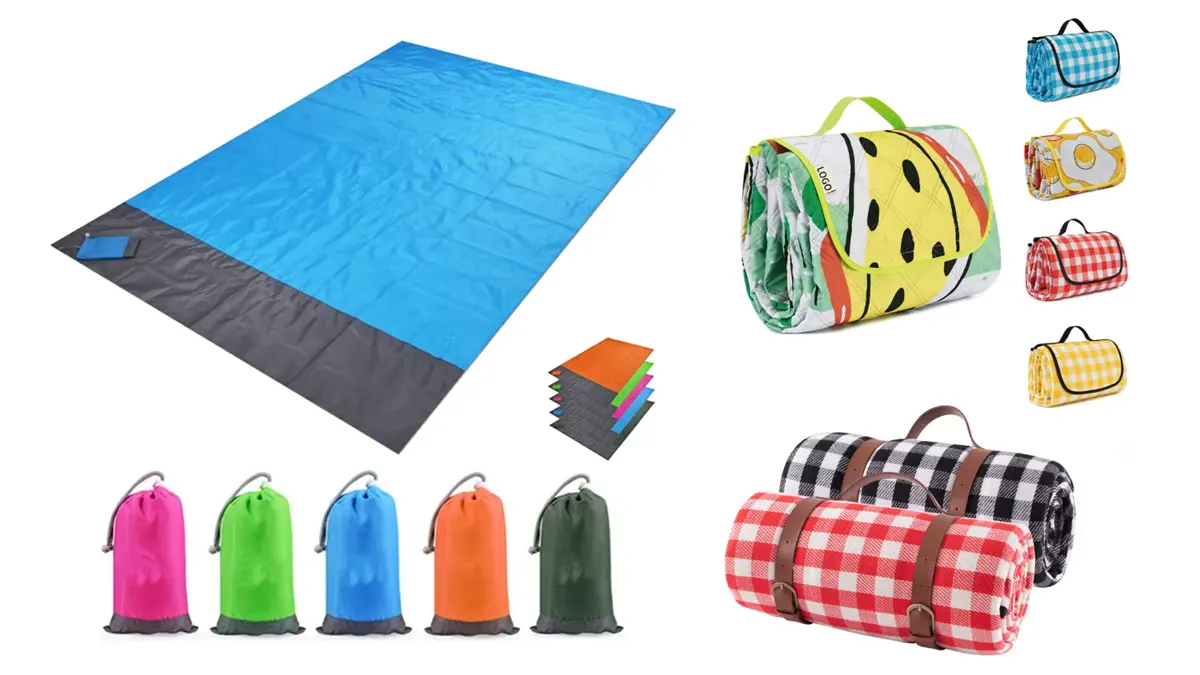
You might ask what the best beach blanket material is for your trip. Surveys say most people like microfiber, nylon, and woven cotton. Here’s a short look at why these are popular:
| Material | Benefits |
|---|---|
| Microfiber | Dries fast, keeps off sand, very light |
| Nylon | Dries fast, keeps off sand, very light |
| Woven Cotton | Soft, lets air through, looks nice |
Think about how you use your blanket. More than 70% of people want something easy to carry. The best beach blanket depends on how you relax, play, and enjoy the sun.
Key Takeaways
- Microfiber and nylon beach blankets dry fast. They keep sand away. These blankets are good for beach trips.
- Woven cotton blankets feel soft. They let air pass through. They are comfy for long beach days.
- Pick a light beach blanket. It is easy to carry. This helps if you walk or bike to the beach.
- Find sand-resistant materials like nylon and polyester. These save time when cleaning after the beach.
- Strong fabrics like parachute nylon and polyester do not tear easily. They do not fade fast. Your blanket will last for many summers.
- Choose blankets you can wash in a machine. Quick-drying materials help you pack up faster.
- Think about what you need. Do you want comfort for relaxing? Or do you want quick drying and sand resistance?
- Customization options let you make your beach blanket special. You can make it unique for your beach trips.
Comfort Of Beach Blanket Material

When you spend hours at the beach, comfort becomes a big deal. You want to relax, stretch out, and maybe even take a nap. The right beach blanket material can make all the difference.
Cotton And Natural Fibers
Breathability
Cotton and other natural fibers let your skin breathe. You will not feel sticky or sweaty when you sit on a cotton beach blanket. Air moves through the fabric, so you stay cool even on hot days. Many people love this feeling, especially if you plan to lounge for a long time.
The WETCAT Turkish Beach Blanket made from cotton is noted for its lightweight and breathable qualities, contributing to comfort. It dries quickly and is easy to shake off sand, although it can blow around in the wind. In contrast, synthetic materials are often used for their water resistance and ease of cleaning, but they may not provide the same level of comfort as natural fibers like cotton. User reviews highlight a preference for the soft feel of cotton over the potentially hotter and sweatier feel of synthetic fabrics.
Softness
A cotton beach blanket feels soft against your skin. You might notice the difference right away. If you have sensitive skin or just want a cozy spot to sit, cotton is a great choice. Many families pick cotton because kids love how gentle it feels.
Microfiber And Synthetic Options
Texture
Microfiber, nylon, and polyester beach blankets feel different from cotton. These materials can be smooth or even a bit slippery. Some people like the slick texture because sand does not stick as much. Others might miss the soft touch of cotton. If you want a beach blanket that feels cool and smooth, microfiber could be your pick.
Quick Drying
Synthetic materials shine when it comes to quick-drying. If your beach blanket gets wet, you will not have to wait long for it to dry. Microfiber and nylon dry much faster than cotton. This feature helps if you want to pack up quickly or if you get caught in a surprise wave. You can shake off water and sand, and your blanket will be ready to use again soon.
Why Comfort Matters
You might wonder why comfort is so important. Think about a long day at the beach. You want to lie down, read a book, or watch the waves. If your beach blanket feels rough or sticky, you will not enjoy your time as much. The best beach blanket gives you a soft, cool, and cozy place to relax. When you pick the right beach blanket material, you set yourself up for a better beach day.
Here’s a quick look at how comfort compares:
| Material | Breathability | Softness | Quick-Drying | Texture |
|---|---|---|---|---|
| Cotton | High | Very soft | Medium | Cozy |
| Microfiber | Medium | Soft | High | Smooth/Slick |
| Nylon | Low | Less soft | High | Smooth |
| Polyester | Low | Less soft | High | Smooth |
You have many choices. If you want the best beach blankets for comfort, cotton stands out. If you need something quick-drying and easy to clean, microfiber or nylon might work better. Always think about how you plan to use your beach blanket before you choose.
Sand-Resistant Beach Blanket Features

A day at the beach should feel fun and carefree. You do not want to spend your time shaking sand out of your blanket or worrying about wet spots. The right sand-resistant beach blanket can make your trip much better. Let’s look at how different materials help keep sand and water away.
Nylon And Polyester
Sand Repellency
You will notice that nylon and polyester stand out as top choices for a sand-resistant beach blanket. These materials have a smooth surface that does not let sand stick. When you pick up your blanket, most of the sand falls right off. The Yeti Lowlands camping blanket, made with these fabrics, gets high marks from users for this reason. People say they can brush off sand and dirt with almost no effort. This means you spend less time cleaning and more time relaxing.
Water Resistance
Nylon and polyester also work well as water-resistant material. You do not have to worry about soggy spots or wet sand soaking through. These fabrics dry quickly and keep moisture out. Here’s a quick look at how they compare to other options:
| Material | Water Resistance Properties |
|---|---|
| Nylon | Lightweight, durable, quick-drying, withstands moisture without becoming soggy. |
| Polyester | Water-resistant coating shields from wet sand and ocean water, resistant to fading. |
| Microfiber | Soft and absorbent, not completely waterproof but can have water-resistant properties. |
| Acrylic | Not specifically mentioned in the context of water resistance. |
You can see that nylon and polyester both offer strong protection against water. This makes them a smart pick if you want the best beach blanket for wet or sandy conditions.
Microfiber And Acrylic
Easy Shake-Off
Microfiber and acrylic also help you enjoy a sand-resistant beach blanket. Microfiber has a tight weave that keeps sand on the surface. You can shake it out with one quick motion. Acrylic is less common, but it still helps sand slide off. If you want a blanket that stays clean with little effort, these materials work well.
Cleaning Ease
Keeping your sand-resistant beach blanket clean does not have to be hard. Here are some tips to make cleaning easy and keep your blanket in top shape:
- Choose the delicate cycle when washing to protect the fabric.
- Air drying is best. Hang your blanket in a cool, shaded spot.
- Avoid ironing. Heat can damage microfiber and acrylic.
- Use mild laundry soap and skip fabric softener. This keeps the blanket absorbent and soft.
- Wash your blanket separately from heavy items to prevent damage.
- Clean your blanket after each use to remove sand and salt.
- Spot clean small stains right away.
Tip: Regular cleaning helps your beach blanket material stay resistant to sand and water. You will enjoy a fresh, comfortable spot every time you visit the beach.
Why Sand Resistance Matters
A sand-resistant beach blanket saves you time and hassle. You do not have to shake, brush, or wash out stubborn grains after every trip. You can pack up fast and leave the beach behind—without bringing the sand home. If you want the best beach blankets for your next trip, look for nylon, polyester, or microfiber. These materials give you a cleaner, drier, and more comfortable experience.
Here’s a quick summary of sand resistance:
| Material | Sand Resistance | Water Resistance | Cleaning Ease |
|---|---|---|---|
| Nylon | Excellent | Excellent | Easy |
| Polyester | Excellent | Excellent | Easy |
| Microfiber | Very Good | Good | Easy |
| Acrylic | Good | Fair | Easy |
You have many choices, but a sand-resistant beach blanket made from nylon or polyester will give you the best results. Microfiber is also a strong option if you want something soft and easy to clean. Pick the beach blanket that fits your needs and enjoy your time by the water.
Durability Of Best Beach Blankets
When you pick a beach blanket, you want it to last. Durability matters because you want to use your blanket for many summers. Some materials stand up to sun, sand, and water better than others. Let’s see how parachute nylon, polyester, and acrylic compare.
Parachute Nylon
Tear Resistance
Parachute nylon is tough. You can spread it on rough sand or grass, and it will not rip easily. This beach blanket material handles sharp shells and sticks better than most fabrics. If you have kids or pets, you will like how strong it feels. You do not have to worry about tears when you pull or shake it out. Many campers and beach lovers choose parachute nylon for this reason.
UV Protection
The sun can damage some fabrics, but parachute nylon holds up well. It resists fading and breaking down in sunlight. You can leave your blanket out all day, and it will still look good. This makes it a smart choice for long beach days. You get a blanket that keeps its color and strength, even after many trips.
Polyester And Acrylic
Longevity
Polyester is another strong option for the best beach blanket. It does not stretch or shrink much. You can wash it many times, and it will keep its shape. Acrylic also lasts a long time. Both materials resist mold and mildew, which helps if your blanket gets wet. You do not have to replace your blanket every year. You get more value for your money.
Fade Resistance
Sun and salt can make some blankets lose their color. Polyester and acrylic stand out here. They keep their bright colors, even after hours in the sun. Solution-dyed versions work best. They have color all through the fiber, not just on the surface. This means your blanket will not fade as fast as cotton or silk. Here’s a quick look at how these fabrics compare:
| Fabric Type | Fade Resistance | UV Resistance | Color Retention |
|---|---|---|---|
| Solution-dyed Acrylic | High | Excellent | Superior to natural fibers |
| Solution-dyed Polyester | High | Excellent | Superior to natural fibers |
| Natural Fibers (Cotton) | Low | Moderate | Significantly lower than synthetics |
You can see that polyester and acrylic beat natural fibers when it comes to keeping color and strength. If you want a beach blanket that looks new for years, these are great choices.
Tip: Choose a beach blanket material with high fade resistance if you love bright colors. Your blanket will stay vibrant, even after many sunny days.
When you want the best beach blanket for durability, look for parachute nylon, polyester, or acrylic. These materials give you strength, color, and long life. You can enjoy your beach days without worry.
Portability And Weight
When you head to the beach, you want a blanket that is easy to carry. No one likes dragging a heavy, bulky blanket across the sand. The best beach blanket material keeps things light and simple, so you can focus on fun.
Lightweight Beach Blanket Material
Compact Design
You will notice that many modern beach blankets fold up small. Some, like the Gravel Layover Travel Blanket, shrink down to a size just a bit bigger than a 1-liter water bottle. You can toss it in your backpack, purse, or even a large pocket. This makes it super easy to bring along, whether you are walking, biking, or hopping on a plane.
Materials like microfiber and recycled polyester help keep things light. These fabrics weigh less than a pound, so you barely notice them in your bag. You can pack snacks, sunscreen, and a quick-drying blanket without feeling weighed down.
Tip: Look for a beach blanket that fits in your hand when folded. You will thank yourself when you have more room for other beach gear.
Travel-Friendly
Traveling with a beach blanket should not feel like a chore. Compact travel blankets fit almost anywhere. You can slide one into your carry-on or tuck it into a side pocket. Many travelers love these blankets because they do not take up much space or add much weight. If you like to explore new beaches or go on road trips, a lightweight, quick-drying material is your best friend.
Here’s a quick table to show how lightweight blankets compare:
| Feature | Lightweight Blankets |
|---|---|
| Weight | Under 1 pound |
| Folded Size | Water bottle or smaller |
| Fits In | Backpack, purse, large pocket |
| Material | Microfiber, recycled polyester |
Bulkier Options
Carrying Methods
Some beach blankets feel heavier and take up more space. You might find these made from thick cotton or layered fabrics. These bulkier options often come with carrying straps or built-in handles. You can sling them over your shoulder or carry them like a tote bag. This helps, but you will still notice the extra weight if you walk far.
If you plan to stay close to your car or set up a picnic, a heavier blanket might work for you. Just remember, you will need a good way to carry it.
Storage
Storing a bulky beach blanket can be tricky. You might need a bigger bag or extra space in your closet. Some people roll their blankets and tie them with a strap. Others fold them flat and stack them with towels. If you want something easy to store, stick with a lightweight, quick-drying option. These blankets dry fast, so you can pack them away soon after your beach day.
Note: A quick-drying blanket is easier to store because you do not have to wait long for it to dry. You can avoid musty smells and mold by packing it up right after use.
Choosing the right beach blanket material makes your trip smoother. Lightweight, quick-drying blankets help you travel light and stay organized. Bulkier options give you more padding but can slow you down. Think about how you get to the beach and how much you want to carry. The best choice fits your style and keeps your day stress-free.
Cleaning And Maintenance
Keeping your beach blanket fresh does not have to feel like a chore. You want a blanket that stays clean, dries fast, and keeps you comfortable every time you use it. Let’s look at how you can make cleaning and maintenance simple.
Machine Washable Beach Blankets
Stain Resistance
You know how easy it is to spill snacks or drinks at the beach. Some blankets pick up stains fast, but others fight them off. Machine washable beach blankets often use fabrics that resist stains. Microfiber and polyester do a great job here. You can toss them in the wash, and most stains come right out. If you want less work, pick a blanket that does not hold onto spills.
Tip: Check the care label before you wash your blanket. Some need cold water or gentle cycles to keep their comfort and shape.
Drying Time
No one likes waiting for a blanket to dry. Quick-drying fabrics like nylon and microfiber save you time. You can wash your blanket in the morning and use it again by afternoon. Cotton takes longer to dry, but it gives you a soft feel and comfort. If you want to pack up fast, look for a water-resistant material that dries quickly.
Here’s a quick table to compare drying times:
| Material | Drying Time |
|---|---|
| Microfiber | Very Fast |
| Nylon | Very Fast |
| Polyester | Fast |
| Cotton | Slow |
Waterproof And Sand-Proof Layers
Mold Prevention
Wet blankets can get musty or even grow mold. You want to avoid that. Blankets with waterproof and sand-proof layers help keep moisture out. This means less chance for mold to grow. If you shake off sand and let your blanket dry, you keep it fresh and ready for your next trip.
Easy Care
You do not need fancy cleaning tricks for most beach blankets. Just shake off the sand, rinse with water, and hang it up. Many blankets with special layers only need a quick wipe. This makes care easy and keeps your blanket looking new. You get more comfort and less hassle.
Note: Always store your blanket dry. This helps prevent smells and keeps the fabric strong.
If you want a beach blanket that gives you comfort, stays clean, and lasts a long time, choose one that is machine washable and has water-resistant material. You will spend less time cleaning and more time enjoying the sun.
Choosing The Best Beach Blanket
When you want the perfect beach day, picking the right blanket matters. You have many choices, but your needs and style will help you decide. Let’s break down what you should think about before you buy.
Assessing Needs
Comfort Vs. Functionality
You might love a blanket that feels soft and cozy. Some people want a plush spot to relax, while others care more about how the blanket works at the beach. Here’s how you can weigh comfort against functionality:
- If you plan to nap or sunbathe, a soft blanket made from cotton or plush fabric feels great on your skin.
- If you want to keep sand away, a sand-resistant beach blanket made from nylon or microfiber works better.
- Quick-drying fabrics help if you swim or play in the water.
- Lightweight blankets make it easy to carry your gear.
Tip: Experts say high-quality materials, quick-drying fabrics, and sand and water resistance are key for a great beach experience. You want a blanket that feels good and works hard for you.
You might find that a microfiber sand-resistant beach blanket gives you both comfort and function. It feels soft, dries fast, and keeps sand off your spot.
Budget
Your budget can shape your choice. You do not have to spend a lot to get a good blanket, but higher prices often mean better materials and features. Here are some things to keep in mind:
- More expensive blankets use high-quality fabrics and reinforced seams.
- Cheaper options might not last as long or feel as soft.
- Look for sales or bundles if you want to save money.
A sand-resistant beach blanket with a storage bag or hang loop can give you more value for your money. You get easy packing and drying, which helps your blanket last longer.
Customization Options
Size And Design
Blanket size and design can change your whole beach day. You want enough space for yourself, your friends, or your family. Some blankets are jumbo-sized, while others fit just one or two people. Here’s a table to help you compare:
| Beach Blanket Name | Key Features | Usability & Comfort Impact |
|---|---|---|
| American Blanket Company Peaceful Touch | Super-soft, oversized, machine-washable | Extra comfort and room for groups |
| WEKAPO Sand-Proof Extra Large Beach Blanket | Lightweight, sand-resistant | Easy to carry, keeps sand away, fits many people |
| Sand Cloud Checker Strawberry Party Blanket | Jumbo size, breathable | Great for group use, stays cool and soft |
| Boll & Branch The Beach Blanket | Organic Turkish cotton, dual-side design | Luxurious feel, stylish, soft on both sides |
You can see that a larger, soft blanket makes it easy to relax with friends. A sand-resistant beach blanket also keeps your spot clean and comfortable. If you want a stylish look, pick a blanket with bright colors or patterns.
Manufacturer Services
You can make your blanket special with custom touches. Many companies offer ways to add your name, logo, or favorite design. Here are some popular methods:
| Customization Method | Advantages | Impact on User Satisfaction |
|---|---|---|
| Embroidery | Durable and high-quality | Makes your blanket feel unique and premium |
| Screen Printing | Versatile and cost-effective | Good for detailed or colorful designs |
| Debossing | Tactile appeal, keeps appearance | Great for simple logos or initials |
| Appliqué | Adds texture and dimension | Fun for two-tone or layered designs |
| Heat Transfer | Best for multicolor designs | Works well on smooth fabrics |
Note: Customization lets you match your blanket to your style or brand. Eco-friendly materials also help if you care about the planet. Many people feel happier with a blanket that fits their values and looks great.
You can choose a soft, sand-resistant beach blanket in the perfect size, color, and design. Some companies even let you pick sustainable fabrics or add special features like pockets or straps. These options help you get a blanket that feels just right for your beach adventures.
Conclusion
You have many great choices for beach blanket materials. Cotton feels soft and cozy. Microfiber dries fast and keeps sand away. Nylon and polyester offer strength and easy cleaning. Pick what fits your beach style best. If you want something special, we can help you create a custom blanket. Here’s how we make it easy for you:
- You share your ideas and needs.
- You pick your favorite materials.
- We design and sample your blanket.
- We confirm your order and plan production.
- We check quality and add your branding.
Enjoy your perfect beach day with a blanket made just for you!
FAQ
What makes a beach blanket resistant to sand?
You want a beach blanket that keeps sand away. Materials like polyester and nylon have tight weaves. Sand cannot stick to them. You just shake the blanket, and the sand falls off. This makes your beach day much easier.
How do I choose a water-resistant beach blanket?
Look for a beach blanket made from polyester or nylon. These materials block water and dry fast. You stay dry and comfortable. Many brands add a special coating for extra resistant power. Always check the label for water-resistant features.
Can I wash my beach blanket in the machine?
Most beach blankets with resistant features are machine washable. Polyester and microfiber options clean up quickly. Use cold water and gentle cycles. Air dry for best results. Always read the care tag before washing.
Which material is best for a resistant and durable beach blanket?
Polyester stands out for its resistant qualities. It lasts a long time and keeps its color. Parachute nylon is also strong and resistant to tears. Both materials make a high-quality fabric choice for your beach blanket.
Are there eco-friendly resistant beach blanket options?
Yes! Some brands use recycled polyester or other high-quality materials. These blankets are resistant to sand and water. You help the planet and enjoy a great beach day. Look for eco labels when you shop.
How do I keep my beach blanket resistant to mold and odors?
Always let your beach blanket dry before storing it. Water-resistant and sand-resistant blankets dry fast. Shake off sand and hang your blanket in the sun. This keeps it fresh and ready for your next trip.
What size beach blanket should I get?
Think about how many people will use it. For one or two, a small blanket works. For families, pick a large, resistant beach blanket. Many brands offer size charts. Choose what fits your group and your beach style.
Can I use my beach blanket for other activities?
You can use your resistant beach blanket for picnics, camping, or outdoor concerts. High-quality materials like polyester make it easy to clean and carry. A good beach blanket works anywhere you want comfort and protection.