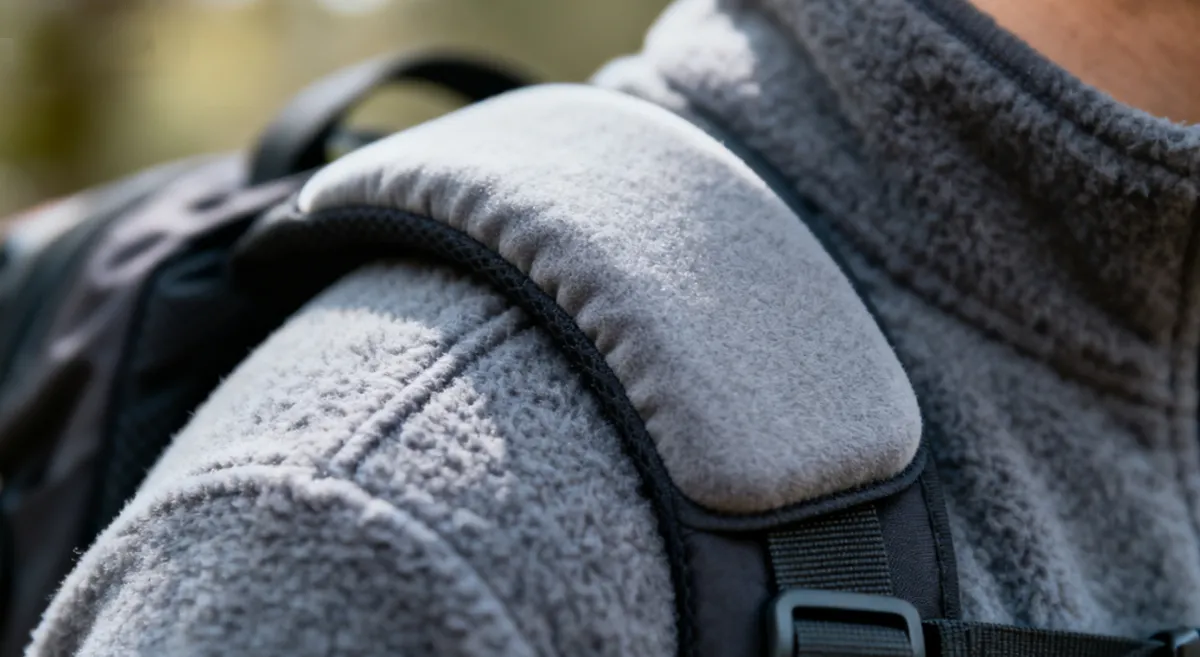
You know how a good backpack does not hurt your shoulders or back? The secret is often in the backpack padding material. Padding helps you feel comfortable and supported. This is important when you walk far or carry heavy things. Most backpacks use foam like EVA, PE, or PU. These foams absorb shock and protect your stuff. EVA foam is flexible and light. PE foam is strong and lasts a long time. PU foam lets air flow, so it is good for hot days. Common backpack padding materials are foam padding, EVA padding, gel padding, and air mesh padding. Choosing the right padding gives you more comfort, protection, and support every time you use your backpack.
Key Takeaways
- Pick the right padding for comfort and support.
- EVA foam is light and bends easily. It works well for hiking and travel.
- PE foam is tough and protects against bumps. It is good for sports and outdoor backpacks.
- PU foam lets air pass through and can be shaped. It is great for daily use and keeps you cool on hot days.
- Memory foam fits your body and feels very soft. It is best for heavy loads or breakable things.
- Spacer mesh lets air flow and keeps you cool. It works well in warm places and for outdoor sports.
- Dual density foam gives both comfort and support. It is good for long hikes with heavy gear.
- Gel padding soaks up shocks and adds comfort. It helps on long trips or when running.
- Clean and take care of your backpack padding often. This helps it last longer and stay comfortable.
Types of Backpack Padding Materials
EVA Foam
Features of EVA Foam
You might notice that many backpacks feel light and easy to carry. EVA foam is one reason for this. It is a popular backpack padding material because it keeps your backpack comfortable without adding extra weight. You get great shock absorption, so your shoulders and back feel less tired after a long day. EVA foam bends easily, which means your backpack fits better and feels softer. It also lasts a long time, so you do not have to worry about it wearing out quickly. If you get caught in the rain, EVA foam helps protect your gear because it resists water and moisture. It even keeps the inside of your backpack at a steady temperature.
Here is a quick look at the main features of EVA foam:
| Characteristic | Description |
|---|---|
| Lightweight | Makes your backpack easy to carry. |
| Excellent Shock Absorption | Helps you stay comfortable on the move. |
| Flexibility | Gives a better fit and more comfort. |
| Durability | Stays strong for a long time. |
| Water and Moisture Resistance | Keeps your gear dry and safe. |
| Thermal Insulation Properties | Maintains stable temperatures inside. |
Tip: EVA foam is a smart choice for outdoor backpacks. You get pressure resistance and waterproof protection, so you can use your backpack in all kinds of weather.
Common Uses
You will find EVA padding in hiking backpacks, school bags, and travel packs. Outdoor brands use it for shoulder straps, back panels, and even hip belts. It is perfect for foam padding in backpacks that need to be light but still offer comfort and support. EVA foam works well for people who want protection for their gear and less strain on their body.
PE Foam
Features of PE Foam
PE foam is another common padding material you might see in backpacks. It is light, so you do not feel weighed down. You get excellent impact resistance, which means your backpack can handle bumps and drops. PE foam is water-resistant and stands up to chemicals, so it lasts longer. It also fights off mold, keeping your backpack fresh. You get some insulation, but not as much as with other backpack padding materials. One thing to remember: PE foam does not breathe as well, so it can feel warmer on your back.
Here is a table showing the main advantages and disadvantages of PE foam:
| Advantages | Disadvantages |
|---|---|
| Lightweight | May not provide as much cushioning as other materials |
| Excellent impact resistance | Can be less breathable |
| Water-resistant | Limited thermal insulation compared to some alternatives |
| Durable and chemical-resistant | May degrade under UV exposure |
| Mold-resistant | |
| Insulating properties |
Note: PE foam is tough and resists chemicals, but it may not feel as soft as other backpack padding foams.
Common Uses
You often see PE foam in backpacks made for sports, travel, and school. It works well for back panels and shoulder straps. PE foam is a good choice if you want durability and protection for your gear. It is also used in backpacks that need to handle rough use or outdoor conditions.
PU Foam
Features of PU Foam
PU foam stands out because it is light and lets air flow through easily. You get better comfort, especially on hot days, because PU foam helps keep your back cool. Manufacturers can change how firm PU foam feels, so you get padding that matches your needs. PU foam is also cost-effective, which means you can find it in many affordable backpacks.
Here is a table showing what makes PU foam special:
| Property | Description |
|---|---|
| Lightweight | Helps reduce the overall weight of your backpack. |
| Breathability | Lets air move through, keeping you comfortable. |
| Customization | Can be made soft or firm for different types of backpack padding. |
| Cost-effectiveness | Makes backpacks more affordable for everyone. |
Tip: PU foam is a great choice if you want a backpack that feels cool and comfortable, especially for daily use or travel.
Common Uses
You will find PU foam in backpacks for school, work, and travel. It is often used in shoulder straps and back panels. PU foam works well for people who want comfort and breathability without spending too much. It is also a good option for backpacks that need to be light and easy to carry.
Memory Foam
Features of Memory Foam
You may know memory foam from beds, but it is also used in backpacks. Memory foam shapes itself to your body. This gives you a fit that feels just right each time. The foam padding takes in pressure and helps stop your shoulders and back from getting sore. You feel more comfortable, especially with heavy backpacks or long walks. Memory foam moves with you, so you stay supported even if your backpack shifts.
Memory foam is special because it goes back to its shape after use. It keeps its form, so you get comfort and protection for a long time. The foam also helps take in shocks, so your backpack can handle bumps. You get a soft feel, but the padding is still firm enough to support you.
Here is a table that shows how long memory foam lasts in backpacks:
| User Type | Recommended Lifespan |
|---|---|
| Daily users | 12 to 18 months |
| Occasional users | 3 to 5 years |
| Outdoor/Adventure users | 1 to 2 years |
Tip: If you use your backpack every day, you may need to change the memory foam padding sooner than someone who only uses their backpack for trips or hiking.
Common Uses
You often see memory foam in fancy backpacks, laptop bags, and travel packs. Brands use it in shoulder straps, back panels, and sometimes hip belts. Memory foam is best for people who want the most comfort and support. If you carry electronics or breakable things, this padding helps keep them safe. You get a soft, cushioned feel that makes long days easier.
Spacer Mesh
Features of Spacer Mesh
Spacer mesh is a special backpack padding that helps air move. You get a layer that lets air flow between your back and the backpack. This padding does not flatten easily, so air keeps moving even when your bag is full. Spacer mesh lets more air in than other backpack padding. You feel cooler and drier, especially when it is hot or you are active.
Here are the main benefits of spacer mesh for breathability:
- Spacer mesh keeps air space open, so you get more breathability.
- It does not flatten, so air flow stays strong.
- It lets in more air than regular padding.
Note: Spacer mesh is a good pick if you sweat a lot or use your backpack for sports and outdoor fun.
Common Uses
You see spacer mesh in backpacks for hiking, biking, and running. Brands use it in back panels and shoulder straps. Spacer mesh is great for people who want comfort and air flow. If you live where it is warm or carry your backpack for a long time, this padding helps you stay cool. Spacer mesh also works with foam padding to give you both comfort and air flow.
Dual Density Foam
Features of Dual Density Foam
Dual density foam uses two layers to give you more benefits. The thick bottom layer gives strong support and lasts a long time. The soft top layer adds comfort and lets air move. This padding spreads out pressure, so you feel less pain on long hikes or with heavy bags. The foam keeps its shape, so you get comfort and protection for a long time. Dual density foam is used in fancy backpacks because it gives both comfort and support.
Tip: Dual density foam padding is great if you want a backpack that feels good on your shoulders and lasts a long time.
Common Uses
You find dual density foam in top backpacks and special packs. For example, the Crown3 60 has a dual density shoulder harness with straps that help lift the load, giving you a comfy fit. The Able Carry Daily Backpack uses shoulder straps with both high-density and low-density foam for the best support and comfort. The Granite Gear Crown3 60 also has a dual density shoulder harness, which makes it more comfortable and supportive. Dual density foam is best for people who need strong and comfy padding for long trips or heavy gear.
Gel Padding
Features of Gel Padding
You might want a backpack that feels extra soft and absorbs shocks well. Gel padding gives you that comfort. This backpack padding uses a special gel that spreads out pressure and helps your shoulders and back feel less tired. Gel padding works by molding to your body and bouncing back after each use. You get great support, especially when you carry heavy loads or walk long distances.
Gel padding stands out because it absorbs energy from impacts. Many backpacks use an injection molded bottom cushion made of gel. This feature helps you stay comfortable during long races or hikes. You also get better protection for your gear, so your electronics and valuables stay safe.
Here’s a table showing how gel padding helps with impact absorption:
| Feature | Benefit |
|---|---|
| Injection Molded Bottom Cushion | Absorbs energy from impacts, enhancing comfort during long races. |
Gel padding lasts a long time and needs little care. You do not have to worry about it wearing out quickly. Gel padding is also stable, so it keeps its shape and gives you steady support.
Note: Gel padding is more expensive than foam padding. You pay more, but you get better pressure relief and less maintenance. Foam padding is the most basic and cost-efficient option, while gel padding is designed for extra comfort and stability.
Common Uses
You see gel padding in backpacks made for running, cycling, and long-distance travel. Brands use it in shoulder straps, back panels, and bottom cushions. Gel padding is perfect for people who want the best comfort and protection. If you carry your backpack for hours or need extra support, gel padding helps you feel less tired. You also get better shock absorption, which keeps your gear safe.
Air Mesh Padding
Features of Air Mesh
Do you want a backpack that keeps you cool and dry? Air mesh padding is a smart choice. This backpack padding material uses a 3D warp knitted tricot fabric made from polyester. The design lets air flow through the padding, so you get better ventilation and moisture control. Air mesh padding helps your back stay cool, even on hot days.
You get natural cooling and heat management with air mesh padding. The material moves sweat away from your skin, so you feel fresh and comfortable. Air mesh padding also adds cushioning, so your backpack feels soft against your body. You get good support without losing breathability.
Tip: Air mesh padding works best in hot, dry climates. It helps sweat evaporate faster, so you may not need to carry as much water. Some brands found that ventilated backpacks with air mesh padding can reduce perspiration by 25%. This means you stay cooler and save weight on long hikes.
Common Uses
You find air mesh padding in backpacks for hiking, biking, and outdoor sports. Brands use it in back panels and shoulder straps. Air mesh padding is great for people who sweat a lot or use their backpack in warm weather. You get comfort, support, and better ventilation. Air mesh padding also works well with foam padding to give you both cushioning and breathability.
Ergonomic Backpack Padding
Importance of Ergonomics
When you pick a backpack, you want it to feel good on your body. That’s where ergonomic design comes in. Ergonomic backpack padding helps you carry your load with less pain and more comfort. You get wide, padded shoulder straps that spread the weight across your shoulders. This stops pressure points and keeps your muscles from getting sore. Adjustable straps let you fit the backpack to your body, so you stay balanced and upright. A structured base keeps your backpack from sagging, which helps your spine stay straight. Waist and chest belts move some of the weight to your hips, making it easier to walk or run.
Tip: Look for backpacks with contoured straps and back panel padding. These features follow the shape of your body and help you keep good posture.
How Padding Affects Fit
Padding does more than just make your backpack soft. The right backpack padding material shapes the way your backpack fits. If you have thick foam padding in the shoulder straps, you get better support and less rubbing. Back panel padding gives you a cushion between your back and the backpack, so sharp objects do not poke you. Padding thickness and placement matter for different body types. For example, if you have a longer torso, you need the hip belt to sit on your hips, not your waist. Adjustable straps and load lifters help you move the backpack closer to your back, which keeps the weight in the right spot.
Here’s a quick list of what to check for the best fit:
- Make sure the shoulder strap padding is wide and soft.
- Check that the hip belt sits on your hips, not your waist.
- Use the sternum strap to keep the backpack from swaying.
- Look for padding materials tailored to your needs, like gel or eva padding for extra comfort.
Reducing Strain and Fatigue
Carrying a heavy backpack can make you tired fast. The right backpack padding foam helps spread the weight, so you do not feel as much strain. Wide, cushioned straps and a padded back panel support your posture and keep you comfortable. Compression straps and a hip belt move some of the load to your hips and pelvis, which takes pressure off your shoulders. Studies show that backpacks with dual-padded designs are less exhausting, especially for girls. If you use a backpack with only one strap, you might notice it is harder to breathe and you get tired faster. Good padding and ergonomic design help you walk longer and feel better.
| Study Findings | Description |
|---|---|
| Dual-padded backpacks | Less tiring than regular backpacks with heavy loads |
| Wide shoulder straps | Spread weight and boost comfort |
| Padded back panels | Protect your back and keep you upright |
| Hip belts | Move weight to your hips and reduce shoulder pain |
Note: Custom backpack padding and specialized padding, like foam or gel, can give you superior support and comfort. These features also add protection and durability to your backpack materials.
If you want the best padding recommendations, look for backpacks with foam padding, gel, or eva padding. These backpack materials give you comfort, support, and protection for every adventure.
Backpack Padding and Protection
Gear Protection
You want your electronics and fragile gear to stay safe when you travel. Backpack padding plays a big role in keeping your items secure. Thick foam and custom inserts cradle your devices, so they do not move around or get damaged. Many backpacks use special designs to protect against bumps, drops, and even changes in temperature. You can find cases with hydrophobic coatings that keep dirt and water away from your laptop or tablet. Some padded cases can even reduce screen breakage by up to 90%. If you carry a camera, you might notice how well-padded compartments absorb shocks and prevent breakage. Here are some ways backpack padding helps protect your gear:
- Custom foam inserts hold electronics in place and stop them from shifting.
- Hydrophobic coatings keep water and dirt away from your devices.
- Thick padding absorbs shocks, so delicate gear like cameras stays safe.
- Well-designed compartments protect against temperature changes.
Tip: Choose a backpack with tailored padding if you carry fragile items. You get better protection and peace of mind.
User Protection
Backpack padding does more than protect your gear. It also keeps you safe and comfortable. Wide, padded shoulder straps spread the weight across your shoulders, so you do not feel sore. A padded back panel gives you support and helps prevent injuries. You want a backpack that fits well and does not dig into your skin. Studies show that using padded straps and a padded back can lower your risk of back and shoulder pain. If you use a backpack with adjustable straps and multiple compartments, you can balance the load and avoid strain.
Here’s a table that shows what experts recommend for user protection:
| Source | Key Recommendation |
|---|---|
| Musculoskeletal pain and school bag use | Use wide, padded shoulder straps and a padded back for comfort and protection. |
| Proper Back Pack Wear Illinois | Carry no more than 10% of your body weight; use two padded straps to prevent back issues. |
| Is Your Child’s Backpack Causing Lifelong Health Problems? | Make sure straps are wide and padded, and use compartments for load distribution. |
Note: You can lower your risk of injury by choosing a backpack with good padding and proper fit.
Impact Absorption
When you drop your backpack or bump into something, you want the padding to absorb the shock. Foam and gel padding work together to spread out the force, so your gear and your body stay safe. Impact absorption is important if you carry electronics, books, or sports equipment. The right backpack padding helps prevent breakage and keeps you comfortable. You get better durability and support, so your backpack lasts longer and feels better on your back.
- Foam padding cushions your gear and absorbs energy from impacts.
- Gel padding molds to your body and bounces back after each use.
- Dual density foam spreads out pressure and keeps its shape.
Tip: Look for backpacks with impact-absorbing padding if you want extra protection for both your gear and yourself.
Backpack Padding Materials Comparison
Comfort and Cushioning
You want your backpack to feel nice on your shoulders and back. Comfort is important if you carry your bag for a long time. Different padding materials give you different comfort levels. Some people tried a 3/8″ closed-cell foam pad for hip belts. Their hips still felt sore after using it. Others used inflatable water wings for short hikes. They found these gave them more comfort. Some people use shelf liners or wool seat belt cushions. These add extra cushion and help stop straps from slipping. These creative ideas show that softer padding helps you feel better.
For the best comfort, pick backpacks with memory foam, gel padding, or dual density foam. These materials shape to your body and spread out pressure. You feel less sore and get more support. Air mesh and spacer mesh add a soft layer and let air move. The right backpack padding helps you enjoy trips and avoid aches.
Tip: Try different padding types to see what feels best. Even a small change can make you much more comfortable.
Durability
You want your backpack to last for school, travel, or adventures. How long it lasts depends on the padding material and how tough it is. Companies test padding in labs with special methods. They use denier ratings to check fiber strength. Higher denier means the fibers are stronger. Abrasion resistance tests, like Martindale and Taber, rub the material to see how much it wears. Water resistance tests check how well padding keeps out water. Tensile strength tests pull on the material to see how much weight it can take before breaking.
| Test Type | Description |
|---|---|
| Denier Ratings | Measures fiber thickness to compare material strength. Higher denier indicates stronger fibers. |
| Abrasion Resistance | Martindale and Taber tests simulate wear through friction to assess durability. |
| Water Resistance Measurement | Hydrostatic head testing measures water penetration resistance under increasing pressure. |
| Tensile Strength | Analyzes material stress resistance before breaking, indicating load-bearing capacity. |
Foam padding like EVA and PE foam lasts a long time and does not wear out fast. Dual density foam and gel padding also keep their shape and strength. If you want a strong backpack, look for high denier ratings and good abrasion resistance. This gives you comfort and keeps your gear safe.
Breathability
If you use your backpack when it is hot, breathability is important. Some padding materials let air move better than others. Open mesh panels give you the most airflow on your back and straps. Spacer mesh fabric lifts the backpack off your back, so air can move under it. Lightweight ripstop nylon lets more air in than heavy fabrics. Some backpacks use foam padding only in certain spots to keep weight down and let air move.
| Material Type | Key Benefit |
|---|---|
| Open Mesh Panels | Maximum breathability on the back and straps. |
| Spacer Mesh Fabric | Allows airflow underneath by suspending the pack. |
| Lightweight Ripstop Nylon | Better air circulation than heavier materials. |
| Foam Padding Spots | Minimal foam keeps weight down and airflow up. |
When you pick a backpack with breathable padding, you stay cooler and drier. This helps a lot on long hikes or hot days. You avoid a sweaty back and enjoy your adventure more.
Weight and Bulk
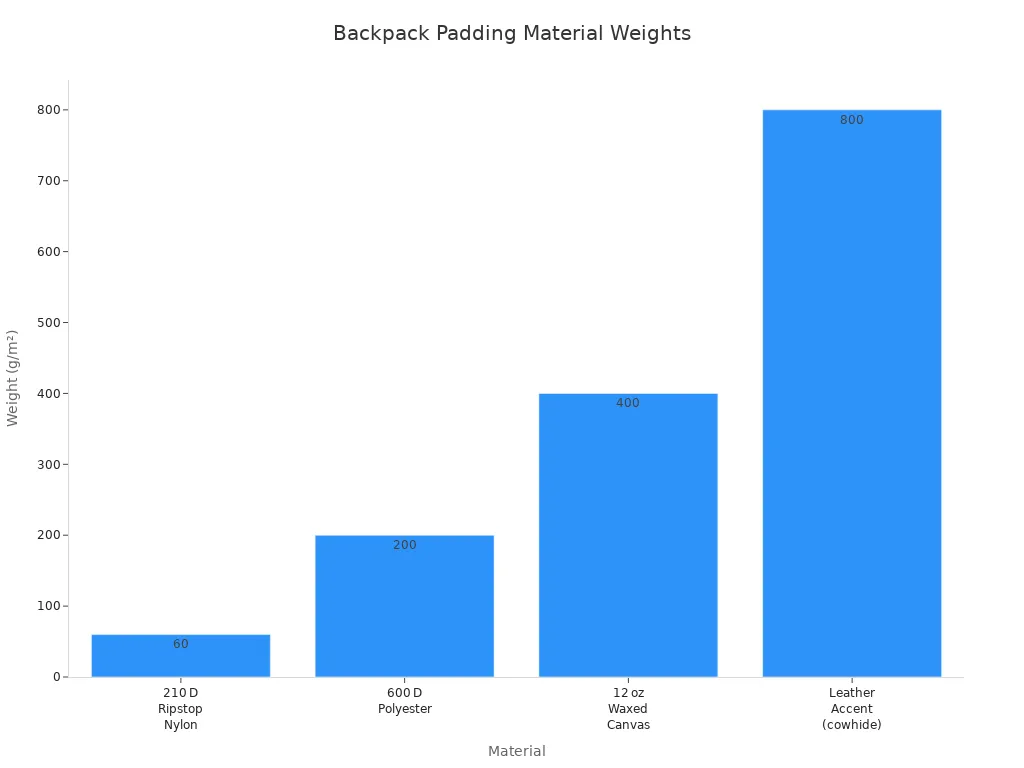
When you pick a backpack, you want it to feel light and easy to carry. The weight and bulk of backpack padding materials can change how heavy your backpack feels on your shoulders. Some materials add more weight, while others keep things light. EVA foam is popular because it gives you support without making your backpack heavy. If you choose higher density foam, you get more protection, but your backpack might feel heavier.
Let’s look at how different materials compare:
| Material | Weight (g/m²) |
|---|---|
| 210 D Ripstop Nylon | 60 |
| 600 D Polyester | 200 |
| 12 oz Waxed Canvas | 400 |
| Leather Accent (cowhide) | 800 |
You can see that leather and canvas add a lot of bulk. Ripstop nylon and polyester keep things lighter. EVA foam density ranges from 25 kg/m³ for light support to 45 kg/m³ for firm support. If you want more comfort, you might pick thicker padding, but this adds weight. Some people like lightweight backpacks for hiking or school. Others want more protection for their gear, so they choose heavier materials.
Tip: If you plan to carry your backpack all day, look for padding that gives you support but does not add too much bulk. Lightweight foam and mesh help you stay comfortable without feeling weighed down.
Cost
The price of a backpack often depends on the padding materials and features. Basic backpacks use simple foam and cost less. If you want advanced padding, like gel or memory foam, you pay more for extra comfort and durability. High-end backpacks use special materials and offer better support, but they cost the most.
Here’s a quick look at backpack price ranges:
| Backpack Level | Price Range | Key Features |
|---|---|---|
| Budget-Friendly | Under $100 | Basic materials, limited features, lightweight options |
| Mid-Range | $200 – $350 | Good balance of quality and price, reliable durability |
| High-End | $350 and above | Specialized features, premium materials, ultimate comfort |
If you need a backpack for school or short trips, a budget-friendly option works well. For travel or outdoor adventures, you might want mid-range or high-end backpacks with better padding and protection. You get more comfort and support, but you pay a higher price.
Note: Think about how often you use your backpack and what you carry. Spending more on quality padding can help your backpack last longer and keep you comfortable.
Choosing Backpack Padding Material
Assessing Your Needs
Before you pick a backpack, you need to think about what you want from it. Do you carry heavy books every day? Maybe you just need a bag for weekend trips. Start by asking yourself a few questions:
- How often do you use your backpack?
- What do you usually carry inside?
- Do you walk or bike a lot with your bag?
- Do you need extra protection for things like a laptop or camera?
If you use your backpack every day, you want something that feels good on your shoulders and back. Look for padding that gives you comfort and support. If you only use your bag sometimes, you might not need as much padding. Think about what matters most to you. Some people want a light bag. Others care more about durability or protection.
Tip: Make a list of your top needs. This helps you choose the right backpack padding for your lifestyle.
Activity and Load Type
The way you use your backpack changes the kind of padding you need. If you hike or travel, you carry your bag for hours. You want foam that cushions your shoulders and keeps you from getting sore. For school or work, you might carry books, a laptop, or lunch. You need padding that protects your gear and spreads out the weight.
Here’s a quick guide to help you match your activity to the right padding:
| Activity | Best Padding Type | Why It Works |
|---|---|---|
| Hiking | Dual density foam | Gives support and comfort for long walks |
| School/Work | Memory foam | Shapes to your body and protects gear |
| Sports | Gel padding | Absorbs shocks and keeps you comfortable |
| Travel | EVA foam | Lightweight and easy to carry |
If you carry heavy loads, look for thicker padding. If your bag is usually light, you can choose something slimmer.
Climate and Breathability
Where you live and how hot it gets can change what kind of backpack padding works best for you. If you live in a warm place or sweat a lot, you want padding that lets air move. Air mesh and spacer mesh help keep your back cool and dry. These materials let sweat dry faster and stop your shirt from sticking.
If you live somewhere cold or rainy, you might want padding that keeps water out. EVA foam and PE foam resist moisture and help protect your gear from getting wet. Some padding even adds a bit of warmth, which can feel nice in winter.
Note: Always check the weather in your area before you buy a new backpack. The right padding can make a big difference in how comfortable you feel.
Choosing the right backpack padding means thinking about your needs, your activities, and your climate. When you match these things, you get a backpack that feels great and lasts a long time.
Comfort vs. Durability
When you shop for a new backpack, you probably want it to feel good and last a long time. Sometimes, you have to choose between comfort and durability. You might wonder, “Should I pick a backpack with soft padding or one that can handle rough use?” Let’s break down what matters most for you.
Comfort means your backpack feels nice on your shoulders and back. Soft padding, like memory foam or gel, gives you a cushion. You can walk for hours without feeling sore. If you carry heavy books or gear, comfort helps you avoid aches and pains. You might notice that backpacks with thick foam padding feel softer. These are great for school, travel, or long hikes.
Durability means your backpack can take a beating. Tough padding, like EVA or PE foam, stands up to drops, scrapes, and rain. You want your backpack to last through busy school days, outdoor adventures, or travel. Durable padding keeps its shape and protects your gear. Sometimes, durable materials feel firmer and less squishy. You might trade a little comfort for a backpack that lasts longer.
Here’s a quick table to help you compare comfort and durability in backpack padding:
| Feature | Comfort Focused | Durability Focused |
|---|---|---|
| Padding Type | Memory foam, gel | EVA foam, PE foam |
| Feel | Soft, cushioned | Firm, supportive |
| Best For | Long walks, heavy loads | Outdoor use, rough handling |
| Lifespan | May compress over time | Holds shape longer |
| Protection | Reduces soreness | Shields gear from impact |
You don’t always have to pick one over the other. Some backpacks use dual density foam. This padding gives you a soft layer for comfort and a tough layer for durability. You get the best of both worlds.
Tip: Try on different backpacks before you buy. See how the padding feels on your shoulders. Check if the backpack feels sturdy. Ask yourself, “Will this backpack keep me comfortable and last all year?”
If you want more comfort, choose a backpack with thick, soft padding. If you need durability, look for tough foam and strong fabrics. Think about how you use your backpack. Do you walk a lot? Do you toss your backpack around? Your answer helps you decide which matters more.
You can also look for backpacks with adjustable straps and breathable padding. These features add comfort and help your backpack last longer. Remember, the right backpack padding makes every trip easier and keeps your gear safe.
Care for Backpack Padding
Cleaning Tips
You want your backpack to look fresh and feel comfortable every day. Cleaning the padding helps you keep your bag in top shape. Dirt, sweat, and spills can build up over time. You can follow these easy steps to clean your backpack padding:
- Empty your backpack. Take out everything, even small items.
- Shake out loose dirt. Hold your backpack upside down and give it a good shake.
- Spot clean stains. Use a damp cloth with mild soap. Gently rub the padding, especially on shoulder straps and back panels.
- Use a soft brush. Scrub away stubborn dirt from mesh or foam padding. Avoid harsh brushes that might damage the material.
- Rinse with clean water. Wipe away soap and dirt with a clean, damp cloth.
- Air dry. Hang your backpack in a cool, dry place. Never use a dryer or direct sunlight, which can damage padding.
Tip: Always check the care label inside your backpack. Some padding materials need special cleaning methods.
Here’s a quick table for cleaning different padding types:
| Padding Material | Cleaning Method | Drying Advice |
|---|---|---|
| EVA Foam | Mild soap, damp cloth | Air dry, shade |
| Memory Foam | Spot clean only | Air dry, flat surface |
| Air Mesh | Soft brush, mild soap | Air dry, avoid heat |
| Gel Padding | Wipe gently, no soaking | Air dry, no sunlight |
Extending Padding Life
You want your backpack padding to last as long as possible. Good care helps you avoid early wear and keeps your bag comfortable. Here are some simple ways to extend the life of your backpack padding:
- Store your backpack properly. Hang it up or lay it flat. Avoid stuffing it in tight spaces.
- Avoid overloading. Heavy loads can crush padding and make it lose shape.
- Keep your backpack dry. Moisture can break down foam and cause mold. If your bag gets wet, dry it right away.
- Rotate your backpacks. If you have more than one, switch them out. This gives padding time to recover.
- Check for damage. Look for tears or worn spots. Fix small problems before they get worse.
Note: Regular care keeps your backpack padding soft and supportive. You get more comfort and save money in the long run.
You can use these tips to keep your backpack feeling great. Clean padding means less odor and more comfort. Careful use means your backpack lasts for years.
Common Myths About Backpack Padding
Thicker Padding Myths
You might think that thicker padding always means more comfort. This idea sounds right, but it is not always true. Sometimes, thick padding can make your backpack feel bulky and hot. You may even find that it presses into your shoulders in the wrong way. Thicker does not always mean softer or better.
Here are some things you should know:
- Thick padding can trap heat and sweat.
- Too much padding can make your backpack heavy.
- Padding that is too thick may not fit your body well.
Tip: Try on backpacks with different padding thicknesses. Notice how they feel on your shoulders and back. Sometimes, a medium or thin layer with the right shape feels best.
Foam Performance Myths
Many people believe all foam padding works the same way. You might hear that any foam will give you comfort and support. This is not true. Different foams have different strengths.
Let’s clear up some common foam myths:
| Myth | Reality |
|---|---|
| All foam is soft and comfy | Some foams are firm for support |
| Foam lasts forever | Foam can break down over time |
| Expensive foam is always better | Price does not always mean better quality |
EVA, PE, PU, and memory foam all feel different. Some foams bounce back fast. Others mold to your body. You should check the type of foam in your backpack. Do not just trust the label or price.
Note: Ask about the foam type when you shop. Test the straps and back panel. You want foam that matches your needs, not just a fancy name.
Breathability vs. Durability
You may hear that breathable padding is always less durable. Some people say that if a backpack lets air flow, it will wear out fast. This is not always true. Many new materials give you both breathability and strength.
Here’s what you should remember:
- Spacer mesh and air mesh let air move and last a long time.
- Some foams have holes or channels for airflow but still stay strong.
- Durable padding does not have to feel stiff or hot.
Callout: You can find backpacks with both breathable and tough padding. Look for brands that test their materials for both comfort and durability.
When you know the truth about backpack padding, you can pick the best one for your needs. Do not let myths stop you from finding a backpack that feels great and lasts a long time.
Backpack Padding Quick Reference
Comparison Table
You want to pick the right backpack padding, but all the choices can feel confusing. Here’s a quick reference to help you compare the most popular padding materials. This table shows you the main features, comfort level, durability, breathability, weight, and best uses for each type. You can use it to find the padding that matches your needs.
| Padding Material | Comfort | Durability | Breathability | Weight | Water Resistance | Best For |
|---|---|---|---|---|---|---|
| EVA Foam | High | High | Medium | Light | Yes | Hiking, travel, school |
| PE Foam | Medium | High | Low | Light | Yes | Sports, outdoor, school |
| PU Foam | Medium | Medium | High | Light | No | Daily use, travel, work |
| Memory Foam | Very High | Medium | Medium | Medium | No | Laptop bags, premium backpacks |
| Spacer Mesh | Medium | Medium | Very High | Light | No | Hiking, biking, running |
| Dual Density Foam | High | Very High | Medium | Medium | Yes | Long hikes, heavy loads |
| Gel Padding | Very High | High | Medium | Medium | Yes | Running, cycling, travel |
| Air Mesh | Medium | Medium | Very High | Light | No | Sports, hot climates, outdoor |
Tip: If you want the coolest and driest feel, try backpacks with air mesh or spacer mesh padding. These materials let air move and help sweat dry faster.
You can use this table to match your needs with the right padding. If you carry heavy loads, dual density foam or gel padding gives you extra support. For everyday comfort, memory foam feels soft and molds to your body. EVA foam works well for outdoor adventures because it is light and resists water.
Quick Checklist for Choosing Padding:
- Do you need more comfort or more durability?
- Will you use your backpack in hot or wet weather?
- Are you carrying electronics or fragile gear?
- How heavy is your usual load?
You can answer these questions and look at the table to find your best match. If you want a backpack for school, EVA or PE foam works well. For sports or outdoor trips, spacer mesh and air mesh keep you cool. If you want the softest feel, memory foam or gel padding is your best bet.
Note: Try on different backpacks before you buy. Feel the straps and back panel. You want padding that feels good and fits your body.
This quick reference helps you make smart choices. You get comfort, support, and protection every time you use your backpack.
Conclusion
When you know about backpack padding, you make smarter choices. The right padding gives you comfort, protects your gear, and supports your body. Here’s what you can do:
- Students: Pick soft, durable padding for daily use.
- Travelers: Choose lightweight, breathable options.
- Outdoor fans: Go for padding that handles tough trips.
Looking for a custom backpack? INITI offers expert OEM and ODM services. You get quality, comfort, and style every time.
FAQ
What is the best padding for a school backpack?
You want padding that feels soft and lasts a long time. EVA foam or memory foam works great for school bags. These materials give you comfort and help protect your back during busy days.
How often should I clean my backpack padding?
You should clean your backpack padding every few weeks if you use it daily. Spot clean stains right away. Always let the padding air dry to keep it fresh and comfortable.
Can I replace worn-out backpack padding?
Yes, you can replace some padding. Many backpacks let you add new foam or mesh inserts. If your padding feels flat or uncomfortable, check with the brand for replacement options.
Does more padding mean a better backpack?
Not always! Too much padding can make your backpack heavy and hot. The right amount of padding gives you comfort without extra bulk. Try on different backpacks to see what feels best for you.
Which padding is best for hot weather?
Air mesh and spacer mesh work best in hot weather. These materials let air move and help sweat dry faster. You stay cooler and more comfortable on warm days.
How do I know if my backpack padding is worn out?
You might notice the padding feels flat or hard. Your shoulders or back may hurt after carrying your bag. If you see cracks or tears, it’s time to replace the padding.
Is gel padding better than foam?
Gel padding gives you extra comfort and absorbs shocks well. Foam padding is lighter and costs less. You should pick the one that matches your needs and how you use your backpack.
Can backpack padding protect my laptop?
Yes! Thick foam or memory foam padding helps protect your laptop from bumps and drops. Always use a padded compartment for electronics to keep them safe.