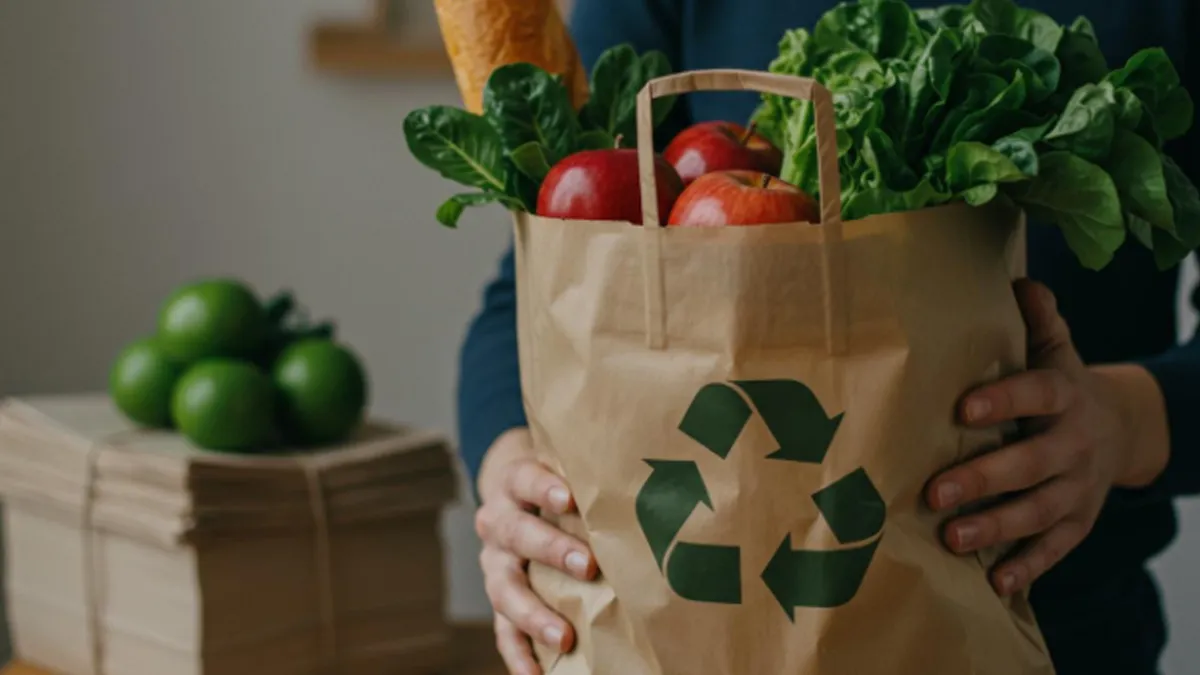
Yes, you can recycle paper grocery bags. Most paper bags go in your recycling bin because they are made from paper and break down fast. However, you may wonder, “are paper grocery bags recyclable?” There are some exceptions you should know about. Some paper bags have plastic coatings, while others may have food stains or oil. These types of bags cannot be recycled, which makes the recycling process harder and less effective. If you choose clean and dry paper bags, recycling becomes easier, which ultimately helps the environment.
Key Takeaways
- Most paper grocery bags can be recycled, but look for plastic coatings or food stains first. Clean and dry paper bags are better for recycling and help keep trash out of landfills. Take off plastic or metal handles before you recycle the bag. You can leave paper handles on. You can compost plain paper bags to help your garden soil, but do not use bags with plastic or lots of ink. Using paper bags again and again saves resources and helps the environment. Always check your local recycling rules because they can be different in each place. Pick paper bags made from recycled materials to help the planet. Small changes, like buying in bulk, can help you use fewer bags and make less waste.
Are Paper Grocery Bags Recyclable
You may ask, are paper grocery bags recyclable? Yes, they are. You can feel good using them for shopping. Most towns let you recycle paper bags at home. These bags come from natural things. This makes them a smart choice for the earth. But not all paper bags are the same. It helps to know what makes some bags easier to recycle.
What Makes Paper Bags Recyclable
If you wonder, are paper grocery bags recyclable, look at what they are made of. The stuff and how they are built matter for recycling.
Material Composition
Paper bags use wood pulp. Wood pulp is an organic thing. It breaks down in air, water, and with tiny living things. Paper bags do not hurt the earth when they rot. That is why they work well with other recyclable paper.
Here are some reasons why paper grocery bags are recyclable:
- They keep bags out of landfills and cut down on trash.
- They save resources since you do not need new materials.
- They use less energy because recycling paper takes less power than making new paper.
The kind of paper in grocery bags matters too. Most bags use strong paper without coatings. This paper is easy to recycle. If a bag has plastic or special stuff on it, it may not be recyclable. Clean bags are important. Bags with lots of food stains or oil can cause trouble when recycling.
Handles and Adhesives
Handles and glue can change if a paper bag is recyclable. Many grocery bags have flat paper handles. You can recycle these with the bag. Some bags use glue for the handles. Most recycling places can handle a little glue. If the handles are plastic or metal, take them off before recycling.
Local recycling rules can be different. Some places take all paper grocery bags. Others only take bags with flat handles and no coatings. It is smart to check with your local recycling center. Many towns have online tools to help you see if your bag is recyclable.
Note: Recycling rules are not the same everywhere. Always ask your local waste provider for the best info.
When you know what makes paper bags recyclable, you can help the planet. Clean, plain paper bags with paper handles are usually best for recycling.
How to Recycle Paper Bags
Recycling paper bags helps your town stay clean. It also helps the earth. You can recycle most paper bags at home. Some drop-off centers take them too. You can compost some bags to help your garden. Let’s see the best ways to recycle paper bags. You should know a few things before you throw them away.
Curbside Recycling
Many towns pick up paper bags for recycling. You can help by following some easy steps.
Accepted Items
You need to get your paper bags ready first. Here is a simple list:
- Check for Soiling: Look for food stains or grease. If the bag is dirty, throw it away. Dirty bags can ruin other recycling.
- Remove Non-Paper Handles: Take off handles made of plastic, string, or ribbon. These do not belong in the recycling bin.
- Leave Paper Handles: If the handles are paper, you can leave them on.
Tip: Flatten your paper bags before you recycle them. This saves space and helps sorting.
Not Accepted
Some paper bags cannot go in curbside recycling. Watch out for these problems:
| Contaminant Type | Description |
|---|---|
| Plastic Bags | These jam machines and should not go in the bin. |
| Dirty or Oily Paper | Stains make the fibers weak and mess up other recycling. |
| Wet Paper | Wet bags can get moldy and ruin the recycling process. |
Recycling centers have trouble sorting paper bags with problems. Food, oil, and plastic make recycling harder. Even one greasy bag can ruin a whole batch.
Drop-Off Centers
If your curbside program does not take some bags, use drop-off centers. Many grocery stores and recycling centers have bins for clean paper bags. Ask your local center about their rules. Some places let you bring back old bags. This makes recycling easy.
You can help others learn about recycling. Share tips with friends or family. Look for instructions on packaging or social media. Some stores give rewards for recycling. This makes it fun and easy.
Composting Options
You can compost some paper bags if they are plain. They must not have plastic or heavy ink. Composting turns bags into good soil for your garden. Composting centers use microbes to break down paper bags. The bag’s build and any inks or coatings matter for composting. You need the right conditions for it to work.
Many centers take food-soiled paper and kraft paper bags. Here is a table that shows how often centers take different materials:
| Type of Material | Acceptance Rate (%) | Number of Facilities |
|---|---|---|
| Food-soiled paper and pizza boxes | 83 | 117 |
| Certified compostable bioplastic bags | 66 | 93 |
| Kraft paper bags | 61 | 86 |

Some composting centers want special certifications for paper bags. You may see BPI certification, ASTM D6400/6868 standard, or Compost Manufacturing Alliance field-tested certification. These labels show the bag will break down safely.
- BPI certification is needed by 45 centers.
- ASTM D6400/6868 compostability standard is needed by 31 centers.
- Compost Manufacturing Alliance field-tested certification is needed by 16 centers.
Check with your local composting center to see what bags they take. Composting bags that cannot be recycled helps the earth.
Note: Always check your town’s rules before recycling or composting paper bags. Every place has different rules.
Environmental Benefits
Renewable Resources
You might wonder why paper bags are often seen as a greener choice. One big reason is that they come from renewable resources. Most paper bags start as wood pulp from trees. Trees can grow back, so they are not a limited resource like oil. When you use paper bags made from responsibly managed forests, you help support a cycle that can continue for many years.
However, it is important to know that making paper bags does have an impact on forests. The process uses a lot of trees, which can lead to deforestation if companies do not use good forest management. Deforestation destroys animal homes and adds more greenhouse gases to the air because trees help trap carbon. Some studies show that making a paper bag can use more water and energy than making a plastic bag. Replanted forests sometimes need extra chemicals to grow well. When you choose paper bags, look for ones made from recycled paper or from forests that follow strong environmental rules.
Tip: Check for labels that show your paper bags come from certified sustainable sources.
Biodegradable and Compostable
Paper bags break down much faster than plastic bags. If you put a paper bag in a compost pile, it can turn into soil in just two to six weeks if the conditions are right. In a landfill, the process slows down because there is not much air or water. Sometimes, a paper bag can take months or even years to break down in a landfill. When paper bags decompose without enough oxygen, they can make methane, a strong greenhouse gas.
You can help by composting plain paper bags at home or using community composting programs. This keeps them out of landfills and turns them into something useful for your garden. Always make sure your paper bags do not have plastic coatings or heavy ink before composting.
Reusable Before Recycling
Before you think about recycling, you can use paper bags more than once. Many people use them to carry groceries, pack lunches, or wrap gifts. You can even use them for craft projects or to line trash bins. Reusing paper bags helps save resources and cuts down on waste.
Here are some simple ways you can reuse paper bags:
- Carry books or supplies
- Store fruits and vegetables
- Cover school books
- Make art projects
When your paper bags get worn out, you can recycle them if they are clean and dry. Recycling gives the fibers a new life and helps reduce the need for new materials. By reusing and recycling, you help protect forests and keep waste out of landfills.
Paper Bags vs. Other Bags
When you choose a grocery bag, you might wonder which type is best for the planet. Lets look at how paper bags compare to plastic bags, reusable bags, and other alternatives. You will see that each option has strengths and weaknesses.
Plastic Bags
Plastic bags seem convenient. They are light and strong. Many stores offer them for free. You might think they are better because they use less energy to make. In fact, plastic bags have a lower carbon footprint than paper bags. Here are some facts:
- Plastic bags use 14.9 kg of fossil fuels, while paper bags use 23.2 kg.
- Plastic bags produce 7 kg of municipal solid waste. Paper bags produce 33.9 kg.
- Greenhouse gas emissions for plastic bags reach 0.04 tons of CO2. Paper bags reach 0.08 tons.
- Water use for plastic bags is 58 gallons. Paper bags need 1,004 gallons.
- Making paper bags causes 70 percent more air pollution and 50 times more water pollution than plastic bags.
You might think plastic bags are easier to recycle. In reality, most recycling centers do not accept them in curbside bins. Plastic bags often end up in landfills or as litter. Only about 10 percent of plastic grocery bags get recycled in the United States. Paper bags have a much higher recycling rate.
| Type of Bag | Recycling Rate |
|---|---|
| Plastic Grocery Bags | Approximately 10% |
| Paper Grocery Bags | Approximately 50% |
If you want to help the environment, you should avoid single-use plastic bags. They last for hundreds of years and harm wildlife.
Reusable Bags
Reusable bags offer a smart choice if you use them often. You can find them made from cloth, recycled plastic, or sturdy synthetic materials. These bags last for years if you take care of them. The more you use your reusable bag, the better it is for the planet.
| Bag Type | Required Uses to Offset Production Impact | Carbon Emissions Comparison |
|---|---|---|
| Plastic Bag | 1 | Lowest if used once |
| Paper Bag | 4 | Lower if reused adequately |
| Reusable Bag | 11 | Lower if reused adequately |
You need to use a reusable bag at least 11 times to make it more sustainable than a paper bag. If you use it even more, you save resources and reduce waste. Proper disposal matters too. When your bag wears out, recycle it if possible or find another use for it.
- The sustainability of a bag depends on how many times you use it.
- Reusable bags need many uses to be better than paper bags.
- You should reuse and recycle bags at the end of their life.
Other Alternatives
You might see bags made from cotton, jute, or other natural fibers. These bags look eco-friendly, but they have hidden costs. Cotton bags use a lot of water and land. A U.K. study found that you must use a cotton tote 131 times to beat a single-use plastic bag. A Danish study says you need to use a cotton bag 20,000 times to make it better for the planet.
- Cotton bags have a severe impact because they need lots of water and land.
- You must use a cotton bag 7,100 times to match the environmental profile of a plastic bag.
- Organic cotton bags need even more resources. You must use them 20,000 times to make them environmentally favorable.
Paper bags, made from renewable resources, break down in nature and compost easily. They need much more water to produce than plastic bags and cause more pollution during manufacturing. If you choose paper bags made from recycled paper, you help reduce the impact. You can recycle or compost paper bags if they are clean and free of coatings.
Tip: Choose bags you can use many times. Reuse and recycle whenever you can. This helps the earth and keeps waste out of landfills.
Common Myths
Not All Paper Bags Are Recyclable
You might think every paper bag goes straight into the recycling bin. This is not always true. Some bags have coatings, heavy ink, or food stains. These features make them hard to recycle. You need to check your bag before tossing it in the bin. If you see grease or food, the bag belongs in the trash or compost. Handles made from string or plastic also cause problems. Remove these before recycling.
Here are some common misconceptions and facts:
| Misconception | Clarification |
|---|---|
| Paper grocery bags are not recyclable | Most towns accept paper bags in recycling programs. Used paper has many end markets. |
| Paper can be recycled forever | Paper fibers weaken after 5 to 7 cycles. Fresh fiber keeps quality high. |
You help the recycling process when you keep bags clean and remove non-paper parts. This simple step makes a big difference.
Recycling vs. Composting
You may wonder if you should recycle or compost your paper bags. Both options help the environment, but they work in different ways. Recycling turns old bags into new paper products. Composting breaks bags down into soil for gardens.
Here is a quick look at the two processes:
| Process | Description |
|---|---|
| Recycling | Turns paper bags into new paper items. |
| Composting | Needs you to tear bags into small pieces and keep moisture and air balanced. |
If you want to compost, follow these steps:
- Inspect for contaminants
- Tear bags into smaller pieces
- Layer in the compost bin
- Keep moisture and air balanced
- Watch how fast the bag breaks down
You should choose recycling for clean bags. Composting works best for bags with food stains or grease. Both methods keep waste out of landfills.
Environmental Impact
You might believe paper bags always help the planet. The truth is more complex. Recycling paper bags lowers greenhouse gas emissions compared to landfilling. Still, making paper bags uses more energy and water than making plastic bags. Paper bags also create more solid waste.
Consider these facts:
- Recycling paper bags cuts greenhouse gases.
- Paper production causes 70 percent more pollution than plastic.
- Recycling paper can use more energy than making new plastic bags.
- Paper bags create 80 percent more solid waste than plastic bags.
- In landfills, paper bags do not break down much faster than plastic.
You make a positive impact when you reuse, recycle, or compost your bags. Each choice helps reduce waste and pollution.
Tip: Always check your local rules for recycling and composting. You help the planet when you follow the right steps.
Tips for Eco-Friendly Use
Making small changes in how you use grocery bags can help the planet. You can make a big difference by reusing bags, choosing the right type, and finding ways to use fewer bags overall. Here are some simple tips to help you get started.
Reuse Bags
You can get the most out of your paper grocery bags by using them more than once. This helps save resources and keeps waste out of landfills. Try these best practices to make your bags last longer:
- Clean your paper bags often to keep them safe for food and other items.
- Store bags in places you visit often, like your car or near the front door. This makes it easy to grab a bag before you shop.
- Use old bags for other things around the house. You can organize toys, store craft supplies, or even use them for wrapping gifts.
Tip: If a bag gets torn, you can still use it for lining trash bins or as packing material.
By reusing bags, you help reduce the need for new ones. This simple habit can lower your impact on the environment.
Choose Wisely
Picking the right bag matters. Each type of grocery bag has its own pros and cons. Here is what you should think about:
- Paper bags break down in nature and are easy to recycle. They do use a lot of resources to make, so try to use each one several times.
- Reusable bags come in many materials. Cotton bags need to be used many times to be good for the earth. Bags made from nonwoven polypropylene need fewer uses to make a difference. Your habits matter most. The more you use your bag, the better it is for the planet.
- Plastic bags use fewer resources to make but cause problems after you throw them away. They can harm animals and take a long time to break down.
| Bag Type | Best Use Case | Environmental Note |
|---|---|---|
| Paper | Short trips, easy recycling | Use several times to offset production |
| Reusable | Regular shopping | Most eco-friendly with frequent use |
| Plastic | Emergency or backup | Avoid when possible due to pollution |
Choose a bag that fits your needs and use it as much as you can.
Reduce Bag Use
You can help the earth even more by using fewer bags in the first place. Here are some easy ways to cut down on bag use:
- Buy in bulk to use less packaging and fewer bags.
- Support local stores that sell seasonal foods. Local foods often need less packaging and travel.
- Try to eat less meat. Meat production uses a lot of resources and creates more pollution.
Note: Every time you skip a bag or use one less, you help save energy and reduce waste.
Small changes in your shopping habits can add up. When you reuse, choose wisely, and use fewer bags, you make a real difference for the environment.
Conclusion
You have learned that paper grocery bags can be recycled. They are good for the environment in many ways. When you recycle or reuse these bags, you help keep trash out of landfills. This also helps make your town cleaner. Here are some important things to remember:
- Paper bags break down on their own and use fewer harmful chemicals when made.
- Recycling paper bags saves energy and helps forests and animals.
- Using recycled bags gives people jobs and cuts down on pollution.
You can help the earth by planning your shopping trips. Keep reusable bags close so you remember to use them. Try to use bags for more than just groceries. Every small thing you do really matters. We offer a wide range of paper bags to suit different industries and packaging purposes. Whether you need kraft paper bags for groceries, luxury laminated bags for retail, or printed takeaway bags for food service, INITI provides custom solutions to match your exact application.
FAQ
Can you recycle paper grocery bags with handles?
You can recycle paper grocery bags with paper handles. If the handles use plastic or string, remove them first. Most recycling centers accept bags with paper handles. Always check your local recycling rules to make sure you follow the right steps.
What should you do if your paper grocery bag has food stains?
If your paper grocery bag has food stains or grease, you should not put it in the recycling bin. You can compost it if the bag does not have plastic coating. Dirty bags can ruin clean paper during recycling.
Tip: Tear stained bags into small pieces before composting.
Are colored or printed paper grocery bags recyclable?
Most colored or printed paper grocery bags are recyclable if the ink is water-based. Bags with heavy or metallic ink may not be accepted. You should check with your local recycling center for their rules about printed bags.
| Bag Type | Recyclable? |
|---|---|
| Water-based ink | Yes |
| Metallic ink | No |
How many times can you reuse a paper grocery bag?
You can reuse a paper grocery bag several times if it stays clean and strong. Use it for groceries, crafts, or storage. Reusing bags helps you reduce waste and supports the environmental benefits of paper grocery bags.
- Carry books
- Store veggies
- Wrap gifts
Can you compost all paper grocery bags?
You can compost plain paper grocery bags without plastic coating or heavy ink. Composting works best for bags with food stains. Always tear bags into small pieces to help them break down faster in your compost pile.
Note: Check for compostable certification if you use community composting.
Why are paper grocery bags better for the environment than plastic bags?
Paper grocery bags come from renewable resources and break down faster than plastic bags. You can recycle or compost them easily. Plastic bags last for hundreds of years and harm wildlife. Choosing paper bags helps you support a cleaner planet.
| Bag Type | Breakdown Time | Eco-Friendly Use |
|---|---|---|
| Paper | Weeks to months | Recycle, compost |
| Plastic | Centuries | Avoid when possible |