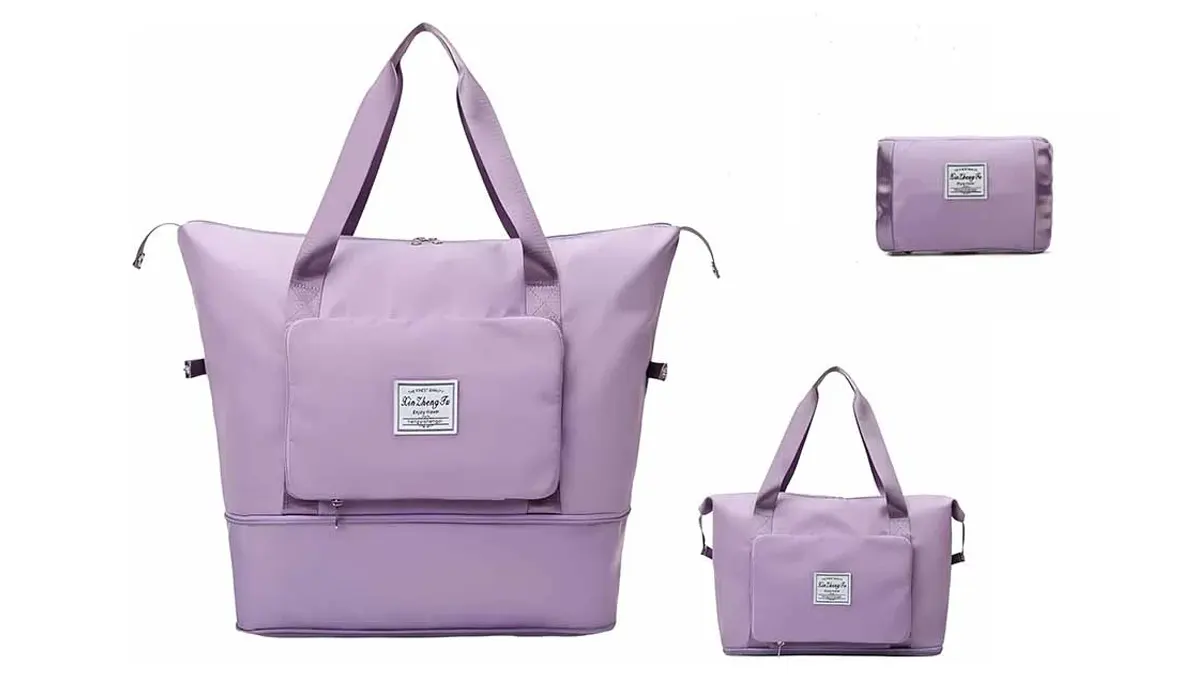
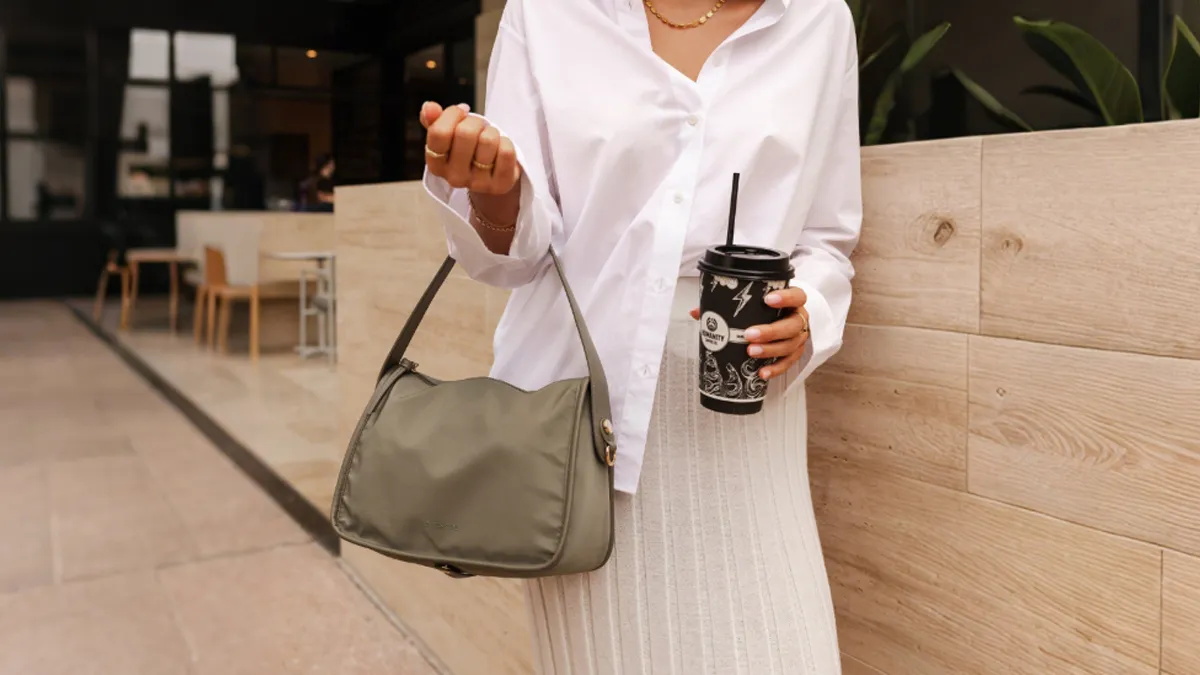
Yes, nylon bags are strong for daily use, and many people wonder, “are nylon bags durable?” The material is tough and does not scratch easily. It keeps its shape, even when you fill it up. The weave, denier, and coatings make it last longer. Look at the main reasons below:
| Factor | Why It Matters |
|---|---|
| Material Strength | Carries heavy things without ripping |
| Water Resistance | Keeps your things dry when it rains |
| Elasticity and Flexibility | Keeps its shape, even if you use it roughly |
| Resistance to Abrasion | Handles bumps and scrapes every day |
| Maintenance | Simple to clean, easy to keep looking nice |
Nylon bags have many good points. They are light, simple to clean, and do not need much care. If you want a bag for daily use, nylon is a great choice, especially considering how durable they are.
Key Takeaways
- Nylon bags are tough and last a long time. They are great for everyday use.
- A higher denier means the threads are thicker and stronger. This makes the bag last longer.
- Nylon keeps water out, so your things stay dry in rain or spills.
- Ripstop weave stops small tears from getting bigger. This helps the bag last longer.
- Coatings like PU and DWR make nylon better at keeping water out. They also help protect the bag from damage.
- Nylon bags are light and simple to clean. This makes them good for people who are busy.
- Look for strong stitching and good materials to get a bag that lasts.
- Pick the right denier for how heavy or strong you want your bag to be.
Are Nylon Bags Durable
Daily Use Performance
You probably ask yourself, are nylon bags durable enough for everyday use? The answer is yes. Nylon bags stand out because they are lightweight, easy to carry, and simple to clean. You can toss your nylon shoulder bag into your car, take it to school, or bring it on a hike. It will not weigh you down or get dirty easily. The polyamide structure of nylon gives it flexibility and bounce, so your bag keeps its shape even if you stuff it full. You do not have to worry about it losing form or looking worn out after a few weeks.
Nylon bags shine in daily life. You might use your nylon shoulder bag for groceries, gym clothes, or books. It handles all these tasks without showing much wear. Unlike canvas, which can get heavy and soggy, nylon bags dry quickly and resist stains. You can wipe them clean with a damp cloth, and they look fresh again. If you want a bag that keeps up with your busy schedule, nylon is a smart pick.
Tip: If you need a bag for school, sports, or travel, a nylon shoulder bag offers the right mix of durability and weather resistance.
Strength and Abrasion Resistance
Are nylon bags durable when it comes to rough handling? Absolutely. Nylon bags are known for their strength and toughness. The secret lies in the way nylon is made. The long, flexible chains in its polyamide structure make it hardwearing and elastic. This means your bag can stretch and bend without tearing. The tightly woven fibers add even more protection, so your bag can handle heavy loads and daily bumps.
You might wonder how experts test this strength. Here are some common laboratory tests used to check the durability of nylon fabric:
| Test Method | Description |
|---|---|
| Martindale method | Fabric is rubbed against an abrasive surface to see how many cycles it takes before damage appears. |
| Wyzenbeek method | Fabric is rubbed back and forth to measure how many double rubs it can take before wearing out. |
| Taber abraser test | Fabric is rotated against an abrasive wheel to see how long it lasts before showing visible damage. |
Nylon bags perform better than many other materials in these tests. They resist scratches and tears, even if you use them every day. For example, if you take your nylon shoulder bag on a camping trip, it can handle rough ground, branches, and rocks. It will not rip or fray easily. Many travelers and outdoor fans trust nylon bags because they last longer and stay strong.
Here are some real-life situations where nylon bags prove their strength:
- You use your nylon bag during a rainy ski trip, and it stays dry and undamaged.
- You carry it through snow and mud, and it does not tear or get ruined.
- You travel often, and your bag survives airport baggage handling without falling apart.
Water Resistance
Are nylon bags durable when it comes to water? Yes, they are. Nylon bags have a natural resistance to water, which makes them perfect for outdoor adventures and travel. The tight weave of the fabric blocks water from getting inside. Some nylon bags have extra coatings, like PU (polyurethane), to make them even more waterproof.
Let’s look at how nylon compares to other materials for water resistance:
| Material | Water Resistance Rating | Notes |
|---|---|---|
| Ripstop Nylon | Good | Tight weave blocks water; may need coating |
| PU-coated Nylon | Excellent | Highly waterproof, great for outdoor use |
| TPU | Excellent | Flexible and waterproof |
| PVC | Good | Heavier but keeps water out |
You can see that nylon bags, especially those with coatings, keep your things dry in the rain. If you use a nylon shoulder bag for school or work, you do not have to worry about your books or electronics getting wet. Some bags even have waterproof zippers, sealed seams, or roll-top closures for extra protection.
Here’s a chart that shows how different types of nylon perform in wet conditions:
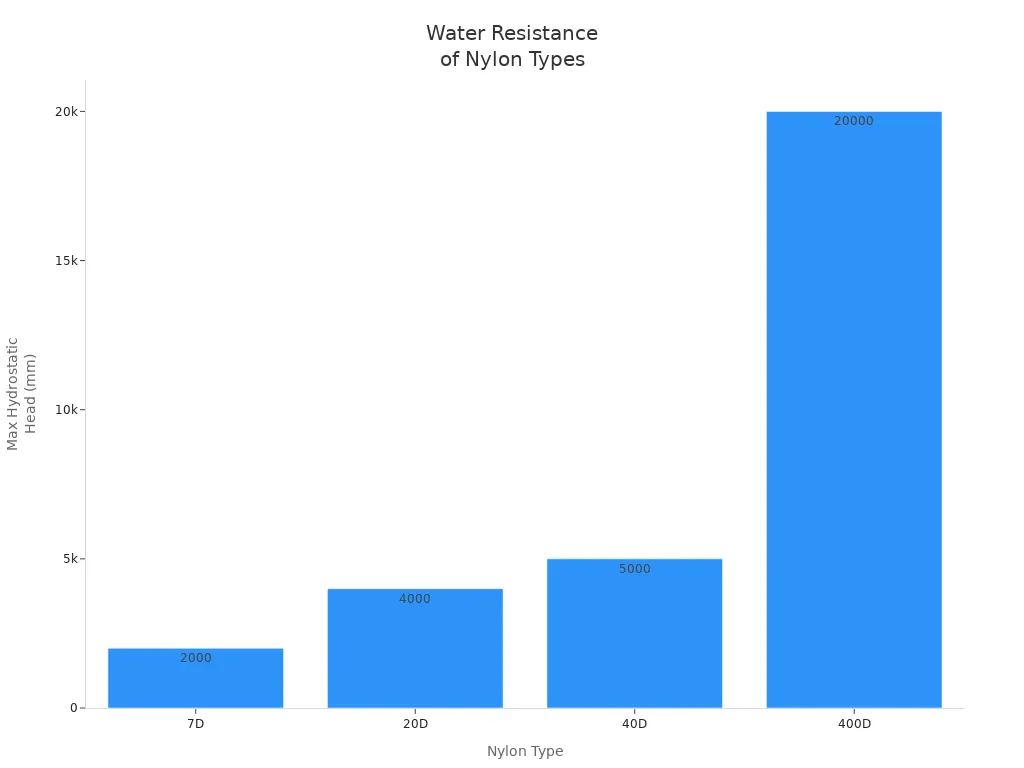
You can see that heavy-duty nylon, like 400D, offers the best water protection. This makes it a top choice for backpacks and travel bags. Everyday use often means facing rain, spills, or snow. Nylon bags handle all these challenges with ease.
Are nylon bags durable for everyday use? Yes, they are. You get a bag that is strong, flexible, and ready for anything your day brings.
Denier Explained
What Is Denier
You might see the word “denier” on a nylon bag tag and wonder what it means. Denier, often shown as “D,” is a way to measure how thick and strong the threads in your bag are. Here’s what you need to know:
- Denier measures the mass in grams of 9,000 meters of fiber.
- If a thread is one denier, then 9,000 meters of that thread weighs one gram.
- The higher the denier number, the thicker and heavier the thread.
- A fiber is called a microfiber if it is one denier or less.
- This measurement started with silk, which is very fine and light.
So, when you see a bag labeled “400D nylon,” it means the threads are thicker and heavier than a “210D nylon” bag.
Denier and Durability
Denier plays a big role in how tough your nylon bag will be. You want your bag to last, right? Here’s how denier affects that:
- Higher denier means thicker threads, which makes the fabric stronger.
- Bags with high denier resist scratches and tears better.
- Ballistic nylon, which has a high denier and tight weave, is much stronger than regular nylon canvas.
- A tighter weave also adds to the strength, as the threads sit closer together.
If you need a bag for heavy-duty use, like travel or outdoor adventures, look for a higher denier. These bags can handle rough treatment and still look good. Lower denier bags feel lighter and softer, but they may not stand up to as much wear and tear. You get a balance between weight and durability by picking the right denier for your needs.
Tip: If you want a bag that can handle bumps, scrapes, and heavy loads, choose one with a higher denier.
Choosing Denier for Everyday Bags
You don’t always need the thickest, heaviest bag. For daily use, you want something that feels light but still lasts. Here’s a quick guide to help you pick the right denier:
| Bag Type | Recommended Denier Range |
|---|---|
| Everyday Nylon Bags | 210D – 420D |
| Reinforced Areas | 600D – 1000D |
Most everyday nylon bags use fabric in the 210D to 420D range. This gives you a good mix of light weight and durability. If you see extra-strong corners or bottoms on a bag, those spots might use 600D or even 1000D nylon for extra protection.
When you shop for a nylon bag, check the denier on the label. Think about how you’ll use the bag. If you carry heavy books or gear, go for a higher denier. If you want something light for errands or the gym, a lower denier works well.
Note: The right denier helps your bag last longer and keeps it looking new, even with daily use.
Weave Types
When you pick a nylon bag, the way the fabric is woven matters a lot. The weave affects how strong, flexible, and long-lasting your bag will be. Let’s look at three common weave types you’ll find in nylon bags: plain weave, ripstop, and twill.
Plain Weave
Plain weave is the most basic type. You can picture it like a checkerboard, with threads going over and under each other in a simple pattern. This weave gives you a smooth and flat surface. Bags with plain weave feel firm and hold their shape well. They also have good strength, so you can trust them for daily use.
- Plain weave bags are less flexible than other types.
- They offer higher tensile strength, which means they can handle heavy loads.
- You might notice that plain weave bags feel a bit stiffer, but they resist stretching.
If you want a bag that keeps its form and stands up to regular use, plain weave is a solid choice.
Ripstop
Ripstop weave looks a little different. You’ll see a grid pattern on the fabric. This pattern comes from thicker threads woven into the nylon at regular intervals. The special design helps stop small rips from turning into big tears. If you snag your bag on a branch or sharp edge, the damage stays small.
- The grid pattern of ripstop fabric effectively prevents small rips from spreading.
- Thicker threads redistribute the force of a tear, keeping damage contained.
- This design enhances the strength and durability of nylon bags, making them ideal for high-use applications.
You often find ripstop nylon in outdoor gear, military bags, and travel backpacks. If you want a bag that can handle rough adventures, ripstop is a smart pick. You get peace of mind knowing your bag will last longer, even if you use it every day.
Tip: If you see a faint grid on your bag, you’re probably looking at ripstop nylon!
Twill
Twill weave stands out because of its diagonal lines. You can spot twill by the slanted pattern on the fabric. This weave gives your bag a soft drape and makes it easier to bend and fold. Twill bags feel less stiff and fit nicely against your body.
Here’s how twill compares to plain weave:
| Weave Type | Tear Strength | Flexibility | Abrasion Resistance |
|---|---|---|---|
| Twill | 19N – 30N | Improved | Superior |
| Plain | Higher tensile strength | Less flexible | Moderate |
Twill weave provides a great balance of tear resistance and flexibility. It adapts to curved surfaces without buckling, so your bag feels comfortable to carry. The energy absorption of twill helps protect your things if you drop your bag or bump it. Twill weave also shows 20-30% higher tear resistance than plain weave, which means your bag can handle more rough use.
- Twill weave is less stiff and resists tearing better.
- It offers improved flexibility and drape, suitable for contour adaptation.
- Twill weave shows higher tear resistance than plain weave.
When you want a bag that feels soft, bends easily, and still stands up to daily bumps, twill weave is a great option. You get comfort and durability in one package.
Coatings
When you pick a nylon bag, you might notice words like PU, PVC, or DWR in the product details. These coatings make a big difference in how your bag handles water, dirt, and daily wear. Let’s break down what each one does for you.
PU Coating
PU stands for polyurethane. You see this coating on many nylon bags because it adds a strong layer of protection. Here’s what PU coating does for your bag:
- PU creates a waterproof barrier. Water beads up and rolls off, so your things stay dry.
- The coating makes the fabric tougher. Your bag can handle more bumps and scrapes.
- PU keeps your bag light and flexible. You can fold or stuff your bag without cracking the coating.
- Over time, if you leave your bag in wet places for too long, water can still get in. The coating works best when you keep your bag dry between uses.
- Sometimes, a thicker PU coating adds weight. This can make the bag feel sturdier, but it might also feel heavier.
You get a good mix of water resistance and durability with PU-coated nylon. Most school, gym, and travel bags use this type of coating.
PVC Coating
PVC, or polyvinyl chloride, is another common coating for nylon bags. It gives you even more water protection, but there are some trade-offs. Check out this table to see how PVC and PU compare:
| Coating Type | Environmental Impact | Performance Characteristics |
|---|---|---|
| PVC | Concerns due to chlorine content and limited recyclability | High waterproof rating (10,000–30,000 mm), moderate flexibility, heavy weight, non-breathable |
| PU | More sustainable option, absence of chlorine and phthalates | Lower waterproof rating (1,000–5,000 mm), high flexibility, lightweight, moderate breathability |
PVC-coated nylon bags keep water out, even in heavy rain. You might pick a PVC bag for camping or boating. But PVC makes the bag heavier and less flexible. It also does not let air pass through, so your bag can feel stuffy inside. If you care about the environment, you may want to choose PU over PVC.
Tip: If you need a bag for wet and muddy adventures, PVC-coated nylon is a solid choice. For everyday use, PU is usually enough.
DWR
DWR stands for Durable Water Repellent. This treatment is different from a coating. Instead of adding a thick layer, DWR is sprayed or bonded onto the fabric. Here’s what you should know:
- DWR helps water bead up and roll off the surface. Your bag stays dry in light rain or splashes.
- The treatment lasts for several seasons if you take care of your bag.
- How long DWR works depends on how often you use your bag, how much sun or rain it sees, and how you clean it.
You can refresh DWR at home with special sprays. If you want a bag that stays dry but still feels soft and light, look for one with a DWR finish.
Note: DWR does not make your bag fully waterproof, but it adds a handy layer of defense for daily life.
Now you know how coatings help your nylon bag last longer and keep your stuff safe. Pick the right one for your needs, and you’ll get the most out of your bag!
Comparing Materials
When you shop for a new bag, you probably wonder how nylon bags stack up against other popular choices. Let’s break it down so you can pick the best one for your needs.
Nylon vs. Polyester
You might see both nylon and polyester bags in stores. They look similar, but they perform differently. Nylon bags stand out for their strength and toughness. Take a look at this table:
| Fabric | Tensile Strength (MPa) | Abrasion Resistance (Martindale cycles) |
|---|---|---|
| Nylon | 800–1,200 | >50,000 |
| Polyester | 500–800 | 30,000–45,000 |
Nylon bags can handle more weight and rough use than polyester. If you toss your nylon shoulder bag around or fill it with heavy books, it won’t wear out quickly. Polyester bags are good, but they might show signs of wear sooner.
Both types are easy to care for. You can wash them in cold or warm water and let them air dry. If you need to iron your nylon shoulder bag, use a low heat setting to avoid melting the fabric. Polyester is a bit more wrinkle-resistant, but both are simple to maintain.
Nylon vs. Canvas
Canvas bags feel sturdy, but they don’t always keep your things dry. Nylon bags offer better water resistance right away. Here’s what you’ll notice:
- Nylon keeps your gear dry, even in heavy rain. Water beads up and rolls off.
- Untreated canvas soaks up water fast, so your stuff can get wet.
- Waxed canvas works better, but you need to treat it often to match nylon’s water resistance.
Nylon bags also weigh less than canvas. You can fold and pack a nylon shoulder bag easily, which makes it perfect for travel. Canvas bags are heavier and less flexible. Check out this quick comparison:
| Feature | Nylon | Canvas |
|---|---|---|
| Weight | Lightweight | Heavier |
| Water Resistance | Naturally water-resistant | Needs waxing for protection |
| Durability | Handles abrasion and mildew | Less durable outdoors |
| Storage | Compresses easily | Bulky |
| Best Use | Travel, tactical, outdoor | Everyday, casual |
If you want a bag for outdoor trips or rainy days, nylon bags are a smart pick. You get less weight and more protection.
Nylon vs. Leather
Leather bags look classic, but they come with extra weight and care. Nylon bags feel much lighter, so you can carry your nylon shoulder bag all day without getting tired. Leather bags need special cleaning and conditioning. Nylon is easy to wipe clean and doesn’t need much attention.
Here’s what you’ll notice:
- Nylon bags are lightweight and flexible.
- Leather bags are heavier and need more care.
- You can clean nylon with a damp cloth, but leather needs special products.
- Both can last a long time, but nylon bags cost less.
Leather bags usually cost more because making them takes more work and special materials. If you want a bag that’s easy to use, budget-friendly, and tough enough for daily life, nylon bags are a great choice.
Tip: If you need a bag for travel, sports, or school, a nylon shoulder bag gives you the best mix of durability, water resistance, and easy care.
Quality Assessment
What to Look For
When you shop for a nylon bag, you want to make sure you get one that lasts. Start by checking the material. High-quality nylon feels smooth and strong. It should not feel thin or flimsy. Good nylon bags use strong synthetic fibers, which help them stand up to daily use.
Look at the stitching. Tight, even stitches mean the bag will not fall apart easily. Loose threads or gaps can be a sign of poor quality. Check the zippers and buckles. They should move smoothly and feel sturdy in your hand.
Here are some key features you should check before buying:
- Material strength: The nylon should feel thick and tough, not weak or see-through.
- Water resistance: Look for bags with DWR coatings or sealed seams. These features help keep your things dry if you get caught in the rain.
- Elasticity: A good nylon bag stretches a little when you fill it up. This helps it carry heavy loads without tearing.
- Lightweight design: The bag should feel light when you pick it up. You want something comfortable to carry all day.
Tip: Pick up the bag and give it a gentle tug. If it feels sturdy and bounces back, you have a winner!
Signs of Quality
You can spot a well-made nylon bag by looking for a few simple signs. First, check the seams. Double stitching or reinforced corners show that the maker cares about durability. If the bag has extra fabric at stress points, it will last longer.
Next, look at the inside. A quality bag often has a smooth lining. This protects your things and makes cleaning easier. Strong zippers and metal hardware also show good craftsmanship. Plastic parts can break more easily, so metal is usually better.
A good nylon bag will also have:
- Even color with no fading or spots
- Smooth, snag-free fabric
- No strong chemical smell
If you see these signs, you can trust the bag to handle your busy life.
Questions to Ask
Before you buy, ask a few questions to make sure you get the best value:
- What type of nylon does this bag use? (Look for denier ratings like 210D, 400D, or higher.)
- Does the bag have a water-resistant coating or sealed seams?
- Are the zippers and buckles made from metal or strong plastic?
- Is the stitching reinforced at stress points?
- How much weight can the bag safely carry?
If you ask these questions, you will feel more confident about your choice. You will know you are getting a nylon bag that is ready for anything.
Remember: A little extra time spent checking quality now can save you from problems later!
User Experiences
Common Issues
You might love your nylon bag, but sometimes you run into problems. Many users share similar concerns. Here are some of the most common issues you could face:
- Odors: Nylon bags can pick up smells if you do not clean them often. If you leave food or wet clothes inside, the bag may start to smell bad.
- Wear and Tear: Over time, nylon bags can show signs of use. The fabric may thin out, or the color might fade, especially if you use the bag every day.
- Chemical Concerns: Some people worry about chemicals in nylon, especially when using these bags for food. You might hear questions about whether nylon is safe for carrying snacks or lunches.
- Environmental Impact: Nylon comes from petroleum, which is not a renewable resource. The bags do not break down in nature, so you need to think about how you throw them away.
You can avoid many of these problems with good care. Here are some tips that users find helpful:
- Wipe your bag with a soft cloth every day to keep dust away.
- Clean stains with a mild detergent or a cleaner made for nylon.
- Vacuum and wipe the inside to remove crumbs and dirt.
- Store your bag in a dry place, away from sunlight, to keep it looking new.
- Use a pillowcase or dust bag for storage when you are not using it.
- Spray your bag with a water-repellent coating for extra protection.
Tip: If you want your nylon bag to last, clean it often and store it carefully. This helps prevent odors and keeps the fabric strong.
Success Stories
Many people share great stories about their nylon bags. You might find that your own bag lasts for years, even with daily use. Here is what one happy user says:
“I have the nylon backpack, it’s been everywhere with me, when I travel, I either wear it or stuff it in my carry-on — it is so durable and convenient, doesn’t show dirt and always looks good. I also have a beige nylon/leather pocket satchel/shoulder bag, and I’ve been very pleased with its durability.”
You can see that nylon bags often stand up to busy lives. Travelers, students, and parents all say their bags keep looking good, even after lots of use. If you take care of your bag, you might enjoy the same long-lasting results.
Note: Your nylon bag can be a reliable partner for school, work, or travel. With a little care, it will stay strong and stylish for years.
Conclusion
You now know nylon bags stand out for daily use. When you look at denier, weave, and coatings, you get nylon bags that last longer and stay strong. Here’s why you should care:
- Higher denier nylon bags give you more strength and durability.
- Medium-denier nylon bags balance weight and toughness.
- Coatings like DWR help nylon bags resist water and last longer.
If you want a nylon shoulder bag that keeps up with your busy life, use these tips when you shop. Our team makes nylon bags for every need. You can order wholesale, ask for custom nylon bags, or try OEM/ODM options. We create nylon bags in many styles and materials. Want a nylon shoulder bag that fits your style? Reach out today. We love helping you find the perfect nylon bags!
FAQ
How do I clean my nylon bag?
You can wipe your nylon bag with a damp cloth. For tough stains, use mild soap and water. Let it air dry. Avoid using bleach or putting it in the dryer.
Can nylon bags handle heavy loads?
Yes! Nylon bags are strong. You can carry books, groceries, or gym gear without worry. Just check the stitching and handles for extra support.
Are nylon bags waterproof?
Most nylon bags resist water. If your bag has a PU or DWR coating, it keeps things dry in light rain. For heavy rain, look for sealed seams or a rain cover.
Will my nylon bag fade in the sun?
Nylon can fade if you leave it in the sun for a long time. Store your bag in a cool, dry place when you are not using it.
Do nylon bags smell over time?
Nylon bags can pick up odors if you leave wet or dirty items inside. Clean your bag often and let it dry completely to keep it fresh.
Can I use a nylon bag for travel?
Absolutely! Nylon bags are lightweight and easy to pack. They resist water and dirt, so they work well for travel, school, or sports.
How do I know if my nylon bag is high quality?
Check the fabric thickness, stitching, and zippers. High-quality nylon feels strong and smooth. Reinforced seams and sturdy hardware mean your bag will last longer.
Are nylon bags safe for food storage?
You can use nylon bags for snacks or lunch, but use a food-safe liner or container inside. This keeps your food fresh and your bag clean.