
Are linen bags good for bread storage? Yes, you’ll find they keep your bread fresher for longer. Linen bags let air flow around your loaf, which stops sogginess and helps the crust stay crisp.
Unlike plastic, which turns bread tough and soggy, linen lets the bread breathe, ensuring the crust remains crisp and the inside stays soft.
- Linen bags attract just enough moisture, prevent mold, and keep bread soft.
- They offer a natural, sustainable way to store bread at home.
Key Takeaways
- Linen bags help bread stay fresh longer. They let air move around the bread. This stops the bread from getting soggy. The crust stays crisp.
- These bags hold just enough moisture. This keeps bread soft. It also lowers the chance of mold.
- Using linen bags is good for the planet. You can use them again and again. They break down naturally. This helps cut down on plastic trash.
- Linen lets bread breathe better than plastic or paper. This helps bread keep its fresh taste and feel.
- To keep bread fresh, use a linen bag at room temperature. Do not put bread in the fridge. The fridge can make bread go stale.
- You can freeze bread in a linen bag to keep it good. When you thaw it in the bag, the crust gets crisp again. The inside stays soft.
- Clean your linen bread bag often. This keeps it safe and clean for bread. It also keeps its antibacterial power.
- Pick a linen bag that fits your bread. The right size keeps bread fresh and stops it from drying out.
Are Linen Bags Good for Bread Storage
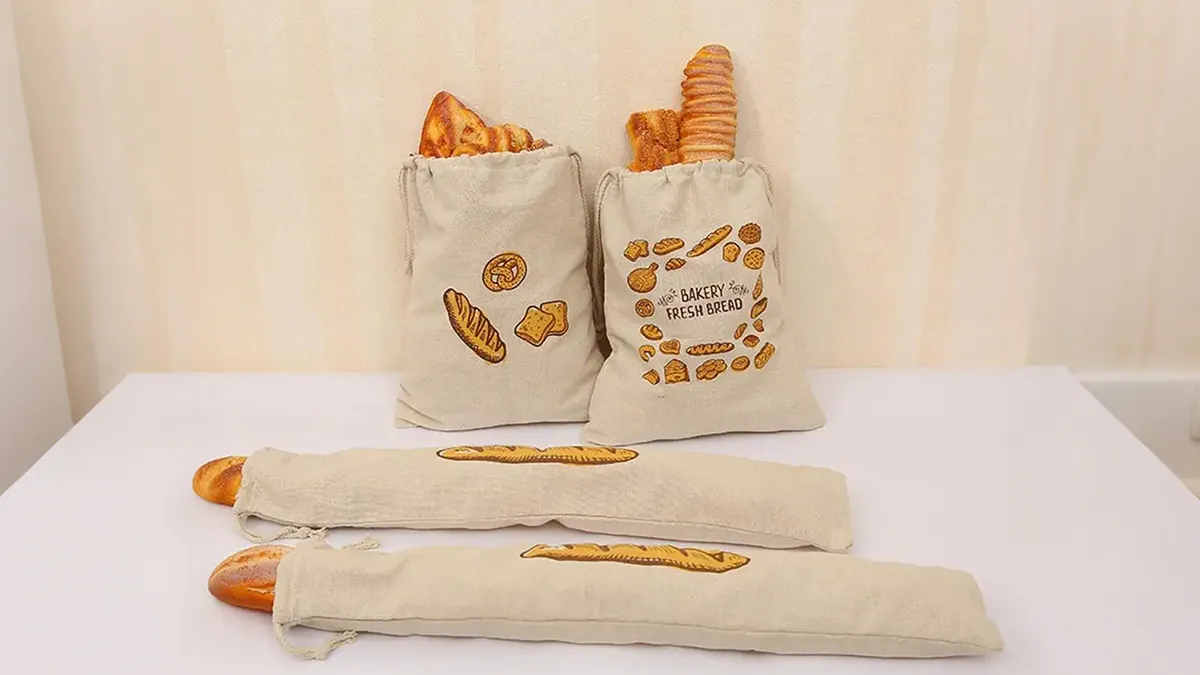
You might wonder, are linen bags good for bread storage? Let’s break it down together. If you want your bread to stay fresh, linen bread bags are a smart choice. They help you keep that bakery-fresh feeling at home, and they do it in a way that’s simple and natural.
Bread Freshness
When you use a linen bread bag, you give your bread the best shot at staying tasty. The secret comes down to how linen handles moisture and air.
Moisture Control
Linen bread bags work like magic for moisture. They don’t trap water the way plastic does. Instead, linen’s hollow fibers soak up just enough moisture to keep your bread from drying out, but not so much that it gets soggy. This balance helps you avoid that dreaded chewy or rubbery texture.
- Linen is more breathable than cotton because of its hollow fibers.
- This breathability helps regulate moisture, so your bread doesn’t get stale or moldy.
- Linen bread bags absorb extra humidity, which keeps the inside of your loaf soft while the crust stays crisp.
If you’ve ever asked, “do linen bags keep bread fresh?”—the answer is yes. You’ll notice your bread keeps its texture and flavor longer than if you used plastic or paper.
Airflow
Airflow is another reason why linen bread bags shine. The fabric lets air move around your bread, so it doesn’t suffocate. This gentle circulation means your bread can “breathe,” which is key for keeping it fresh.
- Linen bread bags allow air to circulate, preventing moisture buildup.
- This airflow stops your bread from getting soggy and helps maintain its crust.
- The breathability and freshness you get from linen bread bags make them a favorite for home bakers and bread lovers.
If you compare linen to other materials, you’ll see that linen’s breathability and freshness really stand out. Cotton bags don’t let as much air through, and plastic bags trap moisture, which can ruin your loaf.
Tip: If you want to keep your bread fresh for even longer, you can freeze it and then thaw it in a linen bread bag. This helps the crust recover and keeps the inside soft.
Here’s a quick look at how linen bread bags stack up against other storage methods:
| Storage Method | Average Shelf Life |
|---|---|
| Linen Bags | About 2 days (fresh texture), 3-4 days (progressively drier) |
| Freezing | Longer than 5 days (when thawed in linen bag) |
Mold Prevention
Nobody wants to find mould or fungi on their bread. Linen bread bags help you avoid this problem. The fabric’s breathability lets moisture escape, so you don’t get that damp environment where mould loves to grow.
- Linen bread bags are breathable, so moisture can escape.
- This keeps your bread fresh and reduces the chance of mould forming.
- Lower moisture means less risk of fungi taking over your loaf.
Linen also has natural antibacterial properties. This means your linen bread bag creates a healthier space for your bread. If you use a linen bread bag with beeswax, you get even more protection. The combination helps prevent mould and keeps your bread fresher for longer.
So, are linen bags good for bread storage? Absolutely. They help you keep bread fresh, fight off mould, and create a healthier storage spot. If you want to enjoy your bread at its best, linen bread bags are a must-have in your kitchen.
Benefits of Linen Bread Bags

Maintain Texture
You want your bread to taste just as good on day two as it did when you first sliced it. Linen bread bags help you do that. The secret is in the way linen controls moisture. Unlike cotton, linen has a tighter weave and special moisture-wicking properties. This means your bread crust stays crisp, and the inside remains soft for longer. You don’t have to worry about your loaf turning rubbery or losing its flavor overnight.
When you ask, “are linen bread bags good for keeping bread fresh?”—the answer is yes. You’ll notice that your bread keeps its bakery texture much better than if you use plastic or paper. Linen bread bags outperform cotton in moisture control and texture maintenance. You get a crisp crust and a soft crumb, which is exactly what you want from homemade or store-bought bread.
Tip: If you love a crunchy crust, linen bread bags are your best friend. They let just enough air in to keep the crust from getting soggy, but not so much that your bread dries out.
Antibacterial
You care about the health of your family. Linen bread bags help you store bread in a cleaner environment. Scientists found that linen treated with yeast enzymes can fight off bacteria. Even after many washes, treated linen keeps its antibacterial powers. This means your reusable bread bag stays fresh and safe for longer.
Here’s what researchers discovered about linen’s antibacterial qualities:
- Yeast enzymes give linen antibacterial properties.
- Untreated linen does not fight bacteria, but treated linen does.
- After ten washes, treated linen still works well against bacteria.
You might wonder how linen compares to other fabrics. Take a look at this table:
| Fabric Type | Antibacterial Efficiency | Notes |
|---|---|---|
| Linen (treated) | High | Works well after multiple washes |
| Cotton (treated) | Moderate | Less effective than linen |
| Linen (with nanocomposite) | Very High | Strong activity against Gram-negative bacteria |
So, do linen bags keep bread fresh and safe? Yes, especially when you choose reusable linen bread bags with antibacterial treatment. You get peace of mind and a healthier kitchen.
Sustainable
You want to make choices that help the planet. Linen bread bags are a smart, eco-friendly option. Linen comes from flax, a plant that needs less water and fewer chemicals than cotton. When you use reusable linen bread bags, you cut down on single-use plastics and paper waste. You help the environment every time you store bread in a linen bag.
Linen bread bags are biodegradable. When you’re done with your bag, it breaks down naturally and doesn’t harm the earth. You can feel good knowing your bread storage is eco-friendly and supports a cleaner world.
Note: Choosing linen bread bags means you support sustainable farming and reduce your carbon footprint. Every small step counts!
You see, linen bread bags offer more than just freshness. They help you maintain texture, fight bacteria, and protect the planet. If you want to know, “are linen bread bags good for bread storage?”—the answer is clear. They check all the boxes for freshness, safety, and sustainability.
Reduce Waste
Have you ever noticed how quickly your trash fills up with empty bread bags and crumpled paper wrappers? If you eat bread often, you know how much waste those single-use bags create. That’s where linen bread bags come in and make a real difference. When you switch to linen bread bags, you cut down on waste every time you bring home a fresh loaf.
Let’s look at what happens when you use linen bread bags instead of disposable options:
- You stop tossing out plastic and paper bags after every loaf.
- You keep your kitchen cleaner and your trash can emptier.
- You help reduce the amount of waste that ends up in landfills.
Linen bread bags are not just about keeping your bread fresh—they’re about making smarter choices for the planet. These bags are made from flax, a plant that grows with very little water and doesn’t need harsh chemicals. That means the process of making linen bread bags creates less waste from the start. When you use a reusable linen bread bag, you help lower the demand for single-use plastics and paper, which often end up polluting our environment.
You might wonder, “Are linen bread bags good for the environment?” The answer is yes. Linen bread bags last a long time, so you don’t have to replace them often. When they finally wear out, they break down naturally and don’t leave behind harmful microplastics. You can even compost them if you want to go the extra mile.
Here’s why linen bread bags are a smart choice for anyone who wants to reduce waste:
- Linen bread bags are reusable, so you use them again and again.
- They help you avoid the cycle of buying and throwing away single-use bags.
- Linen bread bags are biodegradable, so they won’t sit in a landfill for years.
If you care about the planet and want to make a small change that adds up, linen bread bags are a great place to start. You get to enjoy fresh bread and feel good knowing you’re helping the earth. Next time you ask yourself, “Do linen bags keep bread fresh and help reduce waste?” you’ll know the answer is a big yes.
Tip: Keep a few linen bread bags handy so you’re always ready for your next bakery visit. You’ll save money, reduce waste, and keep your bread tasting great.
Linen Bread Bags vs. Other Storage

Plastic Bags
You probably have plastic bags in your kitchen. They seem handy for storing bread, but they come with some problems. Plastic bags trap moisture inside, which can make your bread soggy and speed up mold growth. You might notice your loaf gets soft and loses its crisp crust after just one night. If you’re asking, “are linen bread bags good compared to plastic?”—the answer is yes, especially for freshness.
Take a look at this table to see how plastic and linen bags stack up:
| Type of Bag | Breathability | Moisture Retention | Environmental Impact |
|---|---|---|---|
| Plastic Bags | Reduced | Traps moisture, leading to mold growth | Non-biodegradable, contributes to pollution |
| Linen Bags | Breathable | Promotes moisture evaporation, preventing mold | Made from sustainable materials, reducing environmental impact |
Plastic bags do keep bread from drying out, but they don’t let it breathe. That means you get a soft, sometimes rubbery loaf. Linen bags, on the other hand, let air flow around your bread. This helps keep the crust crisp and the inside soft. Plus, linen bags are better for the planet.
Paper Bags
Paper bags are a classic choice at bakeries. They let bread breathe, so your crust stays crunchy for a little while. You might like how easy they are to use, and they’re made from renewable sources. But paper bags don’t keep bread fresh for long. They aren’t reusable, and your bread can dry out quickly.
Here’s a quick rundown:
- Paper bags let bread breathe and keep the crust crispy for a short time.
- They’re great for takeout and eco-friendly.
- Not the best for long-term freshness.
- Usually not reusable.
Linen bread bags do a better job if you want your bread to last. They keep moisture balanced, so your loaf stays fresh longer. You can wash and reuse linen bags, making them a smart, sustainable choice. If you wonder, “do linen bags keep bread fresh longer than paper?”—you’ll find they do.
Bread Boxes
Bread boxes look nice on your counter and give you a place to store bread. They protect your loaf from pests and sunlight. Some bread boxes have small vents to help with airflow, but they don’t control moisture as well as linen bags. You might notice your bread dries out or gets stale faster in a bread box, especially if you live in a dry climate.
If you want the best of both worlds, you can use a linen bread bag inside your bread box. This combo helps keep your bread fresh, controls moisture, and keeps your kitchen tidy.
Tip: Try storing your bread in a linen bag first. If you want extra protection, pop the bag in your bread box. You’ll get better freshness and less waste.
Are linen bread bags good for bread storage compared to these other options? Yes, they offer the best balance of freshness, texture, and sustainability. You get to enjoy your bread at its best and help the planet at the same time.
Freshness Comparison
When you want your bread to stay fresh, the storage method you choose makes a big difference. Let’s break down how linen bread bags, plastic bags, paper bags, and bread boxes stack up against each other.
Linen bread bags do a great job at balancing moisture and airflow. You get a crisp crust and a soft inside for a couple of days. The fabric lets your bread breathe, so it doesn’t get soggy or stale too quickly. If you love that bakery-fresh feeling, linen bags help you keep it going at home. Many people ask, “Are linen bread bags good for keeping bread fresh?” The answer is yes—they hit the sweet spot between too much and too little moisture.
Plastic bags trap all the moisture inside. Your bread might feel soft at first, but the crust turns rubbery fast. Mold can show up sooner because the bag holds in humidity. If you want to keep bread for more than a day or two, plastic bags often disappoint. You lose that fresh-baked texture, and the flavor fades.
Paper bags let your bread breathe, but maybe a little too much. The crust stays crunchy for a short time, but the inside dries out quickly. If you eat bread the same day you buy it, paper works fine. For longer storage, though, you’ll notice your loaf gets hard and crumbly.
Bread boxes offer another option. Here’s what makes them stand out:
- They protect your bread from too much moisture and mold.
- Bread boxes keep air out, so your loaf stays moist and doesn’t get stale as fast.
- You can count on them to last a long time because they’re sturdy.
- Bread boxes look nice on your counter and come in lots of styles.
- While they cost more at first, you get years of use.
If you want a quick look at how these options compare, check out this table:
| Storage Method | Crust Texture | Inside Softness | Mold Risk | Best For |
|---|---|---|---|---|
| Linen Bread Bag | Crisp | Soft | Low | 2-4 days of freshness |
| Plastic Bag | Soggy | Soft (then chewy) | High | Short-term, freezing |
| Paper Bag | Crunchy | Dries out fast | Low | Same-day eating |
| Bread Box | Good balance | Moist | Very Low | Longer-term storage |
So, do linen bags keep bread fresh? Yes, especially if you want a natural, reusable solution that keeps your bread tasting great for a few days. Bread boxes work well for longer storage, but linen bread bags give you the best mix of freshness and sustainability for everyday use.
Tip: Try combining a linen bread bag with a bread box for even better results. You get the airflow from linen and the protection from the box—your bread will thank you!
How to Use a Linen Bread Bag
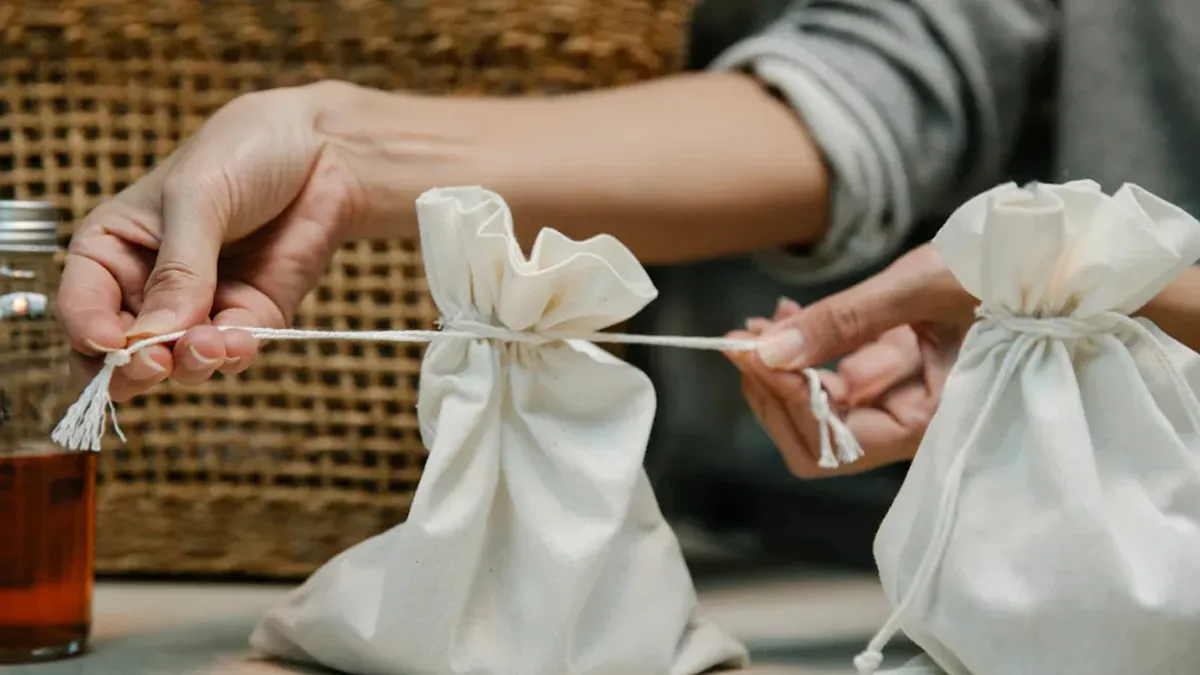
Choosing a Bag
Picking the right linen bread bag makes a big difference in how fresh your bread stays. You want a bag that fits your loaf, so think about the size and shape. If you bake big sourdough rounds or buy long baguettes, look for a bag with enough room. Some bags come with zippers or drawstrings, which help keep out extra moisture. You might like a bag with a window, so you can peek at your bread without opening it.
Here are a few things to keep in mind when you shop for a linen bread bag:
- Size and capacity: Match the bag to your favorite loaf.
- Closure: Zippers or drawstrings help seal in freshness.
- Material: Choose high-quality linen for breathability.
- Visibility: A clear panel lets you check your bread easily.
- Food safety: Make sure the bag is safe for storing bread.
- Reviews: See what other bread lovers say about the bag.
- Price and value: Find a bag that fits your budget.
- Reputation: Buy from trusted brands for better quality.
If you’re wondering, “are linen bread bags good for all types of bread?”—the answer is yes, as long as you pick the right size and style.
Storing Bread
Once you have your linen bread bag, you’re ready to start storing bread like a pro. Let your loaf cool completely before you put it in the bag. Warm bread releases steam, which can make the crust soggy. Slide your bread into the bag, seal it up, and place it in a cool, dry spot in your kitchen.
Different breads need different care. Take a look at this table for quick tips:
| Bread Type | Recommended Storage Method |
|---|---|
| Sourdough Bread | Use paper or linen bags for breathability. |
| Whole Grain Bread | Use plastic or silicone bags to retain moisture. |
| White Bread | Use paper or linen bags to prevent drying. |
| Long-Term Storage | Freeze in plastic bags or aluminum foil. |
If you want to keep your bread fresh for more than a few days, you can freeze it. When you’re ready to eat, thaw your loaf in a linen bread bag. This helps the crust recover and keeps the inside soft. You’ll see why so many people ask, “do linen bags keep bread fresh?”
Tip: Always store your bread in a cool, dry place. Humidity can make bread spoil faster.
Cleaning Tips
Keeping your linen bread bag clean helps your bread stay safe and tasty. You don’t need to wash the bag after every use. Wait until you see crumbs or stains. When it’s time to clean, use lukewarm water and a mild detergent. Hand washing works best because it protects the linen fibers.
Here’s how you can care for your bag:
- Skip the bleach. It can damage the linen.
- Use vinegar or lemon juice for tough stains.
- Deep clean with half a cup of white vinegar in the wash water to remove odors.
- If you spot mold, soak the bag in a vinegar-water mix before washing.
- Dry your bag in a cool, well-ventilated area to prevent mildew.
Note: Store your clean linen bread bag in a dry spot. This keeps it fresh and ready for your next loaf.
With these simple steps, you’ll see why linen bread bags are good for storing bread and keeping your kitchen eco-friendly.
Bread Types
You might wonder if all types of bread do well in linen bread bags. The answer depends on the kind of loaf you have at home. Some breads love the breathability of linen, while others need a bit more moisture to stay soft.
Let’s look at what baking experts recommend for different types of bread:
| Type of Bread | Recommended Storage Method |
|---|---|
| Sourdough Bread | Linen or paper bags |
| White Bread | Linen or paper bags |
Sourdough bread is a perfect match for linen bags. The crust stays crisp, and the inside stays chewy. Linen lets just enough air in to keep the loaf from getting soggy. You can enjoy that bakery-fresh taste for a couple of days. White bread also does well in linen bags. The bag helps the loaf keep its soft texture without drying out too fast.
Tip: If you bake or buy rustic loaves with thick crusts, linen bread bags are your best friend. They help the crust stay crunchy and the inside stay moist.
Some breads, like sandwich loaves or enriched breads (think brioche or challah), have a softer crust. These breads can dry out faster in linen. If you notice your sandwich bread getting a bit hard, try wrapping it in a clean tea towel before placing it in the linen bag. This adds a little extra moisture and keeps the loaf soft.
Here’s a quick guide for other popular bread types:
- Baguettes: Store in a linen bag to keep the crust crisp. Eat within a day or two for the best flavor.
- Whole grain loaves: These can dry out quickly. Wrap in a towel, then use a linen bag.
- Sweet breads (like cinnamon swirl): Use a linen bag, but check for dryness. Add a towel if needed.
If you ever ask yourself, “Do linen bags keep bread fresh?”—the answer is yes, especially for crusty loaves. For softer breads, you can tweak your storage method to get the best results.
Note: Always let your bread cool before storing it in a linen bag. Warm bread releases steam, which can make the crust soggy.
Try different methods and see what works best for your favorite loaves. You’ll soon find the perfect way to keep every slice tasting great.
Reusable Linen Bread Bags: Drawbacks & Solutions
You might love using reusable linen bread bags, but you could run into a few challenges. Let’s talk about what can go wrong and how you can fix it. Are linen bread bags good for every loaf? Not always, but you can work around most issues with a little know-how.
Not Airtight
Linen bread bags don’t seal out air completely. You’ll notice that these bags let your bread breathe, which helps with freshness. But because they aren’t airtight, your loaf gets exposed to more air. This can make bread stale faster or even invite mold if you’re not careful.
- Linen bread bags are not completely airtight, so air gets in.
- More air means your bread can dry out or get moldy.
- Even so, you can keep bread fresh for 3-5 days, which is better than some other methods.
If you want to keep your bread soft for longer, you might need to tweak your storage routine. Some people wrap their bread in a clean towel before putting it in the bag. Others pop the linen bag inside a bread box for extra protection.
Bread Types
Not every bread loves the same storage. Some loaves need more moisture, while others do best with lots of airflow. You might wonder, do linen bags keep bread fresh for all types? The answer depends on what you’re baking or buying.
Here’s a quick guide to help you match your bread to the right bag:
| Bread Type | Recommended Bag Type | Reason for Recommendation |
|---|---|---|
| Sourdough Bread | Paper or linen bags | Breathability helps prevent mold growth. |
| Whole Grain Bread | Plastic or silicone bags | Retains moisture and prevents drying. |
| White Bread | Paper or linen bags | Prevents quick drying of the bread. |
If you bake sourdough, reusable linen bread bags work great. They keep the crust crisp and the inside chewy. For whole grain loaves, you might want a plastic or silicone bag to hold in more moisture. White bread does well in linen, but you should eat it within a few days.
Solutions
You don’t have to give up on reusable linen bread bags just because they have a few drawbacks. Here are some easy fixes:
- Wrap your bread: Use a clean tea towel around softer loaves before putting them in the linen bag. This helps keep moisture in.
- Double up: Place your linen bag inside a bread box. You get the airflow from linen and the protection from the box.
- Wash regularly: Linen bags need frequent washing to stay fresh and odor-free. Hand wash with mild soap and let them dry completely.
- Choose the right size: Pick a bag that fits your loaf. Oversized bags can make bread dry out faster.
- Store smart: Keep your bread in a cool, dry spot. Avoid direct sunlight and humid places.
You might hear people say linen is too crisp, shrinks too much, or costs too much. High-quality linen, like FS Signature Finish Linen, feels soft, resists shrinking, and works for more than just tablecloths. Don’t let these myths stop you from trying reusable linen bread bags.
Here’s a table showing some common drawbacks and how you can handle them:
| Drawback | Description |
|---|---|
| Frequent washing | Wash your bag often to prevent odors and bacteria. |
| Bulkiness when empty | Fold and store your bag flat to save space. |
Tip: If you want to know, “are linen bread bags good for keeping bread fresh?”—try these solutions and see the difference for yourself.
Tips for Reusable Bread Storage
Slicing Tips
You might wonder if slicing your loaf makes a difference in how long it stays fresh. It does! If you slice only what you need, you help the rest of your bread stay soft and tasty. When you cut the whole loaf at once, you expose more surface to air, which dries it out faster. Try using a sharp bread knife for clean cuts. If you have a crusty loaf, slice from the middle and push the halves together after each cut. This trick keeps the exposed crumb protected and helps maintain freshness.
Tip: If you want to keep your bread fresh for longer, slice off just what you need and leave the rest whole. You’ll notice the difference!
Room Temp vs. Fridge
You may have heard that storing bread in the fridge keeps it fresh. Actually, the opposite is true. When you put bread in the refrigerator, the cold temperature causes starches to change, making your loaf go stale much faster. Room temperature storage is the best way to keep your bread soft and flavorful. Most people find that leaving bread in a linen bag on the counter works best. The bag lets air flow, so your bread doesn’t get soggy, and it keeps the crust crisp.
If you want to know, “are linen bread bags good for keeping bread fresh at room temperature?”—the answer is yes. Room temperature helps preserve flavor and texture, while the linen bag prevents staleness. You get the best results by keeping your bread in a cool, dry spot, away from direct sunlight.
| Storage Method | Flavor Retention | Staleness Rate | Best Practice |
|---|---|---|---|
| Room Temperature | High | Slow | Use linen bread bag |
| Refrigerator | Low | Fast | Avoid for daily use |
Note: Always store your bread at room temperature unless you plan to freeze it. The fridge is not your friend when it comes to bread freshness!
Freezing Bread
Sometimes you can’t finish a whole loaf before it starts to dry out. Freezing is a great way to save bread for later. Slice your loaf before freezing, so you can grab just what you need. Wrap the slices in parchment or wax paper, then place them in a linen bread bag or a freezer-safe container. When you’re ready to eat, thaw the slices at room temperature inside the linen bag. This helps the crust recover and keeps the inside soft.
Here’s a simple freezing guide:
- Slice your bread before freezing.
- Wrap slices in parchment or wax paper.
- Place wrapped slices in a linen bread bag.
- Freeze for up to three months.
- Thaw at room temperature in the linen bag for best texture.
Tip: Freezing bread in slices makes it easy to enjoy fresh toast or sandwiches anytime. Linen bread bags help your loaf bounce back after thawing.
If you ever ask, “do linen bags keep bread fresh after freezing?”—you’ll see they help restore that bakery-fresh taste.
Conclusion
You’ve seen how linen bread bags keep bread fresh by letting air circulate and balancing moisture. You get a crisp crust, a soft inside, and less mold. These bags are easy to clean, stylish, and eco-friendly. Many people love using them to cut down on plastic waste. If you want to try a better way to store bread, give linen bags a shot. We’re linen bag manufacturers who support custom OEM/ODM, so you can find the perfect fit for your kitchen. Want more bread storage tips? Explore different methods like using parchment paper, waxed wraps, or bread boxes for every loaf.
FAQ
Do linen bread bags keep bread fresh longer than plastic bags?
You’ll notice your bread stays fresher in linen bread bags than in plastic. Linen lets air flow, so your crust stays crisp and the inside soft. Plastic traps moisture, which makes bread soggy and speeds up mold. If you want bakery-fresh bread, linen is a smart choice.
Are linen bread bags good for all types of bread?
You can use linen bread bags for most breads, especially crusty loaves like sourdough or baguettes. Softer breads, like sandwich loaves, may dry out faster. If you want to keep those soft, wrap them in a towel before placing them in your linen bag.
How do I clean my linen bread bag?
You should wash your linen bread bag by hand with mild soap and lukewarm water. Skip bleach and harsh detergents. Let the bag air dry in a cool spot. Regular cleaning keeps your bag fresh and helps prevent odors or mold, so your bread stays safe.
Can I freeze bread in a linen bread bag?
You can freeze bread in a linen bread bag, but wrap slices in parchment paper first. This helps prevent freezer burn. When you thaw your bread, use the linen bag to restore the crust and keep the inside soft. Linen makes freezing and thawing easy.
How long does bread stay fresh in a linen bread bag?
You’ll find bread stays fresh for about two days in a linen bread bag. The crust remains crisp, and the inside stays soft. After three or four days, bread may get drier. If you want to keep bread longer, try freezing it and thawing in your linen bag.
Do linen bread bags help prevent mold?
Linen bread bags help prevent mold because they let moisture escape. Mold loves damp, closed spaces, which you get with plastic. Linen’s breathability creates a healthier environment for your bread. If you want less mold, linen bread bags are a great solution.
What size linen bread bag should I choose?
Pick a linen bread bag that fits your favorite loaf. If you bake large sourdough rounds, go for a roomy bag. For baguettes, choose a long, narrow style. A snug fit helps keep bread fresh. If you’re unsure, measure your bread before shopping.
Are linen bread bags eco-friendly?
Linen bread bags are eco-friendly because they come from flax, a plant that uses little water and few chemicals. You can reuse your bag many times, which cuts down on plastic and paper waste. If you care about the planet, linen is a smart, sustainable choice.