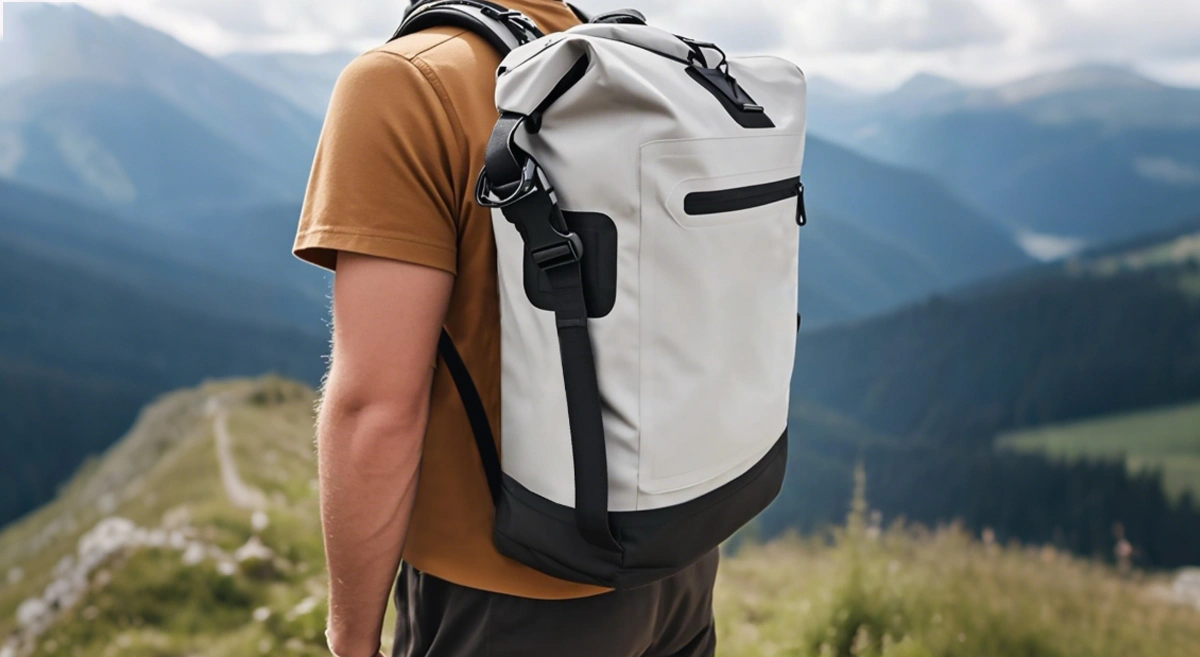
You might wonder, are hiking backpacks waterproof or just water-resistant? Most hiking backpacks offer water resistance, which means they can handle light or moderate rain but won’t keep everything dry in a downpour. If you hike in wet places, a waterproof backpack keeps your gear safe from water. Hikers in dry areas often pick lighter, water-resistant packs. The right choice depends on your weather, your trip length, and how much you need to protect your gear.
Key Takeaways
- Most hiking backpacks are water-resistant. They can handle light rain. They do not work well in heavy rain.
- Waterproof backpacks give the best protection. They use special materials. They have welded seams and waterproof zippers.
- Think about where you will hike before you choose a backpack. Waterproof packs are best for wet places. Water-resistant packs work well in dry areas.
- Water-resistant backpacks are lighter. They usually cost less. They are good for short hikes in dry weather.
- Always look at the seams and zippers on a backpack. Water can leak in these spots.
- Rain covers and dry bags help protect your backpack. They keep your gear safe when it is wet.
- Check for certifications like IPX ratings. These show how much water a backpack can handle.
- You can find custom and wholesale backpacks. These are good for people who want special features or need many backpacks for a group.
Are Hiking Backpacks Waterproof or Water-Resistant
When you shop for hiking gear, you might ask yourself, are hiking backpacks waterproof or just water-resistant? Most backpacks you find for hiking are water-resistant, not fully waterproof. This means they can handle a bit of rain, but they will not keep your gear dry in a heavy storm. If you want to keep your things safe from water, you need to know the difference between waterproof and water-resistant backpacks.
Waterproof Backpacks Explained
What Makes a Backpack Waterproof
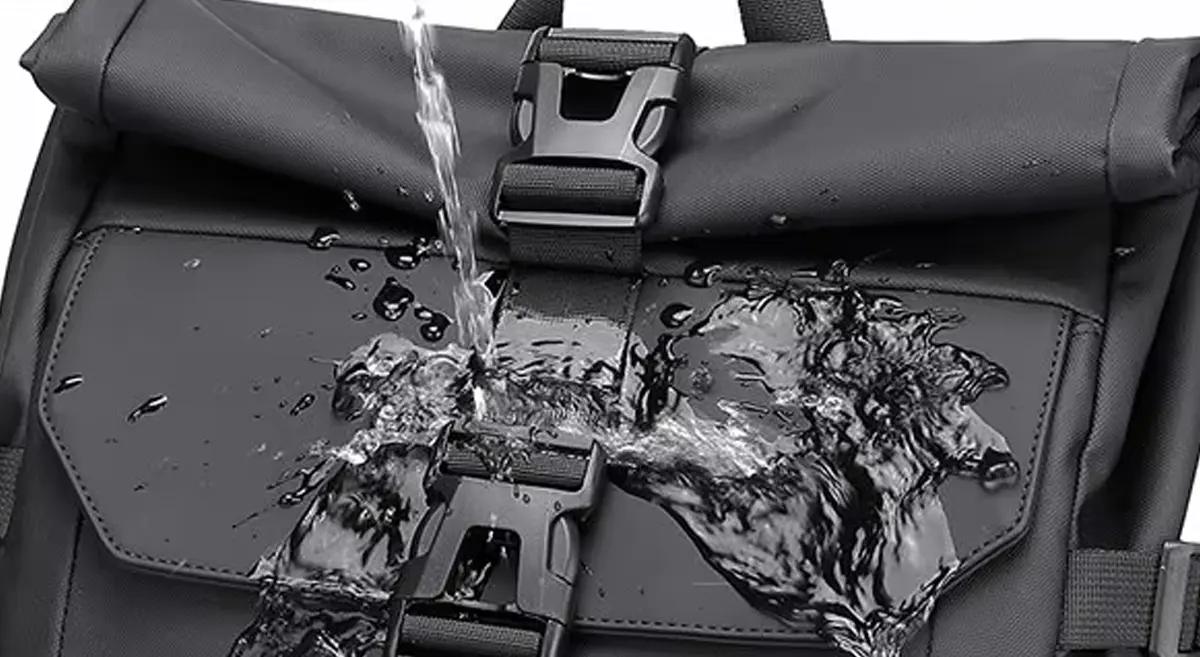
Waterproof backpacks give you the highest level of protection from water. You can trust these packs to keep your gear dry, even in heavy rain or if you drop your bag in a stream. Here’s what makes a backpack truly waterproof:
- Special materials that do not let water in, even under pressure.
- Welded seams instead of stitched ones, so water cannot sneak through tiny holes.
- Waterproof zippers that seal tightly.
- Roll-top closures that fold over and block water from getting inside.
If you see these waterproof features on a backpack, you know it is built for wet adventures. You can use these packs for kayaking, canoeing, or hiking in places where rain is common.
Market Availability
You will notice that waterproof backpacks are not as common as water-resistant ones. Most stores carry more water-resistant backpacks because most hikers do not need full waterproof protection every day. Waterproof backpacks cost more and sometimes weigh more, too. You might see them in shops that sell gear for water sports or extreme weather. If you hike in places with lots of rain or you carry electronics, you might want to look for a waterproof backpack.
Water-Resistant Backpacks Overview
Water-Resistant Features
Water-resistant backpacks are everywhere. You probably see them in every outdoor store. These packs use materials like nylon or polyester with a special coating. This coating helps water bead up and roll off the surface. Some packs use tight weaves and a finish called DWR (Durable Water Repellent) to slow down water. Here are some features you might find:
- Fabrics that repel light rain or splashes.
- Zippers with small covers to block some water.
- Extra flaps over pockets to keep out drips.
You can use water-resistant backpacks for most hikes, school, or daily life. They work well if you only expect light rain or short showers.
Common Limitations
Water-resistant backpacks do not keep everything dry in heavy rain. If you hike for hours in a storm, water can seep through seams, zippers, or fabric. These packs slow down water, but they do not stop it forever. You might notice your clothes or snacks get damp after a long walk in the rain. If you need to protect things like cameras or phones, you should use extra bags inside your pack.
Tip: If you want to hike in wet places, think about the waterproof vs water-resistant question. Ask yourself how much rain you expect and how important it is to keep your gear dry.
Here’s a quick table to help you compare:
| Feature | Waterproof Backpacks | Water-Resistant Backpacks |
|---|---|---|
| Material | Fully waterproof fabrics | Water-repellent fabrics |
| Seams | Welded or sealed | Stitched, sometimes taped |
| Closures | Roll-top, waterproof zippers | Regular zippers, flaps |
| Rain Protection | Heavy rain, submersion | Light rain, splashes |
| Common Use | Water sports, wet climates | Everyday hiking, dry climates |
So, are hiking backpacks waterproof? Most are not. Most hiking backpacks are water-resistant. They can handle light rain, but you need extra protection for heavy rain. If you want to keep your gear dry in any weather, look for waterproof backpacks. If you only hike in dry places or short trips, water-resistant backpacks might be enough.
Waterproof vs. Water-Resistant: Key Differences

Definitions and Standards
You see the words waterproof and water-resistant on many backpacks, but they mean different things. Waterproof backpacks keep water out, even in heavy rain or if you drop them in a river. Water-resistant backpacks slow water down, but they do not stop it completely. You can use water-resistant backpacks in light rain, but your gear might get wet in a storm.
Manufacturers use different standards to show how much water a backpack can handle. Some backpacks have IP ratings. For example, IPX4 means a backpack can handle splashes from any direction. IPX7 means you can submerge the backpack in water up to one meter for thirty minutes. You might also see certifications like ISO 9001 or CE marking. These show the backpacks meet quality and safety rules.
Here’s a quick look at some common certifications:
| Certification | Description |
|---|---|
| ISO 9001 | Ensures a strong quality system for making backpacks. |
| CE Marking | Meets safety and health rules in Europe. |
| IPX4 | Splash resistant from any direction. |
| IPX7 | Submersible up to 1 meter for 30 minutes. |
Real-World Implications
When you pick between waterproof and water-resistant backpacks, think about your trip. Waterproof backpacks use welded seams, waterproof zippers, and roll-top closures. These features keep water out, even if you hike in a downpour or drop your pack in a stream. Water-resistant backpacks use coated fabrics, sealed seams, and water-resistant zippers. These work for light rain, but water can get in during heavy storms.
If you carry a camera, phone, or dry clothes, you want a waterproof backpack. If you hike in dry weather or only need to protect snacks, water-resistant backpacks might be enough.
You should also know that even if a backpack uses waterproof materials, it can still leak if it has regular zippers or stitching. The way the backpack is built matters as much as the fabric.
Misleading Marketing Claims
You might see backpacks in stores that say “100% waterproof.” Many of these backpacks are only splash-resistant. Some companies use the word waterproof when they mean water-resistant. This can confuse you when you shop. Not every backpack that says waterproof will keep your gear dry in all conditions.
Some waterproof materials can wear out over time. Sun, dirt, and use can break down coatings and seams. Always check the details before you buy. Look for real features like welded seams and waterproof zippers, not just big promises.
Tip: Read the product label and ask questions. Make sure the backpack matches your needs and the weather you expect.
Backpack Materials and Waterproofing
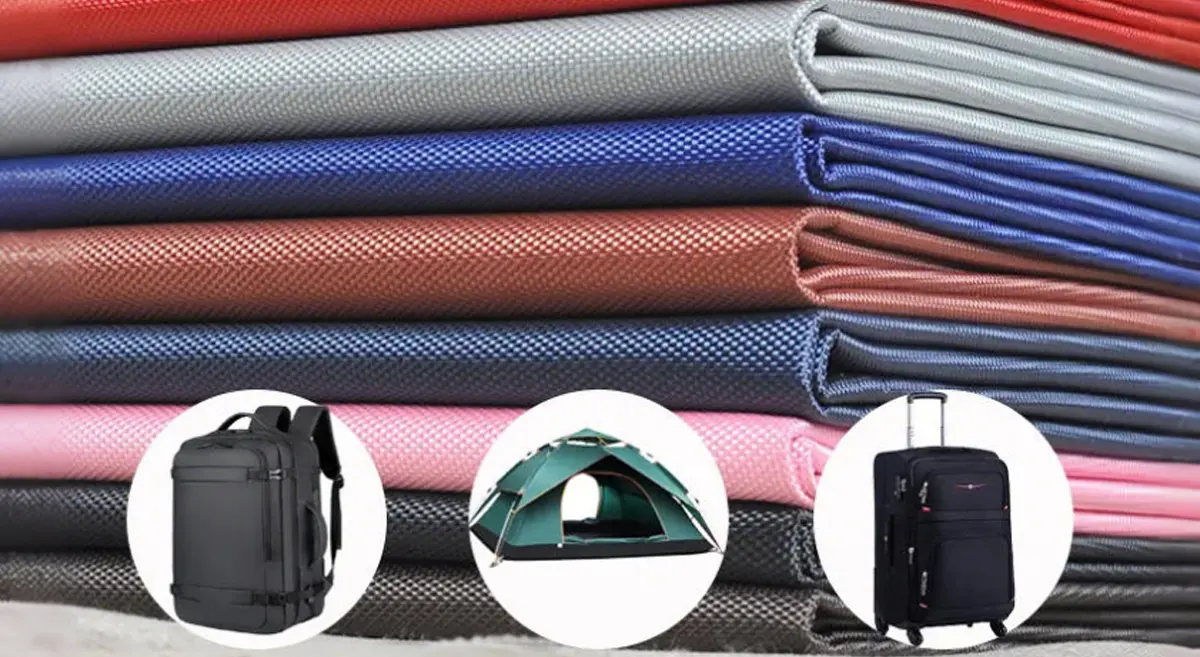
When you check out hiking backpacks, you may wonder what makes them waterproof or water-resistant. The answer is about the materials, coatings, and how the seams and zippers are made. Let’s look at what matters most.
Waterproof Materials
Some backpacks use special fabrics and layers to keep water out. These materials stop water from getting inside, even in heavy rain. You can find these waterproof materials in expensive backpacks:
- PVC-coated fabrics
- TPU-coated nylon
- Nylon with PU coating
- GORE-TEX
- PU-coated nylon or polyester
These materials give strong protection from water. PVC-coated fabrics are tough and easy to wipe clean. TPU-coated nylon is lighter and bends more easily. GORE-TEX lets sweat out but blocks water. Each one helps make a backpack truly waterproof.
Coatings and Laminates
Waterproof backpacks often have different coatings and laminates. Hydrophobic coatings, like silicone or fluoropolymers, make a shield that stops water. Some backpacks use microporous membranes. These let air out but keep water from coming in. Newer backpacks might use nanotechnology treatments. These make water roll right off the surface.
Not all coatings last forever. Some need to be put on again after some time. Others stay strong for many years. If you want a backpack for long trips or bad weather, pick one with tough waterproof construction.
Water-Resistant Fabrics
Most hiking backpacks use water-resistant materials. These backpacks can handle light rain and splashes but not big storms. You will see these fabrics in water-resistant backpacks:
| Fabric Type | Properties |
|---|---|
| PVC (Polyvinyl Chloride) | Strong, fully waterproof, easy to clean, good for outdoors. |
| TPU (Thermoplastic Polyurethane) | Bends easily, light, fully waterproof, better for the planet, not bulky. |
| Nylon with Waterproof Coating | Light, strong, treated to resist water, good for daily use. |
| Neoprene | Water-resistant, strong, looks nice, handles rain and splashes. |
Water-resistant backpacks often use nylon or polyester with a special finish. These backpacks are light and simple to carry. Neoprene looks cool and works in rain, but it is not totally waterproof. You can trust water-resistant backpacks for short hikes or dry days.
DWR and Tight Weaves
Many water-resistant backpacks have DWR coatings. This finish makes water bead up and roll away. Tight weaves in the fabric also help block water. These features slow down rain, but they do not stop it forever. If you want your gear dry, know what water-resistant backpacks can and cannot do.
Seams and Zippers
Seams and zippers are important for waterproof and water-resistant backpacks. Regular stitched seams and fabric zippers can let water leak in. That’s why better backpacks have these features:
- Welded seams melt the fabric together, so water cannot get through.
- Zipper rain guards cover the zipper and keep out rain.
- Backpack lids add a cover over the main part.
- Off-center zippers keep water from hitting the zipper straight on.
If you want the best waterproof backpack, look for welded seams and waterproof zippers. For water-resistant backpacks, check for zipper covers and flaps. These small things really help if you get caught in the rain.
Tip: Always look at the seams and zippers before you buy a backpack. These are the spots where leaks happen most.
How Waterproof Backpacks Perform Outdoors
Light Rain vs. Heavy Rain
You might wonder how waterproof backpacks handle different types of rain. In light rain, these backpacks shine. Water beads up and rolls right off the surface. You can walk for hours in a drizzle, and your gear stays dry. Most waterproof backpacks use special coatings and tight seams. These features block water from sneaking inside during light rain.
When you face heavy rain, the real test begins. A quick shower is easy for most waterproof backpacks. A downpour, though, can last for hours. If you hike in heavy rain, you need a backpack that keeps water out, even when it pours. Waterproof backpacks use welded seams and roll-top closures. These details stop water from leaking in, even during a downpour. You can trust your gear to stay dry, even if the rain turns into a heavy downpour.
Tip: Always check your backpack before a trip. Make sure the seams and zippers work well. A small tear can let in water during a downpour.
Submersion and Water Exposure
Sometimes, you might drop your backpack in a stream or get caught in a sudden downpour. Waterproof backpacks are built for these moments. If you fully submerge your backpack, you will notice something cool. Many waterproof backpacks float on water. This means your gear stays safe and dry, even if you drop it in a river. Some users have shared that their backpacks stayed dry after being covered in mud and rain. You can count on these backpacks for off-the-beaten-path adventures. The Fishpond Thunderhead Submersible Backpack, for example, is made for tough water exposure. It keeps your things dry, even in a heavy downpour or when submerged.
Here’s what you can expect when you use a waterproof backpack in wet conditions:
- Your gear stays dry in light rain, heavy rain, and even a downpour.
- The backpack floats if you drop it in water.
- Mud, rain, and splashes do not get inside.
If you hike in places where rain is common or you cross streams, a waterproof backpack gives you peace of mind.
Durability Over Time
You want your waterproof backpack to last, even after many trips in heavy rain. These backpacks use advanced materials and smart construction. Sealed seams, water-repellent fabrics, and protective coatings help them stand up to repeated rain and downpour. Welded seams, instead of regular stitching, stop water from getting in. Waterproof zippers and roll-top closures create airtight seals. These features protect your gear from moisture, even after years of use.
Over time, some coatings may wear down, especially if you hike in heavy rain often. You can help your backpack last longer by cleaning it and checking for damage after each trip. If you care for your waterproof backpack, it will keep your gear dry through many downpours and storms.
Note: A well-made waterproof backpack is a smart choice if you expect heavy rain or plan to hike in wet places. It keeps your things safe, even when the weather turns rough.
Choosing Between Waterproof and Water-Resistant Backpacks
Activity and Weather Considerations
Think about where you will hike and the weather there. If you go to rainy places or near rivers, pick a waterproof backpack. It keeps water out, even if you drop it in a stream. For short hikes or dry weather, water-resistant backpacks are fine. They can handle light rain and splashes. But they might not protect your things in a big storm.
Here’s a quick look at how different materials compare:
| Material Type | Waterproofing Level | Durability | Weight |
|---|---|---|---|
| PVC (Polyvinyl Chloride) | Excellent | High | Heavy |
| TPU (Thermoplastic Polyurethane) | Good | High | Lightweight |
| Nylon with Waterproof Coating | Moderate | Moderate | Lightweight |
Tip: Always check the weather before you go hiking. If rain is likely, a waterproof backpack helps keep your things safe.
Protecting Sensitive Gear
Do you bring a camera, phone, or other electronics? If you do, you need to think about water protection. Waterproof backpacks give the best shield for your gear. They keep water out in heavy rain or if you cross a river. Water-resistant backpacks only stop small amounts of water. If you get caught in a big storm, your electronics could get wet.
You can use dry bags inside your backpack for extra safety. This helps keep your important things dry, even if some water gets in.
Note: If you carry expensive or delicate gear, pick a waterproof backpack or use extra protection inside.
Weight and Cost Factors
You might ask if waterproof backpacks are heavier or cost more. Most of the time, they are. Waterproof backpacks use thick materials and extra layers to block water. This makes them heavier than water-resistant backpacks. They also cost more because of special fabrics and how they are made.
Here’s a simple table to compare:
| Specification | Waterproof Bag | Water Resistant Bag |
|---|---|---|
| Weight | Heavier | Lighter and flexible |
| Price Range | Higher (usually $50+) | Lower (often under $40) |
If you want a light pack for short trips, water-resistant backpacks save weight and money. For long hikes in wet places, the extra cost and weight of a waterproof backpack can be worth it.
Remember: The best backpack depends on your trip, your gear, and your budget. Think about what you need most before you buy.
Enhancing Water Protection for Your Backpack
Using Rain Covers
You want to keep your backpack dry when the weather turns wet. Pack covers help you do just that. These covers slip over your backpack and act as a shield. Many hikers use pack covers because they are light and easy to carry. You can pull one out quickly when you see dark clouds. Here’s what you get when you use pack covers:
- Pack covers keep your backpack dry in wet weather conditions.
- They add an extra layer of protection for your gear and help prevent snags or wear on your backpack.
- Pack covers work well for most rain, but they might not stop water in heavy rain or strong wind.
Pack covers fit over most backpacks and work with water-repellent fabrics. You can use them with water-repellent backpacks for double protection. Some pack covers have elastic edges, so they stay in place. Others use straps to hold tight. If you hike in places with sudden rain, pack covers are a smart choice. Remember, pack covers may slide off in strong wind, so check them often.
Packing with Dry Bags
Dry bags give you another way to protect your gear. You put your things inside these bags, then seal them tight. Dry bags work well with water-repellent backpacks and pack covers. You can use different sizes for different items. Here’s why dry bags help you:
- Dry bags create sealed compartments inside your backpack. This keeps your gear safe from water.
- You can choose how much protection you need. Use more dry bags if the weather looks bad.
- Dry bags let you keep important things dry, like your phone or camera. Less important gear can get damp if needed.
You can use dry bags with pack covers for the best results. Water-repellent backpacks, pack covers, and dry bags together give you strong protection. You can hike in rain and not worry about your gear.
DIY Waterproofing Tips
You can make your backpack more water-repellent at home. Many hikers use simple tricks to boost water protection. Here’s a table with some popular DIY methods:
| Method | Description | Advantages/Limitations |
|---|---|---|
| Waterproof Spray & Seam Seal | Spray your backpack and seams with water-repellent spray. You need to clean the bag and use many coats. Good for light rain. | Cheap and easy, but not full waterproofing. Works best as a backup. |
| Waterproof Pack Liner | Use a water-repellent liner inside your backpack. Roll the top to seal it. Keeps your things dry. | Reliable and reusable. The backpack itself can still get wet. |
| Waterproof Stuff Sacks | Put small items in water-repellent sacks. You can find many sizes. | Great for organizing. Can cost more if you need many. Works best with a pack liner for double protection. |
| Pack Cover/Rain Cover | Stretch a pack cover over your backpack. Easy to store and use. | Handy but can slide off in wind. Not perfect for heavy rain. Sometimes you need to remove it to get inside. |
You can use water-repellent sprays on your backpack every few months. Always let the spray dry before you pack your gear. Try using a water-repellent pack liner for extra safety. Pack covers, water-repellent liners, and stuff sacks all work together. You can mix these methods for the best water protection.
Tip: Always check your pack covers and water-repellent gear before a trip. A small hole or tear can let water in.
You can hike with confidence when you use water-repellent pack covers, dry bags, and DIY tricks. Your gear stays dry, and you enjoy your adventure, rain or shine.
Custom and Wholesale Waterproof Backpacks
Are you looking for a backpack that fits your exact needs? Maybe you want your logo on every bag, or you need a special color for your hiking group. You can get all of this with custom and wholesale waterproof backpacks. Let’s see how you can make your backpack stand out and how bulk orders can help your team or business.
Customization Options
You do not have to settle for a basic backpack. You can choose from many ways to make your waterproof backpack unique. Manufacturers offer several types of customization. You can pick the size, color, and even the type of fabric. Want your logo on the front? You can do that too. Here’s a quick look at what you can customize:
| Customization Type | Description |
|---|---|
| OEM Customization | Send your own design or requirements for a backpack made just for you. |
| ODM Customization | Pick a model and change the color, material, size, or add your logo. |
| Private Label | Print your logo, text, or pattern right on the backpack. |
| Package Customization | Choose special packaging with your logo or design. |
| Customizable Decorations | Add bungee cords, reflective tape, mesh pockets, or waterproof zipper pockets. |
| Material Options | Select from PVC-coated tarpaulin, TPU-coated nylon, or other fabrics. |
| Closure Options | Pick roll-top or waterproof zipper closures. |
You can mix and match these options. Maybe you want a bright color for safety or extra pockets for snacks. You can even choose the type of closure that works best for your adventures. If you have a team, you can make sure everyone’s backpack matches.
Tip: Custom backpacks make great gifts for hiking clubs, schools, or outdoor events. You can show off your group’s style and keep everyone’s gear dry.
Bulk and Wholesale Services
Do you need a lot of backpacks for your business, school, or outdoor club? Wholesale services make it easy to order in bulk. You can save money when you buy more at once. Manufacturers often give special deals for large orders. You can get the same high-quality waterproof protection for every member of your group.
Here’s why bulk orders work well:
- You get lower prices per backpack.
- You can keep your brand or team looking sharp with matching gear.
- You can choose custom features for every bag in your order.
You do not have to worry about running out of backpacks for your next big trip. You can order as many as you need, all with the same custom look and waterproof features.
If you want to stand out on the trail or keep your team organized, custom and wholesale waterproof backpacks are a smart choice. You get the protection you need and the style you want.
Are you ready to design your own waterproof backpack or place a bulk order? As a backpack manufacturer, we can help you with every step. You can get the perfect backpack for your next adventure, your business, or your team.
Conclusion
Picking a waterproof or water-resistant backpack depends on what you need. Here’s a simple chart to help you compare:
| Feature | Waterproof Backpack | Water-Resistant Backpack |
|---|---|---|
| Protection Level | Blocks all water | Good for light rain |
| Weight | Usually heavier | Usually lighter |
| Cost | Costs more money | Costs less money |
If you hike where it rains a lot or carry electronics, choose waterproof. For short hikes in dry weather, water-resistant is a good choice. Want your backpack to look special? You can order custom or bulk backpacks directly from us. As a professional backpack manufacturer, we help you choose the right features, colors, materials, and logo options to match your needs. With our OEM/ODM capabilities, we can create the perfect backpack for your brand or your next trip.
FAQ
Can you trust your pack to stay dry in heavy rain?
You can trust your pack in light rain if it has welded seams and waterproof zippers. Heavy rain may still get inside unless you use extra protection like a rain cover or dry bags. Always check the pack’s water-resistant integrity before heading out.
What are waterproof zippers, and why do they matter?
Waterproof zippers keep water out of your pack. You find them on hiking and camping packs built for wet conditions. These zippers have a special seal that blocks water, so your gear stays dry even during a splash or downpour.
How do welded seams improve your pack’s water protection?
Welded seams melt fabric together instead of stitching. This stops water from sneaking through tiny holes. You see welded seams on packs designed for tough weather. They help keep your gear dry when you hike in rain or cross streams.
Do all hiking and camping packs have sealed zippers?
Not all hiking and camping packs have sealed zippers. Some packs use regular zippers with flaps, but sealed zippers offer better protection. If you want to keep your gear dry, look for packs with sealed zippers and waterproof zippers.
What does durable water repellent mean for your pack?
Durable water repellent is a coating that helps water bead up and roll off your pack. You find this feature on many packs. It works well for light rain or a splash, but it may wear off over time. Reapply it to keep your pack protected.
Can a pack survive a splash or quick dunk in water?
Your pack can handle a splash if it has welded seams, waterproof zippers, and durable water repellent. A quick dunk might let water in unless your pack is fully waterproof. Always pack sensitive gear in dry bags for extra safety.
How do you keep your pack’s water-resistant integrity strong?
You keep your pack’s water-resistant integrity strong by cleaning it and reapplying durable water repellent. Check welded seams and waterproof zippers for damage. Store your pack in a dry place. Regular care helps your pack last longer and keeps your gear dry.
Are waterproof zippers better than regular zippers for hiking?
Waterproof zippers work better than regular zippers for hiking in wet weather. They seal tightly and block water from getting inside your pack. If you hike in rain or near water, choose packs with waterproof zippers for the best protection.