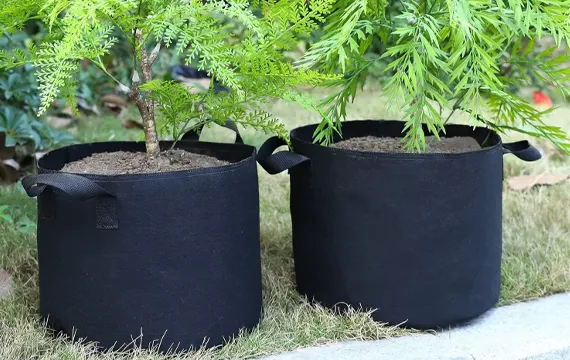
When you wonder are grow bags reusable you need to think about three things. First is material. Second is physical wear from handling and weather. Third is disease risk from soil and roots. Fabric bags made from breathable felt or heavy non woven polypropylene are built to breathe and handle repeated use. They resist root circling and promote air pruning of roots. If these bags are built with reinforced stitching and UV resistant fabric they will hold up better season after season.
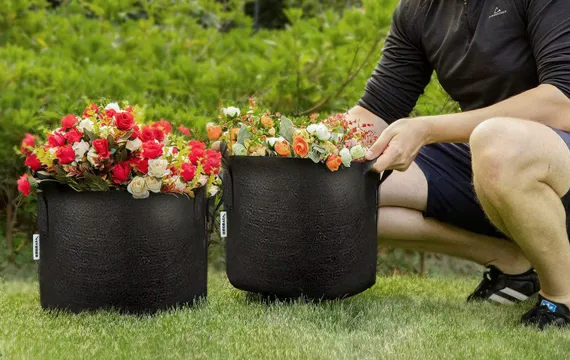
The main reasons a grow bag might become unusable are tearing, UV breakdown, and soil borne disease. Tearing can come from heavy loads or rough handling. UV breakdown happens when bags stay in direct sunlight all year long without protection. Soil borne pathogens can persist in old soil and infect new crops. You can manage all three risks with good practices we cover below.
Which grow bag materials can be reused
Here is a practical table that shows common grow bag materials and their typical reusability.
| Material | Typical lifespan | Reusability notes |
|---|---|---|
| Felt fabric | 3 to 7 seasons | Very reusable if kept dry and stored out of harsh sun |
| Heavy non woven polypropylene | 2 to 5 seasons | Durable and cost effective; avoid prolonged UV exposure |
| Lightweight non woven | 1 to 2 seasons | Cheap, useful for one or two seasons |
| Plastic-lined or rigid plastic | 1 to 3 seasons | Less breathable; can be reused but watch for cracking |
| Biodegradable materials | Single season | Designed to break down; not reusable for planting |
If you want grow bags that last, pick felt or heavy non woven fabric with reinforced handles. Those options give the best balance of breathability and durability.
How long can you reuse a grow bag?
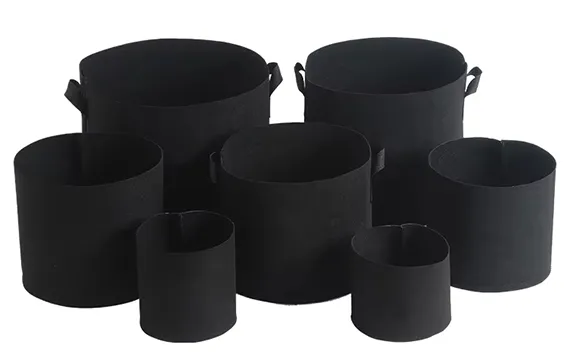
Lifespan depends on usage and environment. In general:
- Light duty home use and gentle handling: 3 to 5 seasons for heavy fabric bags.
- Medium duty with regular moving and sun exposure: 2 to 4 seasons.
- Heavy commercial use or constant outdoor sun: 1 to 3 seasons.
If you rotate crops, refresh soil, and store bags inside over winter, you can often push the lifespan to the higher end of these ranges. If you use strong fertilizers or salt heavy soil, check the bag material for degradation because chemical exposure can weaken fibers over time.
How to clean grow bags for reuse
Cleaning is the most important step to answer are grow bags reusable without passing disease to next season. Here is a step by step routine that is effective and straightforward.
- Remove plant material. After harvest remove all roots, stems, and debris from the bag. Shake out loose soil into a compost area or bag for disposal if disease was present.
- Empty remaining soil. Tip the bag and empty as much soil as possible. Reuse healthy soil after sieving and solarizing if desired. If soil shows signs of disease, dispose of it responsibly.
- Rinse the bag. Hose down the bag to remove sticking soil and organic matter. Use a stiff brush to scrub seams and handles.
- Sanitize when necessary. If you had disease problems use a mild disinfectant. A common approach is household bleach diluted to about one part bleach to nine parts water. Soak or spray the bag surface and let sit for 10 to 15 minutes, then rinse thoroughly until no bleach smell remains. Use gloves and work outdoors for ventilation.
- Dry completely. Air dry the bag fully in the sun for several hours. Sunlight helps kill some pathogens. Make sure bag is totally dry before storing to avoid mold.
- Repair minor damage. Patch small holes or reinforce weakened seams with heavy duty thread or fabric tape before reuse.
- Refill with fresh or refreshed mix. Replace part of the soil or refresh with compost and clean potting mix to restore nutrients.
If you prefer milder sanitation, use a one to ten mix of hydrogen peroxide and water or a commercial horticultural disinfectant. The key is thorough rinsing after disinfection and complete drying before storage.
How to handle disease risk when reusing grow bags
Disease is the top reason growers hesitate to reuse bags. Root rot, blight, and fungal spores can live in old soil and in the bag fabric. Here is how to reduce risk and still reuse grow bags safely.
- Rotate crops. Do not grow the same family of plants in the same bag year after year. Rotate crops to reduce pathogen buildup.
- Solarize soil. Lay soil spread thinly in a black plastic sheet under the sun for several weeks before reusing. Heat reduces many pathogens.
- Replace portion of soil. Remove and replace 25 to 50 percent of the old soil with fresh mix each season to lower pathogen levels and refresh nutrients.
- Sanitize the bag when disease occurred. Use bleach or hydrogen peroxide protocol described earlier.
- Avoid reusing soil that smells sour or shows root residue with discoloration. Dispose of suspected infected soil and do not compost it near edible crops.
These steps let you reuse the physical bag while minimizing the chance of passing disease to the next crop.
Tips to extend the life of your grow bags
Treat your grow bags well and they will reward you with many seasons. Follow these practical tips.
- Use grow bag liners. A thin removable liner can keep the bag itself clean and be replaced each season. This reduces direct soil contact with the outer felt.
- Do not drag filled bags over rough surfaces. Lift using handles to prevent seam damage.
- Avoid constant direct sunlight on one face. Rotate bag position periodically to spread UV exposure.
- Do not overload bags beyond recommended capacity. Heavy overload stresses stitches and fabric.
- Store empty bags indoors or under cover. Dry storage away from sun increases lifespan significantly.
- Patch early. Repair small holes with fabric patches before they grow bigger.
Small habits extend life. If you treat the bag as a reusable tool you will see seasons of returns.
Cost and environmental comparison
Reusing grow bags is often cheaper and greener than replacing them every season. Here is a simple cost snapshot.
| Option | Typical cost over 5 seasons | Environmental notes |
|---|---|---|
| Reuse heavy fabric bag 3 to 5 seasons | Lower total cost per season | Less waste, fewer new bags produced |
| Replace lightweight non woven bag each season | Higher recurring cost | More plastic waste and resource use |
| Use biodegradable bags once | Low initial cost but repeated buys add up | Compostable but requires appropriate conditions |
From an environmental perspective reusing heavy fabric bags reduces waste and energy used in producing new bags. From a business perspective if you are a grower or distributor, offering reusable heavy fabric bags increases perceived quality and sustainability.
When not to reuse grow bags
Reusing is sensible in most cases but there are times when you should not reuse a bag for planting.
- Severe disease outbreak in the bag or soil. In that case discard or repurpose the bag for non edible uses.
- Structural damage that is costly to repair. Holes near handles or torn seams compromise safety.
- Bags made of biodegradable material. These are designed to compost and will not survive seasons.
- Contamination by chemicals or heavy metals. If soil has been exposed to contaminants, do not reuse for food crops.
When in doubt, err on the side of crop safety. You can repurpose old bags for storage, seedling trays, or non edible plantings.
Practical yearly maintenance plan
Here is a simple seasonal maintenance checklist that helps you plan reuse.
- After harvest: empty bag, remove roots, brush out loose soil.
- End of season: deep clean and sanitize if needed, fully dry, store indoors.
- Pre planting: solarize or refresh soil 25 to 50 percent, add compost and slow release feed, inspect and patch bag.
- Mid season: monitor for tears and pests, check drainage and support.
This routine keeps bags productive and reduces disease pressure.
Conclusion
Yes, grow bags can be reused, especially the fabric and heavy non woven ones. Just keep them clean, rotate crops, and store them right. Most will last you a few seasons. If you ever run into disease, give the bags a good clean or switch out the soil, and you’re good to go.
As a grow bag manufacturer we design products with reusability in mind. Our heavy fabric and reinforced grow bags are made to withstand seasons of use, with UV resistant fabric, extra reinforced handles, and durable stitching that make reuse practical and reliable. Choose the right material, follow the cleaning tips in this guide, and your grow bags will keep working while you enjoy more harvests.
FAQs
Can I reuse grow bags for tomatoes or potatoes?
Yes, you can. Clean bags, refresh soil, and rotate crops. For potatoes avoid reusing soil from potato growing for potatoes next season because of disease risk.
How many seasons can I reuse a fabric grow bag?
Typically three to five seasons for heavy felt or reinforced non woven bags under normal home use. Lighter bags will last fewer seasons.
Do grow bags need to be disinfected before reuse?
If no disease was present a simple rinse and full drying is fine. If disease or pests were present sanitize using diluted bleach or hydrogen peroxide and rinse thoroughly.
Can I compost soil from grow bags?
Compost healthy soil. Do not compost soil with signs of disease or persistent pests.
Are biodegradable grow bags reusable?
No. Biodegradable bags are designed to break down and are not intended for reuse.